Breaking News
Middle East conflict sends Dalal Street into panic: India’s markets collapse due to Iran vs US-Israel war; Sensex, Nifty fall, investors’ wealth worth $240 billion wiped out in just a week

Middle East conflict sends Dalal Street into panic: India's markets collapse due to Iran vs US-Israel war; Sensex, Nifty fall, investors' wealth worth $240 billion wiped out in just a week
Oil above $100, market in red: How Iran war caused $240 billion blow to Indian investors

India’s stock markets have suffered a major blow after geopolitical tension. middle east A wave of global financial uncertainty began and accordingly market The recent selloff wiped out nearly $240 billion of investors’ wealth in just one week, according to data compiled from the Bombay Stock Exchange and the National Stock Exchange of India. The selloff shows how quickly international conflict, in this case the Iran versus US-Israel war, can spill over into financial markets, especially in economies like India that are deeply linked to global trade, energy supply chains and foreign investment flows.Reserve Bank of India Governor Shaktikanta Das had earlier highlighted the risks that global geopolitical tensions pose to financial stability. “Elevated geopolitical tensions and global financial market volatility remain key risks to the economic outlook,” Das said during the press conference of the 2024 Monetary Policy Committee held at the Reserve Bank of India headquarters in Mumbai after the RBI monetary policy announcement.The sudden collapse of funds has sent the entire brokerage street into shock, with benchmark indices falling sharply and investors struggling to reassess risk exposure. Analysts say the turmoil highlights the delicate balance between global geopolitics and financial markets, where even distant conflicts could jolt emerging economies.

Sudden blow to investors’ wealth in India amid Iran vs US-Israel war

The latest market meltdown has wiped billions of dollars off the value of companies listed on Indian exchanges. According to reports, the combined market capitalization of Indian equities fell dramatically as investors rushed to sell risky assets amid rising geopolitical tensions. The losses are part of a broader trend that has seen trillions of rupees wiped off investors’ wealth since the conflict began, reflecting widespread panic in financial markets.Nilesh Shah, managing director of Kotak Mahindra Asset Management Company, warned that global uncertainty generally forces investors to reduce investments in risky markets. “Markets dislike uncertainty, and geopolitical developments could lead to sharp changes in capital flows as investors reevaluate risk appetite,” Shah had said during the 2023 Kotak Mutual Fund Annual Investor Conference, where global macroeconomic risks and market outlook were discussed with institutional investors.

Dalal Street Panic: Middle East war leads to massive selloff, $240 billion missing from Indian markets

Dalal Street Panic: Middle East war leads to massive selloff, $240 billion missing from Indian markets

Stock markets generally react quickly to geopolitical instability and the current recession is no exception. Traders and institutional investors alike have adopted a cautious stance, leading to heavy selling pressure in sectors ranging from banking and automobile to infrastructure and aviation.

Oil prices rising due to Iran vs US-Israel war

At the center of the market turmoil is the escalating conflict in West Asia, which has sent global oil prices soaring and raised fears of a broader economic downturn. The war has already pushed crude oil prices above $100 a barrel, raising concerns about inflation, energy security and trade deficits for oil importing countries like India.Dr Indranil Pan, chief economist at Yes Bank, had warned that rising crude oil prices could have macroeconomic consequences for India. “A sustained rise in crude oil prices could widen India’s current account deficit and also lead to inflationary pressures for the economy,” Pan had said in Yes Bank’s 2023 Macro Economic Outlook presentation to investors and analysts.India is the world’s third-largest importer of crude oil, meaning any sharp rise in energy prices directly impacts its economy. Higher oil costs increase transportation and manufacturing expenditures, ultimately raising consumer prices and weakening economic growth prospects. The situation is worsened by fears of disruption to the strategic shipping route, the Strait of Hormuz, through which a significant portion of the global oil supply passes. If the conflict escalates and shipping routes are disrupted, energy prices could rise even faster.

Sensex And nifty Iran vs Iran falls amid panic selling over US-Israel war

The impact of these developments is clearly visible on India’s major stock indices. Both BSE Sensex and Nifty 50 have fallen sharply in recent trading sessions as investors rushed to reduce exposure to riskier assets. At one point, the Sensex fell by more than 1,300 points in a single session, while the Nifty also fell sharply.According to Kranti Bathini, director of equity strategy at Wealthmills Securities, geopolitical tensions along with rising oil prices weigh heavily on investor sentiments. “When crude oil prices rise sharply due to geopolitical tensions, it creates uncertainty about inflation and growth expectations, which typically leads to volatility in equity markets,” Bathini said in a 2024 Wealthmills Securities Investor Strategy Note.

Sensex falls, investors surprised: Middle East crisis caused massive market instability in India.

Sensex falls, investors surprised: Middle East crisis causes massive market instability in India

The selloff dragged both indices near one-year lows and pushed them into technical correction territory, meaning they had fallen more than 10% from their recent peaks. For investors, the sudden downturn is a reminder of how quickly markets can change direction when geopolitical risks increase.

Foreign investors pull out billions of dollars from India amid Iran vs US-Israel war

Another major reason for the market decline is the massive withdrawal of foreign investments from Indian equities. Foreign portfolio investors (FPIs) have pulled billions of dollars from the market in recent weeks as global uncertainty increases. In the first half of March, foreign investors pulled out about ₹52,704 crore (about $5.7 billion) from Indian stocks.Global investors often shift capital out of emerging markets during geopolitical crises, according to Andrew Holland, chief executive officer of Avendus Capital Public Markets Alternate Strategies. “Periods of increased geopolitical risk typically push investors toward safer assets and developed markets, which may lead to capital outflows from emerging economies,” Hollande said during the 2023 Avendus Capital Global Markets webcast for institutional investors.Such capital outflows could increase market volatility as foreign institutional investors have large positions in Indian equities. When they sell shares rapidly, stock prices can fall rapidly. The withdrawals have also put pressure on the Indian rupee, which weakens as foreign capital leaves the country.

Widespread losses in all sectors in India amid Iran vs US-Israel war

The decline in the market is not limited to any one sector. Instead, losses have been widespread across the economy, reflecting a broader wave of risk aversion among investors. Financial stocks, which typically dominate Indian indices, have been worst affected. Banking stocks and financial institutions fell sharply as investors worried about the potential impact of slowing economic growth.Automobile companies have also suffered heavy losses, with the sector recording one of its worst weekly performances in years. Rising fuel costs and economic uncertainty could reduce consumer spending on large purchases such as vehicles. Infrastructure and aviation stocks have also come under pressure, as investors anticipate higher operating costs associated with rising energy prices.

Global markets are also feeling the heat of Iran vs US-Israel war

The turmoil in India’s markets is part of a broader pattern of volatility in global financial markets. Whenever geopolitical conflicts intensify, investors shift money towards safe assets such as gold, US government bonds and the US dollar.

​Geopolitical tensions in the Middle East have created a wave of global financial uncertainty.

Geopolitical tensions in the Middle East have created a wave of global financial uncertainty.

Emerging markets, including India, often see capital outflows during such periods. This global “risk-off” sentiment has contributed to selling pressure in Indian equities.

Domestic investors provide some support amid Iran vs US-Israel war

Despite selling by foreign investors, domestic institutional investors, including mutual funds and insurance companies, have continued to buy stocks in an effort to stabilize the market. However, analysts say domestic purchases alone may not be enough to offset huge foreign outflows if geopolitical tensions persist.Retail investors, who have played a major role in India’s market rally in recent years, are also taking a wait-and-see approach amid the current volatility.

Experts urge investors to remain calm amid Iran vs US-Israel war

Market regulators and financial experts have appealed to investors not to panic in the current period of uncertainty. Historically, geopolitical crises often trigger temporary market corrections rather than long-term structural declines. Analysts say markets usually stabilize once the geopolitical situation becomes clear.Investors are being advised to focus on long-term fundamentals rather than short-term volatility. The future direction of Indian markets will largely depend on developments in the Middle East conflict and global energy prices. If tensions ease and oil prices stabilize, the market could recover relatively quickly. However, prolonged conflict could lead to sustained instability, especially if energy supply routes are disrupted or inflation rapidly increases.The growing influence of geopolitics on the global economy has often been emphasized by Kristalina Georgieva, Managing Director of the International Monetary Fund. “Geo-economic fragmentation and geopolitical tensions are creating new uncertainties for the global economy,” Georgieva said during her opening remarks for 2023 at the IMF-World Bank annual meeting in Marrakesh.At the moment, the $240 billion decline in market assets is a stark reminder of the interconnected nature of the global economy, where conflicts thousands of kilometers away can rapidly shake financial markets in one of the world’s fastest-growing economies. As investors deal with this uncertain environment, the coming weeks will determine whether the recent selloff represents a temporary setback or the beginning of a deeper market correction.(Disclaimer: The recommendations and views given by experts on the stock market, other asset classes or personal finance management are their own. These opinions do not represent the views of The Times of India)
Source link

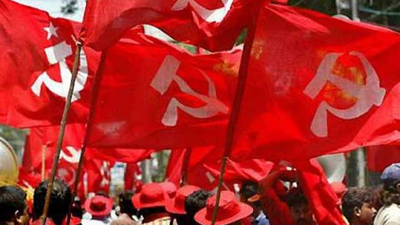
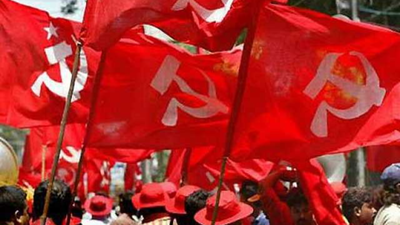
For the Left, Kerala is the Red Fort that must not fall. india news

For the Left, Kerala is the Red Fort that must not fall

New Delhi: For the Left, their most important battle is in Kerala, as the CPM-led LDF fights to return to power in the last communist-ruled state, where elections are due along with West Bengal, Tamil Nadu, Assam and Puducherry. In Bengal – where it was once a major force and now has no presence in terms of MLAs and MPs in the state – it is making efforts for revival. And in Tamil Nadu, she is fighting to ensure the return of the DMK-led alliance, of which CPM and CPI are part. Left parties, including CPI(ML), are also gearing up to fight against the BJP as part of the Congress-led alliance in Assam. They will focus on reaching out to the working class, Dalits and other backward classes in all the electoral states.

.

General secretaries of CPM and CPI(ML) Liberation, MA Baby and Dipankar Bhattacharya, respectively, highlighted that the aim is to expand the Left’s footprint, weaken the BJP where it is in power and ensure that the BJP does not become strong in opposition-ruled states like Kerala and Tamil Nadu. Emphasizing on the reach of the Left, CPI’s D Raja said the BJP has been exposed for its failures on economy, job creation, inflation and foreign policy. Baby admitted that while there is a “tough fight” in Kerala, “We are confident that people will see what the LDF government has done and will not be influenced by the narratives of the UDF and the BJP. We are also going to the people and are ready for criticism to understand their concerns and address them.” With the revived UDF stepping up its attack on the two-term CPM-led government in Kerala and the BJP seemingly gaining ground, the assembly elections in the state will be a crucial test for the Left parties. The defeat will put a big question mark on the relevance of the Left in the Indian faction at the national level. Meanwhile, in a bid to bring about a resurgence in West Bengal and establish its presence as a third force in the contest, the Left Front is going into the elections as a broad alliance, with the CPI(ML) – unlike the previous assembly elections – and some non-Left players as well.

Source link

मेरठ में युवक की संदिग्ध मौत के बाद थाने में हंगामा, न्याय के लिए इंस्पेक्टर के पैरों में गिरी मां

मेरठ से एक भावुक कर देने वाली घटना सामने आई है. संदिग्ध परिस्थितियों में एक युवक की मौत के बाद थाना परिसर में तनावपूर्ण माहौल हो गया. बेटे की मौत से दुखी मां रोने लगी और इंस्पेक्टर के पैरों पर सिर रखकर न्याय की गुहार लगाने लगी। इस मार्मिक दृश्य को देखकर वहां मौजूद लोग भी भावुक हो गए. यह पूरा मामला टीपी नगर थाना क्षेत्र का है, जहां युवक की मौत के बाद उसके परिजनों ने उसकी पत्नी पर जहर देकर हत्या करने का आरोप लगाया है. घटना के बाद परिजन बड़ी संख्या में थाने पहुंचे और कार्रवाई की मांग करने लगे.

युवक की एक माह पहले ही शादी हुई थी
जानकारी के मुताबिक, टीपी नगर थाना क्षेत्र के रविदास विहार कॉलोनी निवासी हरवीरी ने पुलिस को दी गई शिकायत में बताया कि उनके सबसे छोटे बेटे आकाश की शादी 4 फरवरी को रठौरा खुर्द निवासी राधिका से हुई थी। आकाश बीए का छात्र था और परिवार के काम में भी मदद करता था। परिजनों का कहना है कि शादी से पहले वह बिल्कुल सामान्य था, लेकिन शादी के बाद वह मानसिक रूप से परेशान रहने लगा।

पति-पत्नी के बीच विवाद सामने आया
परिजनों का आरोप है कि शादी के बाद पति-पत्नी के बीच अक्सर झगड़े होते थे. परिजनों के मुताबिक, राधिका लगातार नई-नई डिमांड करती रहती थी, जिससे घर में तनाव का माहौल रहता था। परिवार ने यह भी शक जताया है कि हो सकता है कि राधिका का किसी दूसरे शख्स के साथ अफेयर हो, जिसके चलते घर में विवाद बढ़ने लगा।

कमरे में बेहोश मिला युवक
मृतक की मां के मुताबिक, 9 मार्च की दोपहर करीब 3 बजे तक आकाश बिल्कुल ठीक था. लेकिन उसी दिन शाम करीब 6 बजे वह कमरे में बेहोश पाया गया. उस वक्त उनकी पत्नी घर पर मौजूद नहीं थीं. इसके बाद बड़े भाई मोनू उर्फ ​​परवीन की मदद से आकाश को अस्पताल में भर्ती कराया गया। वहां कई दिनों तक उनका इलाज चला, लेकिन गुरुवार देर रात इलाज के दौरान उनकी मौत हो गई.

पुलिस पर आरोपियों को छोड़ने का आरोप लगाया
परिजनों का आरोप है कि उन्होंने आकाश की पत्नी राधिका को पकड़कर पुलिस के हवाले कर दिया था, लेकिन देर रात पुलिस ने उसे छोड़ दिया. जैसे ही इसकी जानकारी परिजनों को हुई तो गुस्साए परिजन आकाश के शव को एंबुलेंस में रखकर सैकड़ों लोगों के साथ टीपी नगर थाने पहुंचे और शव को थाना परिसर में रखकर हंगामा करना शुरू कर दिया.

मां ने इंस्पेक्टर के पैरों में गिरकर न्याय मांगा
थाने का माहौल उस वक्त बेहद भावुक हो गया, जब मृतक की मां हरवीरी इंस्पेक्टर के पैरों पर सिर रखकर अपने बेटे के लिए न्याय की गुहार लगाने लगीं. यह नजारा देखकर वहां मौजूद कई लोग भावुक हो गए. इसके बाद मेरठ पुलिस के अधिकारियों ने परिजनों को शांत कराया और निष्पक्ष जांच का आश्वासन दिया.

पोस्टमार्टम रिपोर्ट के बाद आगे की कार्रवाई की जाएगी
फिलहाल पुलिस ने युवक के शव को पोस्टमार्टम के लिए भेज दिया है और पूरे मामले की जांच में जुट गई है. अधिकारियों का कहना है कि पोस्टमार्टम रिपोर्ट आने के बाद ही मौत की असली वजह सामने आएगी और उसी आधार पर आगे की कानूनी कार्रवाई की जाएगी.

Source link

Battery swapping boosts Kenya’s electric motorbike drive, ETAuto


<p>East Africa’s largest economy is betting on electric motorcycles, its renewable-heavy power supply and status as a technology and start-up hub to help the region shift to zero-emission electric mobility.</p>
<p>“/><figcaption class=East Africa’s largest economy is betting on electric motorcycles, its renewable-heavy power supply and status as a technology and start-up hub to help the region shift to zero-emission electric mobility.

by ayanat merci

In recent months, sets of robust, brightly branded battery swapping stations have popped up around Kenya’s capital, Nairobi, allowing electric motorcyclists to fully charge their depleted batteries.

This is a sign of a electric motorcycle The revolution is starting in Kenya, where combustion engine motorbikes are way cheaper and faster than cars, but environmental experts say they emit 10 times more pollution.

East Africa’s largest economy The region is betting on electric motorcycles, its renewable-heavy power supply and status as a technology and start-up hub to lead change. zero-emission electric mobility.

The battery swapping system not only saves time – essential for Kenya’s over one million motorcyclists, most of whom use bikes commercially – but also saves buyers money as many sellers follow a model in which they retain ownership of the battery, the most expensive part of the bike.

“It doesn’t make a lot of economic and business sense for them to buy a battery… which would almost double the cost of the bike,” said Steve Juma, co-founder of electric bike company Ecoboda.

Ecoboda has 50 test electric motorcycles on the road now and plans to have 1,000 by the end of 2023, which it sells for about $1,500 each – about the same price as combustion-engine bike Thanks for excluding batteries from the cost.

After the initial purchase, the electric motorcycle – which is designed to be strong enough to ride on rocky roads – is cheaper to run than petrol-powered ones.

“With a normal bike, I would use about 700-800 Kenyan shillings ($5.70-$6.51) worth of fuel every day, but with this bike, when I change the battery I get one for 300 shillings,” said Kevin Macharia, a 28-year-old who transports goods and passengers around Nairobi.

Expansion Plan

Ecoboda is one of several Nairobi-based electric motorcycle startups working to prove itself in Kenya before eventually expanding into East Africa.

Joe Hurst-Croft, founder of ARC Ride, another Nairobi-based electric motorcycle startup, said Kenya’s steady power supply, which is about 95% renewable led by hydropower and has an extensive network, was a big support for the sector’s growth.

The country’s electricity utility is estimated to generate enough electricity to charge two million electric motorcycles per day: according to the World Bank, electricity access in the country is over 75%, and even higher in Nairobi.

Hurst-Croft said Uganda and Tanzania also have strong and renewable-heavy grids that can support electric mobility.

“We are installing over 200 swapping stations in Nairobi and expanding to Dar es Salaam and Kampala,” Hurst-Croft said. ($1 = 122.9000 Kenyan Shillings)

Also read:

As banks hesitate to finance, electric vehicles get a 'lease' of life

  • Published on Dec 26, 2022 at 01:59 PM IST

Join a community of 2M+ industry professionals.

Subscribe to the newsletter to get the latest information and analysis delivered to your inbox.

Everything about the ETAuto industry straight to your smartphone!


Source link

SpiceJet launches special flights from Fujairah in UAE to India to help passengers stranded amid Iran vs US-Israel war

SpiceJet launches special flights from Fujairah in UAE to India to help passengers stranded amid Iran vs US-Israel war
Stranded in UAE? SpiceJet launches special flights from Fujairah to India amid travel disruptions due to Iran vs US-Israel war

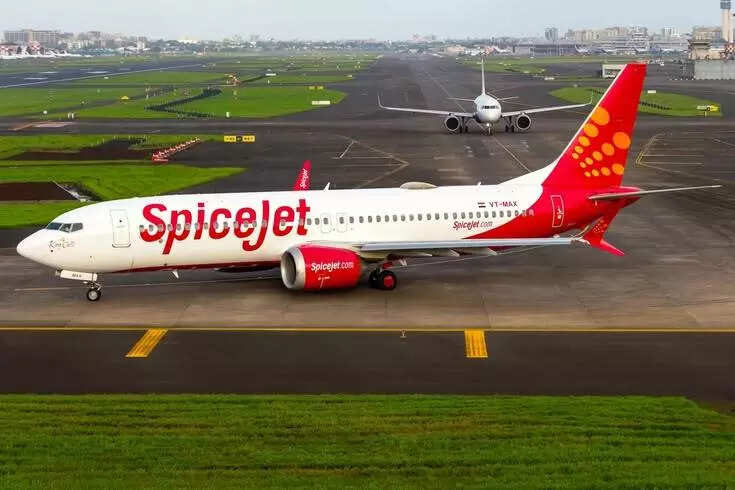
Amid ongoing disruptions in air travel across the country middle eastIndian budget airline SpiceJet has launched a series of special flights from Fujairah in the United Arab Emirates to several cities in India, providing relief to hundreds of passengers stranded due to regional tensions and aviation disruptions. The move comes as airlines struggle to restore connectivity between the Gulf and South Asia after flight cancellations, airspace restrictions and unpredictable security situations disrupted travel across the region.The special operations highlight the importance of the India-Gulf Aviation Corridor, one of the world’s busiest international travel routes, while also demonstrating how airlines are increasingly adapting to geopolitical crises that have impacted flight schedules across West Asia.

SpiceJet’s emergency flights to clear travel backlog amid Iran vs US-Israel war

SpiceJet announced that it will operate a number of special flights from Fujairah to major Indian destinations including Delhi and Mumbai over several days in March. These additional flights were launched specifically to help passengers whose journeys were disrupted due to regional tensions, which forced airlines to suspend or reschedule services across the Gulf.According to airline statements, special operations include:

  • Multiple flights from Fujairah to Delhi
  • Direct flights from Fujairah to Mumbai
  • Additional flights from united arab emirates Other Indian cities like Pune and Kochi

These flights were coordinated with airport authorities and aviation regulators to ensure smooth passenger handling and quick turnaround time.

Why did Fujairah become a major departure hub in the UAE amid the Iran vs US-Israel war?

The selection of Fujairah as the launch point for these special flights is no coincidence. While larger airports such as Dubai and Abu Dhabi experienced operational restrictions and congestion during the crisis, Fujairah offered a less crowded alternative for emergency flight operations. Located on the east coast of the UAE along the Gulf of Oman, Fujairah offers airlines a strategic gateway for regional travel and cargo movement.

​Travel boost: SpiceJet to operate emergency flights from Fujairah to India amid Iran vs US-Israel war

Travel boost: SpiceJet to operate emergency flights from Fujairah to India amid Iran vs US-Israel war

The emirate’s airports have come to be used as secondary aviation hubs when major Gulf airports face disruption or capacity limits. This flexibility allowed airlines like SpiceJet to arrange additional flights without putting additional pressure on already busy airports in the western emirates of the UAE.

Travel disruption across Gulf amid Iran vs US-Israel war

The sudden need for special flights emerged after regional geopolitical tensions caused widespread disruption to air travel in the Middle East. Airspace restrictions, security alerts and changes in flight routes forced airlines to cancel or reschedule many services connecting the Gulf to South Asia and Europe. Thousands of passengers, many of them migrant workers returning to India, found themselves stranded in the UAE and neighboring countries.Airlines were forced to deploy additional aircraft and alter schedules to meet the backlog of passengers waiting to return home. The situation was particularly challenging as the Gulf region hosts millions of Indian expatriates who regularly travel between the two regions for work, family visits and business.

Airlines intensify relief operations amid Iran vs US-Israel war

SpiceJet’s special flights are part of a broader effort by multiple carriers to restore connectivity between the Gulf and India. Several airlines, including Air India and Air India Express, have also added additional services to help stranded passengers reach their destinations. In some cases, airlines have also launched non-scheduled or emergency flights specifically designed to repatriate passengers affected by the cancellations.For passengers, these additional flights have provided much-needed relief after several days of uncertainty due to the sudden schedule change. The UAE-India aviation route is one of the most trafficked international travel corridors in the world. Millions of passengers travel between the two countries each year, via:

  • There is a large number of Indian expatriates in the UAE
  • trade and business relations between countries
  • Tourism and family travel
  • religious travel including pilgrimages

When disruption occurs in this corridor, the impact can be immediate and widespread, impacting airlines, airports and passengers alike. The special flights launched by SpiceJet help stabilize this essential travel link during times of crisis.

SpiceJet’s role in emergency connectivity amid Iran vs US-Israel war

Established in 2005, SpiceJet is one of India’s leading low-cost carriers and operates a fleet of Boeing 737 and turboprop aircraft serving domestic and international routes. Airlines have often stepped in during travel disruptions to operate special services for stranded passengers. By deploying additional flights from Fujairah, the carrier is continuing this role as a quick-response operator at a time of aviation uncertainty.

​Additional flights alert: SpiceJet opens Fujairah route to India for stranded passengers amid Iran vs US-Israel war

Additional flights alert: SpiceJet opens Fujairah route to India for stranded passengers amid Iran vs US-Israel war

Officials say the airline coordinated closely with airport authorities and ground-handling teams to ensure that passengers were processed quickly and safely. Although the introduction of special flights has helped ease the travel crisis, aviation experts say it may take time for programs across the Middle East to fully return to normal. Airlines are still monitoring the evolving geopolitical situation and adjusting operations accordingly.For now, passengers are advised to frequently check flight updates as schedules are subject to change depending on security conditions and airspace availability. For many travellers, the special Fujairah flights represent a lifeline after days of uncertainty. Workers anxious about returning to their jobs, students needing to resume classes, and families hoping to be reunited have benefited from the additional capacity created by these emergency services.As airlines gradually restore their regular schedules, special flights launched by SpiceJet and other carriers are helping to bridge the gap, ensuring that passengers can continue to move between the Gulf and India even during the region’s most challenging aviation period in recent years.

Source link

By-elections on 8 assembly seats on 9th and 23rd April. india news

By-elections on 8 assembly seats on 9 and 23 April

New Delhi: By-elections to eight assembly seats – two each in Maharashtra and Karnataka and one each in Goa, Gujarat, Nagaland and Tripura – will be held on April 9 and April 23. election Commission Said on Sunday. CEC Gyanesh Kumar said by-elections for Goa, Karnataka, Nagaland and Tripura will be held on April 9; And on April 23 for the remaining constituencies in Gujarat and Maharashtra. Counting of votes for all eight constituencies will take place on May 4.

Source link

‘Too hard and everything came together’: Rahul Dravid on Sanju Samson’s unforgettable T20 World Cup performance cricket news

'Too hard and everything came together': Rahul Dravid on Sanju Samson's unforgettable T20 World Cup performance
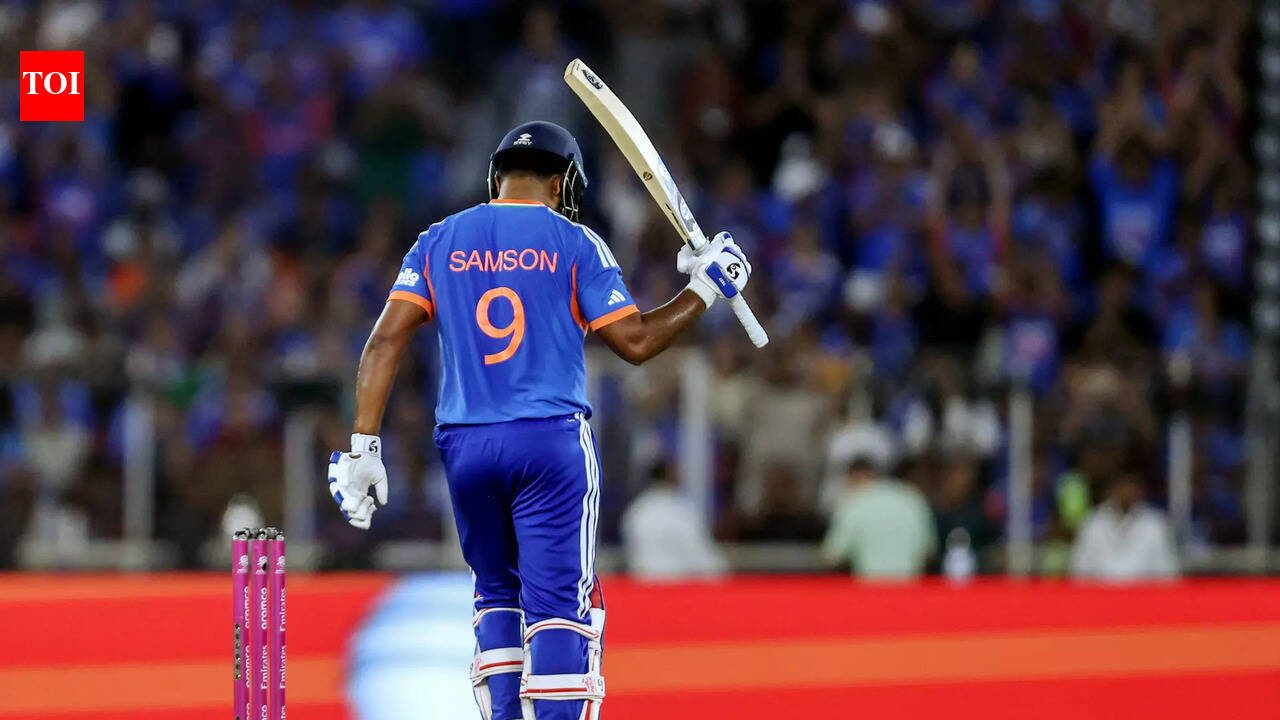
India’s Sanju Samson (ANI photo)

Former captain and head coach of India Rahul DravidRecently honored with Colonel CK Naidu Lifetime Achievement Award bcciAt the annual awards ceremony he expressed his gratitude for the recognition and reflected on the opportunities he has received during his cricket journey. Speaking to Star Sports, Dravid said, “I am very grateful to receive the award. “I am very grateful for the many opportunities I have had in my life and the opportunities I have had.”Dravid recalled his career with humility, saying, “I was fortunate to play with some of the greatest cricketers and I was fortunate to travel around the world playing for my country. I have been fortunate to stay connected with the game even after retirement and I am very humbled by the opportunities the game has given me.”

Exclusive: Rahul Dravid on Eden Gardens’ historic win against Australia in 2001

Former captain also praised sanju samsonWho was named Player of the Tournament for his match-winning performances in the ICC Men’s T20 World Cup 2026. “It was really good to see that Sanju was able to put everything together in those last three games – very important games for India,” Dravid said.He highlighted Samson’s tenacity, saying, “Sanju has been in and out of the team for a long time. He has performed well, he has also faced some tough times. It was really good to see a guy like him who has worked very hard.”“It’s really great to see when it all comes together and the success they achieved at such an important and crucial stage for Indian cricket,” Dravid said.Samson’s tournament was nothing short of extraordinary. Playing just five matches after being included in the squad following India’s defeat to South Africa, the 31-year-old scored 321 runs and scored three consecutive half-centuries at crucial stages. He scored an unbeaten 97 against West Indies in the virtual quarter-final, followed by 89 in both the semi-final against England and the final against New Zealand.The wicketkeeper-batsman created several records, hitting 24 sixes – the most in a T20 World Cup edition – and recorded 89 runs in the final, which is the highest individual score in a T20 World Cup final, surpassing Marlon Samuels’ 85* in 2016 and Kane Williamson’s 85 in 2021. His innings of 321 runs also became the most by an Indian in a single T20 World Cup, overtaking him. Virat Kohli319 runs in 2014.

insert banner

Source link

फ़तेहपुर में सपा नेता हाजी रज़ा समेत 8 पर केस दर्ज, बीजेपी समर्थक के दोस्त से मारपीट का आरोप

फ़तेहपुर में सपा नेता हाजी रज़ा समेत 8 लोगों पर केस दर्ज, बीजेपी समर्थक के दोस्त से मारपीट का आरोप. जिले से राजनीतिक विवाद से जुड़ी खबर सामने आई है. यहां समाजवादी पार्टी के नेता हाजी रजा समेत आठ लोगों के खिलाफ मारपीट के आरोप में केस दर्ज किया गया है. यह मामला बीजेपी से जुड़े एक नेता के समर्थक के साथ मारपीट का बताया जा रहा है. पुलिस ने घायल इमरान की शिकायत पर कार्रवाई करते हुए नामजद आरोपियों के खिलाफ मामला दर्ज कर लिया है. घटना के बाद इलाके में राजनीतिक माहौल भी गरमा गया है और दोनों पक्षों के बीच आरोप-प्रत्यारोप का दौर शुरू हो गया है.

बीजेपी नेता के समर्थक पर मारपीट का आरोप
जानकारी के मुताबिक, बीजेपी नेता के एक समर्थक को सपा नेता के कथित गुर्गों ने पीट दिया. इस दौरान इमरान घायल हो गया. इसके बाद उन्होंने पुलिस में शिकायत दर्ज कराई. शिकायत के आधार पर पुलिस ने सपा नेता हाजी रजा समेत आठ लोगों के खिलाफ मामला दर्ज किया है। पुलिस के मुताबिक इस मामले में दो अन्य अज्ञात लोगों को भी आरोपी बनाया गया है.

इन लोगों के खिलाफ मामला दर्ज किया गया है
पुलिस ने जिन लोगों के खिलाफ मामला दर्ज किया है उनमें हाजी रजा के अलावा सद्दू स्टोरी, नबील, राहत, मोहम्मद रिजवान उर्फ ​​शानू, मोहम्मद आकिब, शादमान और असगर अली के नाम शामिल हैं. साथ ही दो अज्ञात लोगों को भी आरोपी बनाया गया है. सदर कोतवाली थाना पुलिस के मुताबिक, इमरान की शिकायत के आधार पर भारतीय न्याय संहिता (बीएनएस) की धारा 191/2, 191/3, 109, 309/4, 351/4 और 61/2 के तहत मामला दर्ज किया गया है.

पुलिस ने दो आरोपियों को गिरफ्तार कर लिया है
पुलिस ने मामले में तुरंत कार्रवाई करते हुए दो आरोपियों को गिरफ्तार कर लिया. हालांकि, बाकी आरोपियों की तलाश जारी है. पुलिस अधिकारियों का कहना है कि मामले की जांच की जा रही है और जल्द ही अन्य आरोपियों को भी गिरफ्तार कर लिया जाएगा.

बीजेपी नेता फैजान रिजवी ने लगाए गंभीर आरोप
इस मामले को लेकर बीजेपी नेता फैजान रिजवी ने प्रेस कॉन्फ्रेंस कर कई गंभीर आरोप लगाए हैं. उन्होंने कहा कि वर्ष 2021 में भी सपा नेता हाजी रजा ने अपने गुर्गों के साथ मिलकर मारपीट की थी और हत्या के प्रयास का मामला दर्ज किया गया था. इसके बाद जब उसका आपराधिक इतिहास सामने आया तो उसे जिला बदर भी कर दिया गया.

धमकी देने का भी आरोप लगाया
फैजान रिजवी का आरोप है कि उनके साथी के साथ मारपीट करने के बाद सपा नेता के गुर्गे उन्हें फोन कर धमकी दे रहे हैं. उन्होंने कहा कि अगर उनके दोस्त पीड़िता का साथ देते तो उन्हें भी जान से मारने की धमकी दी जा रही है.

अखिलेश यादव पर भी साधा निशाना
बीजेपी नेता ने यह भी कहा कि कुछ देर पहले अखिलेश यादव सपा नेता हाजी रजा के घर पहुंचे थे. फैज़ान रिज़वी के मुताबिक, उस वक्त कहा गया था कि एक मुस्लिम शख्स ने उनके कार्यकर्ता को झूठा फंसाया है. रिजवी ने आरोप लगाया कि हाजी रजा जैसे हिस्ट्रीशीटर नेता को बचाया नहीं जाना चाहिए और मामले की निष्पक्ष जांच होनी चाहिए.

Source link

Robots that can lift 500 kg: Dubai deploys AI-powered drones, aquatic rescue bots on beaches to enhance coastal security

Robots that can lift 500 kg: Dubai deploys AI-powered drones, aquatic rescue bots on beaches to enhance coastal security
Drones, robots to patrol Dubai’s beaches in major security upgrade

Dubai has once again turned to cutting-edge technology to enhance public safety, this time on its beaches. For the first time at the regional level, authorities have introduced aquatic rescue robots and aerial water-rescue drones on public beaches to assist lifeguards and respond faster to emergencies at sea. The initiative reflects the emirate’s broader strategy of combining artificial intelligence and robotics with traditional security systems to protect residents and tourists enjoying its popular beaches.Developed as part of a new technology-driven coastal safety framework, the system integrates advanced robotics, drones, surveillance equipment and trained lifeguards into a single response network designed to prevent drowning incidents and improve rescue efficiency.

Aquatic rescue robots in Dubai: a first for the region

Officials call the initiative the first deployment of its kind middle eastWhich is a major milestone in the use of AI-enabled technology for beach safety. At the heart of the new system is a remote-controlled aquatic rescue robot designed to reach swimmers in distress much faster than human lifeguards. The equipment is self-propelled and capable of operating even in difficult sea conditions and carrying victims safely to shore. The robot can travel up to five times faster than traditional lifeguard rescue, dramatically reducing response times in emergency situations. Equally impressive is its strength. The machine can pull up to 500 kg, allowing it to assist multiple swimmers or support rescue teams during complex operations in the water. For lifeguards, this means dangerous rescues can now begin without putting human responders at risk.

Meet ‘Udaan’ lifebuoy‘: Aerial water-rescue drone in Dubai

Complementing the aquatic robot is an aerial water-rescue drone, sometimes described as a “flying lifebuoy”. Drones act as eyes in the sky for beach safety teams. Equipped with a live-feed camera, it can fly rapidly over large coastal areas to identify swimmers in distress and transmit real-time video to lifeguard stations.Once a potential emergency is detected, the drone can:

  • reach out directly to the victim
  • land on water surface
  • Provide immediate flotation assistance

By holding swimmers down to something until rescuers arrive, a drone can buy precious minutes that could ultimately save lives. The aerial perspective also helps lifeguards to more accurately assess the situation, allowing them to coordinate rescue operations with greater precision.

Dubai’s integrated smart security system

Rather than replacing lifeguards, robots and drones are designed to support and augment human rescue teams. Dubai’s new system integrates several elements into a coordinated network:

  • aquatic rescue robot in water
  • aerial surveillance and rescue drone
  • Lifeguard teams deployed on beaches
  • Centralized Monitoring and Control System

This integrated model allows authorities to monitor vast coastal areas and respond quickly to emergencies – even during peak tourist season when beaches are crowded. Officials say the technology is especially valuable during complex rescue situations where time is critical and ocean conditions can pose risks to human rescuers.

Technology providing public safety in Dubai

According to Dubai Municipality officials, this initiative reflects a proactive approach towards security driven by innovation. Officials stress that the goal is not only rapid rescue but also preventive surveillance. Real-time aerial monitoring helps lifeguards quickly detect potential hazards, including:

  • fast currents
  • swimmers drifting far from shore
  • overcrowded swimming areas

By identifying risks before they escalate into an emergency, the system can significantly reduce accidents.

Protecting one of Dubai’s most popular attractions

Dubai’s beaches attract millions of visitors every year, making them one of the most important leisure destinations in the emirate. Public beaches managed by the municipality include popular locations such as:

  • Umm Suqeem Night Beach
  • Jumeirah Beach Area
  • Al Mamzar Beach Park

These sites are open year-round and are especially busy during holidays, weekends, and the winter tourist season. Thousands of people enter the water every day, so maintaining high safety standards is vital to the city’s tourism industry and overall public welfare.

Part of Dubai’s smart city vision

The deployment of rescue robots and drones fits perfectly into Dubai’s long-term vision of becoming one of the most technologically advanced cities in the world. Over the past decade, the emirate has invested heavily in smart technologies across public services, including:

  • AI-powered traffic management
  • smart police station
  • autonomous delivery robot
  • Drone-assisted emergency response

Beach safety is the latest sector to benefit from this digital transformation. By integrating robotics into everyday services, Dubai aims to create future-ready public spaces that prioritize safety, efficiency and quality of life.

Global Trends: Technology in Survival

Dubai is not alone in exploring robotic solutions for water conservation. Around the world, coastal security authorities have begun experimenting with robotic lifeguards and rescue drones to improve response times. Some equipment can reach victims far more quickly than traditional methods and can operate in dangerous situations where human rescuers might struggle. However, Dubai’s new system is different because it combines multiple technologies into an integrated beach security network rather than deploying different devices separately. For lifeguards, technology offers many benefits. Robots can reach swimmers in distress before lifeguards enter dangerous waters. Drones can quickly detect emergencies and guide rescue teams to the exact location. The live video feed allows lifeguards to assess conditions before launching a rescue operation. Larger stretches of coastline can be monitored more efficiently.In essence, the technology acts as an additional layer of protection for both swimmers and rescuers. Officials believe the new system will significantly increase security on Dubai’s beaches while cementing the emirate’s reputation as a global leader in innovation. By combining human expertise with robotics and artificial intelligence, Dubai is creating a next-generation coastal protection model that could influence beach management strategies around the world.

Source link