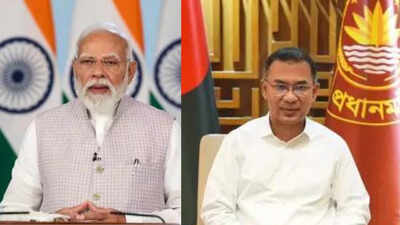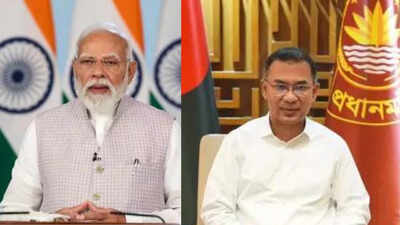
Narendra Modi And his Bangladeshi counterpart Tariq Rahman engaged in some Eid diplomacy this week, with Rahman expressing hope in a letter to Modi on Friday that the blessed occasion will further strengthen the long-standing bond of friendship and people-to-people ties between the two countries. Rehman told Modi that Eid-ul-Fitr is a memorable occasion that reminds all of the enduring values of compassion, solidarity and harmony. Rahman said, “It unites communities in the spirit of celebration, sharing and generosity. I join His Excellency in wishing that this blessed occasion will bring peace, prosperity and happiness to our people and communities around the world.” This letter has been written after Modi congratulated Rahman and the people of Bangladesh on Eid.
Rahman had earlier written to Modi outlining his vision for India-Bangladesh relations and indicated that Dhaka was ready to move forward without being hampered by the past.
Rahman, who was elected with an overwhelming majority, said three important things in that letter written on 26 February. Firstly, underlining the “historic and long-standing” relations between the two countries, Rahman said Bangladesh attaches high importance to its relations with India based on shared history, culture and geography. According to Rahman, there are many similarities between the people of India and Bangladesh and there are deep ties between them.
Second, as Rehman said, both countries need to address the issues in a way that benefits the common people. He said in the letter that by doing so both the countries can achieve a lot in terms of their common interests. Rahman said Dhaka looked forward to pursuing relations on the basis of dignity, equality, mutual trust and respect and “benefit-sharing”.
Third, and addressing Modi more personally, Rehman said in his letter, which was delivered within weeks of his swearing-in, that he is mindful of the Indian Prime Minister’s vision of a developed India 2047. Rahman said leaders “can – and need to – reinvigorate cooperative commitments to secure peace, harmony, stability and prosperity for all people in the long run”. The mention of a developed India is significant as the Indian government turns that vision into a core foreign policy theme with initiatives to strengthen development partnerships with friendly countries in line with India’s strategic interests.




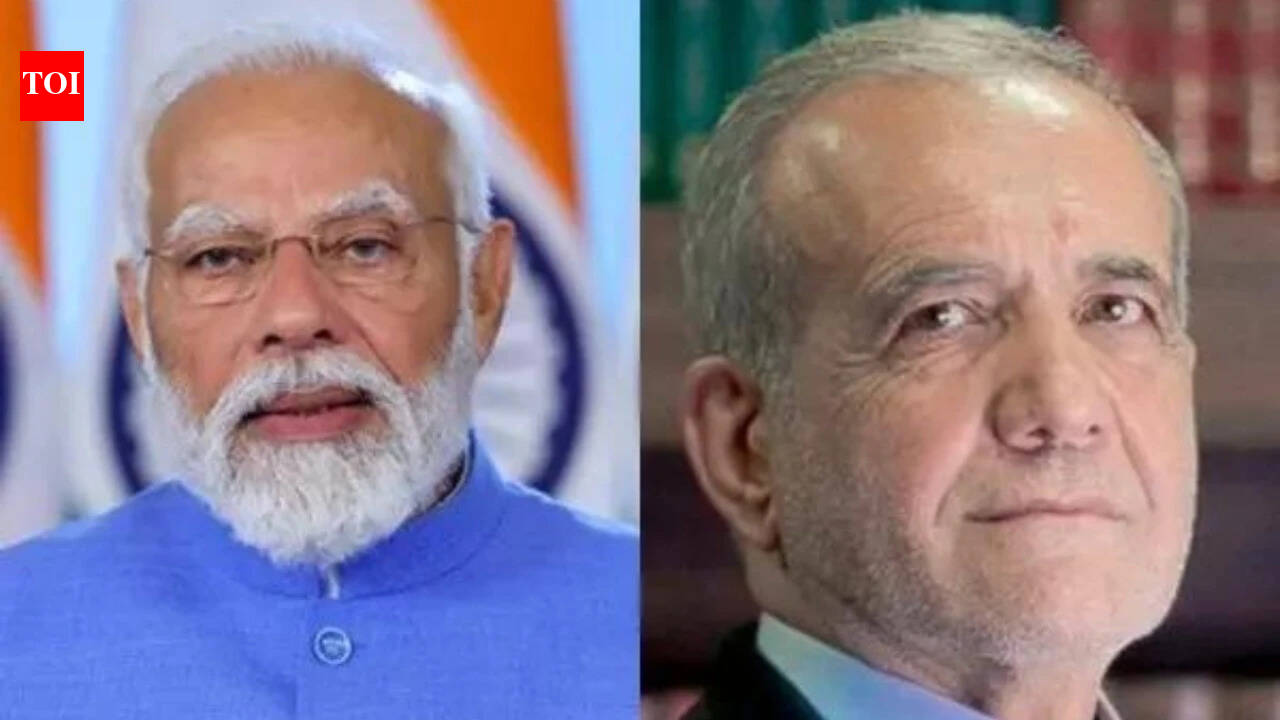
 In a post on Twitter, Modi said he also condemned attacks on critical infrastructure “in the region” that threaten regional stability and disrupt global supply chains. While Modi has clearly condemned the violation of sovereignty and territorial integrity of the GCC countries, which are vital to India’s energy and diaspora interests, he has not condemned the US-Israel attacks on Iran. However, in his last conversation with Pezeshkian, Modi had told him that India is a friend of Iran.