Breaking News
Exclusive – Shivam Khajuria on Adapting in the Emerging Television Industry: Staying Relevant in the Age of OTT

Exclusive - Shivam Khajuria on Adapting in the Emerging Television Industry: Staying Relevant in the Age of OTT

Shivam Khajuria’s journey reflects not dramatic breakthroughs or overnight success but a steady and quiet build that requires time, patience and a lot of sitting with uncertainty.Like most actors, his early days were a mixture of auditions that went nowhere, long waiting periods and the constant question of “what’s next?” It wasn’t glamorous, but instead of chasing anything that promised instant visibility, he put in the work. Small roles, different sets, learning as he went. There is a certain discipline that comes from that stage and it shows.The rise of OTT has changed the way people watch, what they expect and how quickly they move on if something doesn’t hold their attention.Talking about the changing scenario, Shivam Kajuriya says, “Because of OTT the audience has become more detail-oriented, so as actors we have to become more honest in our performances. Television teaches you discipline and consistency but OTT demands subtlety and depth. I think the key is to remain adaptive and keep evolving with the stories being told.”What is most special is that he does not seem to be in a hurry to reach everywhere at once. In an industry that’s constantly pushing you to be visible, there’s something quietly reassuring about someone who is taking their time. He is not trying to jump on every trend or appear in every format just for the sake of it. There’s a certain clarity to how he’s moving forward, like he knows what works for him and he’s willing to wait for the right things and in a place that rarely slows down, that kind of approach feels refreshing.There’s a certain ease about it, like he’s not trying too hard to prove anything. The industry doesn’t reward strong performance as much as it used to. It leans toward something softer, more grounded, more alive.At the same time, television still maintains its dominance. The reach, the familiarity, the way the audience grows with a character over time, hasn’t gone anywhere. But maintaining that focus today requires a different kind of awareness. You have to stay fresh without losing the core essence that makes TV work.For Shivam, this change does not seem to be sudden but a gradual one. Shivam is not trying to reinvent himself overnight. He’s paying attention, adapting where necessary and letting the work evolve with him.
Watch

Shivam Khajuria-Adrija Roy on Anupama, Iftaari, relationship with each other and the success of the show

Source link

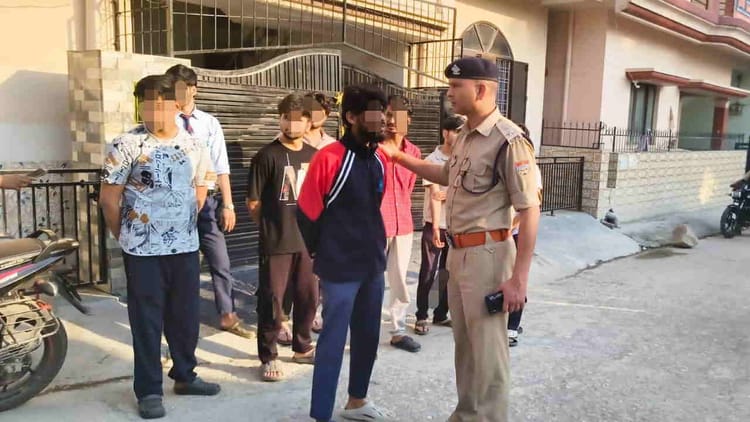
देहरादून: यहां रहना है तो हमारे नीचे रहना होगा…संगीत बजाने को लेकर हुए विवाद ने दिव्यांशु को हमेशा के लिए खामोश कर दिया -Dehradun Crime संगीत बजाने को लेकर विवाद, 15 आरोपियों ने दिव्यांशु को भरे बाजार में बार-बार पीटा, पीड़ित की मौत

पश्चिमी उत्तर प्रदेश और बिहार के गानों पर वर्चस्व की लड़ाई ने दिव्यांशु को हमेशा के लिए खामोश कर दिया. विवाद करीब दो महीने पहले तब शुरू हुआ जब दिव्यांशु के दोस्तों ने यूनिवर्सिटी गेट के सामने कार में चोरा जट्टा गाना बजाया।

बिहार के रहने वाले आरोपी छात्रों के समूह ने इसे चुनौती के रूप में लिया और उन पर कई बार हमला किया. सोमवार को यह कहानी पश्चिमी उत्तर प्रदेश के छात्र दिव्यांशु की मौत के साथ खत्म हो गई. जानकारी के मुताबिक, दिव्यांशु प्रेम नगर इलाके में स्थित एक निजी यूनिवर्सिटी में बीटेक सीएस द्वितीय वर्ष का छात्र था। वह अपने दोस्तों के साथ पौंडा के एक हॉस्टल में रहता था। इससे पहले गाने पर उठे विवाद के बाद दूसरे ग्रुप के युवक इसकी रेकी कर रहे थे.

सोमवार की रात जब दिव्यांशु प्रेमनगर बाजार में खाना खाने गया तो आरोपी युवक भी वहां पहुंच गया। प्रत्यक्षदर्शियों के अनुसार युवकों ने कहा कि तुम लोग अपने गुट के लोगों को ज्यादा ताकतवर मानते हो, अपनी हद में रहो. यदि तुम्हें यहां रहना है तो तुम्हें हमारे नियंत्रण में रहना होगा। दिव्यांशु ने जैसे ही इसका विरोध किया तो युवकों ने उस पर हमला बोल दिया. इसमें उनकी दर्दनाक मौत हो गई.

15 आरोपी दिव्यांशु को बाजार में पीटते रहे, लेकिन कोई सामने नहीं आया। लोग तमाशबीन बनकर देखते रहे। आरोपियों के हाथ में फावड़े और डंडे थे। बाद में एक दम्पति उसे अस्पताल ले गये। इससे मानवता भी शर्मसार हुई है.

Source link

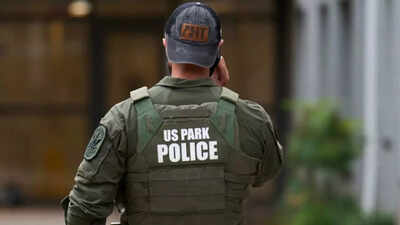
2 arrested after US Park Police officer shot in the line of duty in Washington DC; Fear of targeted attack

2 arrested after US Park Police officer shot in the line of duty in Washington DC; Fear of targeted attack

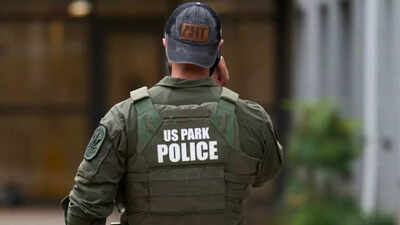
Washington, D.C. Metropolitan Police have arrested two suspects in the shooting death of a U.S. Park Police officer in southeast Washington on Monday evening, the Associated Press reported, citing authorities. Authorities believe the officer may have been intentionally targeted, although the motive has not yet been established.

The suspects were caught within 24 hours

The Metropolitan Police Department (MPD) has identified the accused as Darren Foster, 21, and Ashil Foster, 22, both residents of Southeast DC. Deren was arrested immediately after the incident, while Ashil was taken into custody the next day. Both have been charged with assault with a firearm on a federal police officer.

The officer was shot while he was in an unmarked vehicle

The incident occurred around 7:30 pm when the officer, working on an investigation within the US Park Police jurisdiction, was inside an unmarked vehicle. Two armed men reportedly arrived and opened fire, hitting the officer in the upper body, reportedly in the shoulder.Despite being injured, the officer managed to flee the scene before being flown to hospital by the Park Police aviation unit.

stable condition; the officer was discharged

Officials confirmed that the injuries were not life-threatening. The officer, said to be an experienced officer, has been discharged from the hospital.Investigators indicated that the attackers probably knew that the person inside the vehicle was a police officer. Interim police leadership said the shooting appeared to be a targeted action, although no further details on the motive have been released.

Crime scene evidence and local fears

Visuals from the scene showed a vehicle riddled with bullets and several bullet casings scattered across the area. Residents reported hearing rapid gunshots, describing the incident as “very serious” and frightening, raising concerns about the safety of the neighborhood.

Search operations and extensive investigation

Police executed a search warrant Tuesday at a residence near the shooting scene, with K-9 units assisting in the operation. Investigators were seen removing items from the property.The case is being handled by MPD’s NIBIN Investigations Unit, which includes U.S. Park Police detectives as well as support from federal agencies including the Bureau of Alcohol, Tobacco, Firearms and Explosives.

Background details come to the fore

Court records indicate Ashil Foster faces prior charges including motor vehicle theft and weapons violations. Reports also indicate that he was released after a court hearing hours before the shooting, although authorities have not formally linked that incident to the incident.Authorities are continuing to examine the evidence and are urging anyone with information to come forward as the investigation into the shooting continues.

Source link

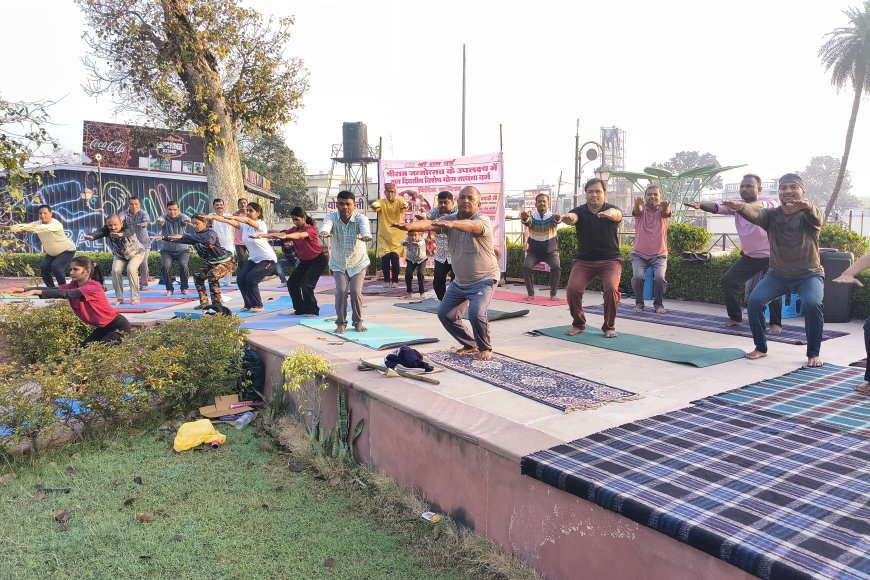
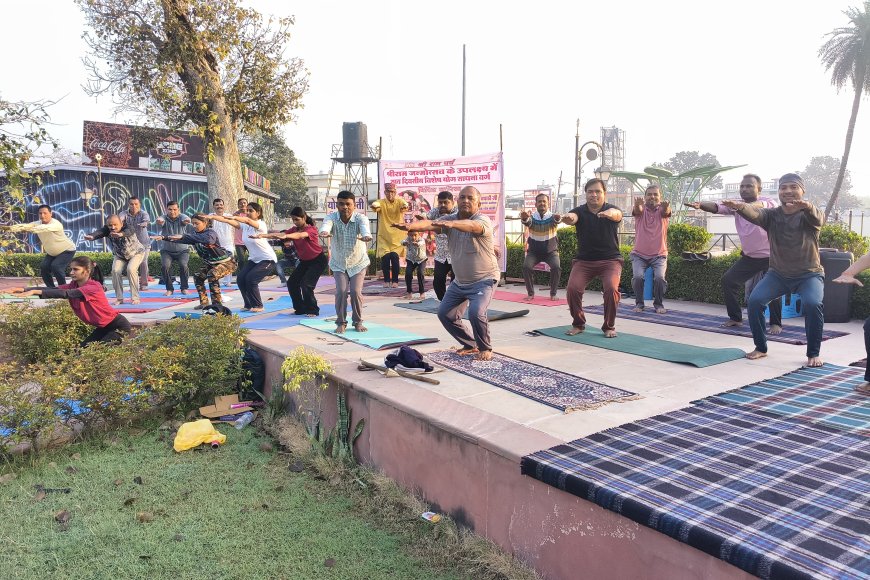
अयोध्या में ‘श्री राम पर्व’ का जश्न: मिश्र पीलू की मधुर धुनों के साथ भक्ति और योग का अद्भुत संगम.

इन दिनों अयोध्या में आयोजित ‘श्री राम पर्व’ के तहत भक्ति, परंपरा और स्वास्थ्य का अद्भुत संगम देखने को मिल रहा है. मर्यादा पुरूषोत्तम भगवान श्रीराम के आदर्शों को जन-जन तक पहुंचाने के उद्देश्य से चल रहे इस नौ दिवसीय आयोजन में सुंदरकांड पारायण एवं योग शिविर विशेष आकर्षण हैं। एक ओर जहां पारंपरिक संगीत शैली ‘मिश्रा पीलू’ की मधुर धुनों ने श्रद्धालुओं को भक्ति में डुबो दिया, वहीं दूसरी ओर योग शिविर में लोगों ने स्वास्थ्य और फिटनेस के नए आयाम सीखे.

मिश्र पीलू में गूंजा सुंदरकांड पारायण
शहर के विभिन्न केंद्रों पर सुंदरकांड पारायण का आयोजन किया गया, जिसमें बड़ी संख्या में श्रद्धालुओं ने भाग लिया. यह पारायण पं. के निर्देशन में हुआ। ज्वाला प्रसाद संगीत अनुसंधान संस्थान। पं. के मार्गदर्शन में. संस्थान के निदेशक डॉ. सत्य प्रकाश मिश्र के नेतृत्व में विद्यार्थियों ने ‘राग मिश्र पीलू’ पर आधारित अवधी धुन में सुंदरकांड की चौपाइयों का मधुर गायन किया। उन्होंने बताया कि यह राग सदियों से अयोध्या के मंदिरों में बजाया जाता रहा है और भक्ति और श्रंगार से भरपूर है.

पारंपरिक संगीत को बचाने की पहल
डॉ. सत्य प्रकाश मिश्र ने कहा कि इस आयोजन का उद्देश्य अयोध्या की लुप्त हो रही संगीत परंपरा को पुनर्जीवित करना है. विशेषकर युवा पीढ़ी को अपनी सांस्कृतिक जड़ों से जोड़ने के लिए यह प्रयास किया जा रहा है। पारायण के दौरान लोगों ने न सिर्फ भक्ति का आनंद लिया बल्कि अपनी पुरानी सांस्कृतिक विरासत के करीब भी महसूस किया.

योग शिविर में स्वास्थ्य पर जोर
उधर, सूर्य कुंड व दर्शन नगर में चल रहे योग शिविर में बड़ी संख्या में लोगों ने भाग लिया. योग भारती के संस्थापक श्रीनिवास मूर्ति के मार्गदर्शन में योग आसन, शोधन क्रिया और विशेष आसन का अभ्यास किया गया। डॉ. राजपाल व रामकुमार गुप्ता के मार्गदर्शन में युवाओं व बुजुर्गों ने शारीरिक क्षमता बढ़ाने के तरीके सीखे।

कार्यक्रम के आयोजन में कई लोगों ने मदद की
इस पूरे कार्यक्रम को सफल बनाने में कई लोगों का अहम योगदान रहा. आयोजकों एवं सहयोगियों ने मिलकर सभी व्यवस्थाओं को सुचारु रूप से संचालित किया, जिससे कार्यक्रम बिना किसी रूकावट के संपन्न हो सका।

समापन समारोह की तैयारी
इन कार्यक्रमों का ग्रैंड फिनाले 27 मार्च को क्वीन हो कोरिया पार्क में होगा. इस दौरान विशिष्ट सहयोगियों को सम्मानित भी किया जाएगा।

(रिपोर्ट:अनूप कुमार अयोध्या)

Source link

Evening News Wrap: Iran returns ship bound for Pakistan from Hormuz; Government orders transfers on gas pipeline and others. india news

Evening News Wrap: Iran returns ship bound for Pakistan from Hormuz; Government has ordered transfers on gas pipelines and others
  • Iran’s IRGC Navy returned Pakistan-bound ship Selen strait of hormuz For lack of permission and violating protocols, claiming maritime sovereignty and mandatory coordination for transit.
  • The government has ordered to move it piped natural gas In covered areas, LPG supply to such households has been stopped, with the aim of diversifying fuel use and reducing vulnerability amid global oil disruptions.
  • Gujarat assembly passed Uniform Civil Code BillBecame the second state after Uttarakhand to adopt general personal laws; Union Home Minister Amit Shah called it a historic step towards legal equality.
  • Indian refiners boosted purchases of Russian crude by 60 million barrels amid Middle East disruptions, taking advantage of US rebates and securing supplies at a premium to Brent to ease Hormuz-related bottlenecks.
  • Rinku Singh was named KKR vice-captain for IPL 2026 and was appointed Regional Sports Officer of Uttar Pradesh, a dual feat as he serves in leadership and administrative roles.

Here are the top 5 updates of the day:

Iran returned a Pakistan-bound ship trying to pass through the Strait of Hormuz

Iran detained and returned Pakistan-bound container ship SELEN in the Strait of Hormuz, citing non-compliance with legal protocols and lack of prior approval. IRGC navy chief Alireza Tangsiri said all ships must coordinate with Iran’s maritime authorities, saying the move should be seen as an enforcement of national sovereignty over the strategic waterway.Amid rising Gulf tensions, Iran has tightened controls on the Strait of Hormuz – through which about 20% of global oil flows – while allowing passage to “non-hostile” ships that follow its security rules and coordinate with authorities.Read the full story

Center orders conversion of gas pipelines wherever available

The Center has introduced a policy requiring households in areas with piped natural gas (PNG) to switch to LPG, thereby stopping the supply of cylinders there. The move, issued under the 2026 Gas Delivery Order, aims to expand the gas network, reduce dependence on a single fuel source and deal with global oil supply disruptions linked to the Middle East crisis.The order aims to promote energy security by fast-tracking pipeline infrastructure, simplifying approvals and promoting the shift from LPG to PNG. It also seeks to optimize LPG distribution by redirecting supply to areas without pipeline access.Read the full story

After Uttarakhand, Uniform Civil Code Bill passed in Gujarat

Gujarat has passed the Uniform Civil Code Bill, 2026, introducing a common legal framework for marriage, divorce, inheritance and adoption across all communities. It has become the second state after Uttarakhand to implement UCC. Union Home Minister Amit Shah welcomed the move, calling it a historic step towards ensuring equality and reaffirming the BJP’s long-term commitment.Gujarat Chief Minister Bhupendra Patel said the law was shaped through public consultation and a panel led by retired judge Ranjana Prakash Desai. He said that the aim of UCC is to create a common legal framework without any discrimination, strengthen social harmony and inclusive development.Read the full story

60 million barrels of Russian crude booked by Indian refiners amid global supply tensions

Indian refiners have secured about 60 million barrels of Russian crude for the coming month, matching recent levels but higher than February purchases. The surge in buying comes after supply disruptions in the Middle East and a US waiver allowing imports of pre-shipped Russian oil. Cargo was reportedly booked at $5-$15 per barrel above Brent, helping India manage bottlenecks caused by the situation in the Strait of Hormuz.Following the US waiver, India has resumed buying Russian oil cargoes loaded before March 5. Following the Russia-Ukraine conflict, India had become a major buyer of discounted Russian crude after 2022, but later reduced purchases under US pressure and turned to suppliers such as Saudi Arabia and Iraq.Read the full story

Rinku Singh appointed Uttar Pradesh Regional Sports Officer

Rinku Singh got a double boost as he was named the vice-captain of Kolkata Knight Riders for IPL 2026 and appointed as the Regional Sports Officer of Uttar Pradesh by the state government. UP CM Yogi Adityanath assigned him this role, where he will promote sports, manage facilities and develop talent. The state will also provide employment to six other international medal winners.Singh’s salary is expected to be between Rs 70,000 to Rs 80,000Read the full story

Source link

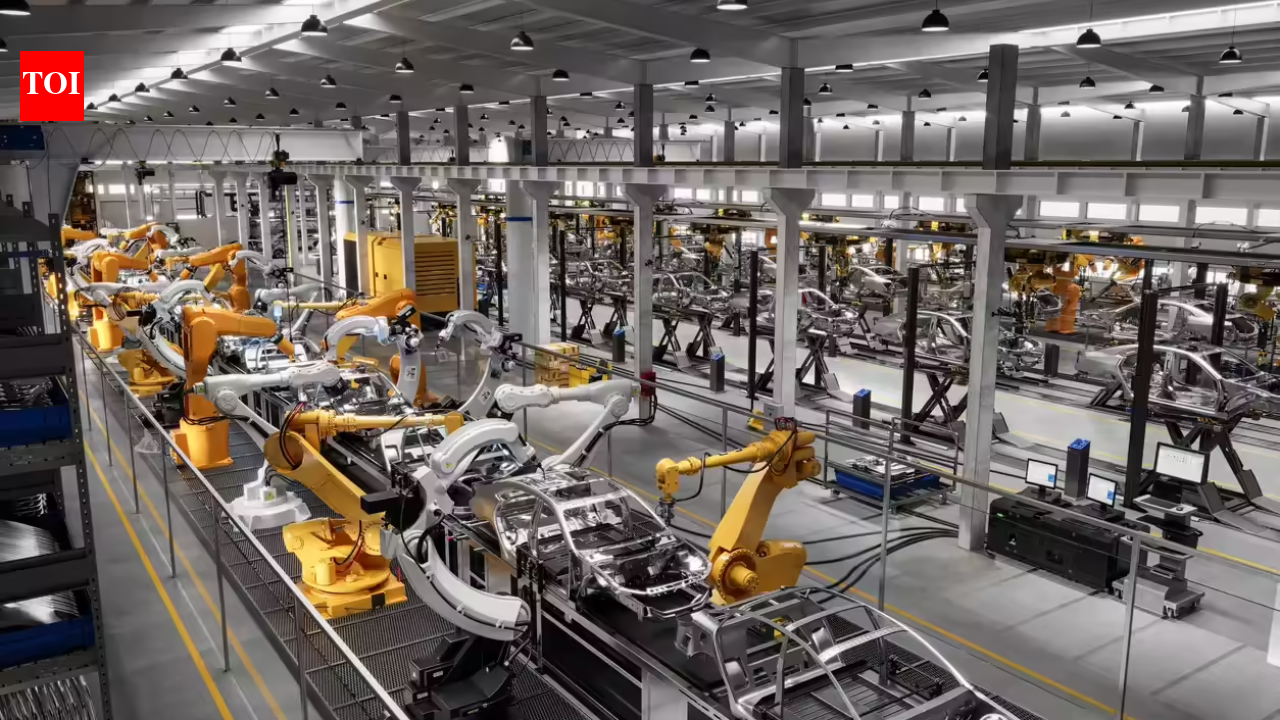
India’s future lies in manufacturing, deep technology and skill building: Himanshu Shah

India's future lies in manufacturing, deep technology and skill building: Himanshu Shah

When it comes to India’s economic future, few people are as optimistic and forthright as Himanshu Shah. For the North Carolina investor, the nation’s greatest opportunity lies not in rhetoric, but in execution. Speaking at a panel during the Indiaspora Forum 2026 on the outskirts of Bengaluru on Monday, the founder of Raleigh-based Shah Capital argued that India’s real promise can be seen in the industrial and skills infrastructure taking shape below the surface, even if the broader picture remains uneven. Pointing to the government’s growing support for large-scale manufacturing clusters and new industrial zones, Shah said the deeper story is one of capacity building. “India is full of ideas. Its implementation will play a big role here,” Shah said. “Your skills are also improving amazingly. Because still, a lot of manufacturing is not done in India.” He linked that manufacturing gap to India’s continued heavy reliance on Chinese imports, even as its entrepreneurial energy and young workforce continue to grow. Despite China’s per capita income being 5 times higher, India still runs a significant trade deficit with China of over $100 billion, which is indicative of the skills and production advantages China has developed over time, he said. Shah also emphasized that India is progressing. “There’s an amazing improvement happening on that front,” he said, even if “it doesn’t look great on the surface, but underneath, I’m very excited.” Moderated by MR Rangaswamy, founder of Indiaspora, the panel also included Ravneet Mann, partner at Stride Ventures and Sridar Iyengar, founder of 360Plus. Speaking about capital allocation and public policy, Shah argued that the Indian government should think more aggressively about promoting industries of the future through targeted public-private partnerships. “First of all, let’s talk about the fund which was set up by the Government of India in 2016. It was a $1 billion fund and resulted in over 200,000 start-ups in India. Recently, another billion-dollar-plus fund was set up for AI and deep tech.” Shah said, ”Frankly speaking, the Indian government should set up 10 to 20 funds out of this. Marine technology, space, drones, machine tools, materials science, the list goes on.” For Shah, such investments are not just about financial returns. They are also a way of creating structured cooperation between the state, private capital and the Indian diaspora.“And by bringing public and private partnerships on top of that, expatriates can really contribute, including myself,” he said. He also highlighted what he described as an “industrial renaissance” at the state level, with some Indian states using land incentives and sector-specific support to attract manufacturing projects. He said that Bihar, Uttar Pradesh, Odisha and Gujarat are among those states which are starting to use such models. To illustrate the scale of the opportunity, Shah pointed to titanium dioxide, a material used in products such as paints and coatings. He cited the example of a potentially large company to show how India can replace imports with domestic production if the economics and policy support are aligned. Shah said that “the demand for titanium dioxide in India is 400,000 metric tonnes. And… the country produces only 70,000-80,000 tonnes.” [tons]. And by the way, it imports the rest from China, if you look at the cost of building it, today assuming that you have free land in some of these states that I have mentioned, the project becomes very economical and interesting. He suggested that this example offers a small glimpse of what might be possible if India truly became more supportive of entrepreneurs and manufacturers. “So, this is just a glimpse of what is possible in India, if the government starts actually working for entrepreneurs instead of being a hindrance,” he said. But Shah’s optimism came with a familiar caveat. He acknowledged that India’s bureaucracy remained a major constraint on enterprise, and he did not soften that criticism. “It’s still there,” he said. “It’s very disappointing. Even today in India you need ~27 forms to open a bank account in 2026. It doesn’t make sense. So, there are a lot of things this country needs to work on. But I see signs of that.” In the concluding part of the discussion, Shah scoped out the broader role of the Indian diaspora beyond investment and manufacturing. Asked what he wants the diaspora to do by connecting with India, he pointed to remittances, philanthropy and early-stage investments, but returned most strongly to one theme: skills. He suggested that India should actively utilize the expertise of older, often retired engineers and professionals in the diaspora to help upgrade the country’s industrial base.“I think one area, and philanthropy, really, on top of that, is job skills. And I really want to get back to that,” Shah said. “If there’s a public and private partnership, maybe like the 2047 initiative, you can really bring those people in and give, you know, whether it’s in engineering, in science, in manufacturing.” He said many Indians who moved abroad pursued tech careers and now had the experience India needed if it wanted to make more sophisticated products at home.“A lot of these people who moved out of India were engineers. And a lot of them are retired in their 50s, 60s and 70s and are looking for something to do,” he said. “Because this country needs that skill to make good quality products.” For Shah, the future of India’s growth story will depend not just on government policy or investor appetite, but also on whether the country can combine capital, skills and execution. He suggested that events that bring together diaspora leaders, investors and policy makers could help do this. “And I think an event like this will play a big role in getting something done on that front,” he said, referring to the IndiaSpora Forum 2026.(By arrangement with The American Bazaar, www.americanbazaaronline.com)

Source link

रूड़की: बिना उचित हिसाब-किताब के दौड़ रहे नगर निगम अधिकारियों के वाहन, 25 साल बाद भी लागू है यूपी एक्ट – नगर निगम मेयर और अधिकारियों के वाहन बिना उचित हिसाब-किताब के चल रहे हैं रूड़की।

निगमों में माननीयों की गाड़ियां बिना हिसाब-किताब के दौड़ रही हैं। मेयर और निगम अधिकारी कितने बजट वाहनों का उपयोग करेंगे, कितना तेल खर्च कर सकेंगे और अन्य खर्च किस हद तक कर सकेंगे, इसका कोई स्पष्ट शासनादेश नहीं है।

जब इस संबंध में आरटीआई के तहत जानकारी मांगी गई और मामला आयोग तक पहुंचा तो नगर विकास विभाग ने मेयर के भत्ते और अन्य सुविधाओं को लेकर प्रस्ताव तैयार कर सरकार को भेजा, लेकिन यह प्रस्ताव भी तीन साल से सरकार में धूल फांक रहा है. अब सचिवालय ने जवाब दिया है कि प्रस्ताव पर कार्रवाई जारी है.

खर्च की तय सीमा के संबंध में मांगी जानकारी


गौरतलब है कि राज्य गठन के 25 साल बाद भी उत्तराखंड के नगर निगमों में उत्तर प्रदेश नगर निगम अधिनियम 1959 के तहत व्यवस्था संचालित होती है. उसमें भी मेयर के खर्चों पर स्थिति स्पष्ट नहीं है. इस संबंध में रूड़की गीतांजलि विहार निवासी अमित अग्रवाल की ओर से फरवरी 2023 में नगर निगम रूड़की से मेयर पर व्यय की निर्धारित सीमा के संबंध में जानकारी मांगी गई थी।

इसके बाद शासनादेश की जांच की गई तो उसमें कहीं भी व्यय के संबंध में कोई स्पष्ट जानकारी नहीं मिली और अपीलार्थी को अस्पष्ट जानकारी दी गई। इसके बाद मामला उत्तराखंड सूचना आयोग, देहरादून तक पहुंच गया। इस मामले में 14 नवंबर 2023 को राज्य सूचना आयुक्त योगेश भट्ट ने शहरी विकास सचिव को मेयर और डिप्टी मेयर के भत्ते और सुविधाओं के संबंध में स्पष्ट व्यवस्था सुनिश्चित करने का निर्देश दिया था.

साथ ही शहरी विकास निदेशालय को प्रस्ताव शासन के समक्ष प्रस्तुत करने को कहा गया। इसके बाद निदेशालय ने प्रस्ताव सचिवालय को सौंप दिया. इसके बाद से प्रस्ताव पर कोई निर्णय नहीं हो सका। इस संबंध में अपीलार्थी को फरवरी 2026 में भेजे गए पत्र में अपर सचिव ने बताया है कि निदेशालय के प्रस्ताव और आयोग के आदेश पर कार्रवाई जारी है.

Source link

More than 50% of the GCC’s population are expatriates, including 9.1 million Indians and 5 million Bangladeshis. world News

More than 50% of the GCC's population are expatriates, with Indians numbering 9.1 million and Bangladeshis numbering 5 million.

The region, long seen as a hub of opportunity, is now grappling with uncertainty due to rising geopolitical tensions. Nearly 62 million people living in the Gulf Cooperation Council (GCC) countries are caught up in the broader impact of the ongoing US-Israel war on Iran, with foreign workers making up a significant portion of this population.Indians are the largest expatriate group in the GCC, with approximately 9.1 million people living and working in the region, the highest among all nationalities.The GCC bloc, which includes the United Arab Emirates, Saudi Arabia, Kuwait, Bahrain, Oman and Qatar, has built much of its economic strength on migrant labour. Of the total population of about 62 million, about 35 million are foreign workers, many of whom are from South Asia. In many countries, migrants outnumber citizens by a large margin.According to a report by Al JazeeraThe largest expatriate communities in the GCC are:

  • India: 9.1 million
  • Bangladesh: 5.04 million
  • Pakistan: 4.9 million
  • Egypt: 3.3 million
  • Philippines: 2.2 million
  • Yemen: 2.2 million
  • Nepal: 1.2 million
  • Sudan: 1.1 million

These workers are present at every level of the economy. Many people are employed in construction, domestic work, security and cleaning roles that support daily life. At the same time, a large number of skilled professionals work in sectors like banking, finance, technology, engineering, aviation, healthcare and media. For many expatriates, the Gulf country has become a long-term home despite holding foreign citizenship.Country-wise data shows how deeply migrant workers are embedded in the region.Saudi Arabia, the largest GCC country, has a population of approximately 37 million. There are approximately 20.5 million citizens, while 16.4 million are foreign residents. The largest migrant groups include:

  • Bangladesh: 2,590,000
  • India: 2,310,000
  • Pakistan: 2,230,000
  • Yemen: 2,210,000
  • Egypt: 1,800,000
  • Sudan: 1,000,000

The population of the United Arab Emirates is approximately 11.5 million, of which expatriates constitute about 88 percent and citizens about 12 percent. Its largest foreign communities are:

  • India: 4,360,000
  • Pakistan: 1,900,000
  • Bangladesh: 840,000
  • Philippines: 780,000
  • Iran: 540,000
  • Egypt: 480,000

Kuwait’s population is approximately 4.8 million. Of these, approximately 1.56 million are citizens and 3.3 million are expatriates. The main foreign groups include:

  • India: 1,152,000
  • Egypt: 666,000
  • Bangladesh: 350,000
  • Pakistan: 339,000
  • Philippines: 241,000
  • Nepal: 101,000

Oman has a population of approximately 4.7 million, of which approximately 2.5 million are citizens and 2.05 million are foreign workers. The largest expatriate communities are:

  • India: 766,735
  • Bangladesh: 718,856
  • Pakistan: 268,868
  • Egypt: 46,970
  • Philippines: 45,213

About 3.2 million people live in Qatar, of which foreign workers account for about 2.87 million or 88 percent, while citizens number about 330,000. The major migrant groups are:

  • India: 700,000
  • Bangladesh: 400,000
  • Nepal: 400,000
  • Egypt: 300,000
  • Philippines: 236,000
  • Pakistan: 180,000

Bahrain, the smallest country in the GCC, has a population of about 1.58 million. The number of citizens is less than half, while migrants constitute a large number. The main foreign communities include:

  • India: 350,000
  • Bangladesh: 110,000
  • Pakistan: 100,000
  • Philippines: 60,000
  • Egypt: 22,000
  • Nepal: 20,000

The dependence on migrant workers in the Gulf is rooted in structural factors. The region’s rapid economic growth, largely driven by oil revenues, created an immediate and sustained demand for labor in sectors such as construction, transportation, and services. Additionally, the local population in these countries remained relatively small, making it difficult to meet this demand domestically.Over the years, this gap was filled by foreign workers, who now constitute a significant part of the workforce. according to international labor organization (ILO), the number of migrant workers in GCC countries ranges from 76 percent to 95 percent, especially in sectors such as construction and domestic work, where their presence is almost universal.The private sector, in particular, depends heavily on migrants. Employers often prefer foreign workers due to lower salary expectations and greater flexibility in hiring. Meanwhile, many citizens opt for government jobs, which are seen as more stable and better paying. This dynamism has given rise to a system where migrant labor is not temporary but deeply embedded in the functioning of Gulf economies.In the GCC, migrant workers remain at the center of economic activity. From building infrastructure to running key services and contributing to particular industries, their role is deeply embedded in the growth story of the region. As tensions continue to escalate, the impact on this large and diverse population remains significant.

Source link

Tamil Nadu Elections 2026: AIADMK reveals constituency-wise NDA seat-sharing formula – see full list | india news

तमिलनाडु चुनाव 2026: अन्नाद्रमुक ने निर्वाचन क्षेत्र-वार एनडीए सीट-बंटवारे के फॉर्मूले का खुलासा किया - पूरी सूची देखेंIn a detailed release issued in Chennai, the All India Anna Dravida Munnetra Kazhagam (AIADMK) said it has signed seat-sharing agreements with seven parties for the Tamil Nadu Legislative Assembly general elections 2026.
Watch

Tamil Nadu’s politics is more casteist than UP and Bihar, Vijay’s influence is decreasing: Yashwant Deshmukh

The announcement not only confirmed the seats for each ally but also published the entire constituency-wise allocation, marking the formal unification of the AIADMK-led National Democratic Alliance (NDA) ahead of voting.

In the major alliance formula, BJP got 27 seats, PMK got 18 seats, AMMK got 11 seats.

Under the final formula announced by the AIADMK, Bharatiya Janata Party (BJP) will get 27 constituencies, Pattali Makkal Katchi (PMK) will get 18, Amma Makkal Munnetra Kazhagam (AMMK) will get 11, Tamil Nadu Congress (TMC) will get 5, Bharatiya Jananayak Katchi (IJK) will get 2, Tamilaga Makkal Munnetra Kazhagam (TMMK) will get 1 and Puratchi will get 1. Bharatham has been allocated 1 constituency. 1.This takes the total number of seats allotted to allies to 65, leaving the AIADMK to contest 169 constituencies on its symbol as the senior partner in the alliance.The party said the completion of these agreements marks the formal unification of the AIADMK-led National Democratic Alliance (NDA) in Tamil Nadu ahead of the April 23 elections.

AIADMK releases full constituency-wise allocation list

According to an official AIADMK release, the BJP’s 27 seats include urban, western, delta and southern constituencies, including Mylapore, Avadi, Tiruvannamalai, Thanjavur, Tiruvarur, Madurai South, Ramanathapuram, Nagercoil, Colachel and Padmanabhapuram.The PMK’s allocation of 18 seats includes Dharmapuri, Pennagram, Salem West, Salem North, Vikravandi, Sholingur, Thirupporur, Uthiramerur, Perambur and Ambattur, indicating its spread in the northern and western areas.AMMK has been allotted 11 seats, including Mannargudi, Karaikudi, Nanguneri, Tiruchirappalli West, Saidapet and Poonamallee (R).TMC has got five seats – Ottanachatram, Erode West, Ranipet, Kiliyur and Kumbakonam – while IJK will contest from Pallavaram and Kunnam.TMMK has been allotted Rajapalayam, and Puratchi Bharatam has got Keezhavathinankuppam (R).

The mathematics of alliance gives edge to AIADMK’s anti-DMK strategy

The seat-sharing announcement is significant as it gives the AIADMK-led NDA a clear electoral structure ahead of what is expected to be a high-stakes contest against the ruling DMK-led alliance.AIADMK’s announcement comes a day after party general secretary Edappadi K Palaniswami (EPS) unveiled the party’s election manifesto, indicating that the party is now moving from coalition-building to full campaign mode.Palaniswami on Tuesday released a manifesto containing 297 promises, with welfare measures at the center of the campaign.Among the key promises, the AIADMK promised a monthly assistance of Rs 2,000 for women heads of families under the proposed ‘Kula Vilakku Scheme’, which will be deposited directly into the bank accounts of women from ration card holding families.The party also promised a special assistance of Rs 10,000 for each family, saying the measure was aimed at reducing the burden of rising prices and high taxes under the ruling DMK government.Tamil Nadu will go to polls in a single phase on April 23 and counting of votes will take place on May 4.

Source link

Double engine of law and order in UP. Lucknow News

The thrust of the double engine of law and order in UP
A significant change has been seen in law and order in Uttar Pradesh under the Yogi Adityanath government.

The law and order story of Uttar Pradesh in the last nine years has emerged as one of the most defining pillars of governance under the Yogi Adityanath government. According to officials, what was once considered a state battling crime networks and weak enforcement has undergone a visible and structured transformation.“At the core of this transformation lies an aggressive and sustained crackdown on mafias, organized syndicates and street-level criminality, an approach that has not only targeted individuals but has destroyed entire ecosystems of crime. This sustained effort has helped transform policing from a reactive force to a central instrument of governance and public messaging.” Former DGP Prashant Kumar says:From the rollout of anti-Romeo squads to the expansion of mission power, and from AI-powered crime tracking systems to fast-track prosecution strategies, the state has attempted sweeping changes in its policing architecture. According to officials, there is an emphasis on predictability, deterrence and visibility – ensuring that law enforcement instills fear in criminals and is trusted by citizens.

Watch

Uttar Pradesh Chief Minister Yogi Adityanath sparked debate and said, ‘Political Islam’ has weakened Sanatan Aastha.

Senior officials at the DGP headquarters said that since 2017, no major communal riot or caste-based conflict has been witnessed in the state, a claim the government says is a key indicator of better law and order.Action on criminal networks and mafia:Official figures show that 277 criminals were killed in police encounters, while more than 11,445 were injured. At least 33,652 rewarded criminals were arrested.Over 85,118 criminals were booked under the Gangster Act and 977 under the National Security Act (NSA). Illegal movable and immovable assets worth more than Rs 14,580 crore were seized under the Gangster Act between March 2017 and December 2025. A focused operation against 68 identified mafia networks resulted in action against 1,459 people, with 638 arrests under provisions of the NSA and Gangster Act. Assets worth more than Rs 4,413 crore linked to these networks were seized.Conviction and sentencing results:Through focused legal follow-up, the government claims to have ensured life imprisonment to 35 mafias and 94 of their associates, while two have been awarded death sentence. Under ‘Operation Conviction’ (July 2023-December 2025), 1.25 lakh accused were convicted while 79 were given death sentence. At least 10,414 received life imprisonment.Decline in crime rate: Compared to 2016, the government has recorded a significant decline in major crime categories like dacoity (90% decline), dacoity (85% decline), murder (47% decline), rioting (70% decline) and rape (53% decline), a senior official at the DGP headquarters said.Emergency Response and Smart Policing: UP-112 emergency response system has been extensively upgraded and more than 3.1 crore calls were attended. Response time reduced from 1 hour 5 minutes (2016) to 6 minutes 41 seconds (2025). A cyber helpline integrated into UP-112 has processed more than 7.5 lakh complaints since its launch in May 2021. Police intervened in 1,769 cases of social media posts related to suicide between 2023 and 2025.Expansion of police infrastructure: The state expanded policing infrastructure with 134 new police stations and 86 outposts. At least 73 cyber crime police stations and six narcotics police stations were also set up.Women Safety and Mission Shakti: Under the Mission Shakti initiative, dedicated Mission Shakti centers were set up in each police station. More than 40,000 personnel were trained and women beat officers were deployed.Former UP DGP Vikram Singh said, “The nine years of the Yogi government mark a decisive and pioneering success in crime control and maintaining law and order. The state has acted vigorously against the mafia, dreaded criminals and organized crime, effectively breaking their backbone.”

Source link