Breaking News
Cryonics Technology: Hope of being alive again after death? Preparing to return to life in the future by refrigerating the body at 196°

cryonics technology Today it has become one of the most amazing and mysterious artifacts of medical science. While death is traditionally considered the final observation of life, some scientists and people in the world are beginning to see it not as a permanent end but as a temporary rest. Under this thinking, people are getting their body or only their brain preserved at a temperature of -196 degree Celsius, with the hope that in future science will be so advanced that they will be alive again. ❄️

Not only the fantasy or science fiction part of this technology has emerged, but actual experiments and terminology services have emerged.


What is cryonics technology and how does it work?

cryonics technology A process in which the human body or brain is preserved at extremely low temperatures immediately after death. Its purpose is to preserve the nuclei of the body for a long time so that they can be reactivated through technologies that may be developed in the future.

This process begins immediately after the death of the person is declared. The first body is cooled rapidly so that the second body can be heated again. After this, special cryo-protectant chemicals are applied in place of the blood, which turns into ice in the sea.

Ultimately the body is slowly cooled to -196°C and preserved in fluids. This state in scientific language vitra study It is said that in which inches are reached in a stable state like glass.


The first historic attempt at cryonics technology began in 1967.

cryonics technology Its history is almost six decades old. In 1967, James Bedford became the first person in the world to be protected by this technology. The technology available at that time was limited and the potential for damage to the ocean was high.

Despite this, even today his body is present in a preserved state, which is considered an important example of the scientific use of this technology.


Whole body or just the brain—two options

Today cryonics technology Under this, people have two types of options –

First, Whole Body Protect Institute
Second, the only brain (neuro-preservation) preserved

There are many beliefs that the brain is the center of human identity, memory and personality. Therefore, preserving only the brain is being considered as a more practical option in the future towards resuscitation.


Resurrection may be possible through technology in the future

cryonics technology The belief claims that technology and bioengineering may have advanced enough in the past few decades to activate the preserved cells.

Researcher Ralph Markel Jackson believes that in the future, micro-robotic technology could repair body devices and connect the brain to new bodies or digital networks.

Although this is the only scientific possibility at the present time, in practice it is not yet available.


The biggest challenge is shipwreck during refrigerating.

cryonics technology The biggest scientific challenge faced is that conditions and tissues can deteriorate during extreme cold. Especially, it is considered extremely difficult to protect a complex organ like the brain.

Although modern cryo-protectant techniques have significantly reduced this problem compared to the past, complete preservation remains a challenge.


More than 500 people worldwide are under cryonics protection

At present many countries including America are included cryonics technology Under this, bodies of more than 500 people have been preserved. Apart from this, thousands of people have already enrolled for the future.

This indicates that people’s interest in technology is continuously increasing.


Where is cryonics technology available and how much does it cost?

Some major institutions in the world cryonics technology The shops are providing, which mainly include-

Alcor Life Extension Foundation (Arizona)
Cryonics Institute (Michigan)

The price of preserving the entire body in these remains ranges from around Rs 1.5 to 2 crores, while the price of the remains preserved only by cancer ranges from around Rs 60 to 70 lakhs.

Many people resort to special life insurance licenses to meet this expense.


What is resuscitation after possible future death?

cryonics technology Till now it exists only at the level of scientific experimentation and stamina. Current medical science has no practical technique available to revive the preserved body.

Yet many experts believe that just as medical science has made many impressive-looking anomalies possible over the past hundred years, cryonics may become a real medical option in the future.


Cryonics technology has given a new direction to the traditional understanding of life and death. The human body preserved in fluid has become a unique example of the science of the future. Although resuscitation is still a long way off, this technology is increasingly gaining attention as an important application in modern medical research and the extension of human life.

Source link

Viral video shows Florida man on horseback stopping by Chick-fil-A drive-thru: ‘Gas prices must be crazy’

Viral video shows Florida man on horseback stopping by Chick-fil-A drive-thru: 'Gas prices must be crazy'

A Florida man has gone viral after riding his horse through a Chick-fil-A drive-thru, leaving employees stunned.Felipe Delmora shared a video of the unusual tour, filmed on March 21, showing himself riding through the drive-thru lane of a fast food restaurant on horseback. The clip was recorded through his glasses and went viral online.Describing that moment, Delmora said, “I was riding my horse back home, and I felt thirsty, so I stopped at the Chick-fil-A drive-thru and had a wonderful conversation with the employees.”The footage captures the back of the horse’s head as it walks through the street. As Delmora approaches the ordering area, staff members react with surprise and excitement upon seeing the unexpected customer.“What’s up, y’all? How are we doing today,” a worker named Mike can be heard saying. Then he and a co-worker ask if they can record the moment, to which Delmora replies, “Go ahead.”The exchange continues. An employee asked the name of the horse and Delmora told him its name was Gitano. As the situation becomes serious, another worker is at a loss for words.At one point, a car approaches the drive-thru behind them. “Can’t get any better than this in this lane,” says Mike, hoping to avoid any interference. When the car chooses a different lane, he reacts with relief, clenching his fists and saying, “Yes, yes, yes”.Still happy, Mike looks at Delmora and says, “Please tell me you’re getting food.”According to Delmora, the employees inside the restaurant were already aware of the horse’s arrival. An employee mentioned that they were talking about the animal after seeing it on the camera system.The video cuts off before the order is completed, as Delmora later explains that the glasses he was using to film had run out of battery. Despite the sudden ending, he praised the staff, writing, “[Michael] And the rest of the staff was great!”The clip has since been flooded with reactions online. Mike himself appeared in the comments, writing, “Bruh I’m an activist, I was in complete shock.”

Source link

गांधी कॉलोनी बारात घर मुजफ्फरनगर में सेंट्रली एसी आधुनिक हॉल का भव्य उद्घाटन, सर्व समाज की भागीदारी से शुरू हुआ समाज सेवा का नया अध्याय।

गांधी कॉलोनी बारात घर मुजफ्फरनगर सामाजिक सहयोग और सेवा भावना की एक नई मिसाल तब देखने को मिली जब गांधी कॉलोनी के पचेड़ा रोड स्थित प्रसिद्ध बारात घर में अत्याधुनिक सेंट्रल एसी सुविधा से सुसज्जित नए हॉल का विधिवत हवन-पूजन के साथ भव्य उद्घाटन किया गया। इस अवसर पर समाज के सभी वर्गों के लोगों ने एकत्रित होकर प्रसाद अर्पित किया तथा इस नई सुविधा को क्षेत्र की सामाजिक एकता एवं विकास की दिशा में एक महत्वपूर्ण कदम बताया। 🔶

यह नया हॉल न केवल विवाह समारोहों के लिए बल्कि धार्मिक अनुष्ठानों, कथा-कीर्तन, सामाजिक बैठकों और पारिवारिक कार्यक्रमों के लिए भी बेहद उपयोगी साबित होगा। कार्यक्रम के दौरान स्थानीय गणमान्य व्यक्तियों, सामाजिक संगठनों एवं विभिन्न समितियों के प्रतिनिधियों की सक्रिय भागीदारी ने कार्यक्रम को विशेष गरिमा प्रदान की।


गांधी कॉलोनी बारात घर बना आधुनिक सुविधाओं से सुसज्जित सामाजिक केंद्र मुजफ्फरनगर

गांधी कॉलोनी बारात घर यह शहर पहले से ही एक प्रतिष्ठित सामाजिक स्थल के रूप में जाना जाता है, जहां समाज के सभी वर्गों के लोग वर्षों से किफायती कीमतों पर अपने पारिवारिक और धार्मिक समारोह आयोजित करते रहे हैं। अब सेंट्रली एसी हॉल के निर्माण के बाद यह स्थान आधुनिक सुविधाओं से युक्त और अधिक आकर्षक एवं उपयोगी हो गया है।

समाज सेवा की भावना से चलने वाला यह बारात घर खास तौर पर गरीब परिवारों की शादियों, धार्मिक कार्यक्रमों और सामूहिक आयोजनों के लिए जाना जाता है। स्थानीय नागरिकों का मानना ​​है कि इस नई सुविधा से क्षेत्र के लोगों को किफायती दरों पर उच्च स्तरीय सेवाएं मिलेंगी.


हवन-पूजन से हुई शुरुआत, संपूर्ण समाज ने लिया भाग

नये सेंट्रली एसी हॉल के उद्घाटन के अवसर पर सुबह विधि-विधान से हवन-पूजन किया गया, जिसमें समाज के सभी वर्गों के लोगों ने श्रद्धापूर्वक आहुति देकर कार्यक्रम की सफलता की कामना की. धार्मिक माहौल में आयोजित इस कार्यक्रम से पूरे क्षेत्र में सकारात्मक ऊर्जा और उत्साह का संचार हुआ।

इस मौके पर मौजूद लोगों ने कहा कि ऐसे सामुदायिक भवन समाज को एकजुट करने और सामाजिक समरसता को मजबूत करने का काम करते हैं.


पेशेवर वास्तुकार की योजना से तैयार किया गया अत्याधुनिक हॉल

कार्यक्रम के दौरान जानकारी देते हुए विजय वर्मा ने बताया कि इस हॉल का निर्माण एक सोची समझी योजना के तहत किया गया है. इसके लिए एक अनुभवी पेशेवर वास्तुकार की सलाह ली गई, ताकि इमारत की संरचना को आधुनिक और उपयोगी बनाया जा सके।

उन्होंने कहा कि पूरे परिसर को सेंट्रली एसी सिस्टम से सुसज्जित किया गया है, साथ ही निर्बाध बिजली आपूर्ति के लिए जेनरेटर की भी व्यवस्था की गयी है. इससे किसी भी मौसम या परिस्थिति में कार्यक्रम आयोजित करने में कोई असुविधा नहीं होगी.


समिति सदस्यों की मेहनत से सपना साकार हुआ

गांधी कॉलोनी बारात घर मुजफ्फरनगर इस नए हॉल के निर्माण में समिति के अध्यक्ष अशोक डोडा, महासचिव बल बहादुर, कोषाध्यक्ष रघुनाथ नागपाल, प्रमोद अरोड़ा, अनिल धमीजा, प्रेमी छाबड़ा, राकेश ढींगरा, राकेश हुडिया और मुकुल दुआ सहित सभी सदस्यों का विशेष योगदान रहा।

इन सभी ने सामूहिक प्रयास और समर्पण से इस परियोजना को सफल बनाया। समिति के सदस्यों ने कहा कि उनका उद्देश्य समाज के हर वर्ग को बेहतर सुविधाएं उपलब्ध कराना है.


गरीब परिवारों को शादी-ब्याह से लेकर धार्मिक आयोजनों तक की सुविधा मिलती है।

गांधी कॉलोनी बारात घर मुजफ्फरनगर लंबे समय से समाज सेवा के क्षेत्र में सक्रिय भूमिका निभा रहे हैं। यहां गरीब परिवारों के विवाह के आयोजन में सहायता प्रदान की जाती है, जिससे आर्थिक रूप से कमजोर लोगों को राहत मिलती है।

इसके अलावा समय-समय पर गौशाला को दान देना, जरूरतमंदों की मदद करना और सामाजिक कार्यों में सक्रिय भागीदारी भी इस संगठन की पहचान बन गई है। स्थानीय नागरिकों ने इस पहल को समाज के लिए बेहद प्रेरणादायक बताया.


सामाजिक संगठनों एवं गणमान्य नागरिकों की गरिमामयी उपस्थिति

इस अवसर पर कई सामाजिक संगठनों एवं गणमान्य व्यक्तियों की उपस्थिति ने कार्यक्रम को विशेष महत्व दिया। कार्यक्रम में सुदर्शन सिंह बेदी, अमरजीत सिंह सिडाना, अशोक बाटला, अमित अरोड़ा, अनिल आहूजा, अशोक छाबड़ा, पवन छाबड़ा, डॉ. सुधीर लूथरा, डॉ. अनिल कक्कड़, डॉ. चंद्र शेखर समेत कई गणमान्य लोग मौजूद रहे।

इसके अलावा गुरु सिंह सभा समिति, वैष्णो देवी मंदिर समिति, लक्ष्मी नारायण मंदिर समिति के प्रतिनिधियों ने भी अपनी भागीदारी दर्ज करायी.


नया हॉल स्थानीय समाज के लिए विकास और एकता का प्रतीक बना

ऐसा क्षेत्र के नागरिकों का मानना ​​है गांधी कॉलोनी बारात घर मुजफ्फरनगर यह नया सेंट्रली एसी हॉल आने वाले समय में सामाजिक गतिविधियों का एक प्रमुख केंद्र बनेगा। इससे न केवल विवाह समारोहों बल्कि सांस्कृतिक और धार्मिक आयोजनों को भी नई पहचान मिलेगी।

विशेषज्ञों का कहना है कि ऐसे सामुदायिक भवन सामाजिक संरचना को मजबूत करने और लोगों के बीच सहयोग की भावना को बढ़ावा देने में महत्वपूर्ण भूमिका निभाते हैं।


मुजफ्फरनगर में सामुदायिक सुविधाओं के विस्तार की दिशा में महत्वपूर्ण कदम

मुजफ्फरनगर जैसे तेजी से विकसित हो रहे शहर में सामुदायिक भवनों की जरूरत लगातार बढ़ती जा रही है। ऐसे में गांधी कॉलोनी बारात घर मुजफ्फरनगर विस्तार से स्थानीय नागरिकों को बड़ी राहत मिली है।

इस प्रकार की सुविधाएं सामाजिक कार्यक्रमों को व्यवस्थित और सुलभ बनाती हैं, जिससे शहर की सांस्कृतिक पहचान भी मजबूत होती है।


समाज सेवा की परंपरा को आगे बढ़ाने का संकल्प

कार्यक्रम के दौरान समिति सदस्यों ने यह भी स्पष्ट किया कि समाज सेवा के कार्य आगे भी जारी रहेंगे. गरीब परिवारों की मदद करना, धार्मिक आयोजनों में सहयोग करना और जरूरतमंदों को सुविधाएं मुहैया कराना संगठन की प्राथमिकता रहेगी।

स्थानीय नागरिकों ने इस पहल की सराहना की और कहा कि यह हॉल आने वाले वर्षों में हजारों परिवारों के लिए उपयोगी साबित होगा और सामाजिक सद्भाव को एक नई दिशा देगा. ▪️


मुजफ्फरनगर की गांधी कॉलोनी में स्थापित सेंट्रली एसी सुविधा वाला यह आधुनिक हॉल सिर्फ एक इमारत नहीं बल्कि समाज सेवा, सहयोग और एकता की जीवंत मिसाल बनकर उभरा है। स्थानीय लोगों का मानना ​​है कि गांधी कॉलोनी बारात घर आने वाले समय में शहर के सामाजिक और सांस्कृतिक कार्यक्रमों का मुख्य केंद्र बनेगा और हर वर्ग के लोगों को सम्मानजनक और सुविधाजनक स्थल प्रदान करता रहेगा.

Source link

Nagastra-1 to Project KAL: Can India scale its drone warfare capability?

Nagastra-1 to Project KAL: Can India scale its drone warfare capability?

The ongoing confrontation between the United States and Iran has once again demonstrated a stark truth about modern warfare: the decisive edge no longer lies in tanks, fighter jets, or even missiles alone, but increasingly in swarms of cheap, expendable, and intelligent unmanned systems. From the deployment of Iran’s Shahed-series loitering munitions to America’s reverse-engineered low-cost strike platforms, the conflict has underlined a structural shift in how wars are fought and sustained.Unmanned aerial systems are no longer auxiliary assets. They are shaping strategy, dictating tempo, and redefining cost equations. A drone costing tens of thousands of dollars can now neutralise assets worth millions, if not more. In such a scenario, endurance, scalability, and production capacity matter as much as technological sophistication.

‘DIRECT HIT’: Iran DECIMATES Major ‘U.S.-LINKED ECONOMIC FACILITY’ In Gulf To Avenge Israel Strikes

It is within this rapidly evolving global battlefield that India is attempting to define its own drone doctrine. The country’s experience during Operation Sindoor in May 2025 marked a transition point. For the first time, drones were not merely surveillance tools but central to operational planning, execution, and battlefield outcomes. Yet, even as India demonstrated capability, a deeper question emerged: can it scale?

The age of cheap precision: Why drones are redefining warfare

The defining lesson from recent conflicts, particularly the Russia-Ukraine war and the US-Iran confrontation is simple. Warfare has entered an era where affordability and mass production are as critical as precision.Loitering munitions, often described as kamikaze drones, exemplify this shift. These systems combine the persistence of surveillance platforms with the lethality of guided munitions. They can loiter over a target area, identify opportunities, and strike with minimal warning. Unlike traditional missiles, they are relatively inexpensive and can be deployed in large numbers.

Shahed-191

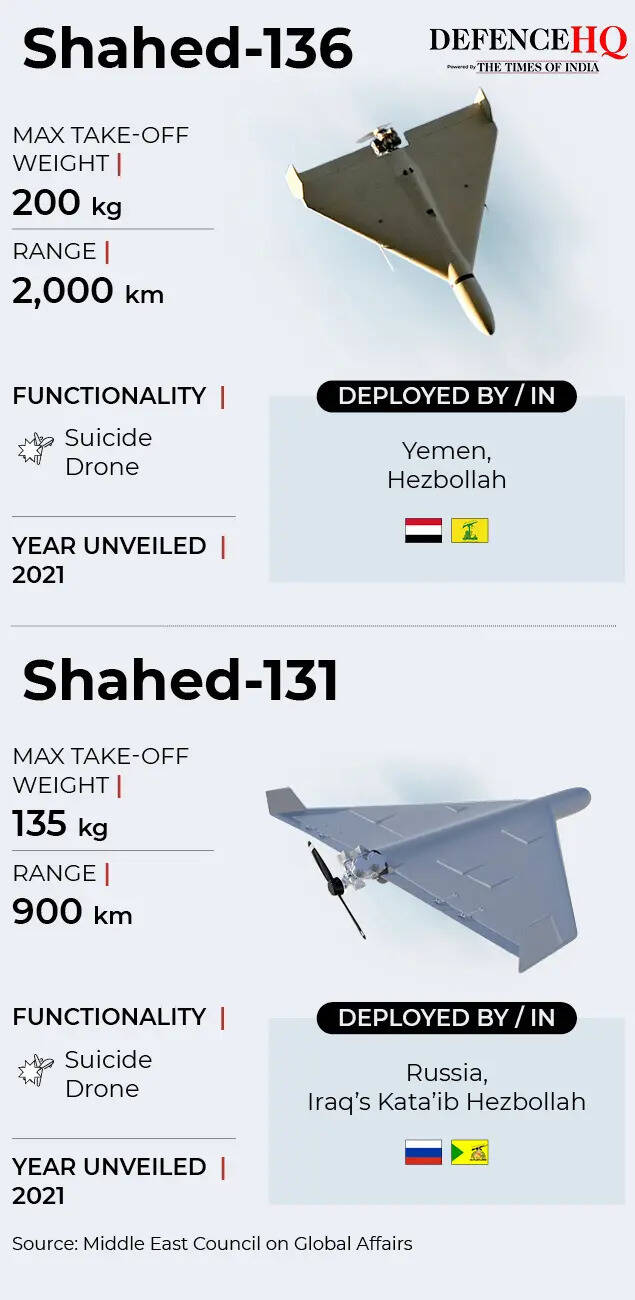
Iran’s Shahed-136 has become the archetype of this model. With a range of around 2,000 kilometres and a modest warhead, it is not technologically advanced. Yet its strength lies in its simplicity and scalability. Produced in large numbers, it has altered the economics of air defence by forcing adversaries to expend costly interceptors on low-cost threats.

Shahed-136 and Shahed-131

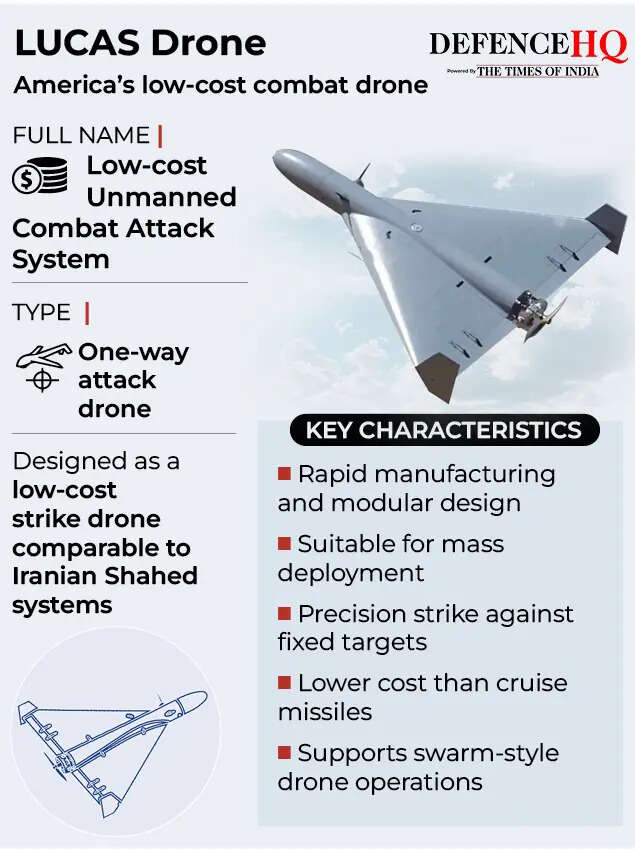
The United States has acknowledged this shift. Its Low-cost Unmanned Combat Attack System, developed by reverse-engineering captured Shahed drones, reflects a pragmatic recognition that the future of warfare lies not in exquisite platforms alone but in mass-producible systems.This is the benchmark against which all emerging drone powers, including India, are now measured.

Where India stands in the global drone race

India today occupies a transitional space in the global drone hierarchy, positioned somewhere between technological competence and industrial under-preparedness. It is neither a laggard nor a leader. Instead, it is a capable but constrained player attempting to bridge the gap between innovation and scale in an ecosystem that is rapidly being defined by mass production and cost efficiency.At a capability level, India has made undeniable progress. Over the past decade, it has developed or inducted systems across the entire drone spectrum, from high-altitude long-endurance platforms to tactical surveillance UAVs, loitering munitions, and counter-drone technologies. Indigenous programmes such as Nagastra, ALS-50, and Switch UAVs demonstrate that Indian industry can design and deploy mission-ready systems tailored to diverse terrains, from deserts to high-altitude borders. Operation Sindoor reinforced this reality by showing that Indian forces can integrate drones into real-time combat scenarios with measurable impact.However, global leadership in drone warfare is no longer determined by the ability to build a few advanced systems. It is defined by the capacity to produce thousands of affordable, expendable platforms and sustain their deployment over extended periods. This is where India’s position becomes more complex.The United States continues to dominate the high-end segment, with platforms such as the MQ-9 Reaper and now newer low-cost experimental systems that blend precision with affordability. At the same time, it is rapidly adapting to the economics of mass drone warfare, as seen in its reverse-engineering of Iranian-style loitering munitions. Russia and Ukraine, through the ongoing conflict, have demonstrated what industrial-scale drone warfare looks like, deploying hundreds of thousands of units annually, particularly first-person view and kamikaze drones.Turkey has carved out a niche by combining affordability with export-driven scale. Its Bayraktar series has become a global benchmark for cost-effective combat drones. Iran, perhaps the most instructive example, has mastered the art of producing simple but effective long-range kamikaze drones in large numbers, fundamentally altering battlefield economics. Even Pakistan has moved aggressively, leveraging Chinese collaboration to build and induct armed drones and loitering munitions at relatively low costs.Against this backdrop, India’s challenge is not one of design but of depth. Its production runs remain limited, often in the hundreds, which constrains both operational flexibility and deterrence value. Without large-scale orders, manufacturers struggle to justify investments in assembly-line production, leading to a cycle where low demand limits supply capacity, and limited capacity restricts demand.Another dimension of this gap lies in supply chains. While India has increased indigenous content in many systems, critical components such as sensors, semiconductors, and communication modules often rely on external sources. In a prolonged conflict scenario, such dependencies could create vulnerabilities, particularly if global supply chains are disrupted.That said, India is not static. Policy interventions, including production-linked incentives, easing of drone regulations, and increased defence procurement from domestic players, are gradually reshaping the landscape. The entry of private players and startups has injected agility into the ecosystem, accelerating innovation cycles. Programmes like iDEX and emergency procurement during Operation Sindoor have also demonstrated that when required, the system can respond quickly and at scale, at least in the short term.The emerging projects such as long-range kamikaze drones and swarm systems indicate that India is acutely aware of where the future lies. The focus is shifting from standalone platforms to networked systems, from individual drone performance to collective operational effect. This conceptual shift aligns with global trends, where the emphasis is on swarming, autonomy, and resilience in contested electronic environments.In essence, India stands at a crossroads in the global drone race. It has crossed the threshold of technological viability but has yet to achieve industrial maturity. The next phase will determine whether it can convert its growing innovation base into a scalable manufacturing ecosystem capable of competing with established drone powers.The distance between India and the leaders is no longer measured in technology alone. It is measured in numbers, production speed, and the ability to sustain a drone-intensive conflict. Bridging that gap will define India’s position in the future battlespace.

Operation Sindoor: India’s drone moment

Operation Sindoor marked a doctrinal shift in India’s military thinking. Rather than treating drones as supplementary assets, the Indian armed forces integrated them across multiple layers of combat operations.From frontline reconnaissance to deep-strike missions, drones played a central role. The operation demonstrated the effectiveness of a networked drone ecosystem, where different categories of unmanned systems worked in tandem to achieve tactical and strategic objectives.

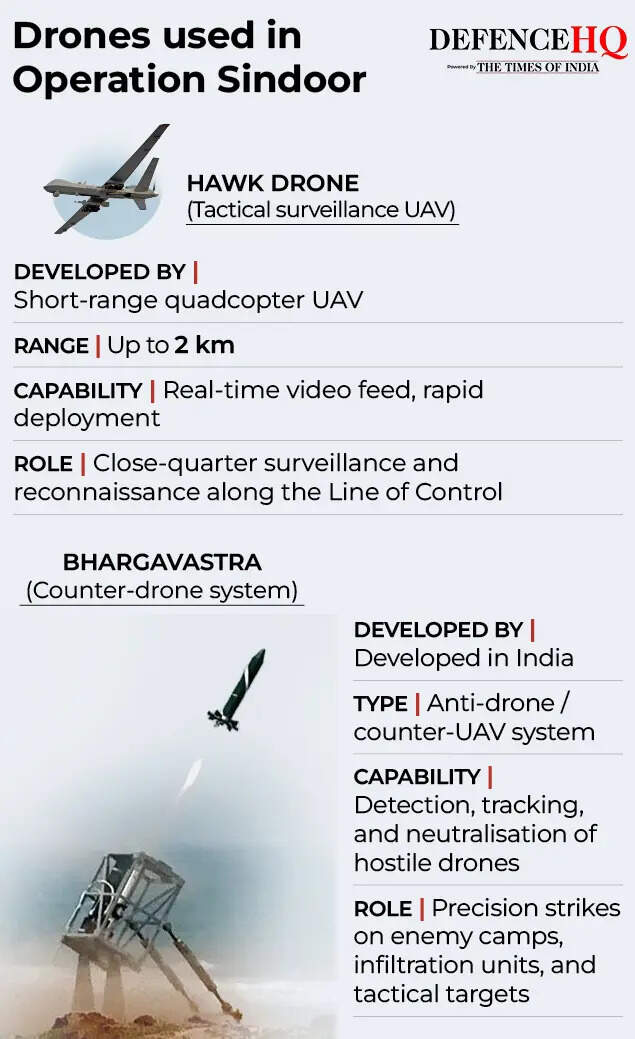
Drones used in Operation Sindoor

First-person view drones provided real-time situational awareness to troops on the ground. Loitering munitions conducted precision strikes against high-value targets. Surveillance UAVs extended operational visibility beyond line-of-sight constraints. Counter-drone systems ensured protection against hostile unmanned threats.This layered approach reduced risk to personnel, improved response times, and enhanced battlefield efficiency. However, the scale of deployment remained limited. India reportedly used around 100 drones during the operation, a fraction of the numbers seen in contemporary conflicts elsewhere.The lesson was clear: capability exists, but scale does not.

Nagastra-1: India’s indigenous loitering munition

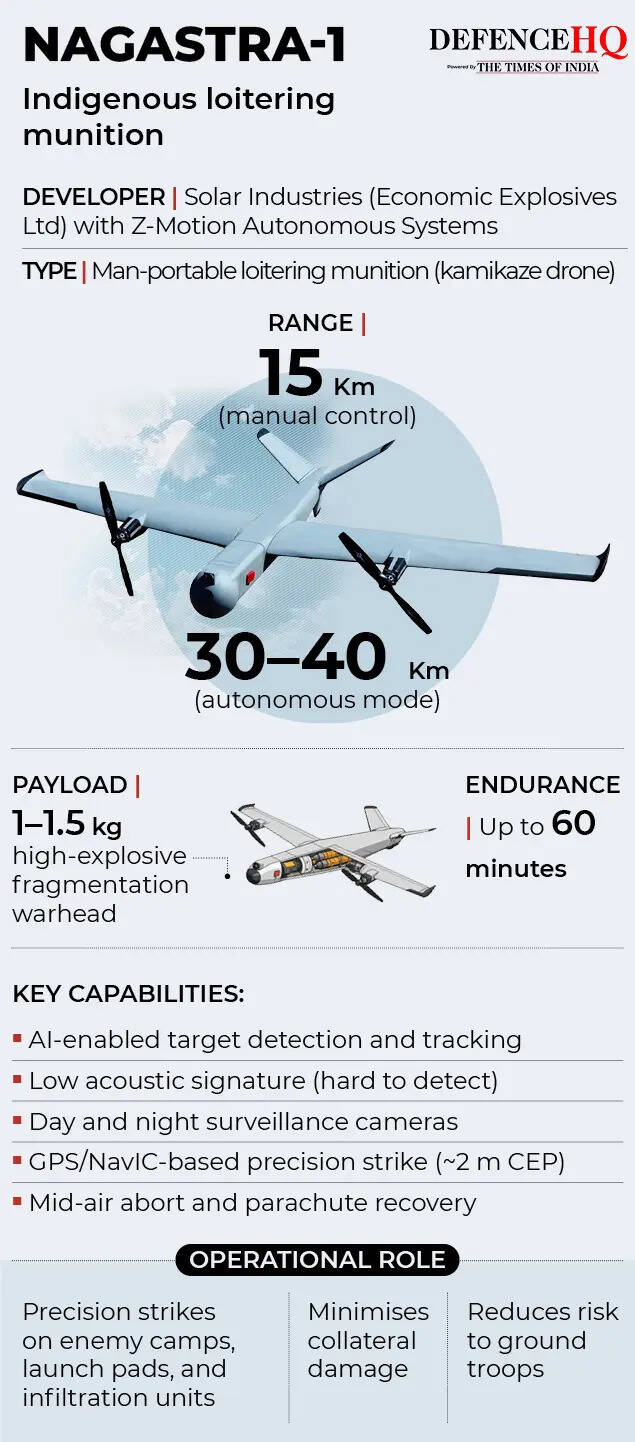
At the heart of India’s indigenous drone capability lies the Nagastra-1, a loitering munition developed through collaboration between private industry and defence startups. Designed as a portable, precision-strike system, it represents India’s attempt to build a homegrown equivalent to global kamikaze drones.The Nagastra-1 is a lightweight, man-portable system that can be carried in two backpacks. It combines a fixed-wing UAV with a pneumatic launcher, a ground control station, and communication systems. With a flight endurance of up to 60 minutes and a range of 15 kilometres in manual mode, extendable to 30–40 kilometres autonomously, it offers flexibility across operational scenarios.

Nagastra-1

What distinguishes the system is its emphasis on precision and adaptability. Equipped with day and night surveillance cameras, it can identify and track targets before executing a strike. Its warhead, weighing between 1 and 1.5 kilograms, is designed for targeted engagements, minimising collateral damage.The drone operates with a man-in-loop system, allowing operators to make real-time decisions. It can abort missions mid-flight and be recovered using a parachute mechanism, a feature that enhances cost efficiency. Its electric propulsion system ensures low acoustic signatures, making it difficult to detect at higher altitudes.During Operation Sindoor, the Nagastra-1 was deployed for precision strikes against selected targets, including launch pads and infiltration units. Its performance validated the concept of indigenous loitering munitions in operational conditions.However, the scale of deployment remains limited. Orders for a few hundred units, while significant, fall short of the thousands required for sustained high-intensity conflict.

Beyond Nagastra: The broader drone ecosystem in Sindoor

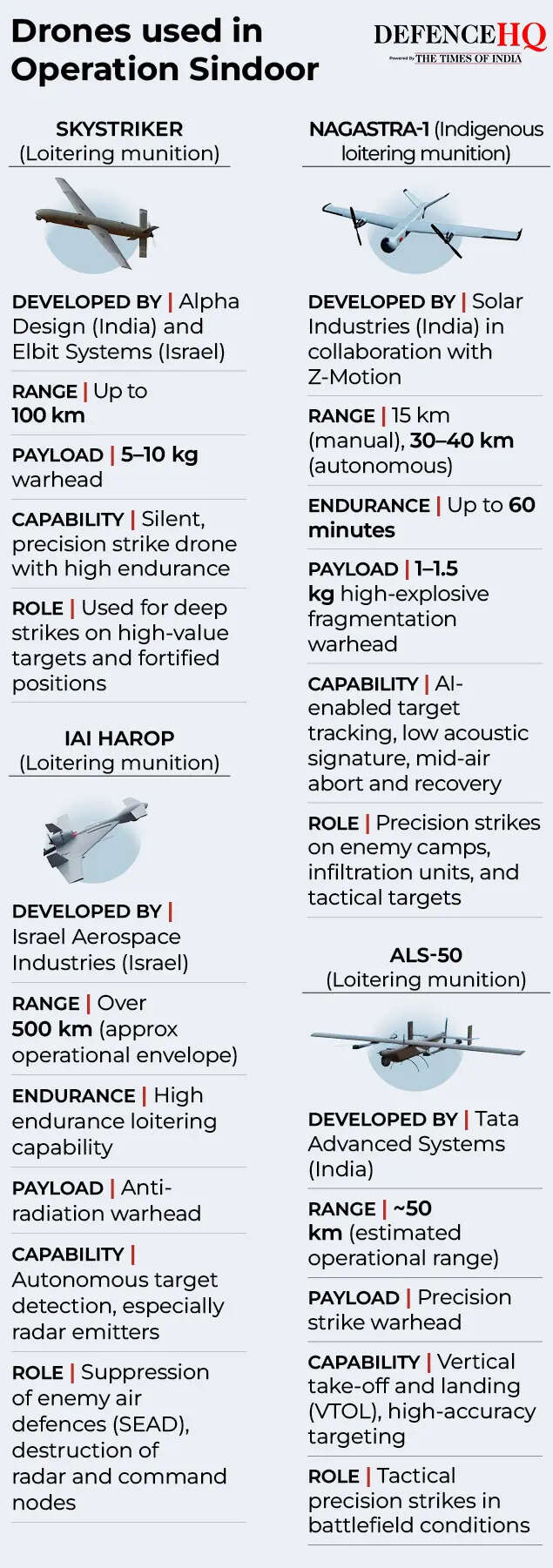
Operation Sindoor was not built around a single breakthrough platform. Its significance lay in creating a layered, multi-platform drone ecosystem where different unmanned systems performed specialised roles within an integrated operational framework. This marked a shift from earlier doctrines, where drones were largely limited to surveillance. In Sindoor, they became central to decision-making, strike execution, and defensive operations.At the higher end, India deployed loitering munitions such as the Israeli-origin Harop for suppression of enemy air defences. With long endurance and advanced targeting, these systems were used to neutralise radar sites and command nodes, enabling safer follow-on operations. However, their high cost and import dependence limit their use at scale in prolonged conflicts.

Drones used in  Operation Sindoor

Mid-tier systems like SkyStriker provided a balance between range, payload, and affordability, enabling precision strikes at distances of up to 100 kilometres. Indigenous platforms such as ALS-50 added depth to this layer, reflecting growing domestic capability in precision strike systems, even if production remains limited.At the tactical level, short-range surveillance drones, including quadcopter-based systems, delivered real-time intelligence to troops in complex terrains. First-person view drones further enhanced battlefield agility, enabling precise engagement of small and moving targets at low cost.Equally critical was the defensive layer. Counter-drone systems like Bhargavastra, supported by electronic warfare tools and jammers, ensured protection against hostile UAVs, highlighting the dual nature of modern drone warfare.What made this ecosystem effective was its integration. Surveillance, strike, and defence systems operated in coordination, reducing response times and improving accuracy. Yet, a key constraint persists. High-end capabilities still rely on imports, and overall deployment remains limited by production capacity.Operation Sindoor demonstrated that India has the foundations of a modern drone warfare architecture. The challenge now is to deepen this ecosystem, reduce dependencies, and scale it for sustained, high-intensity conflict.

The cost dilemma: MQ-9B vs mass drones

India’s acquisition of 31 MQ-9B Predator drones represents a significant enhancement in surveillance and strike capability. These high-altitude, long-endurance UAVs can operate for over 40 hours and carry substantial payloads, making them valuable assets for strategic missions.However, their cost raises important questions. At an estimated $3.5 billion for 31 units, the investment reflects a focus on high-end capability rather than mass deployment.

LUCAS Drone

In contrast, the economics of drone warfare increasingly favour low-cost, expendable systems. For the same cost, tens of thousands of kamikaze drones could potentially be produced, offering greater flexibility in prolonged conflicts.This is not to suggest that high-end platforms lack value. Rather, it highlights the need for balance. A modern drone force requires both sophisticated systems for strategic missions and large numbers of affordable platforms for tactical operations.

Project KAL and Sheshnaag-150: India’s answer to Shahed

Recognising the need for long-range, low-cost strike capabilities, Indian defence startups have begun developing systems that mirror the operational philosophy of the Shahed-136.Project KAL, developed by a Noida-based company, is designed as a long-range kamikaze drone with an endurance of three to five hours. Its ability to loiter over target areas, gather intelligence, and execute precision strikes aligns with the emerging requirements of deep-penetration warfare.

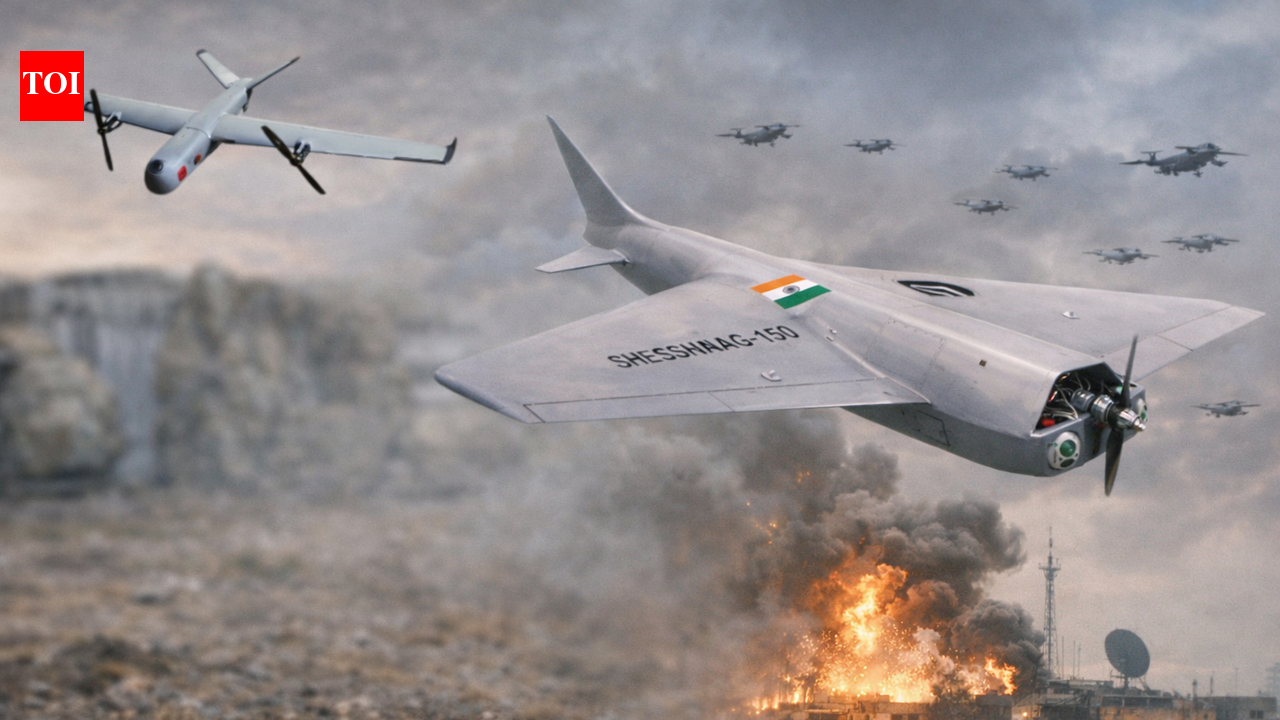
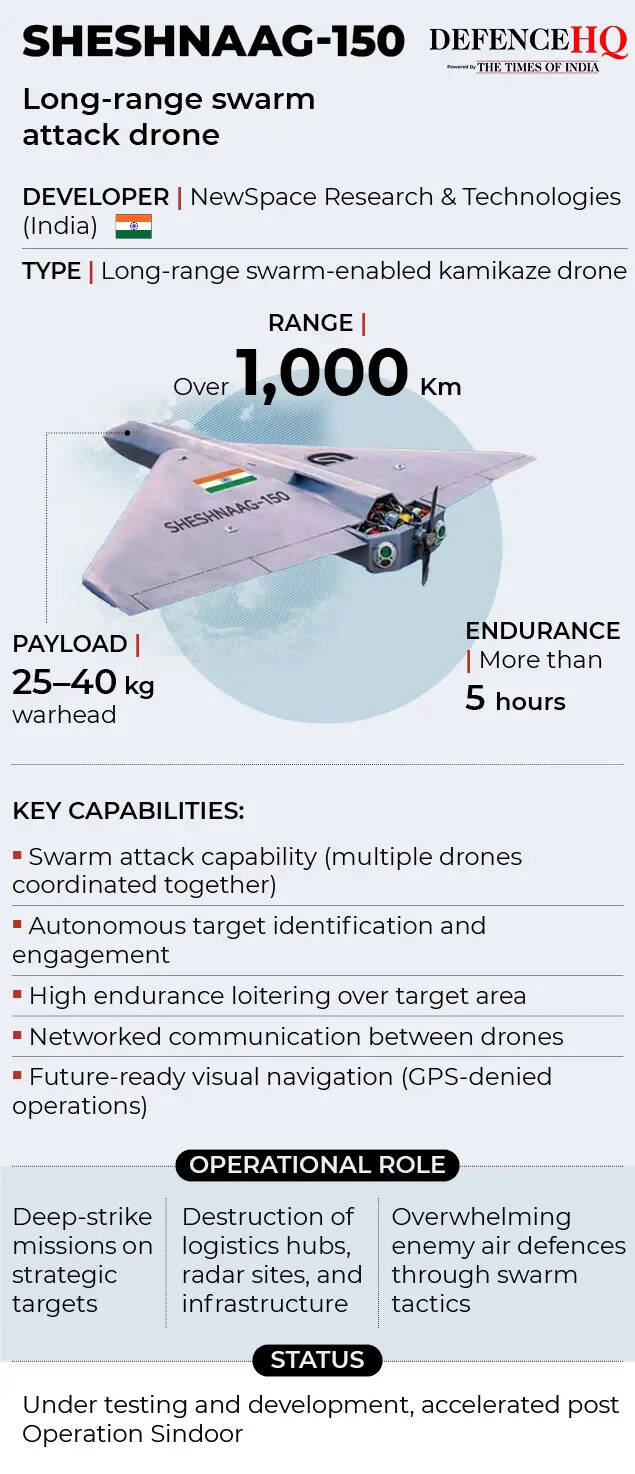
Sheshnaag-150

The Sheshnaag-150 represents a more ambitious evolution. Designed as a swarm-capable attack drone, it combines long range, high payload capacity, and autonomous coordination. With an operational range exceeding 1,000 kilometres and an endurance of over five hours, it is intended to strike strategic targets such as logistics hubs and radar installations.What sets the Sheshnaag-150 apart is its swarm capability. Multiple drones can operate in coordination, overwhelming enemy air defences through sheer numbers and synchronised behaviour. This approach reflects the next stage of drone warfare, where individual platforms are less important than the collective intelligence of the swarm.The system also incorporates advanced software architecture, enabling drones to communicate, adapt, and execute missions with minimal human intervention. Future iterations are expected to include visual navigation systems, allowing operation in GPS-denied environments.Both Project KAL and Sheshnaag-150 remain in development. Their success will depend not only on technological performance but also on the ability to scale production.

Vayu Baan and the evolution of air-launched drones

Another significant development in India’s drone ecosystem is the Vayu Baan programme, which focuses on air-launched unmanned systems and signals a shift towards deeper integration of drones within combat operations. Designed to be deployed from helicopters, these compact unmanned platforms can function both as surveillance assets and precision-guided munitions, expanding the tactical reach of existing air assets without increasing risk to personnel.India’s Vayu Baan programme marks a decisive move towards integrating unmanned systems with traditional manned platforms, reflecting the transition from standalone drone usage to networked, multi-domain warfare. Developed by the Indian Air Force’s Directorate of Aerospace Design, the project centres on air-launched effects, where drones are released mid-flight and then transition into independent surveillance or strike roles.Once deployed, these drones unfold their wings, activate propulsion, and begin autonomous operations. With an expected range of over 50 kilometres and an endurance of around 30 minutes, they are suited for missions such as real-time reconnaissance, target acquisition, and precision engagement. Equipped with electro-optical and infrared sensors, they are designed to operate in contested environments, including GPS-denied scenarios.The concept aligns with a broader global trend of manned-unmanned teaming, enhancing battlefield flexibility while improving survivability. For India, Vayu Baan represents not just a platform, but a doctrinal shift towards faster, more adaptive, and network-centric warfare.

The scale problem: Hundreds vs thousands

Perhaps the most critical challenge facing India’s drone programme is scale. Modern conflicts have demonstrated that effectiveness is not determined solely by technological superiority but by the ability to sustain operations over time.Ukraine and Russia have deployed hundreds of thousands of drones in a single year. These numbers are not anomalies but indicators of the future trajectory of warfare.India’s deployment during Operation Sindoor, while operationally significant, remains modest by comparison. Orders for systems like Nagastra-1 in the hundreds do not justify the establishment of large-scale production lines. Without such infrastructure, scaling up during a conflict becomes difficult.The issue is not merely industrial but strategic. A country that cannot produce drones at scale risks being outpaced in prolonged engagements.

Where is India’s Shahed?

India’s push for indigenous defence manufacturing has begun to deliver visible results, particularly in the drone segment. Platforms such as Nagastra-1, ALS-50, and emerging systems like Sheshnaag-150 reflect a growing domestic capability to design and deploy mission-ready unmanned systems. Much of this progress has been driven by the increasing role of the private sector, with startups and established firms contributing to rapid innovation, supported by government initiatives, procurement reforms, and programmes aimed at boosting self-reliance.Yet, despite these gains, the central question remains: where is India’s equivalent of the Shahed-136?The answer lies in the gap between capability and scale. While India has demonstrated that it can build effective loitering munitions and long-range strike drones, it has not yet translated this into mass production. Supply chain dependencies continue to pose a challenge, particularly for critical components such as sensors, semiconductors, and communication systems. Regulatory complexities and fragmented demand further constrain the ability to establish large, sustained production lines.The Shahed is not just a drone. It is a model of warfare built on simplicity, affordability, and industrial-scale manufacturing. This is where India still lags. Projects such as KAL and Sheshnaag-150 show that the technological foundation exists, and the industrial ecosystem is evolving to support it.However, without the urgency and scale that define leading drone powers, India’s progress remains incomplete. Its drone programme is still transitioning from developing capable systems to deploying them in large numbers. Until that shift happens, India will continue to trail in a domain where numbers, not just technology, define battlefield advantage.

The road ahead: From capability to capacity

Operation Sindoor marked the beginning of India’s drone-centric warfare doctrine. It demonstrated that the country can design, deploy, and integrate unmanned systems effectively.The next phase will be defined by scale, integration, and innovation. Building assembly-line production capabilities, investing in swarm technologies, and developing resilient communication systems will be critical.Equally important will be the integration of drones into everyday military operations. Plans to establish dedicated drone units within infantry formations indicate a shift towards institutionalising unmanned systems.The future battlefield will not be dominated by a single platform but by networks of interconnected systems operating across domains. In this environment, adaptability and scalability will be as important as technological sophistication.India has taken the first steps. The challenge now is to accelerate.


Source link

बागेश्वर: होटल में मिला बारूद का जखीरा, 104 विस्फोटक छड़ें बरामद; मालिक गिरफ्तार – बागेश्वर जिले में कपकोट पुलिस ने एक होटल से 104 विस्फोटक छड़ें बरामद कीं और मालिक को गिरफ्तार कर लिया।

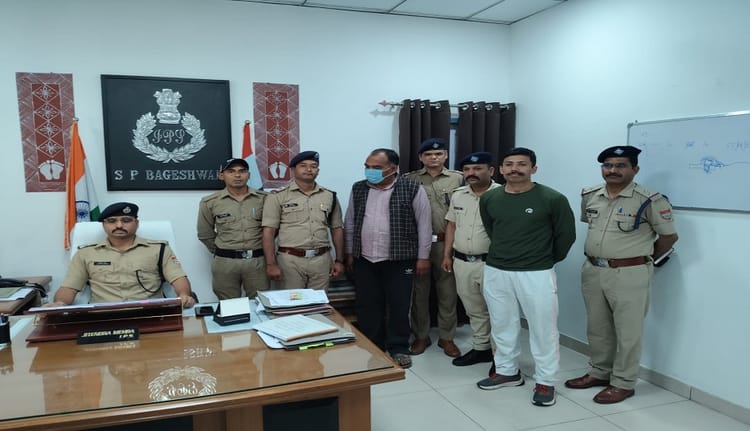
बागेश्वर जिले के कपकोट क्षेत्र के लीती गांव में पुलिस ने एक होटल से भारी मात्रा में विस्फोटक सामग्री बरामद कर सनसनी फैला दी। चेकिंग अभियान के दौरान 104 जिलेटिन की छड़ें मिलने से पूरे इलाके में हड़कंप मच गया. पुलिस ने मौके से होटल मालिक को गिरफ्तार कर उसके खिलाफ विस्फोटक अधिनियम के तहत प्राथमिकी दर्ज की है. रविवार देर शाम चौकी प्रभारी शामा सुमित कुमार अपनी टीम के साथ क्षेत्र में नियमित चेकिंग कर रहे थे। इस बीच मुख्य चौराहे पर स्थित एक होटल की तलाशी ली गई जहां से संदिग्ध विस्फोटक की 104 बेलनाकार छड़ें बरामद की गईं. इन पर “राज जेल 90, राजस्थान एक्सप्लोसिव केमिकल्स लिमिटेड” अंकित था।

मौके से गिरफ्तार आरोपी की पहचान लीती गांव निवासी पान सिंह (52) के रूप में हुई। पूछताछ में उसने बताया कि 2010 से 2012 के बीच वह इलाके में सड़क निर्माण कार्य के दौरान बारूद गोदाम की देखभाल करता था. काम पूरा होने के बाद उसने बाकी विस्फोटक सामग्री अपने पास रख ली. मामले की गंभीरता को देखते हुए पुलिस ने तुरंत उच्च अधिकारियों को सूचित किया और जांच प्रक्रिया तेज कर दी. आरोपी के खिलाफ विस्फोटक पदार्थ अधिनियम 1908 की धारा 5 और बीएनएस की संबंधित धाराओं के तहत मामला दर्ज किया गया है। साथ ही सड़क निर्माण कार्य से जुड़े ठेकेदार की भी तलाश की जा रही है.

उधम सिंह नगर से बुलाई गई बीडीएस टीम, खोजी कुत्ते ‘मौली’ ने की इलाके की तलाशी

विस्फोटक की संवेदनशीलता को देखते हुए रात करीब 9:20 बजे ऊधम सिंह नगर से बम निरोधक दस्ता और खोजी कुत्ता ‘मौली’ को मौके पर बुलाया गया। एसआई चन्द्रशेखर उपाध्याय के नेतृत्व में टीम ने उपकरणों और कुत्तों की मदद से होटल और आसपास के इलाकों में सघन तलाशी अभियान चलाया. शुरुआती जांच में पता चला है कि बरामद सामग्री बारूद (जिलेटिन) है, जिसे सुरक्षा कारणों से नष्ट कर दिया जाएगा.

चेकिंग के दौरान आरोपियों के कब्जे से 104 जिलेटिन की छड़ें बरामद की गईं. यह विस्फोटक करीब 15 साल पुराना है, जो सड़क निर्माण के समय से ही अवैध रूप से अपने पास रखा हुआ था. आरोपी के खिलाफ विस्फोटक पदार्थ अधिनियम की धारा 5 और बीएनएस की धारा 288 के तहत प्राथमिकी दर्ज की गई है। सुरक्षा कारणों से इस सामग्री को कानूनी प्रक्रिया के तहत तत्काल नष्ट कर दिया जायेगा. -जितेंद्र मेहरा, एसपी, बागेश्वर

Source link

‘I’m not his staffer’: Usha Vance says she doesn’t agree with JD Vance on everything

'मैं उनकी स्टाफर नहीं': उषा वेंस का कहना है कि वह जेडी वेंस से हर बात पर सहमत नहीं हैं

The other woman, Usha Vance, says she is not expected to agree with her husband JD Vance on all issues.

Second lady Usha Vance spoke openly about her disagreements with Vice President JD Vance and said that she was never expected to always be on the same page with the VP. “I’m not their employee. I’m not involved in any business sense.” …There’s no expectation that we’ll see eye to eye on everything,” Vance said in an interview with NBC News. Usha Vance was known as a registered Democrat until at least 2014 and voted for Republicans when JD ran for the Senate. She said that she does not feel any pressure to conform to any political views.“The hope is that we will be open-minded and have a conversation, and I will provide meaningful input from the perspective of someone who loves him and wants him to succeed. So even if we don’t agree, it’s – I think it’s always very productive.“There are conversations all the time,” Usha Vance said. “I really like to understand what’s going on in his world, what he’s really focused on, what concerns he has, because it’s a marriage. I mean, I want to support him, and I can’t do that if I don’t really know what’s going on.”Usha said the VP has a full staff of policy advisers, but he turns to Usha when something is bothering him, “when he really wants to talk about something that feels more personal, highly personal or important.”

‘I was myself, I am myself’

Usha said that even when she was a Democrat, she was herself and even today she is herself. Vance said, “I feel very comfortable in that no one has asked me to engage in any kind of litmus test on anything. And I’ve found that I was myself in 2014. I can be myself today. And I feel very comfortable in that world.”

Will JD run for President in 2028?

Usha Vance said that the Vice President’s focus is now on the mid-terms. Usha Vance said, “JD’s focus right now is on the midterm elections, on all the things that are happening right now, which are obviously extremely important. And so if you come back in 2027 and ask me, I’ll have a better sense of what he’s thinking along the way. But that’s not a priority in our conversation.”

Source link

Rajasthan (RR) vs Chennai (CSK) Live Score, IPL 2026: CSK (8/0 in 1.2 overs). Sanju Samson survives Joffra Archer’s over.

This was the fight we’ve been waiting for, right? Sanju Samson was beaten and harassed by Jofra Archer.

Samson bowled a fuller ball and it went straight through the empty slip circle and reached the boundary. Why did Riyan Parag not have a traditional slip fielder?

Samson was lucky to survive that brilliant first over from Archer. The English pacer bowled with great heat and accuracy. Unlike the T20 World Cup semi-final in Mumbai, Samson kept it full and invited drives. There he bowled short and paid the price for it.

Meanwhile, Ruturaj Gaikwad has looked stable.

Source link

होली पर घर आई बेटी की मौत…28वीं मंजिल से कूदकर दी जान, जांच में जुटी पुलिस

उत्तर प्रदेश समाचार: नोएडा के सेक्टर 32 स्थित अमौर सोसायटी में देर रात एक दुखद घटना सामने आई, जहां 22 वर्षीय बीटेक छात्र ने 28वीं मंजिल से कूदकर आत्महत्या कर ली। घटना के बाद पूरी सोसायटी में हड़कंप मच गया और लोग सदमे में आ गए. सूचना मिलते ही पुलिस मौके पर पहुंची और जांच शुरू कर दी। सुरक्षा गार्ड ने बताया कि गिरने की तेज आवाज सुनकर वह तुरंत मौके पर पहुंचा और अन्य लोगों को इसकी जानकारी दी.

होली पर छात्रा घर आई थी
जानकारी के मुताबिक, बस्ती निवासी तेल कारोबारी संजय जयसवाल अपने परिवार के साथ इसी सोसायटी में रहते हैं। उनकी बेटी अर्पिता जयसवाल पंजाब के एक कॉलेज में बीटेक की पढ़ाई कर रही थी और होली के मौके पर घर आई थी. रात करीब 10 बजे परिवार के सभी सदस्यों ने एक साथ बैठकर खाना खाया और सामान्य बातचीत की। उस वक्त किसी को अंदाजा नहीं था कि कुछ देर बाद ऐसा हादसा हो जाएगा.

घटना दोपहर 12:20 बजे की है
पुलिस के मुताबिक, घटना दोपहर करीब 12:20 बजे की है. तेज आवाज सुनकर गार्ड मौके पर पहुंचा, जहां छात्रा खून से लथपथ पड़ी थी। समाज के अन्य लोग भी तुरंत वहां पहुंचे और परिजनों को सूचना दी। छात्रा को तुरंत नजदीकी अस्पताल ले जाया गया, लेकिन डॉक्टरों ने उसे मृत घोषित कर दिया।

मानसिक तनाव की संभावना
थाना प्रभारी के मुताबिक प्रारंभिक जांच में पता चला है कि छात्र कुछ समय से मानसिक तनाव में था। घटना से पहले उसके पिता ने उसे किसी बात पर डांट दिया था, जिससे वह नाराज हो गयी होगी. हालांकि, परिवार की ओर से अभी तक कोई शिकायत दर्ज नहीं कराई गई है.

पुलिस की जांच जारी है
पुलिस ने शव को कब्जे में लेकर पोस्टमार्टम के लिए भेज दिया है और फॉरेंसिक टीम को बुलाकर साक्ष्य जुटाए हैं. जांच के लिए छात्र का मोबाइल फोन और अन्य चीजें भी जब्त कर ली गई हैं। फिलहाल पुलिस पोस्टमार्टम रिपोर्ट का इंतजार कर रही है, जिसके बाद घटना के पीछे की असली वजह साफ हो जाएगी.

Source link

Living Together Tips: Do’s and Don’ts for Couples Living Together

moving together? 10 Do's and Don'ts You Should Know
Moving in together is an important milestone in a relationship. Prioritize open discussion on finances and division of labor from day one to prevent future conflicts. Respecting personal space and setting clear house rules are important for harmony. Resolve minor problems quickly and allow adequate time for adjustment; Perfection is not instant. Genuine commitment, not convenience, should drive this decision.

Sharing a home is an exciting stage in a romantic relationship. You have the keys, but now what? While this is exciting, it is also an important step that should not be taken lightly. Sharing a roof means mixing habits, lifestyles and everything in between. Before you pack your boxes, here are some thighs you should get from day one.

Talk about finances quickly

Before you say ‘Oh, we’re not that couple. ‘Money is not a problem’, let’s stop you there. Money becomes the number one source of conflict when you live together. Even before you rent a place, or move into his or her house, start talking about money. How will you divide the expenses? Whether you go half-and-half, or split proportionately, open a joint account for expenses – it should all be clear.

Watch

Toxic Relationships Can Cause Emotional Conflict: Here Are Ways to Deal With It

discuss work

Nobody likes chores, but they happen. And it is important to take care of it. Cleaning, dishes, laundry, cooking – these all need to be discussed, unless you want to be the one cleaning the bathroom every day. Create a schedule based on availability, strengths and weaknesses.

respect each other’s personal space

Yes, you are living together because you want to spend ‘more’ time together, not ‘all’ the time. So set a boundary on personal space. Talk about this. Maybe it’s spending Friday evenings in the reading room, or dancing with your friends on Saturday nights. It is important to protect your individuality at all costs. Discuss this with your partner.

set house rules

Believe it or not, you need household rules. These will save your time and peace. Talk about having guests, whether overnight visitors are allowed. You don’t want to find his friends lying on the couch and trashing your house after three weekly match days. It’s important to discuss these things, because these little things add up quickly. Think of it less as a rule book and more as healthy limits for the well-being of both of you.

keep communication open

When you’re hanging out together, it’s important to keep communication open. Make a habit of checking regularly, not just when something goes wrong. Talk about concerns before they become big issues. Be open and honest with each other.

Don’t jump into it just because it’s convenient

Why are you going in? Now that’s a question you have to answer for yourself. Are you moving forward because you really want to make your relationship work or because it solves a logical problem? It might help to split the fare, cut down on commuting costs, but it shouldn’t be your reason.

don’t avoid talking about money

Most couples avoid talking about money, and this gets them into deep trouble. Your financial arrangements are what provide you peace while having sex. Therefore, it is also important to revise your financial agreements as you move forward.

Don’t skip setting limits

Most people think that boundaries are walls, but they are not. This is the foundation of a healthy relationship. Always set proper boundaries. For example, alone time or self-care on Sundays, time with family, or privacy with your phone. These small boundaries are what will bring you together.

Don’t ignore initial irritations

Now when you live together, both of you will have different lifestyles. It is important to address minor differences as quickly as possible. For example, if you keep avoiding your partner’s habit of bringing bathroom slippers into the living room, one day it will turn into a much more serious situation. Just tell them it bothers you.

Don’t expect perfection in a week

You won’t feel ‘at home’ for the first week or two. It will take time to adjust to the new place. You are getting to know your partner’s habits, and seeing if they suit yours. So don’t jump to conclusions in the first week. Give it some time, as it takes time to settle.

Source link

‘The only country that respects this issue’: Trump revives birthright citizenship debate, criticizes US courts

'The only country that respects this issue': Trump revives birthright citizenship debate, criticizes US courts

us President donald trump Once again spoke out against birthright citizenship, arguing that the policy was originally intended for “children of slaves” and was now being abused by wealthy foreigners seeking American citizenship for their children. In the post on Truth Social, Trump criticized the practice of so-called “birth tourism”, claiming that people from countries such as China are exploiting the “pay-for” system to secure citizenship. He also took aim at the American judicial system, linking the issue to broader concerns over tariffs and economic policy, saying, “Stupid judges and juries will not make a great country.” Trump further asserted that the United States is unique in continuing to debate birthright citizenship, saying he “laughed” at the American legal framework and suggested that other countries would benefit from the current system.“Birthright citizenship is not about rich people in China and the rest of the world who want their children, and hundreds of thousands of others, for payment, ridiculously become citizens of the United States. It is about the children of slaves! We are the only country in the world that even treats this topic with respect. Look at the dates of this very early law – the exact end of the Civil War! The world is getting rich by selling citizenship in our country, while at the same time laughing at how much our American court system Got stupid (tariffs!) “Stupid judges and judges don’t make a great country!” Trump said on Truth Social. Birthright citizenship is the principle of jus soli, or “by right of soil”, whereby almost anyone born in a U.S. territory automatically becomes a citizen. This is guaranteed by the 14th Amendment to the Constitution, adopted in 1868 to ensure citizenship for formerly enslaved people, and later strengthened by the Supreme Court’s 1898 decision in United States v. Wong Kim Ark, which extended rights to children born to non-citizen parents. While broadly applied, it excludes certain categories, such as children of foreign diplomats, and remains a central, constitutionally protected feature of US citizenship law.

Source link