Breaking News
12 साल तक कोमा में रहे हरीश राणा को सुप्रीम कोर्ट से मिली इच्छामृत्यु की मंजूरी, पिता की गुहार पर आया बड़ा फैसला

सुप्रीम कोर्ट ने बुधवार को एक अहम फैसले में 12 साल से कोमा में पड़े एक युवक को निष्क्रिय इच्छामृत्यु की इजाजत दे दी. कोर्ट ने युवक का कृत्रिम जीवन समर्थन हटाने की मंजूरी दे दी है. यह मामला गाजियाबाद के रहने वाले हरीश राणा से जुड़ा है, जो काफी समय से कोमा की स्थिति में थे. अपने बेटे की हालत देखकर उसके पिता ने सुप्रीम कोर्ट में याचिका दायर कर सम्मानजनक मौत की इजाजत मांगी थी. कोर्ट ने मेडिकल रिपोर्ट और तमाम परिस्थितियों पर विचार करने के बाद यह फैसला सुनाया.

कोर्ट की बेंच ने दिया अहम फैसला
यह फैसला जस्टिस जेबी पारदीवाला और जस्टिस केवी विश्वनाथन की बेंच ने दिया. कोर्ट ने अपने फैसले में जीवन और मृत्यु से जुड़े दार्शनिक विचारों का भी जिक्र किया. न्यायमूर्ति पारदीवाला ने कहा कि दार्शनिक हेनरी डेविड थोरो के शब्दों में, ईश्वर मनुष्य से यह नहीं पूछता कि वह जीवन स्वीकार करता है या नहीं, बल्कि उसे जीवन लेना होता है। कोर्ट ने यह भी कहा कि विलियम शेक्सपियर का मशहूर कथन ”टू बी, ऑर नॉट टू बी” भी इस विषय पर गहरी सोच को दर्शाता है.

हरीश राणा 12 साल तक बिस्तर पर रहे
याचिका के मुताबिक, गाजियाबाद के राजनगर एक्सटेंशन निवासी हरीश राणा 12 साल से अधिक समय से कोमा की स्थिति में थे और बिस्तर पर ही अपना जीवन गुजार रहे थे। इस दौरान उन्हें केवल तरल भोजन दिया गया और वह पूरी तरह से जीवन रक्षक प्रणाली पर निर्भर थे। परिवार ने कोर्ट को बताया कि इतने लंबे समय तक उनकी हालत में कोई सुधार नहीं हुआ.

मेडिकल बोर्ड ने भी रिपोर्ट दी
सुप्रीम कोर्ट के फैसले से पहले कोर्ट ने दो अलग-अलग मेडिकल बोर्ड का गठन किया था. जांच के बाद इन बोर्डों ने अपनी रिपोर्ट कोर्ट को सौंपी. रिपोर्ट में कहा गया है कि हरीश राणा के ठीक होने की कोई संभावना नहीं है. मेडिकल विशेषज्ञों की इस राय के आधार पर कोर्ट ने निष्क्रिय इच्छामृत्यु की इजाजत दे दी. इस फैसले को 2018 के कॉमन कॉज मामले के फैसले के तहत सम्मानजनक मौत के अधिकार को मान्यता देने का पहला न्यायिक कार्यान्वयन माना जा रहा है। इस फैसले के बाद, हरीश राणा का जीवन समर्थन हटा दिया जाएगा और उन्हें इच्छामृत्यु के तहत शांतिपूर्ण मौत दी जाएगी।

अश्वनी तिवारी

अश्वनी तिवारी यूपी न्यूज नेटवर्क में उप-संपादक हैं। वह राजनीति, अपराध, खेल, ज्योतिष और धार्मिक विषयों से जुड़ी खबरों पर सक्रिय रूप से काम करते हैं। उन्हें मीडिया जगत में 2 साल का अनुभव है। उन्होंने रिपोर्टिंग, स्पेशल स्टोरीज और स्पेशल खरी-खोटी जैसे कार्यक्रमों पर काम किया है। कंटेंट राइटिंग के साथ-साथ उन्हें वीडियो एंकरिंग का भी अनुभव है। सुमनटीवी ने हैदराबाद (डिजिटल प्लेटफॉर्म) के साथ काम किया है और ZEE न्यूज़ और इंडिया वॉच जैसे प्रतिष्ठित समाचार संगठनों में इंटर्नशिप का अनुभव प्राप्त किया है। पिछले 1 वर्ष से वह यूपी न्यूज नेटवर्क (डिजिटल) से जुड़े हुए हैं और उत्तर प्रदेश से जुड़ी महत्वपूर्ण खबरों को डिजिटल प्लेटफॉर्म पर प्रभावी ढंग से प्रस्तुत कर रहे हैं। एमजेएमसी से पढ़ाई कर चुके अश्विनी तिवारी पत्रकारिता के लिए जाने जाते हैं जो दर्शकों को तथ्यात्मक रिपोर्टिंग, जमीनी मुद्दे और सटीक जानकारी प्रदान करती है। उनका जन्मस्थान वाराणसी है, जबकि अपने काम के दौरान उन्होंने कई शहरों में रहकर पत्रकारिता की है।

Source link

IPL 2026 unlikely to face oil, LPG disruption, BCCI ready with contingency plans

With the Indian Premier League (IPL) set to begin from March 28, the tournament organizers are closely monitoring the evolving geopolitical situation and its possible impact on the event, a senior IPL official said.

Concerns have been raised about potential disruption to logistics and infrastructure if the conflict escalates. These include potential challenges related to fuel supply, Such as cooking gas and oil used for stadium floodlights, As well as disruptions in air travel that could affect players and officials flying in from outside the country for the tournament.

When contacted by India Today regarding the situation and any contingency plans, a top IPL official said the league is currently keeping a close eye on the developments, but no pre-decision has been taken.

“We can’t pre-empt the situation. We have to wait and see. Everyone we have spoken to says things are under control. Hotels are also saying the same, so we have to go by that for now,” the official said.

He said that, at the moment, organizers see no immediate reason to make changes to the program or arrangements.

“At the moment, everything is fine. We will keep an eye on the situation. Why should we think in advance and decide something now?” He said.

Asked if the league has prepared any contingency plan in case the situation worsens, the official said the organizers will respond as per the circumstances.

Who will play the first match of IPL 2026?

“We will definitely act as per the situation. If the situation demands that we do something, we will take necessary steps,” the official said.

The IPL remains one of the most prominent T20 cricket tournaments in the world, attracting leading international and Indian players from multiple cities across India. Despite external concerns, preparations for the upcoming season are continuing as scheduled, while officials remain alert to any developments that could impact the tournament.

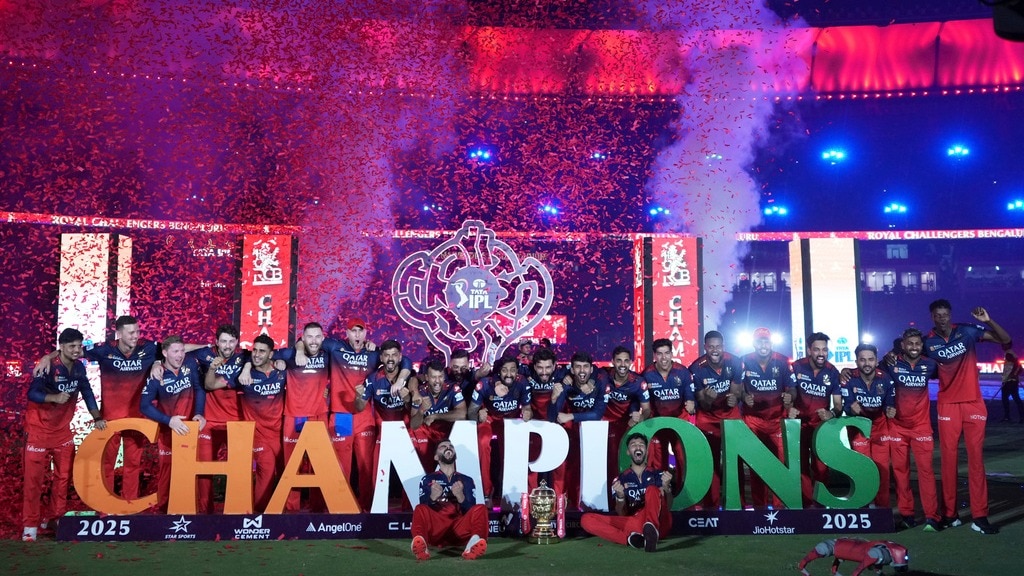
IPL 2026 is all set to begin with the opening ceremony on March 28 Between Royal Challengers Bangalore (RCB) and Sunrisers Hyderabad (SRH) at the M. Chinnaswamy Stadium in Bengaluru.

– ends

published by:

Rishabh Beniwal

Published on:

March 11, 2026 22:50 IST

Source link

Explosion at Oman’s Salalah port: Iran’s drone targeted fuel storage oil tanks? Tehran denies role in engulfing Middle East in war with US-Israel

Explosion at Oman's Salalah port: Iran's drone targeted fuel storage oil tanks? Tehran denies role in engulfing Middle East in war with US-Israel
Iranian drone targets fuel tanks at Oman’s Salalah port, causing massive fire, Tehran denies role

The escalating conflict between Iran, the United States and Israel has now reached one of the Gulf’s most strategically important maritime hubs. On March 11, 2026, multiple drones attacked fuel storage tanks at the port of Salalah in Oman, causing a fire and raising concerns in global energy and shipping markets. Officials confirmed that while several drones were intercepted, others managed to penetrate air defenses and target oil storage infrastructure at the port.Although the attack caused serious fires in at least two fuel tanks, officials said there were no casualties among port workers or residents, and there was no damage to merchant ships moored nearby. The incident marks the latest escalation in a regional war that has increasingly spread beyond Iran, Israel and US targets to threaten Gulf energy infrastructure and maritime trade routes.

A fire breaks out at a strategic energy center in Oman amid Iran vs US-Israel war

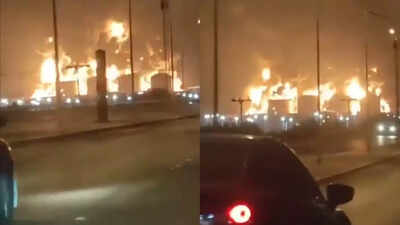
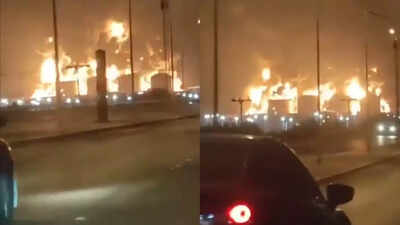
Located along the Arabian Sea in the Dhofar region of Oman, the Port of Salalah is one of the middle eastMajor shipping and logistics center of India. The port handles container traffic, oil storage and bunkering operations to serve ships plying between Asia, Europe and Africa. When the drones attacked the facility, fuel tanks in the port’s storage area were set on fire, sending plumes of smoke into the sky. Videos circulating online showed parts of the oil depot engulfed in flames.Officials said emergency services responded quickly to bring the fire under control, while security forces struggled to stop additional drones from coming into the area. Many unmanned aerial vehicles were successfully shot down before reaching port. Despite the quick response, at least one drone managed to attack a storage area, highlighting the growing vulnerability of critical energy infrastructure across the Gulf.

Shipping and port operations disrupted in Oman’s Salalah port amid Iran vs US-Israel war

Following the attack, port operations were temporarily disrupted and shipping companies began to reevaluate security conditions in the area. One of the port’s major terminal operators confirmed that container terminal operations have been halted until further notice, while vessels in nearby waters have been advised to remain vigilant.Global shipping giant Maersk also halted activities at the port following the strike, citing security concerns around the facility. The shutdown highlights how an attack on a single energy storage facility could disrupt global supply chains, particularly in the Gulf, which handles a significant portion of the world’s oil and container shipping traffic.The Salalah strike is not an isolated incident. It is part of a broader campaign targeting ports, refineries and energy infrastructure across the region since the outbreak of the Iran-US-Israel war on February 28, 2026. Since the conflict began, many Gulf facilities have been hit or threatened by drone and missile attacks. Earlier in March, Oman’s Duqm port was also targeted by drones, damaging fuel storage tanks and injuring a foreign worker.In other events:

  • Earlier in the month, a drone attacked a fuel tank at Duqm port.
  • An oil tanker was also attacked off the coast of Oman as tensions escalated.
  • Several Gulf countries hosting US military assets have reported air threats or interceptions.

These incidents have increased fears that the conflict is expanding beyond military targets to economic infrastructure, particularly oil storage and shipping facilities.

Iran denies role in Salalah port drone attack amid war with US-Israel

Iran has suggested that the drone attack on Oman’s Salalah port may have been part of a “false flag” operation, raising doubts over who was actually responsible for the attack. In a statement quoted by the Khatam al-Anbiya (Holy Prophet) central headquarters, which coordinates Iran’s armed forces, a spokesman described the incident as “suspicious” and said the Islamic Republic was investigating the circumstances surrounding the attack.Iranian officials denied that their forces had deliberately targeted Oman, stressing that the sultanate is considered a “friend and neighbor” and that Iran does not seek confrontation with nearby Muslim countries. Instead, Tehran warned that the United States and Israel could attempt false attacks on regional infrastructure to blame Iran and escalate conflict across the Gulf.According to the Iranian statement, such actions could include targeting diplomatic sites or strategic facilities in neighboring states to “damage Iran’s image” and draw additional countries into the war.

Why does Oman matter in the Iran vs. US-Israel conflict?

Oman’s historical role as a neutral mediator in Middle Eastern diplomacy makes the Salalah strike particularly significant. For decades, the Sultanate has maintained cordial relations with both Iran and Western countries, often hosting secret diplomatic talks. Oman played a key role in facilitating the early back-channel negotiations that ultimately resulted in the 2015 Iran nuclear deal. Due to this neutral status, Oman has largely avoided becoming a battleground in regional conflicts.However, the latest drone attacks suggest that the war may now spread even to countries that have traditionally stayed out of the conflict. Analysts say the aim of targeting Omani infrastructure may be to send a message to Gulf countries that are cooperating in US or Israeli military activities.

Growing risks to global energy markets amid Iran vs US-Israel war

The attack on Salalah has raised concerns about the security of oil infrastructure across the Gulf. The region is home to some of the world’s most important energy facilities, including major refineries, export terminals and shipping routes. Energy analysts warn that continued attacks on fuel depots and ports could have several consequences:

  • Global oil supply disruption
  • Increase in fuel prices
  • shipping insurance surcharge
  • Rerouting tankers away from conflict areas

Even relatively small disruptions can have major impacts on global markets as the Gulf region exports a significant portion of the world’s crude oil and liquefied natural gas.

Growing role of drone warfare

The attack also reflects the growing role of drones in modern warfare, particularly in the Middle East. Compared to conventional missiles or air strikes, drones are cheaper to deploy, harder to detect, able to travel long distances and capable of targeting infrastructure with precision.Many drones used in regional conflicts resemble hovering weapons, sometimes called “kamikaze drones”, that hover near targets before attacking. Their increased use has changed how conflicts affect infrastructure, allowing attackers to attack ports, refineries and airports far from traditional battlefields.

Iran’s position and territorial claims amid war with America-Israel

While many analysts and security companies attribute the attacks to Iranian retaliation against US and Israeli targets, Tehran has previously denied responsibility for some of the attacks on neighboring countries. Iranian officials have argued that attacks against neutral states may be part of efforts by rival actors to escalate the conflict and blame Iran.At the same time, Western and Gulf officials say Iran’s military strategy includes targeting energy infrastructure across the region as part of a broader confrontation with Washington and Tel Aviv. The attack on Salalah highlights how the ongoing war is slowly spreading across the region.According to regional reports, the escalating conflict has already caused significant casualties and damage in several countries and affected thousands of people. The risks and threats of escalation increase with each new attack, especially if critical energy infrastructure or shipping routes are repeatedly targeted.The drone attack on Oman’s Salalah port marks a dangerous new phase in the Iran vs. US-Israel conflict, threatening not only military targets but also the Gulf region’s economic lifelines. For a country like Oman, long known for its diplomatic neutrality, the attack underscores how the conflict is expanding far beyond its original battlefield.With increasing threats to energy facilities, shipping hubs and ports, warfare is no longer limited to missiles and military bases. It is now testing the resilience of global trade routes and energy supply chains and if attacks on strategic ports continue, the impact could soon be felt not only in the Middle East but also on the global economy.

Source link

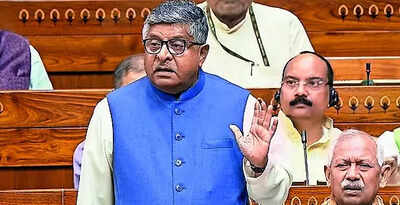
Proposal to remove Speaker brought to satisfy Rahul’s ego: BJP india news

Proposal to remove Speaker brought to satisfy Rahul's ego: BJP

New Delhi: Ruler NDA On Wednesday, MPs strongly criticized Rahul Gandhi As a “campaign leader” who is addicted to dynastic privilege and cannot accept equal treatment with others, he has targeted the Leader of Opposition in the Lok Sabha over the opposition’s motion to remove the Speaker. Om Birla.“Rahul Gandhi thinks the rules are not for him, but he is the rules. A family thinks it is above the rules and procedures of the House and above the Constitution.” BJPAnurag Thakur made allegations. He compared Birla to a school principal who wants to enforce discipline, Anurag said, adding that those who do not like the principal are free to leave the school if they do not like the principal because the principal is not going anywhere.He said that in the past the comments of many MPs from the ruling party, including his, had been deleted by the Speaker. Rahul suffers from “FOMO” (fear of missing out) and makes all sorts of allegations to remain in the news, he said, condemning him as a “leader of publicity”.BJP’s Ravi Shankar Prasad said that this proposal has been brought to satisfy someone’s ego, targeted Rahul and said that PM Modi can never be compromised. The LoP should measure its words carefully, especially on national security issues, he said.“I blame the opposition, especially the Congress and Rahul Gandhi, for having chauvinistic views and turning this Parliament into anarchy,” he said.TDP MP Krishna Prasad Teneti praised Birla for his conduct as president and said attempts to “damage” the institution’s reputation in the name of political dissent were dangerous. He said, “I am not defending any individual; I am defending the integrity of this House. The authority of the Speaker is not an individual prerogative. It is an institutional necessity.”BJP’s Tejasvi Surya alleged that the Gandhi family is unable to accept equal treatment before the law. “People accustomed to dynastic privilege often mistake even equal treatment for injustice,” he said, claiming that its members consider themselves kings who can do no wrong.AIMIM member Asaduddin Owaisi, who is not affiliated with any faction, accused the government of trying to dominate the legislature, but also criticized the opposition parties for ignoring representatives of smaller parties like him. Owaisi said, he is accused of being the ‘B team’ of BJP.

Source link

यूपी बार काउंसिल चुनाव: लखनऊ में 20 बूथों पर आज से वोटिंग, 100 मीटर के दायरे में प्रचार पर पूरी तरह रोक

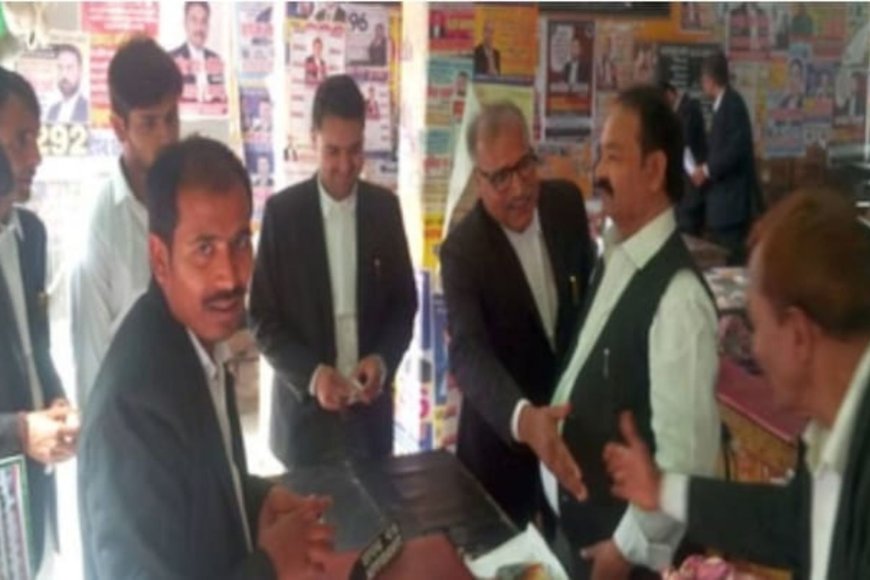
राजधानी लखनऊ में उत्तर प्रदेश बार काउंसिल के सदस्य पद के लिए होने वाले चुनाव की सभी तैयारियां पूरी कर ली गई हैं. बुधवार सुबह 10 बजे से इलाहाबाद हाई कोर्ट की लखनऊ बेंच परिसर में मतदान प्रक्रिया शुरू होगी, जो शाम 5 बजे तक चलेगी. यह मतदान कार्यक्रम पांच दिनों तक चलेगा. पहले दिन यानी 11 मार्च को 1962 से 2000 तक पंजीकृत 5410 अधिवक्ता अपने मताधिकार का प्रयोग कर सकेंगे. इस चुनाव को लेकर वकीलों में काफी उत्साह देखा जा रहा है और प्रशासन ने शांतिपूर्ण मतदान के लिए विशेष इंतजाम किये हैं.

पहले टाले गए थे चुनाव, अब 11 से 15 मार्च तक वोटिंग
जानकारी के मुताबिक, यह चुनाव पहले 27 और 28 जनवरी को होना था, लेकिन कुछ अनियमितताओं के कारण इसे स्थगित कर दिया गया था. बाद में संशोधित कार्यक्रम जारी किया गया। नये कार्यक्रम के मुताबिक लखनऊ जिले में 11 से 15 मार्च तक मतदान कराया जा रहा है. प्रदेश के अन्य जिलों में मतदान प्रक्रिया पहले ही पूरी हो चुकी है. इस चुनाव में जिले के 26 हजार से अधिक अधिवक्ता अपने मताधिकार का प्रयोग करेंगे.

331 प्रत्याशी मैदान में, सुरक्षा के कड़े इंतजाम
प्रदेश स्तर पर होने वाले इस चुनाव में सदस्य पद के लिए कुल 333 अधिवक्ताओं ने नामांकन किया था. हालांकि, दो उम्मीदवारों की मौत के कारण अब 331 उम्मीदवार ही मैदान में बचे हैं. निष्पक्ष और शांतिपूर्ण मतदान सुनिश्चित करने के लिए उच्च न्यायालय परिसर और उसके आसपास पर्याप्त पुलिस बल तैनात किया गया है। सुरक्षा कारणों से मतदान स्थल के आसपास बैरिकेडिंग भी की गई है.

20 बूथों पर वोटिंग और सख्त नियम लागू
मतदान प्रक्रिया को सुव्यवस्थित करने के लिए हाईकोर्ट परिसर में 20 मतदान केंद्र बनाये गये हैं. चुनाव अधिकारी ने अधिवक्ताओं और प्रत्याशियों के लिए कई दिशा-निर्देश जारी किए हैं और सभी से इनका पालन करने की अपील की है. मतदान करने आने वाले अधिवक्ताओं को अपने साथ बार काउंसिल का पहचान पत्र लाना अनिवार्य होगा। वोटर लिस्ट से नाम का मिलान होने के बाद ही उन्हें मतदान केंद्र में प्रवेश मिलेगा.

मतदान केंद्र के 100 मीटर के दायरे में प्रचार पर रोक
निर्देश के मुताबिक, मतदान केंद्र के अंदर मोबाइल फोन, पोस्टर, बैनर, पंपलेट या किसी भी प्रकार की प्रचार सामग्री ले जाने की अनुमति नहीं होगी. मतदान स्थल के 100 मीटर की परिधि में चुनाव प्रचार पूर्णतः प्रतिबंधित रहेगा। उम्मीदवार और उनके समर्थक मतदान केंद्र के आसपास नारे नहीं लगा सकेंगे या मतदाताओं को प्रभावित करने वाली गतिविधियां नहीं कर सकेंगे. साथ ही मतदाताओं के बीच किसी भी प्रकार की सामग्री बांटने पर भी रोक रहेगी. प्रत्येक मतदाता वरीयता क्रम के आधार पर 25 उम्मीदवारों के पक्ष में मतदान कर सकेंगे. कुल 5410 मतदाता निर्धारित बूथों पर पहुंचकर अपने क्रमांक के आधार पर वोट डालेंगे।

Source link

ISI के लिए जासूसी करते पकड़ा गया नेवी का जवान, यूपी ATS ने आगरा से किया गिरफ्तार

उत्तर प्रदेश समाचार: उत्तर प्रदेश आतंकवाद निरोधक दस्ता यानी यूपी एटीएस को एक बड़े जासूसी मामले में सफलता मिली है. पाकिस्तान की खुफिया एजेंसी आईएसआई के लिए जासूसी करने के आरोप में एटीएस ने भारतीय नौसेना के एक लांस नायक को गिरफ्तार किया है. आरोपी की पहचान उत्तर प्रदेश के आगरा जिले के कागारौल थाना क्षेत्र के चीतपुर गांव निवासी आदर्श कुमार उर्फ ​​लकी के रूप में हुई है. जांच एजेंसियों को काफी समय से सूचना मिल रही थी कि कोई व्यक्ति पाकिस्तान के एजेंटों के संपर्क में रहकर भारत की संवेदनशील सैन्य सूचनाएं साझा कर रहा है.

आरोपी सिपाही कोच्चि में तैनात था
जानकारी के मुताबिक, 24 वर्षीय आदर्श कुमार वर्तमान में केरल के कोच्चि स्थित दक्षिणी नौसेना कमान में लांस नायक के पद पर तैनात थे. एटीएस ने जब इस मामले में गहन जांच शुरू की और इलेक्ट्रॉनिक सर्विलांस किया तो आदर्श कुमार का नाम सामने आया. जांच में पता चला कि वह पाकिस्तानी एजेंटों के संपर्क में था और उन्हें भारतीय नौसेना से जुड़ी अहम जानकारियां भेज रहा था.

युद्धपोतों की तस्वीरें और गोपनीय जानकारी भेजने का आरोप
जांच के दौरान यह भी पता चला कि आरोपियों ने भारतीय युद्धपोतों की गोपनीय तस्वीरें और उनसे जुड़ी विस्तृत जानकारी आईएसआई एजेंटों को भेजी थी। इसके अलावा उसने अपने बैंक खाते के जरिए पाकिस्तानी हैंडलर को पैसे भी ट्रांसफर किए थे. एजेंसियों के मुताबिक, उन्होंने कई ऐसी संवेदनशील जानकारियां साझा कीं, जिनसे देश की राष्ट्रीय सुरक्षा को खतरा हो सकता है। एटीएस टीम ने कार्रवाई करते हुए उसे आगरा के कागारौल इलाके से गिरफ्तार कर लिया. पूछताछ और उसके इलेक्ट्रॉनिक गैजेट्स की फॉरेंसिक जांच के दौरान जासूसी से जुड़े कई सबूत मिलने की बात कही जा रही है. बाद में आरोपी को कोर्ट में पेश किया गया, जहां से उसे न्यायिक हिरासत में जेल भेज दिया गया.

हनीट्रैप एंगल से भी जांच की जा रही है
सुरक्षा एजेंसियां ​​अब इस मामले की जांच हनीट्रैप एंगल से भी कर रही हैं. माना जा रहा है कि आरोपी सोशल मीडिया या फर्जी प्रोफाइल के जरिए जाल में फंसा होगा। दरअसल, पाकिस्तान की खुफिया एजेंसी आईएसआई अक्सर सोशल मीडिया के जरिए लोगों को फंसाने और उनसे जासूसी कराने की कोशिश करती रहती है। करीब एक साल पहले 2025 में आगरा से ऑर्डिनेंस फैक्ट्री के कर्मचारी रवींद्र कुमार को भी ऐसे ही हनीट्रैप मामले में गिरफ्तार किया गया था. वह फेसबुक पर नेहा शर्मा नाम की महिला के संपर्क में आया था और आईएसआई को गगनयान प्रोजेक्ट, ड्रोन और अन्य गोपनीय दस्तावेज भेज रहा था। जांच एजेंसियों को शक है कि आदर्श कुमार का मामला भी ऐसे ही नेटवर्क से जुड़ा हो सकता है. फिलहाल एटीएस और अन्य सुरक्षा एजेंसियां ​​इस पूरे जासूसी नेटवर्क की गहराई से जांच कर रही हैं.

अश्वनी तिवारी

अश्वनी तिवारी यूपी न्यूज नेटवर्क में उप-संपादक हैं। वह राजनीति, अपराध, खेल, ज्योतिष और धार्मिक विषयों से जुड़ी खबरों पर सक्रिय रूप से काम करते हैं। उन्हें मीडिया जगत में 2 साल का अनुभव है। उन्होंने रिपोर्टिंग, स्पेशल स्टोरीज और स्पेशल खरी-खोटी जैसे कार्यक्रमों पर काम किया है। कंटेंट राइटिंग के साथ-साथ उन्हें वीडियो एंकरिंग का भी अनुभव है। सुमनटीवी ने हैदराबाद (डिजिटल प्लेटफॉर्म) के साथ काम किया है और ZEE न्यूज़ और इंडिया वॉच जैसे प्रतिष्ठित समाचार संगठनों में इंटर्नशिप का अनुभव प्राप्त किया है। पिछले 1 वर्ष से वह यूपी न्यूज नेटवर्क (डिजिटल) से जुड़े हुए हैं और उत्तर प्रदेश से जुड़ी महत्वपूर्ण खबरों को डिजिटल प्लेटफॉर्म पर प्रभावी ढंग से प्रस्तुत कर रहे हैं। एमजेएमसी से पढ़ाई कर चुके अश्विनी तिवारी पत्रकारिता के लिए जाने जाते हैं जो दर्शकों को तथ्यात्मक रिपोर्टिंग, जमीनी मुद्दे और सटीक जानकारी प्रदान करती है। उनका जन्मस्थान वाराणसी है, जबकि अपने काम के दौरान उन्होंने कई शहरों में रहकर पत्रकारिता की है।

Source link

Indian expat in UAE becomes millionaire overnight: Takes home $1 million prize after winning big in Dubai Duty Free draw

Indian expat in UAE becomes millionaire overnight: Takes home $1 million prize after winning big in Dubai Duty Free draw
Indian expat in UAE wins $1 million in Dubai Duty Free draw

For the thousands of expatriates living and working in the Gulf, the dream of striking it rich often starts with a simple raffle ticket. For an Indian living in the UAE, that dream has come true after winning $1 million (about Dh3.67 million) in the prestigious Dubai Duty Free Millennium Millionaire draw, one of the region’s most famous life-changing promotions.Mahendihsanj Zamani emerged as the latest winner in Millennium Millionaire Series 538, after ticket number 1324 was selected in the draw. He had bought the lucky ticket online on February 26. Zamani has yet to comment on the win, and organizers say he will likely be pleasantly surprised when he learns of his new million-dollar fortune.Zamani is now the 273rd Indian national to win the coveted $1 million prize since the Millennium Millionaire promotion was launched in 1999. Organizers say Indians remain the largest group of participants in the long-running raffle, which has generated hundreds of millionaires over the years. The latest win has once again highlighted a long-standing trend of Indian expatriates dominating the millionaires list created by Dubai Duty Free Lottery, turning ordinary employees, business owners and professionals into dollar millionaires overnight.

Life-changing win in Dubai Duty Free draw

The announcement came during the Dubai Duty Free Millennium Millionaire draw held at the Dubai Duty Free Head Office in Ramul, where organizers announced the latest winners of the coveted $1 million prize. The event was moderated by Ramesh Sidambi, Managing Director of Dubai Duty Free along with senior officials including Dr. Bernard Creed, Senior Vice President of Finance; Sinead L. Sibai, senior vice president of marketing; Michael Schmidt, senior vice president of retail; Sharon Beacham, senior vice president of purchasing; Mona Al Ali, Senior Vice President of Human Resources and Zayed Al Shebli, Senior Vice President of Asset Protection.The Indian expatriate was declared one of the latest winners in the draw, a program that has been changing the lives of participants since its launch in 1999. The Millennium Millionaire promotion is structured as a limited raffle system. Only 5,000 tickets are released per series, and each ticket is priced at AED 1,000, giving buyers the chance to win the $1 million grand prize. With such a limited number of tickets, the odds are much better than many traditional lotteries, one reason why the draw has gained a massive following among travelers and expatriates across the Gulf.

Indians dominate the winners list of Dubai Duty Free draw

Indian nationals have consistently constituted the largest group of winners in the Dubai Duty Free promotion. Indeed, program figures show that hundreds of Indian participants have won the $1 million prize since the launch of the promotion, reflecting the large number of Indian residents who regularly participate in the UAE.From mechanics and sales assistants to bankers and entrepreneurs, Indian immigrants have struck gold in the draw time and again. Over the past few months, several similar stories have made headlines:

  • A 47-year-old Kerala expat, who works at a Dubai typing centre, won $1 million after buying a ticket at Terminal 2 earlier this year.
  • A Dubai-based Indian real estate brokerage owner also won the jackpot in the recent Millennium Millionaire draw.
  • Earlier in 2026, another Indian expat had described the win as the “best gift for 2026” after becoming a millionaire through the same raffle.

These repeated wins have reinforced the idea that the draw benefits participants who buy tickets regularly over a long period of time. A striking feature of many Dubai Duty Free winners is that they participate for years, sometimes decades, before finally winning. Stories abound of longtime participants finally hitting the jackpot after countless attempts. Some participants buy tickets in groups with colleagues or friends to increase their chances.For example, past winners have revealed that they often share the ticket price among multiple people, meaning that when the winning numbers are drawn, the prize is split among the group. This collaborative approach has become particularly popular among migrant workers, who pool their money together in the hope of changing their fortunes overnight.

Why is the Dubai Duty Free draw so popular?

The Dubai Duty Free Millennium Millionaire Draw has become one of the most recognized raffle promotions in the Middle East. Several factors explain its enduring popularity:

  • Limited Tickets – Each series is capped at 5,000 tickets, giving buyers a relatively higher chance compared to large-scale global lotteries.
  • Global Partnership – Tickets can be purchased both online and at Dubai airports, allowing participants from all over the world to attend.
  • Regular Draw – This promotion is held regularly throughout the year, producing a steady stream of winners.
  • Tax-Exempt Rewards – Since the UAE does not impose personal income tax, winners usually receive the full prize money.

These factors together make the draw one of the most attractive raffles globally.

UAE’s big lottery winning culture

Dubai Duty Free is not the only platform to make overnight millionaires in the UAE. Several other high-profile raffles have become extremely popular throughout the region, including:

  • Abu Dhabi Big Ticket
  • Emirates Drag
  • mahzooz

These draws have collectively yielded thousands of winners, often capturing the imagination of residents across the Bay. More recently, an Indian expatriate in Sharjah also became a millionaire overnight by winning Dh15 million in the Abu Dhabi Big Ticket draw, which shows how often such life-changing wins happen in the UAE. The prospect of sudden wealth has made raffles a common topic of conversation among expatriate communities.

Why are immigrants attracted to these lotteries?

For many expatriates working in the Gulf, especially those supporting their families at home, winning the lottery is about more than just financial gain. Jackpot can mean:

  • pay off debt
  • build a house in your country
  • financing children’s education
  • starting a Business
  • retiring early

Because of this, many participants view purchasing tickets not as gambling but as a hopeful investment in a better future. The emotional appeal of such stories cannot be underestimated. On social media, the announcement of each new Dubai Duty Free winner creates a wave of excitement among residents who consider themselves the next lucky participant.For many workers earning modest wages, the prospect of becoming millionaires overnight offers a rare moment of optimism and for the latest Indian winner, the moment of hearing their name announced potentially marks the beginning of an entirely new chapter in life. The latest $1 million win in the Dubai Duty Free draw once again reinforces why the promotion is attracting expats across the UAE.With limited tickets, regular draws and tax-free prizes, the Millennium Millionaire promotion has turned ordinary airport purchases into life-changing fortunes for hundreds of winners, many of whom are Indian expatriates and as long as hopeful participants continue to buy tickets, their dream remains alive that the next time the winning numbers are announced, it could be theirs.

Source link

Chhangur Baba of Uttar Pradesh. Baba or black sheep?

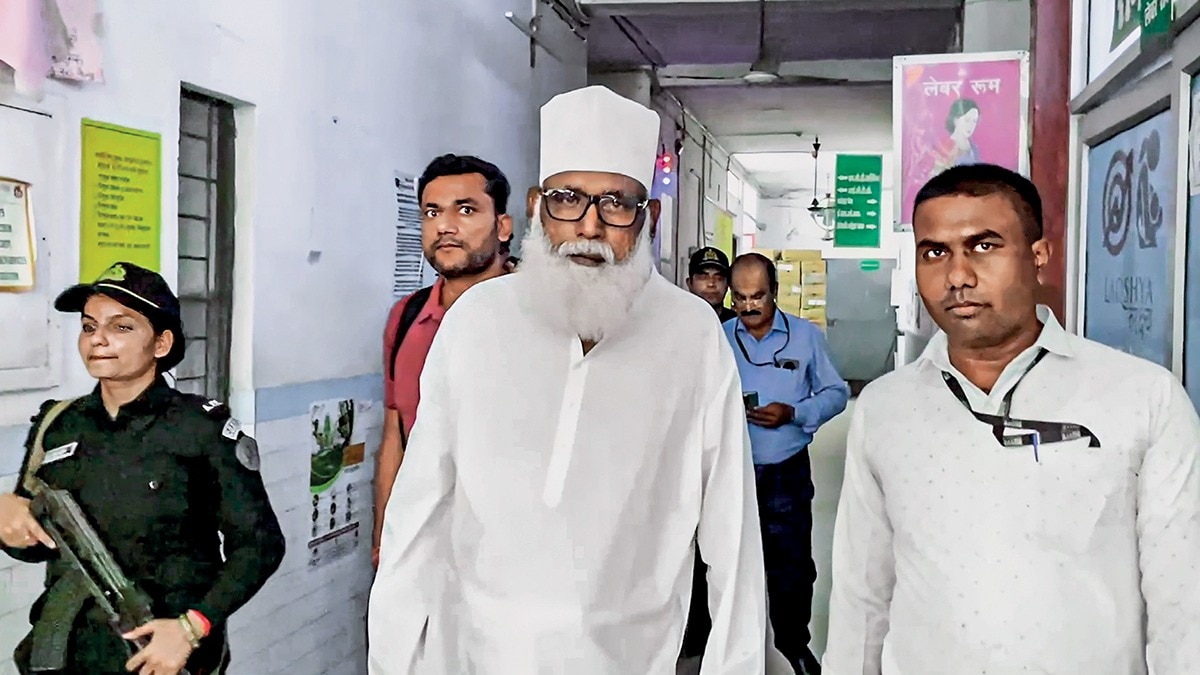
FOr among the old residents of Rehra Mafi village on the outskirts of Utraula town in Balrampur district, the old images of Jamaluddin – now known as Chhangur Baba – are still vivid. A thin, dark man from the Pankhiya Muslim community, with six fingers on his right hand (hence his nickname Chhangur), cycles between villages, selling goods and rings. Once elected Pradhan, he is remembered for bridging the Yadav-Muslim divide. However, on July 5, after a search operation, when the Uttar Pradesh Anti-Terrorism Squad (ATS) arrested the 70-year-old man along with an associate, Neetu alias Nasreen, in Lucknow, they described him as the head of a wide and organized illegal conversion racket with wide reach across the state. In fact, Chhangur had long ago traded his bicycle for a Toyota Fortuner, lived with armed guards and owned several properties. According to the ATS, his operations allegedly included fake identities, foreign funding, document forgery and multiple aliases. Several serious charges have been leveled against him and his associates – including conspiracy to wage war against the state, promoting religious enmity, cheating and violating sections of the UP Prohibition of Unlawful Conversion of Religion Act, 2021. Police said earlier arrests (on April 8) included Mumbai native Naveen Rohra (Neetu’s husband), known as Jamaluddin after converting to Islam, and Chhangur’s son Mehboob.

Source link

डॉक्टरों ने कहा कि उसका ब्रेन डेड हो चुका है… घरवाले उसे श्मशान ले जा रहे थे, तभी एंबुलेंस के झटके से उसकी आंख खुल गई.

उत्तर प्रदेश समाचार: उत्तर प्रदेश के पीलीभीत जिले से एक हैरान कर देने वाली घटना सामने आई है. यहां जिस महिला को डॉक्टरों ने ब्रेन डेड घोषित कर दिया था और जिसके अंतिम संस्कार की तैयारी भी हो चुकी थी, वह अचानक जिंदा हो गई। यह मामला गोकुलपुरम कॉलोनी का है. यहां रहने वाली विनीता शुक्ला 22 फरवरी को अपने घर में अचानक बेहोश होकर गिर गईं। परिजन घबरा गए और उसे तुरंत जिला अस्पताल ले गए। वहां डॉक्टरों ने उसकी हालत गंभीर देख उसे बरेली के एक निजी अस्पताल के लिए रेफर कर दिया।

डॉक्टरों ने हालत को ब्रेन डेड बताया था
विनीता शुक्ला को बरेली के एक निजी अस्पताल में दो दिन तक वेंटिलेटर पर रखा गया था। डॉक्टरों के मुताबिक उस वक्त उनके शरीर में कोई हलचल नहीं थी. उनकी आंखों की पुतलियां फैल गई थीं और उनकी हालत ब्रेन डेड जैसी हो गई थी. डॉक्टरों ने परिवार को साफ शब्दों में बता दिया कि अगर वेंटीलेटर हटाया गया तो उनकी मौत हो सकती है। यह सुनकर परिवार वाले बेहद दुखी हो गए और उसे घर ले जाने का फैसला किया।

अंतिम संस्कार की तैयारी के दौरान हुआ चमत्कार!
24 फरवरी को जब विनीता को एंबुलेंस से घर लाया जा रहा था तो घर में मातम जैसा माहौल था. अंतिम संस्कार की तैयारियां पूरी हो चुकी थीं. लकड़ी का इंतजाम हो चुका था और अंतिम विदाई के लिए रिश्तेदार और पड़ोसी घर के बाहर जमा थे। सब मान चुके थे कि विनीता की जिंदगी अब खत्म हो चुकी है.

एम्बुलेंस के झटके से चेतना लौट आई
इसी दौरान रास्ते में एक गड्ढा होने के कारण एंबुलेंस को तेज झटका लगा। उस झटके से विनीता को भी अपने शरीर में हरकत महसूस हुई. परिजनों ने जब ध्यान से देखा तो उन्हें लगा कि महिला धीरे-धीरे होश में आ रही है। यह देखकर परिवार के लोग हैरान रह गए। उन्हें तुरंत श्मशान घाट ले जाने के बजाय उन्हें पीलीभीत के डॉ. राकेश न्यूरो सिटी हॉस्पिटल ले जाया गया। यहां उनका करीब 14 दिनों तक गहन उपचार किया गया। डॉक्टरों की लगातार निगरानी और इलाज के बाद उनकी हालत में तेजी से सुधार होने लगा। आख़िरकार विनीता शुक्ला पूरी तरह स्वस्थ हो गईं और उन्हें अस्पताल से छुट्टी दे दी गई। लोग इस घटना को किसी चमत्कार से कम नहीं मान रहे हैं.

अश्वनी तिवारी

अश्वनी तिवारी यूपी न्यूज नेटवर्क में उप-संपादक हैं। वह राजनीति, अपराध, खेल, ज्योतिष और धार्मिक विषयों से जुड़ी खबरों पर सक्रिय रूप से काम करते हैं। उन्हें मीडिया जगत में 2 साल का अनुभव है। उन्होंने रिपोर्टिंग, स्पेशल स्टोरीज और स्पेशल खरी-खोटी जैसे कार्यक्रमों पर काम किया है। कंटेंट राइटिंग के साथ-साथ उन्हें वीडियो एंकरिंग का भी अनुभव है। सुमनटीवी ने हैदराबाद (डिजिटल प्लेटफॉर्म) के साथ काम किया है और ZEE न्यूज़ और इंडिया वॉच जैसे प्रतिष्ठित समाचार संगठनों में इंटर्नशिप का अनुभव प्राप्त किया है। पिछले 1 वर्ष से वह यूपी न्यूज नेटवर्क (डिजिटल) से जुड़े हुए हैं और उत्तर प्रदेश से जुड़ी महत्वपूर्ण खबरों को डिजिटल प्लेटफॉर्म पर प्रभावी ढंग से प्रस्तुत कर रहे हैं। एमजेएमसी से पढ़ाई कर चुके अश्विनी तिवारी पत्रकारिता के लिए जाने जाते हैं जो दर्शकों को तथ्यात्मक रिपोर्टिंग, जमीनी मुद्दे और सटीक जानकारी प्रदान करती है। उनका जन्मस्थान वाराणसी है, जबकि अपने काम के दौरान उन्होंने कई शहरों में रहकर पत्रकारिता की है।

Source link

The car that existed before it existed

In four vehicle development programs, across engines manufactured by Jaguar Land Rover, Isuzu, Mahindra and Sharda Motor Industries, engineers using the same simulation software cut development time by an average of 58% and reduced costs by 43%. They are not projections. Those are the results – documented in production programs, on hardware that’s on the road today.

These numbers are worth a moment because they raise the question of what the automotive industry generally regards as engineering. It’s a question whether a manufacturer can’t do this, especially in India, where development timelines are shrinking and powertrain complexity is increasing manifold.

When Mahindra launched the BE 6 and XEV 9e last year, the vehicles had already survived the heat of Rajasthan, climbed the Sahyadris and traveled on the Mumbai-Pune Expressway hundreds of times. Long before the first physical prototypes were signed off, the company’s engineering teams had virtually run each of those scenarios – testing how Indian heat, Indian gradients and Indian traffic would affect range, battery performance and thermal behaviour.

They then used those findings to shape the design. By the time the mule hit the tarmac, it was not aware of the problems. It was confirming that a design already stress-tested in a way that no proving ground could replicate at speed or scale – held up. Mahindra’s previous program to develop BS6 engines through the same platform came in at 50% of its original development timeline and 40% below the estimated cost.

This is system simulation in practice.

What is simulation, and how is it different from normal CAD?

The automotive industry is familiar with CAD – computer-aided design – which creates the geometry of a part or vehicle. Simulation is a separate discipline. Computer-aided engineering (CAE) tools model not just how something looks, but how it behaves under thermal stress, under electrical load, under the particular punishment of Indian roads, and in thousands of operating conditions simultaneously.

In the vehicle context, this means creating mathematical models of individual systems, battery packs, thermal circuits, engines, HVAC, and integrating them so that software can solve their interactions together. What effect does that have on the cabin temperature when the battery is working hard on a 42-degree afternoon? How does this change the limit calculation? How should the cooling circuit respond, and what is the energy cost of that response?

These are not questions that a CAD file can answer. A simulation model – in minutes, not months, and without consuming a single physical part.

As Matthew Warner, vice president of Gamma Technologies, said at his company’s annual technical conference in Pune this February: “The idea is to reuse the value that exists in your CAE model to answer questions in other parts of the development organization – control, testing, requirements engineering – to create a model that delivers consistent results regardless of the application.”

One source of truth, used everywhere. The 58% time savings resides, in large part, in that sentence.

Why such a hurry?

Three forces have converged to make simulation less of an engineering priority and more of a business necessity.

The first is the powertrain complication. The neat narrative of the green mobility transition has yielded some pitfalls. OEMs are simultaneously developing battery EVs, hybrids and updated internal combustion vehicles – not sequentially but in parallel with engineering teams. Each architecture demands its own simulation environment and its own verification loops. The workload has increased manifold without proportionate expansion in the number of employees or time-frame.

The second is the shrinking product cycle. “The product development cycle has reduced significantly, from 3 to 5 years to about 2 years now,” said Dr NH Walke, senior director, ARAI, at the SIAT 2026 conclave in Pune. “Now it’s concurrent engineering. Simulation, component development, and proving – all this testing has to happen simultaneously.”

A program that could discover problems in a timely manner must now step in and solve them in parallel. Isuzu Technical’s commercial diesel program, using the same simulation platform, reduced dynamometer testing hours by 60% and costs by 45% in time that would otherwise have been spent in physical test queues. Jaguar Land Rover’s Ingenium 2.0L diesel program achieved a 50% reduction in development cycle time and 35–40% cost savings.

This pattern is consistent enough across programs to be structural rather than exceptional.

The third strength is specifically Indian: the historic cost of proving vehicles overseas. For verification infrastructure, which barely existed domestically, Indian OEMs traveled to European facilities – absorbing the time, cost and strategic inconvenience of developing products calibrated in foreign conditions.

ARAI is closing the gap with domestic investments in crash labs, advanced battery testing facilities and ADAS proving grounds. The simulation actually increases the value of that infrastructure by reducing the number of physical runs required for a valid design – which, in practice, also reduces how many flights the Indian engineering team needs to book to Stuttgart or Gedeon.

The market has priced the trajectory accordingly. According to Precedence Research, automotive simulation software was valued at $7.06 billion globally in 2025 and is projected to reach $24.35 billion by 2034, a CAGR of 14.75%.

A company that saw it coming in 1994

Gamma Technologies was founded thirty-one years ago in Illinois on a premise that was counterintuitive at the time. Most CAE vendors were creating tools for single-physics, single-component analysis. GT’s founders believed that the more valuable problem was the system as a whole.

“The products don’t exist in a single physics domain – they exist as multi-physics systems,” says Dimple Shah, who has led the company as CEO since 2020 and worked at CAE since 1991.

Thirty years later, that thesis is mainstream. GT-Suite, Gamma’s flagship platform, covers engine performance, battery electrochemistry, electric powertrain, thermal management, exhaust treatment, fuel cell and HVAC in an integrated environment. Its user base spans every major global OEM; In India, this includes Tata Motors and Mahindra.

GTTC 2026 was the opportunity to launch GT Intelligence Studio – an AI-native addition to the platform that layers generative AI and machine-learning meta-models onto the existing physics engine. The announcement raises an obvious question among engineers working in safety-critical systems: How do you trust an AI model when the output affects a brake calibration or battery management decision?

Shah’s response is grassroots rather than promotional. “The quality of meta-models depends on the quality of the datasets they are trained on. Our meta-models are trained on physics data, which can also be augmented by data from external sources. Because a large part comes from physics itself, confidence in the model is high. One should not blindly deploy a meta-model; like any simulation model, you need confidence that it is applicable in the range you want to deploy it.”

Warner adds the context that matters: Machine learning components are not a new development. “This has been in our software for about 20 years. ML meta-models are often not deployed on an actual vehicle in operation. They are used within the development process of the vehicle, so in that use case they are not safety mission-critical.”

What is really new is the generative AI layer and, more practically, the cloud platform GT-Play that puts validated simulation models in the hands of engineers in an enterprise who are not simulation experts, but rather control teams, test planners, and product managers.

With an honest warning, India is on par

The Mahindra presentation at GTTC 2026 showed what the Indian engineering team working on the ground looks like in practice.

On the BE6 and Aerodynamic trade-off analysis mapped the relationships between drag coefficient, vehicle weight and range in various feature configurations before any of the physical prototypes were carried out.

In a pan-India virtual drive exercise, highways, ghats and cities were mapped across geographical regions of the country, taking into account gradients, AC load and regional speed distribution. The same team designed the simulations to incorporate virtual calibration on the front end, battery health monitoring and predictive maintenance after launch, and digital twins that give engineers objective data against which to audit subjective customer feedback from the field.

Shah’s assessment of where Indian OEMs stand is spot on: “Indian companies are really aspirational. They are becoming very strong contenders globally. At this conference, when I compare the quality of papers being presented by our community with our European, American and Japanese conferences, I don’t see any difference. The user community is at par.”

Whatever warning he gives, it is better to leave it. “Many global OEM companies focus on five to ten year technologies while building core expertise in-house. Some companies in India can do this and more. One area where India can do more is fundamental research. Today, they do this, but largely through partners and collaborators rather than in-house. This is going to be one of the key trends in the coming years.”

There is a clear difference between using simulation tools at a world-class level and generating the fundamental knowledge that dictates what these tools will do next. The 58% and 43% figures were earned by engineering teams that knew how to run the software. The companies that will define the next version of that software will be the ones building that knowledge ahead of the programs that will need it.

Source link