
Why is India’s CBG revolution stuck in neutrality?
In 2018, the Indian government unveiled an energy roadmap that was as green as it was bold: a plan to deploy 5,000 large-scale compressed biogas (CBG) plants to convert 15 million metric tons of the country’s agricultural waste into domestic fuel. Even after seven years of the initiative known as SATAT (Sustainable Alternatives to Affordable Transportation), the mathematics of India’s energy transition is failing.
As of January 2026, only 133 plants are operational, producing a mere 926 tonnes per day. This supply crisis comes at a uncertain time for the domestic automotive industry. Sales of CNG-powered passenger vehicles have increased, with market share increasing from 6% in 2020 to about 20% in 2025. While major manufacturers like Maruti Suzuki and Tata Motors have moved aggressively toward gas-based models, the infrastructure needed to fuel them remains stuck in a cycle of hyper-localization and systemic constraints.
Compressed biogas (CBG) is a renewable, eco-friendly fuel that is chemically identical to the natural gas (CNG) used to power cars and trucks. While standard natural gas is a fossil fuel extracted from the Earth, CBG is considered green because it is produced from organic waste that would otherwise be discarded or burned.
institutional barrier
The primary friction point is not the lack of technology, but the lack of administrative continuity. Industry analysts say waste-to-fuel projects often live or die based on the personal enthusiasms of individual city commissioners. “The commissioner may start a project with enthusiasm, but then get transferred within two years, leaving the next official without the same commitment to continue it,” said an expert during the recent India Energy Week 2026.
This volatility is heightened by the fragmented regulatory landscape. Project developers must navigate upwards of eight government departments that rarely coordinate. Charlotte Morton, chief executive of the World Biogas Association, said policies across India today are very fragmented, preventing many developers from reaching financial close.
logical and structural tension
Unlike the ethanol sector, which benefits from centralized feedstock, CBG requires the coordination of thousands of small-scale farmers across dispersed land holdings. For plants using municipal solid waste (MSW), the challenge is even more serious: inadequate pre-separation leads to contaminated waste that damages expensive digestion equipment and suppresses gas yields.
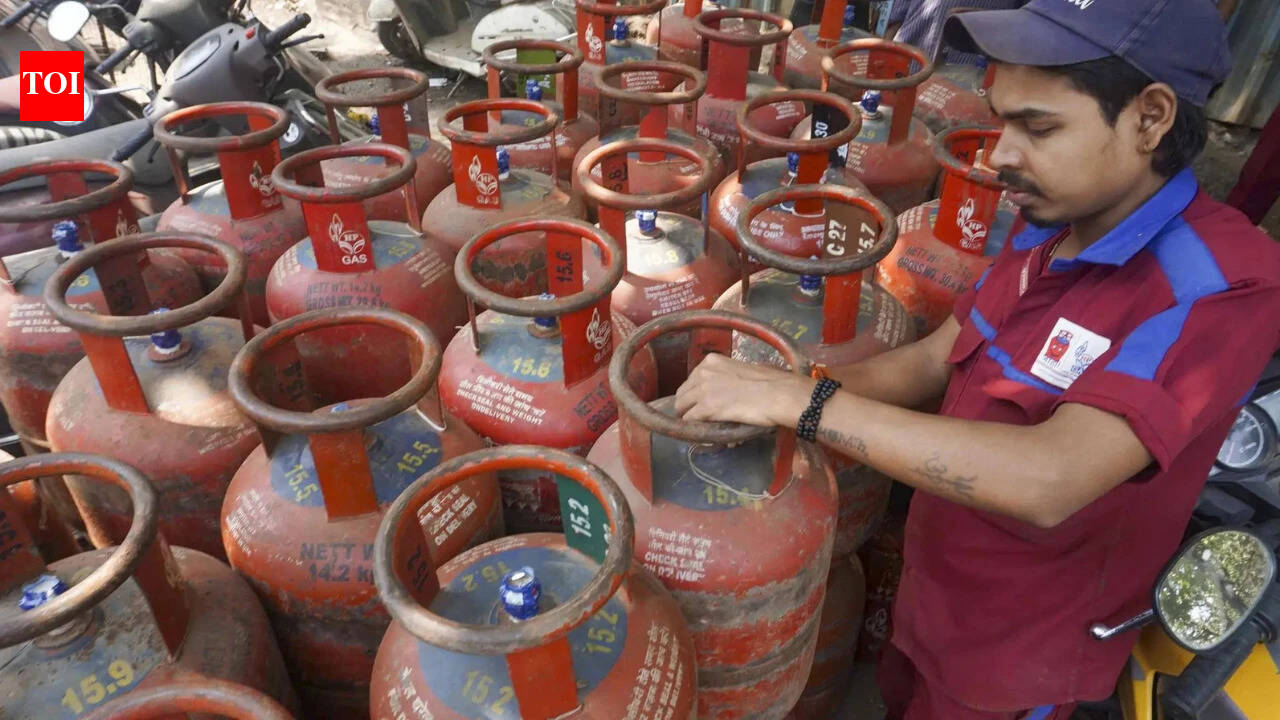
Once production is in place, the next problem is getting the gas to the pump. At present, only 15% of the functional CBG plants are connected to the City Gas Distribution (CGD) network. The remaining facilities rely on mobile cascades – pressurized cylinders transported by truck – which are expensive and logistically complex. A report by the International Energy Agency (IEA) highlights that this method increases the carbon footprint of the fuel, potentially defeating the purpose of green fuels.
economics of waste
The financial viability of these plants has become even more strained due to low utilization rates. While European biogas plants often operate above 80% capacity, Indian facilities often operate between 20% and 60% due to seasonal feedstock variability.
Furthermore, a CBG plant is as much a fertilizer factory as it is a fuel station. “CBG is a biological living ecosystem and not just a plant,” said a BPCL official. For every 10 tonnes of gas produced, the process generates approximately 25 tonnes of solid manure and 80 tonnes of liquid waste. Without a strong local market for this fermented organic manure (FOM), plants could be “physically and economically stymied”.
Policy as a catalyst
Recognizing these gaps, New Delhi has introduced a set of feasibility gap financing measures. The Development of Pipeline Infrastructure (DPI) scheme now covers 50% of the cost of connecting plants to the national grid. Similarly, the Biomass Aggregation Machinery (BAM) scheme provides 50% subsidy for the purchase of collection equipment.
To boost demand, the government has instituted a mandatory blending mandate, starting at 1% for FY 2025-26 and increasing to 5% by FY 2028-29. There is also a push to formalize the by-product market, with a subsidy of Rs 1,500 per metric tonne for quality-tested organic manure.
the way forward
Despite the slow start, industry leaders maintain a posture of realistic optimism. The consensus is that this approach requires a more cohesive national biogas mission to bridge the gap between local waste and national gas stations.
As Charlotte Morton of the World Biogas Association summarized: “The political will and ambition are there. What is needed is a coordinated effort to bring everything together.” For India’s automotive sector, the success of that coordination will determine whether its gas-powered future will be powered by domestic waste or tied to imported energy.