Breaking News
देहरादून: त्यूणी में बीमार महिला ने की आत्महत्या, बिना बताए घर से निकली, पेड़ से लटका मिला शव – Woman Commits Suथन By Hanging खुद को पेड़ से लटका विकासनगर देहरादून समाचार

संवाद न्यूज एजेंसी, त्यूणी (देहरादून)।

द्वारा प्रकाशित: रेनू सकलानी

अद्यतन बुधवार, 01 अप्रैल 2026 12:30 अपराह्न IST

महिला ने पेड़ से लटककर की आत्महत्या विकासनगर देहरादून समाचार

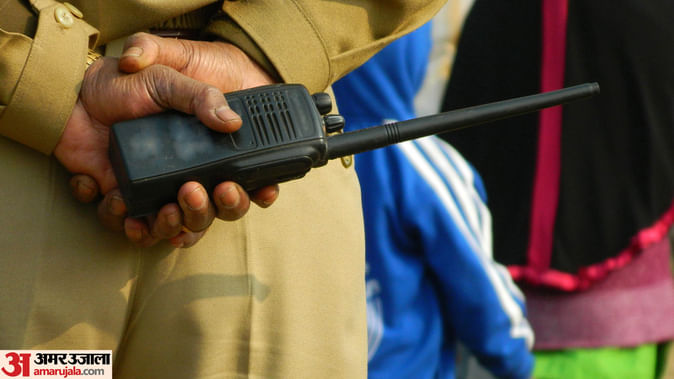
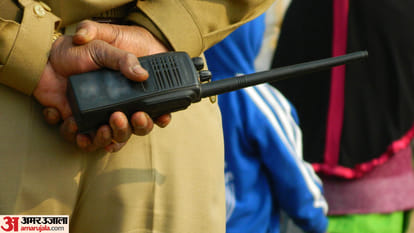
यूपी पुलिस
– फोटो : अमर उजाला


मूल रूप से बागेश्वर निवासी विमला (52) का शव बुधवार सुबह थाना क्षेत्र के बागी-कथियान मोटर मार्ग पर सनकेड़ा के पास एक पेड़ पर चुन्नी से बने फंदे से लटका मिला। सूचना पर पुलिस मौके पर पहुंची।


ट्रेंडिंग वीडियो

ये भी पढ़ें…देहरादून: पीएम मोदी का उत्तराखंड दौरा स्थगित, चुनावी व्यस्तता के कारण बदला कार्यक्रम; इसी महीने आने की उम्मीद है

थाना प्रभारी अश्वनी बलूनी ने बताया कि महिला का पति गार्डन में काम करता है। परिजनों से मिली जानकारी के अनुसार महिला मंगलवार की रात घर से बिना बताये कहीं चली गयी थी. वह काफी समय से बीमार थीं, जिसके चलते वह परेशान थीं.

Source link

Electricity Amendment Bill 2025: Why farmers, workers and states are backing down. india news

Electricity Amendment Bill 2025: Why are farmers, laborers and the state retreating?

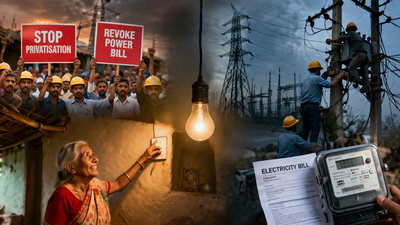
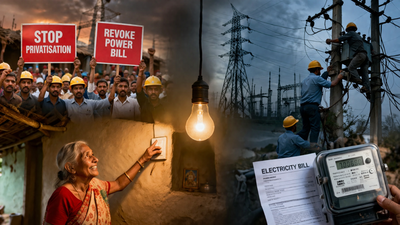
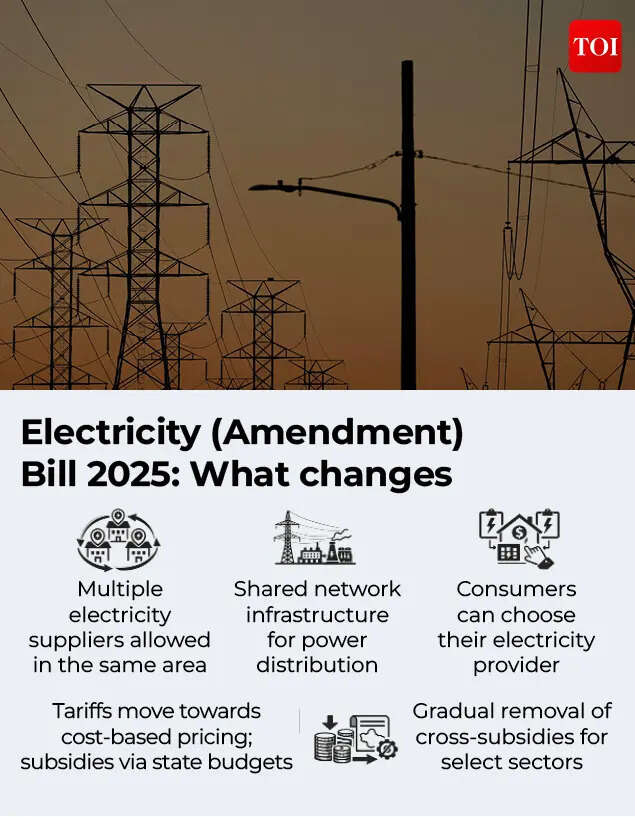
About 27 lakh workers have gathered across the country. strike-Started with a single step: Introduction of the Electricity (Amendment) Bill, 2025 in Parliament. These are not just any workers, but the people who keep the country’s electricity running – engineers, linemen and power system workers. The Center has not yet introduced the bill in Parliament.A glimpse of this unrest was visible earlier this month, when employees of several state electricity boards walked off the job in protest.The protests are not limited to the workforce. Farmer unions have also raised concerns, indicating that opposition to the bill is coming across all sectors. However, the government has drafted the Electricity (Amendment) Bill, 2025 as a long-awaited reform – aimed at making the power sector more competitive, efficient and better equipped for future demand. At its core is a significant change: allowing multiple electricity distribution companies to operate in the same area using shared infrastructure, while maintaining the obligation to supply electricity to all consumers.But it’s not as simple as a switch, a bulb and a wave of happiness. For Kaveri Amma, electricity came like a miracle – simple, shared, and operated by a single supplier that illuminated the entire village.But if Kaveri Amma were alive today, that simplicity would no longer exist. Electricity will still come at the flick of a switch – but there won’t be just a personality like Shah Rukh Khan running the show. This could be multiple companies sharing the same wires, competing to supply electricity to the same home.This change is at the core of the Electricity (Amendment) Bill 2025. “Privatization!”– This is the word that power sector employees, farmers and trade unions are mobilizing against. The Center has been trying to rework the electricity law for more than a decade, but every attempt has met with resistance.The protest is not just about the bill, it is also about how it is being prepared. A working group formed by the power ministry in January 2026 to finalize the bill has come under criticism All India Power Engineers Federationwhich has blocked the inclusion of the All India Discom Association, arguing that it indicates a inclination towards privatization and marginalization of workers’ concerns.

-

But privatization is not the only concern. The bill could bring about some more immediate changes—who supplies electricity to consumers, and how much they pay for it.The thing is, India’s power sector is at an interesting crossroads. Electricity use is constantly increasing – more appliances, more electric vehicles, more data centers running quietly in the background. And the system, for now, remains in place. In 2025, the country aims to meet a record peak demand of over 240 GW, with the total installed capacity crossing 5 lakh MW. Even more striking is the change in the energy mix – more than half of this capacity now comes from non-fossil sources. On paper, it looks like a sector that is expanding, modernizing, and even cleaning up.But behind this growth story lies a more complex reality. Getting electricity to your home still depends on a vast and expensive network—generation, transmission, and ultimately distribution. And it’s the last step that carries the most stress. State-run distribution companies, or discoms, have historically grappled with rising losses. In fact, recently, after years of red ink, they collectively posted a modest Benefit About Rs 2,700 crore in 2024-25. To put this in perspective, the sector had recorded losses of over Rs 25,000 crore just a year ago and nearly Rs 68,000 crore a decade ago. It’s a change, but a fragile one, built on a system that still struggles with low-cost tariffs, delayed subsidies and persistent inefficiencies.This gap – between the rapidly growing power system and financially stressed distributors – is what the government is trying to address through the Electricity (Amendment) Bill 2025. The idea itself is not new; Versions of this have appeared several times over the years. But the pitch remains the same: introduce competition, allow multiple companies to supply electricity to the same area, and, to make the system more efficient, give consumers more choice, at least in theory.

Why are farmers against this?

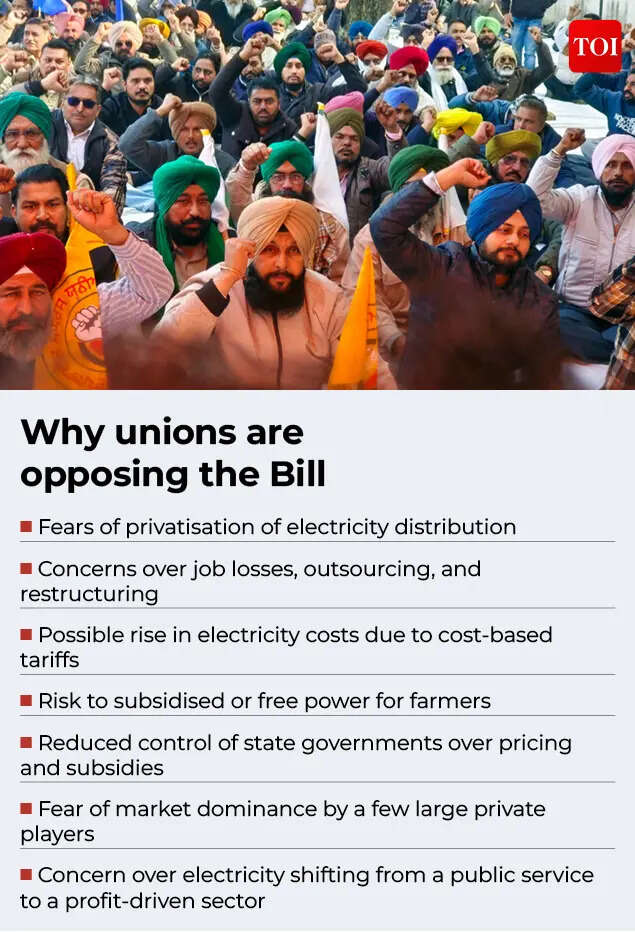
The main focus of the proposed changes is tariff reform and efficiency. The government says the bill will move toward cost-reflective tariffs, while targeted subsidies for vulnerable groups such as farmers and low-income households will continue through the state budget. But farmers organizations are not buying it. In India, many states provide free or subsidized electricity to farmers. The entry of private players will eventually make state-run discoms inefficient, forcing farmers to pay to choose private suppliers.

-

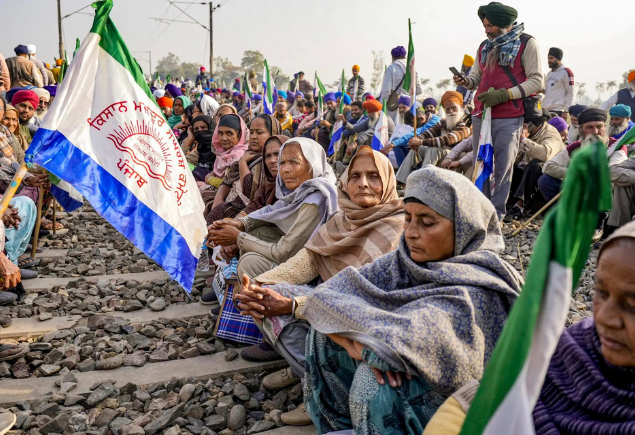
Rail roko protest of Kisan Mazdoor Morcha

question of center vs state

Another deeper concern is who gets to decide. At present, the responsibility of electricity distribution largely rests with the states. Each has its own utility, and with it, a degree of control over tariffs and subsidies – often used as policy levers and sometimes as political promises.The concern is that this balance could change. If more control moves toward central regulators or new private players entering the system, states may have less say over how electricity is priced and who gets subsidized power. And for many, this isn’t just an administrative change – it’s the loss of a vital tool they’ve long relied on.These concerns are not limited to policy alone. This also extends to jobs. With greater private involvement, there are concerns about outsourcing, restructuring of state-run utilities and the potential for job losses across the sector – particularly for the same workforce that is now leading the protests.Tapan Sen, vice-president of the Center of Indian Trade Unions (CITU), said, “Privatization and open access will lead to large-scale job losses, contracting and outsourcing. By allowing private licensees in defense sectors, the Bill also puts national security at risk in the name of ‘ease of doing business’.”

What about consumers?

Electricity is a politically sensitive topic in India. In India, elections are fought and won by promising free or subsidized electricity. Therefore, the commodification of this topic has sparked debate on the welfare state.CITU said that “This bill is part of a broader neoliberal strategy to hand over the entire electricity supply chain – from generation to distribution – to private monopolies.” “By promoting speculative electricity markets, the Bill turns electricity, a basic human need, into a tradable commodity. Such regulation would lead to price volatility, unreliable supply and weakening of public control over energy security,” Sen said.The objective of the bill is to make the power sector competitive. Competition provides choices to consumers, lowers prices and provides them with the best services. It clearly states “lack of competition In electricity supply, consumers are tied to a single discom, limiting service quality and innovation.At least on paper, the promise is straightforward: More competition should mean more choice, better service and lower prices. This is the logic driving this bill. If multiple companies can supply electricity to the same area, they will compete to keep consumers happy.But it doesn’t always go so neatly. In some sectors, competition worked early on, such as telecommunications. More players entered, prices fell and services improved. But with time, the same competition went out of the field. What started as a crowded market eventually narrowed down to a handful of major players. Similarly, the privatization effort of Air India was initially welcomed, but the recent IndiGo crisis exposed the dangers of monopoly in the system.That possibility exists here also. Even if multiple electricity distributors enter the same area, the market may not always be crowded. It may settle around some big companies. And even when that happens, competition may force better service, but it doesn’t necessarily guarantee cheaper electricity.

-

How successful have been the privatization steps?

If the idea is to bring in private players to fix distribution, India has already tried it – just not on a large scale. Discoms sit at the very end of the power chain, responsible for delivering electricity to households and collecting payments. In fact, they are monopolistic retailers in their sectors. And yet, despite their central role, most state-run discoms have been grappling with losses, inefficiencies and rising debt for years. Privatization has often been offered as a way out of this cycle.In practice, only a few states have followed that path. Odisha was one of the first to try in the late 1990s, but the initial effort was not successful and had to be withdrawn. Delhi’s experience in 2002 is often held up as a benchmark. After disbanding its electricity board and bringing in private operators, results started becoming visible at the grassroots level – losses in the system reduced rapidly. Aggregate technical and commercial (AT&C) losses, which once ranged from 45-60%, have declined over time to less than 6.5%. This is a significant improvement, especially when the national average is still around 15%.But this is only part of the story. As research and analysis from the Center for Social and Economic Progress shows, while efficiency improved and supplies became more reliable, the financial picture remained complex. Tariffs continued to be tightly regulated, and disagreements between the regulator and discoms over cost approvals became routine. A large portion of the expenses claimed by the discoms were not always allowed to be recovered through tariffs, leading to the creation of “regulatory assets” – essentially costs deferred to the future. In the case of Delhi, this has reached thousands of crores of rupees, with disputes dragging on for years in tribunals and courts.And this is where the limitations of privatization become visible. Bringing in private operators may fix operational problems – like reducing theft or improving billing – but it doesn’t automatically solve deeper structural problems. Questions related to tariff-setting, cost recovery and regulatory oversight do not disappear. In fact, if anything, they become more conflicted. The result is a system where efficiency gains coexist with financial uncertainty – and where, ultimately, the consumer may still have to bear the costs.Perhaps that is why most states are in no hurry to follow Delhi’s path. Government-run discoms still dominate the landscape, and private participation is limited. The broader lesson of the last two decades is quite clear—privatization can improve the way electricity is distributed, but in itself, it does not guarantee a financially stable system. It depends just as much on how the sector is regulated – and how those regulations are enforced.

Source link

India will play T20 series in Zimbabwe 4 days after finishing England tour.

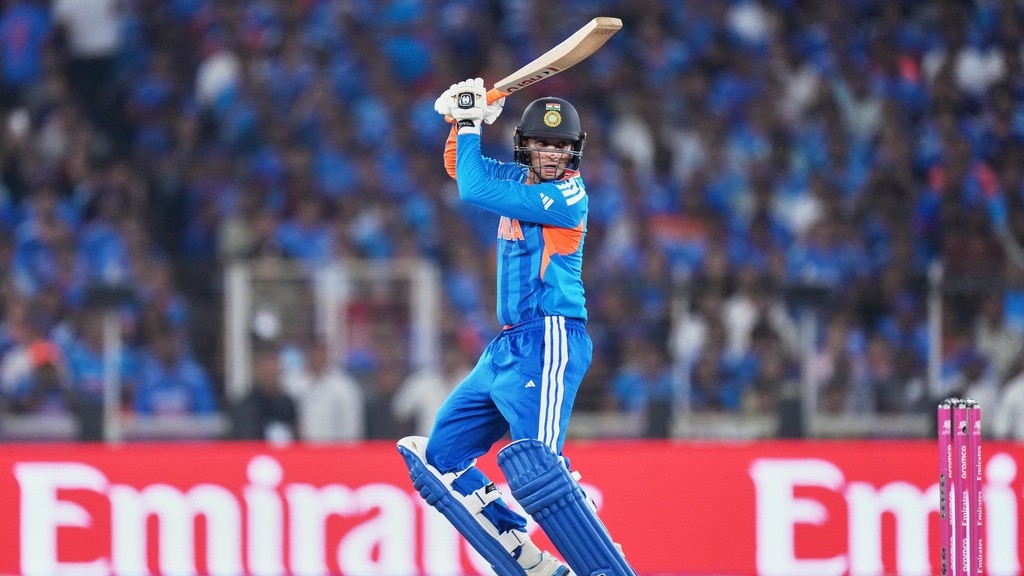
The Indian men’s cricket team is set to play a three-match T20 series against Zimbabwe in July this year. The Board of Control for Cricket in India (BCCI) announced the schedule on Wednesday, in which the matches will be played on July 23, 25 and 26.

The opening match of the Zimbabwe tour is scheduled just four days after India plays the final match of the England tour. White-ball teams will travel to England in July for five T20Is and three ODIsThis series will play an important role in preparing the combinations for the ODI World Cup 2027.

While the ODI and T20I setups are largely different, key players like Hardik Pandya, Axar Patel, Jasprit Bumrah and Arshdeep Singh will remain in both formats. It is believed that Bumrah will not play bilateral T20 matches this season, but this may not apply to players like Axar Patel.

It will also mark India’s return to Zimbabwe after two years. The team last toured the African nation in July 2024, playing a series Abhishek Sharma, Dhruv Jurel and Riyan Parag made their debut for India. With a number of young players expected to be included in the squad for the upcoming tour, the management may reward the Indian Premier League performers.

Zimbabwe tour of India: schedule

First T20 match: 23 July, Harare
Second T20 match: 25 July, Harare
Third T20 match: 26 July, Harare

India tour of England: schedule

First T20 match: 1 July, Durham
2nd T20I: July 4, Manchester
Third T20 match: 7 July, Nottingham
Fourth T20 match: 9 July, Bristol
5th T20I: July 11, Southampton
1st ODI: 14 July, Birmingham
2nd ODI: 16 July, Cardiff
3rd ODI: 19 July, London

– ends

published by:

Kingshuk Kusari

Published on:

April 1, 2026 14:00 IST

Source link

Uttar Pradesh Chief Minister Yogi flags off 250 electric, CNG vehicles; Reinforces the ‘Clean, Smart, Green’ vision for Lucknow. india news

Uttar Pradesh Chief Minister Yogi flags off 250 electric, CNG vehicles; Reinforces 'Clean, Smart, Green' vision for Lucknow
In a post on Twitter, the Chief Minister emphasized Uttar Pradesh’s progress towards the goal of ‘zero waste to zero carbon emissions’, and credited Prime Minister Narendra Modi’s leadership for taking the state towards smart and eco-conscious urbanisation.

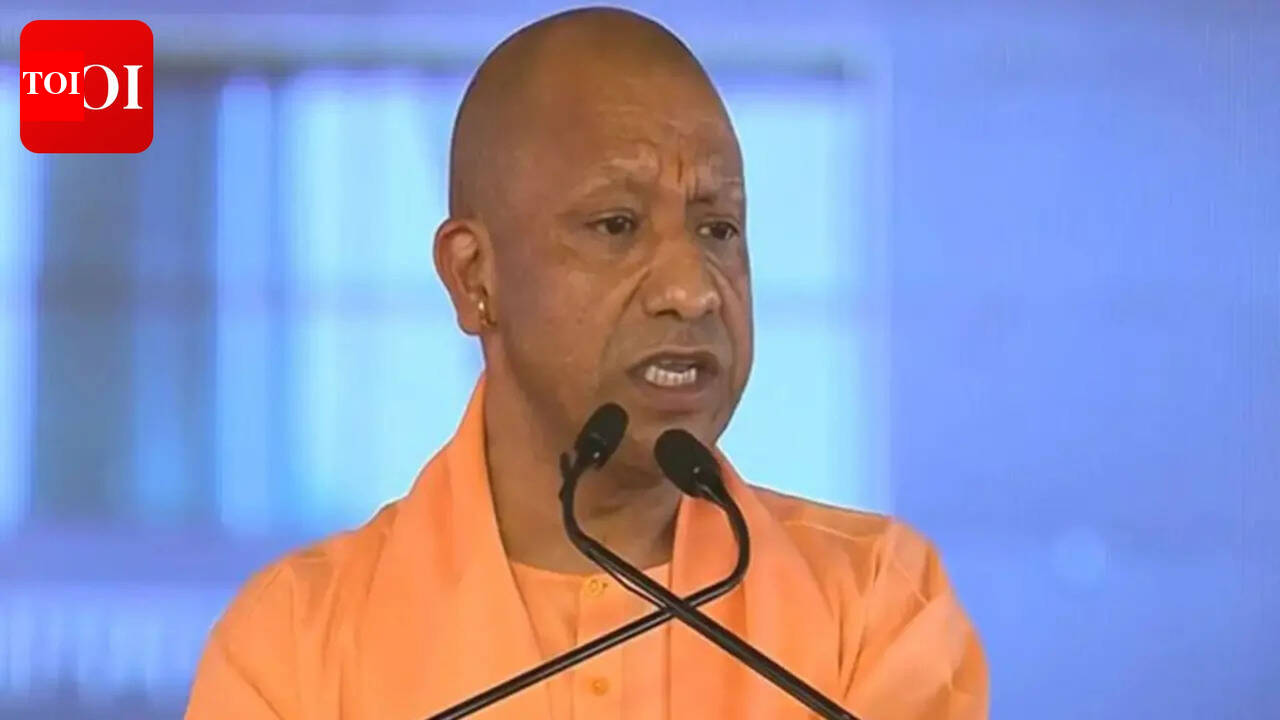
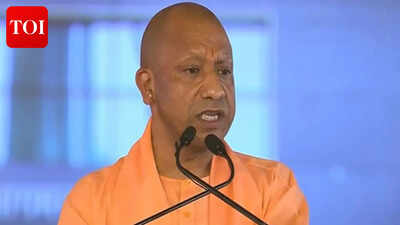
Lucknow: Chief Minister of Uttar Pradesh Yogi Adityanath As part of the state government’s efforts to enhance urban cleanliness and sustainable development, Lucknow Municipal Corporation will flag off 250 electric and CNG vehicles on Wednesday.In a post on Twitter, the Chief Minister emphasized Uttar Pradesh’s progress towards the goal of ‘zero waste to zero carbon emissions’, and credited Prime Minister Narendra Modi’s leadership for taking the state towards smart and eco-conscious urbanisation.“Under the successful guidance of Hon’ble Prime Minister Shri @NarendraModi Ji, the new Uttar Pradesh is establishing itself as a smart and world-class urban hub with the goal of ‘zero waste to zero carbon emissions’. In this sequence, to ensure ‘ease of living’ for the people of Lucknow, I will participate in the flag-off program of 250 electric and CNG vehicles of Lucknow Municipal Corporation sometime from now.Emphasizing their role in strengthening Lucknow’s waste management infrastructure, CM Yogi described the double engine vehicles as a symbol of the government’s commitment.He said, “These double engine vehicles are a symbol of the government’s commitment towards cleanliness, sustainable development and environmental protection. Through these, efforts to make Lucknow clean, smart and green will gain further momentum.” Meanwhile, the Chief Minister held regular ‘Janata Darshan’ at the CM residence in Lucknow on Monday, interacted with citizens and heard their grievances as part of his regular outreach programme.During the public darshan, officials received instructions from the CM to solve the problems raised by the public. This program is part of CM Yogi’s ongoing outreach to maintain direct engagement with residents.On Sunday, the Chief Minister highlighted Uttar Pradesh’s record in government employment, saying that nine lakh government jobs have been provided in the state in the last nine years, and stressed on the transparency of the recruitment process. Addressing the appointment letter distribution ceremony related to 665 nursing officers in Lucknow, CM Yogi said, “Uttar Pradesh is the most populous state in the country. 25 crore population resides in this state and in the last 9 years we have provided government jobs to 9 lakh youth. No one, not even the opposition, can question the transparency or selection process of a single job.”

Source link

अयोध्या में भीषण सड़क हादसा: NH-27 पर ट्रेलर से टकराई डबल डेकर बस, ड्राइवर समेत दो घायल

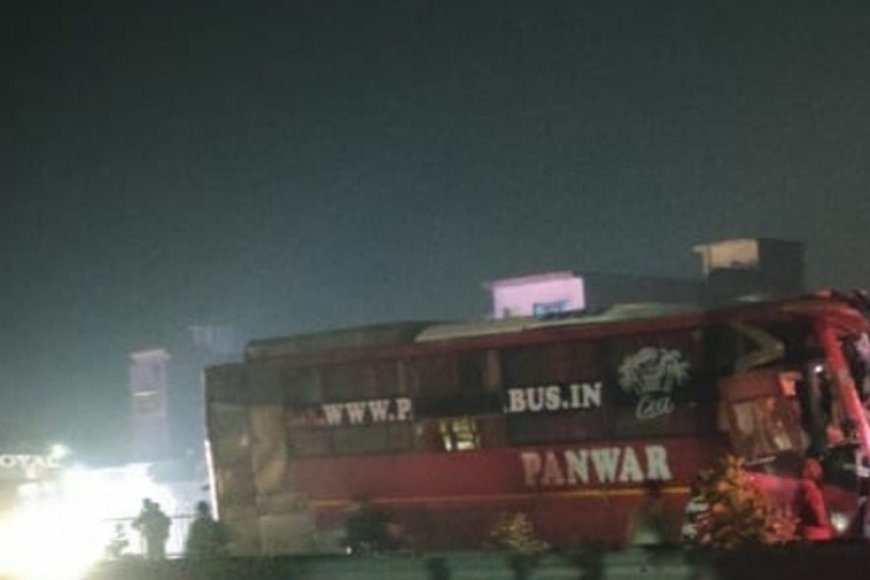
उत्तर प्रदेश के अयोध्या जिले में गुरुवार सुबह एक दर्दनाक सड़क हादसा हो गया। रुदौली इलाके में नेशनल हाईवे 27 पर डबल डेकर बस और ट्रेलर के बीच जोरदार टक्कर से अफरा-तफरी मच गई. हादसा इतना अचानक हुआ कि मौके पर चीख-पुकार मच गई. इस दुर्घटना में बस चालक और खलासी गंभीर रूप से घायल हो गये. पुलिस ने मौके पर पहुंचकर स्थिति को नियंत्रण में लिया और जांच शुरू कर दी.

सुबह ओवरब्रिज पर हुआ हादसा
यह घटना रुदौली कोतवाली क्षेत्र के रौजागांव ओवरब्रिज पर सुबह करीब छह बजे हुई. जानकारी के मुताबिक, एक डबल डेकर बस तेज रफ्तार में थी और उसने आगे चल रहे ट्रेलर को पीछे से टक्कर मार दी. टक्कर इतनी जोरदार थी कि बस का अगला हिस्सा बुरी तरह क्षतिग्रस्त हो गया।

दो लोग गंभीर रूप से घायल
हादसे में बस चालक मथुरा जिले के सोहागपुर निवासी सुरेश कुमार और मैनपुरी के नगला भवानी निवासी परिचालक ब्रिजेश कुमार गंभीर रूप से घायल हो गए। दोनों को तुरंत नजदीकी अस्पताल ले जाया गया, जहां प्राथमिक उपचार के बाद उन्हें जिला अस्पताल, अयोध्या रेफर कर दिया गया।

पुलिस ने मोर्चा संभाला
घटना की जानकारी मिलते ही रुदौली कोतवाली प्रभारी निरीक्षक संजय मौर्य मौके पर पहुंचे। उन्होंने मौका मुआयना कर दोनों वाहनों को कब्जे में ले लिया। पुलिस ने बताया कि हादसा बस के पीछे से ट्रेलर से टकराने के कारण हुआ.

जांच जारी, कारणों की जांच
फिलहाल पुलिस इस हादसे के सभी पहलुओं पर जांच कर रही है. यह पता लगाया जा रहा है कि हादसे के पीछे वजह तेज रफ्तार थी या लापरवाही। प्रशासन ने लोगों से सड़क पर सावधानी बरतने की अपील की है.

(रिपोर्ट:अनूप कुमार अयोध्या)

Source link

‘Smiling, mingling, taking selfies’: Iran’s top leaders Pezeshkian and Araghchi | world News

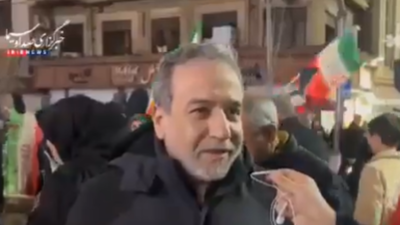
'Smiling, mingling, taking selfies': Iran's top leaders Pezeshkian and Araghchi appear in public as war continues
Screengrab Source:

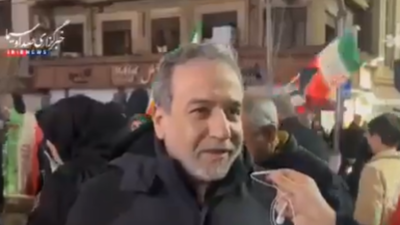
Iranian President Massoud Pezeshkian and Foreign Minister Abbas Araghchi, along with top Tehran officials in the capital, made a rare public appearance on Tuesday, joining pro-regime rallies in the city to mark “Islamic Republic Day.”Amid rising tensions in the Middle East and threats to senior Iranian leaders, officials were seen mingling casually with participants, taking selfies and moving through the crowd without visible security.

Watch

Houthis attack southern Israel; Sirens sound in strategic Beersheba; Red Sea Flashpoint Returns

“I have come among them to take energy from the movement on the ground and to enjoy this unity and popular solidarity,” Araghchi told reporters. Videos of their participation quickly circulated on social media, Ynet news reported. Pezeshkian and Araghchi were last seen in public on “Iranian Quds Day” with former security chief Ali Larijani, who was killed in a US-Israeli strike a few days later.Their appearance comes after Israeli Prime Minister Benjamin Netanyahu publicly listed “10 adversities” against Iran, including attacks targeting the country’s senior leadership, and claimed Israel is “systematically crushing the terrorist regime.”In comments to the European Council, Pezeshkian reiterated Iran’s willingness to end the ongoing conflict provided “the necessary conditions are met – in particular the necessary guarantees to prevent a recurrence of aggression.” These statements reflect Tehran’s counterproposal to the 15-point US plan, which calls for a mechanism that would prevent Israel and the United States from resuming hostilities.Araghchi confirmed ongoing communications with US Middle East envoy Steve Witkoff but denied that he had held any talks. “What is happening now is not a conversation, but an exchange of messages directly or through our friends in the region,” he told Al Jazeera. “We have not sent any response to the United States’ 15-point proposal. Our conditions for ending the war are clear. We will not accept a ceasefire.”Reports indicate that Araghchi and Parliament Speaker Mohammed Bagher Ghalibaf were temporarily removed from the US and Israeli kill lists about a week ago to allow for possible talks, which have not yet taken place. The Iranian leadership stressed its readiness to defend the country in any situation.

Source link

‘Congress’s defeat is sure to be a hat-trick’: PM Modi takes ‘Prince’ dig at Rahul Gandhi in Assam. india news

'Congress's defeat is sure to be a hat-trick': PM Modi takes 'Prince' dig at Rahul Gandhi in Assam

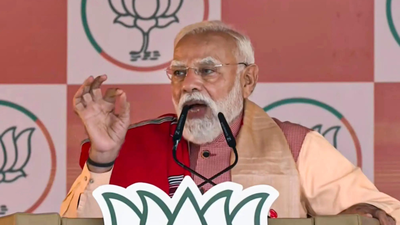
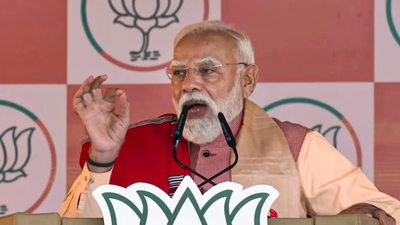
New Delhi: Prime Minister Narendra Modi On Wednesday, while taking a dig at the leader of the opposition in the Lok Sabha, he made a sharp attack on the Congress in Assam. Rahul Gandhi Calling him a “prince” and predicting a series of defeats for the grand old party, even as he expressed confidence that the Bharatiya Janata Party-led NDA would achieve a “hat-trick” in the state, he cited the strong state leadership of Sarbananda Sonowal and now-defunct BJP leaders. Himanta Biswa Sarma.Addressing a public rally in Gogamukh, the Prime Minister took an aggressive tone indirectly targeting former Congress President Rahul Gandhi, calling him a “self-proclaimed prince”.PM Modi said, “This is my first public meeting after the announcement of Assam elections. This crowd in front of me, the enthusiasm of the youth, the blessings of sisters and daughters, this love is an open declaration that this time a hat-trick is confirmed.”Reiterating his confidence, the PM highlighted both his electoral record and the party’s performance in the state.Prime Minister Narendra Modi said, “With the blessings of all of you, I got the opportunity to score a hat-trick as Prime Minister. With your blessings, I also got the opportunity to score a hat-trick on this ground. I have come here for the third time. And with your blessings, the government is going to score a hat-trick in Assam too.”He gave credit to the former Chief Minister for the governance of the state in the last decade Sarbananda Sonowal And current CM Himanta Biswa Sarma asserted that Assam has entered a new phase of development and stability.Prime Minister Narendra Modi said, “First under the leadership of Sarbananda Sonowal and then under the leadership of Himanta Biswa Sarma, Assam has seen a new era of service and good governance in the last 10 years. This election in Assam is an election to build a developed Assam for a developed India. This time the BJP-NDA government is ready to hit a hat-trick. At the same time, Congress is also ready to score a hat-trick of defeats...The self-proclaimed prince of Congress is ready to score a century of defeat.”The Prime Minister also referred to the recently released manifesto of the BJP and described it as a blueprint for the future of the state.Prime Minister Narendra Modi said, “…Assam BJP released a wonderful manifesto yesterday. Yesterday was Tuesday, and this manifesto issued on Tuesday is set to bring more ‘Mangal’ (auspiciousness) in Assam… This is the ‘Mangal Patra’ that has come on Tuesday.”Highlighting key promises, PM Modi talked about governance reforms and social initiatives, including the proposed implementation uniform civil code In the state.PM Modi said, “Many big announcements have also been made to ensure that there is no deception with our daughters, to ensure the dignity, respect and life of our daughters.” Implementing Uniform Civil Code in Assam and protecting the traditions of our tribal society, Sixth Schedule areas or saving the identity of Assam, these are huge announcements. BJP does whatever it says.”Drawing comparisons with previous governments, the PM accused the Congress of presiding over a period of instability and violence, while crediting the NDA for ushering in peace and development.Prime Minister Modi said, “Assam has covered a long journey of development in the last decade. These 20-25 year old youth have only seen the good governance of BJP-NDA. They have not seen the dark era of Congress rule, when news from Assam was only about bombs, guns, riots and curfew. The double engine government has shown Assam a new path to lasting peace. In the last decade, thousands of sons and daughters of Assam have given up the guns and joined a new future.He also outlined plans to establish Assam as a hub of modern technology, including semiconductor manufacturing.PM Modi said, “There was a time when Assam was talked about in the world for its tea. Now the world will recognize Assam not only for tea but also for chips. The day is not far when chip production will start from the semiconductor plant of Assam. With this, Assam will develop as a big center of modern technology. In the coming time, be it phone, car, TV or fridge, all these products will run on chips from Assam. This is our roadmap for developed Assam.On infrastructure, PM Modi accused previous Congress governments of neglect, especially in building connectivity on the Brahmaputra river.Prime Minister Modi said, “Nature has given a lot to Assam, there has never been any shortage of resources in Assam. But for the sake of power, Congress divided the society of Assam and never allowed the two banks of Brahmaputra to join. In 60-65 years, Congress built only 3 bridges on Brahmaputra. We lost a lot of people due to lack of bridges. Double Engine The government understood this problem and completed 5 big bridges on Brahmaputra in just 10-11 years.The Prime Minister also targeted Congress on the issue of illegal infiltration and said that the NDA government will continue to take strict action.Prime Minister Narendra Modi said, “Congress wants to settle foreigners in Assam and make the native sons and daughters here a minority… The BJP-NDA government will not allow the land of our farmers, tribals and our forests to be taken over by infiltrators. The BJP-NDA government’s action against illegal encroachment will continue. Assamese pride and identity will remain. This is Modi’s guarantee.The rally marked a high-voltage campaign event in Assam, where voting is scheduled to take place in a single phase on April 9, with results to be declared on May 4.

Source link

रुद्रपुर: विधायक अरोड़ा और ठुकराल समर्थकों के बीच टोपी को लेकर सियासत तेज हो गई है.

रुद्रपुर में ‘टोपी पॉलिटिक्स’ ने सोशल मीडिया पर एआई तकनीक के जरिए नेताओं की तस्वीरों से छेड़छाड़ कर सियासी माहौल गरमा दिया है.


विधायक अरोड़ा और ठुकराल समर्थकों के बीच टोपी को लेकर सियासत तेज हो गई है

प्रतीकात्मक तस्वीर
– फोटो: अमर उजाला प्रिंट


विस्तार

रुद्रपुर विधायक शिव अरोड़ा और पूर्व विधायक ठुकराल के समर्थकों के बीच अनोखी टोपी पॉलिटिक्स शुरू हो गई है। सोशल मीडिया पर AI (आर्टिफिशियल इंटेलिजेंस) के जरिए समर्थक एक-दूसरे की मुस्लिम समुदाय की टोपी पहनकर तस्वीरें वायरल कर रहे हैं.


ट्रेंडिंग वीडियो

दोनों समूहों के समर्थकों ने एक-दूसरे के नेताओं की तस्वीरों में हेरफेर करने के लिए एआई तकनीक की मदद ली है। टोपी की राजनीति सबसे ज्यादा फेसबुक पर देखने को मिल रही है जहां दोनों पार्टियों के समर्थक अपने-अपने तर्क पेश कर रहे हैं और एक-दूसरे पर आरोप लगा रहे हैं. लोग इस बात पर बहस कर रहे हैं कि क्या राजनीतिक विरोधियों पर हमला करने के लिए इस तरह की तकनीक का इस्तेमाल किया जाना चाहिए।

Source link

Rebel lights up Kolkata with high-octane hip-hop performance.

Kolkata definitely knows how to party: Rebel
Rebel performing at a concert in Kolkata

A gastropub in Sector V turned into a high-octane heaven for hip-hop lovers on Saturday night, thanks to Shillong’s breakout rapper, Dia Lamare, popularly known as Rebel. With bright lights, pounding bass and a crowd that refused to stand still – Rebel performed their hit songs run down townMonica From stalwart And hey hey From Dhurandhar: Revenge. We caught up with the rapper after the show to find out what it’s like to perform in Kolkata, the story behind his stage name, and what inspires his sound and writing.‘The performance was thrilling for the city’s diverse crowd’For Rebel, performing in Kolkata felt like stepping into unfamiliar, but exciting territory. “It was definitely a different crowd than my usual experiences, very diverse,” he said. “And that’s what makes it special. You don’t always see so many people from different age groups and communities coming together like this.” Off the stage, his answer to Kolkata’s biggest attraction was sweet and simple – “The food,” he said as he moved to grab another rasgulla after the show.

It was great to see people from all walks of life coming together, losing themselves in the music and sharing the same vibe

Rebel

‘Everything I do comes from my own experiences’We asked Rebel the story behind her stage name. “It is a symbol of rebellion,” he said. Coming from Meghalaya, she says, she had to work hard to be visible in a place where voices from the Northeast don’t always get the spotlight. “I have had to work twice as hard. But I am confident that our people will step up. There is a lot of talent and the youth will change the game,” he said. She emphasizes that her music is extremely personal. “Everything I do comes from my own experiences. I take emotions and turn it into rap. This is what gives me energy even today. There’s no pretense, no borrowed voices, just truth lived out,” he explained.

We need more women in hip-hop to show the world that we are capable of so much more. There is room, and we need more voices to come forward

Rebel

‘My own music is who I am – everything else is part of the journey’Rebel’s unique rap and sound brought him fame with the soundtrack of Dhurandhar. Talking about this, she says, “My own music will always be my priority, my identity,” adding, “Commercial work feels like a side pursuit – I enjoy it, but I just love making music, no matter what form it takes.”Set list for the evening:

  1. new riot
  2. terror
  3. Monica (Run Down Town)
  4. Saraswati
  5. hey hey

Source link

Attack on 10,000 terror components, eliminate 40 top officials in 40 seconds: Israel outlines scale of Iran offensive

Attack on 10,000 terror components, eliminate 40 top officials in 40 seconds: Israel outlines scale of Iran offensive

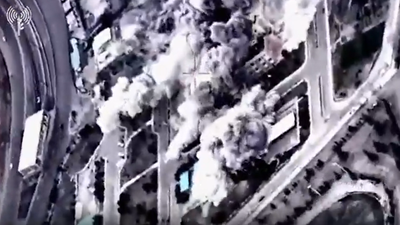
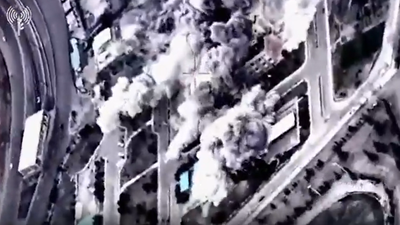
The Israeli military has released fresh operational details from its ongoing “Operation Roar of the Lion” against Iran, reporting that hundreds of sorties and thousands of strikes have been conducted against Iran-linked targets. He claimed to have killed 40 top Iranian officials in “just 40 seconds”.According to the army, more than 800 strikes have been carried out so far, including nearly 10,000 air strikes, targeting 4,000 targets. The operation also involved the use of approximately 16,000 rounds of ammunition.The army claimed that more than 2,000 soldiers and commanders aligned with Iran were killed during the operation. It said that as well as the attacks in Iran, the forces are engaged in a broader multi-front conflict involving approximately 7,000 targets in various theaters.A post on X by Avichai Adrai, Israeli Defense Forces spokesperson for Arabic media, said: The Defense Forces publishes the data recorded so far in Operation Roar of the Lion.

  • Executing more than 800 attack sorties
  • Nearly 10,000 air strikes were carried out targeting around 4,000 terrorist hideouts
  • Approximately 16,000 rounds of ammunition were used.
  • More than 2,000 soldiers and commanders of the Iranian terrorist regime eliminated
  • In parallel with the attacks in Iran, the Defense Forces have been engaged in a multi-domain battle, during which approximately 7,000 targets have been attacked in various combat areas.

In a video message shared on Twitter, IDF spokesman Brigadier General Effie Defrin said the joint operation – launched with US forces about a month ago – aims to significantly weaken the network of the “Iranian terrorist regime” and its proxy groups. “In less than 24 hours, the air force made its way to the center of Tehran. In just 40 seconds, about 40 senior officials of the Iranian terrorist regime were killed,” the spokesman said.Meanwhile, according to Press TV, the naval branch of Iran’s Islamic Revolutionary Guard Corps (IRGC) conducted four operations in the early morning targeting American and Israeli assets as part of the 88th phase of Operation True Promise 4.Iran said its naval forces launched a “heavy” attack on enemy targets. According to reports, an Israeli container ship, Express Hafong, was hit by ballistic missiles in the central Persian Gulf.In another coordinated attack, a US Marine base near the UAE coast was targeted using explosive drones. Press TV also reported that Iran destroyed a US Fifth Fleet counter-drone system deployed near its base near Manama airport in Bahrain.

Source link