
Respect or ignore: US universities face pressure to remove Epstein-linked donor names
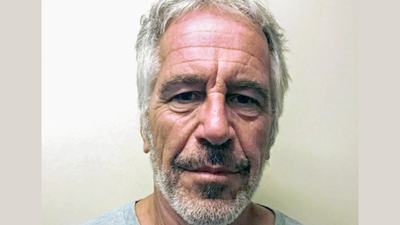
There have been small but frequent protests at Ohio State University in recent months. The demand is simple: Remove the name of billionaire retail giant Les Wexner from campus buildings.What started as a local campaign is now part of a broader change across the United States. Universities are facing questions about donor legacies, institutional memory, and the extent to which they are willing to revisit past associations. Jeffrey Epstein.
A local protest with national echoes
At Ohio State, the Wexner name appears throughout the campus. It overlooks the Wexner Medical Center, the football complex, and the Wexner Center for the Arts. For some nurses, students and former athletes, that visibility has been hard to ignore.Their concerns center on Wexner’s documented association with Epstein, his former financial adviser. Wexner has not been charged with any crimes related to Epstein and has said he was misled. Nevertheless, critics argue that the association raises questions about continued public respect.Similar concerns are now visible elsewhere. At Harvard University, students and faculty have called for the Leslie H. Wexner Building and the Wexner-Sunshine Lobby at the Kennedy School to be renamed. The request cites the strong ties between Wexner and Epstein.Other names have also come under investigation. Buildings associated with figures such as Steve Tisch, Casey Wasserman, Glenn Dubin and Howard Lutnick are receiving renewed attention because of their past ties to Epstein.
Increasing pressure on institutions
Pressure is building in the entire campus. At Haverford College, students recently voted to urge the administration to move forward with renaming the Allison and Howard Lutnick Library. College President Wendy Raymond said she would respond within the standard review period, AP reportsAt the state of Ohio, requests to remove Wexner’s name are going through an internal review process. University president Ravi Bellamkonda said the process would be “thorough, fair and open”. AP.Harvard confirmed receiving the name change request but had no further comment.Other institutions are taking more limited steps. Tufts University clarified that its Tisch Library was named after Preston Tisch, not Steve Tisch. It also removed Steve Tisch’s handprints from a sports facility during renovation. Universities such as the University of California Los Angeles and Stony Brook University continue to review concerns over donor names.
Dan and his afterlife
The current debate reflects broader tensions in higher education. Naming rights are often associated with large charitable contributions.Wexner and his family have donated more than $200 million to the state of Ohio over the years. This includes major funding for medical centers, arts programs and athletic facilities. To Harvard’s Kennedy School, the Wexner family has contributed millions of dollars.Similar patterns exist across all institutions. Donors are often alumni or longtime supporters. Their contributions shape the infrastructure, research and student support systems.But as new information comes to light or public standards change, universities face a question. Should past donations continue to define current recognition?The matter is not new. The debate is reminiscent of earlier controversies involving the Sackler family and the opioid crisis involving Purdue Pharma. Some institutions dropped the Sackler name. Others, including Harvard, chose not to do so, citing the legacy as complicated.
An ethical and financial dilemma
Experts say that universities are now fulfilling competing responsibilities.Anne Bergeron, a museum consultant who studies naming ethics, said AP Institutions take donor standards seriously but must also be mindful of changing public expectations. He described the situation as a “moment of reckoning” for universities.Students are often at the center of this change. Bergeron said that younger generations show little tolerance for organizations they view as inconsistent with institutional values.At the same time, some people argue that changing the name raises its own concerns. In a letter reported by APA local resident questioned whether institutions should revisit past decisions while continuing to benefit from earlier donations.
Survivor and the meaning of space
For some students and alumni, the issue is personal.A Harvard Kennedy School student leading the effort to change the name said AP Visiting a building linked to figures linked to Epstein can be harrowing. He said it affects how survivors experience campus spaces.In the state of Ohio, protesters have made similar arguments. Some say removing names could help create a more accountable environment.Others point to additional cases, including calls to clear the name of a medical professional who received payments from Epstein in the past. Those involved have said the payments were not related to any misconduct.
what do universities do next
For now, most institutions are proceeding with caution. Reviews are often internal, with no set deadline. Decisions involve legal, financial and reputational considerations.Results may vary from campus to campus. Some names may remain. Others may be removed or re-referenced.It is clear that the debate is no longer limited to one donor or one university. This is a change in how institutions interpret legacy, accountability and public trust.Names on buildings once indicated gratitude. They are also asking questions now.