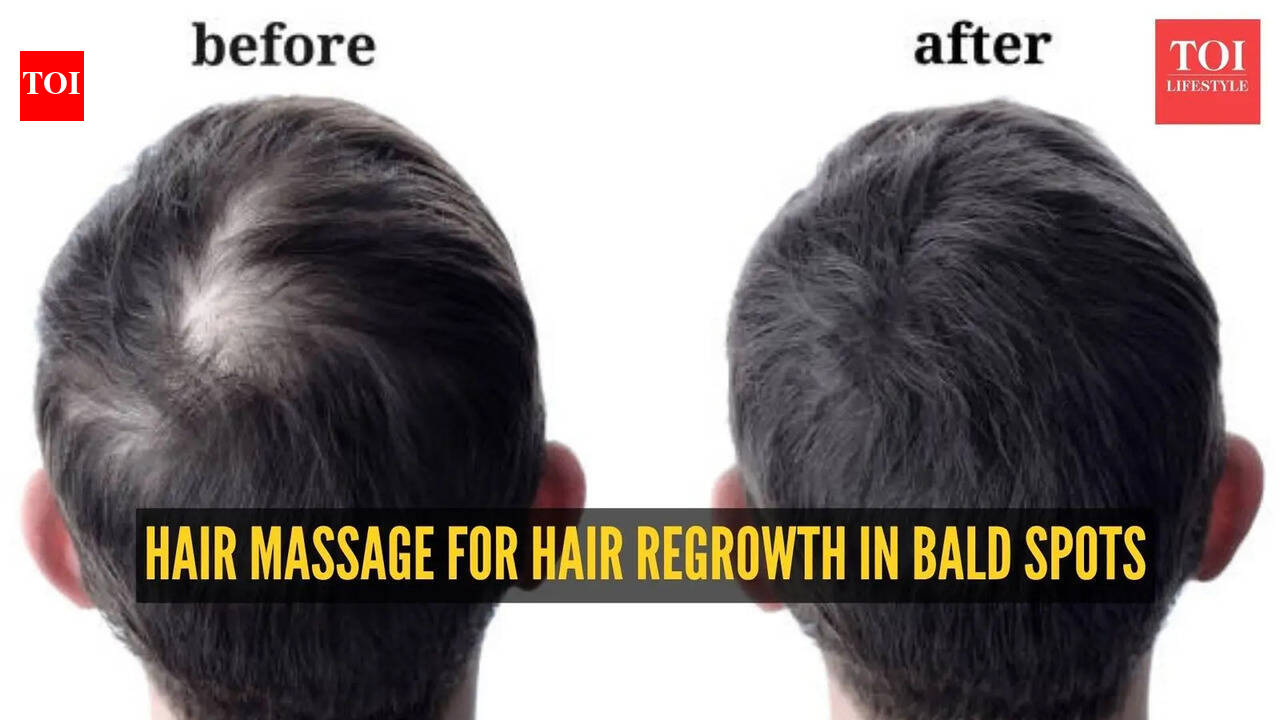
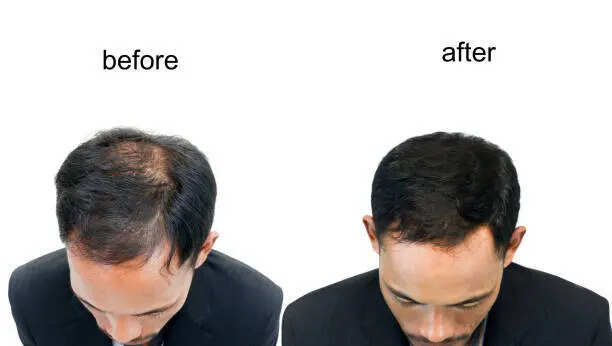
Let’s be honest: Hair loss becomes more difficult when it stops being a few extra strands in the shower drain and starts being something you can actually see in the mirror. Whether it’s a hairline that’s slowly receding, a part that’s widening into a highway, or a specific patch that’s becoming a nightmare to style around, it’s really stressful. We’ve all fallen for the “miracle” serums and viral hacks, but one technique has quietly derailed every trend for decades: the simple scalp massage.It’s simple, it’s free, and honestly, it’s surprisingly effective. A proper scalp massage not only relieves the stress of a long day – it acts like a much-needed wake-up call for your hair follicles, especially in those initial thinning spots.
Why does your scalp really love massage?
This is no “woo-woo” magic; This is basic biology. Think of your scalp like a garden. When you massage it, you are essentially tilling the soil. By physically stimulating the skin, you are encouraging blood to reach the smaller vessels hidden beneath. This surge delivers a fresh supply of oxygen and nutrients straight to the roots.There is also a fascinating mechanical side to it. Research shows that the action of pulling on the scalp can actually “stretch” the dermal papilla cells at the base of your follicles. This physical movement may signal the hair to become thicker and stronger again. While it won’t give you hair like a Disney prince by next Tuesday, it’s one of the most sustainable, side-effect-free ways to maintain the health of your hair.
Can it really cure bald spots?
Here’s the unfiltered truth: It’s not a time machine, but it is a powerful tool.If your thinning is caused by high stress, poor circulation, or is in the early stages of “rest,” massage can definitely help jump-start regrowth. However, if a follicle is completely inactive or dormant for many years (as in advanced permanent baldness), the results can be quite subtle.
That said, even in stubborn areas, a healthy scalp environment is the foundation for any treatment to work better. You don’t lose anything by trying, and your scalp gets a much-needed health benefit in the process.
Timing is everything (okay, almost everything)
When you do it matters, but not as much as how often you do it.Bedtime Ritual: This is my personal favorite. Your body enters “repair mode” when you sleep, so why not give it a head start?Pre-Wash Preparation: Massaging your hair before applying oil helps the product to really penetrate rather than just sitting on top of the hair.Post-shower window: Your pores are open and your scalp is clean, making it the perfect time for stimulation.The Golden Rule: Consistency is the only thing that really moves the needle. Doing this once a month for 10 minutes will not be of much benefit. Aim to try at least 4-5 times a week to see real changes.
“Pro” Techniques: A Step-by-Step Guide
Forget the fancy vibrating head scratchers for a second. Your hands are the best tools you have.Prepare the canvas: You can do this dry or with a little oil. If you’re using oil, use something mild like rosemary or jojoba.Fingers, not nails: This is the most common mistake. Using your nails can cause micro cracks and can actually weaken the roots. Use the fleshy pads of your fingers.Start at the front: Start at your hairline and work in slow, deliberate circular motions. Move towards the top and then down to the back of your neck.Pressure check: You want “Goldilocks” pressure – not so gentle that you’re just caressing your hair, but not so aggressive that it hurts. You should feel the skin on your head moving over the bone.Target “trouble areas”: Spend a solid 3 minutes specifically on thin areas. Use firm, rhythmic circles to really get the blood flowing there.“Tug and Tap”: Finish by very lightly tapping your scalp with your fingers (like rain) and very gently pulling small sections of hair. This “awakens” the nerves in the root.Total Time: Try to hit that 10-15 minute sweet spot.
“Booster” Oil
If you want to make your massage more active, mixing it with the right oil can act like fertilizer.Rosemary Oil: This is the current darling of the hair world. Some studies show that it is as effective as 2% minoxidil for prompt regrowth.Castor Oil: It’s thick and a little messy, but it’s incredibly nourishing for thinning spots.Onion Oil: It smells… well, like onions… but it’s rich in sulfur which many people swear by reduces onion breakdown.
Mistakes That Will Stop Your Progress
Even with the best intentions, you can be wrong. watch out for:Becoming a “Weekend Warrior”: Doing it Once and Expecting Miracles. It’s a marathon, not a sprint.Applying too much pressure: If you’re pulling more hair than usual during the massage, reduce the pressure.Blocking functions: Using too heavy an oil without washing off properly can clog your pores, which is the opposite of what we want.
What is a realistic timeline?
If you start today, your “hair diary” will look like this:Month 1: Your scalp feels less tight and dry. You can see less flow in the brush.
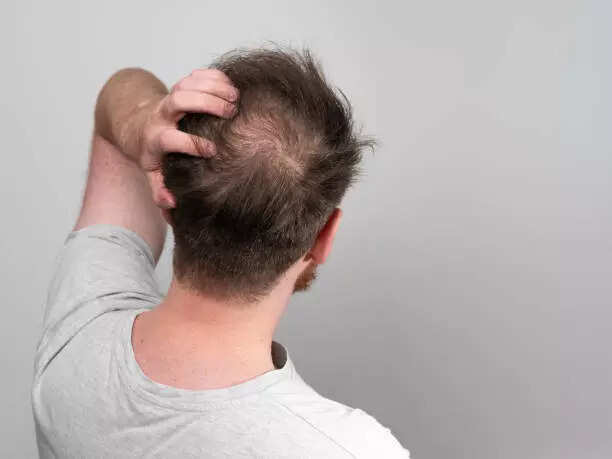
Bald spots can feel like a blow to your confidence – sudden, unexplained patches of missing hair are never a welcome surprise. While it’s true that everyone loses hair every day, isolated spots of thinning or bare scalp usually point to an underlying problem. Here are the five most common culprits behind those unwanted bald spots and some tips for dealing with them.
Month 2: Your hair starts to look a little shinier and “poised” at the roots.Month 3-6: This is payment. You may start to see those little “baby hairs” filling in the sparse areas.
big picture
Head massage works best when the rest of you is healthy, too. Watch your protein intake (hair is made of protein, after all!), stay hydrated, and try to manage your stress.In a world full of expensive procedures and chemical-heavy promises, there’s something beautiful about the simplicity of a head massage. It requires zero investment – just a little bit of your time and a little patience. It may not be a “magic wand,” but it is a powerful way to take control of the health of your hair one circular motion at a time. Sometimes, the oldest tricks really are the best.