Breaking News
जगदीशपुर में दिनदहाड़े व्यवसायी पर चाकू से हमला, 4 दिन बाद भी आरोपी फरार

उत्तर प्रदेश के अमेठी जिले के जगदीशपुर थाना क्षेत्र में दिनदहाड़े एक व्यापारी पर चाकू से हमला करने का मामला सामने आया है, जिससे इलाके की कानून-व्यवस्था पर गंभीर सवाल खड़े हो गए हैं. घटना शुकुल बाजार मोड़ स्थित पुलिस चौकी के ठीक सामने की है, जहां मामूली विवाद को लेकर एक टैक्सी चालक ने व्यवसायी पर जानलेवा हमला कर दिया. इस हमले में व्यवसायी गंभीर रूप से घायल हो गया. हैरानी की बात यह है कि घटना के चार दिन बाद भी पुलिस आरोपियों को गिरफ्तार नहीं कर पाई है, जिससे लोगों में आक्रोश बढ़ता जा रहा है.

घटना पुलिस चौकी के सामने हुई
जानकारी के मुताबिक, यह घटना शुकुल बाजार मोड़ स्थित पुलिस बूथ के सामने हुई. ‘अरहान बैंगल एंड मैचिंग पैलेस’ नाम की दुकान के मालिक मो. अनीस अपनी दुकान पर मौजूद था जब उसका एक टैक्सी ड्राइवर से किसी बात पर विवाद हो गया। विवाद इतना बढ़ गया कि आरोपी ने गुस्से में आकर चाकू निकाल लिया और कारोबारी पर हमला कर दिया.

व्यवसायी गंभीर रूप से घायल हो गये
हमले के दौरान मो. अनीस पर कई बार चाकू से वार किया गया, जिससे वह गंभीर रूप से घायल हो गया। आसपास के लोग उसे तुरंत अस्पताल ले गए, जहां उसका इलाज चल रहा है। घटना के बाद इलाके में दहशत का माहौल बन गया और लोग पुलिस की कार्यशैली पर सवाल उठाने लगे.

चार दिन बाद भी आरोपी फरार
घटना को चार दिन बीत गये, लेकिन अब तक पुलिस आरोपियों को गिरफ्तार नहीं कर सकी है. स्थानीय लोगों का कहना है कि पुलिस चौकी के सामने इतनी बड़ी घटना होना और उसके बाद भी कोई कार्रवाई नहीं होना बेहद चिंताजनक है. इससे अपराधियों का हौसला बढ़ रहा है.

कानून व्यवस्था पर उठाए सवाल
इस घटना ने एक बार फिर कानून व्यवस्था पर सवाल खड़े कर दिए हैं. लोगों का कहना है कि जब पुलिस चौकी के सामने ही ऐसी घटना हो सकती है तो अन्य इलाकों में सुरक्षा का क्या हाल होगा. लोग जल्द से जल्द आरोपियों की गिरफ्तारी और कड़ी कार्रवाई की मांग कर रहे हैं.

(रिपोर्ट:बृजेश मिश्र,अमेठी)

Source link

CSK vs PBKS: Chennai turns up the volume for Ruturaj Gaikwad at toss, goes silent after watching him bat

Chennai Super Kings’ first home match had a big impact on the mood at the MA Chidambaram Stadium. What started with a thunderous applause for captain Ruturaj Gaikwad at the toss turned into complete silence after the CSK skipper once again played a wobbly innings in the 2026 season of the Indian Premier League.

Batting with Sanju Samson and then young Ayush Mhatre, Gaikwad never really got going and played a poor innings of 28 off 22, completely dismantling Chennai’s top order.

| IPL 2026: csk vs pbks updates, Achievement: |

But it wasn’t entirely his fault. CSK, who came to bat first on a pitch that looked quite flat, faced setbacks in the very beginning. In the second over, Sanju Samson sent the ball back to the keeper while trying to drive Xavier Bartlett. It seemed as if Gaikwad had been pushed into his shell, from which he never really came out.

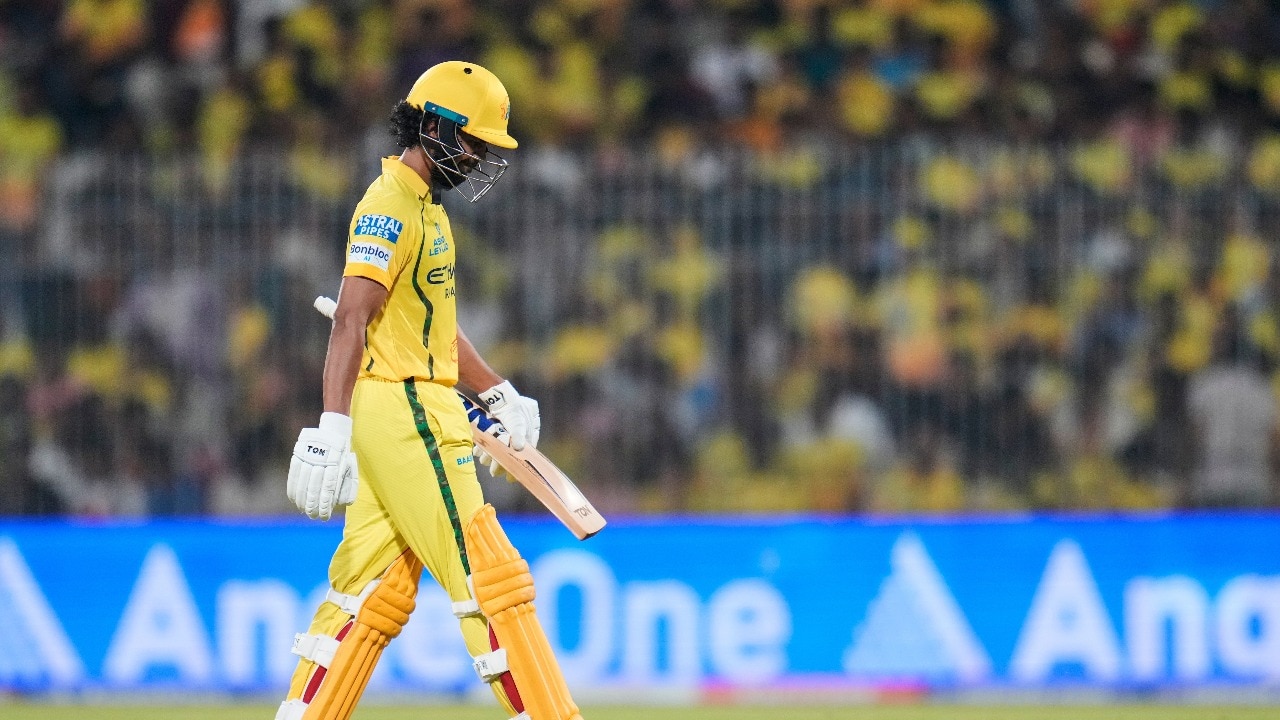
After hitting only two fours in his 22-ball innings, Gaikwad’s innings ended in the 12th over with what was probably one of the most harmless balls of the innings, wide of the leg side.

The batsman’s form was such that he chased the ball and swept it, but found Nehal Wadhera, the only fielder posted on the boundary.

Chepauk crowd was the loudest at the beginning of the matchSilent as their captain slowly walked away with his head bowed in disappointment.

Cricket fans on Twitter were also not happy with Gaikwad’s innings and criticized the batsman for his second failure of the season.

Chennai Super Kings were saved on Friday by a brilliant innings from Ayush Mhatre, who scored 73 runs off just 43 balls before being dismissed by Yuzvendra Chahal. Apart from young Mhatre, Sarfaraz Khan played a brilliant inning of 32 runs in 12 balls to give the home team a late lead.

ipl 2026 | ipl schedule | ipl points table | ipl video | cricket news | live score

– ends

published by:

Kingshuk Kusari

Published on:

April 3, 2026 21:11 IST

Source link

Kerala elections 2026 SWOT analysis: Hat-trick for Pinarayi Vijayan or UDF comeback? | India News

Kerala elections 2026 SWOT analysis: Hat-trick for Pinarayi Vijayan or UDF comeback?

As sweltering heat scorches the land, political temperature is rising in God’s Own Country as the summer election season knocks on Kerala’s doors.Long defined by a predictable alternation between the Left Democratic Front (LDF) and the United Democratic Front (UDF), the state now faces a far more complex contest. With chief minister Pinarayi Vijayan seeking a rare third consecutive term, the opposition sensing an opening and the BJP attempting to expand its footprint, the election is shaping into a tight, multi-layered battle. In a state where elections are won by the slimmest of margins, this contest may come down to a few thousand votes across a handful of seats.

Watch

Kerala Election 2026: Who Holds the Master Key? Full Community Breakdown

A state at a political crossroads

As Kerala inches towards the 2026 assembly elections scheduled for April 9, the familiar rhythm of alternating governments is under strain. The contest is no longer a predictable swing between the LDF and the UDF; instead, it is shaping into a layered political battle and emerging as a triangular contest.

Kerala polls 2026

For chief minister Pinarayi Vijayan, the stakes are high. After breaking Kerala’s decades-old pattern by retaining power in 2021, the LDF is now seeking a rare third consecutive mandate. Success would not only consolidate Vijayan’s legacy but potentially redefine the state’s political cycle. But, if otherwise, India will see the last red bastion falling. The Congress-led UDF, however, senses an opening. With anti-incumbency building after nearly a decade of Left rule, the opposition is framing the election as a referendum on governance, finances and accountability. Congress top brass, from Rahul Gandhi to Priyanka Gandhi Vadra, has stepped up engagements, signalling the importance of Kerala in the national opposition’s strategy.Meanwhile, the BJP-led NDA is attempting something more ambitious, to disrupt Kerala’s entrenched bipolarity. Led by Prime Minister Narendra Modi and an aggressive campaign, the party is targeting incremental gains that could influence outcomes in closely fought constituencies.Unlike states with clear multi-cornered politics, Kerala’s contests are decided by fine margins, layered loyalties and local dynamics. That makes 2026 less about sweeping waves and more about micro-shifts, where even a small swing in vote share could tilt dozens of seats in the state.

Last election, and what it tells us

In 2021 elections, the ruling LDF won 99 seats, securing a comfortable majority, while the UDF managed 41 seats. The BJP, contesting in most constituencies, won just 1 seat, highlighting the state’s traditional bipolar pattern. Vote share tells a slightly different story: the LDF captured 45.43%, the UDF 39.47%, and the BJP 10.41% of the total votes polled. This indicates that while LDF had a clear majority in seats, the competition was much tighter in terms of votes, especially in closely contested constituencies.The 2021 assembly elections offered a structural insight into Kerala’s electoral behaviour. According to data from the ADR and Kerala Election Watch, the average vote share of winning candidates stood at 47.98%, with only 39 of 140 MLAs crossing the 50% mark. This means most victories were secured without majority backing, reflecting fragmented mandates and the decisive role of marginal vote swings.Margins were equally revealing. Only a handful of constituencies saw comfortable victories, while several were decided by less than 10% vote difference, and in some cases, fewer than 500 votes. Nearly 46% of re-elected MLAs won with margins under 10%, indicating a limited incumbency advantage.NOTA, often seen as a protest tool, remained marginal at 0.47%, almost unchanged from 2016. While not decisive, its consistent presence points to a small but stable segment of disengaged voters.More recent signals from the 2025 local body elections suggest a tightening race. The UDF edged ahead in vote share and assembly segment leads, while the LDF retained a substantial base but lost ground in several local bodies. The BJP maintained around 16% vote share, with improved seat conversion in select pockets, raising concerns over seat convertibility.When taken together, these trends tell a crucial story: Kerala elections are rarely landslides; they are negotiated outcomes shaped constituency by constituency.

Key faces to watch out for

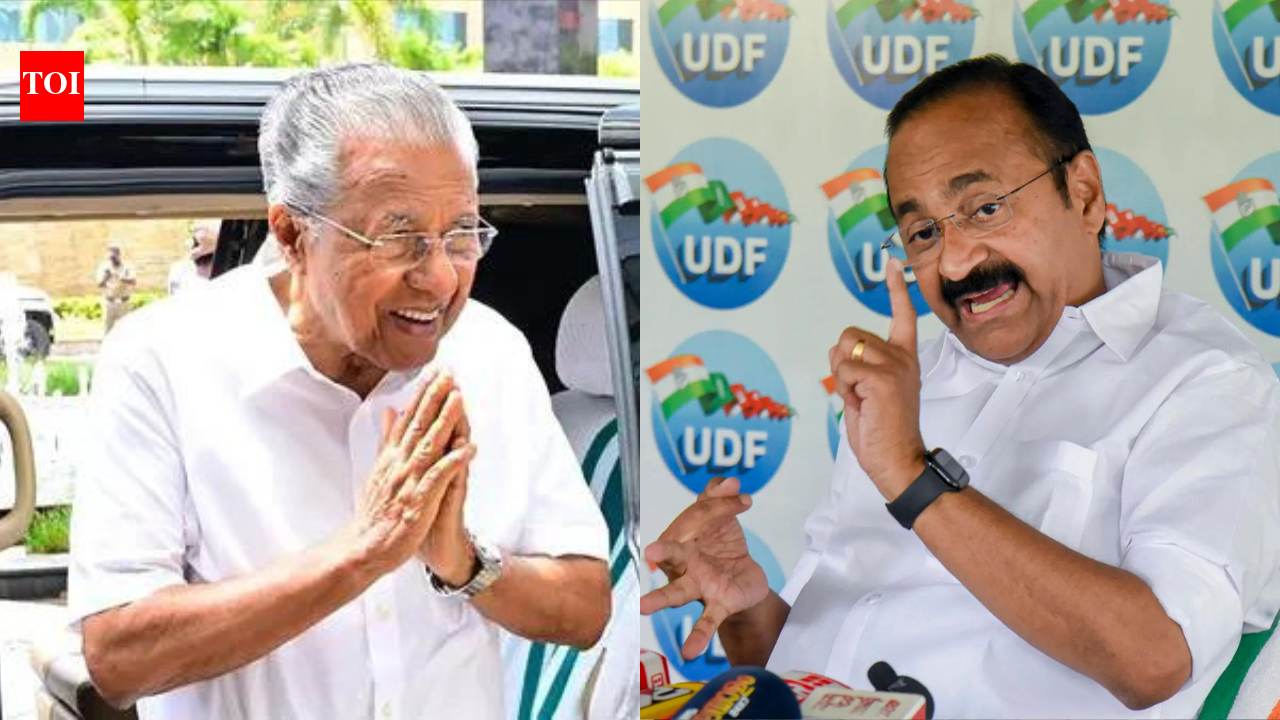
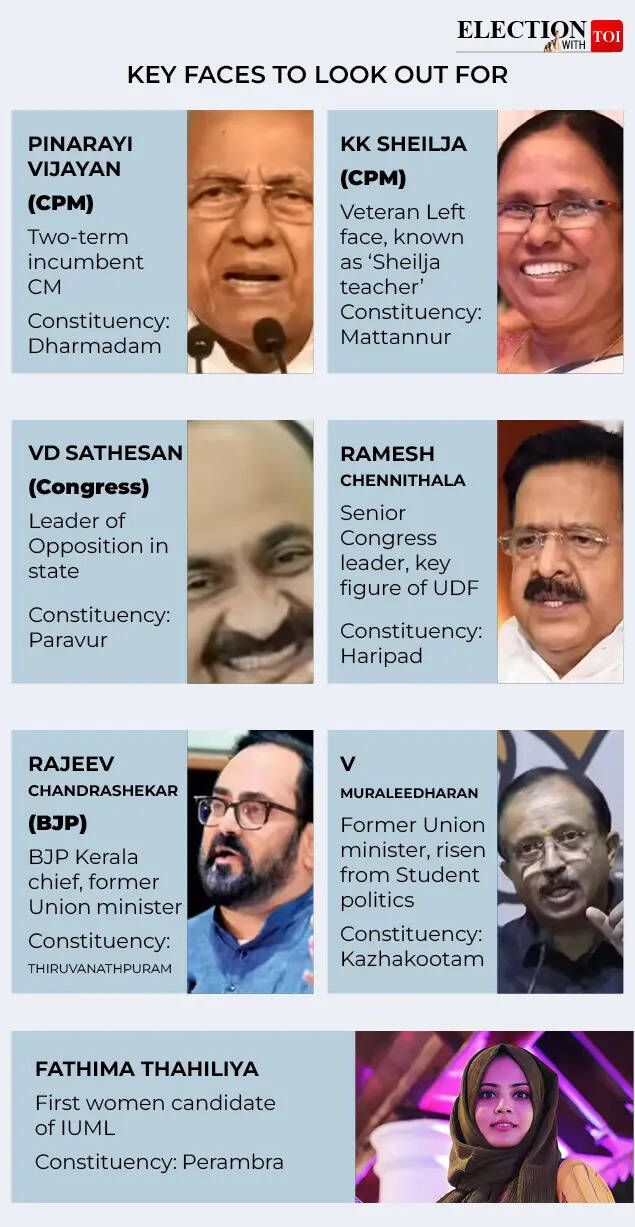
The 2026 election is as much about leadership as it is about alliances.At the centre is Pinarayi Vijayan, contesting from Dharmadam, whose governance model, combining welfare expansion and infrastructure push, will be directly tested.On the opposition side, state leader of opposition VD Satheesan is expected to anchor the UDF campaign, positioning himself as the face of change, but not without some internal strife in Congress. For the BJP, the campaign is being spearheaded by its state president and former Union minister Rajeev Chandrasekhar, who has emerged as the party’s key face in the run-up to the polls. His campaign has focused on issues such as unemployment, economic growth, and governance, while also amplifying the party’s broader narrative against both the LDF and the UDF.Among the LDF’s prominent leaders are KK Shailaja, whose public health credentials continue to resonate with voters, and Veena George, who represents the government’s welfare narrative.The UDF also reflects generational transition through leaders like Chandy Oommen (son of former CM Oman Chandy), while veterans such as Ramesh Chennithala bring organisational experience.Another BJP candidate is former Union minister V Muraleedharan, symbolizing a high-profile push to expand the party’s footprint.

Key faces to watch out for in 2026 polls.

High-stakes contests

Kerala’s political map is dotted with constituencies where narrow margins and shifting alliances make outcomes unpredictable.Seats like Nemom, Kazhakootam, and Thiruvananthapuram are expected to witness intense triangular contests, especially with the BJP attempting to convert vote share into seats.In several constituencies, data suggest that margins of defeat in previous elections were within 1,000–10,000 votes. Such micro-level gaps mean targeted campaigning, candidate selection, and local alliances could prove decisive.Urban constituencies are emerging as key battlegrounds, where shifting middle-class preferences and youth concerns intersect with traditional party loyalties.

What issues are parties fighting on

Anti-incumbency vs continuity

The central narrative of the election revolves around whether voters prefer continuity or change. The LDF argues that stability and governance gains justify another term, while the UDF and BJP frame the election as a corrective moment.PM Modi recently said at an election rally in Palakkad that “Kerala is sending signals of change.”

Economy and unemployment

Economic stress is a major theme. Rising debt, unemployment, and migration, particularly among youth, have become political flashpoints. BJP leader Rajeev Chandrasekhar has criticised both fronts, saying: “Promises… for the last 70 years… never kept.”He further added, “four out of ten graduates are unemployed and are migrating,” highlighting a concern that cuts across political lines.

Welfare vs sustainability

Kerala’s welfare model is under scrutiny. While the LDF defends it as essential to social development, critics question fiscal sustainability. The debate has sharpened with competing promises from all fronts.But, the promises put out by all the contenders tell a different tale on the fiscals.

Governance and corruption

The opposition has raised concerns over administrative efficiency, corruption allegations, and law and order issues, turning governance into a central electoral issue.

Identity and Sabarimala

The Sabarimala issue continues to influence political discourse, blending questions of faith, gender rights, and political positioning. It also provides an entry point for the BJP’s identity-driven mobilisation.

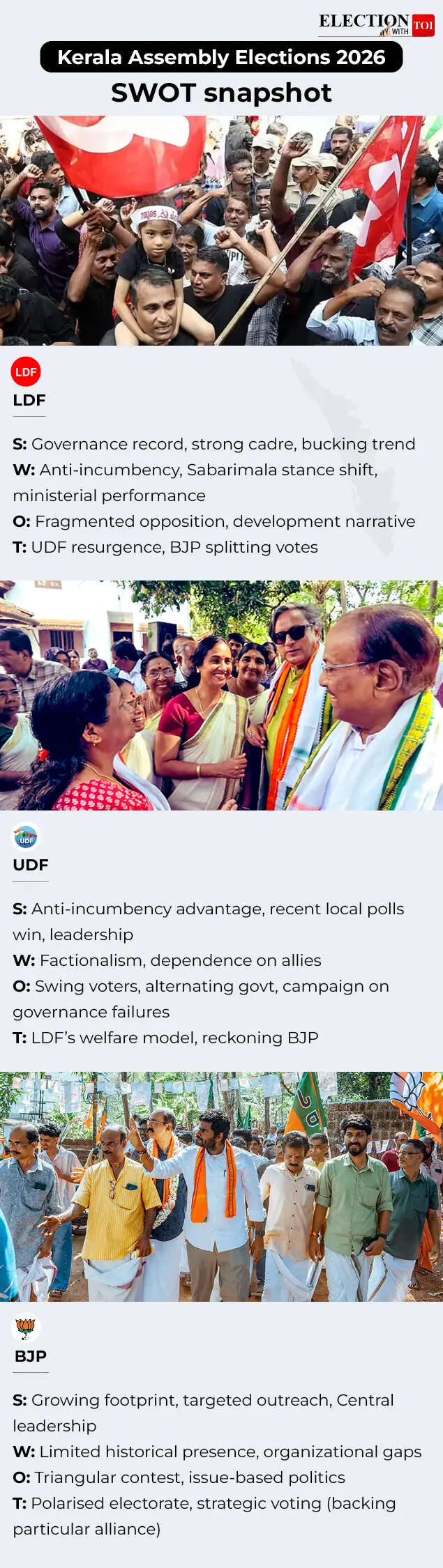
A SWOT analysis of key parties highlights their prospects and hurdles

SWOT of key alliances going against each other.

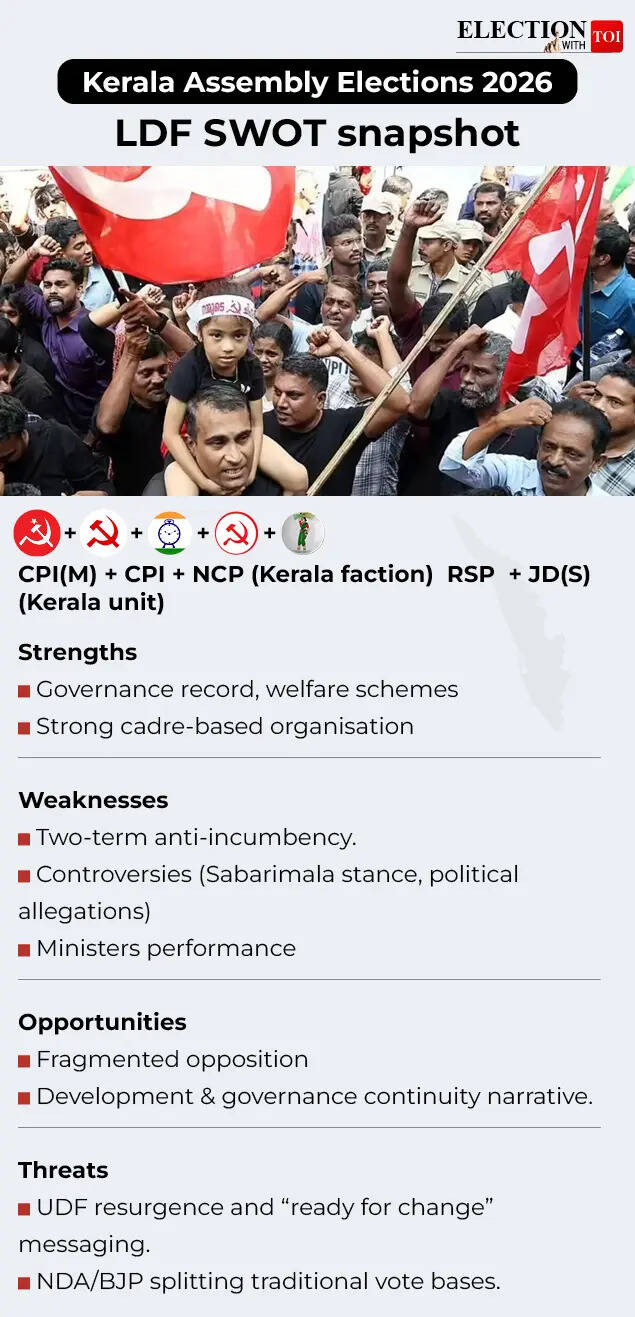
LDF (Left Democratic Front)

Strengths

  • Incumbency with governance record: The LDF, led by CM Pinarayi Vijayan, is banking on welfare schemes, infrastructure push (including Vizhinjam port), and administrative continuity.
  • Organisational strength: Strong cadre base of CPM and allies ensures booth-level mobilisation.
  • Breaking Kerala’s trend: The LDF already made history by retaining power in 2021 and is aiming for a rare third term.

Weaknesses

  • Anti-incumbency risk: After two terms, fatigue among voters and criticism over governance issues may weigh.
  • Controversies: Issues like Sabarimala stance shifts and political allegations could impact perception.
  • Ministerial performance concerns: Surveys indicate mixed public opinion on ministers despite popular MLAs.

Opportunities

  • Fragmented opposition: Divisions within UDF and internal dissent in allies like IUML could benefit LDF.
  • Development narrative: Positioning itself on governance and welfare continuity.

Threats

  • UDF resurgence: Opposition is projecting momentum and “ready for change” messaging.
  • BJP vote split: NDA’s growing presence could cut into traditional vote bases.

LDF SWOT analysis

UDF (United Democratic Front)

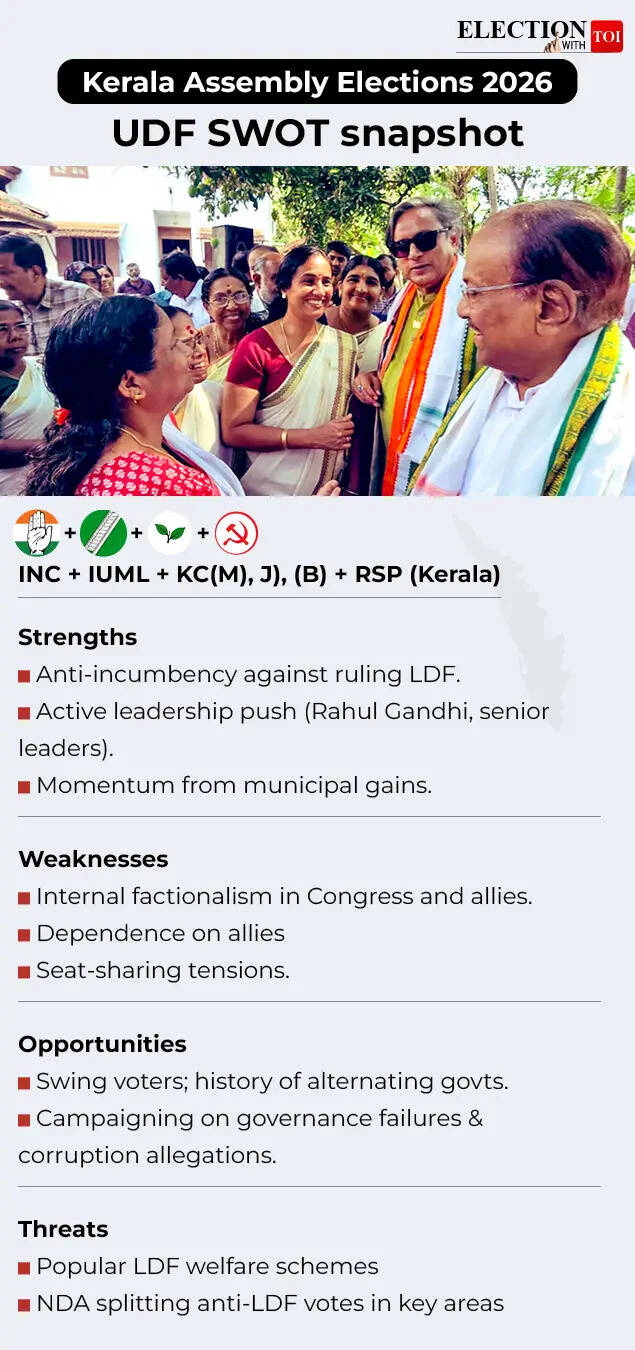
Strengths

  • Anti-incumbency advantage: UDF is leveraging dissatisfaction against the ruling government.
  • Leadership push: Leaders like Rahul Gandhi have actively backed the alliance.
  • Recent momentum: Gains in recent municipal elections and surveys indicating competitive positioning.

Weaknesses

  • Factionalism: Internal rifts within Congress and allies remain a concern.
  • Dependence on allies: Seat-sharing tensions and coordination challenges.

Opportunities

  • Swing voters: Kerala’s history of alternating governments may favour UDF.
  • Narrative battle: Strong campaign on governance failures and corruption allegations.

Threats

  • LDF’s welfare model: Popular schemes may blunt anti-incumbency.
  • BJP factor: NDA could split anti-LDF votes in key constituencies.
UDF SWOT analysis.

NDA/BJP

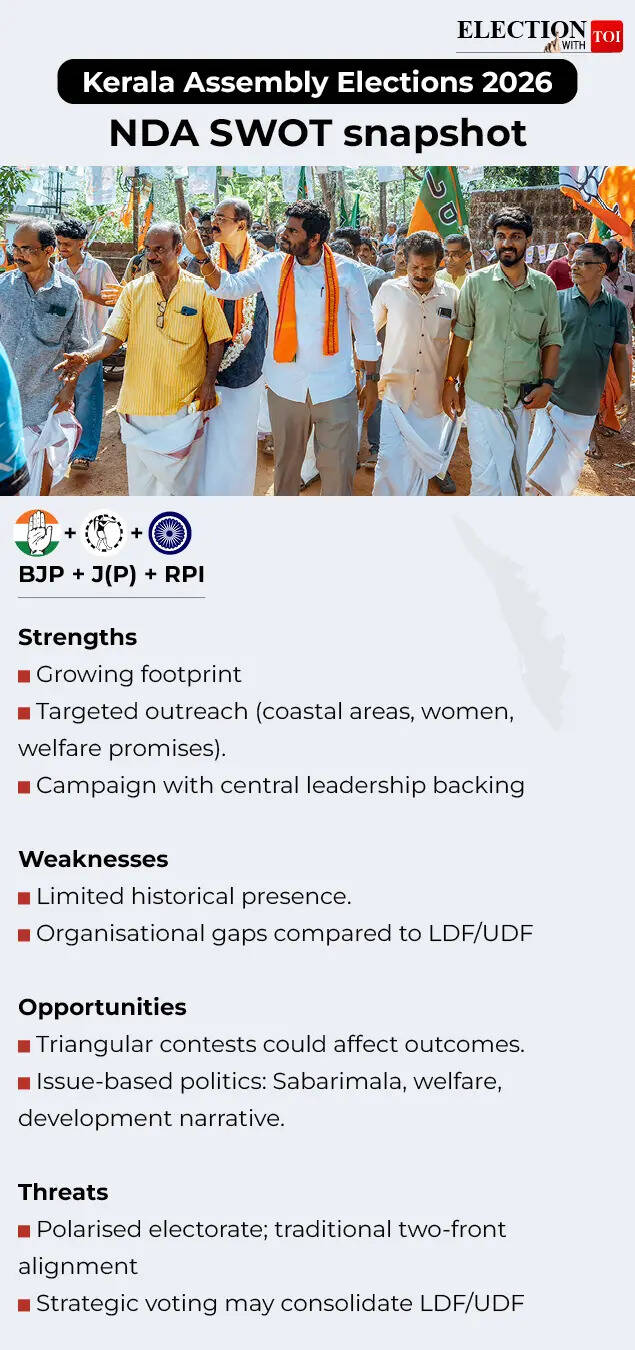
Strengths

  • Growing footprint: BJP is trying to break the LDF-UDF duopoly with aggressive campaigning.
  • Targeted outreach: Focus on coastal communities, women voters, and welfare promises.
  • High-decibel campaign: Backed by Prime Minister Narendra Modi, Amit Shah and central leadership.

Weaknesses

  • Limited historical presence: BJP has struggled to win significant seats in Kerala.
  • Organisational gaps: Compared to LDF/UDF’s entrenched networks.

Opportunities

  • Triangular contest: Even small vote share gains could impact outcomes.
  • Issue-based politics: Sabarimala, welfare schemes, and development narrative.

Threats

  • Polarised electorate: Kerala’s traditional alignment may limit expansion.
  • Strategic voting: Voters may consolidate behind LDF or UDF to block BJP.

NDA SWOT analysis

Promises and bigger promises

The elections are bound to witness more intense competition in welfare commitments, with all three fronts expanding their promise baskets. While the ideological differences remain, there is a clear convergence on social security, employment generation, and public service delivery in order to mint vote dividends.Here is a detailed break-up of what each alliance has promised:

LDF – Welfare continuity with development push

The LDF manifesto builds on its governance record, combining welfare expansion with long-term economic planning:

  • Poverty eradication: Target to uplift around 5 lakh of the poorest families through focused intervention programmes
  • Welfare pensions: Increase social security pension to Rs 3,000, with continued support for vulnerable groups
  • Employment generation: Assured 60,000 campus placements
  • Promising Interest-free loans for youth entrepreneurship:
  • Women empowerment: Target to raise women’s workforce participation to 50%

UDF – Welfare expansion with governance reset

The UDF’s manifesto focuses on direct benefits, social welfare expansion, and institutional reforms:

  • Direct welfare measures:
    • Rs 1,000 monthly financial assistance for college students
    • Free travel for women in KSRTC buses
    • Expansion of subsidised food schemes like Indira Canteens
  • Health insurance cover up to Rs 25 lakh
  • Interest-free loans up to Rs 5 lakh for startups
  • Agriculture & labour:
    • Increase rubber support price to Rs 300 per kg
    • Raise ASHA worker wages to Rs 700 per day

NDA / BJP – Welfare plus infrastructure and governance overhaul

The BJP-led NDA is blending welfare assurances with infrastructure-heavy promises and institutional reforms:

  • Direct welfare support:
    • Rs 3,000 monthly pension for poor women, widows, and senior citizens (70+)
    • Rs 2,500 monthly assistance for medicines and groceries
  • Services – amenities:
    • 20,000 litres of free water per household per month
    • Two free LPG cylinders annually (on Onam and Christmas)
  • Infrastructure:
    • High-speed rail corridor from Thiruvananthapuram to Kannur
  • Religious & cultural issues:
    • Temple management reforms giving more control to devotees
    • Sabarimala Development Mission for pilgrim infrastructure
    • Time-bound CBI probe into Sabarimala-related controversies

New calculations in Kerala’s poll scene

Kerala’s electoral arithmetic is undergoing subtle but significant shifts.The rise of three-cornered contests means that even a modest increase in vote share, particularly for the BJP, can influence outcomes in tightly contested seats. This does not necessarily translate into immediate seat gains but can alter the winning margins between LDF and UDF.At the same time, data suggests that over 100 constituencies in previous elections were won with less than 50% vote share. This structural feature makes Kerala uniquely sensitive to micro-swings.Urbanisation, youth migration, and changing voter expectations are also reshaping political behaviour. While traditional loyalties remain strong, there is growing volatility in segments such as first-time voters and urban middle classes.

A contest of margins, not waves

The 2026 Kerala assembly elections are unlikely to produce a sweeping mandate. Instead, they are poised to be decided by narrow margins, local dynamics, and competing narratives of governance and change.For Pinarayi Vijayan, the challenge is to convert governance continuity into electoral endorsement. For the UDF, it is about translating anti-incumbency into a cohesive alternative. For the BJP, the goal is incremental but strategic expansion.Ultimately, the election may hinge not on broad political shifts, but on dozens of closely fought constituencies, where a few thousand votes could determine whether Kerala sticks with continuity, returns to its alternating pattern, or begins to redefine its political structure.

Source link

Ravikant Kisan talks about privilege and inconvenient truths. india news

Ravikant Kisan talks about privilege and inconvenient truths

Why: : wCap made you Write meet the upper castes? A: : To some extent, this also comes from my life experiences because I did not grow up in an upper caste family. I come from an inter-caste marriage between a Scheduled Caste mother and an OBC father. And neither of those sides of the family had a tradition of intergenerational literacy and what you would call high culture. But he was an immigrant from Punjab. They were raising their children in Kolkata. So I was exposed to a world that was not native to me. And as I grew up, I realized that there was a world that was all around me, but I didn’t have access to it. And that world always seemed much bigger than my own world. It seemed full of very interesting people talking about books, culture, art, the ‘higher orders of things’. When I looked at my family and the people around me, the concerns were very mundane, very existential. And as a young person…, I really wanted to escape that world orbit. And over time I began to realize that much of that world revolved around politics and the display of caste. This was the world of the upper castes. It was a world where they decided what was legitimate, what was worth talking about, what was authentic and what was fake. And no matter how hard I tried, I couldn’t fit into that world… Eventually I moved into academia and got into cultural studies and studied a fair amount of cultural anthropology as a method. I understood that when it comes to caste, sociology and anthropology departments in India are full of these books and theses that center Dalit communities, tribal communities, even OBC communities. A lot of interesting work has been done on that. But the world of the upper castes...Not much anthropological work has been done there. And one reason for this is that it is very inaccessible. For example, it is easy to go to a city slum and do research, do field work there, and interview people. You can’t try to do this by going to a gated community in Gurgaon or Bangalore…. But more importantly, it was like this academic blind spot where you have all the great writers, thinkers, intellectuals in civil society, in media, in academia, and they are all writing about caste, but they are not writing about their own castes and communities. And it’s almost as if their gaze is always outward, never inward. And I think it’s the culmination of these different aspects that brought me to this place where I started writing and theorizing about the upper castes. And it started with articles for various digital media platforms, where I was trying to create a series called ‘Like a Savarna’… and one of the articles there, ‘Dating Like a Savarna’, I felt I had written a very non-controversial article. This is just a little bit about how race, dating, and intimacy overlap. And I got an overwhelming response. A tremendous campaign was run on social media. I was called different names. And it affected my professional life, my university where I was working. I also had to suffer some consequences for this. And part of that response also made me realize that this is actually a very engaged conversation. It made me a little more determined to write it. Why: : Yyou are Now I am taking this book around Your domain location. How do you navigate it? A: : This is very challenging. The book begins very close to a memoir because I was focusing myself and my eyes on the book. As you go deeper into it, it becomes more social. This is not just a book about caste. It is also a book about this period of time… from the late 90s, early 2000s to Covid, 2020, 2022, because this was the period where the broad consensus was that India was doing well as a story, that we were on the rise, that this was our rise to superstar superpowerdom. And it was almost everywhere that you couldn’t say anything negative or you couldn’t say that the emperor had no clothes. Because then they will yell at you and say that you are being disagreeable. I’ve tried to theorize about this through the idea of ​​the glass floor in the book. So if I am under the glass floor and what you are calling the story of shining India is happening above the glass floor in the upper caste world, then that world looks very different to us… But there is almost a cost involved. My career as an academic has suffered a setback. It’s almost as if you’re always carrying a target on your back. Any right-wing reactionary group can take the title of the book and create all kinds of discussions around it. So it certainly comes with a challenging, loaded responsibility… I also want to say that a lot of understanding and love has been received from the upper castes also. A lot of people have read the book and then come back to me, not out of anger or bitterness, but through some kind of idea that, OK, I’m going to do some soul-searching now and I’m looking at myself. Why: : Iit Great moment in history that you catch From modern India, but you too make visible a young and modern audience using their penises. A: : When I was in college in the early 2000s, we were told that the 21st century was the century of Asia, India and China… There were jobs, the tech sector was booming, real estate was booming. Hollywood was paying attention to us. By every conceivable popular narrative. It seemed as if we were moving. And we had to achieve superpower status by 2020, because that is what APJ Abdul Kalam told us. Now that date has been shifted back to 2047... When 2020 comes, forget about being a superpower, it is going to be one of the most challenging years for the republic. It opens with the Shaheen Bagh protests, it goes into Covid. That positivity has completely disintegrated. And on the other hand, it seems like we have emerged and we are starting to ask ourselves where did we go wrong? And I think the mistake we made was that over this 20-25 year period, the steering wheel of this story was put in the hands of a very specific group of elites who don’t even understand their own blind spots very much. So what I am trying to explain through this book is why the Indian story does not work, why while creating this system it has replicated these pocket enclaves of extreme privilege, where our cities are not livable, our policies are impractical, there is a political and existential crisis, there is a climate change crisis, all these things have intensified and all the fruits of this great success story that we thought we would get, we have not got. And I have tried to answer some of those questions, without saying ‘this is the way it is in India.’ The system is broken. Many times the analysis is hidden behind these sweeping statements – ‘everything is broken, everything is corrupt’. No, what does broken mean? who is in charge? Who are the people who are benefiting from these types of systems? What is his politics? What is their social and cultural inner life? And I think in this book I have tried to connect both of these things. This is not just a description of the upper castes, this is not just a book on caste. It’s about both of those things and also how they connect with policymaking and the larger trajectory of this moment that we had in India and it seems like we’ve kind of wasted it. So in many ways it’s also a book about the tragedy of a post-colonial state that had it all covered and promised itself it was going to transcend itself and reach higher levels and couldn’t do it. Why: : Teais here so a lot is being said which Needed be told in classes, In drawing room conversation, In fragments of public opinion. A: : In these places wherever knowledge is produced and wherever knowledge is distributed, there is almost an absence of any kind of ethnic diversity. As a result, what has happened is that the structure has become unaware of itself. Many well-intentioned upper caste intellectuals, thinkers, progressives often misdiagnose and misunderstand what they themselves are presenting. So then the criticism just becomes right versus left, progressive versus conservative. Whereas if you look at it from the caste structure, in many of these cases, conservatives and progressives are often people from the same family WhatsApp group… The way we think about caste is fundamentally through stories of oppression, through the idea of ​​suffering and exclusion. And don’t get me wrong, these need to be documented and talked about again and again endlessly. But the system through which it mediates, through which it operates, is the upper caste system. And there is a kind of compassion in that. There’s a kind of absurdity to it… one way to deal with the pitifulness and tragedy of caste and the absurdity of it is to resort to a little bit of humor because otherwise it becomes too heavy and too intense and you can’t deal with it. So it is also a symbol of a certain dysfunction in society. This is the code that has gone wrong on which the system operates. And you see all these efforts to write it and get it right and make it work right in xyz, but the code is somewhere else. The system is working at a different level… and my effort in writing this book is to hopefully make the upper castes look at themselves a little, meet themselves a little, so that they can understand themselves a little and so they can understand the systems that they have created a little better.

Source link

ऋषिकेश: गंगा किनारे देखा गया सात फीट लंबा कॉपरहेड सांप, आरती स्थल पर दहशत, वन विभाग की टीम ने किया रेस्क्यू

गंगा किनारे एक आरती स्थल पर उस वक्त हड़कंप मच गया जब वहां करीब सात फीट लंबा कॉपरहेड सांप निकल आया। आरती स्थल जैसे भीड़-भाड़ वाले इलाके में अचानक सांप दिखने से लोग डर गए और कुछ देर के लिए अफरा-तफरी का माहौल बन गया.


ट्रेंडिंग वीडियो

सूचना पर पहुंचे वन विभाग के कर्मियों ने सांप को रेस्क्यू किया। रेंजर जीएस धमांदा ने बताया कि यह दुर्लभ प्रजाति का सांप है, जिसे स्थानीय लोग “वन सुंदरी” कहते हैं. इसकी लंबाई लगभग सात फीट होती है और यह आमतौर पर जंगलों में पाया जाता है।

ये भी पढ़ें…हरिद्वार: एक तरफा प्यार की सनक में युवक ने भागते समय खुद को मारी गोली, की आत्महत्या

उन्होंने बताया कि दूर से यह कोबरा जैसा दिखता है, इसका फन सपाट है। यह कम जहरीला होता है. घटना तीन दिन पुरानी बताई जा रही है।

Source link

Who is Amit Mehta? Indian-American judge at center of Trump immunity case related to January 6 attack

Who is Amit Mehta? Indian-American judge at center of Trump immunity case related to January 6 attack

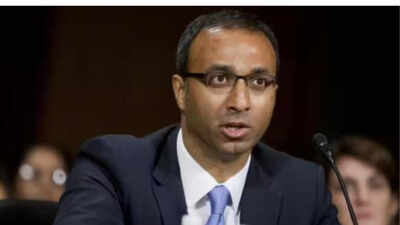
Amit Mehta is an Indian-born judge who serves on the United States District Court for the District of Columbia. He was nominated by Barack Obama in 2014 and confirmed by the US Senate the same year.Born in Patan in 1971, Mehta moved to the United States in his childhood. He studied at Georgetown University and later earned a law degree from the University of Virginia School of Law. Before becoming a judge, he worked as a public defender and later as a partner in a law firm in Washington, D.C.Judge Mehta has handled many high-profile cases, but he has recently gained attention for his role in the trial related to the January 6 Capitol attack. In these cases, the plaintiffs have sought to injunction donald trump Legally responsible for his actions and statements related to the events of that day.A key legal issue in these proceedings has been whether Trump enjoys presidential immunity. This doctrine may protect a sitting or former president from certain lawsuits for actions taken as part of official duties. Judge Mehta ruled that Trump’s conduct, as alleged in the lawsuits, can be scrutinized by the courts and is not automatically protected by immunity at this stage.Their decision did not decide Trump’s final liability but allowed the civil cases to proceed. This decision is considered significant because it addresses the limits of presidential immunity in situations involving alleged instigation or unethical conduct. Mehta continues to preside over related proceedings, which remain part of ongoing legal efforts to investigate accountability for the events of January 6.

What happened on 6 January 2021?

On January 6, 2021, a mob of Donald Trump’s supporters attacked the United States Capitol. He tried to stop Congress from certifying the 2020 election results. Rioters indulged in vandalism, damaged property and clashed with police. The session was delayed, but later resumed and Democratic leader Joe Biden was confirmed as the winner.

Source link

Iran threatens to bomb 1GW Stargate AI datacenter in UAE, shows hidden…

ईरान ने संयुक्त अरब अमीरात में 1GW स्टारगेट AI डेटासेंटर पर बमबारी करने की धमकी दी, छिपा हुआ शो...

Iran warns UAE ports: Escalation in Gulf conflict amid war with US-Israel threatens global trade

Iran’s Islamic Revolutionary Guard Corps (IRGC) has reportedly threatened to bomb the $30,000,000,000 Stargate AI data center. The IRGC has released a video threatening to attack the 1GW Stargate AI datacenter in the UAE. Iranian video shows IRGC-linked warning of attack on 1GW Stargate UAE AI datacenter in Abu Dhabi. The warning uses satellite imagery to reveal its desert location. Stargate UAE is a major AI computing cluster planned as one of the largest outside the US, with an initial 200MW phase to be expanded to 1GW in 2026. The Stargate project is backed by Japan’s SoftBank, US technology giants – Oracle, Cisco, Nvidia, OpenAI – and the UAE’s G42. The action is said to signal Iran’s shift toward asymmetric targeting of high-value Western technology assets in the Gulf amid regional tensions, highlighting the strategic vulnerability of data centers beyond traditional military sites.A spokesman for Iran’s Khatam al-Anbia headquarters said in a video message, “Should the US proceed with its threats regarding Iran’s power plant facilities, the following retaliatory measures will be immediately implemented. All power plants, energy infrastructure, and information and communications technologies of the Zionist regime, and all similar companies in the region in which the US has shareholders, will face complete destruction.”The video also featured this text: “Nothing is hidden from our sight, even if Google hides it.” It then pointed to Stargate’s location in the UAE and showed a photo of American CEOs of the project’s key partner companies, including Nvidia, OpenAI, Microsoft and Goldman Sachs.

What is Stargate UAE and what makes it ‘important’

Stargate is one of the most high profile Artificial Intelligence (AI) project announced by US President Donald Trump. The US President had announced the project in the Oval Office on the first day. He said that this will create thousands of American jobs. The Stargate agreement was announced during the visit of US President Donald Trump to the UAE in May 2025. According to the US Department of Commerce, this marks the largest data center deployment outside the United States. The project expands the footprint of American AI and cloud companies in the Middle East. OpenAI, Nvidia, Cisco and local champions G42 were part of the Trump administration’s announcement for the Stargate project. “By extending the world-leading American technology stack to a key strategic partner in the region, this agreement is a major milestone in achieving President Trump’s vision for American AI dominance,” Commerce Secretary Howard Lutnick said in a statement at the announcement. The UAE has also said that it wants to become a global leader in artificial intelligence by 2031.The warning video follows previous threats by the IRGC to target US companies operating in the Middle East, including Microsoft, Apple, Google and Meta. Similar to the warning issued in March, 18 US companies were targeted, including technology and finance companies. The warning calls these companies ‘terrorist companies’ and accuses them of spying for the US government. x.com/FurkanGozukara/status/2039986135405932656?s=20On Thursday, April 2, some reports claimed that the IRGC had bombed Oracle’s datacenter in Dubai. The UAE’s official media denied the report and described it as ‘fake and fabricated’.

Source link

West Bengal elections: TMC woos voters with ‘Mache-Bhaate Bengali’, disappoints BJP. india news

West Bengal elections: TMC woos voters with 'Mache-Bhaate Bengali', disappoints BJP
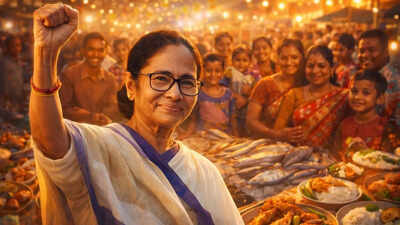
This image is used for representation purpose only (AI-generated)

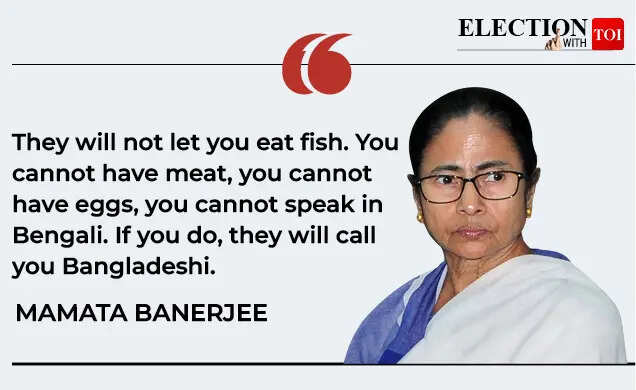
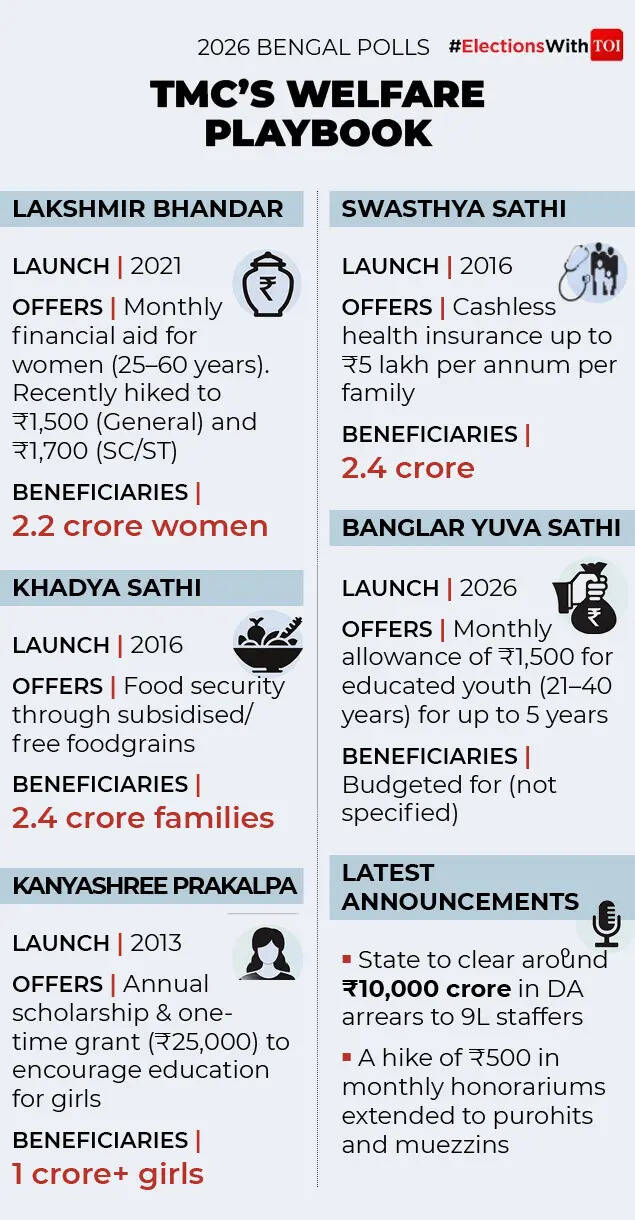
New Delhi: As West Bengal gears up for the 2026 assembly elections, ‘Mache Bhate Bengali’, a common phrase that used to dominate every Bengali’s household, has now moved into the political arena.With this, it has become a symbol of identity, culture and pride, shaping the narrative of the high-stakes electoral battle. Chief Minister Mamata Banerjee enhanced this sentiment by taking aim at a rally in Purulia. BJP. He said, “They won’t let you eat fish. You can’t eat meat, can’t eat eggs, you can’t talk in Bengali. If you do that they will call you Bangladeshi.”

.

.

Fish, long considered the lifeline of West Bengal, is now at the center of this story. It is a staple of almost every Bengali’s thali, but now it has gone beyond cuisine and become a symbol of cultural connection.The phrase ‘Mache Bhate Bangla’ which means Bengali is defined by fish and rice, has crossed over from the kitchen to the political arena, showing how everyday traditions are now shaping the state’s election campaign framework.

fish on promotional menu

In the election season of West Bengal, the fish has gone from the dinner plate to the center of the political web.Trinamool Congress (TMC) is using it to tap into Bengali pride, while the BJP is struggling not to get caught on the wrong side of the ‘Machhale Bhate Bengali’ sentiment.From Katla fish being prominent in road shows to Ilish, Pabda and Chingri getting a prominent place in speeches, fish has emerged as a powerful metaphor. It is now a symbol of identity, culture and the question of who actually represents the “real” Bengali.The TMC has weaponized this sentiment, arguing that the BJP, associated with the Hindi-speaking, vegetarian-first politics of North India, is culturally alien to Bengal.

.

.

Mamata Banerjee made this point at a rally: “If BJP comes to power, they will ban meat and fish in Bengal. I saw the Deputy CM of Bihar saying that fish and meat cannot be sold in open markets. Only those who have a license can sell meat indoors. So, will everyone sell meat and fish in shopping malls? Only a few have the economic strength to do so. Most fish sellers sell fresh fish on the streets here. They sell it and earn their living from this. I condemn this politics.”By building the campaign around Bengali identity, TMC has shifted its focus towards cultural nationalism. Thus, fish is no longer just a dish served in every household; It is a symbol of Bengali pride.

Pak nationalism and social media

TMC’s social media has amplified this narrative by posting pictures of Ilish Bhapa, Pabda Jhal, Chingri Malai Curry, Kosha Mangsho and other dishes.Ahead of Union Home Minister Amit Shah’s 15-day visit to Bengal, the party tweeted: “Bengal welcomes tourists. Don’t miss our dishes. We highly recommend: Muri Ghonto, Pabda Macher Jhal, Ilish Bhapa, Chingri Malai Curry, Bhetki Paturi, Kosha Mangsho. Have a pleasant stay!”Political analyst Maidul Islam said, “Within that Bengali project, eating fish is an important element. When fish markets elsewhere are attacked, or Hindi-speaking leaders turn up their noses at fish, it becomes a campaign issue. TMC is saying that it is an organic party of Bengalis and hence it is associated with Bengali food habits.

Fish as culture, ritual and identity

In West Bengal, fish is more than food. It marks life events: from a child’s first eating of rice, to gifts at weddings, to meals after bereavement.According to PTI, World Bank data shows that West Bengal consumes 8.36 lakh tonnes of fish annually, almost double the national average and fish and meat together account for about one-fifth of household food expenditure.For many, attempts to impose vegetarian or homophobic food habits from outside the state raise fears of cultural invasion.A Kolkata-based Indologist said, “For Bengalis, fish is not just food. It is memory, ritual and identity. To challenge it is to make West Bengal look foreign.”Kaushik Maiti of Bengali nationalist organization Bangla Pokkho said: “Fish is part of the Bengali identity. But the BJP wants to impose the vegetarian food culture of North India, we oppose it.”

BJP’s fish dilemma

BJP says that TMC is creating fear. Leaders say there is no proposal to ban fish or meat in West Bengal. Nevertheless, the perception is quite strong that BJP candidates are now campaigning with fish in hand.Bidhannagar BJP candidate Sharadwat Mukherjee walked around the neighborhood carrying five kilos of Katla fish with him and assured voters that the BJP would never interfere in Bengali food habits.In Pandaveshwar, BJP candidate Jitendra Nath Tiwari filed nomination papers with a “fish procession”, with supporters walking with baskets while they held bigger baskets in their hands. He said, “If promoting the culture of West Bengal is a drama, then I am proud of this drama.”Political analyst Suman Bhattacharya said, “The perception that the BJP is against fish and non-vegetarian food has become so strong that party leaders now have to eat fish in public and campaign with it. This shows how their vegetarian politics did not work elsewhere in West Bengal.”State BJP president Samik Bhattacharya stressed: “There is no question of banning fishing. Bengalis will eat fish and Biharis will eat mutton. If anyone tries to stop me, I will protest.”TMC’s story gets strengthened by incidents in BJP ruled states. Earlier, Bihar Deputy CM’s comment Vijay Kumar Sinha Bans on meat near schools and places of worship and prior controversies over meat shops and fish markets add to fears that a North Indian vegetarian-first cultural model may be imposed in Bengal.In January, a vendor was allegedly attacked for selling chicken patties near a religious congregation in Kolkata. The controversy deepened due to this incident.

voting

What is the thing that influences voters the most in elections?

Elections as a cultural battle

As the elections are heating up, the West Bengal Assembly elections are not just about seats, governance or development, they are also about identity, culture and cuisine.The simple fish, a culinary staple, has emerged as a political symbol, showing that in Bengal, thali and politics are inextricably linked.As TMC spokesperson Tanmay Ghosh said: “Meat and fish eaters can be Nobel laureates, scholars, entrepreneurs and rebels who change history with the pen, not violence… Linking eating habits to ‘violent tendencies’ is a moral imposition. India’s strength lies in pluralism, diversity and constitutional freedoms – not in controlling plates.”Elections for 294 seats in West Bengal will be held in two phases: April 23 (152 constituencies) and April 29 (142), and the results will be declared on May 4.

Source link

जायस में चाय की दुकान में लगी भीषण आग, सिलेंडर फटने से मची अफरा-तफरी – बाल-बाल बचे लोग।

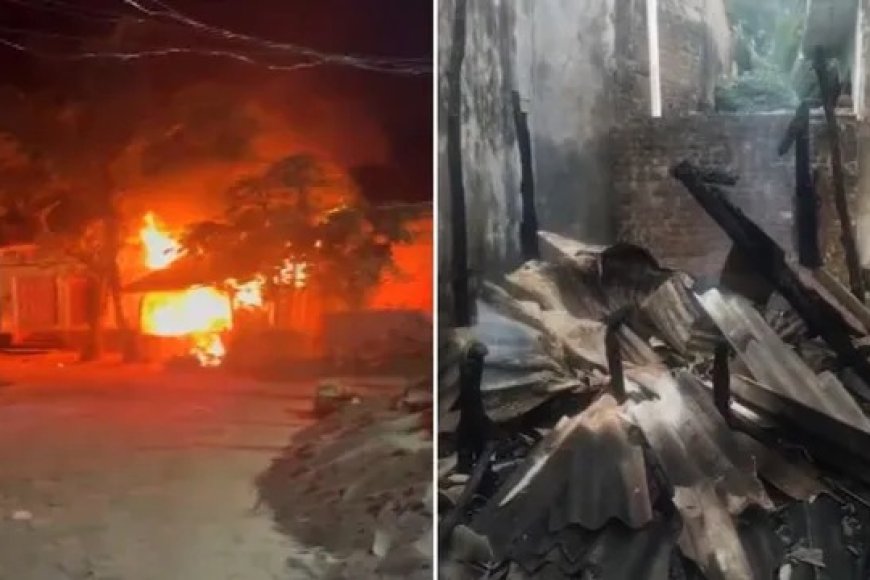
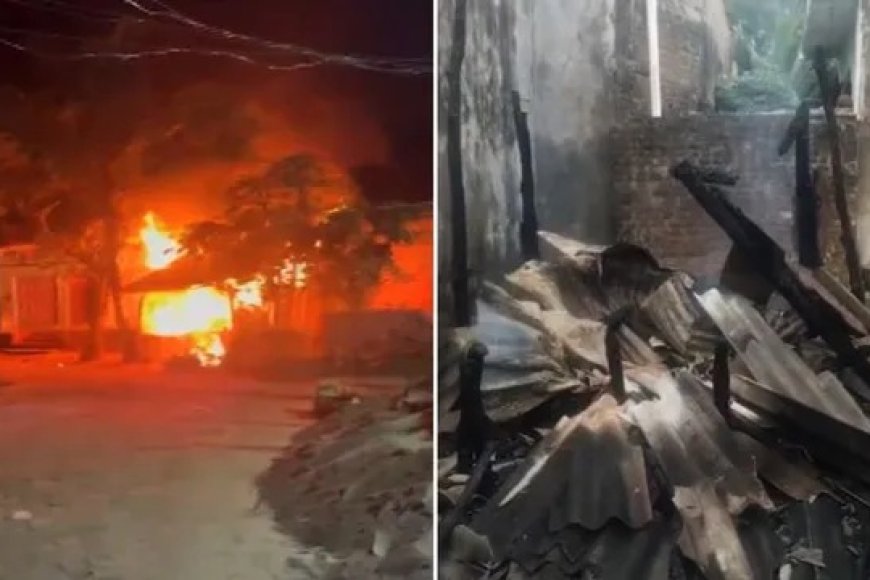
उत्तर प्रदेश के अमेठी जिले के जायस नगर पालिका परिषद क्षेत्र में शुक्रवार सुबह एक बड़ा हादसा टल गया। नेशनल हाईवे रायबरेली-सुल्तानपुर मार्ग पर स्थित एक चाय की दुकान में अचानक आग लग गई, जिससे आसपास के इलाके में अफरा-तफरी मच गई. आग इतनी भीषण थी कि कुछ ही देर में पूरी गुमटी धुएं और आग की लपटों से घिर गई। घटना के दौरान खोखे में रखा गैस सिलेंडर भी फट गया, जिससे लोगों में दहशत फैल गई। हालांकि, राहत की बात यह है कि इस हादसे में किसी की मौत नहीं हुई और समय रहते आग पर काबू पा लिया गया.

सुबह अचानक आग लगने से हड़कंप मच गया
जानकारी के मुताबिक यह घटना नेशनल हाईवे पर लाइटहाउस के सामने स्थित बन्ने खां की बंद पड़ी चाय की गुमटी में हुई. सुबह जब लोग अपने काम में व्यस्त थे तो अचानक गुमटी से धुआं उठता दिखा। देखते ही देखते आग ने विकराल रूप धारण कर लिया और आसपास मौजूद लोगों में हड़कंप मच गया।

फायर ब्रिगेड और स्थानीय लोगों ने मोर्चा संभाला
आग लगने की सूचना तुरंत फायर ब्रिगेड को दी गई. सूचना मिलते ही फायर ब्रिगेड की टीम मौके पर पहुंची और आग बुझाने का काम शुरू किया. इस दौरान नगर पालिका कर्मचारी और स्थानीय निवासी भी मदद के लिए आगे आये. सभी की मेहनत और सूझबूझ से कड़ी मशक्कत के बाद आग पर काबू पाया गया.

गुमटी पूरी तरह जलकर राख हो गई
हालांकि, जब तक आग पर काबू पाया गया, तब तक पूरा लकड़ी का खोखा जलकर राख हो गया। आग से खोखे में रखा सारा सामान भी जलकर नष्ट हो गया। इस हादसे से गुमटी मालिक को भारी नुकसान हुआ है.

सिलेंडर फटने से खतरा बढ़ गया
आग लगने के दौरान खोखे में रखा गैस सिलेंडर तेज धमाके के साथ फट गया और दूर जा गिरा। इस धमाके से मौके पर मौजूद लोगों में भगदड़ मच गई. अच्छी बात यह रही कि उस वक्त गुमटी बंद थी, जिससे कोई जनहानि नहीं हुई. यदि खोखा खुला होता तो बड़ा हादसा हो सकता था।

(रिपोर्ट:बृजेश मिश्र,अमेठी)

Source link

उत्तराखंड: योगेन्द्र रावत आईजी कुम्भ और श्वेता चौबे एसएसपी टिहरी नियुक्त, संभालेंगी आईआरबी द्वितीय की जिम्मेदारी – योगेन्द्र रावत आईजी कुंभ और श्वेता चौबे एसएसपी टिहरी नियुक्त उत्तराखंड समाचार

अमर उजाला ब्यूरो, देहरादून

द्वारा प्रकाशित: रेनू सकलानी

अद्यतन शुक्रवार, 03 अप्रैल 2026 06:48 अपराह्न IST

योगेन्द्र रावत बने आईजी कुंभ और श्वेता चौबे बनीं एसएसपी टिहरी उत्तराखंड न्यूज़

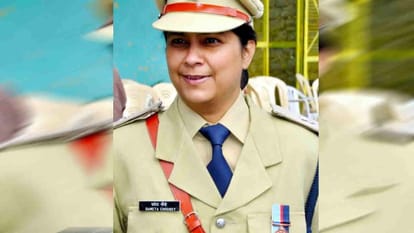
श्वेता चौबे
– फोटो: सोशल मीडिया


योगेन्द्र रावत को आईजी कुंभ और श्वेता चौबे को एसएसपी टिहरी बनाया गया। आयुष अग्रवाल को एसएसपी कुंभ बनाया गया. वहीं विशाखा अशोक भदाणे को आईआरबी द्वितीय का प्रभार दिया गया।


ट्रेंडिंग वीडियो

ये भी पढ़ें…हरिद्वार: एक तरफा प्यार की सनक में युवक ने भागते समय खुद को मारी गोली, की आत्महत्या

Source link