Breaking News
हल्द्वानी: बेटी के फैसले से टूट गया घर, तानों से तंग आकर माता-पिता ने शहर छोड़कर गांव जाने का फैसला किया – एक दर्जी के साथ हिंदू लड़की के भागने से आहत होकर उसके माता-पिता ने छोड़ा हल्द्वानी

हल्द्वानी के मुखानी क्षेत्र में एक 19 वर्षीय युवती के टेलर के साथ जाने पर थाने में परिजनों के साथ बदसलूकी की घटना सामने आई है। इस पूरी घटना से आहत होकर माता-पिता ने सामाजिक दबाव और जनमत के कारण शहर छोड़कर अपने गाँव जाने का फैसला किया।


एक दर्जी के साथ हिंदू लड़की के भाग जाने से आहत होकर उसके माता-पिता ने हल्द्वानी छोड़ दिया

पति-पत्नी की प्रतीकात्मक तस्वीर


विस्तार

हल्द्वानी के मुखानी की एक कॉलोनी की 19 वर्षीय हिंदू लड़की ने अपने माता-पिता के एक दर्जी के साथ भाग जाने के बाद शहर छोड़ दिया है। 26 फरवरी को लड़की स्कूल जाने के लिए घर से निकली और वापस नहीं लौटी. बाद में संगठनों के दबाव में पुलिस ने एफआईआर दर्ज कर दोनों को बरामद कर लिया. लड़की ने दर्जी के साथ रहने की जिद कर अपने माता-पिता से दुर्व्यवहार किया था। इससे दोनों आहत हो गये. करीब तीन साल पहले दर्जी ने अमरावती कॉलोनी में एक दुकान किराए पर ली थी। लड़की सिलाई सीखने के लिए दर्जी के पास जाने लगी। लड़की 26 फरवरी को इंटर कॉलेज जाने के बहाने घर से निकली थी और वापस नहीं लौटी। इस दौरान दर्जी की दुकान भी बंद थी.


ट्रेंडिंग वीडियो

परिजनों ने उस पर अपनी बेटी के अपहरण का आरोप लगाते हुए पुलिस को तहरीर दी। संगठनों के दबाव पर मुखानी पुलिस ने करीब एक महीने बाद 24 मार्च को इस मामले में एफआईआर दर्ज की. तीन दिन बाद पुलिस ने लड़की और दर्जी दोनों को ढूंढ लिया. आरटीओ चौकी पर लड़की ने अपनी मां को थप्पड़ मारा और पिता से भी अभद्रता की। इस घटना से माता-पिता बहुत शर्मिंदा हुए। सब्जी का ठेला लगाने वाले पिता ने कहा कि स्थानीय कानूनों के कारण हल्द्वानी में रहना मुश्किल हो गया है। समाज के ताने भी उसे परेशान कर रहे थे. इसलिए उन्होंने अपनी पत्नी के साथ हलद्वानी छोड़कर बरेली स्थित अपने गांव जाने का फैसला किया।


Source link

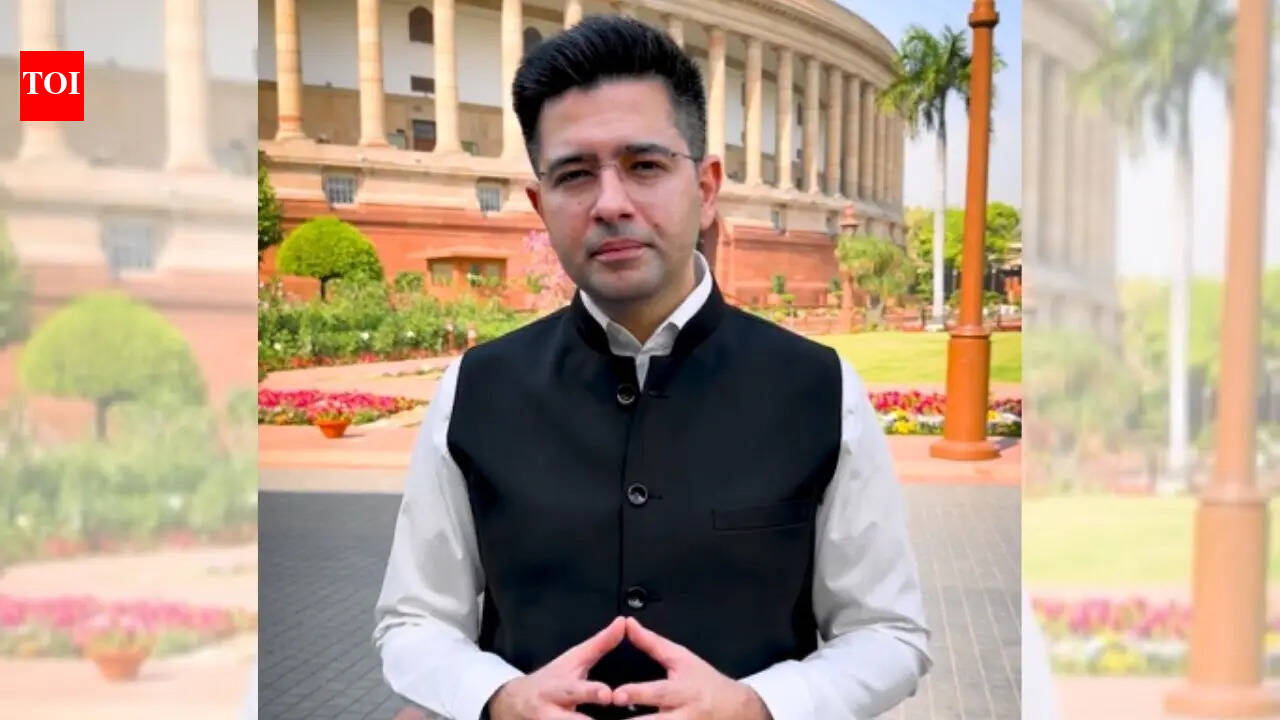
‘Have I done anything wrong?’: In first reaction after AAP’s visit to Rajya Sabha, Raghav Chadha said, ‘I am silent, not defeated’. delhi news

'Have I done anything wrong?': In first reaction after AAP's visit to Rajya Sabha, Raghav Chadha said, 'I am silent, not defeated'

New Delhi: In his first major reaction, the Aam Aadmi Party (AAP) MP Raghav Chaddha On Friday, he shared a video message addressed to the “common man”, a day after the party proposed removing him from the post of its deputy leader in the Rajya Sabha. “I am silent, not defeated,” Chadha said in a post on X. He further said, “I have become silent, not defeated” and “My message to the common man.” “Is it a crime to raise public issues? Have I committed any mistake? Have I done anything wrong? Whenever I speak, I only talk about the problems of common people. Why would anyone stop me from speaking and raising issues of public interest,” he said in the video.He appealed to the general public to “stand with me as you always have.” However, in an indirect warning he said, “Don’t mistake my silence for surrender. I am a calm river now, but I know how to rise in flood.” The video message comes hours after Chadha posted a montage on social media on Thursday highlighting the issues he raised as the party’s deputy leader in the House.The montage cites concerns such as the tax burden on the middle class, the problem of data expiration, paternity leave as a right in India and excess baggage charges at airports. Earlier on Thursday, the Aam Aadmi Party wrote to the Rajya Sabha Secretariat demanding Chadha’s removal from the post and proposed Punjab MP Ashok Mittal as his replacement. According to sources, the letter said that Chadha, Rajya Sabha MP from Punjab, should not be allotted time to speak in the House from the party’s quota.

Source link

यूपी में लगातार आईएएस-पीसीएस अफसरों के इस्तीफे: बढ़ रहा असंतोष या सिस्टम पर बढ़ रहा दबाव?

उत्तर प्रदेश की राजधानी लखनऊ में इन दिनों प्रशासनिक सेवाओं को लेकर नई बहस छिड़ गई है. लगातार आईएएस और पीसीएस अफसरों के इस्तीफों ने सिस्टम पर बड़े सवाल खड़े कर दिए हैं. हाल ही में आईएएस अधिकारी रिंकू सिंह के इस्तीफे के बाद यह मामला और अधिक चर्चा में आ गया है. इससे पहले पीसीएस अधिकारी अलंकार अग्निहोत्री ने भी अपना पद छोड़ा था. इन घटनाओं ने प्रशासनिक सेवा में बढ़ते असंतोष की ओर इशारा किया है.

बढ़ते इस्तीफे और असंतोष का कारण
लगातार हो रहे इस्तीफों से यह सवाल खड़ा हो गया है कि क्या प्रशासनिक सेवा का आकर्षण कम हो रहा है या अधिकारियों पर काम का दबाव बढ़ रहा है. कई अधिकारी स्वैच्छिक सेवानिवृत्ति (वीआरएस) ले रहे हैं, जिससे पता चलता है कि सिस्टम के भीतर कुछ चुनौतियां मौजूद हैं। अधिकारियों के बीच काम का बोझ, जिम्मेदारियां और निजी कारण भी इसकी वजह माने जा रहे हैं.

वीआरएस लेने वाले आईएएस अफसरों की लंबी फेहरिस्त
यूपी में वीआरएस लेने वाले आईएएस अफसरों की लिस्ट भी लंबी होती जा रही है। इसमें राजीव अग्रवाल, मोहम्मद मुस्तफा, आमोद कुमार, रेणुका कुमार, जुथिका पाटणकर, विकास गोठलवाल, विद्या भूषण, रिगजिन सैम्फेल, राकेश वर्मा, रवींद्र पाल सिंह, अभिषेक सिंह और अनामिका सिंह जैसे नाम शामिल हैं. यह सूची प्रशासनिक हलकों में चिंता का विषय बन गयी है.

सिस्टम और भविष्य पर उठाए सवाल
एक के बाद एक इस्तीफों ने इस बात पर बहस तेज कर दी है कि क्या प्रशासनिक सेवा में काम का माहौल बदल रहा है. कई विशेषज्ञों का मानना ​​है कि बढ़ते दबाव और जिम्मेदारियां अधिकारियों को यह कदम उठाने पर मजबूर कर रही हैं. वहीं कुछ लोग इसे निजी कारणों से भी जोड़ रहे हैं.

आगे क्या होगा?
लगातार हो रहे इस्तीफों के बीच अब देखना यह होगा कि सरकार इस मुद्दे पर क्या कार्रवाई करती है. अगर हालात ऐसे ही रहे तो इसका असर प्रशासनिक ढांचे पर पड़ सकता है.

(रिपोर्ट: संदीप शुक्ला, लखनऊ)

Source link

For the first time since 1972, humans left Earth’s orbit: Artemis II astronauts headed for the Moon; what comes next?

For the first time since 1972, humans left Earth's orbit: Artemis II astronauts headed for the Moon; what comes next?
Artemis II was launched on Thursday.

In a major leap forward for human space flight, NASA’s Artemis II mission successfully fired a critical engine late Thursday, sending its crew beyond Earth’s orbit toward the moon.Trans-lunar injection occurred about 25 hours after liftoff, preparing three American astronauts and one Canadian for lunar flight early next week. The Orion spacecraft departed Earth’s orbit exactly as planned, and began its nearly 400,000-kilometer journey into deep space.“This is the first time humans have left Earth’s orbit since Apollo 17 in 1972,” said NASA official Lori Glaze. He confirmed that the process was flawless.Canadian astronaut Jeremy Hansen described the crew as “glued to the windows”, mesmerized by the shrinking view of Earth and the vastness beyond. “This is an unprecedented scene,” he said, calling the mission a reflection of humanity’s shared ambition.After spending a day testing life-support systems in Earth orbit, the crew was cleared to proceed to the Moon. This mission is an important step in NASA’s long-term goal of establishing a sustained human presence on the lunar surface.Commander Reed Wiseman, pilot Victor Glover, mission specialist Christina Koch and Hansen will circle the moon before returning to Earth, without landing. During the mission, they are expected to travel farther from Earth than any human before, surpassing the record set during Apollo 13 in 1970, and may also set a new speed record during re-entry on April 10.The flight is already historic: Glover, Koch and Hansen are the first black astronauts, the first women and the first non-Americans to visit the Moon — marking a significant change from the all-male, all-white crews of the Apollo-era.Mission Control set the mood with a musical wake-up call before giving final approval for engine burn, and described the journey as “humanity’s lunar homecoming”. The spacecraft is now following a free-return trajectory, using the Earth and Moon’s gravity to complete its figure-eight path.The next milestone will come with Monday’s lunar flyby, when Orion will pass about 6,400 kilometers beyond the moon, offering a rare view of its far side. Astronauts can also hope to see a total solar eclipse from space.Despite the milestones, the mission has not been without minor setbacks. A malfunction in the spacecraft’s toilet system required an immediate fix, while cold cabin temperatures forced the crew to sit in bed. Engineers also addressed the water dispenser issue by instructing the astronauts to fill backup storage bags with drinking water.NASA hopes Artemis II will pave the way for future lunar landings, including a planned crewed mission to the Moon later this decade – marking the beginning of a new era of human exploration beyond Earth.

Source link

Will Brand Pinarayi survive the election cycle in Kerala? | india news

Will Brand Pinarayi survive the election cycle in Kerala?
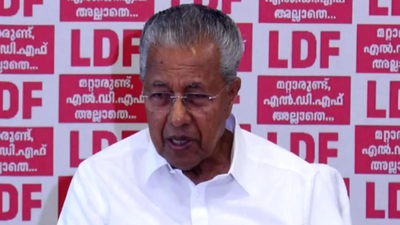
Kerala CM Pinarayi Vijayan

Growing voter restlessness, fiscal stress and rift in the CPM will test whether their governance model is good enough to challenge the state’s alternative pattern.The road to the 2026 Kerala Assembly elections is shaping up to be a defining political moment not only for the ruling Left Democratic Front (LDF) but, more importantly, for the Chief Minister. Pinarayi Vijayan. There is more at stake than electoral victory; It is a referendum on whether the “Pinarai brand” of governance can withstand the anti-incumbency wave and deliver an unprecedented third consecutive term in a state historically known for political change.Kerala’s electoral history has long been marked by cyclical altercations between the LDF and the United Democratic Front (UDF). The LDF’s return to office in 2021 broke this pattern, raising expectations and intensifying scrutiny. As the 2026 elections approach, the central question is whether that disruption was an exception born of extraordinary circumstances or the beginning of a new political trajectory.

Anti-incumbency wave: undercurrent or wave?

The debate around anti-incumbency remains complex and, as many observers say, inherently difficult to quantify. Political commentator Roy Mathew describes it as an “undercurrent”, which may not always be visible but appears decisively during elections. Nevertheless, current indicators suggest that the anti-incumbency wave is no longer mere speculation and has begun to take more pronounced form, he says.The LDF’s failures in the 2024 Lok Sabha elections and 2025 local body elections should serve as an early warning signal. While they are not definitive predictors, they point to growing restlessness among voters, driven less by ideological shifts than by governance concerns such as the economic crisis, delays in welfare delivery and administrative fatigue, he added.

Leadership vs Government: A Dual Challenge

What is different in the current political climate is the apparent shift from a general anti-incumbency sentiment against the government to more personal criticism of Vijayan himself. Increasing incidents of dissent within the CPM, including rebel candidates and internal dissent, point to friction within the party ranks.Critics argue that the perception of centralized decision making, an assertive leadership style, and accusations of political arrogance have contributed to this sentiment. This raises a serious question: is the anti-incumbency wave in 2026 primarily focused on leadership, or does it extend more broadly to government performance?

financial stress, welfare pressure

Kerala’s fiscal stress has emerged as a major factor when it comes to voter sentiments. Welfare politics have traditionally been the cornerstone of the LDF’s legitimacy, and disruptions, particularly delays in pension distribution, directly hit its core support base. Moreover, agrarian distress and unemployment have begun to undermine the perception of administrative efficiency.Political analyst and election expert Dr J Prabhash says the LDF is now burdened with a decade in office, adding that the lack of a strong anti-incumbency wave in 2021 was largely due to the extraordinary context of the pandemic. In contrast, the current environment reflects broader and more pronounced discontent among social groups.

perception gap

Repeated allegations of corruption and governance-related controversies have further fueled the narrative of disconnect between the ruling establishment and public sentiments. While no single issue may decisively influence voters, their cumulative effect has reinforced the perception of stress and fatigue within the system, Prabhash says.

counter story

Despite these challenges, Vijayan has continued to display confidence, and has sought to redefine the political discourse around governance and development. His administration highlights achievements in infrastructure, public health and education as evidence of performance-based legitimacy.Another political commentator, Jacob George, argues that the ‘Pinarai brand’ remains intact. He cites projects like the completion of the GAIL pipeline and the progress of the Vizhinjam port as examples of strong leadership. This narrative attempts to strengthen voter confidence by emphasizing continuity and administrative capacity.

a high stakes battle

The 2026 Kerala Assembly elections are unlikely to be decided directly on anti-incumbency wave alone. Instead, it is evolving into a more nuanced contest in which leadership perceptions, governance outcomes, internal party cohesion and opposition mobilization will all play decisive roles.The challenge for the LDF and Vijayan is to maintain credibility amid economic pressure and political discontent. For the opposition, the task is to transform emerging discontent into a cohesive electoral alternative.Ultimately, whether the election turns out to be a confirmation of the ‘Pinarai Model’ or a confirmation of Kerala’s traditional anti-incumbency cycle, will define not only the immediate political future, but also the evolving nature of leadership and voter behavior in the state.

Source link

Kerala Assembly elections: Telangana CM Revanth Reddy unveils UDF manifesto, calls it beginning of ‘golden era’ india news

Kerala Assembly elections: Telangana CM Revanth Reddy unveils UDF manifesto, calls it beginning of 'golden era'
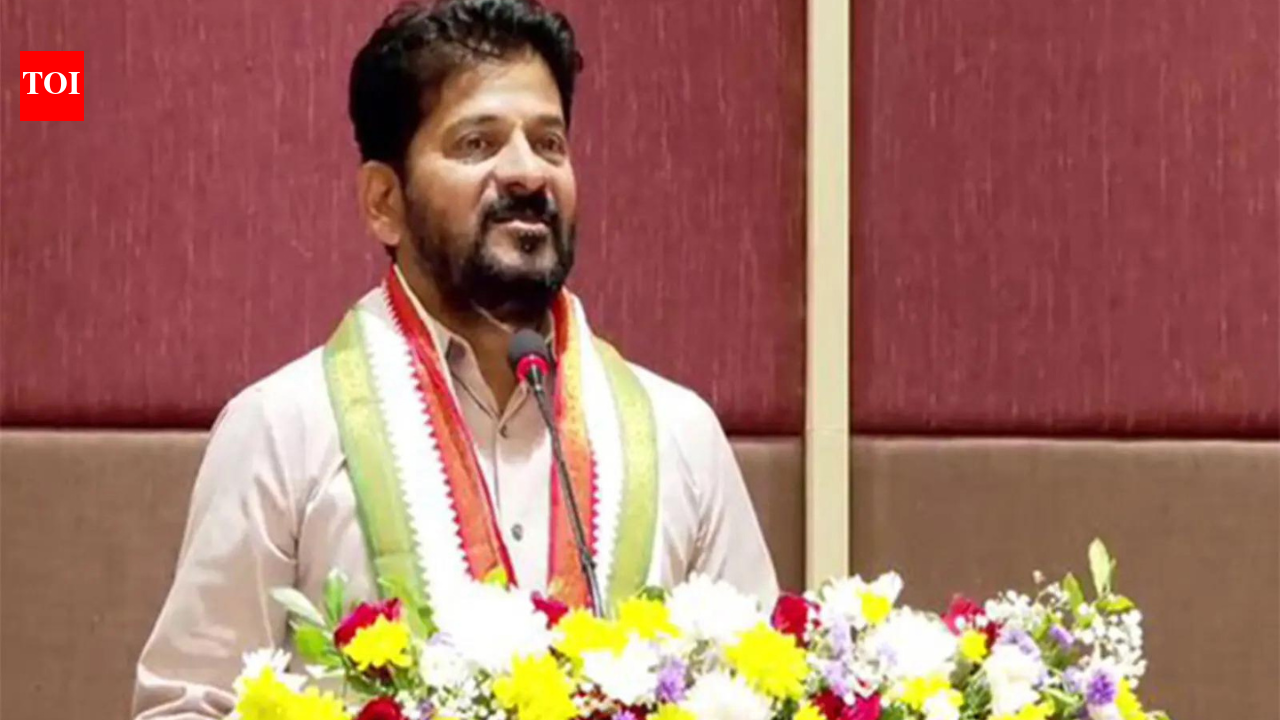
Revanth Reddy (ANI image)

New Delhi: Telangana Chief Minister Revanth Reddy on Thursday released the manifesto of the United Democratic Front (UDF) ahead of the Kerala Assembly elections.He also launched a scathing attack on the Pinarayi Vijayan-led government and declared that the ‘dark age’ was ending and the ‘golden age’ was beginning in the state.The remarks were made during the release of the manifesto of the Congress-led UDF for the upcoming elections in Kochi. Addressing party workers and supporters, Reddy expressed confidence that voters are ready for political change and will vote for the current Left government.He said that the upcoming elections will prove to be a turning point for Kerala, as public sentiments are increasing against the ruling government. According to a statement from the Chief Minister’s Office, Reddy stressed that the people of the state wanted change and would support the UDF.In a sharp political attack, Reddy also hit out at both the Center and the Kerala government and said that India and Kerala are currently ruled by the “Modi Brothers”.He further made an indirect reference to the Sabarimala gold controversy by alleging that even religious property is not safe under the current administration. Describing Kerala as “God’s own country”, he remarked that even “God’s own property” is not safe.Highlighting the UDF’s election promises, the manifesto outlines “Indira’s five guarantees”, including free bus travel for women in KSRTC buses, monthly financial assistance of Rs 1,000 for women college students, increase in welfare pension by Rs 3,000 per month, health insurance coverage of Rs 25 lakh per family in the name of former chief minister Oommen Chandy and interest-free loans of up to Rs 5 lakh for self-employed youth. Is included.Additionally, the manifesto proposes the establishment of a tribal university in Wayanad as well as five “dream projects” focusing on the maritime and aviation sectors.Voting for the 2026 Kerala Assembly elections is scheduled to take place on April 9, while counting of votes will take place on May 4. The tenure of the current assembly is going to end on May 23.

Source link

IPL 2026: Wake up KKR! Make tough decisions before the season ends

It’s a strange thing if you are a Kolkata Knight Riders fan, especially after the loss to Sunrisers Hyderabad. In 2012, KKR started their season with two big defeats. That campaign started with an eight-wicket loss to Delhi, followed by a 22-run defeat to Rajasthan Royals. At that time, KKR had a strong batting line-up on paper with Brendon McCullum, Jacques Kallis, Brett Lee and the emerging Sunil Narine.

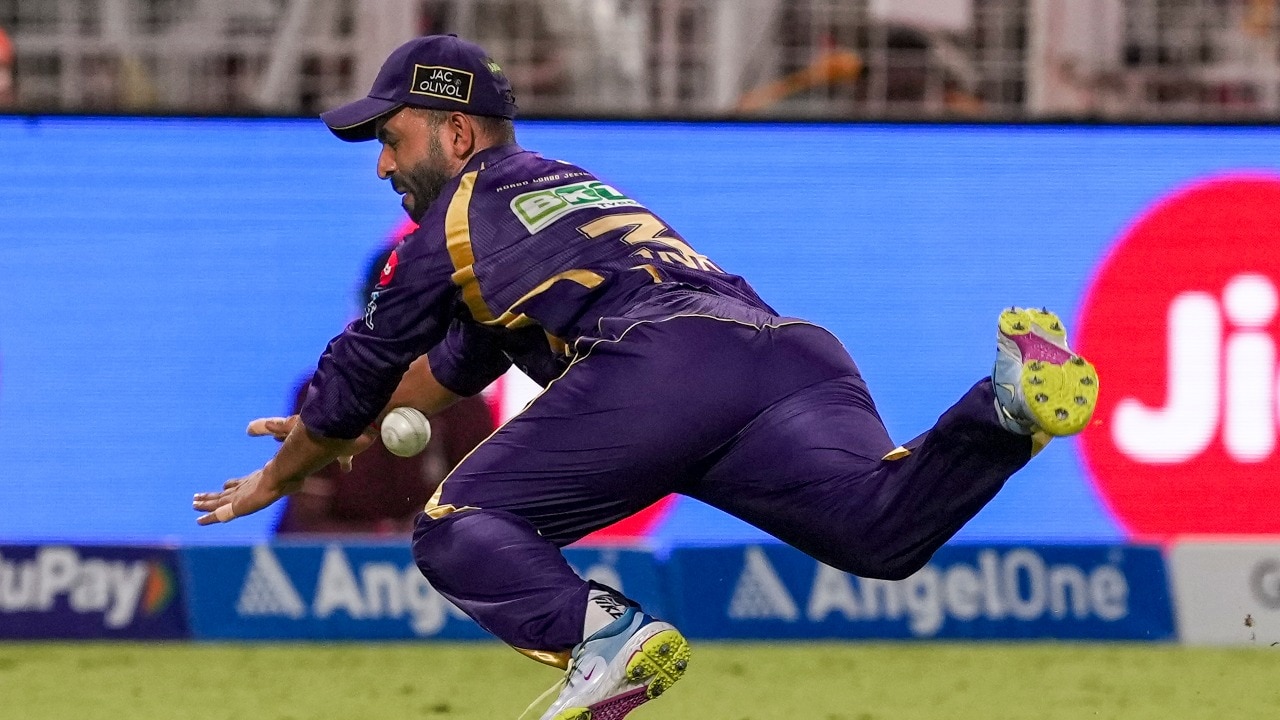
kkr vs srh, IPL 2026: highlighted | Achievement:

Add to this the all-round presence of Shakib Al Hasan and Yusuf Pathan, and you had a team that was just focused on cricket and not passion. But two defeats meant they needed to act fast and they did just that. In the following games, he took the bold decision of dropping McCullum, one of the finest players in T20 cricket, and included Manvinder Bisla. This was an era in which there was no influence and no option to bring one back once dropped.

The rest, as they say, is history. KKR performed sensationally, winning six of their next seven matches during the middle stage, and then defeated CSK to win the IPL title. Now, the season is only two games old, but the Kolkata team finds itself at a crossroads.

While Angkrish Raghuvanshi and Finn Allen have impressed, the bowling has looked weak, and Cameron Green being just one batsman has disrupted their combination. The results have seen them losing momentum after an initial surge, Defeats to MI and SRH have exposed their flaws. Ajinkya Rahane gave a hint Changes after defeat on April 2But it seems like they’ll need to make some big calls.

An extra batsman but who?

With Cameron Green not bowling for KKR, Sunil Gavaskar said that they need to bring an extra batsman into the mix. While Green has been bought for a big sum, if he is not bowling, KKR needs someone who can strengthen the lower order.

“I think somewhere down the line he has to think in terms of the fact that if Cameron Green is not bowling for you, you have to pick another batsman there, because yes, I think we know he has scored 100s in the IPL. We know he can bat well, but his form was not good when he came there.”

“The last game he played in Australia, he scored 100 in a Shield game in a red-ball game, but that’s where they have to look at their Nos. 6 and 7. Yes, Cameron Green is at 4, but I think 5 and 6 are also an issue where I think they are struggling. Rinku is there, but apart from that, who do they have?” Gavaskar told the broadcasters.

After Rinku, KKR is really missing the presence of Andre Russell. While the responsibility has been put on Ramandeep Singh and Anukul Roy, there is a need for a power-hitting option. The obvious choice is Rovman Powell, who enjoyed sensational performances in the T20s, scoring 269 runs in 11 matches. But that would mean sacrificing one of their bowling options – Sunil Narine or Blessing Muzarabani – which would create another big issue.

Another option could be to bring in Tim Seifert, who shares a strong bond with Finn Allen from their time with New Zealand, and slot him into the top order. But once again the question remains, who paves the way?

An exciting and possibly risky option comes in the form of Delhi Premier League import Tejashwi Singh. During the 2025 season of the DPL, he scored 339 runs in just 10 innings, striking over 190 and finishing as the second-highest six-scorer of the tournament with 29 maximum sixes. His standout moment came in a rain-interrupted chase of the target, where he scored 69 runs in just 21 balls, including a record-breaking half-century in 12 balls – the fastest in DPL history. Now, if KKR can bring him in as a replacement for Anukul or Ramandeep, things could get better at the No. 6 and 7 spots.

Narayan back opening?

Narine provided some spice in the game against SRH, hitting a few sixes off his first two balls. He’s had openings in past seasons – one successful stint in 2024 and another that didn’t quite work out. If KKR continues on that path, it gives them an all-out attacking opening pair in Allen and Narine, who will certainly take precautions. But the point is that it will push Rahane to No. 3 and Raghuvanshi to No. 4.

This is a phase that KKR needs to manage carefully, as both players have a tendency to slow things down in the middle and put pressure on the rest. So for KKR, their next encounter will be against their former captain Shreyas Iyer and Punjab Kings on April 6 at home. Until then, they need to find a solution. A third loss in as many games could end their season early. Some bold calls need to be made by the men in purple and gold.

ipl 2026 | ipl schedule | ipl points table | ipl video | cricket news | live score

– ends

Published on:

April 3, 2026 09:00 IST

Source link

ऋषिकेश: परीक्षा परिणाम में गलतियों को लेकर छात्र हुए हिंसक, कॉलेज गेट पर लगाया ताला, पुलिस उन्हें थाने ले गई – Venkatesh News परीक्षा परिणाम को लेकर छात्र हुए हिंसक, कॉलेज गेट पर लगाया ताला, पुलिस ने हिरासत में लिया

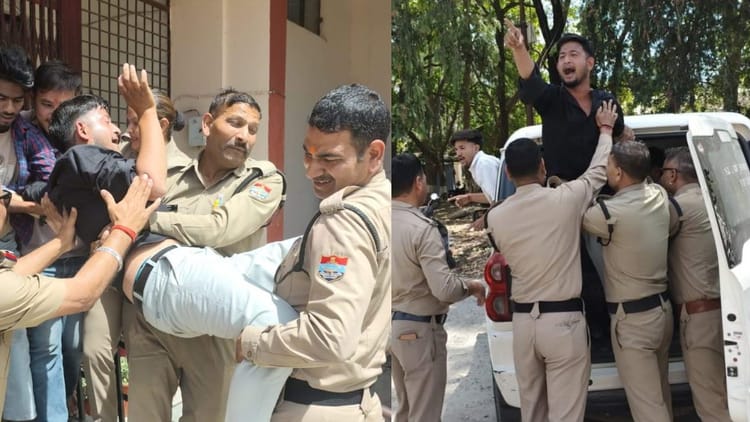
श्रीदेव सुमन उत्तराखंड विश्वविद्यालय की गलतियों और परीक्षा परिणाम में देरी से नाराज छात्र संघ पदाधिकारियों, एनएसयूआई कार्यकर्ताओं और छात्रों ने पीएलएमएस परिसर के प्रशासनिक भवन के मुख्य गेट पर करीब पांच घंटे तक ताला लगाकर जमकर विरोध प्रदर्शन किया। हालात पर काबू पाने के लिए पुलिस को काफी मशक्कत करनी पड़ी. पुलिस ने किसी तरह आंदोलनकारियों को परिसर से बाहर निकाला. कुछ छात्रों को गाड़ियों में बैठाकर थाने ले जाया गया.

गुरुवार की सुबह करीब नौ बजे छात्र संघ पदाधिकारी, एनएसयूआई कार्यकर्ता और बड़ी संख्या में छात्र पीएलएमएस परिसर के प्रशासनिक भवन के मुख्य द्वार पर एकत्र हुए. एनएसयूआई महानगर अध्यक्ष हिमांशु जाटव के नेतृत्व में छात्रों ने मुख्य गेट पर ताला लगाकर प्रदर्शन शुरू कर दिया।

हिमांशु जाटव ने कहा कि विश्वविद्यालय की परीक्षा व्यवस्थाएं पटरी से उतर गई हैं। कई छात्रों को परीक्षा में अनुपस्थित दिखाया गया है. जबकि छात्र परीक्षा दे चुके हैं। कई छात्रों की उत्तर पुस्तिकाएं ठीक से जांची नहीं गई हैं. शिकायत के बाद भी विश्वविद्यालय प्रशासन कमियों को गंभीरता से नहीं ले रहा है।

छात्र संघ सचिव अभिषेक कुमार त्रिसुलिया ने कहा कि परीक्षा परिणाम भी समय पर घोषित नहीं किया जा रहा है. अभी तक कई सेमेस्टर के नतीजे घोषित नहीं किए गए हैं. समय पर परीक्षा परिणाम घोषित नहीं होने से छात्र प्रतियोगी परीक्षाओं में आवेदन करने से वंचित हो रहे हैं।

उत्तराखंड: शैलेश मटियानी राज्य शैक्षिक पुरस्कार 2025; प्रदेश के 19 शिक्षकों का हुआ चयन, यहां देखें पूरी लिस्ट

छात्रसंघ उपाध्यक्ष आयुष तड़ियाल और छात्र नेता मानव रावत ने कहा कि जब तक त्रुटियां सुधारी नहीं जाएंगी और जिम्मेदार अधिकारियों के खिलाफ कार्रवाई नहीं होगी तब तक आंदोलन जारी रहेगा। प्रदर्शन के दौरान मानसी सती, राहन बंदोलिया, आर्यन भारती, गौरव जोशी, सुहानी, सृष्टि, शिवानी, इशांत, दीपक साहनी, अतुल आदि मौजूद रहे।

Source link

Oil prices continue to rise: Crude oil rises as Trump’s hopes of ending the Iran war soon are dashed; Brent tops $111

Oil prices continue to rise: Crude oil rises as Trump's hopes of ending the Iran war soon are dashed; Brent tops $111

Oil prices rose sharply on Thursday (local time) as tensions escalated in the Middle East, with the US launching more attacks on Iran, raising concerns over energy supply flows through the Strait of Hormuz. Global benchmark Brent crude rose 7.8% to $109.03 a barrel after breaking above $111 a barrel. At the same time, WTI crude oil futures for near-term delivery next month recorded their largest-ever premium over second-month contracts, rising 11.41% to $111.54. Earlier in the session, US crude had crossed $ 113 per barrel. Meanwhile, the spot price of Brent crude for immediate physical delivery rose even further to $141.36, the highest level since the 2008 financial crisis, according to S&P Global data cited by CNBC. Spot prices reflect demand for cargo scheduled for delivery within the next 10 to 30 days.The latest surge builds on an earlier rally in oil markets, which saw prices move sharply during the previous session. Prices had initially fallen as traders reacted to uncertainty ahead of Donald Trump’s national address, but recovered after his comments did nothing to ease concerns over the Strait of Hormuz. Earlier in the day, Brent crude fell $1.16 to $100 a barrel, while US West Texas Intermediate fell $1.41 to $98.71. Sentiment later changed, with Brent rising more than 4% to $106 and WTI rising 3% to $103 after the speech.It comes as Iran continues to block the Strait of Hormuz, disrupting shipping flows through the strategically important route that normally handles about a fifth of global oil trade during peacetime.The ongoing US-Israeli war over Iran, now nearing the end of its fifth week, has removed millions of barrels per day from global supply, sending energy prices to their highest levels in several years and creating fuel shortages in countries dependent on oil and gas shipments through the now-blocked Strait of Hormuz.About 20% of global oil flows through strategic chokepoints. In a Wednesday evening address, Trump vowed to hit Iran “very hard” in the coming weeks, but did not outline a plan to reopen the strait, instead suggesting that other countries should take responsibility for restoring shipping access.

Source link

37 year old student politics, banned on Karnataka campus. india news

37 years of student politics banned in Karnataka campus!

On a weekday afternoon at a government college in central Karnataka, the student notice board is filled with circulars on examinations, scholarships and cultural programmes. What is missing, however, are the printed campaign posters and hand-written appeals to vote or calls for debate that once defined campus life in the state. It has now been almost four decades since the college corridors in Karnataka have gone silent, and stopped resonating with the passionate chants of protests or rallies on various issues from the student community. Student union elections are banned in Karnataka’s colleges and universities, which some would argue has left the campuses politically weaker than in previous decades.Restrictions and ‘talent crisis’That long silence is now about to end – after almost 37 years, the Congress government in Karnataka has announced its plans to restart student union elections in the state’s colleges and universities, reopening the chapter that was abruptly closed in 1989. Faced with concerns over violence, politicization and academic disruption, it was the Congress government led by Chief Minister Virendra Patil that ended campus politics. When CM Patil announced the ban, it was a temporary measure, but it continued. Soon, nominated or advisory student councils replaced ‘politically’ elected unions. Although students can still raise issues related to fees, hostels and examination delays, formal representation has weakened over time.But the ban and its aftermath have kept alive the debate on democracy, discipline and the role of educational institutions in shaping future political leadership. He has also focused on the political calculations surrounding the state’s once vibrant student movements, their decline and possible resurgence.The current Congress government’s announcement of reviving campus politics, which came as a surprise to many, was made at the behest of Rahul Gandhi, the leader of the opposition in the Lok Sabha. Deputy CM DK Shivakumar says, “We need to find young political talent. This is possible through campus elections.An EVM for campus electionsFor many in Karnataka, the government’s efforts to revive campus politics have revived memories of a time when campuses were vibrant spaces of democratic practice. In 1982, students of MES College in Bengaluru stood in queue to vote in a student union election, which later became incorporated into the state’s electoral process – electronic voting machines, then a novelty, were tested in the college elections on a pilot basis. A year later, EVMs were introduced in assembly elections.At that time, universities were more than just a place for lectures and examinations. Institutions such as the University of Mysore, Karnataka University at Dharwad and Bangalore University were known for intense debates on land reforms, linguistic identity, social justice and reservation policies. The students’ union functioned as a representative body elected through regular elections, negotiating with the administration on hostels, scholarships, transport facilities and examination reforms.“Campus elections were our first lesson in democracy,” says Salim Ahmed, a former student leader who later entered mainstream politics as MLC and government chief whip in the Legislative Council. “We learned how to campaign without money, how to talk to people and how to accept defeat.”1970s and 1980sStudent politics in Karnataka during the 1960s and 1970s often reflected broader social movements. While political parties maintained informal ties with student groups, independent groups focused on academic and welfare issues were also seen on campuses. For students from marginalized communities, unions provided an institutional platform to express concerns that might otherwise go unheard.However, in the late 1970s and early 1980s, the nature of campus politics began to change. Student organizations affiliated with mainstream political parties grew stronger and elections increasingly reflected state-level rivalries. Allegations of money power, outside interference and involvement of non-students became common. Ideological and caste-based divisions intensified, sometimes turning into violence.rising through the ranksFor some of the biggest names in contemporary politics, the campuses were launchpads. Long before DK Shivakumar became Deputy CM and Karnataka Pradesh Congress Committee President, his political education began not in party offices or election war rooms, but in college corridors. At Sri Jagadguru Renukacharya College in the early 1980s, Shivakumar emerged as a visible student leader affiliated with the National Students Union of India (NSUI), at a time when campuses were active arenas of debate, mobilization and electoral competition. He has repeatedly said that that experience gave him his first lessons in leadership, organization, and public engagement.A few kilometers away, and a decade earlier, BK Hariprasad, now a former AICC general secretary and MLC, began his political journey as a student activist at MES College, Bengaluru in 1972. Rising through the ranks of student and youth organisations, Hariprasad served as vice-president of the All India Youth Congress, AICC general president and a four-time Rajya Sabha member. His work among the backward classes and grassroots networks earned him recognition from senior Congress leaders including Indira Gandhi and Sanjay Gandhi.Transport Minister Ramalinga Reddy, an eight-time MLA, also emerged from student activism as secretary of the student union at the Government Science College, Bengaluru. He was also a member of the student council at Bangalore University. In 1977, he became president of the students’ union at the university.His trajectory – from student politics to the highest levels of party and government – ​​is now at the center of a renewed policy debate in Karnataka. Shivakumar says, “I myself have come through campus politics. Being a student leader helped me in my political career.” “Student elections are necessary to hone young political talent.”Feasibility and other questionsTo examine the modalities, feasibility and implications of resuming campus elections, the government has constituted a high-level 11-member committee. Medical Education Minister Sharanprakash Patil has been appointed convenor. The panel includes Higher Education Minister Dr MC Sudhakar, MLAs Rizwan Arshad and B Shivanna, MLCs Salim Ahmed, Basanagouda Badarli and Puttanna, Karnataka Youth Congress president HS Manjunath and NSUI president Kirti Ganesh.The committee has been asked to submit its report within 15 days, Shivakumar said in a letter dated December 27. The question before it is whether student elections should be held under a political party banner or in a non-political format, and whether reservation should be extended to women, OBC, SC/ST and disabled students.Retired academic Bandu Upadhya, who served as college principal during some of the tumultuous years of campus politics, vividly remembers the atmosphere at that time. “Candidates were openly sponsored by political parties. There were sharp divisions among the students, frequent arguments and sometimes clashes. Anti-social elements also entered the campuses,” he says.Academic calendars were often disrupted, police presence during campus elections became routine, and administrators struggled to maintain order. In 1989, under the Congress government led by then CM Virendra Patil, student union elections were banned across Karnataka.Debate in favor and against the banWhat was initially described as a temporary measure became a strong policy. Elected student bodies were abolished and replaced by nominated or advisory councils. Over time, students’ participation in institutional governance became largely symbolic. Generations of students passed through colleges without voting for a class representative, let alone a union president.Supporters of the ban argue that it has brought stability. “After the ban, there were less disruptions and academic programs became predictable,” says a former university administrator.Critics say there was a price to be paid for the silence. Ravindra Reshme, political commentator and former president of the Federation of Karnataka University and College Teachers Association, says, “Banning student elections reflects the lack of confidence in our youth.” “This deprives students of practical democratic training.”Despite the ban, political engagement did not end on campuses. Students continued to organize protests over issues such as fee hike, delay in examinations, hostel facilities and reservation policies. Political parties maintain informal networks among students, especially during state and national elections. But these activities lacked the structure, accountability and continuity of elected unions.In some private and autonomous institutions, limited forms of student councils were allowed, largely confined to cultural activities and kept formally non-political.Student organizations are divided on this issue. “Campus elections are many students’ first exposure to democracy,” says Adarsh ​​M, an NSUI functionary at Bengaluru University. “Elections help identify leaders early and train them in accountability, debate and organisation.”AISF activist Srinath Rao says elected unions have provided a legitimate platform to students from marginalized backgrounds. “Without elections, representation becomes symbolic and nominations dominate,” he said.Campus Front member Mohammad Sajid argues that student elections are about participation beyond party politics. He says, “Even non-party students benefit when the administration is forced to listen to elected representatives.”ABVP expresses some objections. “The campuses exist primarily for academics,” explains Mahendra K, an ABVP functionary. “We have already seen that in the past, elections have often led to disruption, violence and outside interference. Reviving them without strict security measures will harm the academic interests of students.”SFI leader Bharat Krishna expressed concern about political influence. Calling for strict enforcement of expenditure limits and preventing outside interference, he warned, “There is a danger that campus elections will become an extension of ruling party politics.”Political observers say that the Congress government’s move is also inspired by organizational considerations. “Unlike the BJP, which has the RSS as its pipeline, the Congress lacks the institutional channels to build a grassroots leadership,” says political strategist Vishwas Shetty. “Campus elections offer one such avenue.”Political analyst MN Patil points to a brighter side of campus politics. “Student leaders learn to organize, strategize, and question authority. In their absence, democracy becomes transactional,” he says.Opposition parties have reacted cautiously. BJP leaders have warned against politicizing educational institutions. Senior BJP MLA and deputy opposition leader in the assembly Arvind Bellad said, “Colleges should focus on academics.” “If elections resume, there must be strict security measures.” Meanwhile, the JD(S) has adopted a more nuanced approach. When contacted, a party functionary said, “Student movements have shaped leaders in all parties, but campuses should not become battlegrounds.”


Source link