ग्रेटर नोएडा के दनकौर कोतवाली क्षेत्र से एक दर्दनाक हादसा सामने आया है, जहां कार चलाते समय मोबाइल फोन देखने की लापरवाही महंगी पड़ गई। डेरी गुजरान गांव के पास एक ईंट-भट्ठा मालिक की कार ने तीन साल की मासूम बच्ची को कुचल दिया, जिससे वह गंभीर रूप से घायल हो गई. इस हादसे में बच्ची के दोनों पैरों की हड्डियां टूट गईं. आसपास मौजूद लोगों ने उन्हें तुरंत अस्पताल पहुंचाया, जहां उनका इलाज चल रहा है. घटना के बाद पीड़ित परिवार ने पुलिस से न्याय की मांग की है और आरोपी भट्ठा मालिक के खिलाफ सख्त कार्रवाई की गुहार लगाई है.
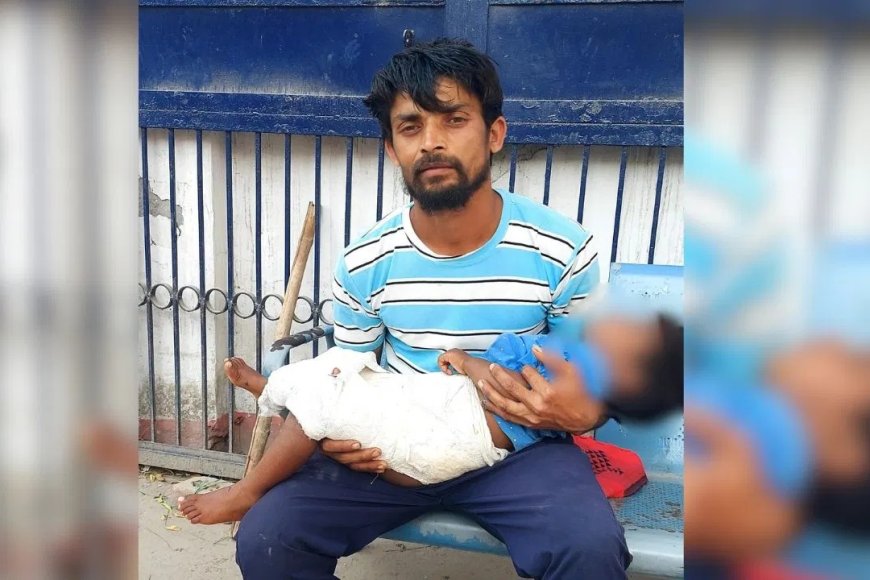
मासूम बच्ची ईंट भट्ठे के पास खेल रही थी जानकारी के अनुसार डेरी गुजरान गांव के पास स्थित एक ईंट भट्ठे पर मजदूरी करने वाले पंकज कुमार का परिवार पिछले कई वर्षों से वहीं रहकर मजदूरी करता है. पंकज कुमार मूल रूप से अलीगढ़ जिले का रहने वाला है और अपने परिवार के साथ एक भट्टे पर मजदूरी करके जीवन यापन कर रहा है। उनके परिवार में पत्नी, छह साल का बेटा और तीन साल की बेटी सारिका है। बताया जा रहा है कि घटना के वक्त सारिका ईंट भट्ठे के पास खेल रही थी. उसी समय उधर से गुजर रही भट्ठा मालिक की कार अचानक बच्ची के ऊपर से गुजर गई।
ड्राइवर मोबाइल देखने में व्यस्त था पीड़ित के पिता पंकज कुमार का आरोप है कि हादसे के वक्त भट्ठा मालिक गाड़ी चलाते समय मोबाइल फोन देखने में व्यस्त था. इस वजह से उसने सड़क पर ध्यान नहीं दिया और कार सीधे लड़की के ऊपर से गुजर गई. हादसा होते ही मौके पर अफरा-तफरी मच गई। आसपास मौजूद लोगों ने तुरंत बच्ची को उठाया और अस्पताल ले गए, जहां डॉक्टरों ने उसका इलाज शुरू किया.
दोनों पैरों की हड्डियां टूटी, अस्पताल में इलाज जारी परिजनों के मुताबिक इस हादसे में मासूम सारिका के दोनों पैरों की हड्डियां टूट गईं. इसके अलावा उनके शरीर के अन्य हिस्सों पर भी गंभीर चोटें आईं। फिलहाल बच्ची का इलाज ग्रेटर नोएडा के एक निजी अस्पताल में चल रहा है. डॉक्टरों की टीम लगातार उनकी हालत पर नजर बनाए हुए है. परिवार की आर्थिक स्थिति कमजोर होने के कारण इलाज का खर्च वहन करना उनके लिए बड़ी चुनौती बन गया है।
परिजनों ने कड़ी कार्रवाई की मांग की पीड़िता के पिता पंकज कुमार का आरोप है कि ईंट-भट्ठा मालिक ने बच्ची के इलाज में कोई खास मदद नहीं की. उनका कहना है कि यह हादसा पूरी तरह से भट्ठा मालिक की लापरवाही के कारण हुआ है. इसलिए उसके खिलाफ सख्त कानूनी कार्रवाई की जानी चाहिए. पंकज कुमार ने पुलिस से न्याय की मांग करते हुए आरोपियों के खिलाफ सख्त कार्रवाई की गुहार लगाई है.
पुलिस मामले की जांच कर रही है दनकौर थाना प्रभारी मुनेंद्र सिंह ने बताया कि अभी तक पीड़िता के पिता की ओर से कोई लिखित शिकायत नहीं दी गई है, हालांकि परिजन थाने आए थे। पुलिस का कहना है कि पीड़ित परिवार को न्याय और आर्थिक मदद दिलाने के लिए हर संभव प्रयास किए जा रहे हैं. उन्होंने कहा कि इस मामले की गंभीरता से जांच की जा रही है और पता लगाया जा रहा है कि हादसे के लिए किसकी लापरवाही जिम्मेदार है. ईंट-भट्ठा मालिक को थाने बुलाया गया है और उससे बात कर पीड़ित परिवार को आर्थिक सहायता दिलाने का प्रयास किया जाएगा।
During the month, PV sales reached 4,17,705 units, showing a growth of 10.6 per cent compared to February 2025, where it stood at 3,77,689 units.
society of Indian automobile manufacturers (Siam) on Friday reported a historic performance for the month of February 2026, with the industry achieving its “highest ever” sales for the month led by two-wheelers (2W), passenger vehicles (PV) and three-wheelers (3W).
As per the latest data released, the domestic automotive market witnessed double digit growth across all major segments compared to last year. The 2W segment led the way with a massive growth of 35.2 per cent, with a total of 18,71,406 units sold as against 13,84,605 units in the same period last year.
Within this category, scooters witnessed a notable growth of 42.3 per cent with 7,29,774 units, while motorcycles witnessed a growth of 30.8 per cent with 10,96,537 units.
During the month, PV sales reached 4,17,705 units, showing a growth of 10.6 per cent compared to February 2025, where it stood at 3,77,689 units. While on the 3W front, it saw a strong growth of 29.0 percent, with sales at 74,573 units compared to 57,788 units in the same period in 2025. Passenger carriers within this segment grew by more than 30 percent with 60,013 units.
PV data excludes some luxury brands (BMW, Mercedes, JLR, Volvo) for which data was not available. Siam.
industry outlook
SIAM Director General Rajesh Menon attributed the performance to “positive sentiments” within the industry. However, he cautioned that although festive drivers are expected to benefit in March, the horizon is not entirely clear. The industry is currently monitoring the conflict in West Asia, which poses a potential threat to global supply chains.
SIAM warned that these geopolitical developments could ultimately impact both manufacturing processes and export capabilities. Highlighting the delicate balance between strong domestic demand and external risks, Menon said the industry will keep a close eye on emerging geopolitical developments.
Published on March 13, 2026 at 12:10 pm IST
Join a community of 2M+ industry professionals.
Subscribe to the newsletter to get the latest information and analysis delivered to your inbox.
Everything about the ETAuto industry straight to your smartphone!
A sacred drum that once served as a powerful communication tool for communities in Ivory Coast has returned home, more than a century after it was confiscated during French colonial rule. This massive wooden instrument, known as the Jidji Ayokwe, was taken by French authorities in 1916 and later taken to France, where it remained in museum collections for decades. Its recent return is an important moment for cultural restitution and historical justice. For the Abri people, the drum is more than an artefact. It represents a living symbol of identity, tradition and authority, once capable of sending messages across entire communities through sound alone.
Return of the sacred talking drum
Djidji Ayokwe was officially returned to Ivory Coast after the French Parliament approved a special law allowing the removal of artifacts from France’s national collections. The sacred drum was displayed in Paris for decades, first in the former Trocadero Museum and later in the Musée du quai Branly.It arrived in Abidjan aboard a specially chartered plane and was welcomed by traditional dancers, local chiefs and cultural officials at Félix Houphouët-Boigny International Airport. The drum was placed inside a large wooden box marked “fragile” as part of careful efforts to protect the historic object during transportation.Ivory Coast’s Culture Minister François Remarque described the moment as extremely emotional and historically significant.“It’s a historic day with a lot of emotions,” he said. “We are living through a moment of justice and remembrance that ultimately marks the return of Jidji Ayokwe to his native land.”
A traditional dancer welcomes the return of Djidji Ayokwe in Abidjan.
What is Jidji Ayokwe Talking Drum?
The Jidji Ayokwe, sometimes translated as “Panther Lion”, is a giant wooden speaking drum measuring over three meters in length and weighing approximately 430 kilograms. It is made from Iroko wood, a durable hardwood that is widely used in West African craftsmanship.Unlike the smaller talking drums used by musicians, this instrument was designed for long distance communication. Its powerful sound could travel across large areas of land, allowing messages to reach many villages.This drum belonged to the Abri people, an ethnic group historically based around the area that is now Abidjan, Ivory Coast’s largest city. The drum was considered sacred within Abri society and was closely associated with leadership and community authority.
Why is it called talking drum?
The name “talking drum” comes from the way the instrument can mimic the rhythm and intonation patterns of human speech.Many West African languages are tonal, meaning that the pitch and rhythm of words can change their meaning. Skilled drummers learned how to reproduce these tonal patterns through carefully controlled beats. By adjusting rhythm, speed, and pitch, they can transmit recognizable phrases and signals.For communities living in forests and lagoons, the drum served as an early communication system.Through specific rhythmic patterns it can announce gatherings, broadcast important messages, warn of danger or summon people for gatherings and emergencies. Villagers familiar with the pattern could understand what the drum was saying even from a distance.
Ceremony marking the return of the Jidji Ayokwe Talking Drum.
a drum that had authority
Beyond its practical use, the Jidji Ayokwe also has a deep symbolic meaning. It represented authority within the community and was closely associated with traditional leadership.Drums were generally used by designated drummers who were tasked with communicating important messages on behalf of chiefs and elders. Because of its sacred status, the instrument was not treated as an ordinary musical instrument but as a cultural object associated with identity and rule.Its presence in a village indicates unity and organization within the Abri community.
How were drums taken up during colonial rule?
The removal of the drums dates to 1916, during the period of French colonial administration in Ivory Coast. French authorities reportedly confiscated the device because they feared its ability to organize communities and spread messages rapidly.After being confiscated, the drum was eventually taken to France in 1929. There it became part of museum collections documenting African cultures during the colonial era.For decades Jidji Ayokwe remained away from the community that built it.
Part of a broader movement to return cultural artefacts
The return of the talking drums is part of a broader international debate about the restitution of cultural objects taken during colonial rule.In recent years France has begun returning many important artefacts to African countries. The process accelerated in 2017 after French President Emmanuel Macron announced that African heritage should be able to return to the continent.Ivory Coast has requested the return of more than a hundred cultural objects currently held in European museums. Jidji Ayokwe is the first of these artefacts to be repatriated.Similar returns have already happened elsewhere. France had previously returned royal treasures and a Senegalese leader’s historic saber from Abomey to Benin.
A new home for the sacred drum
Following its return, the Djidji Ayokwe will be displayed at the Museum of Civilization in Abidjan.According to museum director Francis Tagro, the instrument will remain in a central location in the institution’s galleries so that visitors can learn about its cultural significance.“We are extremely happy and proud to receive this sacred drum,” Tagro said. “It means a lot to us, and it will enhance the younger generation’s sense of culture.”For many Ivorians, the drum’s return represents much more than the recovery of a historical artifact. It restores a symbol of collective memory and reconnects a community with a piece of its cultural heritage that was absent for more than a century.
New Delhi: In a major departure from the existing law, the Transgender Persons (Protection of Rights) Amendment Bill 2026, introduced in the Lok Sabha on Friday, proposes to remove the clause that allows “self-perceived gender identity” to be the basis for approval of transgender certificate by a district magistrate.Explaining the objects and reasons of the bill introduced by Social Justice and Empowerment Minister Virendra Kumar, the existing vague definition of the term “transgender person” not only makes it impossible to identify the actual oppressed persons to whom the benefits of the Act are intended to reach.It outlines that a transgender person “does not, and never will, include individuals with diverse sexual orientations and self-perceived sexual identities”.It said, “The protections and benefits provided under the Act are comprehensive in nature, and, therefore, care has to be taken that such identity cannot be extended to an individual on the basis of acquired characteristics or personal choice or claimed self-perceived identity.”The government has justified the proposed changes. The statement of objects of the bill said, “The purpose of the Act was to protect a specified class of persons, socially and culturally known as transgender people, who face social discrimination of an excessive and oppressive nature.” It states, “The purpose was not and is not to protect every category of individuals with different gender identities, self-perceived genders, gender identities or gender fluidity.”The Bill also proposes to create specific offenses with graded penalties that reflect the seriousness of the harm, the irreversibility of the injury and the particular vulnerability of child victims.The Bill introduces a medical board headed by the Chief Medical Officer, and if passed in the present form, the District Magistrate will issue a certificate of transgender identity, after examining the recommendation of the medical board, cited as an “authority” constituted by the Central or State governments.As of now a person applies for a transgender certificate on the portal of the ministry and the application where the transgender person gives an affidavit of his/her self-identity is taken up by the District Magistrate for approval for verification and authentication of documents. Since the 2019 law was enacted and implemented in 2020 after the rules came out in September, around 32448 certificates have been issued as per the latest data on the national portal for transgender persons.The Bill defines a trans person as a person whose socio-cultural identity is ‘Kinnar’, ‘Hijra’, ‘Aravani’ and ‘Jogta’, or Hijra, or a person with intersex variation or a person who has a congenital variation in one or more of the sex characteristics at birth, as compared to male or female development: – Primary sex characteristics; External genitalia, chromosome patterns, gonadal development Endogenous hormone production or response.““Further, any person or child who has been forced, by force, inducement, enticement, deception or undue influence, either with or without consent, to undergo mutilation, castration, amputation, or any surgical, chemical, or hormonal procedure or otherwise to assume, adopt, or outwardly present a transgender identity, shall be included in the definition.The bill states that the existing law also prohibits discrimination and abuse against transgender persons but its penal provisions only address common wrongs and criminal offenses and provide for a maximum imprisonment of two years. The proposed amendments make room for stricter punishments and penalties.For example, there is a provision of imprisonment ranging from six months to two years for offenses ranging from forcing a transgender person to engage in forced or bonded labour, depriving them of the right to visit a public place, or forcing a transgender person to leave their home or village. Similar punishment has been prescribed for cases of physical, sexual, verbal, emotional and economic abuse of a trans person.If a trans person is abducted and subjected to mutilation, castration or any surgical, chemical or hormonal procedure; or causing permanent or grievous hurt with intent to compel the person to adopt or outwardly present a transgender identity against his or her will, an offense punishable with imprisonment for a term ranging from 10 years to life. Apart from this, a fine of at least Rs 2 lakh will be imposed. The punishment for a similar offense involving a child would be life imprisonment and a fine of Rs 5 lakh.If anyone, by force or threat, compels any person, whether or not the person is a transgender person, to dress, present or outwardly conduct as a transgender person against the will of such person and makes them engage in begging or forced labour, the punishment will be between 5 to 10 years. In the case of a child, the punishment can be from 10 to 14 years.
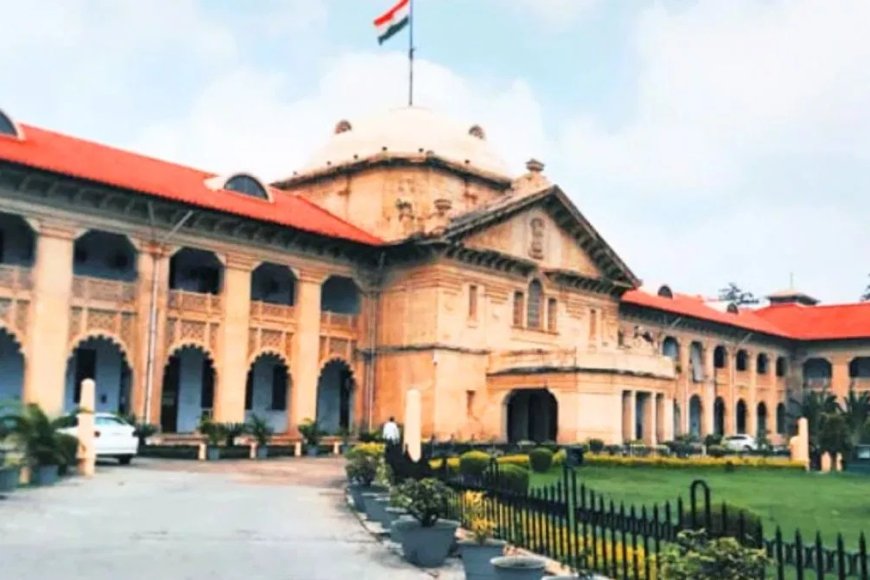
इलाहाबाद हाईकोर्ट ने अवमानना मामले में बरेली के जिलाधिकारी अविनाश सिंह और वरिष्ठ पुलिस अधीक्षक अनुराग आर्य को व्यक्तिगत रूप से अदालत में उपस्थित होने का आदेश दिया है. कोर्ट ने दोनों अधिकारियों को तलब करते हुए साफ कहा है कि अगर वे तय तारीख पर कोर्ट में पेश नहीं होते हैं तो उनकी उपस्थिति सुनिश्चित करने के लिए गैर जमानती वारंट भी जारी किया जा सकता है. हाई कोर्ट ने इस मामले की अगली सुनवाई 23 मार्च को दोपहर 2 बजे तय की है. यह मामला जनवरी 2026 में बरेली जिले के एक गांव में नमाज पढ़ने से रोकने की घटना से जुड़ा है.
पूरा मामला नमाज रोकने की घटना से जुड़ा है जानकारी के मुताबिक, 16 जनवरी 2026 को बरेली के मोहम्मद गंज गांव में हसीन खान के घर पर कुछ लोग सामूहिक रूप से नमाज पढ़ रहे थे. इसी बीच आसपास रहने वाले हिंदू परिवारों की शिकायत पर पुलिस वहां पहुंची और नमाज पढ़ने पर रोक लगा दी. याचिका में आरोप लगाया गया है कि पुलिस ने नमाज पढ़ने के दौरान हसीन खान को उनके घर से उठा लिया और थाने ले जाकर उनका चालान कर दिया. इस घटना को लेकर हाई कोर्ट में अवमानना याचिका दायर की गई है, जिस पर सुनवाई करते हुए कोर्ट ने डीएम और एसएसपी को तलब किया है.
याचिकाकर्ता ने पुलिस पर गंभीर आरोप लगाए याचिकाकर्ता की ओर से कोर्ट में कई गंभीर आरोप लगाए गए हैं. हसीन खान का कहना है कि घटना के बाद कुछ लोग उनके पास आए और धमकी दी. आरोप है कि आरिफ प्रधान और मुख्तयार नाम के लोगों ने उससे कहा कि अगर उसने कोर्ट में उनके मुताबिक बयान नहीं दिया तो उसके घर पर बुलडोजर चला दिया जाएगा. हसीन खान के मुताबिक, इसके बाद उसे बाहर ले जाया गया और कुछ कागजों पर उसके अंगूठे का निशान ले लिया गया. उन्होंने कहा कि वह पढ़े-लिखे नहीं हैं, इसलिए उन्हें समझ नहीं आया कि अखबारों में क्या लिखा है.
सरकार ने भी कोर्ट में अपना पक्ष रखा. इस मामले में सरकार की ओर से अपर महाधिवक्ता अनूप त्रिवेदी ने कोर्ट में अपना पक्ष रखा. उन्होंने कहा कि 16 जनवरी को हसीन खान ने अपनी निजी संपत्ति में नमाज पढ़ने की इजाजत मांगी थी. लेकिन आसपास रहने वाले हिंदू परिवारों की शिकायत के बाद उन्हें निजी परिसर में सामूहिक नमाज अदा करने से रोक दिया गया. इसे लेकर अब कोर्ट में केस चल रहा है.
हाईकोर्ट ने दी सुरक्षा, तैनात रहेंगे दो सशस्त्र गार्ड इस बीच हसीन खान ने कोर्ट से अपने परिवार और संपत्ति के लिए सुरक्षा की मांग की थी. इस पर हाईकोर्ट ने उन्हें 24 घंटे सुरक्षा मुहैया कराने के आदेश दिए हैं. कोर्ट ने कहा कि उनके साथ दो हथियारबंद गार्ड तैनात रहेंगे, जो हर वक्त उनके साथ रहेंगे. कोर्ट ने आदेश की एक प्रति महाधिवक्ता कार्यालय को भी देने का निर्देश दिया है, ताकि संबंधित अधिकारियों को इसकी जानकारी दी जा सके. यह याचिका तारिक खान की ओर से दायर की गई है और मामले की सुनवाई न्यायमूर्ति अतुल श्रीधरन और न्यायमूर्ति सिद्धार्थ नंदन की खंडपीठ कर रही है। अब सबकी नजर इस पर है कि कोर्ट में पेश होने वाले डीएम और एसएसपी अपना पक्ष क्या रखते हैं.
India has won the T20 World Cup 2026. Playing their first tournament without the gods, Virat Kohli and Rohit Sharma, the relatively young Indian team put on a performance for the ages at the Narendra Modi Stadium to win their second consecutive title.
Abhishek Sharma, Ishan Kishan, Sanju Samson, players who had spent years on the periphery of the Indian line-up, came together at the right time to help India bury the ghosts of November 19, 2023, at the Narendra Modi Stadium.
This was not a straightforward title by any stretch of the imagination. The Indian team had to work hard after a sudden decline in form at the beginning of the World Cup. The co-hosts were so poor in adjusting to ICC surfaces that they were bowled out for 77/6 by the United States and then bowled out for 111 by South Africa early in the tournament.
But the team got its best performance when they needed it most. Ishan Kishan, Sanju Samson, Shivam Dubey and the finalist Abhishek Sharma all raised their hands and claimed the responsibility in the post-Rohit-Kohli era.
Ishaan steals Abhishek’s thunderbolt
A small glimpse of this was seen in the conversation between journalists and Ishan-Abhishek in the press room of Ahmedabad after the match. When asked about the struggles the team members had to go through, Abhishek jumped on the mic and was ready to reveal the mental toll he had to go through to revive his form just before the final.
But before he could answer, Ishan Kishan snatched that moment from him.
“I can also answer this. You were in bad form for a month, I spent two years out of the team.”
Abhishek and the entire press room started laughing at Kishan’s answer.
And it was true. Dropped from the team due to disagreements, and then kept out due to not giving priority to domestic cricket, the left-hander had to work hard to get back into the system.
While away, Kishan recovered his mental state in his first year of exile. In the second, he started scoring runs in almost every game. The diminutive left-hander led his state Jharkhand to its first-ever victory in the Syed Mushtaq Ali Trophy, the country’s premier domestic T20 competition.
Kishan himself scored 517 runs in that campaign, forcing the selectors to bring him back into the Indian team.
Everyone knows that in the Indian cricket ecosystem, rapid growth, if not handled well, can lead to an equally rapid decline. And Ishan knew that getting into the Indian team was only half the job.
And perhaps, at the end of the tournament, Kishan finally heaved a sigh of relief. After being ousted from the BCCI in 2023, putting his career at risk, he had scripted a comeback for the ages.
T20 World Cup: Ishan Kishan scored 321 runs in 9 innings (AP Photo)
In an era where it has become difficult to look at the BCCI or world cricket positively, Kishan’s story reminded people of something simple about India’s cricket ecosystem.
Grind thoroughly. play fair. Make your return.
Opportunities will come. Then it will be up to you to hold on to them.
But Kishan’s story spans two years. Let’s focus on the small moments instead.
The smallest moments matter FT. Shivam Dubey
And ironically, some of the smallest but most significant moments came from one of the greatest men of the Indian team, Shivam Dubey.
Saved the match against Netherlands by scoring 66 runs out of 31. Crucial 8* off 4 balls in a virtual knockout against West Indies. Then an inning of 43 runs on 25 balls in the semi-finals, followed by a blazing inning of 26* runs on 8 balls in the final.
clutch shivam dubey
32*(21) in IPL 2023 final 27(16) in T20I WC 2024 final 33(22) in Asia Cup 2025 final 27(17) vs Pak in T20 World Cup 2026 10(3) vs West Indies in WC QF 43(25) vs England World Cup SM 26(8) vs New Zealand World Cup 26 Final #ShivamDubey#INDvsNZ
These are not the innings that dominate highlight reels. They are the ones who quietly win the tournament.
If Dubey had not hit those two fours against West Indies, or led India to a challenging score against England in the semi-finals, India might not have won this World Cup.
And yet, he is not talked about in the same way as Ishan, or Sanju, or Bumrah.
And perhaps this is the beauty of it.
Man before man. Team before stars. The collective before the individual.
This is the culture this team has thrived on.
Rinku Singh’s silent struggle
While Dubey, Ishaan and Abhishek fought their battle in the limelight, Rinku Singh fought quietly in the shadows.
People around the team will notice his steadfast routine.
Rinku would be one of the first to arrive for practice, bat in hand, warming up before the main characters went out for the net sessions.
On match days, Rinku would run fast around the outfield, throwing himself on the ground, so that the members of the playing eleven would have a chance to take a break and breathe.
In the grand scheme of things, not many people can remember those moments, but to Rinku it matters. Because that’s what his father taught him.
Rinku later wrote after India’s World Cup win, “I have never spent so many days without talking to you. I don’t know how life will go on without you, but I know I will need you every step of the way.”
And then there was Sanju Samson.
A selfless cricketer for most of his career, Samson has always played for the first team. That approach resulted in inconsistency, which led to him being in and out of the Indian team for almost a decade.
Samson was ultimately successful under the leadership of Gautam Gambhir. And even in that success he was removed.
What must have gone through Samson’s mind after becoming the first player to be sacrificed despite scoring three T20I centuries in a calendar year?
But Samson did not say a word.
As his fans waged war against the selectors and the head coach, Samson kept his head down, took a drink and waited for his opportunity.
Sanju Samson scored 321 runs in 5 innings (AFP photo)
And from there, there was no looking back.
97* runs against West Indies.
89 runs against England.
89 runs against New Zealand.
Three big performances at the business end of the T20 World Cup were enough for the ICC to recognize Samson as the best player of the tournament, finally leading him to the destiny he had been promised for years.
He came after years of bearing the burden of being labeled as one of the greatest talents to grace Indian cricket.
world cup victory of mortal men
And perhaps that’s why this World Cup feels a little more relevant than the rest.
There is no great man who can save India. There is no god to help the team win.
It is mere mortals like you and me who struggle in our daily lives, who question themselves when doubts arise, and who keep fighting, persevering when the going gets tough.
And perhaps this is the biggest lesson of this World Cup.
The comeback World Cup, won by people like me and you.
Have banks started leaving Dubai? Standard Chartered issues urgent statement amid Iran vs US-Israel war
The intensifying geopolitical conflict between Iran, the United States and Israel is beginning to roil global financial markets, prompting international banks to reevaluate operations in the Gulf. At the center of the latest developments is Standard Chartered, which has moved to clarify reports that it has furloughed staff from its offices in Dubai.The London-headquartered bank said reports of its Dubai offices being completely evacuated were false. Instead, the bank confirmed it had already extended work-from-home arrangements as a precautionary measure, stressing that its regional operations remain active and business continuity measures are working as normal.The clarification comes after several international media reports that several global financial institutions are vacating offices in the emirate amid growing security concerns linked to the Iran vs US-Israel war.
Rumors of withdrawals spread in Dubai’s banking sector amid Iran vs US-Israel war
Earlier reports indicated that some international banks had begun pulling their staff out of physical offices in Dubai after Iranian officials warned that economic and financial targets linked to the US and Israel could become potential targets in a conflict. The warnings came after an attack on a Tehran administrative building linked to Bank Sepah, one of Iran’s major state-owned banks historically linked to military networks.Iranian officials later warned that economic infrastructure linked to American and Israeli interests in the region could face retaliation. As a result, financial institutions operating in the Gulf began activating contingency plans designed to protect employee safety and maintain operations even if the security environment deteriorates.Many banks have reportedly advised employees to temporarily work remotely or avoid office buildings in major financial districts. However, Standard Chartered quickly moved to clarify that the measures were precautionary rather than an emergency evacuation.
Work from home extended amid Iran vs US-Israel war
According to the bank’s statement, employees in Dubai and wider middle east Work was already being carried out under the flexible remote-working framework introduced during the early stages of the regional crisis. The extension of the arrangement was therefore described as a security measure rather than a response to any specific threat to the Bank’s facilities.Standard Chartered also stressed that its operations in the Gulf are fully functional and the UAE remains a key market for the bank’s global strategy. The clarification is intended to reassure clients and investors that the institution’s regional presence remains stable despite the volatile geopolitical environment.
Why does Dubai matter to global banks?
Dubai has become one of the most important financial centers in the Middle East over the past two decades, attracting global banks, investment firms, hedge funds and wealth managers. Much of this growth has been driven by the rise of the Dubai International Financial Centre, often referred to as DIFC.Established in 2004, the DIFC has transformed Dubai into a regional financial powerhouse. By the end of 2025, there were more than 290 banks, more than 100 hedge funds, nearly 500 wealth management firms, and more than 1,200 family offices and related institutions in the district.For international lenders such as Standard Chartered, the UAE plays a strategic role in connecting markets in Asia, Africa and the Middle East. The bank generates a significant portion of its income from operations in the region and has appointed a number of senior executives to Dubai to oversee regional business expansion.
Widespread corporate precautions across the Gulf amid Iran vs. US-Israel war
Standard Chartered is not alone in implementing precautionary measures. Other international firms and financial institutions have also taken steps to protect employees as regional conflicts escalate. Some companies have directed employees to work remotely, while others have allowed employees to temporarily relocate outside the area.Meanwhile, many global banks have reviewed business continuity plans to ensure that even if physical offices become inaccessible, operations can still continue. In some cases, banks temporarily closed branches or limited on-site operations while shifting services to digital platforms. These measures highlight the increasing sensitivity of multinational corporations to geopolitical risk in the Middle East.The current crisis stems from the escalating confrontation between Iran and the US-Israel alliance, which has triggered missile attacks, drone strikes and military exchanges across the region. The conflict has already disrupted aviation routes, shipping lanes and energy markets. Financial institutions, especially those with large regional operations, are closely monitoring the situation to ensure the safety of employees and customers.Analysts say such precautionary measures are common during geopolitical instability and do not necessarily indicate an imminent return of investment. Nevertheless, the situation has raised concerns about how prolonged instability could affect Dubai’s reputation as a stable global financial centre.
Dubai’s safe haven status comes under scrutiny amid Iran vs US-Israel
For years, Dubai has marketed itself as one of the safest and most business-friendly environments in the Middle East. Its political stability, world-class infrastructure and international regulatory framework have attracted hundreds of multinational companies. However, regional conflict has sometimes tested that reputation.Reports suggest that global banks are emptying offices, sparking debate over whether geopolitical tensions could undermine the city’s position as a safe haven for global finance. Experts say that while short-term precautionary measures remain in place, the long-term fundamentals supporting Dubai’s financial ecosystem remain strong.As the Iran vs. US-Israel war escalates, multinational corporations operating across the Gulf are likely to step up security protocols. Remote work policies, contingency planning and employee relocation options are expected to remain part of corporate strategies until the geopolitical outlook stabilizes.For now, Standard Chartered’s clarification highlights an important difference: precautionary measures should not necessarily be interpreted as a corporate withdrawal from the sector. Instead, they reflect the careful balancing act that global companies must perform when operating in a region experiencing sudden geopolitical shocks. Despite the uncertainty, Dubai’s financial sector continues to operate and major institutions are committed to maintaining operations while prioritizing the safety of employees.
New Delhi: Suggesting a major shift in agriculture policy, the Supreme Court on Friday asked the Central government to consult with domain experts and stakeholders to formulate a beneficial framework to encourage farmers to shift from traditional wheat and paddy crops to pulses. During the hearing on a PIL, initially questioning the wisdom of the government in importing yellow peas without import duty, which is currently pegged at 30%, Additional Solicitor General N Venkataraman told a bench of CJI Surya Kant and Justices Joymalya Bagchi and Vipul M Pancholi that a reduction in the production of pulses by 30 lakh tonnes between 2021 and 2024 was necessary to stabilize prices and protect consumer interests. The government was forced to import yellow peas for defence. CJI Kant, who comes from a farming family, said the government has provided minimum support price (MSP) for wheat, rice and millets, but not for pulses. “The moment you ensure that farmers get remunerative MSP for pulses, the production of which is lower than that of paddy or wheat in a given area, the production will automatically increase. Otherwise, small farmers will not take the risk of growing pulses because they are not sure whether it will cover the cost of investment and labour,” CJI Kant said. ”Please ask your agriculture ministry to consult people who understand the pulse of farmers and not foreign degree holders,” he said. He said that to encourage growth in pulse cultivation, the policy would have to provide not only a guaranteed price for pulses but also a guaranteed venue for the sale of pulses grown by farmers. Advocate Prashant Bhushan, appearing for the petitioner, said the CJI’s views are reflected verbatim in the recent report of the Commission for Agricultural Costs and Prices (CACP), a statutory body attached to the Agriculture Ministry, which recommends MSP for 22 crops and Fair and Remunerative Price (FRP) for sugarcane. “There is a need to have better coordination and understanding among various Ministries of the Central Government and to set up a mechanism under the aegis of the Ministry of Agriculture and Farmers Welfare for the promotion of pulses as an alternative to wheat or paddy in Northern and Central India and as an alternative to certain other crops in Southern India,” the bench said in its order. “In the absence of an incentive MSP for pulses, the price offered should be sufficient to meet the expenses of small farmers growing pulses,” the Supreme Court bench said.
इन दिनों उत्तर प्रदेश के कई जिलों में गैस सिलेंडर की कमी की खबरों के बीच कालाबाजारी के मामले भी सामने आ रहे हैं. इस बीच, हापुड जिले में पुलिस और जिला पूर्ति विभाग ने बड़ी कार्रवाई करते हुए अवैध रूप से रखे गैस सिलेंडरों का जखीरा जब्त कर लिया. छापेमारी के दौरान समाजवादी पार्टी नेता अब्दुल रेहान के घर से 55 भरे हुए गैस सिलेंडर और कई खाली सिलेंडर बरामद किए गए. पुलिस के आने की खबर मिलते ही आरोपी मौके से फरार हो गये. फिलहाल पुलिस उसकी तलाश कर रही है और मामले की जांच जारी है.
सूचना मिलने पर पुलिस और पूर्ति विभाग ने छापा मारा। यह पूरी घटना हापुड जिले के असौड़ा गांव की बताई जा रही है. पुलिस को सूचना मिली थी कि पंचायत घर के पास रहने वाला अब्दुल रेहान अपने घर में अवैध रूप से बड़ी संख्या में गैस सिलेंडर का भंडारण कर रहा है. सूचना मिलते ही जिला पूर्ति विभाग की टीम पुलिस के साथ मौके पर पहुंची और घर पर छापा मारा। छापेमारी की भनक लगते ही आरोपी घर से भाग गया। पुलिस टीम को मौके से 55 भरे हुए गैस सिलेंडर और कई खाली सिलेंडर मिले, जिन्हें अधिकारियों ने तुरंत जब्त कर लिया.
स्थानीय लोगों ने कालाबाजारी का आरोप लगाया स्थानीय लोगों का कहना है कि आरोपी लंबे समय से गैस सिलेंडर की कालाबाजारी कर रहा था. उनका दावा है कि वह एक सिलेंडर करीब 2000 रुपये में बेच रहे थे. इलाके में गैस की कमी के कारण लोगों को महंगे दामों पर सिलेंडर खरीदने को मजबूर होना पड़ा. यह मामला सामने आने के बाद इलाके में चर्चा का माहौल है और लोग प्रशासन से सख्त कार्रवाई की मांग कर रहे हैं.
मुख्यमंत्री योगी आदित्यनाथ कालाबाजारी पर सख्त हो गए हैं इस बीच योगी आदित्यनाथ ने प्रशासन को पेट्रोल, डीजल और घरेलू गैस सिलेंडर की कमी की अफवाह फैलाकर जमाखोरी और कालाबाजारी करने वालों के खिलाफ सख्त कार्रवाई करने के सख्त निर्देश दिए हैं. उन्होंने एजेंसियों को गैस वितरण व्यवस्था सामान्य रखने के लिए सुरक्षा व्यवस्था सुनिश्चित करने का निर्देश दिया है, ताकि ग्राहकों को समय पर सिलेंडर मिल सके.
अफवाह फैलाने वालों पर भी कार्रवाई की जायेगी इस मामले में राज्य के मुख्य सचिव ने शासनादेश जारी कर सभी जिलों के डीएम को निर्देश भेज दिये हैं. आदेश में कहा गया है कि सोशल मीडिया, चैनलों और अन्य माध्यमों पर फैल रहे भ्रामक संदेशों और वीडियो पर कड़ी नजर रखी जाए। साथ ही यह भी सुनिश्चित किया जाए कि गैस सिलेंडरों की आपूर्ति में कोई बाधा न आए। प्रशासन, पुलिस, राजस्व विभाग तथा खाद्य एवं रसद विभाग के अधिकारी लगातार क्षेत्र में भ्रमण करते रहेंगे तथा गैस वितरण से जुड़े वाहनों को पर्याप्त सुरक्षा भी दी जायेगी।
New Delhi: Pakistan national cricket team defeated Bangladesh national cricket team by 128 runs via Duckworth-Lewis-Stern (DLS) method in the rain-affected second ODI at the Sher-e-Bangla National Cricket Stadium on Friday, leveling the three-match series 1-1.The star of the match was Maaz Sadaqat, who shone with both bat and ball. He first played a quickfire inning of 75 runs in 46 balls and later took three wickets to help Pakistan win.
Suryakumar Yadav makes a spectacular homecoming after India’s T20 World Cup win
After strong contributions from many batsmen, Pakistan was out for 274 runs in 47.3 overs. Sadaqat and Sahibzada Farhan gave a great start to the visitors by making an opening partnership of 103 runs in 13 overs. Farhan scored 31 runs, while Salman Agha later added 64 runs and shared a 109-run partnership with Mohammad Rizwan, who scored 44 runs.Bangladesh’s innings had a bad start while chasing the target. Tanjid Hasan was out for 1, Saif Hasan was out for 12 and captain Nazmul Hussain Shanto was dismissed by Shaheen Shah Afridi for duck, leaving the hosts at 27 for 3 in 6.3 overs. At that time, a sudden thunderstorm accompanied by rain and hailstorm took the players off the field for about two hours.When play resumed, the target was revised to 243 runs in 32 overs under the DLS method. Liton Das tried to make a comeback by scoring an aggressive 41 runs with the help of some fours and two sixes, while Tauheed Hridoy scored 28 runs.However, once Liton was out LBW by Sadaqat, Bangladesh quickly collapsed. Haris Rauf and Sadaqat took three wickets each to bowl out Bangladesh for 114 runs in 23.3 overs and ensure Pakistan’s comprehensive victory.