
Government has proposed to stop repeated virus testing on plasma-based medicines. india news
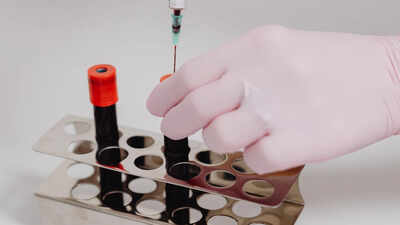
New Delhi: The Center has proposed amendments to drug rules to stop repeated virus testing on drugs made from human plasma, mandating that the raw plasma used to produce these products is tested for infections like HIV and hepatitis even before manufacturing begins.These medications include albumin, intravenous immunoglobulin (IVIG), and clotting factors such as Factor VIII and Factor IX, which are used to treat immune disorders, serious infections, and bleeding conditions such as hemophilia.Officials said the move is aimed at bringing India’s drug regulations in line with international pharmacopoeia standards. Global guidelines require plasma collected to be tested for hepatitis B surface antigen, hepatitis C virus RNA and HIV antibodies before being used for fractionation, and only plasma that tests negative is approved for the manufacture of plasma-derived drugs.Currently, plasma collected to manufacture these medicines is first collected and tested for viruses including HIV, hepatitis B and hepatitis C. However, once medicines are made from this screened plasma, the finished products are again tested for the same viral markers under existing regulations. The government now proposes to remove this second round of testing.The Health Ministry has issued a draft notification seeking public comments on amendments to the Drugs Rules, 1945, which govern testing of blood-derived products. Dr Asim Kumar Tiwari, senior director, department of transfusion medicine, Medanta, Gurugram, said the surplus plasma collected from blood donors can be used by plasma fractionators to manufacture many life-saving medicines.“Plasma-derived medicinal products (PDMPs) such as albumin, intravenous immunoglobulin (IVIG), and clotting factors such as Factor VIII and Factor IX are widely used to treat immune disorders, serious infections, and bleeding conditions such as hemophilia,” he said.He said blood centers often generate surplus plasma after meeting a patient’s needs, which can be supplied to specialized fractionation facilities where different proteins are separated to manufacture these drugs.Dr. Tiwari said that PDMPs undergo several security checks before reaching the patients. “Donated plasma is screened for infections such as HIV, Hepatitis B, Hepatitis C, malaria and syphilis and the manufacturing process includes viral inactivation steps to ensure safety,” he said.“Globally, these medicines, known as plasma-derived medicinal products, have not been linked to infection transmission due to stringent testing and viral inactivation during manufacturing,” he said.Officials say repeating the same viral tests at the finished product stage does not require duplication under global practices. The proposed amendment aims to rationalize testing requirements while maintaining strict safety checks at the plasma screening stage.The draft rules were issued after consultation with the Drugs Technical Advisory Board, and stakeholders have been given 30 days to submit comments before the amendments are finalised.