
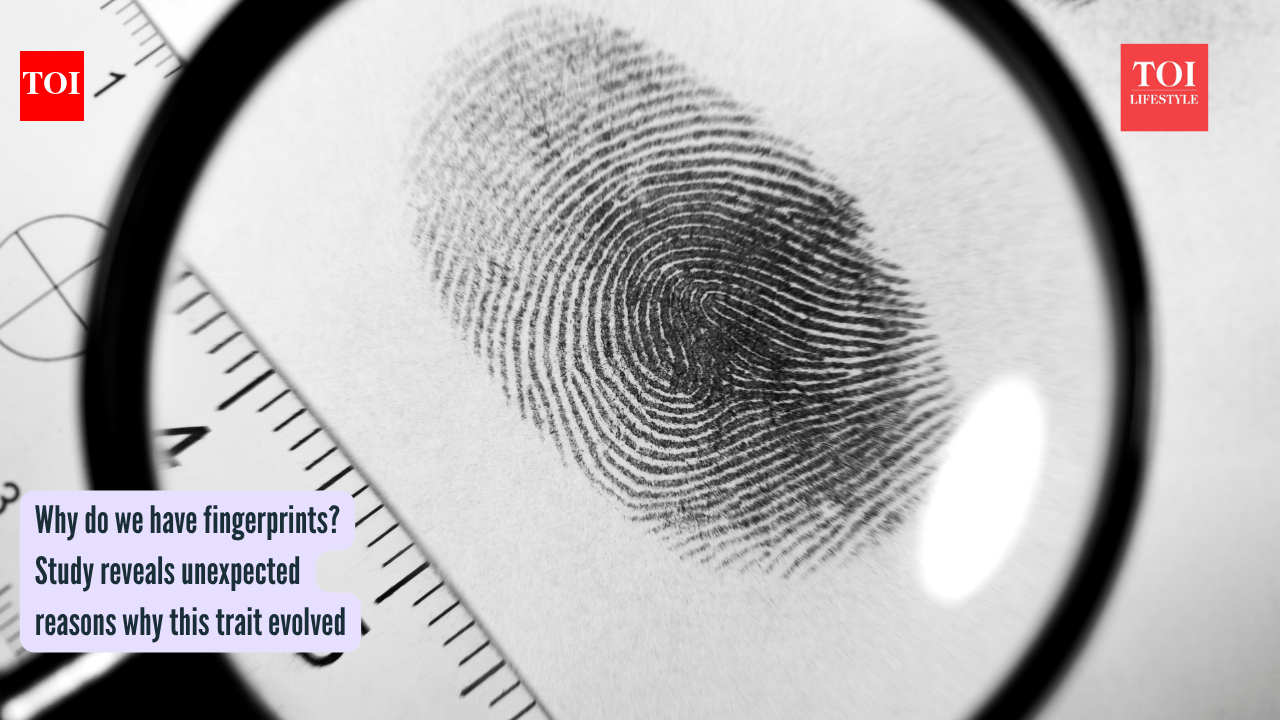

Why do we have fingerprints? Study reveals unexpected reasons why this trait evolved
Have you ever wondered why those curved patterns exist on your fingers that unlock your phone or leave prints at a crime scene?Fingerprints seem like a mystery out of a detective novel, but they’ve been with humans and some surprising animals for millions of years.But do they exist merely for show or do they serve a completely unimaginable purpose?
What are fingerprints?
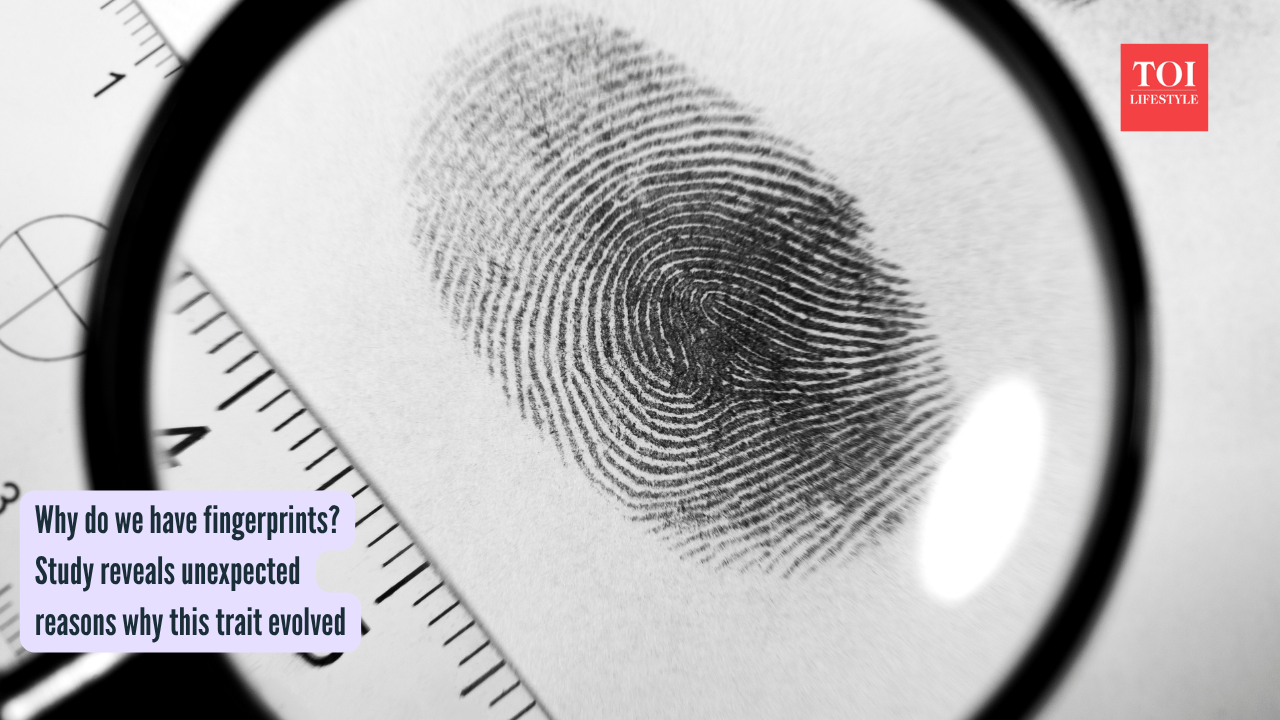
Fingerprints are raised patterns called dermal ridges on the fingers, palms, toes, and soles. They form three main types, including loops, whorls, and arches. Among mammals, they are found only in primates and koalas, even though the two species are completely unrelated. This is called convergent evolution, driven by similar needs such as climbing trees.This independent evolution in unrelated species points to a huge evolutionary advantage.
How are fingerprints made?
Ridges begin to develop on the volar pads of the fetus around the 10th week of pregnancy, during which the temporal fingers begin to swell.In a 2005 original Study Publishing in the Journal of Theoretical Biology, applied mathematicians Michael Kuken and Alan Newell explain that tension contracts the skin folds, creating a pattern perpendicular to the surface for maximum compression. The shape of the volar pad determines whether it is a whorl (dome), loop (asymmetric), or arch (flat).Your unique imprint emerges from physics and evolution, not from a strict DNA blueprint.
Why do they help in better grip?
The ridges help in better grip by managing moisture smartly. Sweat softens the skin for friction on dry spots and the fibers absorb excess moisture to prevent slipping. A 2020 PNAS study showed that it self-adjusts to wet or dry, which is important for primates that hold branches.Arboreal life demanded a reliable grip and evolution provided this.
representative image
increase touch sensitivity
The ridges enhance touch by transmitting vibrations to sensors below. It sharpens the sense of texture, such as distinguishing between ripe and unripe fruit. More contact area increases resolution for finding bait or equipment.This also happens in the palms and soles, which helps the entire body feel better.
unexpected modern role
Evolution developed fingerprints to climb trees, grab fruits, and stay safe in branches. It never anticipated ink pads, biometric scanners or crime databases. Yet here we stand, benefiting from them anyway.The uniqueness of each individual’s fingerprint comes from a delicate developmental process in the womb. These patterns remain stable throughout life, resist minor damage, and vary so much that no two people in history, not even identical twins, share exactly the same set.An adaptation born to life in the treetops has unexpectedly become one of our best tools for personal identity.What initially evolved as naturally occurring ranges for swinging in the forests now unlock your phone. Your fingerprints predate humanity, older than identity, were never intended as your personal marks, yet they fit this role flawlessly.