
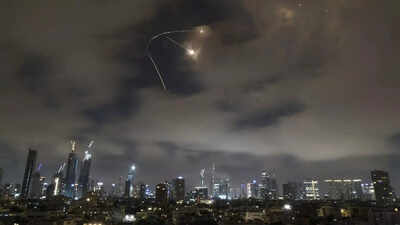

The continuing war in Iran has depleted America’s high-end missile stockpile
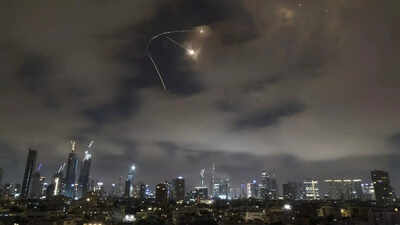
Despite frequent US and Israeli airstrikes, Iran has launched about 1,200 ballistic missiles and 4,000 rudimentary Shahid cruise missiles at Gulf countries since the war began, according to official reports from those countries, which are not widespread.Following the principle of shoot-shoot-look, ballistic missile defense requires firing at least twice at each target, with the crews launching twice and then checking the results. This means that at least 2,400 interceptors were fired during the war, and probably more, as additional missiles were sometimes required to defend against incoming projectiles. The vast majority were Patriot PAC-3 and GEM-T missiles, of which the Gulf states had fewer than 2,800 missiles before the war, based on estimates from U.S. foreign military sales authorities and three experts and a person familiar with the matter.The US Defense Department said it has all the weapons needed to accomplish its mission. Foreign Military Sales (FMS) documents show how many missiles were requested or authorized, but a smaller number may have been delivered. While Lockheed Martin Corp makes about 650 PAC-3 interceptors per year, the company signed a deal in January to build 2,000 per year by 2030. The company also builds 96 THAAD interceptors per year, but reached a separate agreement to increase that number to 400.The United States has also launched hundreds of Tomahawk missiles worth $2 million and more than 1,000 secret JASSM missiles worth $1.5 million, according to a person familiar with the matter, who did not want to be named. Although many attacks have adopted cheaper Joint Direct Attack Munitions, or JDAMs, heavy use of cruise missiles continues as parts of Iran’s airspace remain risky for close-in operations.There were approximately 4,000 Tomahawks in US stockpiles before the war, and RTX Corp. Produces about 100 each year; According to government documents, Lockheed may build up to 860 JASSMs this year. Both missiles are designed to fly long distances. These types of weapons are vital in the conflict against an advanced adversary such as China.“Allowing high-end weapons to be phased out shows that the US thinks it won’t need to fight China or can win quickly,” said Peter Layton, a former Royal Australian Air Force officer and visiting fellow at the Griffith Asia Institute. “This is strategically interesting because it shows that the Trump administration views Iran as the most important issue and is willing to take a gamble on destroying it.”The waste of munitions has alarmed US allies around the world, as weapons systems and ammunition have been withdrawn to support the campaign against Iran. According to the Washington Post, the Pentagon is considering diverting arms shipments destined for Ukraine to the Gulf region. Those supplies include missile interceptors.Officials in Germany and France, which have two of the continent’s most powerful armies, say they are seeing signs of tensions in some arms supplies. “Prolonged US involvement in the war in Iran would put significant pressure on US military stocks,” said Thomas Erndl, a defense policy spokesman for German Chancellor Friedrich Merz.