

A 350-year-old mystery may be over: Archaeologists have found remains believed to be those of The Three Musketeers d’Artagnan. world News
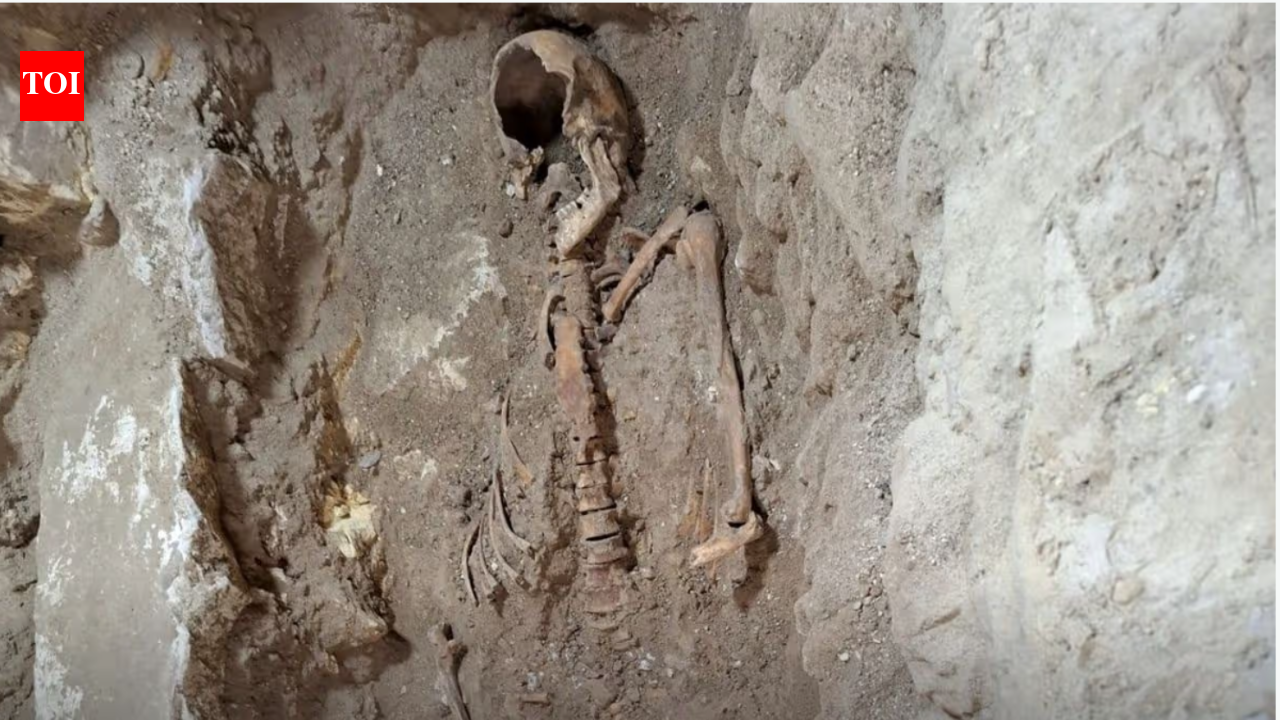
A remarkable archaeological discovery in the Dutch city of Maastricht may finally solve one of history’s most enduring mysteries. During restoration work at a historic church, researchers uncovered a high-status skeleton buried beneath the altar, an unusual and coveted resting place. What makes this discovery extraordinary is the presence of a musket ball fragment lodged in the thigh and a 17th-century French coin, both of which match closely with historical records of Charles de Batz de Castelmore d’Artagnan. The great soldier who inspired The Three Musketeers is said to have died in Maastricht in 1673 from a similar wound.
The discovery that could solve a 350-year-old mystery
The remains were discovered inside the Church of Saints Peter and Paul during ongoing restoration efforts, with archaeologists surprised by their location beneath the altar, which is usually reserved for individuals of high social or religious status. The excavation is being carried out by experts from RAAP Archaeological Consulting in collaboration with local heritage authorities.“This is an extraordinary discovery,” said Michel Grotheid, one of the lead researchers involved in the project. “Burial under church altars was rare and usually reserved for quite important individuals. This immediately raised questions about the identity of this individual.”Along with the skeleton, researchers found a French coin from the 1600s, giving rise to the theory that the man may have been a French military man. However, the most compelling clue was the musket ball fragment lodged in the thigh bone, indicating a fatal battlefield injury.
Who was D’Artagnan?
Charles de Batz de Castelmore d’Artagnan was a Gascon nobleman who became Captain of the Musketeers under Louis XIV. Known for his bravery and leadership, he became a major figure in French military history.Historian Olivier Poncet, who has studied the Musketeers extensively, said, “d’Artagnan was not just a literary hero. He was a trusted military commander and close to the royal court, making it plausible that he would have been buried with honors.”His legacy was later immortalized in literature by Alexandre Dumas, whose novels made him a symbol of loyalty, courage, and bravery.
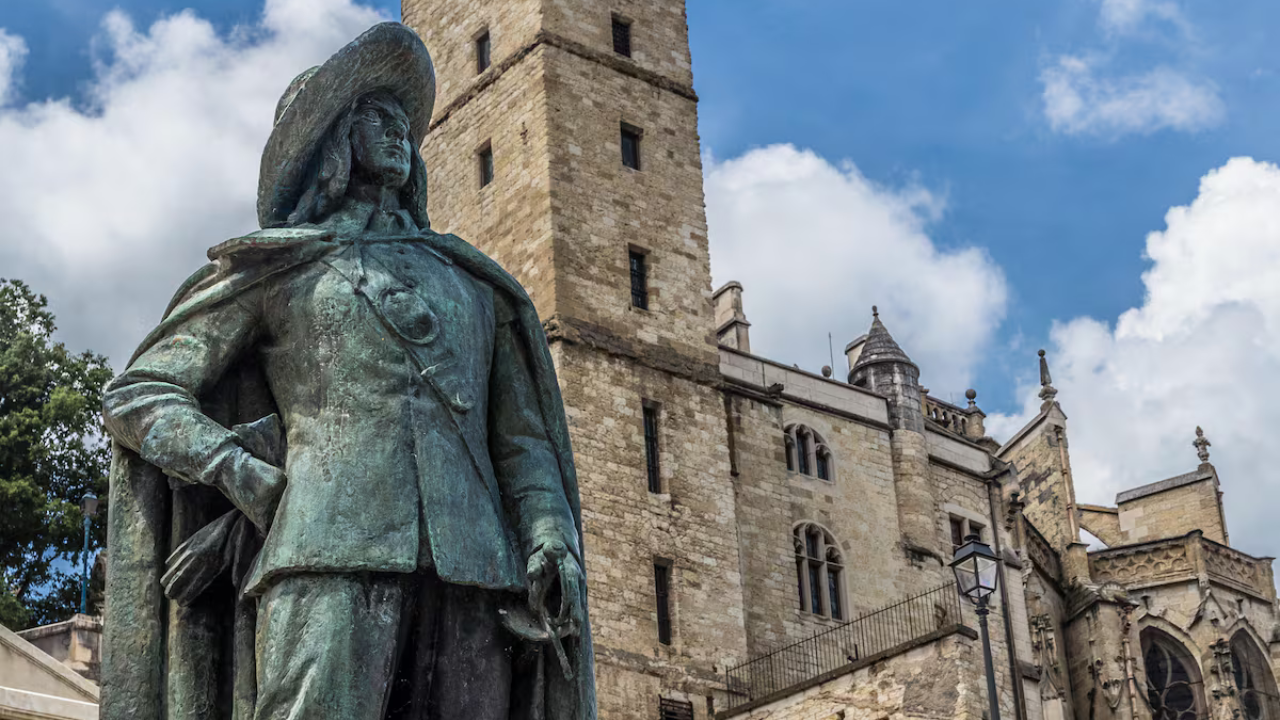
Charles de Batz de Castelmore, Count d’Artagnan inspired The Three Musketeers
the war that ended his life
Historical records confirm that d’Artagnan died on 25 June 1673 during the siege of Maastricht in the Franco-Dutch War. He was reportedly leading French troops in an attack on the Tongerspoort gate when he suffered a fatal gunshot wound to the thigh.Military historian Julian Wilmart noted, “The injury described in historical accounts is highly typical. It was not unusual for a musket shot to the thigh in siege warfare, but the fact that this skeleton shows a similar wound is particularly striking.”Contemporary accounts describe his death as heroic, but the exact location of his burial has never been clearly documented, further deepening the mystery that has persisted for more than three centuries.
Why is the evidence so compelling?
The newly discovered skeleton matches several key details from historical accounts. The thigh injury exactly matches the documented cause of death. French coinage indicates the individual’s nationality, while the distinguished burial location indicates a person of significant importance.Archaeologist Lisbeth Claes said, “Individually, these clues may not be conclusive. But taken together, they make a very compelling case that cannot be ignored.”Additionally, the church’s proximity to the siege site strengthens the theory that it may actually be d’Artagnan’s.
DNA testing can confirm the truth
To move beyond speculation, scientists have begun DNA analysis on the remains. The research is being conducted in collaboration with forensic experts and geneticists, including teams from Maastricht University.Maarten Larmuseau said, “For definitive identification, DNA is vital.” “If we can match the genetic profile with known descendants of the d’Artagnan family, we can finally confirm his identity with a high degree of certainty.”The results will be compared to genetic samples from documented descendants, potentially bringing an end to a 350-year-old historical mystery.
A legend between history and fiction
The story of D’Artagnan exists at the intersection of history and myth. While he was a real soldier, his legend was enhanced by The Three Musketeers, where he appears with fictional companions such as Athos, Porthos, and Aramis.Literary scholar Jean-Yves Taddy said, “Dumas transformed a historical figure into a universal symbol of friendship and bravery. The discovery of his true resting place will link literature and history in a powerful way.”The enduring popularity of the novel has ensured that his name remains synonymous with bravery and camaraderie.As DNA testing continues, historians and enthusiasts alike are keeping a close eye. If confirmed, the discovery would not only unearth d’Artagnan’s long-lost tomb, but also reunite one of literature’s greatest heroes with his true historical resting place.