
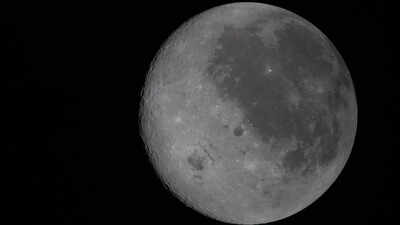

Artemis II astronauts observe the Moon during flight; NASA shared the picture.
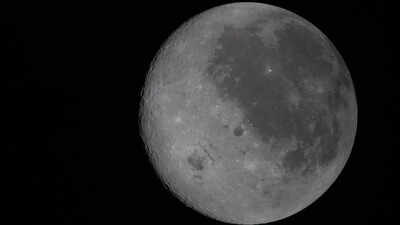
NASA’s Artemis II mission has taken a significant step forward in its flight program by taking astronauts to the closest point to the Moon, which was last done during the Apollo 17 mission. Although no landing occurred during this mission, the purpose of the mission was to test space systems and make observations during a seven-hour flight near the Moon.The mission has had several concrete achievements, such as setting a new record for the greatest distance traveled by astronauts. The far side of the Moon, solar eclipse and unique phenomena occurring on the Moon’s surface were also observed.
NASA’s Artemis II lunar flyby Reveals detailed views of the far side of the Moon
During their time in lunar orbit, the astronauts made intensive observations of the area. It was found that the far side of the moon contained a dense collection of craters, as well as solidified lava fields and geological cracks. Variation in brightness and texture has been observed, which may be useful for understanding variations in surface structure.The information collected is believed to be useful in future missions, especially in the search for suitable locations. In addition, the crew observed the Earthset and Earthrise events.
Artemis II lunar flyby captures solar eclipse and rare meteorite impact shine
A solar eclipse occurred during the observation window when the spacecraft, Moon, and Sun were aligned. The event lasted about an hour and allowed the crew to observe the solar corona in partially blocked sunlight conditions.Six flashes were observed on the Moon’s surface during the same period. These flashes are consistent with meteorite impacts, which occur when space debris hits the Moon at high velocity. While such effects are known, direct observations from crewed spacecraft are limited.The recorded flashes will be analyzed along with the imaging data to determine their exact time and location.
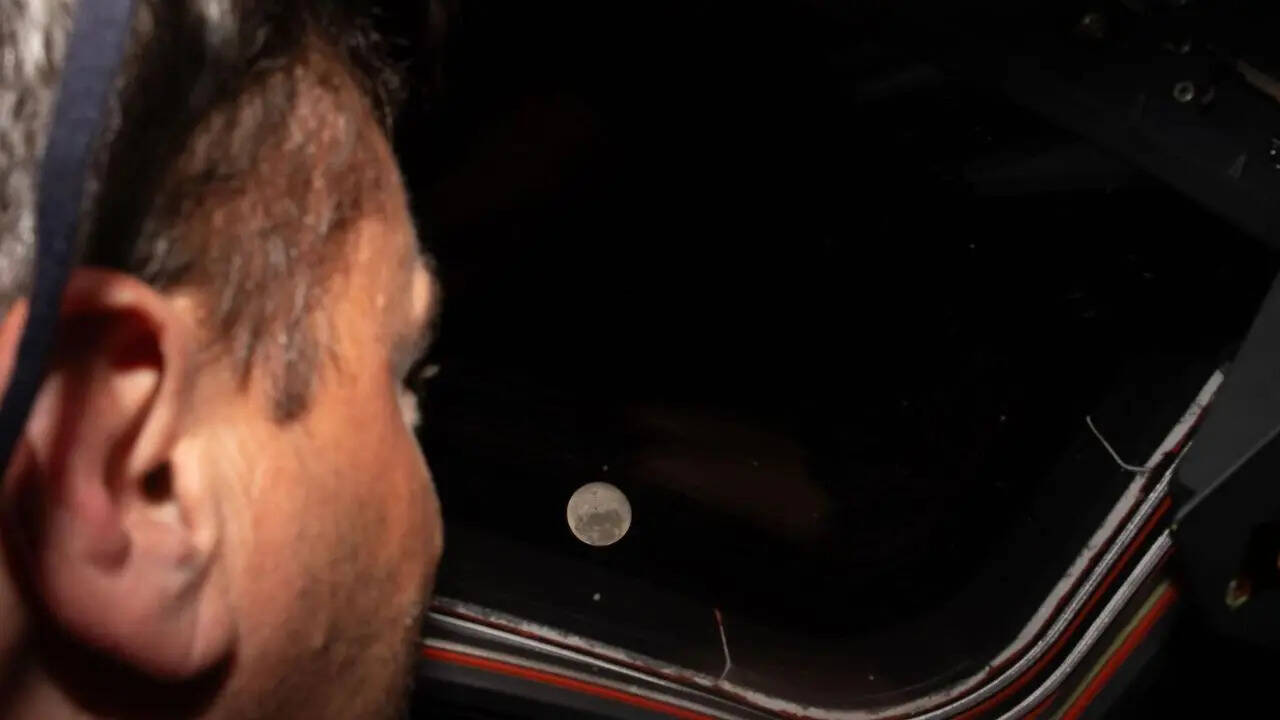
PC: NASA
NASA Artemis II live coverage shows crew interacting with Donald Trump
Following the completion of the lunar observation period, the crew participated in a live broadcast segment hosted by NASA. During this session, President Donald Trump spoke to the astronauts and praised the progress of the mission.The crew also chatted with Jared Isaacman, discussing aspects of the flyby and onboard observations. Questions submitted through social media were addressed during the broadcast, which was part of the mission’s public communication effort. The talks took place after communication links were fully restored.
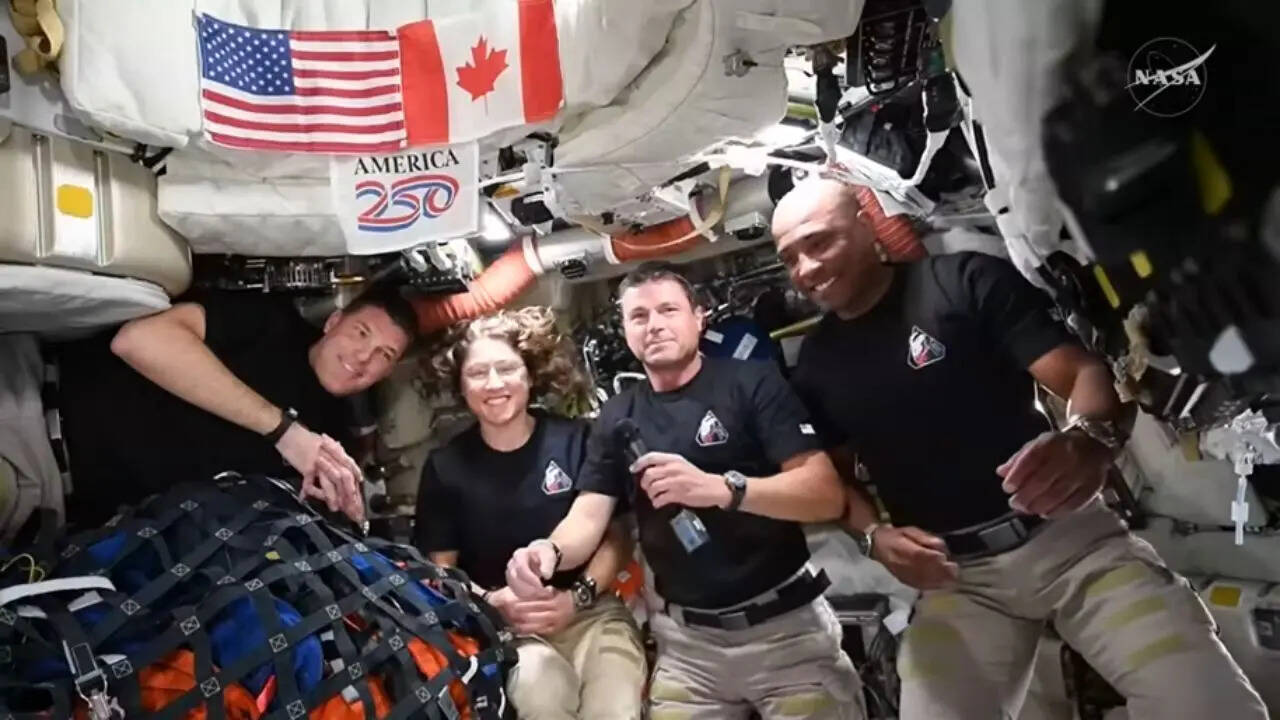
PC: NASA
orion spacecraft 40 minutes of signal lost during lunar flyby mission
When Orion moved behind the Moon, communication with Mission Control was temporarily lost. This blackout lasted about 40 minutes and was caused by the Moon blocking direct radio signals between the spacecraft and Earth.During this phase, the spacecraft made its closest approach to the lunar surface at a distance of approximately 4,067 miles. At around 7:00 pm, Orion passed on the far side before continuing on its trajectory. All onboard systems operated as expected during the communications gap, and contact was restored when the spacecraft reappeared from behind the Moon.
NASA Artemis II flyby data sent to Earth to support future lunar landings
Data collected during the Artemis II flyby is currently being sent to Earth for detailed investigation. It includes images, recorded observations, and spacecraft telemetry. Scientific teams are expected to review the material to refine models related to lunar geology and mission operations.There are also plans to compare the observed impact brightness with independent observations from Earth-based viewers. This may help verify the timing and nature of events recorded during the mission.