Breaking News
Pro-Iran hackers hit US medical device giant Stryker in shocking cyberattack after Israel strikes

Pro-Iran hackers hit US medical device giant Stryker in shocking cyberattack after Israel strikes
Cyber War Explodes: Iran Hackers Target US Hospital Technology After Israel Strikes

A suspected cyberattack linked to pro-Iranian hackers has shaken the global healthcare technology sector after targeting Stryker Corporation, one of the world’s largest manufacturers of medical devices used in hospitals and operating rooms. A company statement reported the attack on the major US medical device maker, as it disrupted the company’s internal systems and wiped access to thousands of corporate devices worldwide.Investigators believe the intrusion may be connected to escalating geopolitical tensions between Iran, Israel and the United States, raising concerns that cyber warfare is becoming an increasingly common tool in modern conflicts. Cybersecurity experts warn the incident could represent a worrying shift: healthcare companies and critical medical supply chains may now be strategic targets in global cyber conflicts.

What happened in the Stryker cyberattack?

The cyberattack triggered a global systems outage across Stryker’s network infrastructure, disrupting access to internal systems for employees and contractors. Reports indicate that remote devices running Microsoft Windows, such as laptops and smartphones connected to company networks, were suddenly wiped or disabled. Employees reportedly noticed the emblem of “Handala,” a pro-Palestinian hacker group believed by several cybersecurity firms to have links to Iran, appearing on login pages across affected systems. While Stryker said it found no evidence of ransomware or malware, the company confirmed it was dealing with a “global network disruption” linked to the cyberattack and was working with cybersecurity specialists to assess the damage.The company, headquartered in Michigan, employs about 56,000 people worldwide and reported more than $25 billion in revenue in 2025, producing equipment ranging from orthopedic implants to robotic surgical systems. Since its technologies are widely used in hospitals and surgical centers around the world, the attack immediately raised alarms across the healthcare industry.

Why would pro-Iranian hackers target a medical device company?

Experts say healthcare manufacturers represent an extremely sensitive point in the global health system. According to cybersecurity analysts, disrupting companies that supply hospitals with surgical tools, implants and critical equipment can have ripple effects across healthcare systems worldwide.

Stryker cyber attack: Has Iran added a new dimension to the US-Iran war? Why Iran-linked hackers targeted $100 billion medical giant Stryker Corp as stock crashed 4.5%

Stryker cyber attack: Has Iran opened a cyber front in the US-Iran war? Why Iran-linked hackers targeted $100B medical giant as stock slid 4.5%

Dr Jeff Tully, a medical cybersecurity specialist and Associate Clinical Professor, University of California San Diego School of Medicine; Co-Director, UC San Diego Center for Healthcare Cybersecurity, has repeatedly warned that healthcare infrastructure is becoming increasingly attractive to cyber attackers. He has argued that modern hospitals rely heavily on interconnected technology and medical devices, creating new vulnerabilities if security systems fail.“Healthcare networks and medical devices are part of critical infrastructure,” Tully has said in discussions on medical cybersecurity. When compromised, disruptions can quickly affect patient care. Dr Tully is a leading researcher in medical cybersecurity and hospital infrastructure protection. His work focuses on vulnerabilities in connected healthcare systems and the risks posed by cyberattacks on medical devices and emergency services.Another reason healthcare companies are attractive targets is the value of healthcare data. Patient records and medical systems contain sensitive personal and financial information, making them highly valuable on black markets.

A new front in the Iran vs US–Israel conflict?

Many analysts see the cyberattack as a part of a broader cyber dimension of the geopolitical confrontation involving Iran, Israel and the United States. Experts have long warned that military conflict often spills into cyberspace. According to cybersecurity researchers, Iranian-aligned hacking groups frequently operate through proxy “hacktivist” networks rather than directly claiming responsibility for attacks.These groups target organisations linked to countries perceived as adversaries or supporters of opposing geopolitical blocs. The suspected involvement of the Handala hacker group fits this pattern. The group has previously claimed cyberattacks against Israeli organisations and entities across the Gulf region.
Hospitals on Alert as Iran-Linked Hackers Launch Cyberattack on US Medical Device Maker

Hospitals on Alert as Iran-Linked Hackers Launch Cyberattack on US Medical Device Maker

Cybersecurity analysts say that such attacks allow governments or affiliated actors to send political messages without escalating to direct military confrontation.

The rise of cyber warfare

The attack highlights the growing role of cyber operations in modern geopolitics. Cyber warfare is no longer limited to espionage or data theft. Increasingly, it involves disruptive attacks on infrastructure, including energy systems, transportation networks and healthcare services.Iran has previously been accused of large-scale cyber operations targeting global infrastructure. One notable example was Operation Cleaver, a campaign that reportedly targeted dozens of critical infrastructure organizations worldwide, including hospitals, airports, and energy companies. Meanwhile, cyber operations have also been used by Western governments. The famous Stuxnet malware, believed to have been developed by the United States and Israel, was used to sabotage Iran’s nuclear program more than a decade ago. These incidents demonstrate how cyber operations have become an established tool of geopolitical competition.

Why healthcare systems are vulnerable to cyber attacks

Healthcare infrastructure presents unique cybersecurity challenges. Modern hospitals rely on thousands of interconnected devices, from imaging machines and robotic surgical tools to wearable monitors and smart infusion pumps. Researchers warn that these Internet-connected medical devices create new security vulnerabilities.One study on medical device cybersecurity found that attackers can manipulate connected healthcare systems by injecting false data, altering device settings, or disrupting their operation entirely. Another analysis of medical imaging equipment found that cyber intrusions could potentially tamper with diagnostic machines or disable them during critical medical procedures.Cybersecurity specialists refer to these attacks as “medical device hijacking” or “medjack” in which hackers exploit vulnerabilities in connected hospital devices to gain access to broader networks. Such attacks could theoretically affect everything from hospital imaging systems to life-support equipment.

Hospitals are already under cyber threat

Cyberattacks on healthcare institutions are not new. In 2017, the WannaCry ransomware attack crippled hospitals and healthcare systems around the world, including Britain’s National Health Service. Hospitals were forced to cancel surgeries, divert ambulances, and revert to paper records after computer systems became inaccessible.Another example occurred in 2021 when a ransomware attack shut down IT systems across New Zealand’s Waikato District Health Board, severely disrupting hospital operations for weeks. These incidents demonstrate the real-world consequences of cyberattacks on healthcare infrastructure.

Could patient care be affected by cyber attacks?

So far, there is no evidence that the Stryker cyberattack directly disrupted hospital operations. However, experts warn that attacks on medical technology manufacturers can still have major downstream effects. Since companies like Stryker supply equipment used in surgeries, orthopedics and medical imaging, disruptions to their operations could potentially affect:

  • Device maintenance and updates
  • Software patches and cybersecurity fixes
  • Supply chains for surgical tools and implants
  • Technical support for hospitals

Cybersecurity researchers say that such disruptions could ultimately affect patient care if not quickly resolved.

Experts warn of growing cyber risk

Cybersecurity experts believe the attack may signal a broader shift toward cyber conflict targeting healthcare infrastructure. Analysts warn that geopolitical tensions could encourage hackers to target industries that are both economically significant and symbolically powerful. Healthcare fits both categories. John Hultquist, Chief Analyst, Google Threat Intelligence Group (formerly Mandiant Intelligence) had said, “State-aligned cyber actors often operate through proxy groups and hacktivists to conduct disruptive attacks while maintaining plausible deniability.” His statement comes from recent threat intelligence analyses by the Google Threat Intelligence Group on state-aligned cyber actors. Hultquist is one of the world’s most cited analysts on nation-state cyber operations, particularly those linked to Iran, Russia and China.His research frequently examines how geopolitical conflicts spill into cyberspace. His observations about state-aligned hackers operating through proxy or hacktivist groups are based on ongoing intelligence assessments published by cybersecurity firms and government reports over the past decade, especially 2018–2025 threat intelligence briefings on Iranian cyber operations. Threat intelligence analyses consistently describe how nation-state actors use loosely affiliated hacktivist groups to maintain plausible deniability, a strategy widely documented in cyber conflict research.As per Kevin Fu, Professor of Electrical and Computer Engineering and Director of the Archimedes Center for Medical Device SecurityOrganisation: Northeastern University, “Medical devices and hospital technology are part of critical infrastructure, and vulnerabilities in these systems could have serious safety implications for patients.” This attributes to the ongoing research and regulatory discussions on medical device cybersecurity during the late 2010s and early 2020s.Fu is one of the most prominent experts on medical device cybersecurity, advising governments and regulators on how to protect connected healthcare technology from cyber threats. He has made similar warnings repeatedly in policy discussions, FDA advisory roles and academic work since roughly 2018 onward, especially regarding medical device cybersecurity risks. His research and policy commentary emphasise that medical devices are part of critical infrastructure and must be protected from cyber threats, a concern echoed in healthcare cybersecurity research and regulatory discussions.Experts also warn that medical device manufacturers may not always prioritise cybersecurity to the same degree as other sectors such as finance or defence. Connected medical technologies are often designed primarily for clinical performance rather than cybersecurity resilience, leaving potential vulnerabilities.

The future of cybersecurity in healthcare

The attack on Stryker could accelerate efforts to strengthen cybersecurity across the healthcare sector. Governments and regulatory bodies have increasingly pushed medical device manufacturers to incorporate stronger security measures.These include:

  • Mandatory cybersecurity testing for medical devices
  • Continuous software updates and patching
  • Segmentation of hospital networks
  • Real-time threat monitoring systems

Experts say that protecting healthcare infrastructure requires cooperation between governments, technology companies, hospitals and cybersecurity firms.

Cyber conflict is becoming the “invisible battlefield”

Perhaps the most important takeaway from the incident is how cyber warfare is reshaping modern conflict. Unlike traditional military attacks, cyber operations can strike targets thousands of miles away, often without clear attribution. This makes them a powerful tool for states and politically motivated groups seeking to disrupt adversaries without triggering full-scale war.In the case of the suspected Iranian-linked cyberattack on Stryker, experts say the incident illustrates how critical civilian industries, especially healthcare, are increasingly caught in the crossfire of geopolitical cyber conflict. As tensions continue to simmer across the Middle East and beyond, cybersecurity analysts warn that incidents like this may become more common.For the healthcare industry, the clear message is that protecting hospitals and medical technology from cyber threats is no longer just a technical challenge, it is now a matter of global security.
Source link

New National President BJP is sitting on its back

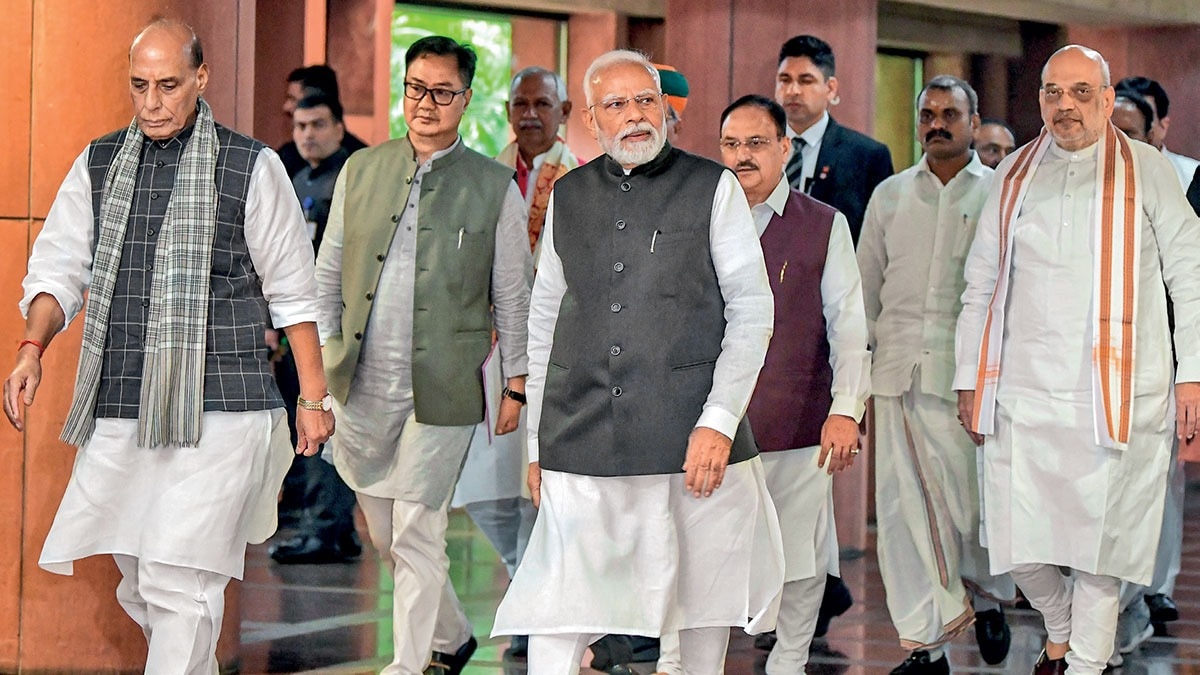
JJust when it seemed the BJP was finally getting ready to elect a President, the needle moved backward again, with the imperative of first finding a new Vice President for the country coming to the fore. Never mind that it has been more than a year since the tenure of current Chairman Jagat Prakash Nadda ended – this is after an extension of one and a half years from the original retirement date of January 20, 2023. The election of the Vice President is to be held on September 9, after which there will probably be a cabinet reshuffle and of course, the Bihar elections.

Source link

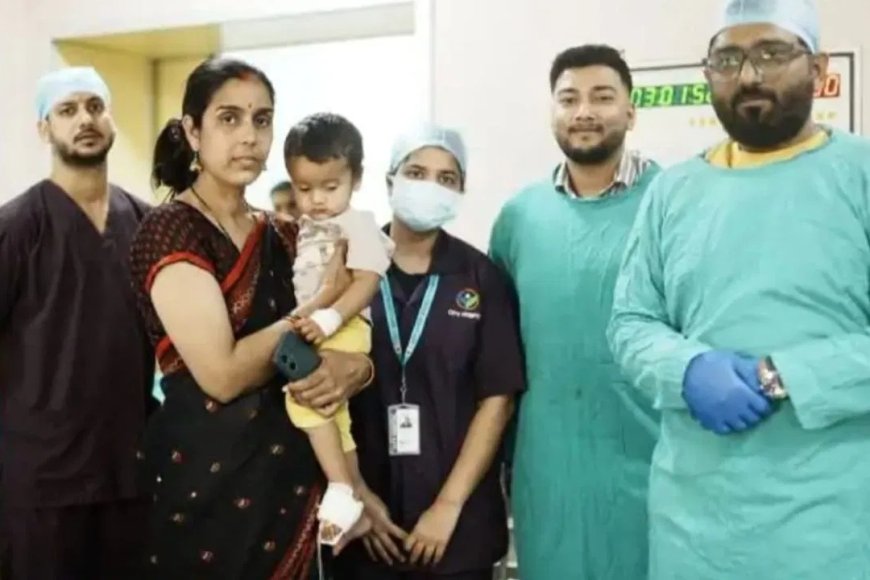
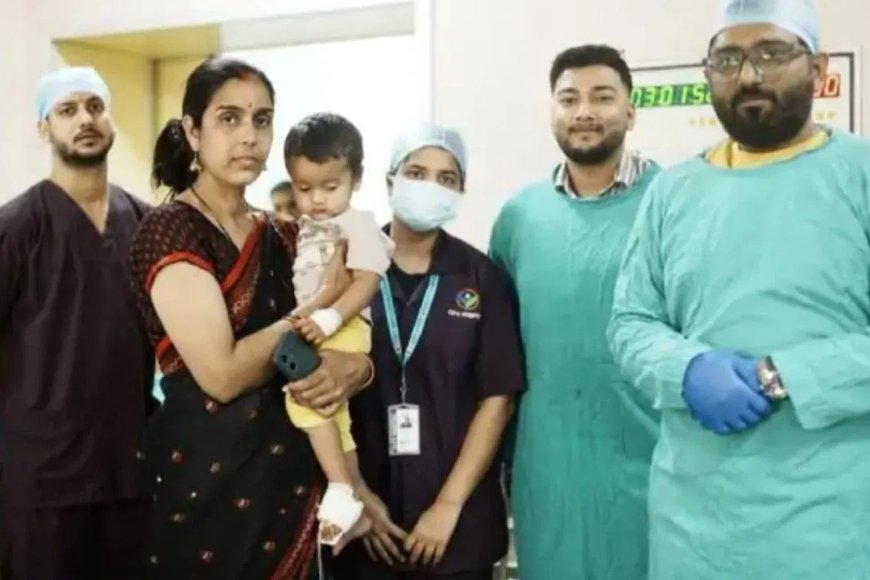
14 महीने के बच्चे के पेट से निकाला ढाई इंच का स्क्रू, डॉक्टरों ने बिना ऑपरेशन बचाई जान

उत्तर प्रदेश समाचार: उत्तर प्रदेश के गोरखपुर में डॉक्टरों ने एक बार फिर अपनी विशेषज्ञता और आधुनिक तकनीक का शानदार उदाहरण पेश किया है। सिद्धार्थनगर निवासी महज 14 माह के बच्चे के पेट से डॉक्टरों ने सफलतापूर्वक ढाई इंच लंबा और बेहद तेज लोहे का स्क्रू निकाला। सबसे खास बात ये रही कि इस पूरी प्रक्रिया के दौरान बच्चे के पेट में कोई बड़ा ऑपरेशन या चीरा नहीं लगाया गया. एंडोस्कोपी और कोलोनोस्कोपी तकनीक की मदद से डॉक्टरों ने इस खतरनाक वस्तु को सुरक्षित हटा दिया, जिससे बच्चे की जान बच गई।

खेलते समय एक तेज पेंच निगल गया
जानकारी के मुताबिक, सिद्धार्थनगर जिले के रहने वाले पशुपतिनाथ दुबे का 14 महीने का बेटा गर्वित चार दिन पहले घर में खेल रहा था. इसी दौरान उसने पास में पड़ा करीब ढाई इंच लंबा लोहे का स्क्रू निगल लिया। परिवार को इस बात का अंदाजा नहीं था कि बच्चे ने इतना खतरनाक पदार्थ निगल लिया है. कुछ देर बाद बच्चे के पेट में तेज दर्द होने लगा। परिजनों ने पहले तो इसे सामान्य समस्या समझा और मेडिकल स्टोर से दवा लाकर उसे दे दी।

एक्स-रे में दिखा बड़ा खतरा!
दवा लेने के बाद बच्चा कुछ देर तक शांत रहा, लेकिन फिर दर्द से तड़पने लगा. जब उसकी हालत में कोई सुधार नहीं हुआ तो परिजन उसे स्थानीय डॉक्टर के पास ले गये. वहां से बच्चे को तत्काल गोरखपुर रेफर कर दिया गया। परिजन देर रात उसे चारगांव स्थित सिटी सुपर स्पेशलिस्ट हॉस्पिटल ले गए। यहां डॉ. विवेक मिश्रा और उनकी टीम ने बच्चे का एक्स-रे किया। रिपोर्ट देखकर डॉक्टर और परिजन दोनों हैरान रह गए, क्योंकि बच्चे के पेट में ढाई इंच का तेज पेंच फंसा हुआ था और वह धीरे-धीरे आंतों की ओर बढ़ रहा था।

तीन दिन की निगरानी के बाद पेंच हटाया गया
बच्चा बहुत छोटा होने के कारण बड़ा ऑपरेशन करना जोखिम भरा था। डॉक्टरों ने उन्हें बाल चिकित्सा इकाई में भर्ती कराया और हर चार घंटे में सिलसिलेवार एक्स-रे के साथ पेंच की स्थिति की निगरानी की। कुछ देर बाद पेंच छोटी और बड़ी आंत के जोड़ के पास जाकर रुक गया। इसके बाद डॉक्टरों ने कोलोनोस्कोपी करने का फैसला किया। स्क्रू को सावधानीपूर्वक पकड़ा गया और एंडोस्कोपिक उपकरणों की मदद से बाहर निकाला गया।

अब बच्चा पूरी तरह से सुरक्षित है
सफल प्रक्रिया के बाद डॉ. विवेक मिश्रा ने बताया कि नुकीली चीज आंतों में छेद कर सकती थी, जिससे संक्रमण फैलने का खतरा था और स्थिति जानलेवा हो सकती थी. उन्होंने अभिभावकों को सलाह दी कि अगर बच्चा सिक्का, बटन, सेल या स्क्रू जैसी कोई चीज निगल ले तो तुरंत उसे डॉक्टर के पास ले जाएं और एक्स-रे कराएं। तीन दिन तक दर्द झेलने के बाद अब नन्हा गार्विट पूरी तरह स्वस्थ और सुरक्षित है। परिवार ने डॉक्टरों की टीम का आभार व्यक्त किया है.

Source link

Pakistani cricketers did not find any buyers in the Hundred Women 2026 auction

No Pakistani player found a taker in the women’s auction for The Hundred held on Wednesday, March 11. Left-handed batsman Muniba Ali, right-arm fast bowler Diana Baig, left-arm spinner Sadia Iqbal and Pakistan captain Fatima Sana had registered for the auction with a base price of £15,000.

However, in the women’s T20I, only top-order bowlers Fatima Sana and Sadia Iqbal were shortlisted for the final auction phase. Despite making the shortlist, none of their names were called during the bidding process. As a result, all four Pakistani players remained unsold and missed out on contracts for the upcoming season of the 100-ball tournament.

Earlier, reports suggested that the Hundred-owned IPL teams may avoid signing Pakistani players, sparking controversy and criticism, including from England captain Harry Brook. In response, the ECB and The Hundred franchise Clarified that nationality will not affect the selectionEmphasizing options will be based solely on performance, availability and team requirements.

Now eyes on the auction of 100 men

A number of Pakistani players are set to feature in the men’s auction for The Hundred to be held on Thursday, March 12. A total of 63 Pakistani cricketers had registered for the auction. But only 14 were shortlisted for the final bidding process.

Prominent names include the fast bowling trio of Haris Rauf, Shaheen Afridi, Naseem Shah and all-rounder Shadab Khan, Sayim Ayub, all of whom have listed themselves with a base price of £100,000.

Other players in contention include Abrar Ahmed, Mohammad Amir and Zaman Khan with a base price of £75,000. Imad Wasim and Usama Mir have set their base price at £50,000, while Akif Javed and Salman Mirza have registered with a base price of £31,000.

Many players from Pakistan have already been included in The Hundred in the auction list. Haris Rauf and Shaheen Afridi have both represented Welsh Fire last season, while Imad Wasim played for Trent Rockets.

Mohammad Amir previously turned out for MI London and Shadab Khan represented Birmingham Phoenix. Leg spinner Usama Mir also featured for Manchester Super Giants in the previous edition of the tournament.

Meanwhile, players like Naseem Shah, Saim Ayub, Abrar Ahmed, Akif Javed and Salman Mirza are yet to make their debut in the 100-ball competition.

– ends

published by:

Sabyasachi Chaudhary

Published on:

March 11, 2026 23:20 IST

Source link

57 दिन तक ईरान की जेल में बंद रहा गाजियाबाद का इंजीनियर, अचानक आया फोन… रिहा हो गया हूं

ईरान, अमेरिका और इजराइल के बीच बढ़ते तनाव के बीच गाजियाबाद के एक परिवार के लिए बड़ी राहत की खबर सामने आई है। गाजियाबाद के मर्चेंट नेवी इंजीनियर केतन मेहता को 57 दिन बाद ईरान की जेल से रिहा कर दिया गया है। फिलहाल उन्हें भारतीय दूतावास की निगरानी में एक होटल में रखा गया है. उनकी तबीयत सामान्य होने के बाद उन्हें भारत वापस लाने की तैयारी की जा रही है. बेटे की रिहाई की खबर मिलते ही परिवार में खुशी और भावुकता का माहौल बन गया और अब हर कोई उसके सकुशल घर लौटने का इंतजार कर रहा है.

ईरान के कोस्ट गार्ड ने गिरफ्तार किया था
गाजियाबाद के डीएलएफ कॉलोनी में रहने वाले केतन मेहता दुबई की एक ऑयल कंपनी में थर्ड इंजीनियर के पद पर काम करते हैं। 6 फरवरी 2026 को उन्हें ईरान के बंदरगाह क्षेत्र में ईरानी तटरक्षक बल ने हिरासत में ले लिया। गिरफ़्तारी के बाद उन्हें तेहरान जेल में रखा गया। इस घटना की खबर मिलते ही परिवार बेहद चिंतित हो गया और उनकी रिहाई के लिए लगातार प्रयास किए जा रहे थे.

परिवार ने सरकार से मदद की गुहार लगाई
केतन के पिता मुकेश मेहता ने अपने बेटे की गिरफ्तारी की जानकारी मिलते ही भारत सरकार के विदेश मंत्रालय और प्रधानमंत्री कार्यालय से मदद की गुहार लगाई थी. परिवार की गुहार के बाद भारतीय दूतावास ने मामले में सक्रिय कार्रवाई करते हुए कानूनी प्रक्रिया के जरिए केतन की रिहाई के प्रयास शुरू कर दिए. बताया जाता है कि केतन मेहता जून 2025 में कंपनी में मरीन इंजीनियर के तौर पर शामिल हुए थे. अपने काम के दौरान उन्होंने तेल टैंकर से जुड़े काम के लिए ईरान और खाड़ी देशों के बीच यात्रा की.

अपने बेटे की आवाज सुनकर परिवार भावुक हो गया.
परिवार के मुताबिक, केतन से आखिरी बार 31 दिसंबर को फोन पर बात हुई थी. उस वक्त उसने बताया था कि वह तीन-चार दिन में दुबई लौटने वाला है. इसके बाद उनका फोन बंद हो गया और कई दिनों तक परिवार को उनकी कोई खबर नहीं मिली. बाद में 10 जनवरी को पता चला कि ईरान के तटरक्षक बल ने उसे हिरासत में ले लिया है. करीब दो महीने की चिंता और इंतजार के बाद मुकेश मेहता के फोन पर एक कॉल आई। दूसरी तरफ उनके बेटे केतन की आवाज थी. उसने कहा, “पापा, मुझे रिहा कर दिया गया है।” अपने बेटे की आवाज सुनकर परिवार की खुशी का ठिकाना नहीं रहा। फिलहाल केतन भारतीय दूतावास की निगरानी में हैं और जरूरी कागजी कार्रवाई पूरी होने के बाद जल्द ही उन्हें भारत लाया जाएगा।

अश्वनी तिवारी

अश्वनी तिवारी यूपी न्यूज नेटवर्क में उप-संपादक हैं। वह राजनीति, अपराध, खेल, ज्योतिष और धार्मिक विषयों से जुड़ी खबरों पर सक्रिय रूप से काम करते हैं। उन्हें मीडिया जगत में 2 साल का अनुभव है। उन्होंने रिपोर्टिंग, स्पेशल स्टोरीज और स्पेशल खरी-खोटी जैसे कार्यक्रमों पर काम किया है। कंटेंट राइटिंग के साथ-साथ उन्हें वीडियो एंकरिंग का भी अनुभव है। सुमनटीवी ने हैदराबाद (डिजिटल प्लेटफॉर्म) के साथ काम किया है और ZEE न्यूज़ और इंडिया वॉच जैसे प्रतिष्ठित समाचार संगठनों में इंटर्नशिप का अनुभव प्राप्त किया है। पिछले 1 वर्ष से वह यूपी न्यूज नेटवर्क (डिजिटल) से जुड़े हुए हैं और उत्तर प्रदेश से जुड़ी महत्वपूर्ण खबरों को डिजिटल प्लेटफॉर्म पर प्रभावी ढंग से प्रस्तुत कर रहे हैं। एमजेएमसी से पढ़ाई कर चुके अश्विनी तिवारी पत्रकारिता के लिए जाने जाते हैं जो दर्शकों को तथ्यात्मक रिपोर्टिंग, जमीनी मुद्दे और सटीक जानकारी प्रदान करती है। उनका जन्मस्थान वाराणसी है, जबकि अपने काम के दौरान उन्होंने कई शहरों में रहकर पत्रकारिता की है।

Source link

Arctic sea ice: Arctic sea ice heading toward one of lowest winter peaks on record: report

Arctic sea ice heading toward one of lowest winter peaks on record: report
AI image (Image credit: OpenAI via ChatGPT)

Arctic sea ice is on track to record one of its smallest winter peaks since satellite monitoring began four decades ago, according to data reviewed by news agency AFP, raising new concerns about climate change and its geopolitical impacts.Data from the National Snow and Ice Data Center show that Arctic sea ice extent reached approximately 14.22 million square kilometers on March 10. If the current trend continues to peak winter temperatures later this month, this level could be one of the five lowest ever recorded.Sea ice forms when ocean water freezes during the winter and melts during the summer. However, the total amount of snow returning each winter has been steadily declining due to human-driven global warming.

Record-low risk winter extremes

Seamus McAfee said the situation could still change slightly, but current data shows the Arctic is approaching historically low winter limits.“But so far, it looks like this could be a very significant limit, probably one of, if not the lowest on record,” McAfee was quoted as saying by AFP.Last year, Arctic sea ice reached its lowest winter maximum on March 22, covering 14.31 million square kilometers, according to the NSIDC. Previous lows were recorded in 2016, 2017 and 2018.Samantha Burgess said the 2026 level was likely to fall within the five lowest years on record.Meanwhile, polar oceanographer Giles Garrick said the current winter was already among the “top three” lowest levels ever recorded.

arctic warming much faster than the global average

Scientists say the shrinking ice cover reflects a broader warming trend in the Arctic.The past three years have been the hottest globally ever as greenhouse gas emissions continue to rise. The Arctic is warming much faster than the rest of the planet.“Given that the Arctic is warming 3-4 times faster than the global average rate, we are likely to see continued Arctic warming, continued multi-year ice loss,” Burgess told AFP.Experts have also warned that the return of El Nino later this year could further increase global temperatures.Lower sea ice levels in winter may also accelerate melting during summer months.

Threat to ecosystem and wildlife

Although melting sea ice does not directly lead to sea level rise, unlike the melting of glaciers or ice sheets, scientists warn that the loss of frozen sea cover threatens fragile polar ecosystems.Species such as polar bears and emperor penguins depend on sea ice for breeding, hunting and survival.Shy Wolf warned that shrinking ice cover could signal deeper climate threats.“The sirens are sounding that we are heading towards a hothouse planet causing massive destruction around the world,” Wolf told AFP.“But Arctic warming, driven by fossil fuels, puts us all at risk. We are closer than ever to an irreversible tipping point that will forever change the world we know.”Despite the Arctic reaching a record low, Antarctica saw improvement as its sea ice extent approached normal summer averages after four years of significant lows, according to an NSIDC report.

Melting ice is reshaping geopolitics

In addition to environmental risks, Arctic ice loss is also reshaping global geopolitics.As the ice retreats, new shipping lanes and access to untapped mineral and energy resources may emerge across the region.Elizabeth Chalecki said the melting Arctic could turn the region into a disputed maritime zone.“From a geopolitical perspective, the melting of sea ice caused by climate change is turning the Arctic into the new Mediterranean: a shared marine resource surrounded by competing states,” he told AFP.Russia is already expanding its economic and military presence along the Northern Sea Route, while the United States and Canada may need to increase their activity in the region.Meanwhile, US President Donald Trump has previously expressed interest in acquiring Greenland, arguing that the Arctic region holds strategic importance amid growing competition with Russia and China.Scientists have warned that while new economic opportunities may emerge from melting ice, the environmental consequences could be far more severe if global emissions are not sharply reduced.

Source link

A person opened fire on the car of former Jammu and Kashmir Chief Minister Farooq Abdullah, arrested. india news

A person opened fire on the car of former Jammu and Kashmir Chief Minister Farooq Abdullah, arrested
Farooq Abdullah (file photo)

New Delhi: According to Jammu and Kashmir Police, firing was reported at a function where former Jammu and Kashmir Chief Minister Farooq Abdullah along with Jammu and Kashmir Deputy CM Surinder Choudhary were present. Officials said a gunman opened fire on Abdullah’s vehicle in Jammu when he was returning from a wedding ceremony.According to officials, both the JKNC chief and the deputy CM escaped safely. The security personnel overpowered the accused and later arrested him. Quoting PTI, the police said that the suspect is currently being interrogated and further investigation is underway. He was reportedly under the influence of alcohol.(More details awaited)

Source link

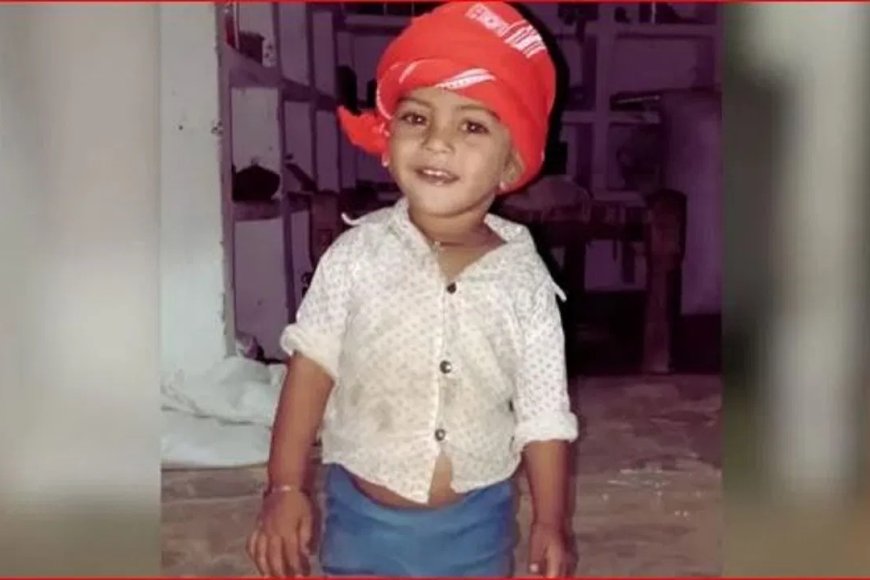
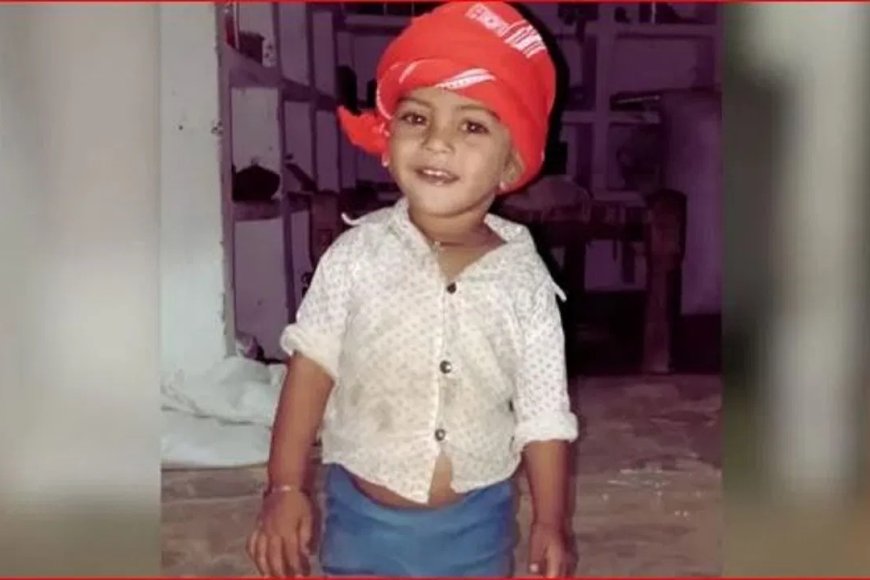
माँ के पैर से चिपकना पड़ा भारी, उबलते दूध से झुलसकर दो साल के मासूम की मौत

उत्तर प्रदेश समाचार: उत्तर प्रदेश के कौशांबी जिले के सरायअकिल इलाके से एक बेहद दर्दनाक हादसा सामने आया है. यहां एक ऐसी घटना में एक मासूम बच्चे की जान चली गई, जिससे पूरा गांव सदमे में है। दो साल का मनु दौड़कर अपनी माँ के पास आया और उसके पैर से लिपट गया। इसी बीच मां के हाथ से खौलता हुआ दूध का बर्तन बच्चे के ऊपर गिर गया. गंभीर रूप से झुलसे बच्चे को अस्पताल ले जाया गया, लेकिन रास्ते में ही उसकी मौत हो गई. इस घटना के बाद परिवार और गांव में गहरे शोक का माहौल है.

उस्मानपुर बिगहरा गांव में हुआ दर्दनाक हादसा
यह हादसा सरायअकिल थाना क्षेत्र के उस्मानपुर बिगहरा गांव में हुआ. गांव निवासी मंगल प्रसाद मेहनत मजदूरी कर अपने परिवार का भरण-पोषण करता है। सोमवार रात वह अपने तीन बच्चों के साथ पड़ोस के गांव में एक निमंत्रण में गया था। घर पर उनकी पत्नी सावित्री देवी अपने दो साल के बेटे मनु के साथ थीं।

माँ के हाथ से खौलता हुआ दूध का बर्तन गिर गया
रात करीब नौ बजे सावित्री देवी चूल्हे पर दूध गर्म कर रही थी। दूध गर्म हो जाने पर वह बर्तन लेकर बाहर रखने चली गई। उसी समय नन्हा मनु दौड़ता हुआ उसके पास आया और उसके पैर पकड़कर गले से लगा लिया। अचानक हुए इस खिंचाव के कारण सावित्री अपना संतुलन खो बैठी और खौलते दूध से भरा बर्तन सीधे बच्चे के ऊपर गिर गया.

अस्पताल ले जाते समय सांसें थम गईं
उबलते दूध से जलते ही मनु जोर-जोर से चिल्लाने लगा और उसकी हालत बहुत गंभीर हो गई। बेटे की हालत देखकर मां की चीख निकल गई। शोर सुनकर आसपास के लोग मौके पर पहुंचे और बच्चे को तुरंत सरायअकिल सामुदायिक स्वास्थ्य केंद्र ले जाया गया। वहां डॉक्टरों ने उसकी हालत गंभीर देख जिला अस्पताल रेफर कर दिया। परिजन बच्चे को एंबुलेंस से जिला अस्पताल ले जा रहे थे, लेकिन रास्ते में ही बच्चे की सांसें थम गईं।

बिना पोस्टमार्टम कराए अंतिम संस्कार कर दिया गया
मंगलवार सुबह गमगीन माहौल में परिजनों ने बिना पोस्टमार्टम कराए ही बच्चे का अंतिम संस्कार कर दिया। थानाध्यक्ष वीर प्रताप सिंह ने बताया कि उन्हें अन्य माध्यमों से घटना की जानकारी मिली, लेकिन परिवार की ओर से कोई लिखित शिकायत नहीं दी गयी है. इस हादसे के बाद पूरे गांव में मातम छा गया है और मां सावित्री देवी का रो-रोकर बुरा हाल है.

Source link

H‑1B Employer Data Hub goes offline, three years of records missing from USCIS website – when will it be back?

H‑1B Employer Data Hub goes offline, three years of records missing from USCIS website – when will it be back?

US government public database that shows which companies are hiring H-1B visa The employee is offline, and important search tools and recent data are missing.The H-1B Employer Data Hub was run by the U.S. Citizenship and Immigration Services (USCIS) and was used to analyze companies participating in the visa program.The site previously allowed users to search for H-1B petitioners by fiscal year, employer name, location and industry classification code. It also features an interactive map showing the concentration of H-1B employers across the US. Those search functions are now disabled, and the map interface has disappeared. Additionally, downloadable datasets for fiscal years 2024, 2025, and 2026 are missing. The pages that once offered these files are now labeled “Archived Content”, although they also show a “Last Reviewed/Updated” date of 07/01/2025. It is unclear when the files were stored and whether it is linked to technical issues.

When will it be back online?

A USCIS spokesperson told The Dallas Express via email, “We are aware that our various USCIS employer data hubs are currently experiencing technical difficulties. Our team is actively working to resolve the issue. We apologize for any inconvenience and appreciate your patience as we work to restore normal service.”The H-1B Employer Data Hub was launched to improve public access to information about the H-1B program. In a 2019 announcement, USCIS said the hub would allow the public to “search for H-1B petitioners by fiscal year (prior to FY 2009), NAICS code, employer name, city, state, or ZIP code”, allowing users to calculate approval and denial rates and identify which employers were using the visa program.USCIS said at the time that the purpose of the hub was to expand transparency around employment-based visa programs. On Facebook in 2019, the agency posted, “We have launched an H-1B Employer Data Hub to give you information about employers who are petitioning for H-1B workers. The Data Hub is part of our ongoing effort to increase transparency in employment-based visa programs.The disappearance of the hub’s functionality follows a report by The Dallas Express that examined which companies across Texas employ the most H-1B workers. Those reports analyzed concentrations of H-1B workers in major cities and identified employers responsible for the largest number of visa petitions.The H-1B program allows US employers to temporarily hire high-skilled foreign workers for roles such as technology and defense. Most of the visa programs are used by Indians and Chinese.

Source link

Land Pooling Policy of Punjab no man’s land

IIt was the middle of May, the time when the extreme heat of summer dries up all sources of bounty. Then the Bhagwant Mann led Aam Aadmi Party (AAP) government in Punjab launched the Land Pooling Policy (LPP), 2025. It was a wonderful idea: dividing 65,533 acres of land together for industrial and residential projects. However, in retrospect, one should have anticipated that, in a state where land is scarce and its symbolic and material value immense, the move would generate enough heat to upset the government. The inevitable reversal took only a few months.

Source link