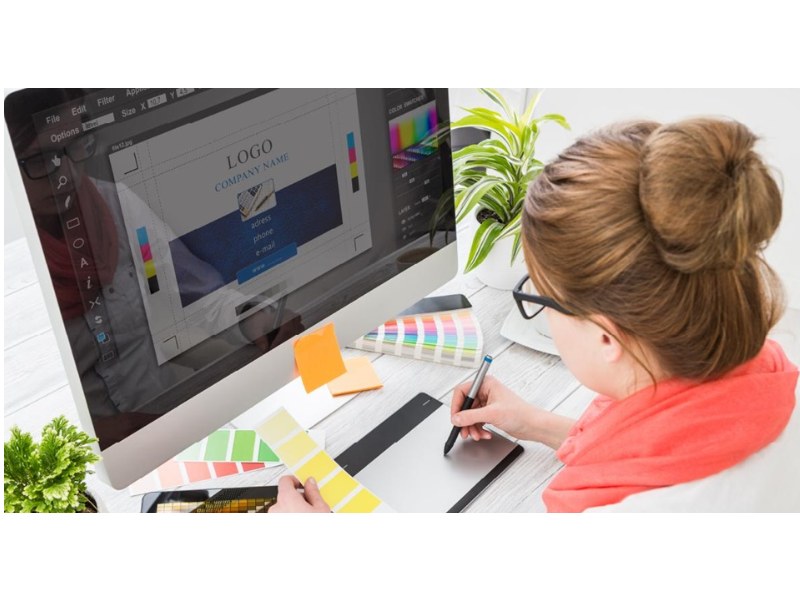

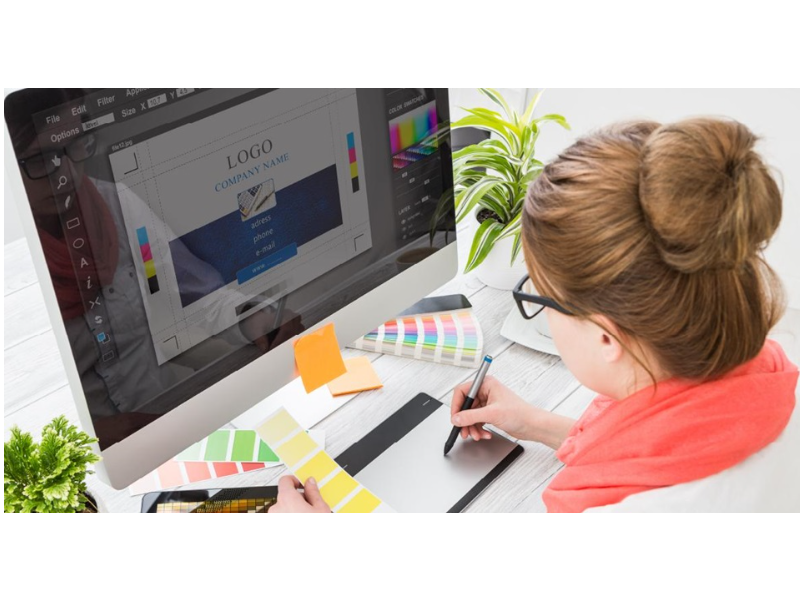
How do graphic designers convert JPG to PDF (Portable Document Format)?
Most of us nowadays are aware of various file formats, such as JPG, PNG and PDF. The formats mentioned above are the most prominently used globally. JPGs can be different things such as signatures needed to sign documents or screenshots of an instruction manual. When converting JPG to PDF and then sharing it, you want to maintain the quality of the image. It becomes extremely convenient for the end-user to access the PDF file. There are many tools available for this Convert JPG to PDF. Nonetheless, one tool that has gained a lot of trust in this segment is Adobe Acrobat. It converts any file from JPG to PDF without any change in quality. Moving on, we will explain step by step how you can use Adobe Acrobat to convert an image to PDF. Basic definition of JPG and PDF JPG or JPEG stands for Joint Photographic Experts Group, and is mostly used to compress highly detailed images, making them smaller to increase their shareability. They are useful for sharing and storing digital images. The format is mostly used for adding images to blog posts, social media platforms, and emails. As far as PDF is concerned, it includes many things like images, official documents, degrees, etc. The best thing about PDF is that it is a globally used format and can be easily accessed on all devices (being one of the most compatible). Another feature is that it maintains the quality of images even as the size (dimension) increases. Why should you convert JPG to PDF?
- Regarding size, JPG files take up less space than PDF. However, PDF files are easily manageable, and you can also use other services in the Adobe Document Cloud to make sharing, uploading, and management extremely easy.
- PDF will have the upper hand over JPG because JPG can be easily edited. Any JPG converted to PDF can be divided into different components for editing. However, when it comes to JPG the case is completely different as you cannot edit any of the components.
- When you compress a file in JPG format, its quality is lost. On the other hand, PDF files are slightly larger than JPG, but you will get higher quality results.
How do you convert JPG to PDF on PC?
- First of all, install Adobe Acrobat Reader on your PC; You can do this on your browser as well.
- Now, select the file you want to convert and wait for it to be processed.
- After processing, you will see a download button; Click on it.
- Your file will be successfully saved as PDF on your PC.
How do you convert JPG to PDF on a smartphone?

- Open Google Play Store and install Adobe Acrobat application.
- Now, launch the app and sign-in using any of the methods mentioned.
- Choose a plan – You can also opt for the free plan if you want. Moreover, subscriptions can be purchased at the lowest prices.
- Tap the Plus button and the bottom right side of the screen, and then tap the open file.
- Give the application storage access to get your files for editing.
- Select the file you want to convert.
- Now, you will see a ‘Convert PDF’ button below the image; Tap on this.
- Your image will be successfully converted to PDF.
Note: On the smartphone version, you cannot use the feature to convert images to PDF for free. Frequently Asked Questions Can you convert JPG to PDF for free? Yes, there are many online and offline tools that can be used to convert any image to PDF without spending a single penny. How to convert JPG to editable PDF? There are not many tools available in the market that provide accurate PDF editing features like Adobe Acrobat. You can just upload any file adobe acrobatEdit it as you wish and click the “Correct Suspect” icon to make the changes. How to convert JPG to PDF for free on smartphone? To do this for free, open any browser on your smartphone, then go to the JPG to PDF tool of your choice and finally upload the file. In most cases, the image will be automatically converted to PDF. In some of them, you have to tap on the command button for the conversion.
Disclaimer: Content produced by NP Digital India