

Bitcoin in trouble: Iran’s Hormuz Haftar stirs markets
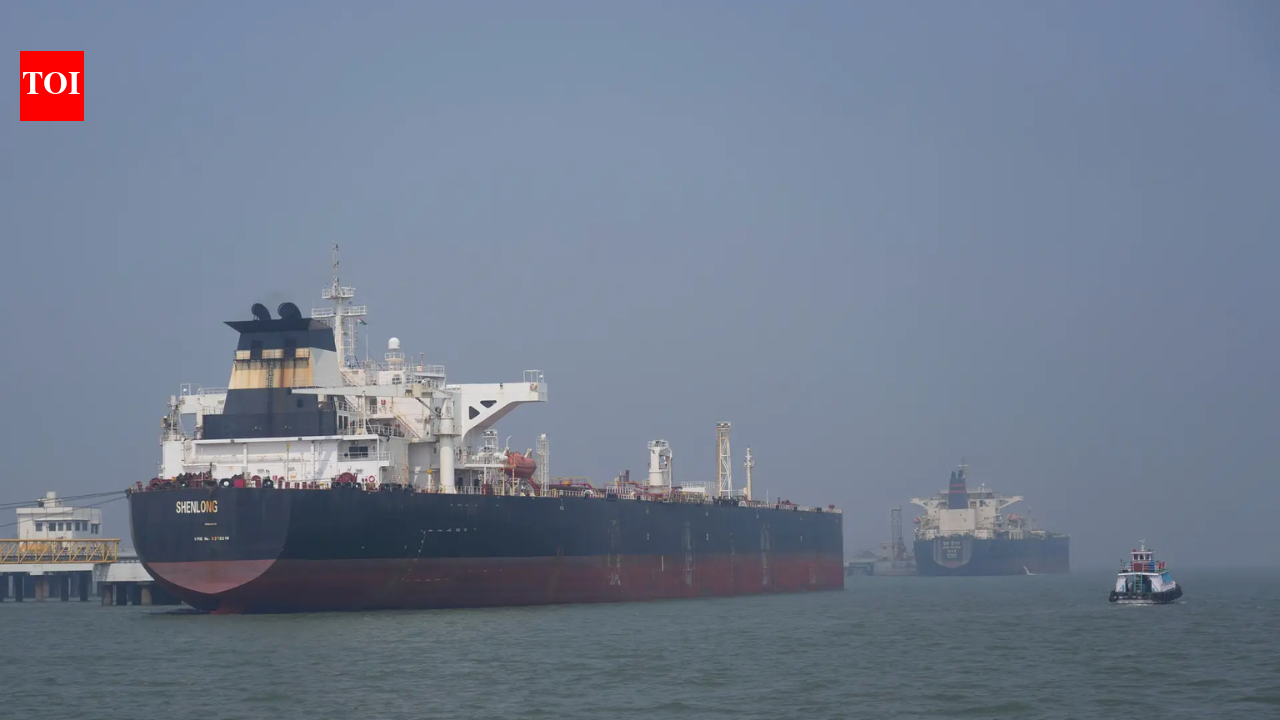
TOI correspondent from Washington: Iran moved to re-assert control over the Strait of Hormuz just hours after Israel’s continued strikes in Lebanon, straining shipping movements just 48 hours before the talks are set to begin in Islamabad. Tehran’s actions – ranging from increased inspections to completely blocking tankers – have contradicted US claims that the strait is open and safe.The White House has dismissed reports of a renewed closure by Iran as exaggerated and stressed that any attempt to block the waterway would be “completely unacceptable.” Yet on land – or rather, at sea – the situation looks much worse. But shipping companies report delays, diversions and increased scrutiny by Iranian authorities, suggesting that control over the strait is, at the very least, disputed. Physical obstruction is also not necessary; Due to fears that Iran may have mined the strait, insurance companies are not covering the ships, resulting in the ships not sailing at all. Adding to the uncertainty is a shocking report from the Financial Times that Iran intends to impose tolls payable in cryptocurrencies on ships passing through the strait. According to Iranian industry representatives, to avoid traceability under sanctions tankers must declare cargo via email, undergo appraisal, and then be paid about $1 per barrel in a digital currency such as Bitcoin – within seconds. The Iranian proposal outlines Tehran’s broader strategy: leveraging its geographical advantage during the ceasefire while testing new mechanisms to circumvent Western financial sanctions. The fact that President Trump has suggested that the US could partner with Iran in exacting such a toll, thereby legitimizing the shelling, has also worried Americans. This dispute over maritime control is just one aspect of a much larger gap between the US 15-point framework and Iran’s 10-point proposal, with differences on almost every important issue: nuclear enrichment limits, regional proxy activity, sanctions relief and control of strategic waterways. While the ceasefire has provided a temporary pause in direct hostilities, both sides appear to be using the hiatus to regroup and consolidate their positions.In fact, President Trump himself acknowledged this in a particularly aggressive message on social media, warning that U.S. military forces would stand ready to take renewed action if Iran fails to abide by the “real deal.”“If for some reason it is not [complied with],” he wrote with cowboy swagger, “Then the shootin’ starts, bigger, and better, and stronger than anyone’s ever seen before.” He said, with a mixture of courage and ambiguity, that the American army “is moving forward and resting, in fact, waiting for its next victory.”Such rhetoric has done little to reassure skeptics – neither abroad nor at home. In Washington, criticism is growing that the administration, despite inflicting significant military damage on Iran, has inadvertently given up strategic and diplomatic ground. Even within Trump’s political base, voices are emerging that question the coherence of the approach. The so-called “Taco Tuesday” satire – short for “Trump Always Chickens Out” – has gained popularity among critics who view the ceasefire as an escalation rather than a well-intentioned pause.