Breaking News
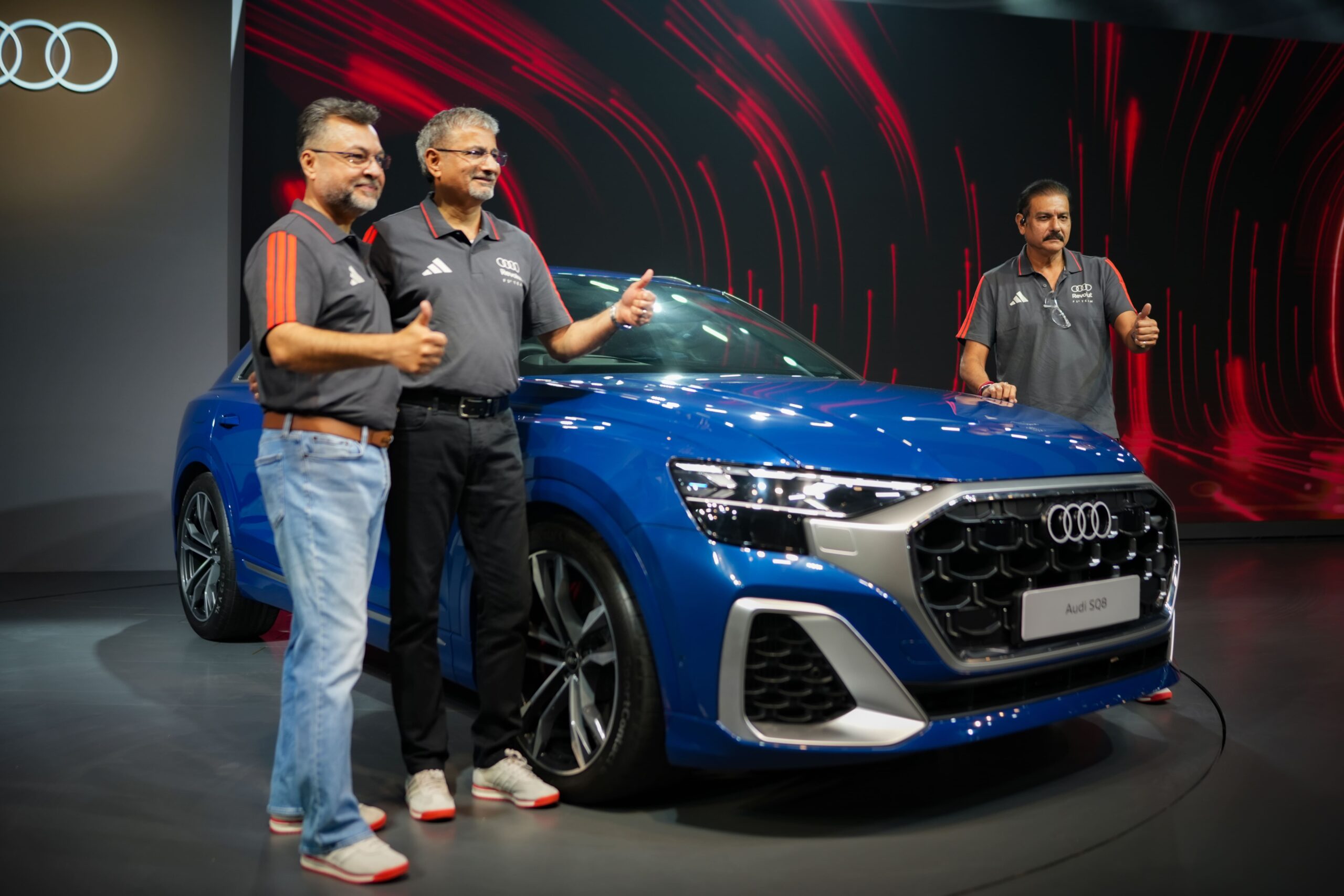
“Despite 25% price hike, fundamentals remain intact for future growth”: Audi’s Dhillon

India’s luxury car market should be in a pretty strong position by now. Wealth is rising, aspirations are deepening and premiumisation is visible across sectors. Nevertheless, volumes continue to remain in a tight range.

The segment is operating at 50,000-52,000 units annually and has a penetration of 1-1.5% in the overall passenger vehicle market. For a market of India’s size, this is disproportionately small.

For Audi India chief Balbir Singh Dhillon, the explanation lies in a fundamental reset. “If you look at the last five years, prices of luxury cars have increased by about 25%. This is unusual. The initial transaction price has become quite high,” he said.

That shift has pushed the average price of a luxury car up by more than ₹50-60 lakh, raising the entry barrier and, in turn, slowing the pace at which first-time buyers are moving into the segment.

One reason for this has been currency fluctuations. The rupee has seen a sharp 15-20% depreciation against the euro over the past 12-18 months, leading to significant increases in import and localization costs for luxury carmakers with euro-linked supply chains. Manufacturers have been able to pass on a significant portion of these increases to customers, supporting higher realizations, although not without a reduction in volume growth.

A more complex path to luxury

The effect is not a decline in demand, but a change in the way that demand grows.

What was once a relatively straightforward jump from mass market to luxury has become much more fluid. Buyers are increasingly settling on premium offerings of ₹25-40 lakh from mainstream manufacturers, which now offer higher levels of features and perceived luxury, effectively extending the upgrade cycle.

The competitive intensity at the top level is also growing. With the growing presence of EVs, entry and expansion of new players like MG Motor and BYD, the scope of choice within the broader premium and luxury space is expanding. This is likely to be further boosted by JSW’s upcoming automotive entry under its own brand, adding another layer of competition in the electrified and premium segments.

“Today, customers are evaluating more options before making that move. This is a natural evolution of the market,” Dhillon said. However, he sees a positive side to the growing appetite for premium-mainstream offerings. “Going from ₹15 lakh to ₹50 lakh is not easy. But if someone already has ₹30-35 lakh, we are expanding the base of future luxury buyers.”

High prices, strong feel

Although volumes have seen moderate expansion, or perhaps because of it, realizations per car have increased. Buyers are increasingly opting for higher trims, more personalization and feature-rich variants, as well as a clear shift towards top-end models within the luxury portfolio.

Therefore, the top end of the market continues to maintain strong growth momentum, indicating that demand at higher price points remains resilient, even as entry-level luxury is seeing a slower expansion.

Similarly, there has been no significant decline in loyalty. The luxury car market is sustained by existing customers upgrading within the ecosystem, rather than relying solely on first-time buyers. While the top of the funnel may expand more slowly, conversion and retention within the segment are strengthening, improving lifetime value per customer.

“Customer loyalty is at one of the highest rates we have seen today. This is a very important indicator for long-term growth,” he said. For Dhillon, one in three Audi buyers is a repeat customer. The company now sells one used car for every new car. “For every new car we sell, we’re also selling a pre-owned car. And once a customer enters luxury, 95% of them don’t leave it,” he said.

next development trigger

Still, Dhillon remains a firm believer in the larger story. Dhillon said, “Last year alone India added about 60 billionaires. In a country with about 360 billionaires, this shows how fast wealth is being created.”

He believes that macroeconomic changes, including trade agreements such as the India-EU Free Trade Agreement (FTA), will lead to a boost in wealth creation. Dhillon said, “For me, only 20% of the FTA story is about cars. The remaining 80% is about wealth creation.” “When wealth is created and money comes into the hands of people, luxury consumption will increase. That is the real trigger,” he said.

audi reset

Audi’s recent performance in India cannot be seen in isolation from its strategic choices. The brand, over the past few years, has slipped down the pecking order, exiting key segments like diesel and facing gaps in its EV portfolio, even as rivals have expanded aggressively in powertrains.

Dhillon rejected the idea of ​​a poor performance. “We have to look at the segments in which we are participating. We continue to have a large presence in those segments,” he said.

The absence of diesel and the temporary gap in EV offerings has undoubtedly limited volumes, but Dhillon framed these as portfolio choices rather than structural weaknesses, pointing to the broader product reset underway globally.

He confirmed that 2026 will be a decisive year, in which new products will be introduced in a phased manner and a clear articulation of the strategy is expected in the coming months.

He said, “This is going to be a defining year for us. We will start bringing new products and share more information at the right time.” “Our effort will be to grow in line with the market, if not faster. The numbers will come as the right products come in,” he said.

For Audi, the path to a comeback is likely to be defined not by any one success, but by a measured rebuilding of portfolio depth and market relevance, aligned with a broader industry transformation that is still underway.
Source link

eBikeGo arm Vajram Electric raises US$1.5M seed funding to grow portfolio of E2Ws, ETAuto


<p>eBikeGo to launch flagship vehicle.</p>
<p>“/><figcaption class=eBikeGo to launch flagship vehicle.

Vajram ElectricWholly owned subsidiary of eBikeGo, which plans to develop a portfolio of electric two wheeler The company said it has raised US$1.5 million, including MUVI and Velocipedo, to meet eBikeGo’s manufacturing requirements and strengthen and expand the country’s fragmented EV supply chain with its strong in-house manufactured vehicles.

Vajram Electric building the industry’s best EV 2-Wheeler Power Train Which will enable multiple vehicle configurations. In line with international production standards, Vajram Electric has set a course to produce vehicles of the future for Indian and other international marketTo meet the expected demands in B2B and B2B2C markets, the company said in a media release.

eBikeGo will launch the flagship vehicle, MUVI, sooner than expected and manufacturing will begin by April 2023. The initial batch of 500 vehicles will be rolled out starting from the first quarter of 2023 and will first be deployed in its existing rental fleet to analyze their optimal capacity. MUVI is a European-designed, fourth-generation electric vehicle that is affordable and connected. The company said in a media release that this flagship product is set to provide consumers with clean, nimble, efficient and simple mobility, thereby adding value to their everyday lives.

The MUVI aims to provide convenience and comes with a 16-inch wheel platform, two removable lithium-ion battery pack – Stored under the seat – which can either be replaced with a fully charged pack at a swap station or charged at home using a standard plug point (with a claimed charge time of three hours). The release says that the MUVI offers a reliable range of up to 103 km when fully charged.

Irfan Khan, Founder and CEO, eBikeGo, said, “We aim to capture 5% of the electric 2-wheeler market in India. Our idea is to introduce and establish a world-class, fourth generation electric 2-wheeler market.” electric vehicle from around the world, such as MUVI and Velocipedo, and have a significant impact on the current state of electric mobility. The company is making significant earnings investment In transportation data science, which not only helps manage highly optimized delivery operations but also “extends asset life”, increases asset ROI, and reduces downtime by 30%-40%. This is a powerful validation of the company’s business strategy and technological foundation, which allows us to expand rapidly while reducing our global carbon footprint.” eBikeGo has a fleet of over 2500 active 2-wheelers. EV rental And has collected approximately 1 petabyte of data through subscription and conscious monitoring of its fleet. The release said that eBikeGo is ultimately creating an integrated EV ecosystem.

based in hyderabad finance Advisory firm HappyCoin advised Vajram Electric in the seed funding round led by Nikul Gala and family along with prominent HNIs like Anil Basa, Cyprian D’Mello and others, the release said.

Also read:

EV startup Matter unveils geared electric motorcycle

The startup aims to create 200 dealerships across major cities in the next 12 months. It also has an eye on exports to various markets including Asia, Africa and Latin America in the next two years.

  • Published on November 22, 2022 at 12:46 PM IST

Join a community of 2M+ industry professionals.

Subscribe to the newsletter to get the latest information and analysis delivered to your inbox.

Everything about the ETAuto industry straight to your smartphone!


Source link

BYD India opens largest showroom in Delhi, expands network to 48 outlets, ETAuto


<p>BYD India now operates through 18 dealer partners across the country.</p>
<p>“/><figcaption class=BYD India now operates through 18 dealer partners across the country.

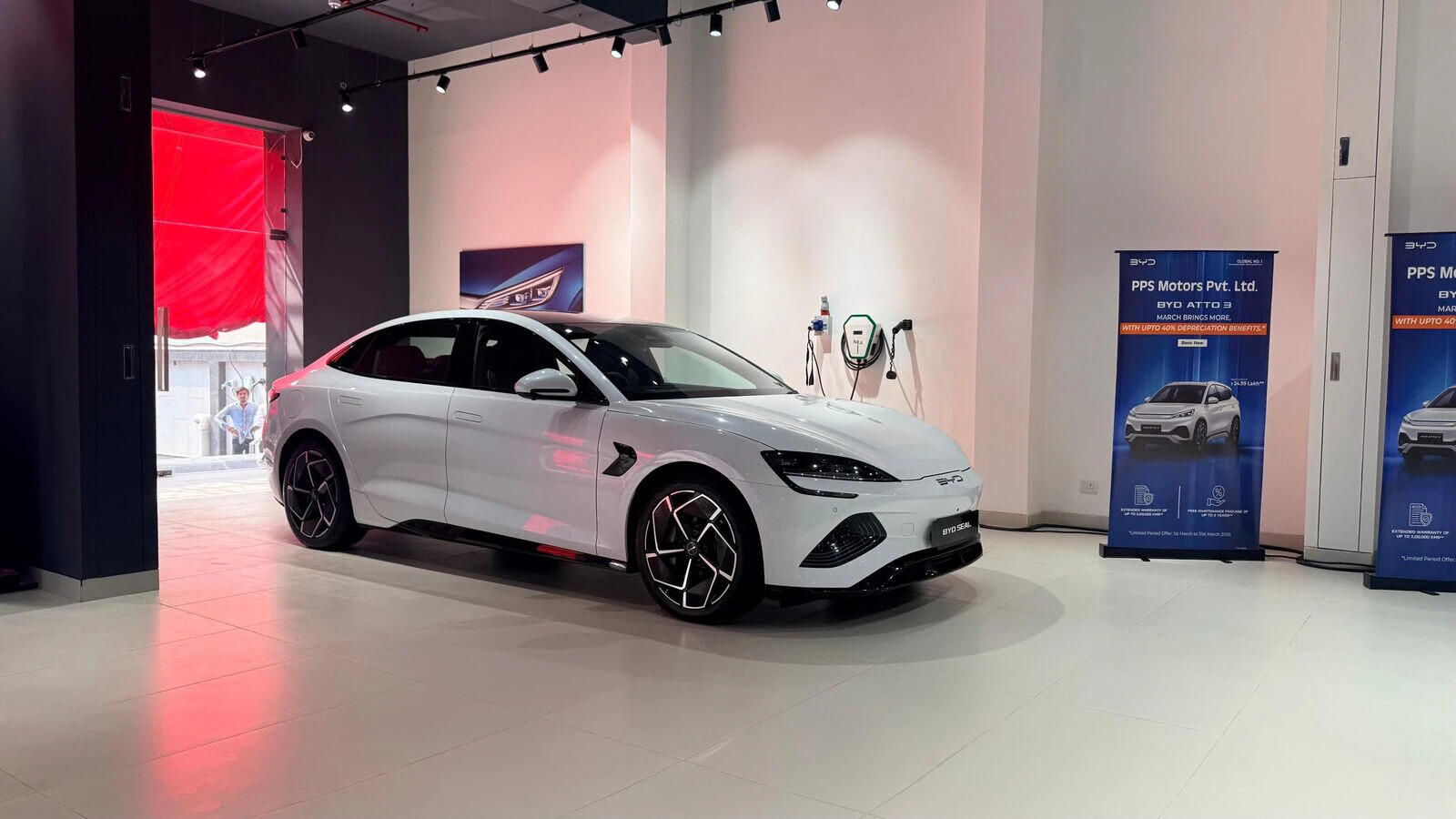
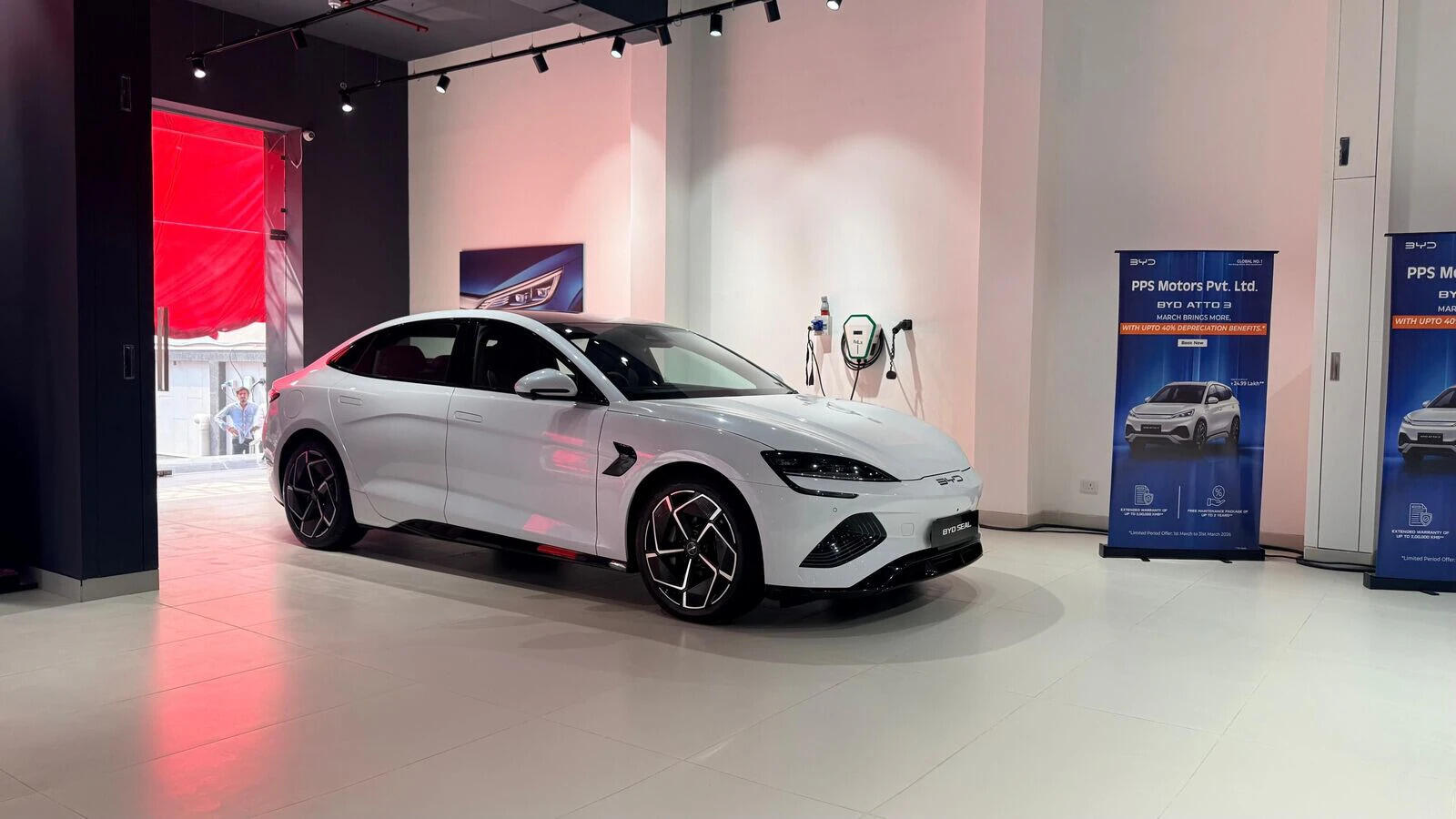
BYD India on Wednesday announced the expansion of its dealership network to 48 showrooms across 40 cities with the opening of a new outlet in Moti Nagar, Delhi.

The facility was inaugurated in partnership with PPS Motors Pvt. Ltd.This is the company’s sixth showroom in the Delhi-NCR region and its largest showroom in India so far.

Spread over 9,000 square feet, this showroom can display a maximum of seven vehicles. This is part of the company’s efforts to strengthen its presence in key urban electric vehicle markets like Delhi-NCR.

Rajeev Chauhan, Head of Electric Passenger Vehicle Business, said, “Together with our valued partner PPS Motors, we look forward to bringing BYD’s advanced electric vehicles closer to customers in the region and contributing to India’s transition towards clean transportation.” BYD India.

With this addition, BYD India now operates through 18 dealer partners across the country, marking the continued expansion of its retail footprint amid the growing acceptance of electric vehicles in the country.

Managing Director Rajeev Sanghvi said, “With BYD’s technologically advanced products, customer-centric approach along with our deep understanding of customer needs we strive to provide a premium and seamless ownership experience to our customers in the Delhi region.” PPS Motors Pvt. Ltd.

  • Published on March 18, 2026 at 02:12 pm IST

Join a community of 2M+ industry professionals.

Subscribe to the newsletter to get the latest information and analysis delivered to your inbox.

Everything about the ETAuto industry straight to your smartphone!


Source link

New Renault Duster vs Tata Sierra: Engine Specifications and Price Comparison

New Renault Duster vs Tata Sierra: Engine Specifications and Price Comparison

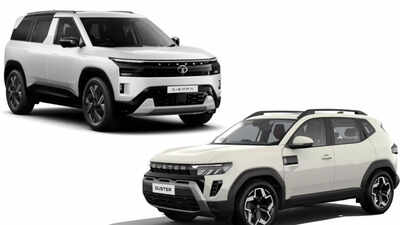
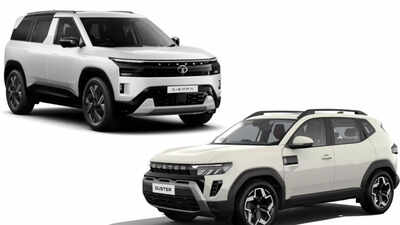
The mid-size SUV sector in India is heating up with the return of two familiar nameplates: Renault Duster and Tata Sierra. While both SUVs target similar buyers, they take slightly different approaches when it comes to engine options and pricing. Here’s a closer look at how they compare on paper.

Renault Duster vs Tata Sierra: Engine Specifications

The all-new Renault Duster is making a comeback, built on the brand’s CMF-B platform. It comes with three powertrain options. The range starts with a 1.0-litre turbo-petrol engine that produces 100 hp and 160 Nm of torque, paired with a 6-speed manual gearbox. Moving on, there is a more powerful turbo TCe 160 engine that delivers 163 hp and 280 Nm, offered with a 6-speed dual-clutch automatic transmission.Renault has also introduced a strong hybrid option with the Duster, branded as the E-Tech 160. This setup combines a petrol engine with two electric motors and a 1.4 kWh battery pack. The company claims that this system can run in electric-only mode for up to 80 percent of urban driving. Notably, unlike the previous generation, the new Duster does not get a diesel engine at launch.

Watch

2025 Tata Sierra first drive review: The icon is back but worth the hype?

Tata Sierra, on the other hand, offers a wide mix of petrol and diesel engine options. The entry-level option is a 1.5-litre NA petrol engine producing 106 hp and 145 Nm of torque, available with a 6-speed manual or 7-speed dual-clutch automatic transmission. There is also a 1.5-litre turbo-petrol TGDI engine that produces 160 hp and 255 Nm, paired with a 6-speed automatic gearbox.Diesel option is also available in Sierra. Its 1.5-litre turbo-diesel engine produces 118 hp and 260 Nm of torque and is offered with both manual and automatic transmission options.

Renault Duster vs Tata Sierra: Pricing

In terms of pricing, the 1.0-litre turbo-petrol manual variant of the Renault Duster is priced between Rs 10.29 lakh to Rs 13.19 lakh for pre-bookings, and between Rs 10.49 lakh to Rs 13.49 lakh under standard pricing. The more powerful 1.3-litre Turbo variant, available with both manual and automatic gearboxes, is priced between Rs 12.69 lakh to Rs 18.09 lakh (pre-booking) and Rs 12.99 lakh to Rs 18.49 lakh in regular sales.The price of petrol manual variant of Tata Sierra starts at Rs 11.49 lakh and goes up to Rs 16.79 lakh. The diesel range starts at Rs 12.99 lakh and goes up to Rs 21.29 lakh. Meanwhile, the turbo-petrol automatic variant is priced between Rs 17.99 lakh and Rs 20.99 lakh.

Source link

Beyond helmets: Neowatch wants to make rider airbags India’s next safety habit

India’s motorcycle culture has changed dramatically over the past decade. Riders are traveling farther, machines are becoming more powerful, and protective jackets and gloves are increasingly appearing on highways and weekend rides. Yet the main safety conversation has not moved beyond helmets.

According to Rajat Bhandari, Managing Director, Neowatch, this is where the industry is missing a vital aspect. “The rider safety conversation in India has largely revolved around helmets,” says Bhandari. “But real-world accident patterns show that many life-altering injuries occur in areas where helmets do not protect. To meaningfully reduce injury severity, we need to think beyond traditional gear and focus on intelligent protection that responds quickly during a crash.”

Neowatch, an Indo-French venture focused on wearable airbag systems for riders, is attempting to pioneer that change. Its pitch is straightforward: While helmets protect the head, serious injuries and deaths often involve the spine, neck and torso – which are left exposed in many crashes. As motorcycles become faster and touring culture grows, this vulnerability is becoming more apparent.

From niche gear to everyday utility

However, the company’s strategy is not to position the airbag as a device reserved for specialist racing gear or long-distance riding. Instead, NeoKavach is attempting to integrate safety into everyday riding habits.

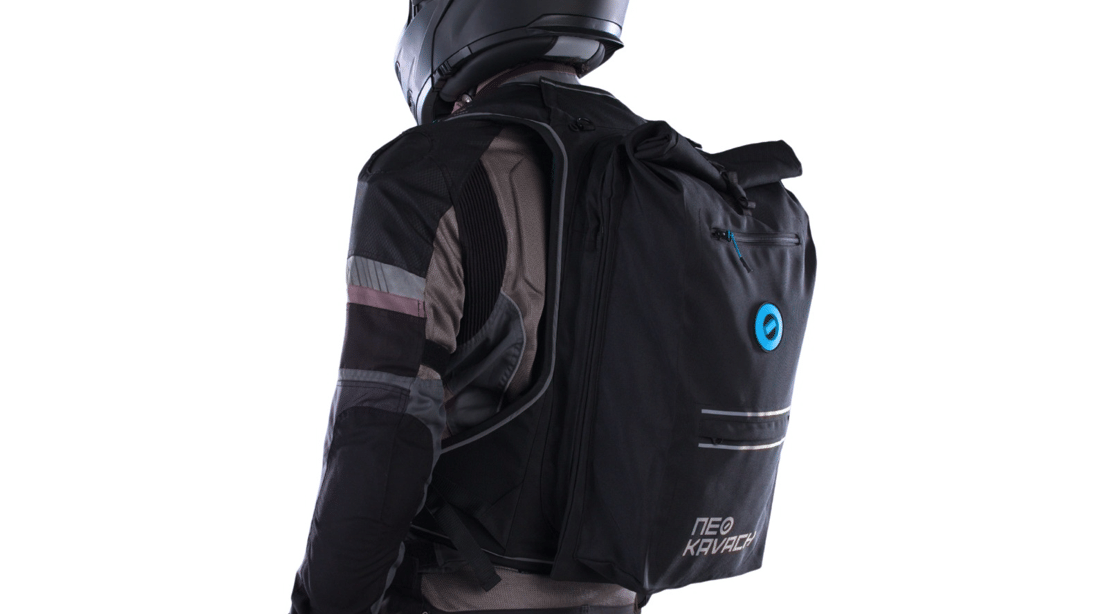
To that end, it offers two primary formats: an airbag vest that can be worn over existing riding gear, and an airbag-integrated backpack that is designed for daily use. The latter reflects a well-thought-out design philosophy – making security feel like a utility rather than an added burden.

“The exciting thing is that riders are no longer asking whether safety is needed or not. They’re asking how it can fit naturally into their daily riding,” says Bhandari. “The strong response to the backpack format reflects a clear preference for a design that balances protection, comfort and practicality.”

Backpacks include features typically associated with commuter gear – storage compartments, waterproof materials, helmet holders, and hydration packs – while an airbag system is intended to deploy during a crash. Meanwhile, the vest is designed to be worn over existing jackets without replacing them.

The idea is practical: If riders already carry a backpack or wear protective gear, adding an airbag to those habits could increase adoption.

Technology to suit Indian conditions

The Neowatch’s airbag system relies on a mechanical trigger that activates when the rider disembarks the motorcycle and inflates in approximately 100 milliseconds. Its purpose is to stabilize the neck and protect the upper body before impact.

The company says it opted for mechanical activation rather than sensor-based systems because Indian riding conditions can be unpredictable. Speed ​​breakers, potholes and rough roads can trigger mis-deployments in electronic systems calibrated for a more uniform environment.

“World solutions are not always India solutions,” says Bhandari. “In our circumstances, you need something that deploys reliably in a real accident but does not fail due to rough roads or sudden braking.”

The technology itself isn’t exactly new. NeoKavach’s partner, Helite, has been manufacturing airbag systems in Europe for more than two decades, primarily for equestrian sports, motorcycles and motorsports. NeoKavach is attempting localization – adapting the technology to Indian climate, usage patterns and price expectations.

For example, ventilation has been a major design consideration. The vest is engineered for airflow and aims to remain wearable even in high temperatures. “If riders can’t wear it in the Indian heat, they won’t wear it at all,” says Bhandari.

strength challenge

Perhaps the biggest barrier to the adoption of advanced riding gear in India has historically been cost. Imported airbag systems can run into six-figure price tags once duties and logistics are included.

NeoKavach’s localization strategy aims to bring prices to a more accessible level for premium motorcycle owners. The company says its base vest starts at around ₹32,400, with the backpack variant costing more depending on the configuration.

“We wanted this product to be cost-effective and for as many people as possible to use it,” says Bhandari. “If the price of security is out of reach, adoption will always be limited.”

Another differentiating factor that the company emphasizes is reusability. The airbag’s CO₂ cartridges can be replaced by the user after deployment rather than sending the gear back to a service center – something that can be expensive and inconvenient with some imported systems.

“That usability matters,” says Bhandari. “If a rider has a minor fall during a trip, they should be able to quickly reset the system and continue.”

early signals from the market

Neowatch says early consumer research indicates a change in rider mindset. Studies conducted in major cities show that riders view advanced safety gear as a necessity rather than a niche accessory. High-risk scenarios such as highways, wet roads and unpredictable traffic are increasing interest in additional protection.

Research also shows that practicality plays a decisive role in adoption. The airbag backpack format, for example, scored high marks in everyday relevance and willingness to pay, especially among urban travelers.

“What we’re seeing is that the adoption of security is linked to how seamlessly it fits into daily life,” says Bhandari. “If it feels like an extra task, people may not use it consistently. If it feels like part of their routine, they will use it.”

OEMs, riders and the wider ecosystem

NeoKavach is also exploring partnerships with motorcycle manufacturers, riding clubs and racetracks to expand awareness and adoption. The company says discussions are underway with several OEMs to integrate the airbag system into their accessory ecosystem or co-branded gear offerings.

The long-term opportunity may overtake the enthusiasts. Delivery riders and fleet operators represent a large and high-risk segment, although pricing and product design will need to be optimized for mass adoption.

“Over time, as volumes grow and costs come down, there will be opportunities to bring it to wider segments,” says Bhandari. “But even today, there is a growing willingness to invest in safety among premium motorcycle owners.”

NeoKavach also sees export potential. Manufacturing in India allows the company to supply products globally while adapting designs to local needs. In some cases, India-specific designs may find popularity in foreign markets.

Gradual change in safety culture

At present, rider airbags remain a niche product category in India. Helmets are mandatory by law; Jackets and gloves are becoming increasingly common among enthusiasts; Airbags are still new territory.

But the trajectory of motorcycle safety in global markets shows that incremental layers of protection become mainstream over time, often driven by a mix of regulation, consumer awareness and OEM involvement.

“As bikes become more powerful and riding becomes more widespread, the conversation naturally turns to safety,” says Bhandari. “The helmet was the first step. We believe the next step is to protect the rest of the body.”

Whether wearable airbags become standard gear for Indian riders will depend on how quickly the ecosystem – manufacturers, riders and policy makers – embraces that idea. For Neowatch, the goal is to make the technology visible, practical, and affordable enough that riders start seeing it not as optional gear, but as part of the ride.

Source link

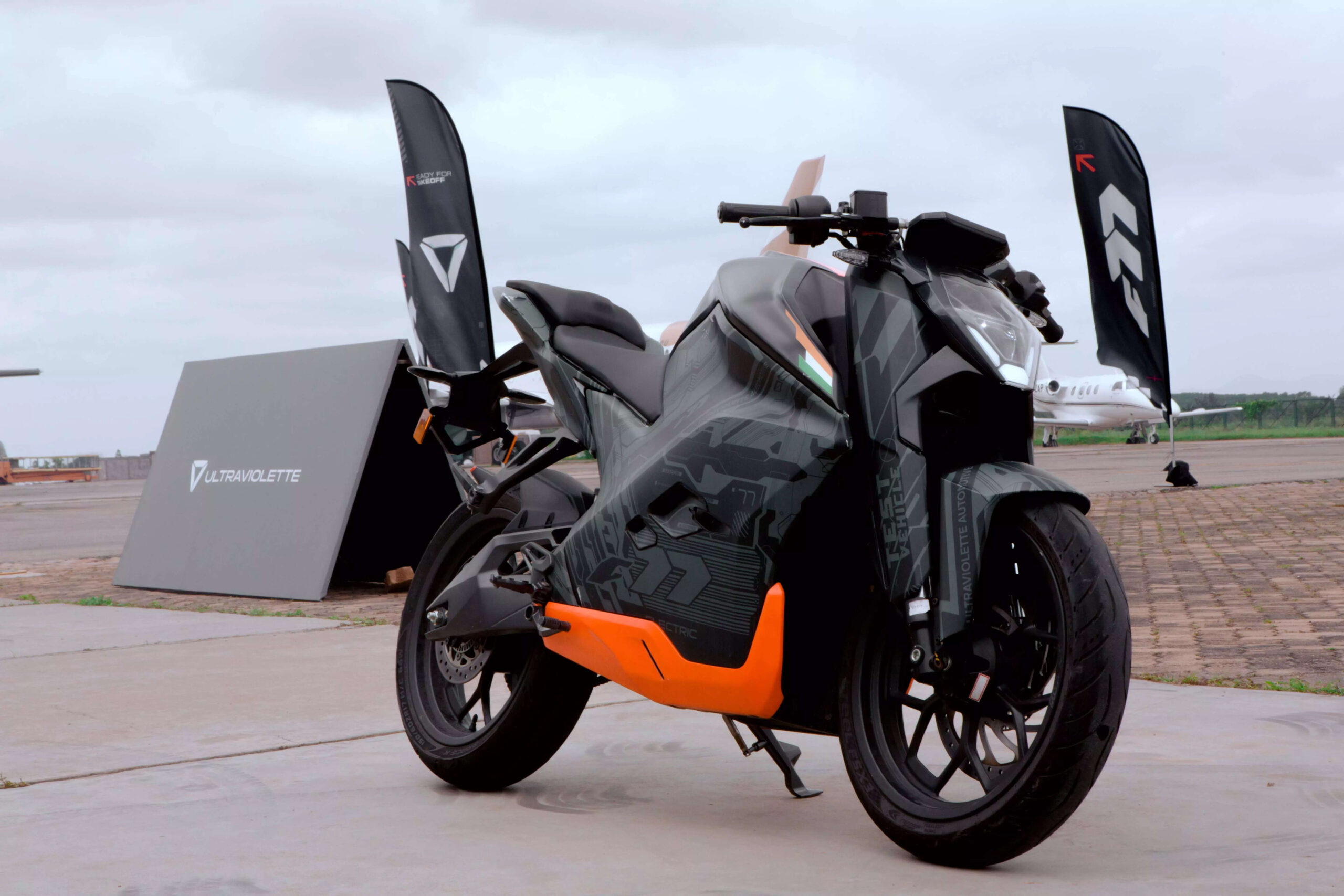
Ultraviolette to launch F77 on Thursday; Funding comes from Qualcomm Ventures, Lingotto, ETAuto


<p>Ultraviolette, an innovator in sustainable mobility, has received investment from Qualcomm Ventures and Lingotto to expand its Series D round. </p>
<p>“/><figcaption class=UltraViolet, an innovator in sustainable mobility, has received investment from Qualcomm Ventures and Lingotto to expand its Series D round.

New Delhi : Ultraviolette Automotive Pvt. Ltd. will launch it electric two wheeler Ultraviolet F77 on 24 November. The company started its pre-orders on October 23 and the product will be introduced in a phased manner, with the first batch of motorcycles being delivered in Bengaluru. The company said in a media release that the IDC range of the F77 is 307 km on a single charge.

Ultraviolette, an innovator in sustainable mobility, has received investment From Qualcomm Ventures And Lingotto To expand Series D round. in investment From Qualcomm Ventures And Lingotto Will be deployed later to expand company’s presence in India Expansion in international markets, and strengthening the brand’s technical capabilities and skills. The release said.

Qualcomm Ventures invests in companies focused on 5G, Artificial Intelligence, Automotive, IoT, Enterprise & Cloud, and XR/Metaverse. Qualcomm Ventures has more than 150 companies in its portfolio and manages over US$2 billion of assets in the US, China, India, Israel, Europe, Latin America and Korea.

Lingotto (formerly Exor Capital) is a wholly owned subsidiary of EXOR NV, with the largest or controlling stake in the companies. sports car manufacturer ferrari (RACE.MI), Stellantis (STLA.MI) CNH Industrial (CNHI.MI), Iveco Group (IVG.MI), The Economist Group, Via, and soccer team Juventus (JUVE.MI).

Narayan Subramaniam, Co-Founder and CEO, UltraViolet, said, “As we count down to the commercial launch of the F77 in India, this investment is testament to the fact that we have been able to create a distinct identity for UltraViolet and the F77 and create aspiration for the product among a global audience. We look forward to the support of Qualcomm Ventures and Lingotto in our vision to redefine the future of electric mobility and take the F77 global.” Thrilled.” Event.”

Qualcomm Technologies, Inc. “Qualcomm Ventures is proud to support Ultraviolette, which is committed to raising the performance and safety standards of electric two-wheelers with best-in-class technologies, design and engineering,” said Quinn Lee, senior vice president and global head of Qualcomm Ventures.

“We look forward to enabling companies like UltraViolet to accelerate the transformation already underway in the automotive industry, providing not only access to capital, but also the opportunity to potentially leverage Qualcomm’s world-class technology innovations,” he said.

Nikhil Bava Srinivasan, Managing Partner of Lingotto, said, “Our continued support for UltraViolet is based on what it hopes to be a market-defining product.”

“While we are focused on the commercial availability of the F77 in India, we are also actively building a roadmap for our next generation,” said Neeraj Rajmohan, Co-Founder and CTO, Ultraviolette. Expansion in international markets, and this capital investment will be integral in expanding our efforts in some of these markets.

Also read:

European car sales increased in October: ACEA

The European Automobile Manufacturers Association (ACEA) said the number of new vehicles registered in the EU, Britain and the European Free Trade Association (EFTA) rose 14.1% to 910,753 units.

  • Published on November 22, 2022 at 01:07 PM IST

Join a community of 2M+ industry professionals.

Subscribe to the newsletter to get the latest information and analysis delivered to your inbox.

Everything about the ETAuto industry straight to your smartphone!


Source link

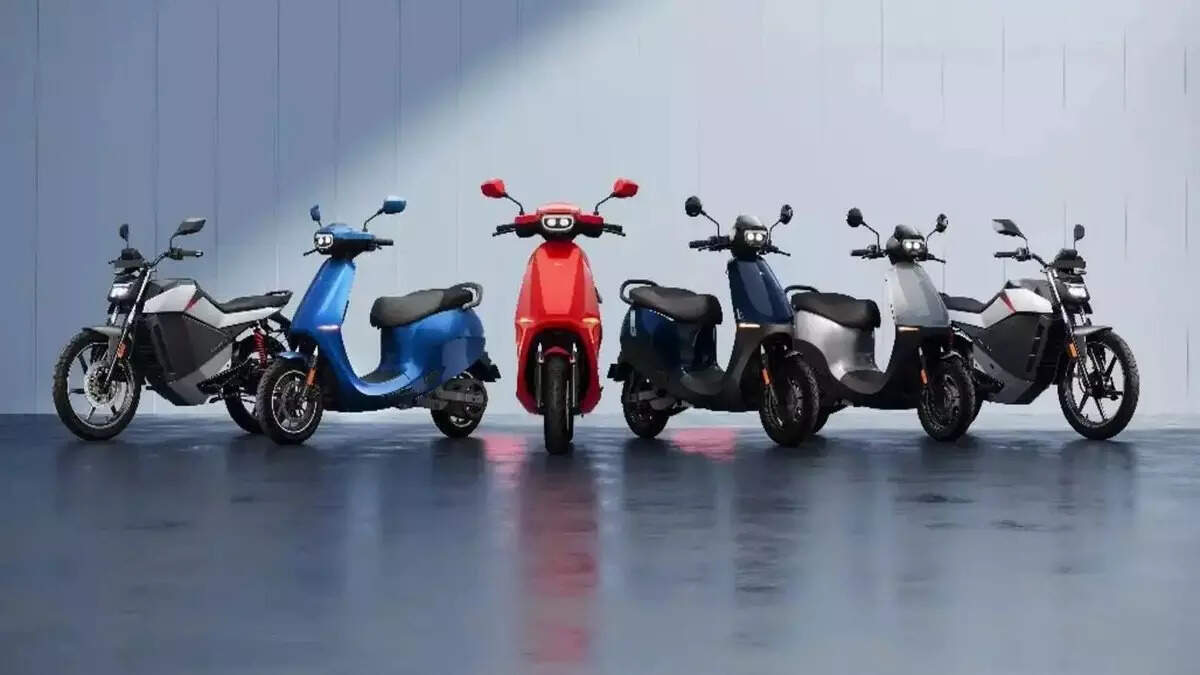
Ola Electric plans to sell stake in battery arm worth ₹2,000 crore to fund ETAuto’s expansion


<p>Ola Electric has already introduced residential battery energy storage systems and plans to expand into commercial energy storage solutions.</p>
<p>“/><figcaption class=Ola Electric has already introduced residential battery energy storage systems and plans to expand into commercial energy storage solutions.

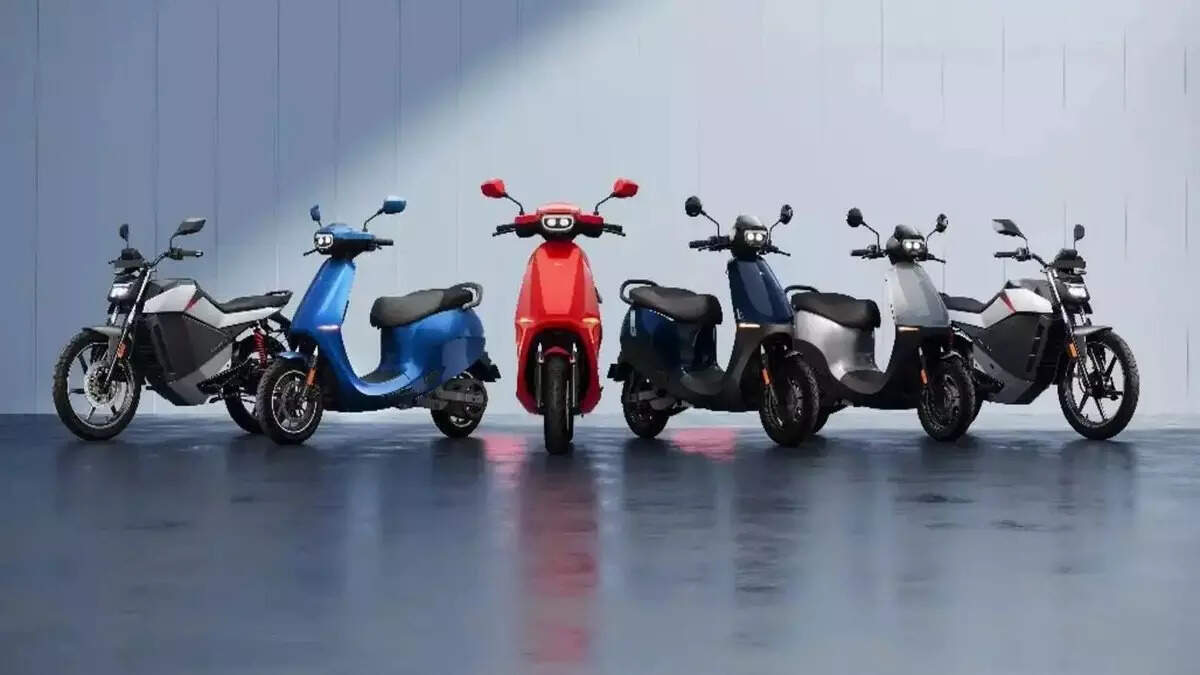
Ola Electric plans to raise up to ₹2,000 crore by selling its stake battery manufacturing Hand Ola Cell Technologies (OCT), as the electric two-wheeler maker looks to strengthen its balance sheet and accelerate the expansion of its domestic cell manufacturing capacity, sources familiar with the matter said. PTI.

Investment banks Avendus Capital and Motilal Oswal Financial Services have been mandated to manage the fundraising process. The stake sale is expected to attract interest from financial investors including sovereign wealth funds and will also help in establishing the market valuation of the company. battery manufacturing Property.

OCT operates a lithium-ion cell manufacturing plant in Tamil Nadu with an operational capacity of 1.5 GWh, which the company plans to expand to 6 GWh by the end of the current financial year. The facility is an important part of Ola Electric’s strategy to localize battery cell production in India and reduce dependence on imported cells as the country develops its electric vehicle supply chain.

The Gigafactory has been set up with an initial investment of ₹3,500 crore and is expected to support not only electric vehicles but also energy storage solutions across industries. As India moves towards increasing the share of renewable energy, battery storage systems are expected to play an important role in balancing power generation and consumption.

Ola Electric has already introduced residential battery energy storage systems and plans to expand into commercial energy storage solutions. The company’s battery research efforts are led by its Battery Innovation Center under OCT, which houses more than 200 engineers and researchers and has built a portfolio of approximately 400 patents covering multiple cell chemistries, including NMC, LFP, LMFP and LMR.

The planned stake reduction comes as the company works on restructuring its operations and strengthening its finances while growing its electric mobility and battery manufacturing ecosystem.

  • Published on March 16, 2026 at 04:43 PM IST

Join a community of 2M+ industry professionals.

Subscribe to the newsletter to get the latest information and analysis delivered to your inbox.

Everything about the ETAuto industry straight to your smartphone!


Source link

Center eases EV localization norms, allows motor imports for e-buses and trucks

Center eases EV localization norms, allows motor imports for e-buses and trucks

The Center has eased localization requirements under its electric vehicle manufacturing programme, providing relief to manufacturers of electric buses and trucks facing component supply challenges. As per PTI report, the move comes under the government’s Rs 10,900 crore PM e-Drive scheme, which aims to boost domestic EV production while strengthening the supply chain for key components. In a notification issued on March 13, the Ministry of Heavy Industries allowed manufacturers to continue importing traction motors using rare-earth magnets for electric trucks and buses until August 31. This discount applies to vehicles in the N2 and N3 categories of electric trucks and M2 and M3 categories of electric buses. The decision is expected to help manufacturers continue building local production capacities as well as manage ongoing component shortages. This is the second time the government has extended the deadline for localization of traction motors. In September last year, the Center had already extended the deadline till March 2026. With the latest notification, the requirement to completely localize the manufacturing of traction motors will now come into effect from September 1, 2026. Under the Phased Manufacturing Program (PMP) linked to PM Electric Drive Revolution in Innovative Vehicles Promotion Scheme, companies are required to complete key phases of traction motor production within India. These processes include magnet fitment, rotor assembly installation, stator assembly integration, shaft and bearing fitment, enclosure installation, as well as connectors and cable integration. These requirements aim to gradually increase domestic value addition in the EV supply chain. However, sourcing rare-earth magnets remains a major challenge globally. These magnets are a key component in traction motors used in electric vehicles, and are also widely used in sectors such as electronics, aerospace, and renewable energy. India, like many other countries, currently depends heavily on imports for these materials, with China being one of the major suppliers to the global market. To reduce this dependency, the government is also working on strengthening domestic manufacturing of rare-earth components. As part of this effort, the Center has launched a scheme to promote manufacturing of sintered rare earth permanent magnets with a financial outlay of Rs 7,280 crore. The initiative aims to support local production of these critical materials and secure the supply chain for India’s growing EV and technology industries. The latest decision to temporarily relax localization norms is expected to give manufacturers additional time to stabilize production while the country gradually builds the required capacity to manufacture key EV components domestically. Input from PTI.

Source link

RSB Group gears up for hyper-growth: new markets, technology and mission ₹10,000 crore

In 1973, when a young engineering graduate named RK Behera got a small plot in Jamshedpur from the Industrial Development Corporation, neither he nor his younger brother SK Behera could have imagined that the modest sheet-metal unit they were building would one day become one of India’s respected driveline manufacturers. With capital barely touching Rs 1.5 lakh, the venture depended on perseverance and an innate understanding of what quality meant long before the term became corporate terminology.

The early years were difficult. Orders were scarce, engineering credibility had to be earned, and the Behera brothers spent much of the 1970s convincing customers that they could meet global standards. Yet the foundation they laid during those years remains the same today: RSB Group never compromises on quality and values.

More than fifty years later, that workshop has grown into a diversified conglomerate with 15 manufacturing units spread across India, the United States and Mexico. It has a reputation for disciplined engineering, machining and product development in one of the most demanding parts of the automotive value chain. Now the company is on the brink of a new chapter that could establish it as a global mobility systems player.

standing at inflection point

RSB Group today is a business of scale and complexity. Its propeller shafts hold a major market share in the medium and heavy commercial vehicle segment in India. Its axle, gear and driveline assemblies form the backbone of the marquee truck platform. Its construction equipment sets supply some of the world’s most renowned off-highway OEMs. It also manufactures suspension systems, king pins, fifth wheel couplings and has casting and forging facilities. In addition, the component manufacturer supplies parts for passenger cars, agricultural equipment and industrial applications.

Yet the company’s ambitions go far beyond becoming domestic champions. It currently operates on a consolidated revenue of over Rs 3,000 crore. Over the next five years, its goal is to completely rewrite that number. RSB has set a target of Rs 10,000 crore, with plans to triple revenues within five years through a combination of deep localisation, aggressive exports, strong aftermarket sales and selective acquisitions.

“For us, the question is simple. Either you grow, or remain stagnant,” says Rajnikant Behera, executive director, aftermarket and corporate governance. “We have reached a stage where the next leap requires scale, technology and a global mindset. That’s why we needed a partner like Bain Capital.”

new strategic strength

Bain Capital’s investment in 2023 brought more than financial benefits. This brought a new rhythm to the organization. Within a year, Bain and McKinsey worked with the RSB to create a structured blueprint for the next decade. The focus is clear: strengthening the core, globalizing the footprint and broadening the product canvas.

Behera describes this as a shift from organic growth to strategic acceleration. “In our first twenty-five years, we built the foundation. In the next twenty-five years, we climbed the value chain. The next five years will be about scaling in a way we have never done before.”

The scheme involves an annual capital expenditure of Rs 100 to 150 crore. This does not include acquisitions, which the company considers necessary to keep up with changes in technologies as well as compress the market from time to time. RSB is looking for opportunities in driveline electronics, EV systems, defense components and rail technologies. The deals will be selective and strategically small, designed to add capacity rather than wholesale.

building the future

If the old RSB was built on steel, machining and mechanical precision, the new RSB is being engineered around software-heavy, next-generation electrified systems. The company has already developed its own EV reducers, e-axles, gearboxes, motor technologies and pre-axle assemblies for electric commercial vehicles. Many powertrain solutions are being developed for lightweight EVs. In the United States, RSB has entered early-stage supply discussions for electric dirt bikes.

“We want to be present where mobility is changing. Be it two-wheelers, three-wheelers, light commercial EVs or advanced hybrid vehicles, we have built the engineering bench strength to participate,” says Behera.

The group also aims to break into defense and railways. These are highly regulated fields with long qualification cycles, but RSB believes its precision manufacturing heritage gives it an edge. The company is currently mapping the channel dynamics and tender mechanism that defines government-led procurement.

global sports

RSB’s global presence began in 2007 with a first-of-its-kind move when it acquired Miller Brothers of Michigan. This gave the group a launchpad into the North American market and relationships with tier-1 giants such as Dana, Eaton and Allison. As many of these customers moved production to Mexico, RSB pursued a dedicated manufacturing base.

Today, Mexico is an important part of the company’s export strategy. The US operation serves as an assembly, sales and customer interface hub. Europe is the next frontier. The group already exports to the UK, and internal discussions have begun on whether to set up a physical base somewhere on the continent.

“We are studying FTAs, customer behavior and regulatory changes. To grow exports meaningfully, we may need to have a presence closer to Europe. This will have to be supported by strong economics,” says Behera.

how to survive a bicycle

Automotive is cyclical. Commercial vehicles are double. Yet RSB has managed to grow during the recession by adding new products, entering adjacent sectors and building plants closer to customers. Flexibility has become a competitive advantage.

The group’s Mexican footprint hedges against US tariffs. Its Indian operations are protected from Mexico’s cost pressures. Its engineering subsidiary iDesign serves as an internal R&D engine that powers speed-to-market. In a world where volatility has become structural, the diversified footprint of RSBs is taking shape as a risk-management model.

aftermarket axle

For fifty years, the company’s brand identity has persisted inside OEM factories. Now RSB wants this name to resonate in workshops, retail counters and fleet hubs. The aftermarket business, which is currently a small contributor, is being positioned as a high-margin strategic vertical. The company wants the aftermarket to eventually contribute 5 to 15 percent of the business.

“We have done the hardest work. We have earned the trust of the OEMs. Now we need to take that trust to the aftermarket,” says Behera.

The story of RSB is the story of a company that has steadily but consciously moved towards higher complexity. From sheet metal to machining, from machining to assembly, from assembly to complete systems and now to electrified mobility.

Mission Rs 10,000 crore is the next logical leap in that trajectory. It’s ambitious, but it’s also calculated. It is backed by capital, a global partner with deep M&A capability, a strong engineering backbone and a sector that is changing faster than ever.

“Our first goal is to lead in the product segments we are in. India first, then the world. That’s the vision for the next five years,” says Behera. “After that, the strategy evolves. But the intention is clear. We want to build one of the strongest engineering companies in India.”

Source link

Battery swapping boosts Kenya’s electric motorbike drive, ETAuto


<p>East Africa’s largest economy is betting on electric motorcycles, its renewable-heavy power supply and status as a technology and start-up hub to help the region shift to zero-emission electric mobility.</p>
<p>“/><figcaption class=East Africa’s largest economy is betting on electric motorcycles, its renewable-heavy power supply and status as a technology and start-up hub to help the region shift to zero-emission electric mobility.

by ayanat merci

In recent months, sets of robust, brightly branded battery swapping stations have popped up around Kenya’s capital, Nairobi, allowing electric motorcyclists to fully charge their depleted batteries.

This is a sign of a electric motorcycle The revolution is starting in Kenya, where combustion engine motorbikes are way cheaper and faster than cars, but environmental experts say they emit 10 times more pollution.

East Africa’s largest economy The region is betting on electric motorcycles, its renewable-heavy power supply and status as a technology and start-up hub to lead change. zero-emission electric mobility.

The battery swapping system not only saves time – essential for Kenya’s over one million motorcyclists, most of whom use bikes commercially – but also saves buyers money as many sellers follow a model in which they retain ownership of the battery, the most expensive part of the bike.

“It doesn’t make a lot of economic and business sense for them to buy a battery… which would almost double the cost of the bike,” said Steve Juma, co-founder of electric bike company Ecoboda.

Ecoboda has 50 test electric motorcycles on the road now and plans to have 1,000 by the end of 2023, which it sells for about $1,500 each – about the same price as combustion-engine bike Thanks for excluding batteries from the cost.

After the initial purchase, the electric motorcycle – which is designed to be strong enough to ride on rocky roads – is cheaper to run than petrol-powered ones.

“With a normal bike, I would use about 700-800 Kenyan shillings ($5.70-$6.51) worth of fuel every day, but with this bike, when I change the battery I get one for 300 shillings,” said Kevin Macharia, a 28-year-old who transports goods and passengers around Nairobi.

Expansion Plan

Ecoboda is one of several Nairobi-based electric motorcycle startups working to prove itself in Kenya before eventually expanding into East Africa.

Joe Hurst-Croft, founder of ARC Ride, another Nairobi-based electric motorcycle startup, said Kenya’s steady power supply, which is about 95% renewable led by hydropower and has an extensive network, was a big support for the sector’s growth.

The country’s electricity utility is estimated to generate enough electricity to charge two million electric motorcycles per day: according to the World Bank, electricity access in the country is over 75%, and even higher in Nairobi.

Hurst-Croft said Uganda and Tanzania also have strong and renewable-heavy grids that can support electric mobility.

“We are installing over 200 swapping stations in Nairobi and expanding to Dar es Salaam and Kampala,” Hurst-Croft said. ($1 = 122.9000 Kenyan Shillings)

Also read:

As banks hesitate to finance, electric vehicles get a 'lease' of life

  • Published on Dec 26, 2022 at 01:59 PM IST

Join a community of 2M+ industry professionals.

Subscribe to the newsletter to get the latest information and analysis delivered to your inbox.

Everything about the ETAuto industry straight to your smartphone!


Source link