

‘Inches away from deal’: Iran on why US peace talks failed in Islamabad
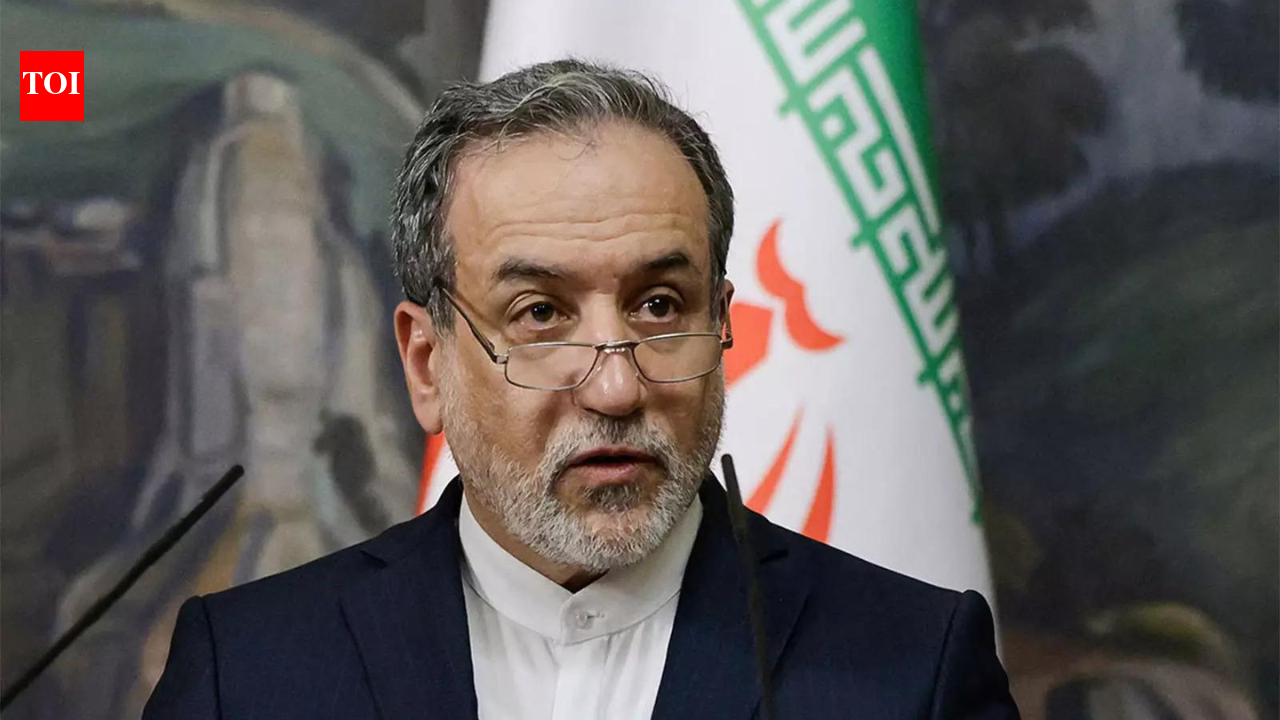
Iranian Foreign Minister Abbas Araghchi has said Tehran was “inches away” from sealing a deal with Washington during high-level ceasefire talks held in Islamabad, before what he described as US “extremism” caused the talks to collapse.In a post on Twitter, Araghchi said Iran had entered the talks “in good faith” with the aim of ending the months-long conflict. “Iran negotiated with the US in good faith to end the war,” he wrote, adding that at a critical moment, “we faced extremism, shifting goalposts, and a blockade.”He said negotiators had come close to an agreement on what was being called the “Islamabad Memorandum of Understanding”, but the process broke down due to unresolved differences. “Just inches away from an agreement… we faced extremism, shifting goalposts and blockades,” he said. “Good will begets good will. Enmity begets enmity.”Iran mocks Trump Hormuz blockade, warns of global energy crisis – follow live updatesThe talks in Pakistan marked the highest level of engagement between the two sides in nearly five decades, and were aimed at securing a fragile ceasefire and addressing long-standing disputes over Iran’s nuclear program and regional security issues.However, the discussions ended without consensus, with both sides sharing blame over the failure to bridge key gaps. A US official, speaking anonymously, said Iran had not accepted several US “red lines”, including limits on uranium enrichment and broader safeguards.Shortly after the talks broke down, tensions escalated when US President Donald Trump announced that the US Navy would begin a blockade of ships entering or leaving the Strait of Hormuz, a vital global shipping route through which about a fifth of the world’s oil passes.US Central Command later clarified that the measures would focus on Iranian ports and be applied “impartially against ships of all countries”, while still allowing transit between non-Iranian ports through the strait.Iran responded by warning that the waterway would remain under its control. The Revolutionary Guard said military ships would face a “forceful response”, although non-military ships would still be allowed to pass.The renewed conflict has already roiled energy markets, with crude oil prices rising sharply after the blockade was announced.Despite the rupture, diplomatic efforts have not completely collapsed. Pakistan’s foreign minister said Islamabad would continue to facilitate talks, while Iran indicated it was open to further talks. The European Union and Oman also urged restraint and renewed talks, with Moscow offering assistance in mediation.Inside Iran, officials insisted that the failure of the talks was due to American overreach rather than irreconcilable differences on nuclear issues. A senior Iranian negotiator said the discussions failed on “two or three key issues”, and accused Washington of attempting to expand its demands at the last minute.
voting
What should be Iran’s priority in future negotiations with the US?
The failure of the Islamabad talks has left the future of the ceasefire uncertain, with no clarity on what happens next when the current ceasefire period ends at the end of this month.