

‘It was to be sold to Tehran’: White House approved Pak PM’s ceasefire statement before its release
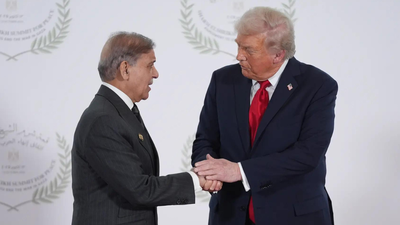
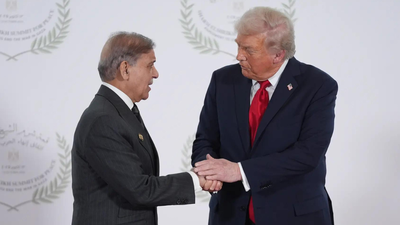
As US President Donald Trump approached his self-imposed 48-hour deadline for possible military action against Iran, an unusual social media post by Pakistan Prime Minister Shehbaz Sharif, briefly uploaded as a “draft”, raised questions about whether Washington had used Islamabad to signal an off-ramp before declaring a ceasefire. According to The New York Times, Sharif’s appeal, posted on Twitter, demanding a two-week pause in hostilities was not spontaneous. The statement, which said diplomacy was “moving forward steadily, strongly and powerfully” and urged Trump to extend his deadline, was seen and approved by the White House before it was made public, suggesting coordinated backchannel messaging.The post appeared briefly with the title “Draft – Message from the Prime Minister of Pakistan on X” before being edited, leading to speculation. Despite the reformulation, the message remained unchanged, including the line: “We also urge all warring parties to observe a ceasefire everywhere for two weeks,” and called for the reopening of the Strait of Hormuz.Another report in the Financial Times said Washington had been blocking work through Islamabad for several weeks, citing Pakistan’s role as “selling out to Tehran”. The outreach included Pakistan’s military leadership, including Army Chief Field Marshal Asim Munir, who was in touch with senior US officials and Iranian counterparts.The report said the US believes Iran would be more receptive to an offer conveyed by the Muslim-majority neighbor that has maintained neutrality during the conflict. Sharif made the proposal public after discussions, including contacts with Iranian Foreign Minister Abbas Araghchi.Within hours of the post, Washington and Tehran ratified a two-week ceasefire, stepping back from tensions. Trump, who had previously warned of broader strikes if Iran failed to comply, said, “The two-week period will allow the agreement to be finalized,” and indicated that talks with Pakistan’s leadership influenced the break.While a White House official denied that Trump had authored Sharif’s statement, the episode shows how active diplomatic channels were despite the heightened public rhetoric.Iran has since agreed to begin talks with the US in Islamabad, with the proposed framework reportedly linked to the reopening of the Strait of Hormuz. However, differences remain over elements of Iran’s plan, particularly over its nuclear program, and sporadic attacks continue across the region despite the declaration of a ceasefire.