
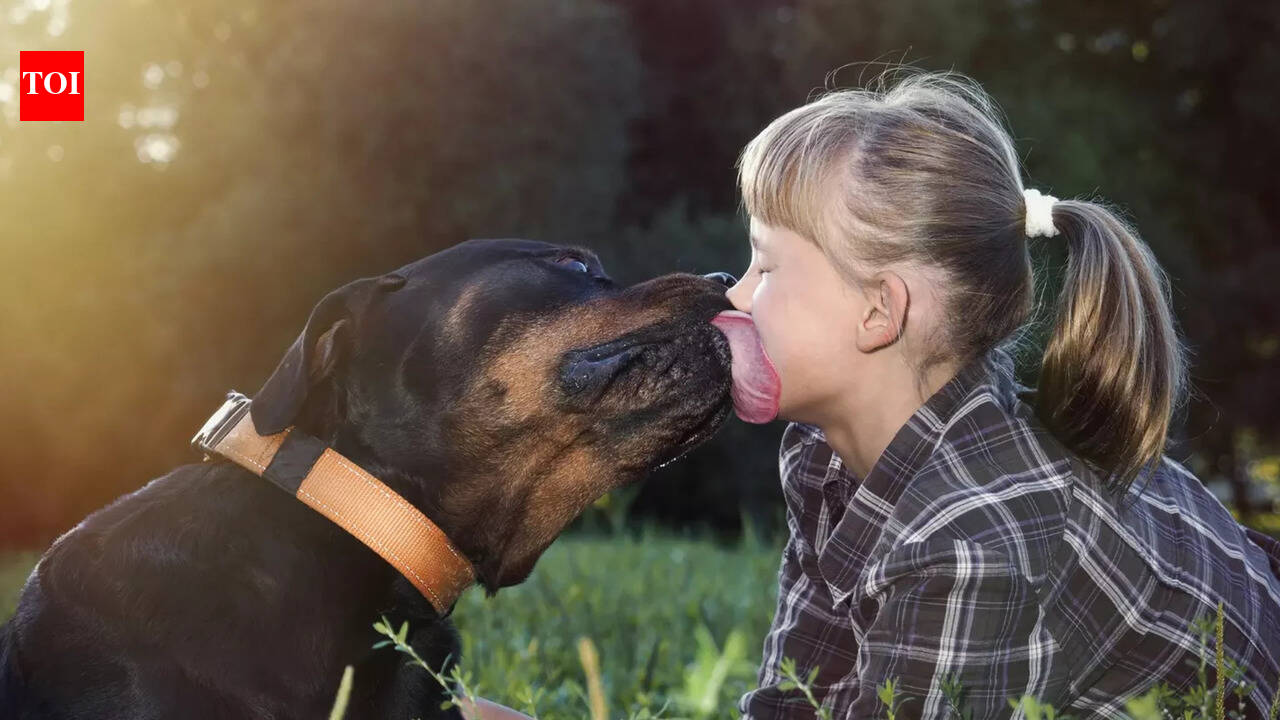

Long seasonal infection periods like this year are bad for pets
This year, what we call seasonal change is taking longer than usual. Winter is definitely gone, but we don’t know whether summer has arrived or not. We feel heat and cold depending on the time of day or the place we are. Indoor office ACs have some of us reaching for shawls or light jackets, while being out on the street makes us sweat – leading to cold, body aches. But this strange weather affects pets more. Their body is much more adapted to nature than ours. This is also the time when you may notice your dog laying on the floor for a little longer than usual. Your cat is abandoning his favorite sunny window perch. The water bowls are emptying rapidly. But unlike us, pets don’t complain. They adapt. And sometimes, they endure. Kolkata-based veterinarian Dr. Krishnau Ghosh suggests ways to pay attention to the symptoms of diseases during seasonal infections and talks about preventive steps to be taken.
Signs to look out for…
- Loss of appetite or reduced water intake: If a pet suddenly eats less or stops eating, it may be a sign of fever, infection, gastric upset, kidney problems or heat stress.
- Vomiting, diarrhea or excessive salivation: Frequent vomiting, loose stools or drooling may indicate gastroenteritis, viral infection (parvo, distemper), food intolerance or heat exhaustion.
- Drowsiness, weakness or excessive sleepiness: Unusual lethargy, reluctance to walk/play, or weakness may indicate fever, dehydration, metabolic disorders, or systemic infection.
- Skin problems, itching, redness, hair fall: Persistent scratching, licking of paws, foul odor, redness, rashes or hair loss usually indicate fungal infection, bacterial dermatitis, tick/flea allergy, which is very common in hot humid weather.
- Excessive panting or difficulty breathing: Excessive panting even while resting, rapid breathing, or discomfort in hot weather may indicate heat stroke or heat stress, which requires immediate attention.
- Changes in urination or drinking behavior: Very frequent urination, difficulty urinating, very dark urine, or drinking unusually high or low amounts of water may be a sign of a urinary infection, kidney strain, dehydration, or metabolic imbalance.
- Fever, shivering or abnormal body temperature: Hot ears, shivering or sudden weakness may indicate infection or systemic disease.
- Eye or nose discharge, coughing or sneezing: May be a sign of respiratory infection, viral disease or allergies, which can flare up during weather changes.
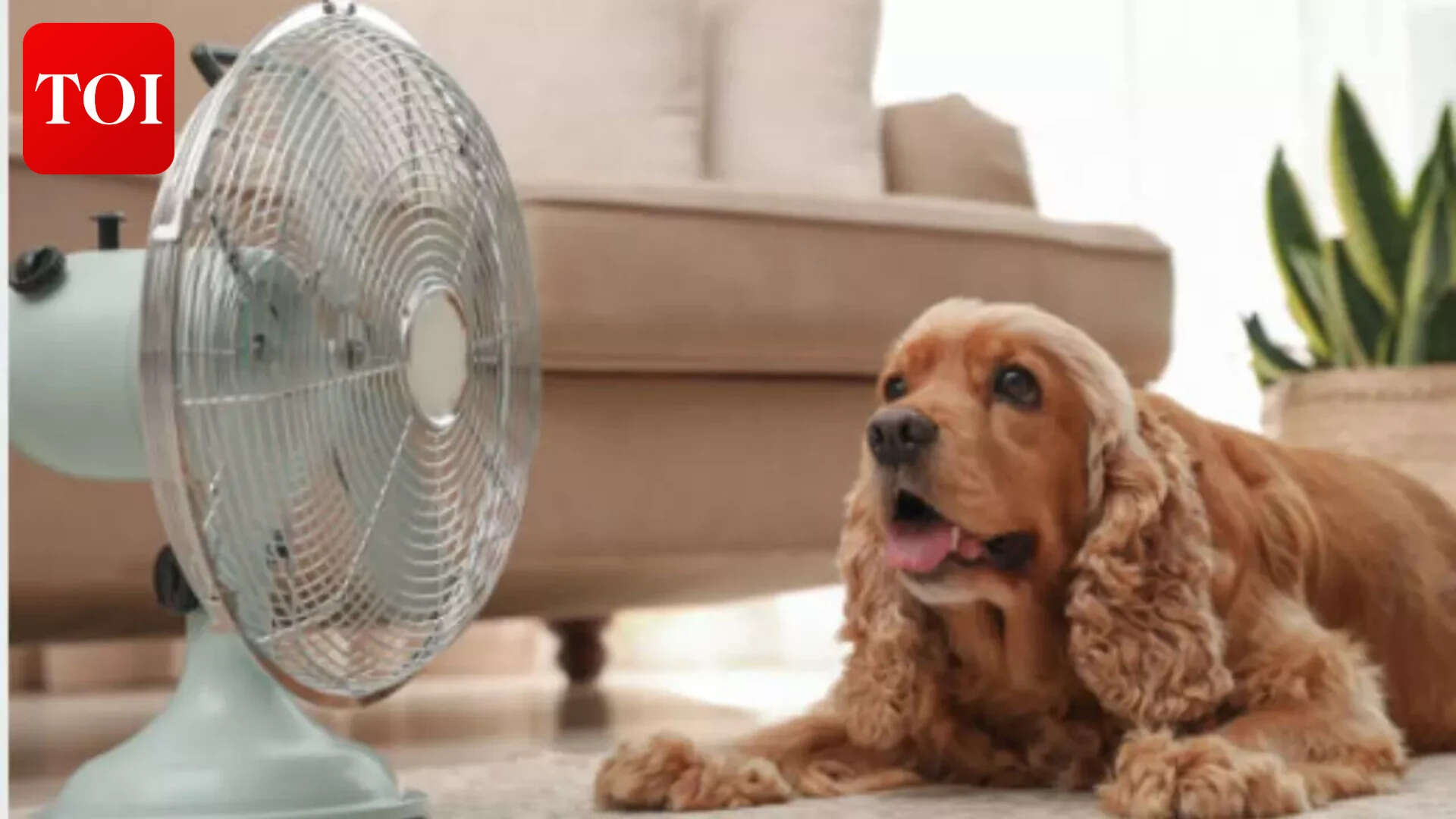
Seasonal changes are affecting pets more than humans. Provide plenty of water and a cool environment (Image: iStock)
Now let’s come to prevention
You can prevent heat stroke and dehydration by always providing clean drinking water, keeping pets in a cool, well-ventilated area, and avoiding walks between 11 a.m. and 4 p.m. Never leave pets inside parked cars. Skin related problems also increase at the beginning of summer. Ticks, fleas, fungal and bacterial skin infections are very common in March-April. Regular care and timely anti-tick treatment is important. Viral and stomach infections increase during seasonal changes, and seasonal infections can lower immunity in our pets, leading to vomiting, diarrhea, parvo, distemper, etc. Keep vaccinations up to date and avoid any sudden changes in diet.Maintaining a proper diet with good moisture is essential: include wet food or a balanced home diet with adequate water content. Good hydration helps prevent kidney, urinary and digestive problems. And the most important part is to provide a comfortable environment for our pets, to ensure cool resting areas and avoid exposure to excessive heat. Maintain good hygiene (bath at regular intervals and groom according to your veterinarian’s suggestions) to reduce stress-related illness.