
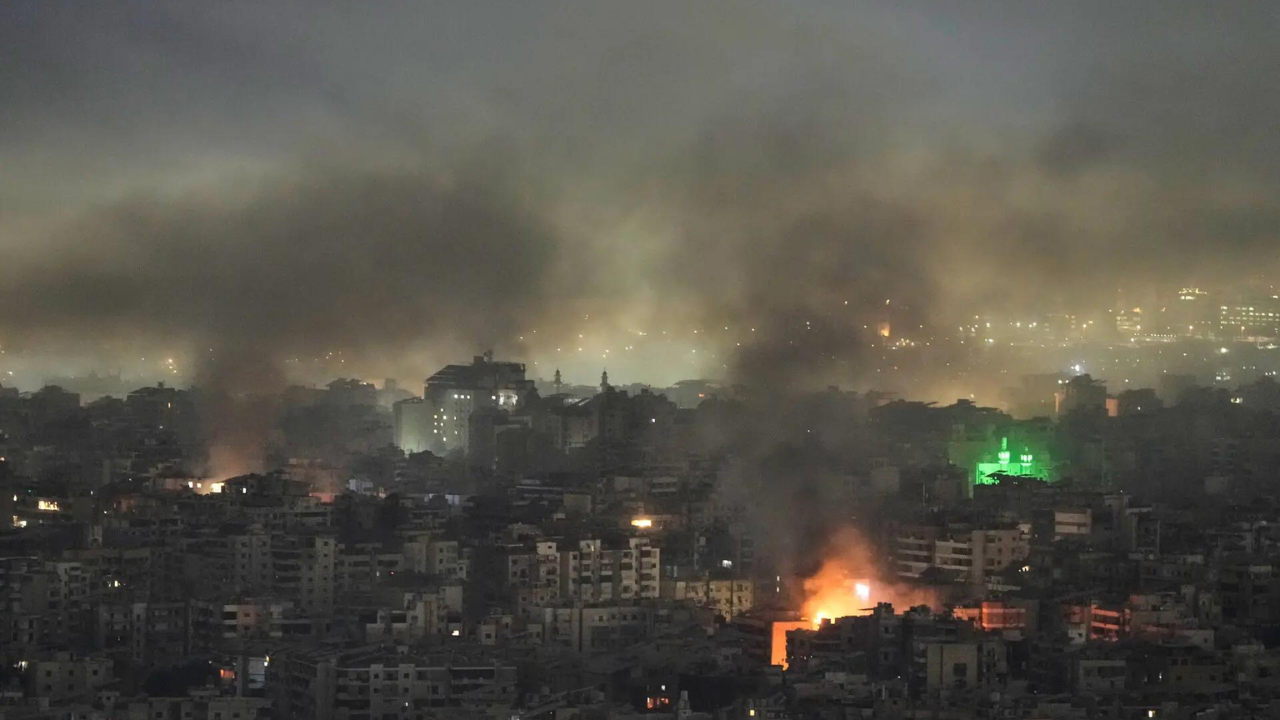

Saudi intercepts drone heading towards Shaybah oil field; Israel attacks 10 Hezbollah positions in Beirut
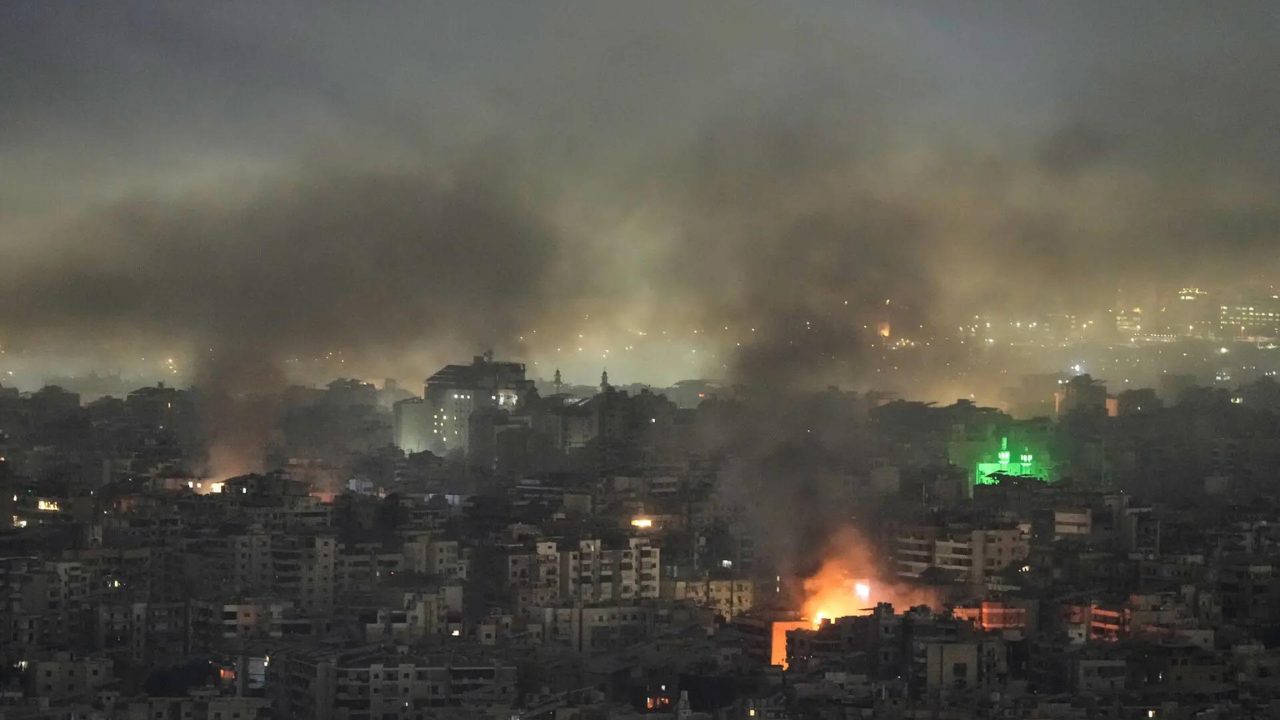
Since then, Iran has responded with missile and drone attacks targeting Israeli bases and shipping routes in the Strait of Hormuz, a vital global energy corridor through which about a fifth of the world’s oil supply passes. The disruption has roiled global markets, sending oil prices sharply higher and prompting emergency releases from strategic reserves by major economies.
Iranian officials have warned that the conflict could escalate into a protracted conflict that would be capable of devastating the global economy. Tehran says it still maintains control over the Strait of Hormuz and has threatened to target economic infrastructure linked to the United States and Israel. Iranian forces have also targeted commercial ships in the Gulf, further escalating tensions and raising fears of a wider maritime crisis.
US President Donald Trump has vowed to “finish the job”, arguing that most major Iranian military targets have already been attacked, including mine-laying ships and other naval assets. However, Israeli officials say the operation is not yet complete and they still have an extensive list of targets inside Iran.
The conflict has spread beyond the immediate battlefield. Iran-backed terrorist group Hezbollah has launched attacks into Israel from Lebanon, leading to Israeli airstrikes in Beirut and eastern Lebanon. Hundreds of people were killed and thousands displaced.
Meanwhile, diplomatic tensions have intensified in the UN Security Council, which has demanded Iran to stop attacks on Gulf countries. As the fighting enters its second week, there are growing fears that the conflict could escalate and seriously disrupt global trade, energy supplies and regional stability.