

Taste the Soil: London’s Edible Earth Museum invites visitors to eat soil from around the world world News
At first glance, it seems like a stunt, but in central London, visitors are being invited to do something surprisingly rooted in human history: taste the soil. The Edible Earth Museum, currently on display at Somerset House, brings together Edible Earth specimens from around the world and transforms them into a sensory, educational experience. Far from gimmicky, the exhibition explores geophagy, the practice of eating soil, through science, anthropology and art. By combining tasting sessions with research-backed context, it challenges modern notions about what is considered food and opens deeper conversations about humanity’s relationship with the Earth.
What is the Museum of Food Earth?
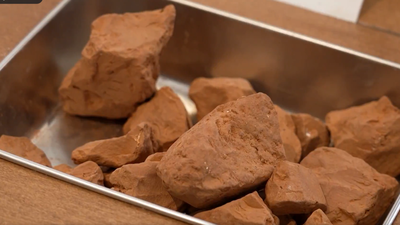
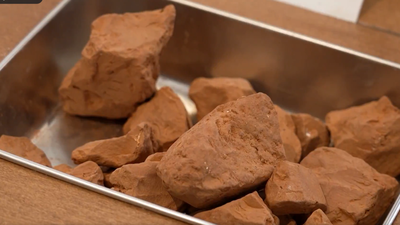
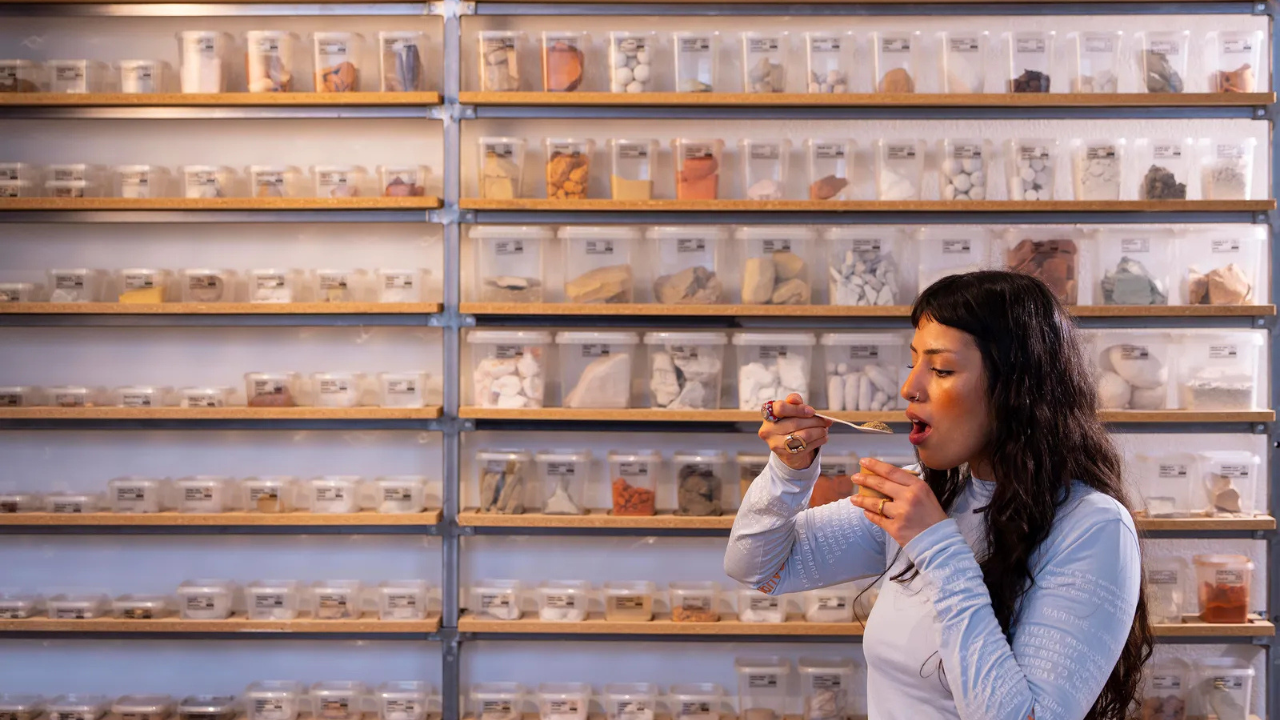
The Edible Earth Museum is an interdisciplinary project created by artist and researcher Masharu. It houses a growing collection of over 600 edible soil samples collected from over 40 countries, each documented with cultural, historical and chemical context.Rather than presenting clay as a strange or taboo object, the exhibition presents it as a meaningful material. Visitors experience the clay not only visually, but also through smell, texture and taste, turning the exhibition into a completely immersive experience, blending art installation with scientific investigation.
Global History of Eating the Earth
Eating soil may seem unusual in modern urban environments, but geophagy has been practiced for centuries in Africa, South America, Asia, and parts of Europe. Anthropologists have documented its use in traditional medicine to soothe digestive problems, as a source of minerals such as iron and calcium, and in cultural rituals or pregnancy-related cravings.In some areas, specially prepared soil is also sold in markets as a consumable product. The exhibition highlights these traditions to show that clay consumption is not a marginal behavior, but a culturally embedded practice with historical depth.
What does mud really taste like?
One of the most interesting aspects of the exhibition is how it presents clay as a sensory experience. Different types of soil impart different flavors. Clay may taste greasy and slightly metallic, chalky clay may feel dry and mineral-heavy, and volcanic clay may have a smoky or earthy depth.Each sample is accompanied by tasting notes similar to those used for wine or coffee, encouraging visitors to engage with the soil in a structured and thoughtful way.Scientific research has revealed why humans and animals consume soil. Some explanations suggest that some clays provide essential nutrients, while others may help bind toxins and pathogens in the digestive tract. Clay can also act as a protective layer against irritants in the gut.However, scientists warn that not all soil is safe. Contaminants such as heavy metals, bacteria and parasites can pose risks, which is why the exhibition uses carefully obtained and prepared samples.
is it safe eat soil ?
Organizers emphasize that the tasting experience is controlled and optional. Visitors are guided through the process, and the soil provided is selected with safety in mind.That said, health experts don’t recommend casually eating soil outside of such curated settings. The exhibition aims to educate and inspire thought, not to encourage everyday consumption.
A living collection of human experience
One of the most unique elements of the exhibition is its participatory nature. Visitors are invited to leave their own tasting notes and responses, contributing to a growing collection of how people view the soil.This turns the exhibition into a collaborative project where science, culture and personal experience intersect, creating a broader understanding of how humans relate to something as fundamental as the ground beneath their feet.
Sustainability and environmental reflection
The exhibition also conveys a strong environmental message. Many of its elements are made using recycled materials, including compost and organic waste recovered from previous establishments.By focusing on soil, the exhibition draws attention to the foundations of ecosystems and agriculture. It encourages visitors to think about soil not as dirt, but as a vital resource that supports life, food systems, and environmental balance.The idea of eating soil has generated widespread curiosity online, leading to conversations on social media. While the shock factor draws people in, the deeper appeal lies in the exhibition’s ability to connect science, culture and everyday experience.It challenges deeply held ideas about hygiene, food and nature, causing visitors to question assumptions they might never have thought about before.The Edible Earth Museum is more than an unusual attraction. It is a thoughtful exploration of history, science and sustainability that uses a simple yet provocative idea to engage audiences. By inviting people to taste the soil, it transforms an overlooked material into a powerful lens through which to examine culture, health, and humanity’s relationship with the planet.