
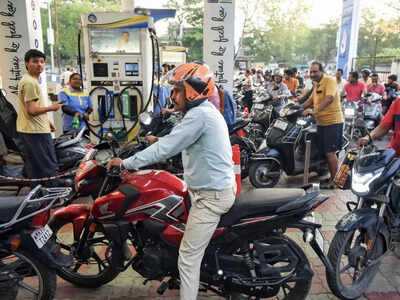

To protect consumers and oil companies, the government reduced excise duty on petrol and diesel. india news
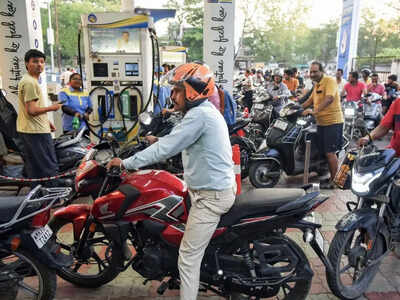
New Delhi: The Center has stepped in to protect consumers and oil companies from the impact of higher crude prices – which have surged 62% this month in February for Indian refiners – and cut excise duty, a move that will put a burden of Rs 1.3 lakh crore on the exchequer.With fuel retailers including Indian Oil, Hindustan Petroleum and Bharat Petroleum losing nearly Rs 24 per liter of petrol and Rs 30 on diesel sold by them, the government cut the special additional excise duty on both auto fuels by Rs 10. Also, it imposed export duty of Rs 21.5 per liter on diesel and Rs 29.5 per liter on aviation turbine fuel (ATF) to prevent windfall gains as the fuel is in short supply in international markets after China imposed a ban on exports.The windfall tax will also help the Center partially offset the impact of the excise duty cut. Central Board of Indirect Taxes and Customs Chairman Vivek Chaturvedi said the windfall tax on exports will yield around Rs 1,500 crore in the first fortnight, while the government will have to forego revenue of over Rs 7,000 crore due to the excise duty cut. He said that the export tax will be reviewed fortnightly.
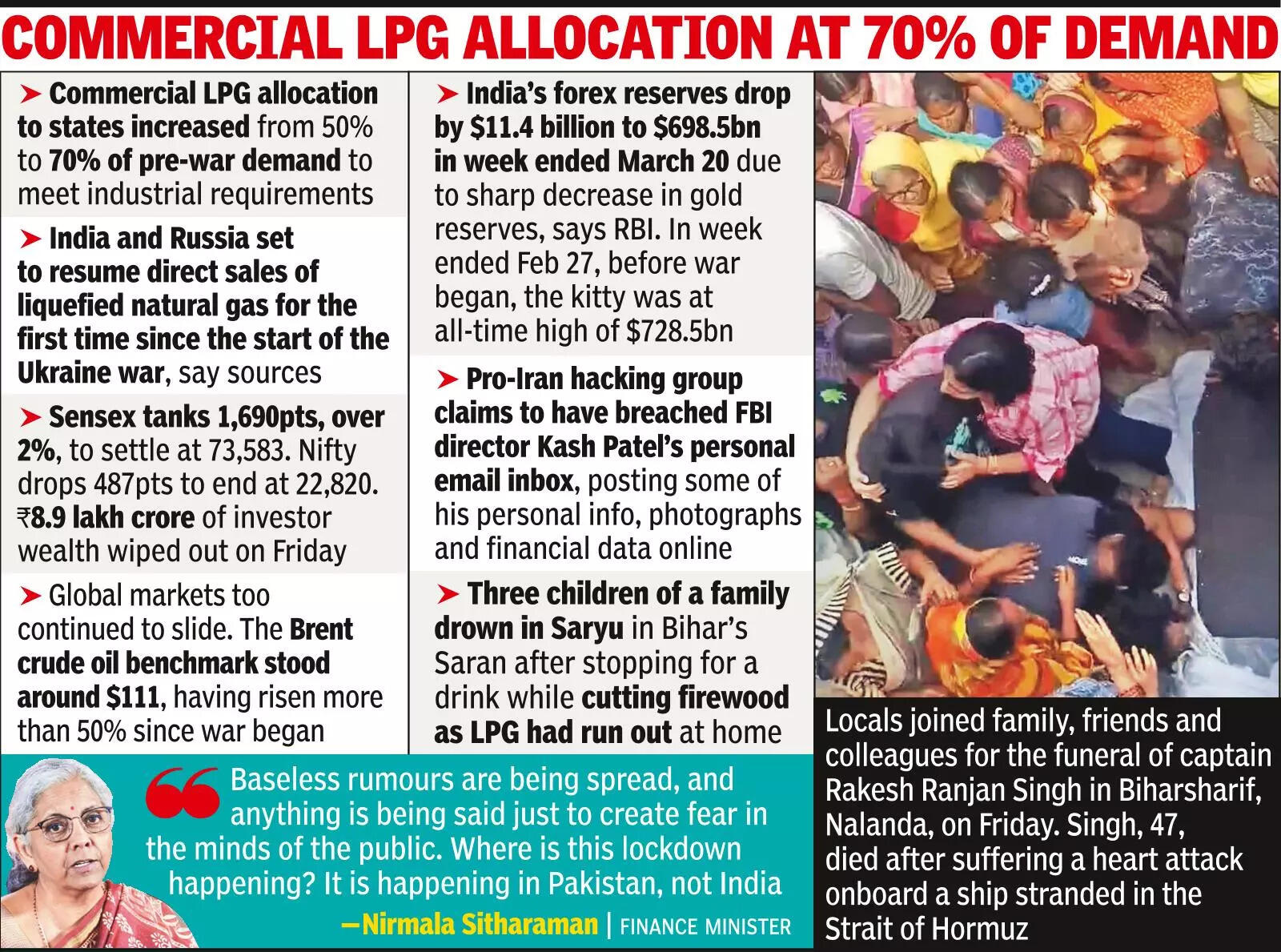
Government imposes tax on export of ATF, diesel to prevent windfall profits
Government will have to forego revenue of more than Rs 7,000 crore on duty cut.The windfall tax will help the Center partially offset the impact of the excise duty cut. The government will have to forego revenue of over Rs 7,000 crore due to the excise duty cut.Chaturvedi said the export tax will be reviewed fortnightly to align the duty with the existing rates, as was the case in 2022. This levy will not be applicable on fuel exported by public sector oil companies to Nepal, Bhutan, Bangladesh and Sri Lanka. This will also not apply to ATF supplied to foreign-bound aircraft.Finance Minister Nirmala Sitharaman said in the Rajya Sabha, “In view of the ongoing and evolving situation in West Asia, our government has resolved to provide relief in the form of significant reduction in excise duty on petroleum and diesel to ensure stable prices…Going forward, we will continue to intensify our efforts in raising additional non-tax revenues and our government will continue to carefully manage the country’s fiscal position.” The average cost of crude oil for Indian refiners has increased from $69 in February to $111.93 so far in March as a result of rising global energy prices. While most countries have increased pump prices, Indian refineries were being hit after several months of making profits.“The government has taken a huge hit to its taxation revenues to ensure that the huge losses of oil companies are reduced at this time of skyrocketing international prices. Export tax has been imposed because international prices are skyrocketing and any refinery exporting to foreign countries will have to pay export tax,” Petroleum Minister Hardeep Puri said on Thursday.People-centric governance, says Amit ShahThe BJP and its allies on Friday lauded the government’s decision to cut excise duty on petrol and diesel to bring down rising input costs.Minister Amit Shah said it underlines “people-centric governance and decision-making based on sensitivity”.Shah said that while the world is facing fuel shortage due to the West Asia conflict, fuel prices are increasing globally, but the decision of the PM Narendra Modi-led government has provided much-needed relief to the citizens. Defense Minister Rajnath Singh called it timelyAnd the move is decisive, given that it comes amid rising fuel prices in many countries.“This step underlines our government’s proactive approach and strong commitment towards public welfare,” he said.This is a ruse till assembly elections: CongressQuestioning the Centre’s decision to reduce excise duty on petrol and diesel, the Congress on Friday said the Modi government did not reduce oil prices when global crude oil prices were low for several years, warning that it was just a sham till the assembly elections.Congress general secretary Jairam Ramesh said, “When global crude oil prices fell on seven separate occasions in the last 12 years, consumer prices in India did not fall. Today’s announcement was due to the assembly elections. Wait till 30th April.”Party MP Manish Tewari said the government’s revenue comes from people who pay taxes, and ministers are not paying from their own pockets to reduce petrol prices, as “Petroleum Minister Hardeep Puri is trying to pretend”.AICC spokesperson Pawan Kheda said that the government has been earning money from cheap crude oil for the last 12 years by not reducing the prices of petrol and diesel.