

Top 10 countries with billionaire athletes and highest tax contributions: United States, United Kingdom, Portugal, Spain and other places based on global sports wealth international sports news
Cristiano Ronaldo, Michael Jordan and Jon Rahm aren’t just sports stars in 2026. They are part of a system where big earnings translate into huge tax payments. Countries like the United States, United Kingdom, Portugal and Spain are leaders in this field as their top athletes earn huge incomes. From contracts to endorsements, every deal adds to national revenues, making sports one of the biggest financial engines today.
Portugal: Cristiano Ronaldo leads with $1.4B net worth
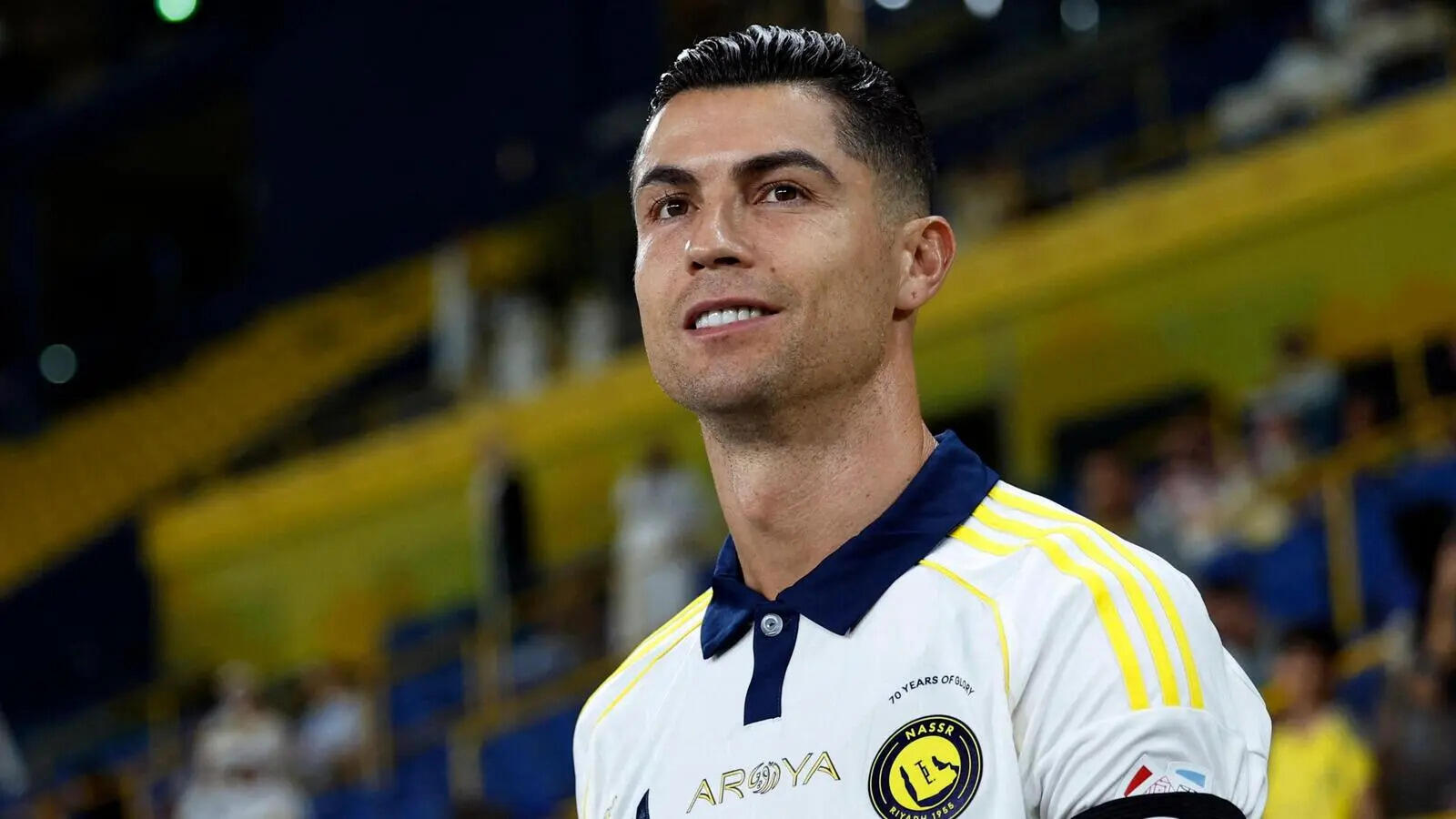
Cristiano Ronaldo
According to Celebrity Net Worth and Forbes, Cristiano Ronaldo’s net worth is estimated to be around $1.4 billion in 2026. His money comes from football, Nike deals, CR7 brand and business investments. Despite playing in Saudi Arabia, his financial ties with Portugal remain active. This puts Portugal in the headlines when it comes to athletes’ income and taxes.
United States: Michael Jordan tops with $3.8B net worth
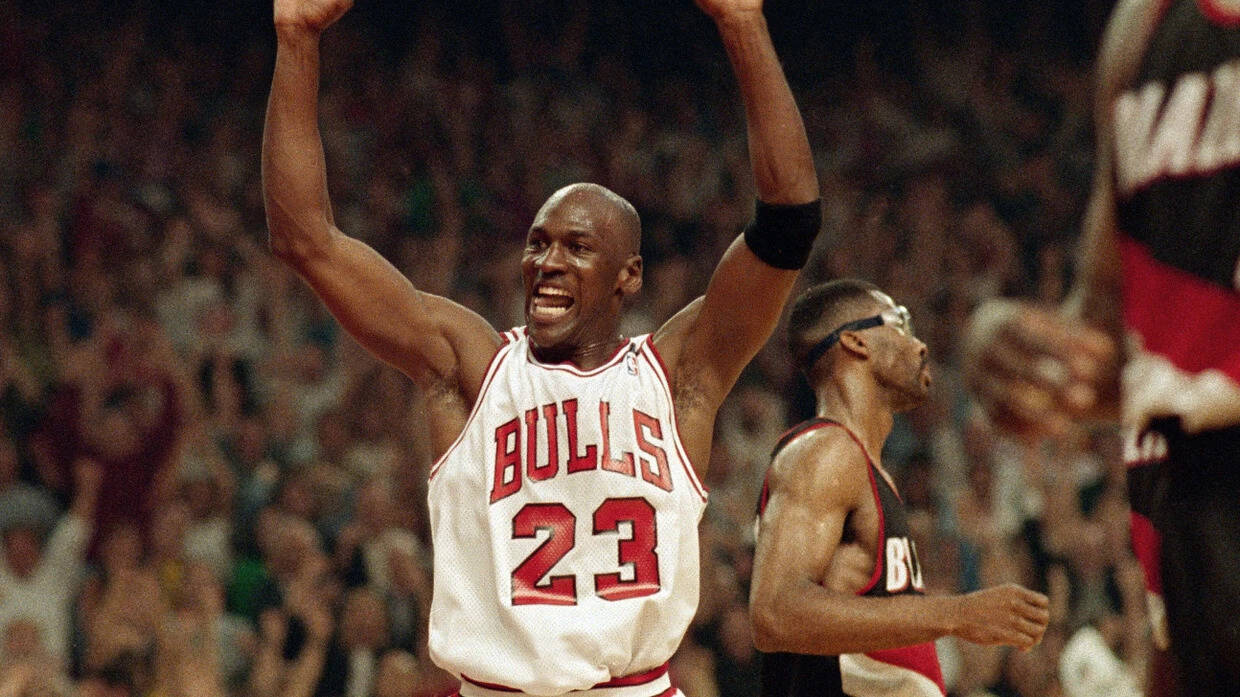
Michael Jordan
Michael Jordan’s net worth is around $3.8 billion. Much of this comes from Nike’s Jordan Brand and previous NBA ownership. Along with him, the wealth of LeBron James has also crossed 1.2 billion dollars. His income comes from NBA salaries, endorsements, and media ventures. America is leading because athletes here build long-term business empires.
Spain: Jon Rahm jumps to $200M annual income, $350M net worth

john rahm
Jon Rahm’s net worth is around $350 million, while his annual earnings increased to more than $200 million after joining LIV Golf. His career began in Spain and his brand values are still linked to the country. This keeps Spain strong in global sports earnings.
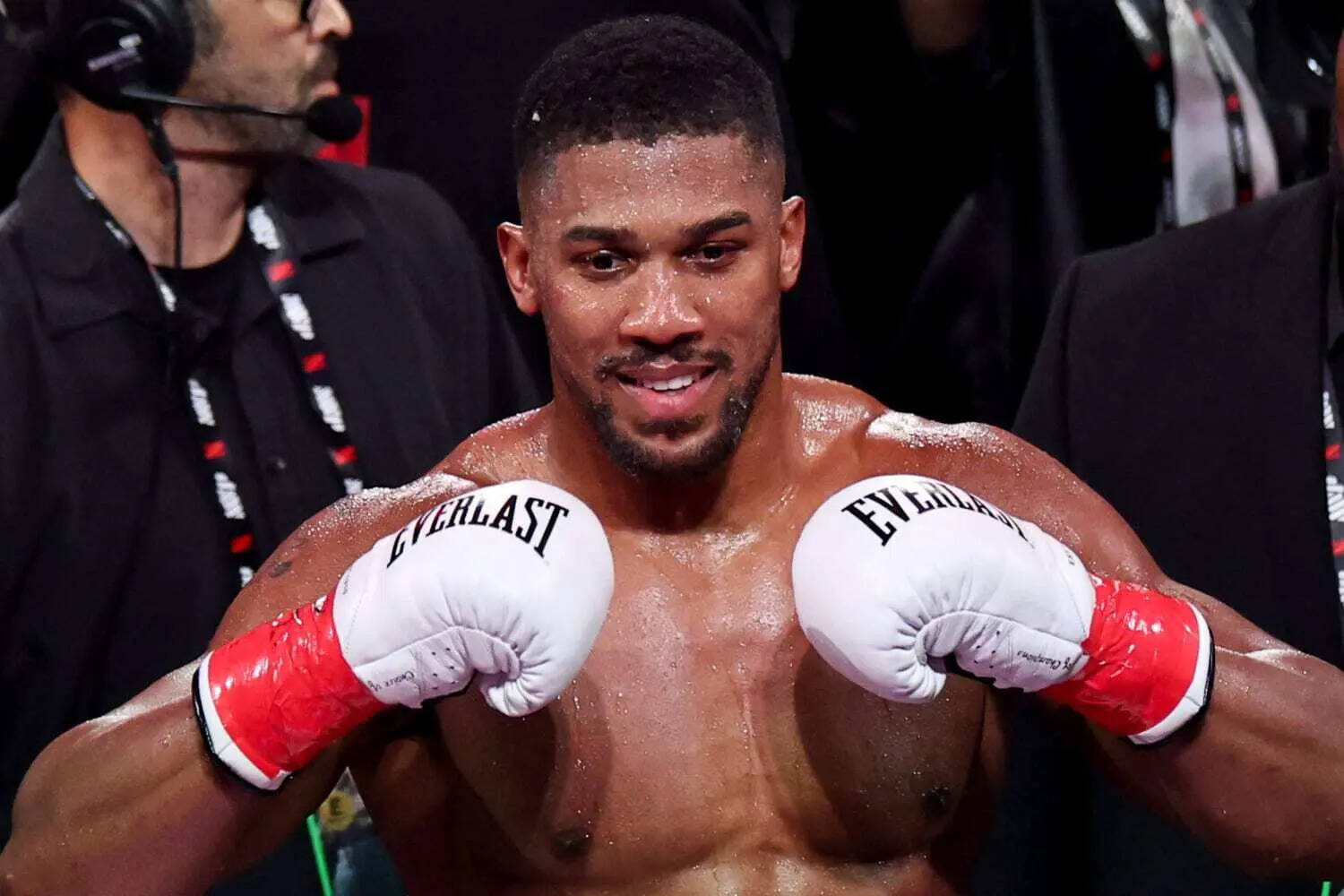
United Kingdom: Anthony Joshua $200 million and Tyson Fury $65 million earning potential
anthony joshua
Anthony Joshua’s net worth is around $200 million, while Tyson Fury has an estimated net worth of around $65 million. The UK receives substantial taxable revenue from their fight earnings and sponsorship contracts and television rights agreements which become larger when their matches take place in the country.
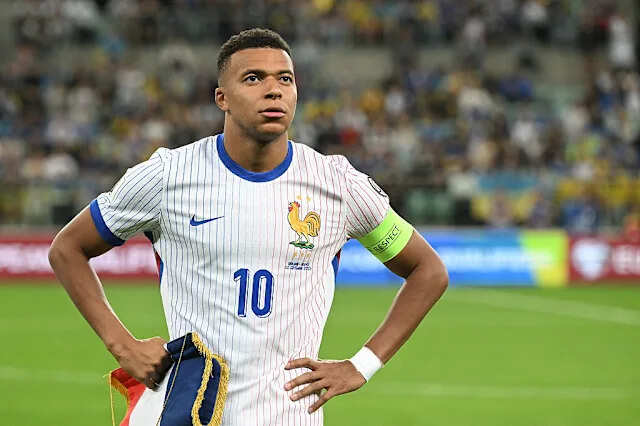
France: Kylian Mbappe earns $180M net worth through soccer deals
kilian mbappe
Kylian Mbappe’s net worth is around $180 million. He receives income from his PSG contract including salary and bonuses and his worldwide endorsements. Their earnings benefit France because their brand partnerships tie them directly to the country.
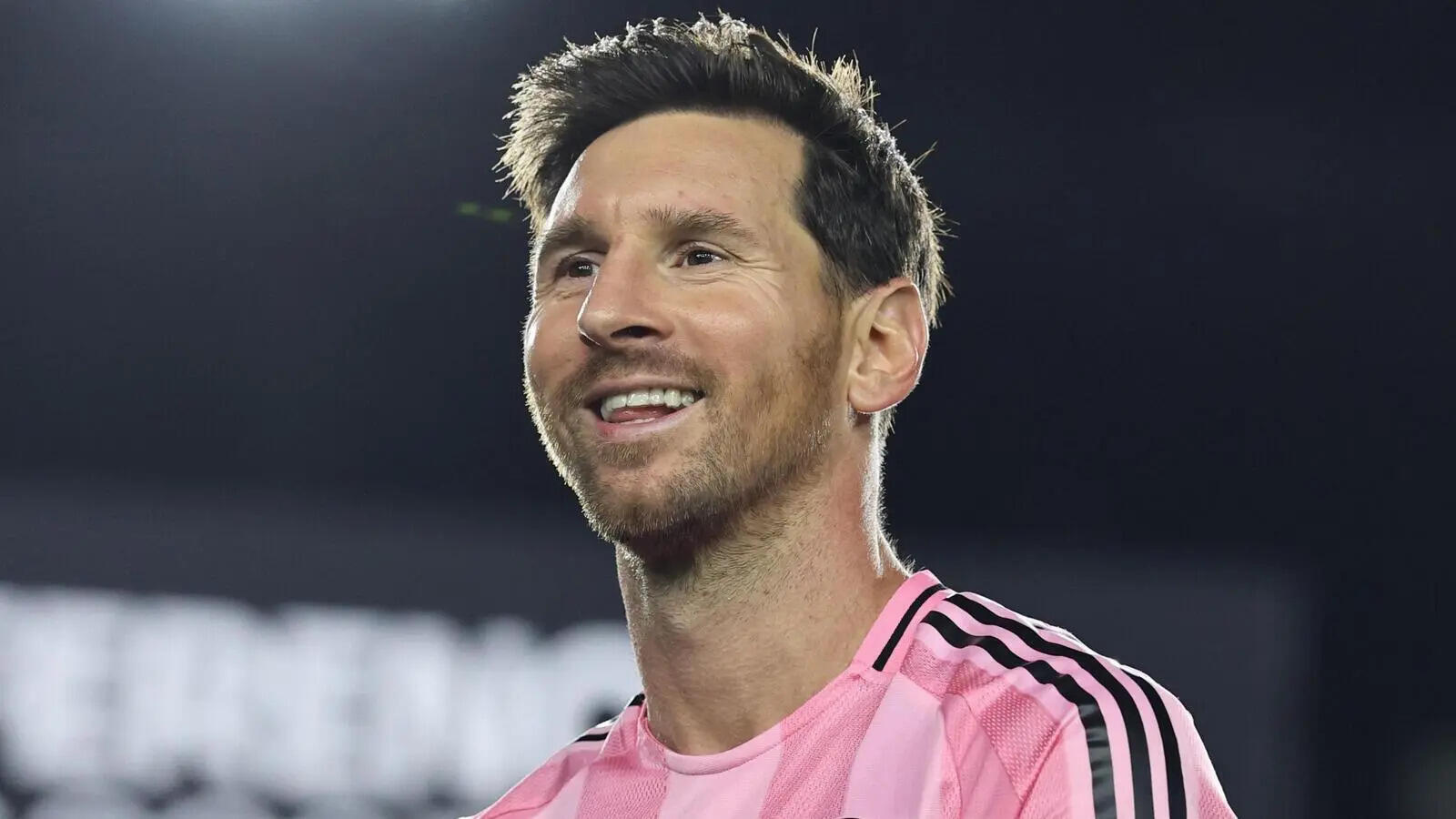
Argentina: Lionel Messi’s net worth reaches $600M with global deals
Lionel Messi
Lionel Messi’s net worth is around $600 million. His earnings come from Inter Miami salaries, Adidas deals and long-term sponsorships. Even while playing in the US, their global brand is influencing multiple tax systems.
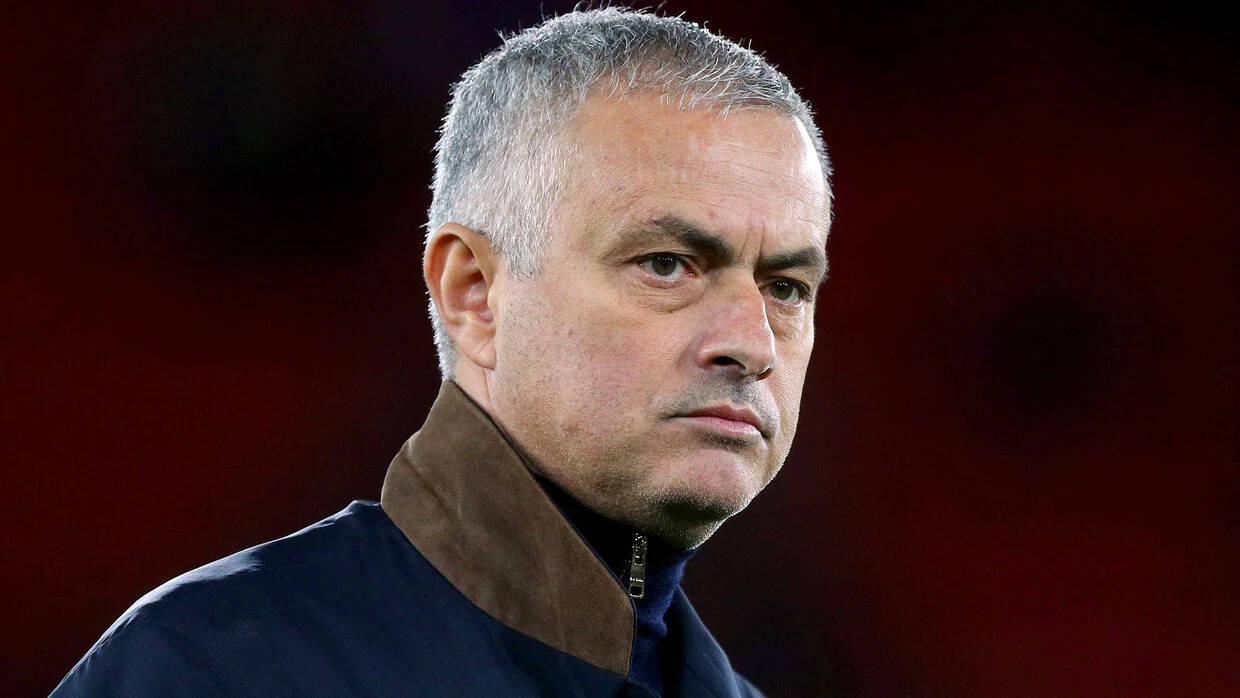
Portugal: Jose Mourinho adds $120M to net worth from coaching career
jose mourinho
Jose Mourinho’s net worth is around $120 million. Their income comes from club contracts, bonuses and advertising. In addition to players, Portugal is also benefiting from top football names.
Switzerland: Roger Federer’s net worth reaches $550M after retirement
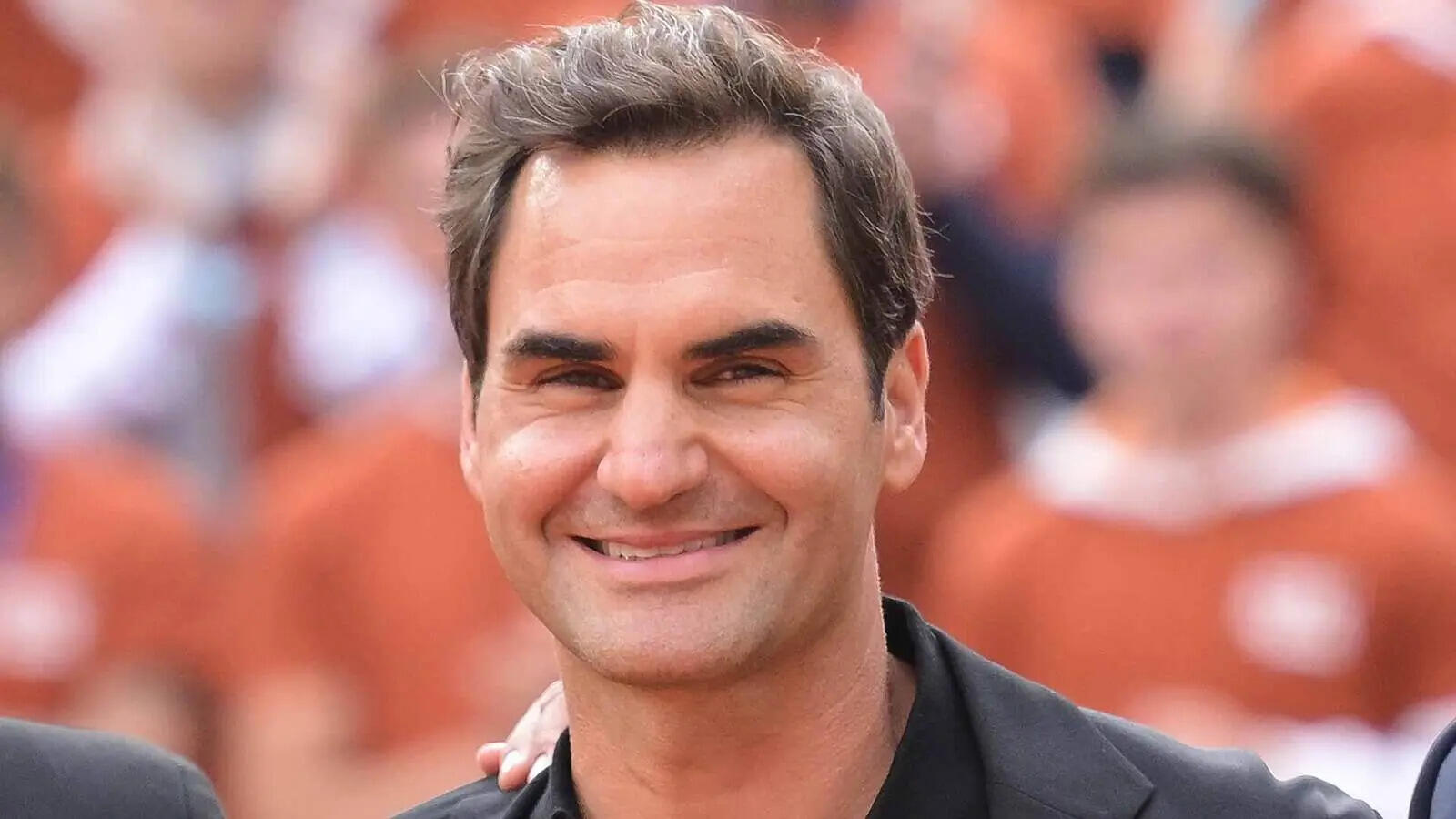
roger federer
Roger Federer’s net worth is around $550 million. Even after retirement, he continues to earn through advertisements like Uniqlo and Rolex. Switzerland remains important for athlete residence and financial planning.
Australia: Nick Kyrgios has a net worth of $15M from tennis and deals

Nick Kyrgios
Nick Kyrgios has a net worth of around $15 million. Their income comes from tournaments, sponsorships and media appearances. Australia may not be the leader, but it still contributes to global athlete earnings.
United States: Tiger Woods’ net worth surpasses $1.3B with golf empire
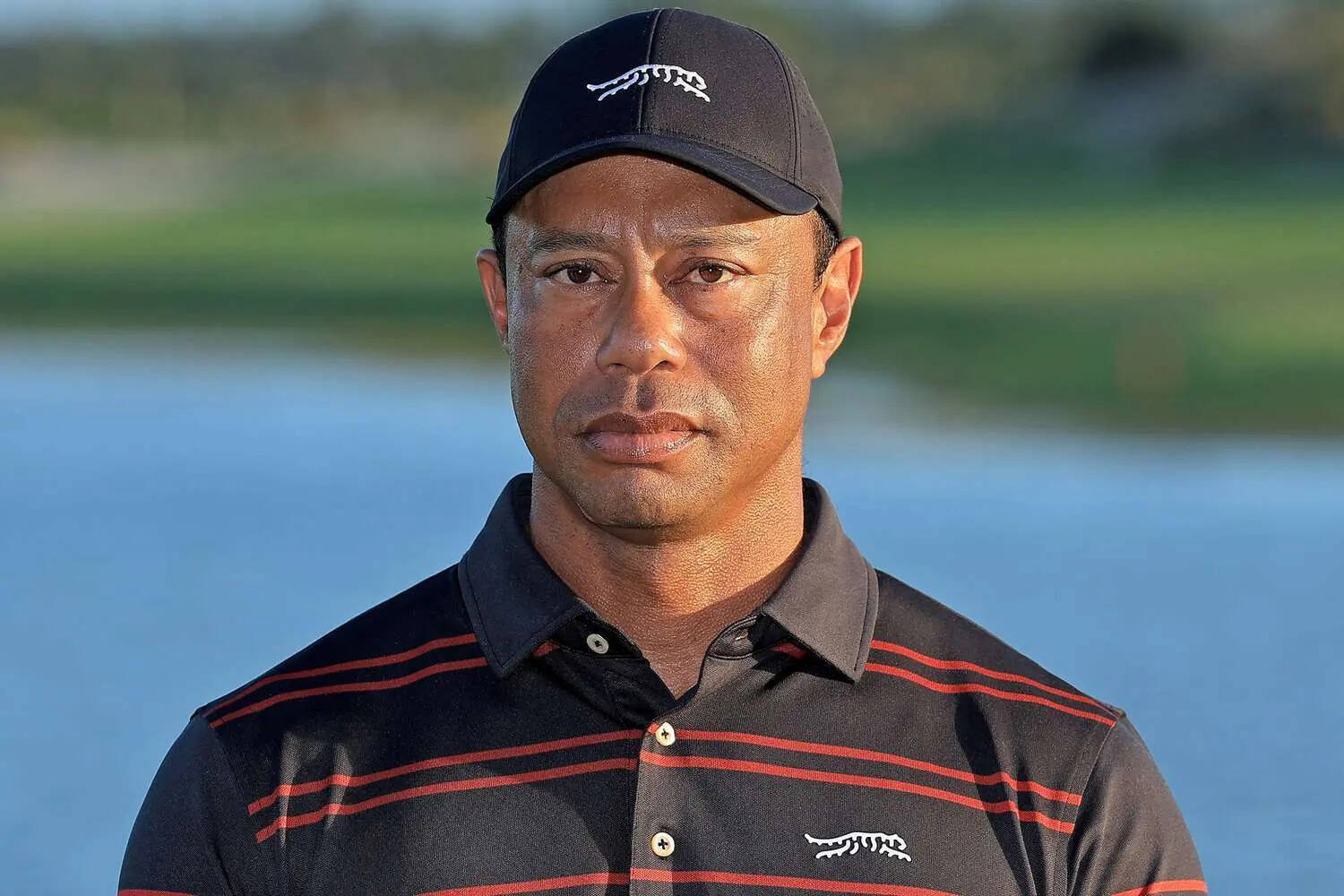
Tiger Woods
Tiger Woods has a net worth of approximately $1.3 billion. His total income is derived from his golf winnings and endorsement deals and his business activities. He demonstrates how athletes can achieve lasting financial success through their sports careers.Athletes who earn large salaries also create new revenue sources that help nations raise funds for their sporting activities. In 2026, sports wealth will expand beyond the game itself to include financial distributions and recipient benefits.