Breaking News
The car that existed before it existed

In four vehicle development programs, across engines manufactured by Jaguar Land Rover, Isuzu, Mahindra and Sharda Motor Industries, engineers using the same simulation software cut development time by an average of 58% and reduced costs by 43%. They are not projections. Those are the results – documented in production programs, on hardware that’s on the road today.

These numbers are worth a moment because they raise the question of what the automotive industry generally regards as engineering. It’s a question whether a manufacturer can’t do this, especially in India, where development timelines are shrinking and powertrain complexity is increasing manifold.

When Mahindra launched the BE 6 and XEV 9e last year, the vehicles had already survived the heat of Rajasthan, climbed the Sahyadris and traveled on the Mumbai-Pune Expressway hundreds of times. Long before the first physical prototypes were signed off, the company’s engineering teams had virtually run each of those scenarios – testing how Indian heat, Indian gradients and Indian traffic would affect range, battery performance and thermal behaviour.

They then used those findings to shape the design. By the time the mule hit the tarmac, it was not aware of the problems. It was confirming that a design already stress-tested in a way that no proving ground could replicate at speed or scale – held up. Mahindra’s previous program to develop BS6 engines through the same platform came in at 50% of its original development timeline and 40% below the estimated cost.

This is system simulation in practice.

What is simulation, and how is it different from normal CAD?

The automotive industry is familiar with CAD – computer-aided design – which creates the geometry of a part or vehicle. Simulation is a separate discipline. Computer-aided engineering (CAE) tools model not just how something looks, but how it behaves under thermal stress, under electrical load, under the particular punishment of Indian roads, and in thousands of operating conditions simultaneously.

In the vehicle context, this means creating mathematical models of individual systems, battery packs, thermal circuits, engines, HVAC, and integrating them so that software can solve their interactions together. What effect does that have on the cabin temperature when the battery is working hard on a 42-degree afternoon? How does this change the limit calculation? How should the cooling circuit respond, and what is the energy cost of that response?

These are not questions that a CAD file can answer. A simulation model – in minutes, not months, and without consuming a single physical part.

As Matthew Warner, vice president of Gamma Technologies, said at his company’s annual technical conference in Pune this February: “The idea is to reuse the value that exists in your CAE model to answer questions in other parts of the development organization – control, testing, requirements engineering – to create a model that delivers consistent results regardless of the application.”

One source of truth, used everywhere. The 58% time savings resides, in large part, in that sentence.

Why such a hurry?

Three forces have converged to make simulation less of an engineering priority and more of a business necessity.

The first is the powertrain complication. The neat narrative of the green mobility transition has yielded some pitfalls. OEMs are simultaneously developing battery EVs, hybrids and updated internal combustion vehicles – not sequentially but in parallel with engineering teams. Each architecture demands its own simulation environment and its own verification loops. The workload has increased manifold without proportionate expansion in the number of employees or time-frame.

The second is the shrinking product cycle. “The product development cycle has reduced significantly, from 3 to 5 years to about 2 years now,” said Dr NH Walke, senior director, ARAI, at the SIAT 2026 conclave in Pune. “Now it’s concurrent engineering. Simulation, component development, and proving – all this testing has to happen simultaneously.”

A program that could discover problems in a timely manner must now step in and solve them in parallel. Isuzu Technical’s commercial diesel program, using the same simulation platform, reduced dynamometer testing hours by 60% and costs by 45% in time that would otherwise have been spent in physical test queues. Jaguar Land Rover’s Ingenium 2.0L diesel program achieved a 50% reduction in development cycle time and 35–40% cost savings.

This pattern is consistent enough across programs to be structural rather than exceptional.

The third strength is specifically Indian: the historic cost of proving vehicles overseas. For verification infrastructure, which barely existed domestically, Indian OEMs traveled to European facilities – absorbing the time, cost and strategic inconvenience of developing products calibrated in foreign conditions.

ARAI is closing the gap with domestic investments in crash labs, advanced battery testing facilities and ADAS proving grounds. The simulation actually increases the value of that infrastructure by reducing the number of physical runs required for a valid design – which, in practice, also reduces how many flights the Indian engineering team needs to book to Stuttgart or Gedeon.

The market has priced the trajectory accordingly. According to Precedence Research, automotive simulation software was valued at $7.06 billion globally in 2025 and is projected to reach $24.35 billion by 2034, a CAGR of 14.75%.

A company that saw it coming in 1994

Gamma Technologies was founded thirty-one years ago in Illinois on a premise that was counterintuitive at the time. Most CAE vendors were creating tools for single-physics, single-component analysis. GT’s founders believed that the more valuable problem was the system as a whole.

“The products don’t exist in a single physics domain – they exist as multi-physics systems,” says Dimple Shah, who has led the company as CEO since 2020 and worked at CAE since 1991.

Thirty years later, that thesis is mainstream. GT-Suite, Gamma’s flagship platform, covers engine performance, battery electrochemistry, electric powertrain, thermal management, exhaust treatment, fuel cell and HVAC in an integrated environment. Its user base spans every major global OEM; In India, this includes Tata Motors and Mahindra.

GTTC 2026 was the opportunity to launch GT Intelligence Studio – an AI-native addition to the platform that layers generative AI and machine-learning meta-models onto the existing physics engine. The announcement raises an obvious question among engineers working in safety-critical systems: How do you trust an AI model when the output affects a brake calibration or battery management decision?

Shah’s response is grassroots rather than promotional. “The quality of meta-models depends on the quality of the datasets they are trained on. Our meta-models are trained on physics data, which can also be augmented by data from external sources. Because a large part comes from physics itself, confidence in the model is high. One should not blindly deploy a meta-model; like any simulation model, you need confidence that it is applicable in the range you want to deploy it.”

Warner adds the context that matters: Machine learning components are not a new development. “This has been in our software for about 20 years. ML meta-models are often not deployed on an actual vehicle in operation. They are used within the development process of the vehicle, so in that use case they are not safety mission-critical.”

What is really new is the generative AI layer and, more practically, the cloud platform GT-Play that puts validated simulation models in the hands of engineers in an enterprise who are not simulation experts, but rather control teams, test planners, and product managers.

With an honest warning, India is on par

The Mahindra presentation at GTTC 2026 showed what the Indian engineering team working on the ground looks like in practice.

On the BE6 and Aerodynamic trade-off analysis mapped the relationships between drag coefficient, vehicle weight and range in various feature configurations before any of the physical prototypes were carried out.

In a pan-India virtual drive exercise, highways, ghats and cities were mapped across geographical regions of the country, taking into account gradients, AC load and regional speed distribution. The same team designed the simulations to incorporate virtual calibration on the front end, battery health monitoring and predictive maintenance after launch, and digital twins that give engineers objective data against which to audit subjective customer feedback from the field.

Shah’s assessment of where Indian OEMs stand is spot on: “Indian companies are really aspirational. They are becoming very strong contenders globally. At this conference, when I compare the quality of papers being presented by our community with our European, American and Japanese conferences, I don’t see any difference. The user community is at par.”

Whatever warning he gives, it is better to leave it. “Many global OEM companies focus on five to ten year technologies while building core expertise in-house. Some companies in India can do this and more. One area where India can do more is fundamental research. Today, they do this, but largely through partners and collaborators rather than in-house. This is going to be one of the key trends in the coming years.”

There is a clear difference between using simulation tools at a world-class level and generating the fundamental knowledge that dictates what these tools will do next. The 58% and 43% figures were earned by engineering teams that knew how to run the software. The companies that will define the next version of that software will be the ones building that knowledge ahead of the programs that will need it.


Source link

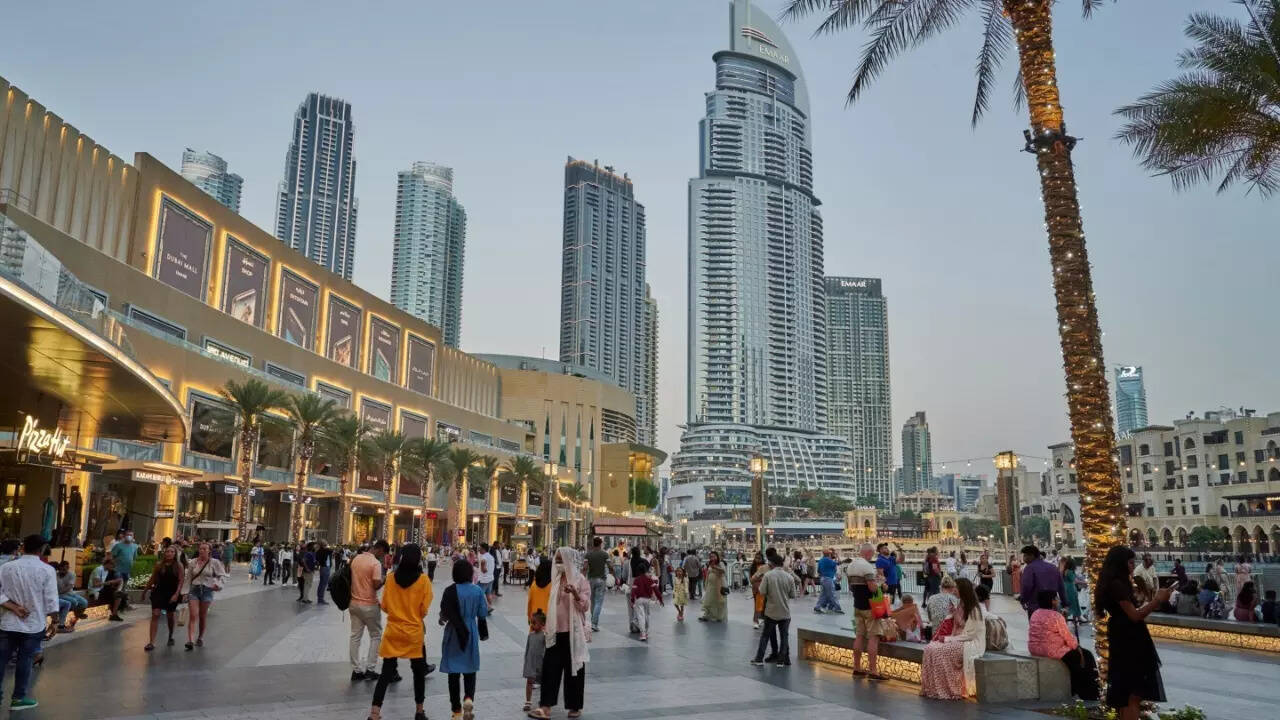
Expatriate alert: Dubai tightens housing rules, shared apartment violations could attract Dh1 million fine

Expatriate alert: Dubai tightens housing rules, shared apartment violations could attract Dh1 million fine
Bed-space living under fire in Dubai as new law raises fine from Dh500K to Dh1 million

Dubai has introduced a sweeping new law aimed at regulating shared accommodation and split-style living arrangements, with violators facing fines of up to Dh500,000 and repeat offenders up to Dh1 million. The law is one of the strongest steps yet taken by the emirate to tackle overcrowding, illegal “bed-space” rentals and unsafe housing practices at its growing properties. market.The new regulation comes at a time when Dubai’s population and rental demand is growing, leading some residents to turn to shared housing arrangements that often fall into legal gray areas. Officials say the law aims to balance affordability for residents with strict safety and quality standards for housing.

Why is Dubai now targeting shared housing?

Shared housing, sometimes known locally as “bed space” living, has long been common in Dubai, especially among low- and middle-income expatriate workers trying to manage rising rents. In many neighborhoods, landlords or tenants convert apartments into multiple partitions or rental beds, allowing multiple people to live in the same unit.

Renting a bed-space in Dubai? The new law may cost you up to five lakh dirhams

Renting a bed-space in Dubai? The new law may cost you up to five lakh dirhams

However, such setups can create serious safety, sanitation, and overcrowding concerns, especially when properties are modified without approval or occupancy limits are ignored. Officials have previously warned that illegal partitions could block ventilation, compromise fire safety and make emergency evacuation difficult. Dubai’s latest law is designed to curb these risks while bringing greater transparency to the rental market.

Dubai’s main rule: Permit required for shared accommodation

The central provision of the new law is straightforward: No individual or company can designate a property as shared accommodation without obtaining an official permit. This means that landlords, property managers and companies must obtain regulatory approval before operating or advertising shared housing units.Authorities will regulate many aspects of shared accommodation, including:

  • occupancy limit
  • safety standards
  • Sanitation and living conditions
  • suitability of building
  • operators license

By introducing formal licensing requirements, Dubai aims to move shared housing from an informal arrangement to a regulated segment of the property market.

Dubai Housing faces fines of between Dh500,000 and Dh1 million for repeat offenses

The law comes with some of the harshest penalties seen in the emirate’s housing sector. Violations can result in fines ranging from Dh500 to Dh500,000, depending on the severity of the offence. If the same violation is repeated within a year, the fine can double to a maximum of Dh1 million.Authorities also have the power to impose additional restrictions, including:

  • suspending activity for up to six months
  • cancellation of permit
  • Cancellation of business license
  • disconnecting public utilities
  • Evicting occupants from non-compliant units

These measures reflect Dubai’s intention to aggressively enforce the new law.

Problem of overcrowding in Dubai apartments

Overcrowding has long been a major issue in some districts with high concentrations of shared housing. Dubai’s housing regulations generally require a minimum amount of space per resident, with overcrowding defined as more than one person occupying five square meters of living space.Industry guidance often translates this into practical limits such as –

  • Studio Apartment: up to 2 residents
  • 1-bedroom units: about 4 inhabitants
  • 2-bedroom units: about 6 residents
  • 3-bedroom units: about 9 residents

When landlords exceed these limits by renting out partitions or beds, it can lead to cramped living conditions and raise safety concerns.

A long-running issue in Dubai’s rental market

Illegal partitioning and subletting has been a persistent challenge for Dubai authorities. Inspections carried out by municipal teams previously targeted neighborhoods such as Al Barsha, Deira, Satwa and Al Rigga, where overcrowded apartments and unauthorized partitions were found. In many cases, tenants subdivide rooms using temporary walls or wooden boards to create additional sleeping areas. Although this allows residents to share the cost of rent, it often violates building regulations and tenancy agreements.

Dubai's new housing law could shut down illegal bed-space rentals

Dubai’s new housing law could shut down illegal bed-space rentals

Under existing rental laws, tenants are already prohibited from sub-letting or sharing apartments without the landlord’s permission, and all occupants must be registered on a tenancy contract (Ejari). The new shared accommodation law strengthens these rules and introduces clearer enforcement mechanisms.

Why does shared housing exist in Dubai?

Despite regulatory concerns, shared housing remains a reality in Dubai’s housing ecosystem. The emirate’s rapid economic growth has attracted millions of expatriate workers, many of whom earn modest wages and rely on shared accommodation to defray the cost of living.For example:

  • A single room in central Dubai apartment This can cost thousands of dirhams monthly.
  • Bed-space rental, where individuals rent a single bed rather than an entire room, can reduce costs significantly.

This has created a thriving informal market for shared living spaces. However, officials say regulation rather than prohibition is the goal. By licensing shared accommodation operators, Dubai hopes to allow affordable living options while ensuring safety and compliance.

Impact of new housing law on landlords and property owners in Dubai

The new law will have a significant impact on landlords and property investors. Property owners who previously allowed informal bed-space rentals may now be required to:

  • apply for permit
  • Modify properties to meet security standards
  • limit occupancy numbers
  • Register Tenants Officially

Failure to comply can result in heavy fines or suspension of rental activities. However, for landlords operating legally, the law may actually help reduce unfair competition from illegal operators.

What Dubai tenants need to know

For tenants, the new rules have several implications:

  1. Check if your accommodation is licensed – Tenants should ensure that the necessary permits are in place for the shared accommodation arrangement.
  2. Avoid illegal bed-space rental – Living in unauthorized shared accommodation can lead to eviction if the authorities close the property.
  3. Make sure your name is on the tenancy contract – Official registration protects tenant rights and avoids legal complications.
  4. Keep an eye on the risks of overcrowding – Unsafe living conditions may violate the law and subject tenants to penalties.

Dubai’s comprehensive effort to improve housing standards

The shared housing regulation is part of a broader strategy by Dubai to increase safety, quality and transparency in its property sector. In recent years, the emirate has introduced a number of reforms targeting building safety standards, worker housing regulations, illegal partitioning and sub-letting, and tenant protection mechanisms.Officials say these policies are necessary as Dubai’s population is growing rapidly and demand for housing is increasing. Industry experts believe the new law could reshape parts of Dubai’s rental market.Possible outcomes include:

  • Less illegal partitioning and bed-space rent
  • More regulated shared accommodation facilities
  • High compliance costs for landlords
  • Better safety standards for residents

Some analysts also speculate that stricter enforcement could temporarily reduce the supply of low-cost housing, potentially increasing demand for regulated shared living developments. Dubai’s new shared accommodation law sends a clear message that affordable living arrangements are allowed, but only if they meet safety and legal standards.By imposing fines of up to Dh500,000 and potentially Dh1 million for repeat violations, authorities are signaling that overcrowding and unlicensed housing will no longer be tolerated. For a city that prides itself on world-class urban planning and high standards of living, this action is another step towards ensuring that rapid growth does not come at the expense of safety or quality of life.

Source link

Opposition criticizes Birla, TMC MP says, you have made us terrorists India News

Opposition criticized Birla, TMC MP said, you made us terrorists

New Delhi: Samajwadi Party, Congress, TMC, Shiv Sena, JMM, IUML tear apart the speaker Om BirlaBecause he accused him of being biased.SP’s Anand Bhadauria said that the ruling BJP has tarnished the dignity of the seat and the removal notice against the Speaker is to save that high post.Congress MP Jothimani and TMC’s Sayoni Ghosh criticized the Speaker for the “serious allegation” that PM Narendra Modi is under threat from women MPs. While Ghosh said, “You turned us into terrorists”, Jothimani said the speaker’s allegations were against first-generation politicians from humble backgrounds, and “are a serious attack on every woman who has earned her rightful place in public life.” Sayoni said, “Do not make this House the party office of one party.”SP’s Bhadauria joked that the PM decided to visit Israel when war was imminent, but was afraid of coming to the Lok Sabha because of women MPs. The SP MP asked who had advised Modi to go to Israel and risk his life at such a critical time. Interestingly, he “salutes” Ayatollah Khamenei for not bowing down to America and accepting martyrdom, unlike the BJP.Criticized for not being given opportunity Rahul GandhiHe said Rahul is not just the leader of the opposition but also the “collective voice of the marginalized sections and the Indian diaspora”.Charanjit Channi criticized Birla for not calling jailed Punjab MP Amritpal Singh to the Lok Sabha even once in two years. He said that just as the disrobing of Draupadi was an attack on all norms of decorum, stifling the voice of the opposition is an attack on the dignity of the people.JMM’s Vijay Kumar Hansdak said the most spoken word in the House under Birla’s leadership is “no” for the opposition. IUML MP ET Mohammad Bashir said the opposition was in a “very difficult situation”.

Source link

संभल में जामा मस्जिद के शाही इमाम पर 6.94 करोड़ रुपये का जुर्माना, सरकारी जमीन पर कब्जा करने का आरोप

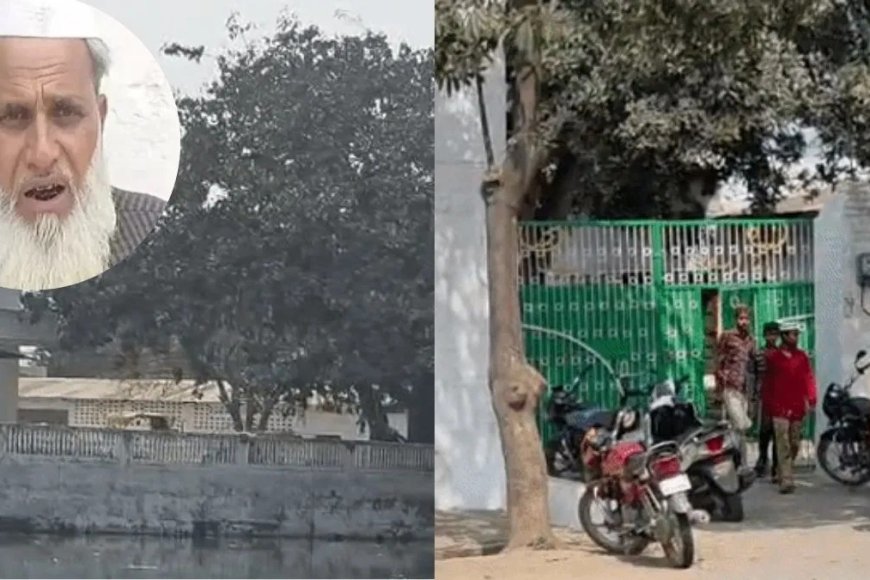
उत्तर प्रदेश समाचार: उत्तर प्रदेश के संभल जिले की ऐतिहासिक जामा मस्जिद के शाही इमाम पर गंभीर आरोप लगे हैं. सरकारी जमीन पर अवैध निर्माण के मामले में तहसीलदार कोर्ट ने शाही इमाम मौलाना आफताब हुसैन वारसी और उनके भाई महताब हुसैन पर करीब 6.94 करोड़ रुपये का जुर्माना लगाया है. प्रशासन का कहना है कि ग्राम समाज की जमीन पर मस्जिद, दरगाह और मकान बनाए गए हैं. कोर्ट ने कब्जेदारों को जमीन खाली करने का भी आदेश दिया है. इस आदेश के बाद इलाके में हड़कंप मच गया है और प्रशासन ने साफ कर दिया है कि अगर तय समय के अंदर जमीन खाली नहीं की गई तो आगे कड़ी कार्रवाई की जाएगी.

ग्राम समाज की जमीन पर निर्माण का आरोप
प्रशासन के मुताबिक, यह मामला गांव सैफ खां सराय का है. राजस्व अभिलेखों में यह भूमि ग्राम समाज की भूमि बताई गई है, जो वृक्षारोपण के लिए आरक्षित थी। स्थानीय लेखपाल की जांच रिपोर्ट में बताया गया कि करीब 1340 वर्ग मीटर जमीन पर मकान, मस्जिद और दरगाह का निर्माण कराया गया है. जांच में यह भी पता चला कि ये निर्माण शाही इमाम मौलाना आफताब हुसैन वारसी और उनके भाई महताब हुसैन के कब्जे में हैं। बताया जा रहा है कि यह निर्माण कई दशक पहले हुआ था और उनका परिवार लंबे समय से यहां रह रहा है.

कोर्ट ने जमीन खाली करने का आदेश दिया
मामले की जांच के बाद तहसीलदार की अदालत ने दोनों भाइयों को जमीन खाली करने का निर्देश दिया है. साथ ही करीब 6.94 करोड़ रुपये का जुर्माना भी लगाया गया है. प्रशासन के मुताबिक कोर्ट के आदेश के बाद संबंधित पक्ष को 30 दिन का समय दिया गया है. इस अवधि में जमीन खाली नहीं करने पर राजस्व विभाग और स्थानीय प्रशासन अतिक्रमण हटाने की कार्रवाई करेगा. ऐसे में मस्जिदों, घरों और दरगाहों पर बुलडोजर चलाया जा सकता है.

इमाम पक्ष ने जमीन को वक्फ संपत्ति घोषित कर दिया
सुनवाई के दौरान शाही इमाम मौलाना आफताब हुसैन वारसी ने भी कोर्ट में अपना पक्ष रखा. उन्होंने कहा कि यह जमीन वक्फ संपत्ति है और यहां कई साल पहले मस्जिद और मजार का निर्माण कराया गया था. इमाम पक्ष का कहना है कि यह परिसर वक्फ बोर्ड से पंजीकृत है और यहां होने वाले धार्मिक कार्यक्रम प्रशासन की जानकारी में आयोजित किये जा रहे हैं. हालांकि, राजस्व विभाग का कहना है कि उपलब्ध अभिलेखों के आधार पर यह जमीन ग्राम समाज की है और इस पर किया गया निर्माण वैध नहीं माना जा सकता.

अवैध निर्माण के खिलाफ चल रहा अभियान
यह मामला सामने आने के बाद जिले में सरकारी जमीनों पर कब्जे को लेकर प्रशासन की सख्ती भी चर्चा में है. संभल जिले में अवैध निर्माण के खिलाफ लगातार अभियान चलाया जा रहा है. प्रशासनिक आंकड़ों के मुताबिक सलेमपुर सालार, राया बुजुर्ग और नरौली आदि इलाकों में कार्रवाई कर अब तक करीब 17 मस्जिदों, 12 मजारों और दो मदरसों को अतिक्रमण से मुक्त कराया जा चुका है. इसके अलावा कुछ अन्य जगहों पर भी नोटिस जारी किया गया है और आगे की कार्रवाई की प्रक्रिया जारी है.

Source link

Gujarat Titans appointed former India wicketkeeper Vijay Dahiya as assistant coach. cricket news

Gujarat Titans have appointed former India wicketkeeper Vijay Dahiya as assistant coach.
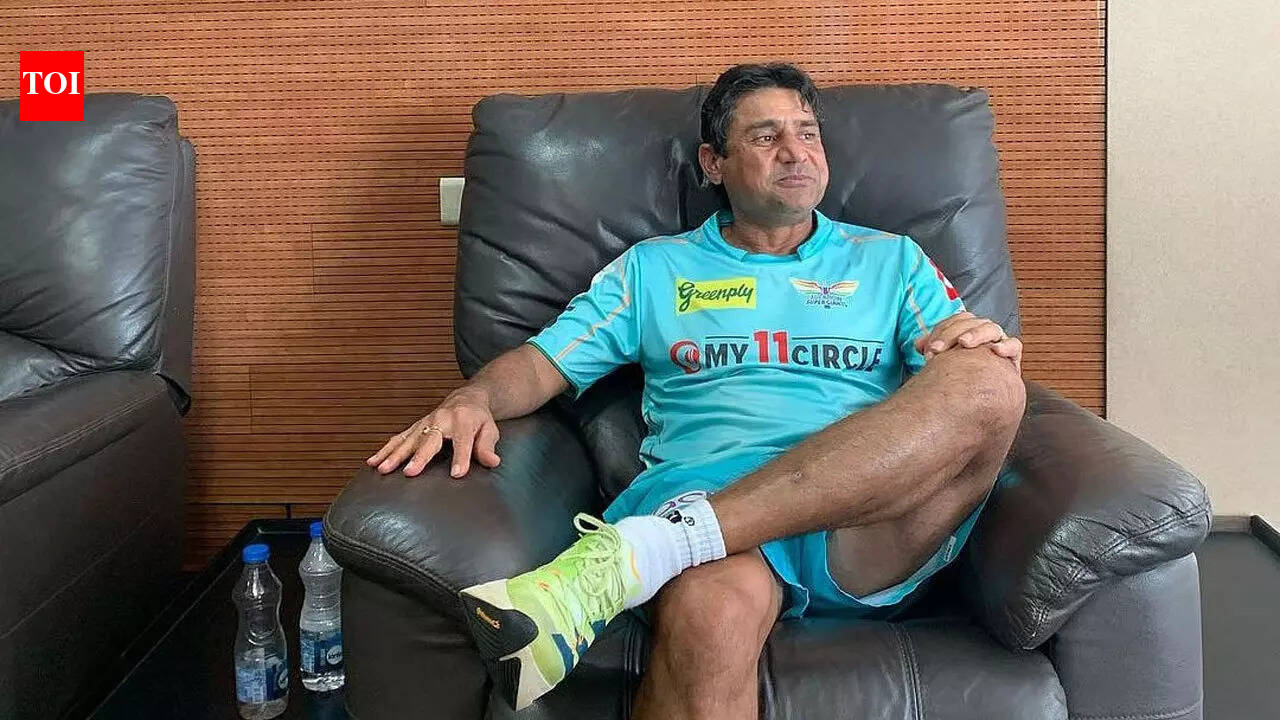
Vijay Dahiya (BCCI/IPL photo)

Gujarat Titans appoint former India wicketkeeper-batsman Vijay Dahiya as their new assistant coach ahead of the upcoming season of Indian Premier LeagueFurther strengthening the coaching setup of the franchise.A respected name in Indian cricket, Dahiya represented the India national cricket team in 19 ODIs and two Test matches. He also enjoyed a successful domestic career with the Delhi cricket team before turning to coaching.

Gautam Gambhir reflects on India’s World Cup win and supporting Sanju Samson in the tournament

He later led Delhi to the Ranji Trophy title in the 2007–08 season and has since built an impressive coaching resume in domestic cricket and the IPL.Dahiya’s appointment comes soon after the franchise brought in the former Australian great batsman Matthew Hayden As for the batting coach, the Titans’ support staff will be further strengthened ahead of the new IPL season.Since their debut in 2022, Gujarat Titans have established themselves as one of the most consistent teams in the league. The team has reached the playoffs in three of its first four seasons and also won the title in its inaugural campaign.Now with a revised coaching structure, the former champions will aim to build on their strong record as preparations for IPL 2026 gather pace.

Source link

Indian passenger flees Doha after Chennai to Barcelona flight stuck amid Iran vs US-Israel war, crosses desert to reach Riyadh

Indian passenger flees Doha after Chennai to Barcelona flight stuck amid Iran vs US-Israel war, crosses desert to reach Riyadh
Indian man stranded in Doha when Iran vs US-Israel war broke out, dared to flee the desert to Riyadh

The dramatic story of an Indian traveler stranded in Qatar has gone viral after he decided to skip waiting for flights and take a long desert road trip. saudi arabia To continue your journey home. The incident, highlighted in a viral video report, reflects the wider travel crisis spanning the world middle east The conflict involving Iran, Israel and the United States disrupts airspace and leaves thousands of passengers stranded at major transit hubs.The passenger, Varun Krishnan, was originally flying from Chennai in India to Barcelona in Spain when heightened regional tensions forced airlines to suspend or divert flights across the Gulf. When his journey stopped in Doha, Krishnan decided that the quickest way forward would be not through the airport but across the desert.

A routine flight that suddenly stopped amid the Iran vs. US-Israel war

Krishnan’s journey began as a routine international trip, a flight from southern India to Europe with a connection in Qatar, but as soon as he landed in Doha, the security situation in the region deteriorated rapidly. Military attacks linked to the escalating Iran–Israel–US conflict led to widespread airspace restrictions in parts of the Gulf. Airlines began suspending flights, diverting routes, and canceling schedules.Major transit hubs such as Doha and Dubai, among the world’s busiest aviation gateways, suddenly faced massive disruption. Thousands of travelers were left stranded as airlines canceled thousands of flights, one of the biggest travel disruptions since the COVID-19 pandemic. For passengers like Krishnan, this meant an indefinite wait at the airport with no certainty as to when flights would resume.

Chose desert route instead of airport while stuck between Iran vs US-Israel war

Faced with increasing uncertainty, Krishnan decided not to wait. Instead of staying in Qatar in hopes of resuming flights, they chose an unusual route to cross the desert from Qatar to Riyadh in Saudi Arabia. The plan involved leaving Doha by road, crossing the Qatar–Saudi Arabia border, reaching Riyadh airport and attempting to continue their international journey from there.This journey meant traveling for hours through remote desert highways, a stark contrast to the convenience of modern air travel, but in a crisis where flights disappear overnight, such routes may become the only viable option.

Travel chaos in the Middle East amid Iran vs. US-Israel war

Krishnan’s story is not an isolated case. Thousands of travelers, tourists, migrant workers and transit passengers are stuck in similar situations across the region as the conflict escalates. Airspace closures and security alerts have forced airlines to cancel flights or reroute planes to longer and more expensive routes.In some cases, governments have advised their citizens to stay indoors until the security situation stabilizes. The scale of the disruption has been huge. Reports suggest thousands of passengers have been forced to leave for flights out of the Middle East during the crisis as airlines struggle to restore operations.With airports overcrowded and tickets selling out fast, many travelers have resorted to alternative routes, including long road trips, emergency visas or transit through multiple countries.

Indians also among most affected travelers amid Iran vs US-Israel war

Indian citizens have been particularly affected by the crisis due to the large number of Indian workers and tourists in the Gulf countries. Thousands of Indians travel through Gulf airports every day as the region serves as a major transit hub connecting India with Europe, North America and Africa. When flights were disrupted due to the conflict, many Indian passengers found themselves stranded in Doha.Reports suggest that more than 500 Indians were stranded in Qatar during the crisis, prompting diplomatic efforts and special flights to bring them home. In the days following the disruption, the Indian Embassy in Doha coordinated evacuation flights, helping hundreds of stranded passengers return to cities such as Delhi, Mumbai and Kochi. However, many travelers still had to find their own solution while waiting for official assistance.Krishnan’s road trip mirrors other notable travel stories emerging from the crisis. One widely reported case involved an American doctor stranded in Qatar whose flight was forced to turn back after hostilities escalated. To reach home, he traveled through several countries, including Saudi Arabia, Ethiopia and Italy in a 62-hour journey across four continents before reaching the United States.Such stories highlight how quickly modern travel networks can collapse during geopolitical emergencies. For travelers stranded in the middle, returning home may require buses, taxis, multiple flights and complex long-distance routes.

Why does airspace closure cause global travel chaos?

Airspace disruption in the Middle East has global implications as the region sits at the crossroads of international aviation. Flights between Europe, Asia and Africa often pass through the Gulf air corridors. When these routes are closed, airlines have to either cancel flights or reroute planes thousands of kilometers around conflict areas.This produces several cascading effects:

  • flight cancellation
  • long travel time
  • High fuel costs for airlines
  • Huge passenger backlog at airports

The result is a chain reaction that disrupts global travel beyond the region.

Governments and airlines rush to help stranded passengers amid Iran vs. US-Israel war

As the crisis unfolded, airlines and governments began introducing emergency measures to assist stranded passengers. These efforts include:

  • special evacuation flights
  • Flexible ticket changes and refunds
  • Consular assistance from embassies
  • Temporary transit arrangements in neighboring countries

Many airlines operating in the region, including major Gulf carriers, have gradually begun to resume flights as airspace conditions improve. However, officials warned that disruptions could continue as long as regional tensions persist.

travel to conflict zones

For many travelers, the crisis is a reminder of how quickly geopolitics can disrupt everyday life. Air travel has become so routine that most travelers rarely consider the delicate network of air corridors, diplomatic agreements and security conditions that keep planes flying safely across borders. But when war breaks out near major aviation routes, the consequences can be immediate.Flights disappeared from departure boards. Airports become filled with stranded passengers and travelers suddenly have to improvise new routes in unfamiliar countries. In that sense, Varun Krishnan’s journey from Doha to Riyadh is more than just a dramatic travel story and reflects the larger impact of geopolitical conflict on ordinary people.What started as a routine international flight became an impromptu land expedition into the desert, just to continue the journey that millions of travelers make every day. As airlines slowly resume operations and governments work to evacuate stranded citizens, the episode stands as a reminder that even in the age of instant global connectivity, the world’s travel networks remain vulnerable to the shocks of war and politics.

Source link

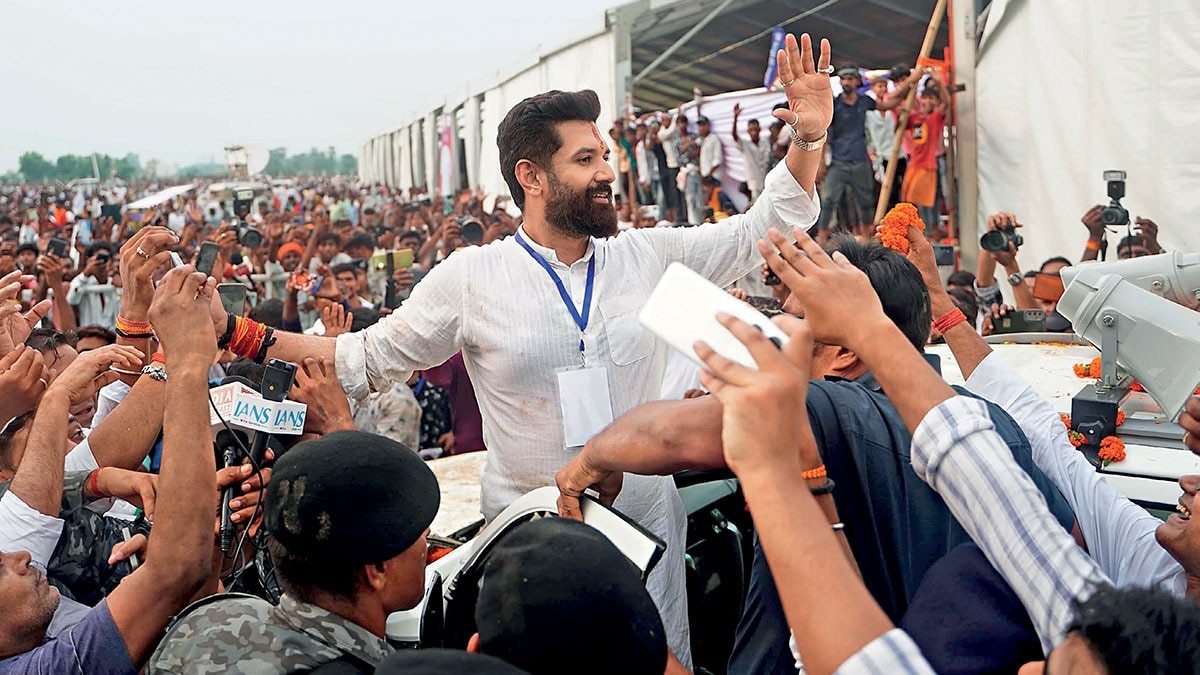
Bihar Chirag Paswan’s power play

heyn On July 26, Union Minister Chirag Paswan was in Gaya to address a public meeting when he attacked the Nitish Kumar-led NDA regime in Bihar. “I regret that I have to support this government,” she told the media when asked about the ambulance rape incident that rocked the city and made national headlines two days ago. “Murders, kidnappings, rapes… yet the state machinery bows before the criminals.” Although he avoided taking the name of the Chief Minister, there was no mistake as to who his attack was targeted at – the Home Department works under Nitish.

Source link

डेढ़ लाख रुपये लेकर घर से निकला था यूट्यूबर पुष्पेंद्र…दो दिन बाद झाड़ियों में मिला शव

पूर्वी दिल्ली के मंडावली इलाके से शनिवार से लापता एक यूट्यूबर और इंस्टाग्राम इन्फ्लुएंसर का शव सोमवार शाम को आनंद विहार में एक खाली प्लॉट से बरामद किया गया। मृतक की पहचान 31 वर्षीय पुष्पेंद्र उर्फ ​​आकाश के रूप में हुई है. इस घटना के बाद परिवार में भारी गुस्सा है. परिजनों ने पुलिस पर लापरवाही का आरोप लगाया है और एक सिपाही पर कॉल डिटेल निकालने के नाम पर 10 हजार रुपये की रिश्वत लेने का भी आरोप लगाया है. फिलहाल पुलिस मामले की जांच कर रही है और पोस्टमार्टम रिपोर्ट का इंतजार है।

आकाश कपड़े का शोरूम चलाता था
आकाश मूल रूप से उत्तर प्रदेश के अलीगढ़ का रहने वाला था और पूर्वी दिल्ली के मंडावली इलाके में अपने माता-पिता, पत्नी और तीन साल की बेटी के साथ रहता था। वह ‘स्टाइलिंग’ नाम से कपड़ों का शोरूम चलाते थे। इसके साथ ही वह सोशल मीडिया पर फैशन से जुड़े वीडियो बनाकर कपड़ों का प्रमोशन और बिक्री भी करते थे। शनिवार दोपहर करीब 12.30 बजे आकाश अपने घर से डेढ़ लाख रुपये कैश लेकर गांधी नगर मार्केट जाने के लिए निकला था। परिवार के मुताबिक, दोपहर 2.33 बजे उनका मोबाइल फोन बंद हो गया। इसके बाद परिजनों ने मंडावली थाने में गुमशुदगी की रिपोर्ट दर्ज कराई.

परिवार ने ही आखिरी लोकेशन ढूंढी
आकाश के भाई सत्येन्द्र का आरोप है कि पुलिस ने उसकी तलाश में ज्यादा दिलचस्पी नहीं दिखाई। परिवार ने खुद ही मोबाइल की आखिरी लोकेशन ट्रेस की, जो आनंद विहार के टेल्को टी-प्वाइंट के पास मिली। सोमवार शाम जब परिजन वहां पहुंचे तो आकाश का शव डीडीए के खाली प्लॉट में पड़ा मिला। शव से कुछ दूरी पर उसका मोबाइल फोन भी बंद पड़ा मिला।

लूट और हत्या का संदेह
परिजनों का कहना है कि आकाश की सोने की चेन और डेढ़ लाख रुपये गायब हैं। उन्हें शक है कि किसी ने जहरीला पदार्थ खिलाकर उनके साथ लूटपाट की और बाद में उनकी हत्या कर दी. मंगलवार को पोस्टमार्टम के बाद जब शव परिजनों को सौंपा गया तो उन्होंने न्याय की मांग करते हुए मंडावली थाने का घेराव कर दिया. बाद में पुलिस अधिकारियों के समझाने पर मामला शांत हुआ.

पुलिस ने जांच की बात कही है
पूर्वी दिल्ली के डीसीपी राजीव कुमार के मुताबिक, शुरुआती जांच और शव की हालत देखकर यह हत्या का मामला नहीं लग रहा है. हालांकि, पुलिस अभी किसी नतीजे पर नहीं पहुंची है और पोस्टमार्टम रिपोर्ट का इंतजार है. पुलिस आसपास के सीसीटीवी फुटेज भी खंगाल रही है और रिश्वतखोरी के आरोपों की जांच कर रही है। रिपोर्ट आने के बाद ही आकाश की मौत की असली वजह स्पष्ट हो सकेगी।

Source link

मंदिर की गरिमा सबसे ऊपर है…नॉनवेज विवाद के बाद महंत ने अपने ही बेटे पुजारी को सेवा से हटा दिया.

उत्तर प्रदेश समाचार: उत्तर प्रदेश के कानपुर में एक मंदिर के पुजारी को लेकर बड़ा विवाद खड़ा हो गया है. केशवपुरम स्थित बाबा श्री भूतेश्वर धाम मंदिर के पुजारी की तस्वीर सोशल मीडिया पर वायरल होने के बाद मंदिर परिसर में हंगामा मच गया। आरोप है कि तस्वीर में पुजारी कथित तौर पर मांसाहारी खाना खाते नजर आ रहे थे. इस घटना के बाद मंदिर के महंत और पुजारी के पिता ने उसे मंदिर की सेवा से बाहर कर दिया है. विवाद बढ़ने के बाद पुलिस भी मौके पर पहुंची और पूरे मामले की जांच में जुट गई.

तस्वीर वायरल होते ही मंदिर में भीड़ जमा हो गई
बताया जा रहा है कि यह घटना रविवार रात की है. पुजारी प्रशांत गिरी उर्फ ​​गोलू पंडित की कथित तस्वीर सोशल मीडिया पर वायरल होते ही मंदिर परिसर में करीब 50 से 60 लोगों की भीड़ जमा हो गयी. आरोप है कि गुस्साए लोगों ने पुजारी को मंदिर से बाहर खींच लिया और उसकी पिटाई कर दी. मंदिर के महंत संतोष गिरी के मुताबिक जब प्रशांत को उनकी पत्नी और बहू ने बचाने की कोशिश की तो भीड़ ने उनके साथ भी बदसलूकी की. इस घटना के बाद इलाके में काफी तनाव फैल गया.

महंत ने अपने बेटे को नौकरी से हटा दिया
मंदिर के मुख्य पुजारी और महंत संतोष गिरी ने साफ कहा कि मंदिर की मर्यादा और मर्यादा सर्वोच्च है. उन्होंने बताया कि जैसे ही उन्हें जानकारी मिली कि उनके बेटे ने मांसाहारी खाना खाया है, उन्होंने तुरंत उसे मंदिर की सेवा से हटा दिया. हालांकि, उन्होंने यह भी कहा कि किसी को भी कानून अपने हाथ में लेने का अधिकार नहीं है और उन पर हमला करने वाले कुछ स्थानीय युवकों के खिलाफ नाराजगी व्यक्त की.

पुलिस ने कार्रवाई शुरू कर दी
घटना के बाद पुलिस ने मामले को गंभीरता से लिया और पुजारी प्रशांत गिरी के खिलाफ शांति भंग करने की धाराओं के तहत एहतियातन कार्रवाई शुरू कर दी. महंत संतोष गिरी का कहना है कि पुलिस कार्रवाई के बाद से उनका बेटा लापता है और फिलहाल उससे कोई संपर्क नहीं हो पा रहा है. पुलिस ने मंदिर के आसपास सुरक्षा व्यवस्था भी बढ़ा दी है ताकि आगे कोई अप्रिय घटना न घटे. फिलहाल पुलिस पूरे मामले की जांच कर रही है और यह पता लगाने की कोशिश कर रही है कि फोटो को लेकर विवाद कैसे शुरू हुआ और घटना में शामिल लोगों की क्या भूमिका थी.

अश्वनी तिवारी

अश्वनी तिवारी यूपी न्यूज नेटवर्क में उप-संपादक हैं। वह राजनीति, अपराध, खेल, ज्योतिष और धार्मिक विषयों से जुड़ी खबरों पर सक्रिय रूप से काम करते हैं। उन्हें मीडिया जगत में 2 साल का अनुभव है। उन्होंने रिपोर्टिंग, स्पेशल स्टोरीज और स्पेशल खरी-खोटी जैसे कार्यक्रमों पर काम किया है। कंटेंट राइटिंग के साथ-साथ उन्हें वीडियो एंकरिंग का भी अनुभव है। सुमनटीवी ने हैदराबाद (डिजिटल प्लेटफॉर्म) के साथ काम किया है और ZEE न्यूज़ और इंडिया वॉच जैसे प्रतिष्ठित समाचार संगठनों में इंटर्नशिप का अनुभव प्राप्त किया है। पिछले 1 वर्ष से वह यूपी न्यूज नेटवर्क (डिजिटल) से जुड़े हुए हैं और उत्तर प्रदेश से जुड़ी महत्वपूर्ण खबरों को डिजिटल प्लेटफॉर्म पर प्रभावी ढंग से प्रस्तुत कर रहे हैं। एमजेएमसी से पढ़ाई कर चुके अश्विनी तिवारी पत्रकारिता के लिए जाने जाते हैं जो दर्शकों को तथ्यात्मक रिपोर्टिंग, जमीनी मुद्दे और सटीक जानकारी प्रदान करती है। उनका जन्मस्थान वाराणसी है, जबकि अपने काम के दौरान उन्होंने कई शहरों में रहकर पत्रकारिता की है।

Source link

AloneTrades’ Dubai Statement Goes Viral Amid Iran vs US-Israel War: Why Crypto Trader Says He Was Asked To Get License To Post Online In UAE Emirate

AloneTrades' Dubai Statement Goes Viral Amid Iran vs US-Israel War: Why Crypto Trader Says He Was Asked To Get License To Post Online In UAE Emirate
Crypto Twitter explodes after influencer claims he is seeking permission to post in Dubai

A viral A tweet from crypto trader AlonTrades, founder of Signal Labs, has sparked new debate about the rapidly evolving regulations governing social media content in the UAE. The trader, who describes himself as “crypto since 2017” onTaking to his social media handle, he tweeted, “Moved to Dubai to not bother with rules and bureaucracy. I have been ordered to get a license and permit to post on social media.” The complaint quickly gained popularity on crypto Twitter and digital-nomad forums, with many debating whether the UAE, often marketed as a tax-friendly haven for entrepreneurs, was quietly tightening control over the influencer economy and online discourse.However, behind the viral tweets lies a complex interplay of digital media regulation, geopolitical tensions, and the UAE’s efforts to professionalize its rapidly growing creator economy.

The incident that sparked the AlonTrades vs UAE controversy

According to reports circulating online, the controversy began when AlonTrades posted a video of a large explosion at the Fairmont The Palm, a luxury hotel in Dubai’s iconic Palm Jumeirah. The footage captured dramatic scenes during a period of heightened regional tensions following missile and drone attacks linked to the wider Iran versus US-Israel conflict that reportedly hit parts of the Gulf.The video quickly went viral, reportedly garnering over 1.7 million views on X, but the popularity of the footage may have also attracted the attention of the authorities. The trader later claimed that he was placed on the public prosecutor’s list for “publishing illegal content” and his X account was subsequently blocked in the UAE. He also alleged that officials told him that social-media creators in the country must obtain specific licenses before publishing certain types of content.The claims immediately sparked widespread discussion online, with supporters arguing that such rules run contrary to Dubai’s reputation as a free-market innovation hub. However, experts say the situation may reflect a misunderstanding of the country’s new digital advertising rules, which come into effect in 2026.

Explained about the new UAE social media permit

From February 01, 2026, the UAE introduced a mandatory advertiser permit for anyone publishing promotional content on social media. This permit was introduced under updated media rules designed to regulate digital advertising and improve transparency in the influencer industry.Under the rules:

  • Anyone posting promotional or sponsored content online must obtain a permit from the UAE Media Council.
  • This rule applies to residents, citizens and even visiting creators targeting UAE audiences.
  • Influencers must also have a trade license or freelance permit to conduct advertising activities legally.
  • Violations may result in fines and legal penalties

This policy applies not only to paid brand collaborations, but also to certain types of unpaid promotions, such as giveaway campaigns or affiliate marketing. Officials say the goal is to ensure that the rapidly growing digital advertising ecosystem operates with the same standards applied to traditional media.

Why are UAE and other governments controlling influential people?

The UAE is not alone in closely monitoring social-media content. Around the world, governments have begun implementing regulations targeting influencers, digital advertisers and online content creators. Officials argue that the explosive growth of social media has blurred the line between personal expression and commercial advertising. In many cases, influencers promote products without clearly disclosing sponsorship, potentially misleading consumers.The UAE’s new permit system aims to:

  • Improve transparency in digital advertising.
  • Protect consumers from misleading promotions.
  • Ensure producers comply with national media laws.
  • Formalize the influencer industry as a legitimate business sector.

Legal analysts say the policy reflects the emirate’s broader strategy to regulate fast-growing digital industries without hampering economic growth.

Dubai: Impressive economy worth billions of dollars

Dubai has become one of the world’s biggest hubs for social-media influencers, digital entrepreneurs, and crypto traders. With zero personal income tax and business-friendly policies, the city has attracted thousands of creators, YouTubers, and online entrepreneurs over the past decade. According to industry estimates, the UAE’s influencer marketing sector could reach nearly $100 million by 2030 due to tourism, luxury brands and global advertising campaigns.However, with that rapid growth has also come new challenges:

  • unannounced advertisement
  • misleading financial propaganda
  • Fake followers and engagement
  • unregulated financial advice

Regulators around the world have begun investigating influential people, especially in areas like cryptocurrency where financial risks are higher.

Crypto influencers under increasing scrutiny

The controversy surrounding ElonTrades also highlights increasing scrutiny of crypto influencers. Over the past few years, regulators in the US, Europe and Asia have cracked down on influencers who promote digital assets without disclosing paid sponsorships or financial interests.In some cases, influencers have faced lawsuits or penalties for promoting projects that later collapsed. Dubai has established itself as a global crypto hub, hosting blockchain companies, exchanges and venture funds, but officials have also stressed that financial incentives must follow regulatory guidelines designed to protect investors. For crypto traders with large social-media followings, this creates a complex regulatory environment.

Free speech debate in the United Arab Emirates

The ElonTrades controversy has also sparked wider debate about online expression during the crisis. During periods of geopolitical tension, authorities in many countries tighten controls on information sharing to prevent misinformation or panic. In the UAE, officials warned residents not to share unverified videos or rumors about missile attacks and other security incidents during the recent regional conflict.Violating such rules could potentially result in heavy fines or even imprisonment, especially if the content spreads panic or misinformation. Critics argue that such policies risk limiting free expression. Supporters say they are necessary to maintain stability during emergencies and prevent the spread of false information.For Dubai, the challenge is to maintain its reputation as a global business hub while also regulating the digital economy. The city’s leadership has long promoted it as a place where entrepreneurs, investors and innovators can flourish with minimal bureaucracy. At the same time, the rapid rise of social media and influencer marketing has created an entirely new economic sector that governments are still learning to regulate. Experts say Dubai’s approach reflects a broader global trend to treat influencers not as amateurs but as professional advertisers.

The truth behind ElonTrades’ viral tweet

While ElonTrades has criticized the permit requirement as overly bureaucratic, legal experts say the regulation is not intended to be a simple individual post. Instead, it primarily targets commercial content and advertising activities. In most cases, individuals sharing personal experiences or opinions on social media are unlikely to need a license.However, creators who monetize their platforms through brand deals, affiliate marketing or paid promotions may fall under the new rules. For professional influencers and crypto traders promoting products or services, compliance with the permit system is now essential.The viral tweet may have started as a complaint from a frustrated crypto trader, but the response to it highlights a larger change taking place on the global internet. As social media grows into a multi-billion dollar advertising ecosystem, governments are increasingly taking steps to regulate it.From impressive licensing in Dubai to strict disclosure rules in the US and Europe, the era of unregulated digital promotion is fast coming to an end. For creators, businesses, and influencers, the clear message is that social media may feel like a free space but in today’s world, it is also a regulated industry.

Source link