Breaking News
चोर चोरी के इरादे से क्लीनिक में घुसा, लेकिन उसकी गर्दन शटर में फंस गई…फिर सुबह उसका वहीं इलाज कराया गया।

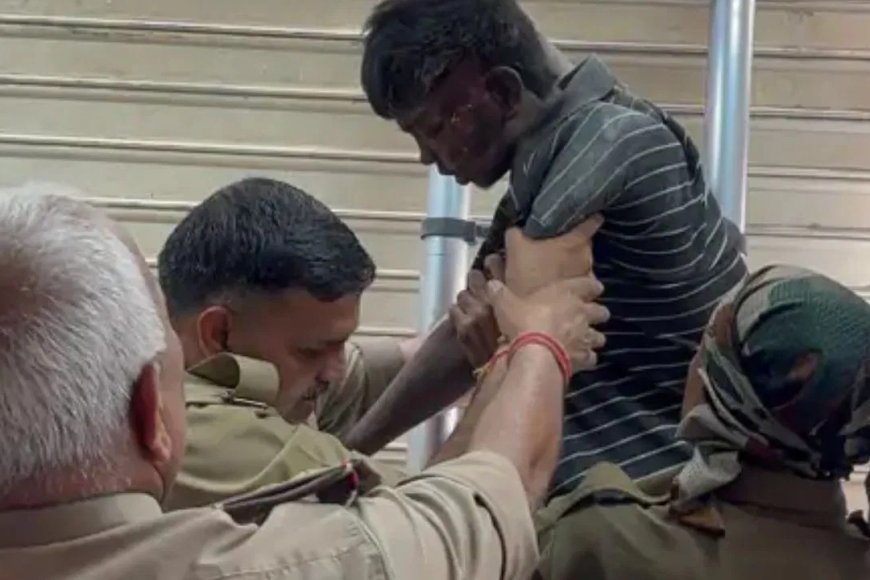
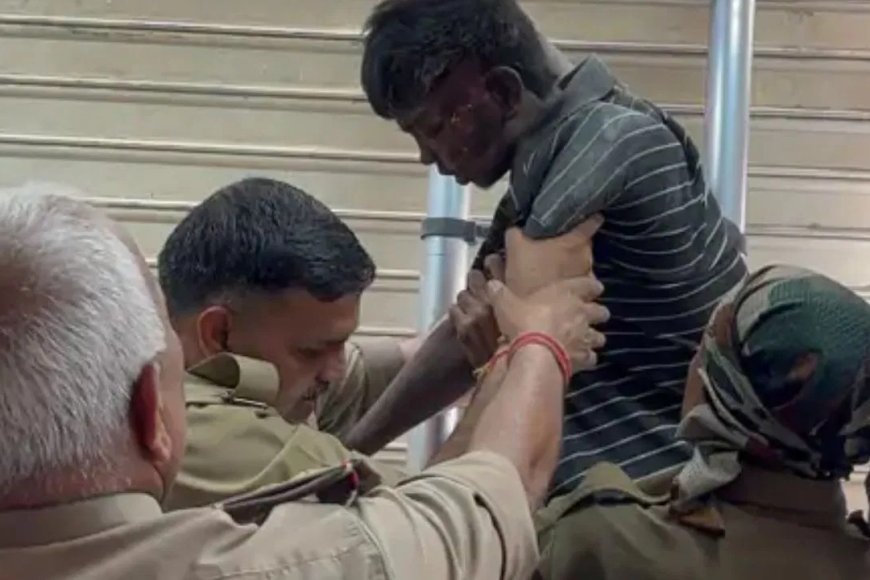
गाजियाबाद समाचार: उत्तर प्रदेश के गाजियाबाद कमिश्नरेट के वैशाली इलाके में एक चौंकाने वाली घटना सामने आई है. यहां एक क्लिनिक में चोरी की कोशिश कर रहा एक चोर मुसीबत में फंस गया। बताया जा रहा है कि देर रात वह शटर के बीच वाले हिस्से से अंदर घुसने की कोशिश कर रहा था, लेकिन इसी दौरान उसकी गर्दन शटर और कंक्रीट की दीवार के बीच फंस गई. वह न तो आगे जा सका और न ही पीछे जा सका। वह पूरी रात उसी हालत में फंसे रहे और सुबह होते-होते उनकी हालत बिगड़ गई.

सुबह क्लीनिक खुलने पर खुलासा हुआ
सुबह जब क्लिनिक खोलने की तैयारी की जा रही थी तो स्टाफ ने शटर के पास एक व्यक्ति को फंसा हुआ देखा. यह देख तुरंत अफरा-तफरी मच गई और इसकी सूचना फायर ब्रिगेड को दी गई। कुछ ही देर में फायर ब्रिगेड की टीम मौके पर पहुंच गई और रेस्क्यू ऑपरेशन शुरू किया गया.

फायर ब्रिगेड ने किया रेस्क्यू
फायर ब्रिगेड की टीम ने कड़ी मशक्कत के बाद शटर और दीवार के बीच फंसे युवक को सुरक्षित बाहर निकाला। पूरी रात फंसे रहने के कारण उनकी हालत काफी खराब हो गई थी. प्राथमिक उपचार भी उसी क्लीनिक में दिया गया, जहां वह चोरी करने घुसा था। टीम ने बचाव उपकरणों की मदद से शटर हटाकर उसे बाहर निकाला और उसकी जान बचाई।

आरोपी बिहार का रहने वाला है
अग्निशमन विभाग की जानकारी के मुताबिक, आरोपी की पहचान अभिषेक के रूप में हुई है, जो बिहार का रहने वाला बताया जा रहा है. रात में वह छत के रास्ते क्लीनिक में घुसने की कोशिश कर रहा था, लेकिन शटर और दीवार के बीच फंस गया। फायर सर्विस की टीम ने तुरंत कार्रवाई करते हुए उसे बाहर निकाला और पुलिस के हवाले कर दिया.

पुलिस हिरासत में आरोपी
पुलिस के मुताबिक, आरोपी चोरी के इरादे से क्लिनिक में घुसा था, लेकिन उसकी योजना विफल हो गई. फंसने के कारण वह पूरी रात वहीं फंसा रहा और उसकी जान भी जा सकती थी. गनीमत रही कि समय रहते उसे बचा लिया गया. फिलहाल पुलिस ने उसे हिरासत में लेकर उसके खिलाफ कानूनी कार्रवाई शुरू कर दी है और मामले की जांच जारी है.

Source link

From policy to infrastructure: Who is the Indian-origin leader in New York’s power list? world News

From policy to infrastructure: Who are the Indian-origin leaders in New York's power list?
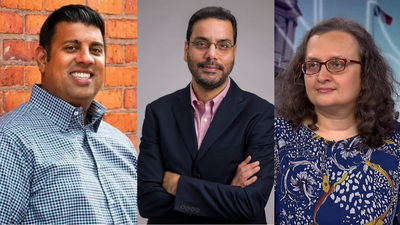
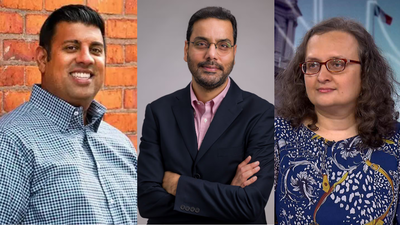
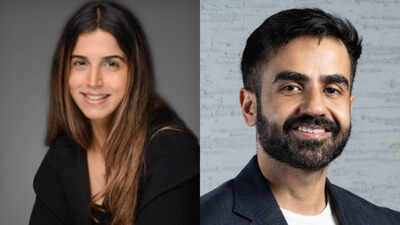
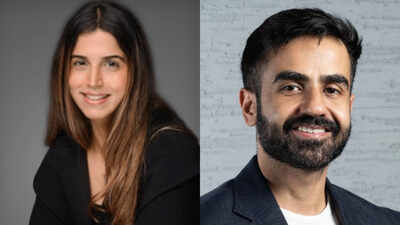
Left to right: Jeremy Cooney, Covid Saxena and Bhairavi Desai, Indian-origin leaders included in New York’s transportation power list

A new power list highlighting key figures shaping the future of New York’s transportation and mobility landscape has put several Indian-origin leaders in the spotlight. Published by City & State, the 2026 ‘Trailblazers in Transportation’ list recognizes influential driving policy, infrastructure and advocacy across the state. These include three Indian-origin professionals whose work spans grassroots activism, legislative reform and large-scale engineering projects. His inclusion reflects not only his individual impact but also the growing presence of the Indian diaspora in shaping one of the world’s most complex urban transportation systems.

Indian-origin leaders shaping New York’s transportation power list

Bhairavi Desai: Advocating the rights of taxi workers

Bhairavi Desai has long been a leading voice for New York City’s for-hire drivers. As co-founder and executive director of the New York Taxi Workers Alliance, she represents thousands of drivers and has campaigned for fair wages and working conditions for decades.His advocacy gained particular attention in recent years through efforts to address taxi medallion debt and ensure stronger protections for drivers. A major legislative victory was scored when the New York City Council overrode Eric Adams’ veto to pass a bill preventing drivers from being disabled without due process. Desai has worked closely with Zohran Mamdani on labor issues, including high-profile protests and hunger strikes.

Jeremy Cooney: Shaping transportation policy at the state level

Jeremy Cooney, originally from Kolkata, plays a key role in shaping transport policy as chairman of the State Senate Committee on Transport. Their work focuses on improving transit systems, expanding infrastructure, and supporting long-term mobility planning.His recent accomplishments include funding a high-speed rail study, advocating for increased public transit budgets, and pushing for expanded investment in road maintenance. Emerging as a strong supporter of autonomous vehicle development, Cooney has also introduced legislation to broaden commuter benefits, including support for bicycling and ride-hailing services.

Covid Saxena: Taking forward large-scale infrastructure projects

Covid Saxena represents the engineering and infrastructure side of the list. As a senior executive at Arcadis, he has been involved in numerous high-impact projects in the New York metropolitan area.His portfolio includes work on the Second Avenue Subway (Phase 2) and the Gateway Hudson River Tunnel, which are critical to the region’s long-term transit capacity. Saxena has also contributed to initiatives such as EV charging infrastructure, major bridge upgrades and road safety improvements, underscoring his impact on both current and future mobility systems.The inclusion of these leaders highlights the diverse ways in which Indian-origin professionals are shaping New York’s transportation ecosystem. His contributions span every level of the system, from grassroots advocacy and policy formulation to engineering and infrastructure delivery.

Source link

UCC enters Bengal battlefield: PM Modi vows to implement civil code; Mamta said ‘will cancel’ india news

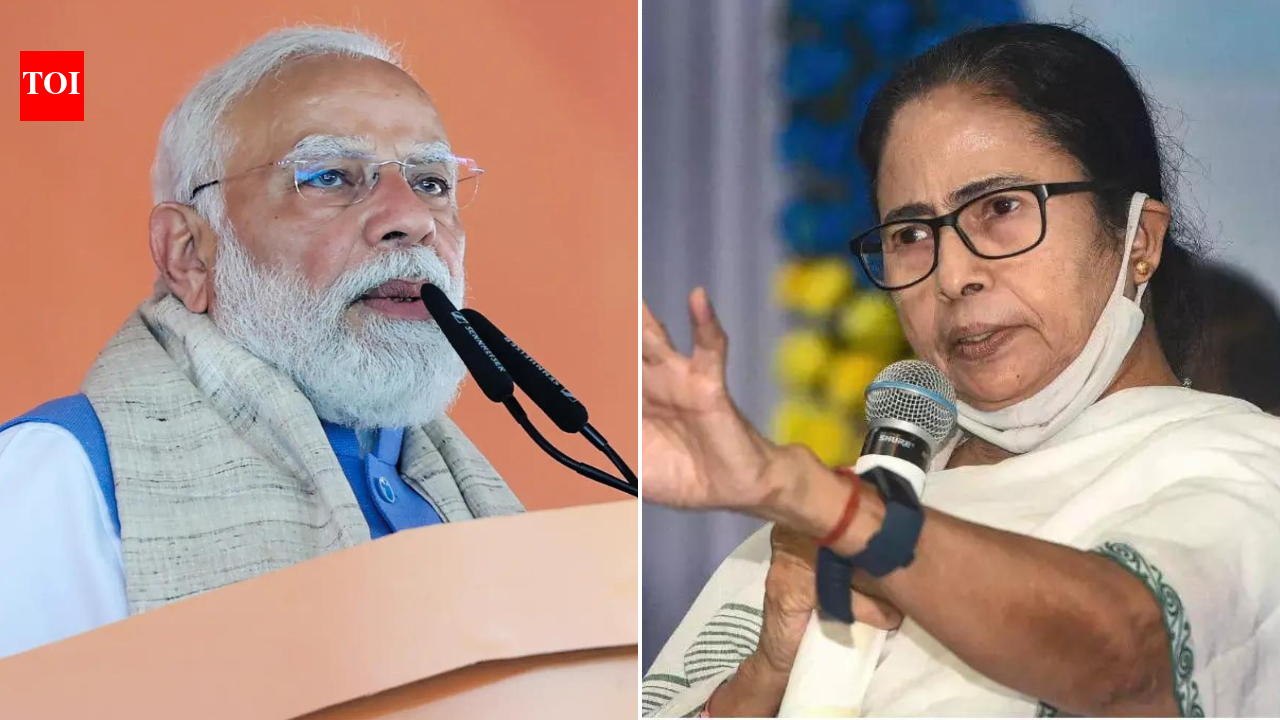
Mamata vs PM Modi, Amit Shah on UCC promise: Rights debate takes center stage in Bengal campaign

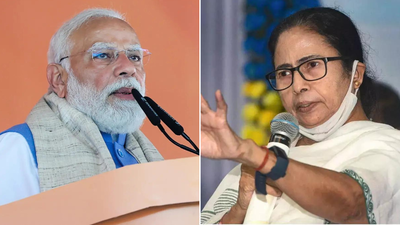
New Delhi: The uniform civil code (UCC) has emerged as a flashpoint in the West Bengal assembly elections. On one hand, Prime Minister Narendra Modi has vowed to implement it if BJP comes to power. At the same time, Bengal Chief Minister Mamata Banerjee has promised that if her party gets majority at the Centre, she will repeal this law.Addressing a rally in Jangipur in Murshidabad district, PM Modi said the BJP’s manifesto, released a day earlier, outlines a roadmap to introduce UCC as part of a broader effort to end “appeasement politics” in the state. The Prime Minister positioned the proposal as an integral part of governance and national security, while also linking it to the BJP’s broader election pitch in Bengal.

Watch

Mamata vs PM Modi, Amit Shah on UCC promise: Rights debate takes center stage in Bengal campaign

At the rally, PM Modi said, “The security of the country is paramount for us. BJP resolves to implement UCC in West Bengal to end the politics of appeasement forever.”His comments come after the BJP in its ‘Sankalp Patra’ promised to implement the UCC along with a series of governance and security reforms within six months of government formation. The party has framed the election as a defining moment for Bengal’s political direction, alleging corruption, lawlessness and demographic change under the Trinamool Congress (TMC).In response to the ‘Sankalp Patra’, the Bengal CM opposed the implementation of the Civil Code Bill. Addressing a gathering at Keshiyari in West Medinipur district, Banerjee accused the BJP of pushing the resolution without consensus and warned that it would be reversed if political equations change at the Centre.Speaking at the rally, he said, “They have talked about UCC (Uniform Civil Code) in the manifesto. I will strongly oppose this. They are in majority today, so they will pass the bill. Tomorrow when they will not be in majority, we will cancel the bill. “As long as they remain, free and fair elections are not possible.”Banerjee also raised concerns over the timing of electoral processes and policy and alleged that major decisions are being pushed through without debate during the ongoing election cycle.He said, “Elections are going on and in the meantime they are bringing the delimitation bill in Parliament. There was no debate on this. The reason behind this is that they want to divide Bengal and conduct NRC here. I repeat it, BJP will go away one day very soon.”Expanding her attack, Banerjee criticized the Special Intensive Revision (SIR) of voter lists, alleging manipulation and deletion of voters’ names.He said, “Our fight is with ‘Vanish Kumar’ (referring to CEC Gyanesh Kumar). SIR is a huge scam. This is not a SIR but an attempt to bring BJP to power.” This is a name removal scam. 90 lakh names have been removed.”He further alleged attempts to target him politically, saying, “Two false affidavits were filed to cancel my candidature from Bhabanipur. They could not do it, but imagine if they can do it against me, what they can do against others.”

voting

Should implementation of the UCC involve broad public consent?

On its part, the BJP has doubled down on its campaign narrative, with the PM accusing the TMC of relying on “infiltrators”, promoting corruption and failing to maintain law and order. He also alleged that the violence during Ram Navami processions in the state is in contrast to the peaceful celebrations elsewhere in the country.Assembly elections in West Bengal are to be held on April 23 and 29, while counting of votes is on May 4.

Source link

चारधाम यात्रा 2026: गुप्तकाशी से गौरीकुंड तक 32 किलोमीटर का सफर होगा मुश्किल, फाटा से आगे तरसाली के पास बेहद संवेदनशील

भले ही गुप्तकाशी से गौरीकुंड की दूरी लगभग 32 किमी है, लेकिन इस पूरे मार्ग पर मौजूद भूस्खलन क्षेत्र और खराब सड़कें यात्रा को कठिन बना रही हैं। आम दिनों में भी एक घंटे के सफर में दो घंटे से ज्यादा का समय लग रहा है. ऐसे में यात्रा में 4 घंटे या उससे भी ज्यादा समय लग सकता है. यह मार्ग केदारनाथ धाम जाने वाले श्रद्धालुओं का मुख्य मार्ग है। प्रशासन के लिए यह किसी बड़ी चुनौती से कम नहीं है.

गुप्तकाशी से ही जाम लगना शुरू हो जाता है। नगर पंचायत क्षेत्र से आगे नाला, नारायणकोटी और भटे तक सड़क ठीक है, लेकिन चौड़ाई कम होने के कारण यातायात के दबाव में यह हिस्सा चुनौतीपूर्ण हो जाता है। असली परीक्षा सेमेस्टर भत्ते के बाद शुरू होती है। खुमेरा इलाके में सड़क दलदली बनी हुई है, जहां सुधार कार्य चल रहा है, लेकिन बारिश के कारण काम प्रभावित हुआ है. ब्यूंग गाड में भी हालात ऐसे ही हैं और यहां इलाज का काम चल रहा है. इससे आगे फाटा तक करीब 800 मीटर का संकरा इलाका हर साल की तरह इस बार भी ट्रैफिक जाम का बड़ा कारण बन सकता है।

तरसाली के पास करीब 700 मीटर का इलाका बेहद संवेदनशील है।


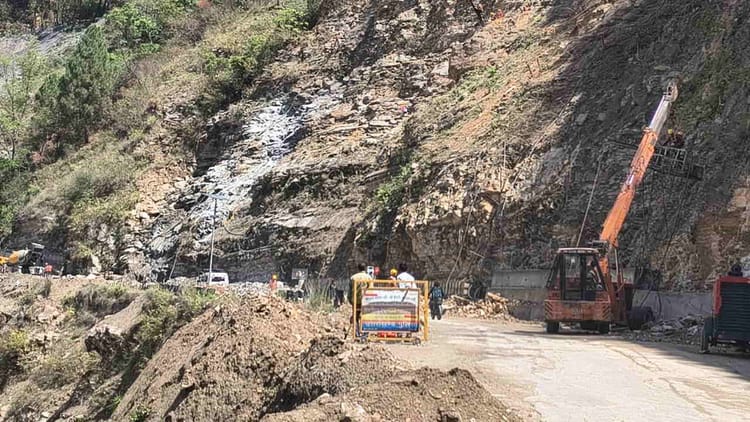
फाटा से आगे तरसाली के पास करीब 700 मीटर का इलाका बेहद संवेदनशील बना हुआ है. यहां हाल ही में किया गया डामरीकरण भी टूट रहा है, जिससे सड़क पर बजरी की परत दोपहिया वाहनों के लिए खतरा बन रही है। रामपुर में सड़क का बुरा हाल है। इन दिनों यहां सुरक्षा दीवार का निर्माण कार्य चल रहा है। सड़क पर डामरीकरण न होने से यह हिस्सा दलदली हो गया है। बडासू क्षेत्र में भी ढीली चट्टानें वाहनों को धीमी गति से चलने पर मजबूर करती हैं।

हर साल की तरह इस बार भी सोनप्रयाग में यातायात एक बड़ी चुनौती होगी. यहां से त्रियुगीनारायण मार्ग पर भी वाहनों का दबाव बढ़ने से जाम बढ़ेगा। आगे गौरीकुंड रोड पर मुनकटिया स्लाइडिंग जोन इस बार भी मुसीबत खड़ी करेगा। हालांकि यहां सड़क चौड़ी कर दी गई है, जिससे पैदल चलने वालों को राहत मिलेगी, लेकिन भारी वाहनों का संचालन अभी भी जोखिम भरा रहेगा।

गौरीकुंड से पहले एक नया भूस्खलन क्षेत्र भी उभरा है, जहां जमा मलबा और ढीली चट्टानें लगातार खतरा बनी हुई हैं। ऐसे में पत्थर और बोल्डर गिरने की आशंका से यात्रा और भी मुश्किल हो सकती है. इस साल रुद्रप्रयाग से गौरीकुंड तक लगभग 74 किमी की यात्रा में सामान्य दिनों में 3-4 घंटे लग रहे हैं, जबकि यही यात्रा समय बढ़कर 6-7 घंटे तक पहुंचने की संभावना है।

Source link

OpenAI CEO Sam Altman shares photo of his family after Molotov cocktail attack, says he underestimated the power of…

OpenAI CEO Sam Altman shares photo of his family after Molotov cocktail attack, says he underestimated the power of...
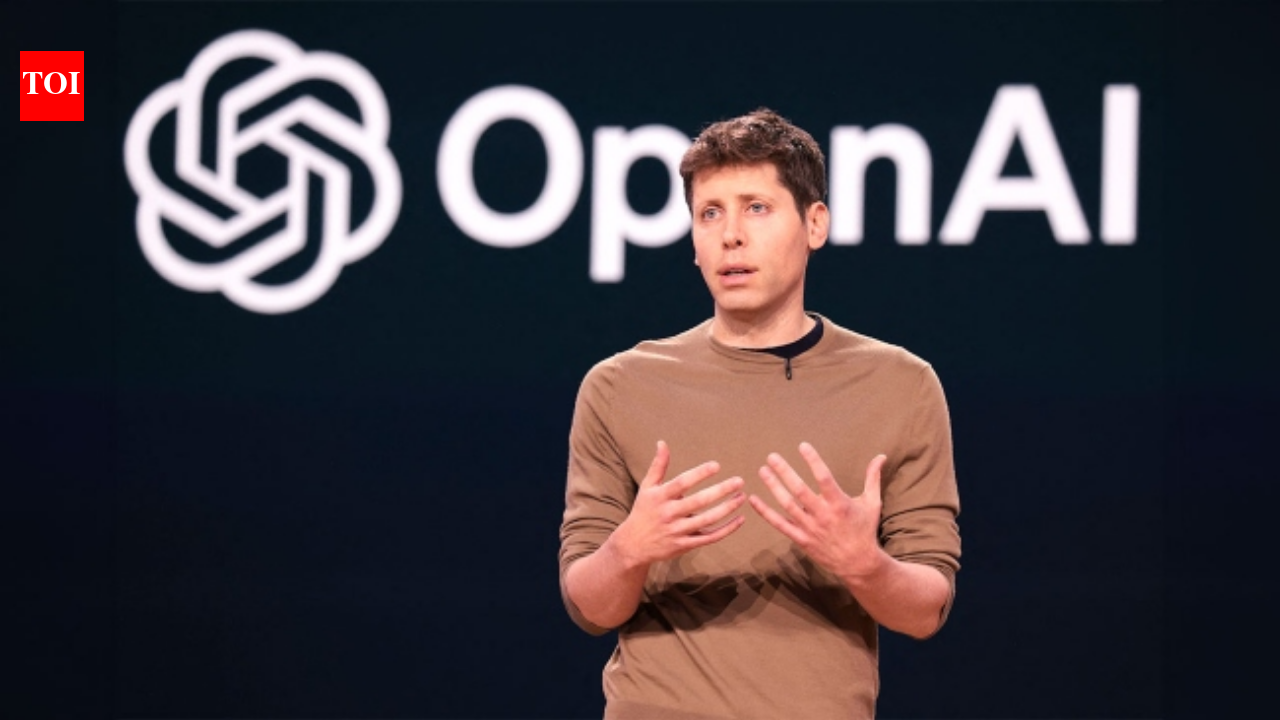
OpenAI CEO Sam Altman published a lengthy blog post hours after a Molotov cocktail was thrown at his San Francisco home, in which he shared a photo of his family and wrote that he was “outraged” and that he had “underestimated the power of words and narrative.” Altman reflected on his mistakes, called for democratizing AI, and urged the industry to calm things down. A 20-year-old suspect was later arrested at OpenAI’s headquarters after allegedly threatening to burn down the building.

OpenAI ceo Sam Altman On Friday, he broke his silence after a Molotov cocktail was thrown at his home in San Francisco, publishing a blog post where he shared a photo of his family, reflected on his mistakes and called on the AI ​​industry to lower the temperature.“I’m awake in the middle of the night and peeing,” Altman wrote. He also said that he “underestimated the power of words and narratives.” The post—part personal reckoning, part industry manifesto—came hours after a 20-year-old man allegedly threw an incendiary device at the outside gate of Altman’s North Beach residence at about 3:45 p.m. No one was injured.Altman used the moment to state what he believes: that AI should be “democratic”, that fear around the technology is “justified”, and that democratic institutions need to remain “more powerful than companies”. He also admitted that OpenAI’s journey has been messy. “I am a flawed individual at the center of an exceptionally complex situation,” he wrote, adding that he “is not proud to be anti-conflict” and apologized to those he hurt along the way.He ended with a blunt line: “We should tone down the rhetoric and tactics and try to blow up fewer houses, both figuratively and literally.”

Here is the full text of Sam Altman’s blog post

Here is a picture of my family. I love them more than anything.I hope there is power in images. Normally we try to stay pretty private, but in this case I’m sharing a photo in the hopes that it might deter the next person from throwing a Molotov cocktail at our house, no matter what they think of me.The first person did this last night at 3:45 in the morning. Thankfully, it bounced off the house and no one was hurt.Words also have power. A few days ago there was an inflammatory article about me. Someone told me yesterday that they thought it was a time of great concern about AI and that made things more alarming to me. I put it aside.Now I’m awake and peeing in the middle of the night, and thinking I underestimated the power of words and narratives. Seems like it’s a good time to address a few things.First, what I believe.*Working towards prosperity for all, empowering all people and advancing science and technology are my moral obligations.*AI will be the most powerful tool for expanding human capability and capacity that anyone has ever seen. The demand for this device will be essentially limitless, and people will do incredible things with it. The world deserves massive amounts of AI and we have to figure out how to make it happen.*All this will not be fine. Fears and concerns about AI are justified; We are in the process of witnessing the biggest change in society in a long time and perhaps ever. We must get security right, which is not just about aligning to a model – we need an immediate society-wide response to be resilient to new threats. This includes things like new policy to help tackle difficult economic transitions to move towards a better future.*AI must be democratized; Power cannot be too concentrated. Control of the future belongs to all people and their organizations. AI needs to empower people individually, and we need to collectively decide about our future and the new rules. I don’t think it’s right that a few AI labs will make the most consequential decisions about the shape of our future.*Adaptability is important. We all are learning something new very fast; Some of our beliefs will be right and some will be wrong, and sometimes we will need to change our minds quickly as technology develops and society evolves. No one yet understands the effects of superintelligence, but they will be immense.Second, some personal thoughts.As I reflect on my work over the first decade of OpenAI, I can point to a lot of things I’m proud of and a lot of mistakes, too.I was thinking about our upcoming test ELON And remembering how adamant I was when I didn’t agree to the unilateral control he wanted over OpenAI. I’m proud of that, and the narrow path we took to make OpenAI’s continued existence and all its subsequent achievements possible.I am not proud of being anti-conflict, which has caused great pain to me and OpenAI. I’m not proud of the way we handled ourselves badly in the conflict with our previous board, which caused tremendous trouble for the company. I’ve made many other mistakes during OpenAI’s crazy trajectory; I’m a flawed person at the center of an exceptionally complex situation, trying to get a little better every year, always working toward a mission. Going into this we knew how big the risks of AI were, and that personal disagreements between well-intentioned people I cared about would be enormous. But navigating and often mediating these bitter conflicts is another matter, and the costs have been severe. I’m sorry to those I hurt and I wish I had learned faster.I’m also keenly aware that OpenAI is now a major platform, not a scrappy startup, and we now need to work in a more predictable way. It’s been an extremely intense, chaotic and high-pressure few years.However, I am extremely proud of the way we are accomplishing our mission, which seemed incredibly impossible when we started. Against all odds, we figured out how to build very powerful AI, figured out how to raise enough capital to build the infrastructure to deliver it, figured out how to build a product company and business, figured out how to provide reasonably secure and robust services at scale, and much more.Many companies say they are going to change the world; We really did.Third, some thoughts about the industry.My personal conclusion over the past several years, and knowing why there has been so much Shakespearean drama among companies in our sector, comes down to this: “Once you see AGI you can’t unsee it.” There’s a real “circle of power” dynamic here, and it makes people do crazy things. I don’t mean the AGI itself is the ring, but the overall philosophy of “being the one controlling the AGI”.The only solution I can think of is to tend to share the technology widely with people, and no one should own it. Two obvious ways to do this are through individual empowerment and ensuring that the democratic system remains in control.It is important that the democratic process remains more powerful than companies. Laws and norms are going to change, but we have to work within the democratic process, even if it will be messier and slower than we expected. We want to be a voice and stakeholder, but we don’t have all the power.Much of the criticism of our industry comes from serious concerns about the incredibly high risks of this technology. This is absolutely valid, and we welcome good-natured criticism and debate. I sympathize with anti-technology sentiments and frankly technology is not always good for everyone. But overall, I believe that technological advancements can make the future for you and my family incredibly good.While we have that debate, we should tone down the rhetoric and tactics and try to blow up fewer houses, both figuratively and literally.

Source link

Indian-origin MBA student Anaheez Patel breaks silence after viral clash with billionaire Nikhil Kamath: ‘I grew up with privileges…’

Indian-origin MBA student Anaheez Patel breaks silence after viral clash with billionaire Nikhil Kamath: 'I grew up with privileges...'

The Indian-origin MBA student who went viral for asking questions to Zerodha co-founder Nikhil Kamath has now spoken out, saying her views on education are shaped by both privilege and lived experience.Anahis Patel addressed the backlash and praise in a detailed LinkedIn post three days after his conversation with Kamath at the India Business Conference sparked a nationwide debate on the value of business degrees.During the event, Patel directly challenged Kamath on his previous comments criticizing MBA programs. “A few months ago, you said that if you are 25 and doing an MBA, you must be some kind of idiot,” he said, questioning the contradiction of such a statement being made at a business school gathering. This moment went viral.Drawing attention, Patel described growing up in a family where education was central. His father is a marine engineer, his mother is a teacher and his sister is a pediatrician. He said that the focus on academics, along with a packed schedule of extra-curricular activities such as debate, drama, music and academic competitions, was “non-negotiable”.She addressed assumptions about her background, writing, “I grew up with a certain degree of privilege, nothing extreme.” He said access to knowledge defined his upbringing. “Books were never in question,” he said, noting that family vacations also often included museums and learning experiences. He described himself as “very rich in this sense”.Patel also shared a personal example to explain his belief in education. His family supported his domestic help in educating his daughters, one of whom is now an MBA and has moved on to a better life. She wrote, “So when I talk about education, it is not in abstraction. I have seen firsthand what it can do.”He defended his decision to question the billionaire. “I have a backbone and I believe in using it,” she wrote. He criticized “intellectual humility”; Patel argued that avoiding disagreement does not improve ideas.He credits his upbringing for encouraging open dialogue at home, saying, “Respectful (read that again, respectful) disagreement, when based on logic, leads to better thinking.”

Source link

ऑपरेशन चक्रव्यूह में बड़ी सफलता, 2 करोड़ की स्मैक के साथ दो तस्कर गिरफ्तार

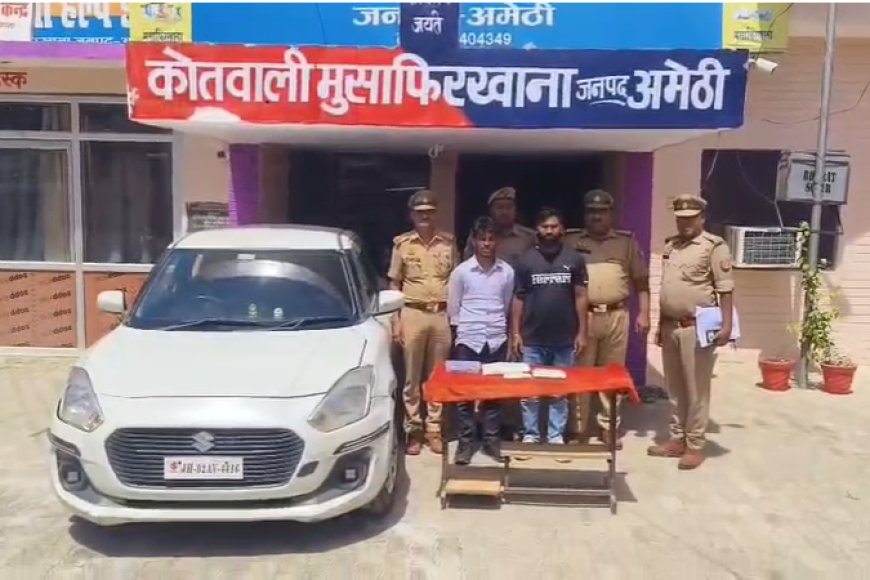
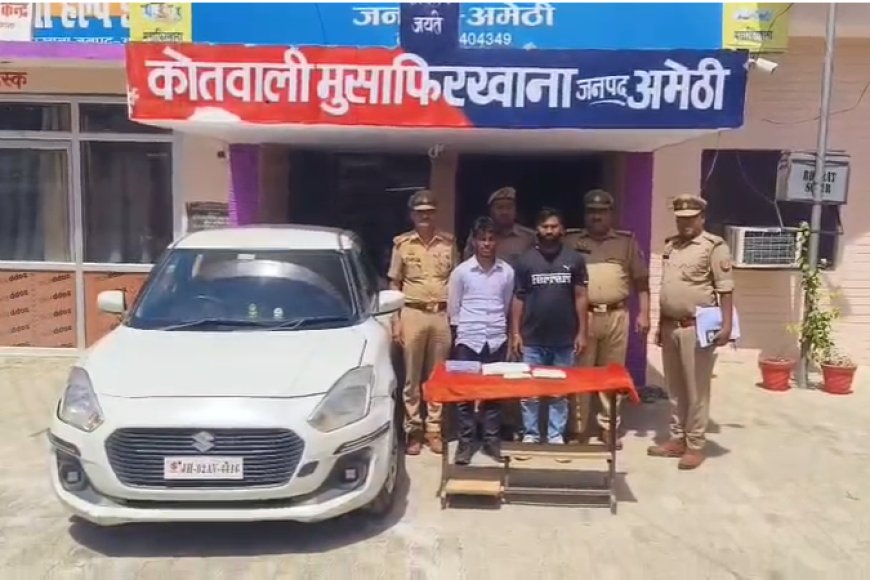
जिले में चल रहे “ऑपरेशन चक्रव्यूह” अभियान के तहत पुलिस को बड़ी सफलता मिली है. मुसाफिरखाना पुलिस ने चेकिंग के दौरान दो संदिग्ध तस्करों को गिरफ्तार किया, जिनके पास से भारी मात्रा में स्मैक बरामद हुई. पुलिस के मुताबिक बरामद स्मैक की कीमत करीब दो करोड़ रुपये आंकी गई है. यह कार्रवाई जिले में चल रहे अपराध नियंत्रण अभियान के तहत की गयी है. पुलिस अब इस पूरे नेटवर्क की गहराई से जांच कर रही है, ताकि इस तरह के अवैध कारोबार पर पूरी तरह से रोक लगाई जा सके.

चेकिंग के दौरान पकड़ा गया आरोपी
पुलिस की ओर से रूटीन चेकिंग के दौरान एक संदिग्ध कार को रोकने की कोशिश की गई. लेकिन कार सवार पुलिस को देखकर भागने लगे। इसके बाद पुलिस टीम ने तुरंत घेराबंदी कर दोनों आरोपियों को पकड़ लिया. यह पूरी कार्रवाई तेजी और सतर्कता से की गई, जिसके कारण आरोपी बच नहीं सके.

अभियुक्तों की पहचान एवं बरामदगी
गिरफ्तार आरोपियों की पहचान अजीत गुप्ता और सोनू कुमार साहू के रूप में हुई है. दोनों आरोपी झारखंड के चतरा जिले के रहने वाले बताये जा रहे हैं. पुलिस ने जब उसकी तलाशी ली तो उसके पास से कुल 1 किलो 250 ग्राम स्मैक बरामद हुई. इसके अलावा एक स्विफ्ट कार, 2 मोबाइल फोन, 12 एटीएम कार्ड और 4750 रुपये नकद भी बरामद किये गये हैं. इतनी बड़ी मात्रा में स्मैक मिलने से पुलिस भी हैरान रह गई.

पूछताछ में हुआ बड़ा खुलासा
पुलिस पूछताछ में आरोपियों ने बताया कि वे झारखंड से स्मैक लाते थे और उत्तर प्रदेश के कई जिलों में सप्लाई करते थे. इससे साफ है कि यह एक बड़ा नेटवर्क हो सकता है. पुलिस अब इस गिरोह से जुड़े अन्य लोगों की भी तलाश कर रही है.

एनडीपीएस एक्ट के तहत कार्रवाई शुरू
पुलिस ने दोनों आरोपियों के खिलाफ एनडीपीएस एक्ट के तहत मामला दर्ज कर लिया है. साथ ही उसका आपराधिक इतिहास भी खंगाला जा रहा है. अधिकारियों का कहना है कि इस मामले में और भी खुलासे हो सकते हैं.

अभियान से अपराधी डरे हुए हैं
“ऑपरेशन चक्रव्यूह” के तहत लगातार हो रही कार्रवाई से अपराधियों में भय का माहौल है. पुलिस का कहना है कि ऐसी सख्त कार्रवाई आगे भी जारी रहेगी, ताकि समाज को नशे के जाल से बचाया जा सके.

(रिपोर्ट:बृजेश मिश्र,अमेठी)

Source link

Bihar: At least 10 people killed in collision between bus and pickup van in Katihar India News

Bihar: At least 10 people killed in collision between bus and pickup van in Katihar

New Delhi: At least 10 people were killed and 25 injured in a collision between a bus and a pickup van in Katihar, Bihar.According to Katihar Police, the injured are being taken to the nearest government hospital.“Today, on April 11, 2026, a fatal road accident involving a bus and a pickup vehicle occurred near Gerabari under the jurisdiction of Korha police station in Katihar district. 10 people have lost their lives so far in this incident,” a Katihar police statement said.“About 25 people injured in the accident are being shifted to nearby hospitals for advanced medical care after first aid,” it said.According to Superintendent of Police Shikhar Chaudhary, the accident happened on NH-31 in Korha block of Katiha.

Source link

Sanju Samson returns with IPL century, joins elite club with Rohit Sharma and Virat Kohli cricket news

Sanju Samson returns with IPL century, joins exclusive club with Rohit Sharma and Virat Kohli
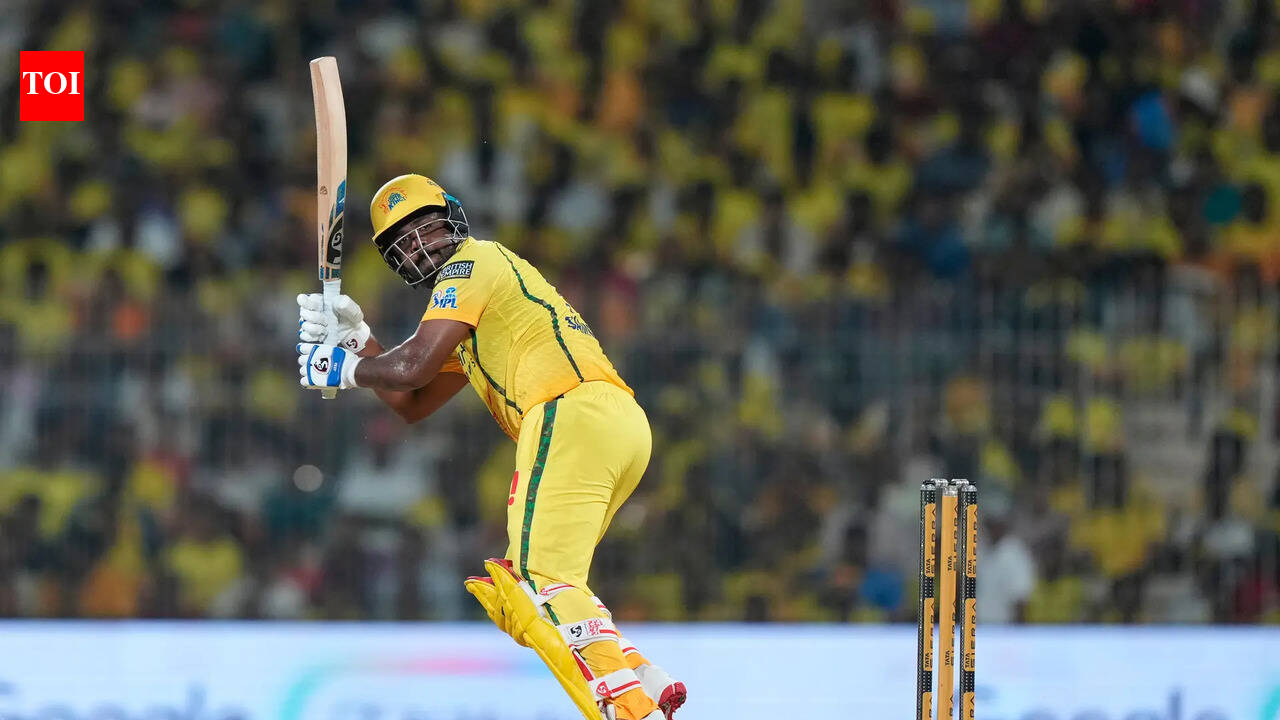
Sanju Samson of Chennai Super Kings (AP Photo/Mahesh Kumar A)

sanju samson Returned to form with a brilliant century Chennai Super Kings Against Delhi Capitals in IPL 2026, marking a decisive return to form after a slow start to his new franchise career. After being traded from Rajasthan Royals to CSK, Samson faced a difficult start to the season, failing to reach double figures in his first three matches. But in his fourth match, he played a brilliant innings that reminded everyone of his class and consistency. walk after initial loss of Ruturaj Gaikwad In the powerplay, Samson opened the innings brilliantly and shared a crucial 113-run partnership with young Ayush Mhatre, who scored 59 before retiring, inspiring CSK to accelerate. Samson batted with fluency and control throughout, getting relief on 52 before making DC pay in style. He scored a brilliant century, his fourth in the IPL, and carried on with his innings with authority against both pace and spin. Coming into the season after an extraordinary campaign that saw him win Player of the Tournament honors at the T20 World Cup, expectations were high, and Samson ultimately fulfilled them with a brilliant innings. The milestone also helped him reach 400 sixes in T20 cricket, making him the fourth Indian to achieve the feat Rohit Sharma, Virat KohliAnd Suryakumar Yadav. Now read Samson’s IPL centuries: 102 vs RPS (Pune, 2017), 102* vs SRH (Hyderabad, 2019), 119 vs PBKS (Wankhede, 2021), and 102* vs DC (Chennai, 2026). This innings is only the second IPL century by a CSK batsman against Delhi Capitals, after Murali Vijay’s 113 in 2012.

Source link

‘Will be attacked in 30 minutes’: US ship turns back after Iran’s Hormuz warning during ceasefire talks

'Will be attacked in 30 minutes': US ship turns back after Iran's Hormuz warning during ceasefire talks
Representative image (IANS)

Iran warned a US military ship on Saturday that it would be attacked “within 30 minutes” if it transited the Strait of Hormuz, Iranian state television reported, citing a senior military official.The American ship reportedly retreated after the warning was issued, the official said. This comes as peace talks between the United States and Iran are underway in Islamabad.

Watch

Shocking video: Hezbollah missiles attack Israel, huge fireball; Iron Dome failure exposed Watch

Several US Navy ships transited the Strait of Hormuz on Saturday, a US official told Axios, the first such transit since the start of the war with Iran. This route was not coordinated with Tehran.US President Donald Trump said the United States has begun efforts to clear the Strait of Hormuz to ensure global oil supply, calling it “a favor to countries around the world”. He criticized other countries for lacking the “courage or will” to act themselves and said that empty oil tankers from many countries were heading to the United States to load crude.Trump had previously said the Strait of Hormuz would reopen “fairly soon” with or without Iran’s assistance, as Tehran’s effective blockade of the key waterway is disrupting global energy supplies.Trump said the United States would “open the Gulf”, noting that other countries were also ready to “help”.Earlier on Saturday, a Greek ship passed through the strait, hours after two Chinese supertankers passed through the narrow chokepoint, Bloomberg reported, while peace talks between the US and Iran are underway in Pakistan.The increase in tanker movements marked the largest day of oil shipments through the strait since the conflict began.The development comes days after Washington and Tehran announced a two-week temporary ceasefire to end the month-long conflict in the Middle East. Bloomberg reported that no ships passing through the Strait of Hormuz are carrying Iranian oil or have direct ties to Iran, even though most of the region’s crude supplies since the conflict began have come from the Islamic Republic.The three tankers have a combined capacity of about 6 million barrels of crude, but the total oil flow is well below peacetime levels, about half the normal shipment rate for a day.Meanwhile, India-flagged LPG tanker Jag Vikram also transited the strait, the first transit by an Indian ship after the ceasefire was announced.At least 28 India-flagged ships were in the Strait of Hormuz area when the conflict broke out in West Asia, including 24 on the western side of the waterway and four on the eastern side.Shipping tracking data shows that since the ceasefire began, only 22 ships with automatic identification systems have transited the Strait of Hormuz, compared with about 135 daily transits before the war, as cited by Al Jazeera.According to Lloyd’s List intelligence, more than 600 ships, including 325 tankers, are stranded in the gulf.

Source link