
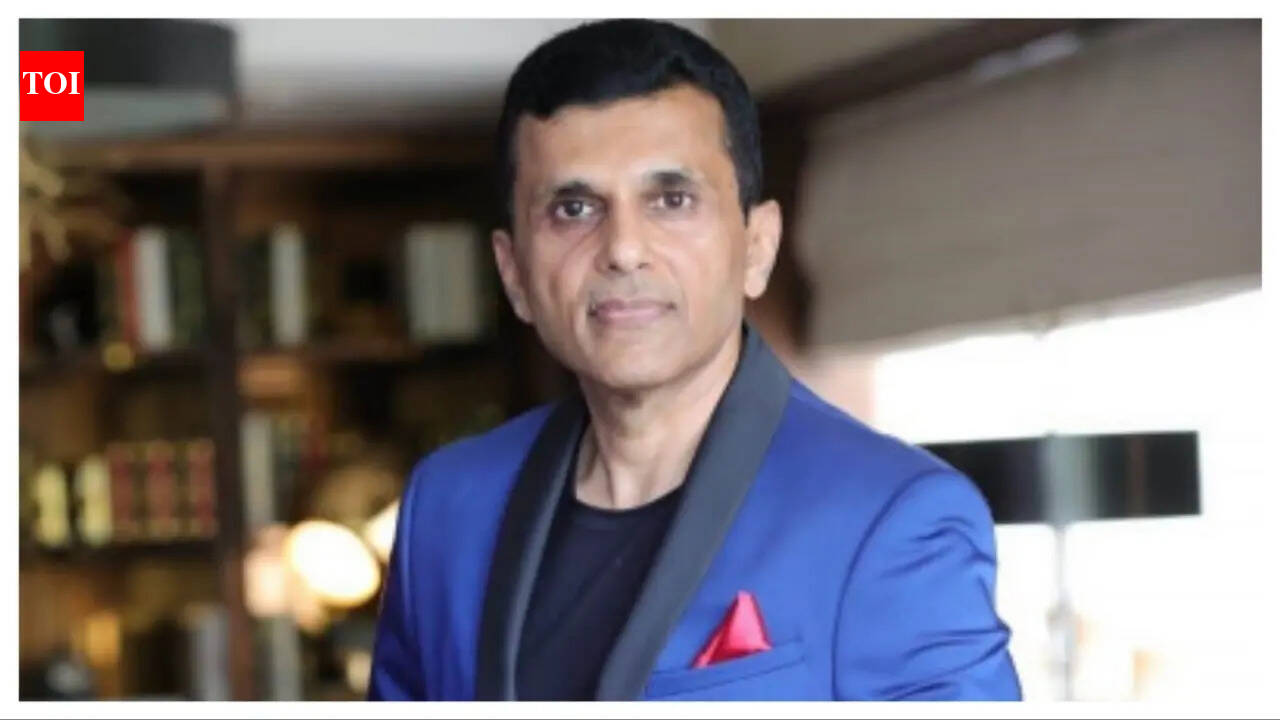

Anand Pandit on Labor Day: Cinema comes alive due to the hard work of unsung crew members. hindi movie news
on the occasion of labor dayfilm producer Anand PanditKnown for supporting films like Total Dhamaal, The Big Bull and Chehre, the film showcases the often overlooked workforce that makes cinema come alive. For him, the magic of films lies as much in the unseen work behind the scenes as in what unfolds on screen.Tracing the roots of this perspective, he says, “In the seventies, when I saw Guddi, it changed my understanding of cinematic glamour. The film showed with great honesty how lightmen and stunt doubles often work in unsafe conditions, and how the glittering world of cinema is built on the sweat, blood and tears of countless crew members whose names we never know.”He also acknowledges the filmmakers who have attempted to highlight these contributors. “When Farah Khan showed the faces of her crew at the end of Main Hoon Na and Om Shanti Om, she humorously and respectfully acknowledged the unsung artists behind the scenes. It is the technicians, spot boys, dancers, craftsmen and wardrobe, hair and makeup assistants who bring the stories to life on screen.”Speaking about his approach as a producer, Pandit emphasizes responsibility towards crew welfare. “I have always tried to ensure that everyone working on my sets is well taken care of. During the COVID-19 pandemic, I and a few colleagues came together to support the daily wage workers who remain the backbone of our industry.”Highlighting the irreplaceable human element in filmmaking, even in the age of technology, he says, “No matter how much we rely on Artificial Intelligence in pre-production and post-production, we cannot replace the warmth and passion that workers bring to filmmaking. For example, the lavish sets of Mughal-e-Azam, directed by. Asif, were completely handmade. The Sheesh Mahal was built over two years using thousands of pieces of Belgian glass, with artisans devoting a lot of time and skill.“He cites other cinematic landmarks that stand as testimony to collective labor. “The rural world of Sholay, directed by Ramesh Sippy, was recreated from scratch in Ramanagaram, while Lagaan’s fictional Champaner was brought to life by hundreds of workers led by production designer Nitin Chandrakant Desai.”Emphasizing how every department contributes to the final vision, Pandit says, “Without those who work in sound, editing, cinematography, lighting, action and costumes, our cinematic vision will remain incomplete. This is not to belittle the contribution of the stars, but we should not ignore the people who support them with their invisible artistry. Films like Luck By Chance capture this ecosystem beautifully. When we admire Vijay Anand’s lyrical depictions, the cinematography of ‘Waqt Ne Kiya’, RD Burman’s music, or the grandeur of films like Umrao Jaan, Pakeezah and Amrapali, we must also acknowledge the countless individuals whose labor made these moments possible.Describing filmmaking as an intensely collaborative process, he concludes, “Filmmaking is an orchestral effort where hundreds of people work together to create something meaningful. The labor involved is not just physical but emotional. When each person on the set feels valued, it turns into magic on screen. We must also ensure safety, fair working conditions and better systems for social security. After all, a chain is only as strong as its weakest link.“