Breaking News
Days after TN order, doctors demand similar rules across the country as hair transplant boom raises safety alarm India News

Days after TN's order, doctors are demanding similar rules across the country as surge in hair transplants raises safety alarm bells

New Delhi: Days after the Tamil Nadu government issued an order to regulate beauty, cosmetology and hair transplant clinics, mandating their registration under the Tamil Nadu Clinical Establishments Act and bringing them under formal rules, doctors have called for implementation of similar rules across the country amid a rise in social media-driven procedures.The Indian Association of Dermatologists, Venereologists and Leprologists (IADVL) has urged the government to curb quackery and implement comprehensive national guidelines to protect patients and strictly enforce existing rules, warning that the fast-growing sector is going beyond oversight.Experts say complications from cosmetic procedures such as hair transplants, Botox and laser treatments are emerging more frequently, as young Indians seek quick fixes and aesthetic improvements are promoted online.The Tamil Nadu order states that hair transplants should be performed only by registered medical practitioners – preferably dermatologists or plastic surgeons – and clinics are required to have proper infrastructure, including monitoring systems, emergency equipment and anesthesia support.Concerns have grown after reports of poor procedures, including the death of two engineers in Kanpur, prompting a police investigation. The issue has also drawn judicial attention. In 2022, the Delhi High Court gave the green light to salons offering hair transplants without medical supervision, warning that such procedures performed by unqualified individuals could be dangerous and even fatal.Experts emphasize that hair transplant surgery requires knowledge of skin biology, hair disorders, infection control and management of complications, and should be performed only by specialized registered doctors.“Aesthetic procedures require specialized training beyond an MBBS degree,” said Dr Vinay Singh, Chairman, IADVL. He said dermatologists have to undergo three years of postgraduate training in procedural skills as well as skin and hair disorders.“Many cases of hair loss can be treated medically and do not require surgery,” said Dr Kabir Sardana, Ram Manohar Lohia Hospital, emphasizing the need for proper diagnosis before opting for transplantation. He said the growing demand is being fueled by the influence of social media and rising disposable income.Highlighting the scale of the problem, the IADVL said its anti-quackery committee has identified more than 100 alleged unqualified practitioners offering such procedures this year and shared a list with the Directorate General of Health Services (DGHS) for action.The debate over who is eligible to perform hair transplants has intensified ever since the Dental Council of India allowed oral and maxillofacial surgeons to train in aesthetic procedures including hair restoration, creating a regulatory gray area.The IADVL also urges patients to verify the doctor’s qualifications and registration with the state medical council before any skin, hair or cosmetic treatment and ensure that the registration number is clearly mentioned on the prescription. The public has been advised to remain vigilant and avoid falling prey to misleading advertisements or treatments offered by unlicensed practitioners.


Source link

Rebel threat looms over PSL; Urge foreign players to withdraw. cricket news

Rebel threat looms over PSL; Request to foreign players to withdraw

New Delhi: Rebel groups in Pakistan have warned international cricketers to immediately withdraw from upcoming matches. pakistan super league (PSL), the 11th edition of the tournament has been hit by a security crisis just days before its start on March 26.A statement issued by Tehreek-e-Taliban Pakistan (TTP) spokesperson Asad Mansoor described the T20 league as a “cruel joke” of the suffering in regions such as Khyber Pakhtunkhwa and Balochistan.

Watch

Akshar Patel raises questions on impact player rule: ‘The value of all-rounders decreases’

Tehreek-e-Taliban Pakistan (TTP) faction, Jamaat-ul-Ahrar’s “advisor” warns international cricketers to withdraw from the PSL, claiming that the safety of international players cannot be guaranteed given the current volatile and uncertain security scenario.The group insisted that they would not “allow the dignity of the people to be compromised for political expediency” or “allow the blood of the oppressed to be spilled under the stadium lights”.“In an environment where military operations and civil unrest dominate significant parts of the region, the safety of international athletes cannot be guaranteed. Given these serious circumstances, we strongly advise you to prioritize your personal safety and withdraw. The organized spectacle of the PSL is a cruel mockery of our suffering.”The threat comes at a sensitive time as Pakistan is embroiled in a surge in insurgent activities, which has led the Pakistan Cricket Board (PCB) to restrict the tournament to just two venues, Karachi and Lahore, and also exclude spectators.Despite the ultimatum, the PCB has claimed that the tournament will go ahead as scheduled.

insert banner

Source link

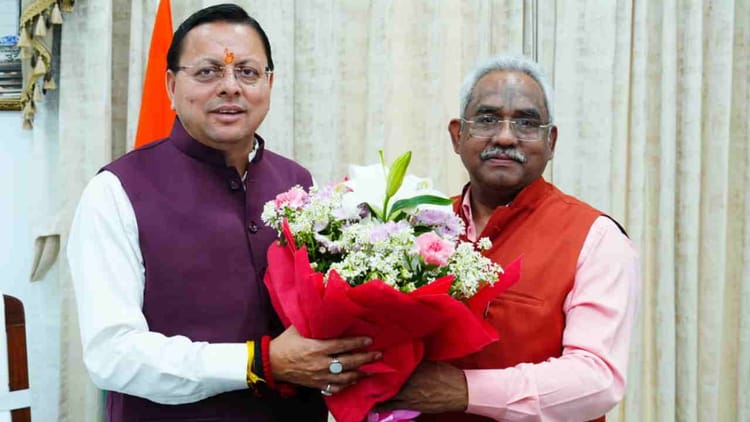
हरिद्वार: आपदा प्रभावितों को जल्द मिलेगा मुआवजा, पंचायतों को किया जाएगा मजबूत, अब गांव का विकास करना है लक्ष्य – आपदा प्रभावित लोगों को जल्द मिलेगा मुआवजा, पंचायतों को किया जाएगा मजबूत: मदन कौशिक

प्रदेश सरकार के नए कैबिनेट मंत्री मदन कौशिक ने कहा कि प्रदेश आपदा की दृष्टि से संवेदनशील है। पिछले दिनों कई स्थानों पर हुई आपदा के पीड़ितों को मुआवजा देने के लिए जल्द ही बैठक की जायेगी. इसमें सार्थक निर्णय लिए जाएंगे और पीड़ितों को शीघ्र मुआवजा दिलाया जाएगा।

कैबिनेट मंत्री ने ‘अमर उजाला’ से खास बातचीत में आपदा प्रबंधन, पुनर्वास एवं पुनर्निर्माण मंत्रालय की जिम्मेदारियों के साथ अपनी प्राथमिकताएं भी गिनाईं। उन्होंने कहा कि शहर में अभी भी कुछ बुनियादी ढांचा है. यह सुनिश्चित करने का प्रयास किया जाएगा कि गांव में सभी चीजों का समुचित और व्यवस्थित विकास हो और योजनाबद्ध तरीके से काम किया जाए।

उन्होंने कहा कि केंद्र व राज्य सरकार गांवों के विकास के लिए धन मुहैया कराती है. व्यवस्थित विकास योजना बनाना प्राथमिकता रहेगी। थराली, धराली समेत प्रदेश में कई स्थानों पर आई आपदा के पीड़ितों को मुआवजा न मिलने के सवाल पर उन्होंने कहा कि विभाग की बैठक में पूछा जाएगा कि क्या कारण है कि पीड़ितों को मुआवजा नहीं मिला।

पंचायतें अपने संसाधन विकसित करें

प्रदेश में पंचायतों को अधिकार की जरूरत के सवाल पर मंत्री मदन कौशिक ने कहा कि चाहे शहर की सरकार हो या गांव की सरकार, केंद्र और राज्य लगातार कोशिश कर रहे हैं कि पंचायतों को सभी अधिकार मिलें. पंचायतों को स्वतंत्र रूप से विकास कार्य करने का अधिकार है। ग्राम पंचायतें अपने संसाधन स्वयं विकसित करें, इसके लिए पुरजोर प्रयास किये जायेंगे।

Source link

Are US-Iran talks taking place in Pakistan? What did the White House say

Are US-Iran talks taking place in Pakistan? What did the White House say

The White House on Monday said there was no confirmation yet on reports that US Vice President JD Vance, special envoy Steve Witkoff and former presidential adviser Jared Kushner may meet with Iranian officials in Islamabad.US Press Secretary Carolyn Levitt cautioned against drawing conclusions, saying the situation remained “sensitive” and “fluid”. Responding to a question from ANI on the alleged meeting, he said such developments should not be considered final until formally announced by the White House.

Watch

BREAKING: Iran war over? Trump ‘backed down’ from major military order; ‘No more strikes…’

He said, “These are sensitive diplomatic discussions and the US will not negotiate through the press. This is a fluid situation and speculation about the meetings should not be considered final until they are formally announced by the White House.”

Reports point to Islamabad as a possible venue

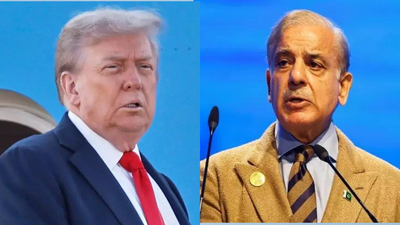
The statement came after multiple reports from Reuters, the Financial Times and The Times of Israel indicated that the mediating countries were attempting to convene US-Iran talks in Islamabad, possibly within a few days. According to these reports, Pakistan has leveraged its relations with both Washington and Tehran to present itself as a neutral venue. Contacts are said to be ongoing, with a senior Israeli official stating that “contacts are ongoing” to convene a meeting involving senior representatives from both sides. According to the FT, Pakistan’s army chief Asim Munir has also spoken with US President Donald Trump, while Prime Minister Shehbaz Sharif has held several talks with Iranian President Massoud Pezhekian.

Backchannel diplomacy, but no formal talks

According to Reuters, diplomatic activity has intensified in recent days, with Pakistan, Turkey and Egypt engaging in backchannel efforts with US envoy Witkoff and Iranian officials.However, Tehran has denied any direct talks with Washington since the conflict began.“In the past few days, messages were received through some friendly countries conveying the US request for talks to end the war,” Iranian Foreign Ministry spokesman Esmail Baqaei said. “Appropriate responses were given,” he said.Analysts say these efforts are still preliminary. Sanam Vakil, of Chatham House, told the FT that countries were “scrambling” to de-escalate tensions, but added, “I don’t take this as any sign that the war is coming to an end.”

Trump signals pause, markets react

The diplomatic push comes as Trump said the US would halt attacks on Iran’s energy infrastructure for five days after “very good and productive” talks.“We’re doing a five-day period, and we’ll see how it goes. If it goes well, we’re going to tackle it. Otherwise, we’ll just keep bombing our little hearts,” he said.US Interior Secretary Doug Burgum expressed confidence in the outreach, saying, “President Trump is going to solve this, and I have full confidence that as the dealmaker-in-chief, he’s going to come out of this with a winning deal for Americans,” as quoted by Al Jazeera.He said the administration was aware of the dangers to global energy flows through the Strait of Hormuz. He said, “We are fully aware of this.”Oil markets reacted to the developments, with Brent crude falling 10.9% to close at $99.94 after hitting near $120 last week, while the S&P 500 rose 1.1%, according to Al Jazeera.

Pakistan’s troubles amid regional pressures

The pressure for mediation from Pakistan comes as it balances competing strategic interests. Islamabad has adopted cautious diplomacy and condemned the attacks on Iran while urging de-escalation.It maintains strong relations, including a defense agreement with Saudi Arabia, while also sharing border and economic ties with Iran. At the same time, he wants closer ties with the US.“Pakistan is putting itself forward as a mediator between the US and Iran, but in a disjointed way,” Edmund Fitton-Brown of the Foundation for Defense of Democracies told Fox News Digital.

Source link

India, Nepal and the changing security scenario. india news

India, Nepal and the changing security scenario

Nepal has always been more than a neighbor of India. It has been a shoulder on our northern end – where no danger was feared, whose people mixed with us freely, in whose temples we prayed with enthusiasm, whose Gurkhas themselves defined valor. A long-standing story of roti-beti – sharing bread and blood – explains how India understood and managed its relations with Nepal. Open borders, nurtured on the basis of cultural similarity and civilizational kinship, were seen less as a policy option and more as a state of nature. For decades, this faith-based narrative persisted.Since then it has suffered several rapid mutations. And India has been slow to adjust and recalibrate. The same open border that was a symbol of trust became a corridor for threats that India could not ignore. ISI-backed networks systematically exploited the border – Lashkar-e-Taiba and Jaish-e-Mohammed modules used Nepal as a staging and transit area. Radicalism, quietly funded through foreign channels, created the institutional base. Counterfeit currency, narcotics and human trafficking created organized syndicates that operated with impunity. Bad money was also used for election funding.India’s response evolved over time – civilian police, then Central Armed Police, and finally smart border management. This step was necessary. But this brought bitterness in the relationship. The warm story of shared identity gave rise to a cold question: How close should one be?While India was tightening its border position, China was making strategic investments in Nepal’s human and physical territory. Chinese study centers sowed the seeds of cultural influence. Infrastructure investment specifically targeted development-dry regions, where India promised much and delivered little – projects were announced with fanfare, then delayed due to poorly defined timelines and long-term delivery deficits.China built roads and connectivity. India sent goodwill and adjournments, films and fanfare.The result was predictable. The political scenario of Nepal was badly broken. The monarchy faced complete disintegration. Maoists came to power. Political instability became a permanent condition of governance in Kathmandu. Meanwhile, India continued to work through the backroom management of Nepali power groups – a habit that reflects a deep strategic miscalculation. China cannot be balanced at the level of a small country situated between two larger countries. China should be balanced on China’s level.India ignored this basic truth for too long. Until 2015, that changed everything. About 80% of Nepal’s population lives on 20% of its land – the southern Terai belt along the Indian border. This demographic and geographical reality has always made the relationship structurally sensitive. After the devastating earthquake of 2015, Nepal was at its most vulnerable. That’s when the Madhesi community – Nepali citizens of the southern Terai belt, who share deep ethnic and cultural ties with Indian cross-border communities – launched a trade blockade against Kathmandu, protesting what they saw as their marginalization in Nepal’s newly drafted constitution. The blockade blocked the flow of essential supplies into the already crisis-hit country. India found itself indifferent to Nepal’s suffering by putting insufficient pressure on Madhesi groups to take it up. Whether that assumption was justified or not is difficult to conclude either way. What is clear is that India was branded non-humanitarian at the very moment when the humanitarian stance mattered most. It was an image that India has struggled to recover.This episode exposed a deeper problem: India had invested in a narrative of belonging based on civilizational solidarity, while ignoring the material conditions that give the narratives their credibility. We fostered corruption in our own soil, engaged in only patchwork aid, and allowed distribution deficits to grow – while China smartly invested in infrastructure, mobility, and connectivity. We remained stuck in faith-based narratives for a long time, even after the landfall.An explosion of Gen-Z aspirations was witnessed, first in Bangladesh and then in Nepal. The demand was consistent: corruption-free, transparent, accountable governance. The pressures driving it were equally consistent – ​​stress in the agricultural sector, lack of jobs, lack of growth opportunities, unplanned and disrupted urbanization, and the challenges of climate change. Overall, it stifled a generation that is both globally well-connected and locally disillusioned.India missed this change. The religious-civilization narrative, which once served as a soft anchor in Nepal, has been rejected outright by this group. We also missed the time-tested wisdom: When the son grows up to stand equal to the father, the right response is to give him respect, space, and freedom to choose his own path. Imposing old stories on a changed generation creates resentment, not intimacy.Amidst China’s debt-trap diplomacy and this new generational call, India continues to argue from premises that no longer match the reality on the ground.The geopolitical environment is highly dynamic, filled with multiple conflicts and increasingly non-normal patterns of statecraft. New narratives have emerged globally – cognitive control, balance of power through balance of payments, mixed pressure zones. China has become a deep-state actor in Nepal, bringing Pakistan and Bangladesh closer to its orbit through multi-mode mobility, digital cordon and high-tech surveillance. The siege of India’s neighborhood is real.Against this backdrop, a fundamental principle reasserts itself: all wars ultimately end in peace. Wise nations have always chosen diplomacy and negotiation rather than protracted turmoil. Cooperation and mutually respectful arrangements are the only lasting basis for long-term relationships. Even claimants to the Buddha’s tradition have deviated from this middle path – but the principle remains sound.India should now act promptly. The 1950 treaty between India and Nepal needs revision – reached through close, trusted negotiations across the table, not through public release of antiquated base maps that harden the situation and invite conflict rather than resolve it.The new Prime Minister of Nepal has the mandate of corruption-free, transparent and accountable governance. This is a real start, and India must meet it with honesty and commitment – ​​not manipulation, not patchwork assistance, not backroom management of power groups.At the grassroots level, this means vibrant border village programs, avenues for mutual development, diverse institutional linkages, startup connections and fostering industrial clusters that create the right environment for practical relationships to take root. When Vasudhaiva Kutumbakam is put into action – beyond fear psychosis and religious rigidity – and when unquestioning democratic governance backs up the words, strong, tacit communication flows naturally.If we draw bigger lines before other stakeholders in the system, they will also adjust their stance. The task is not to match what China is doing. It is to be transcended – in honesty, in delivery, and in respect for the neighbor whose sovereignty and dignity cannot be compromised.The wind is changing. The question is whether India will read it in time?(The author is a former DG, CRPF)

Source link

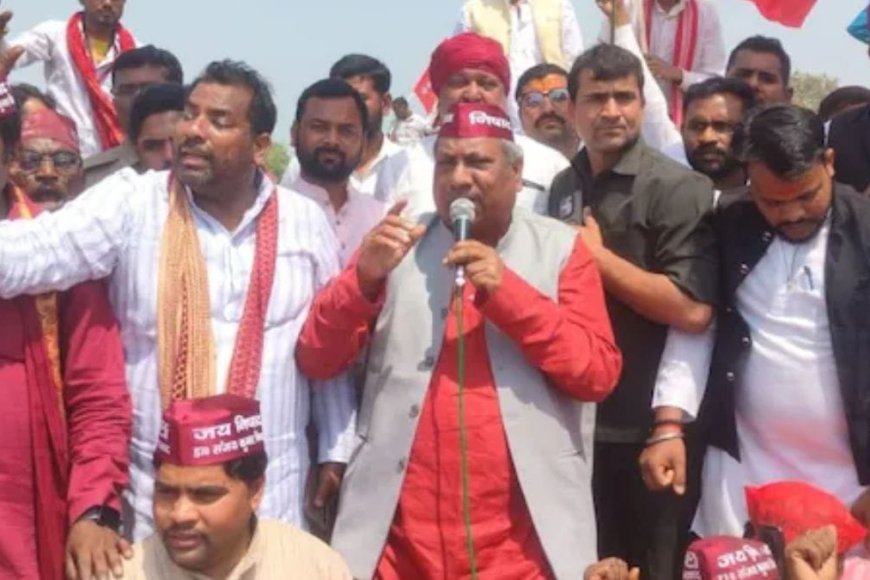
हाईवे पर धरने पर बैठे मंत्री संजय निषाद…श्रृंगवेरपुर धाम में मस्जिद हटाने की मांग को लेकर हंगामा

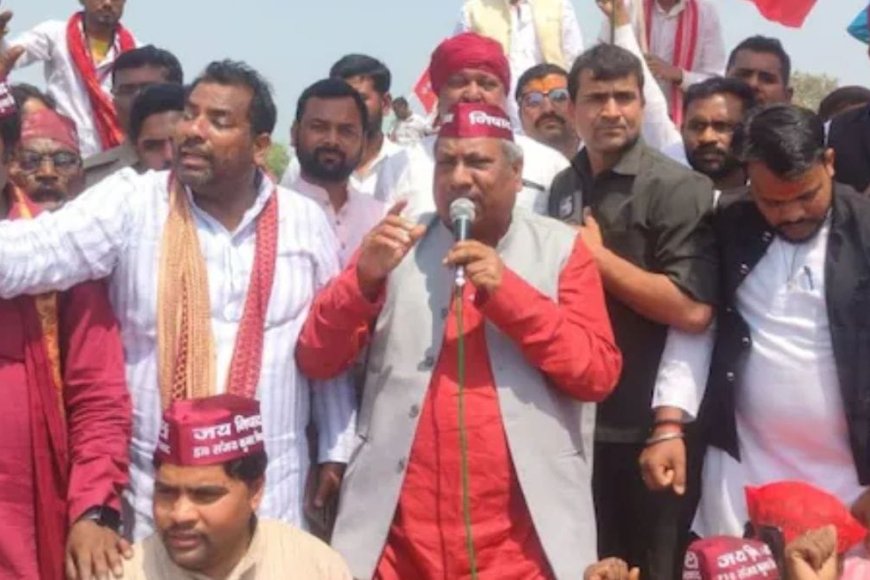
उत्तर प्रदेश समाचार: उत्तर प्रदेश के प्रयागराज जिले में सोमवार को एक बड़ा राजनीतिक और सामाजिक घटनाक्रम सामने आया, जब राज्य के कैबिनेट मंत्री डॉ. संजय निषाद अपनी मांगों को लेकर धरने पर बैठ गये. वह अपने समर्थकों के साथ जीटी रोड स्थित नेशनल हाईवे पर पहुंच गए और वहां प्रदर्शन करने लगे। इस दौरान सड़क पर लंबा जाम लग गया, जिससे आम लोगों को काफी परेशानी का सामना करना पड़ा. प्रदर्शन में बड़ी संख्या में पार्टी कार्यकर्ता और समर्थक झंडे लेकर शामिल हुए, जिससे माहौल तनावपूर्ण हो गया.

अवैध कब्जा व निर्माण हटाने की मांग उठी
डॉ. संजय निषाद ने बताया कि श्रृंगवेरपुर धाम एक ऐतिहासिक और धार्मिक स्थल है, जो भगवान राम और निषाद राज गुह की मित्रता से जुड़ा है. यहां स्थित प्राचीन किले और धाम की गरिमा बनाए रखना जरूरी है। उन्होंने आरोप लगाया कि इस क्षेत्र में लगातार अवैध अतिक्रमण और निर्माण हो रहा है, जिसे तुरंत हटाया जाना चाहिए.

मस्जिद हटाने की मांग भी मुद्दा बनी
प्रदर्शन के दौरान मंत्री ने किले के पास बनी एक मस्जिद को हटाने की मांग भी उठाई. उनका कहना है कि इससे ऐतिहासिक स्थल की पवित्रता और पहचान प्रभावित हो रही है. इस मांग को लेकर समर्थकों में काफी गुस्सा था और उन्होंने प्रशासन से तत्काल कार्रवाई की मांग की.

पर्यटन सर्किट में शामिल, फिर भी व्यवस्थाओं पर सवाल
डॉ. संजय निषाद ने कहा कि राज्य सरकार ने श्रृंगवेरपुर धाम को पर्यटन सर्किट में शामिल किया है. यहां भगवान राम और निषाद राज की विशाल प्रतिमा और एक भव्य पार्क भी बनाया गया है। लेकिन इसके बावजूद इलाके में साफ-सफाई की स्थिति अच्छी नहीं है. उन्होंने अधिकारियों पर लापरवाही का आरोप लगाते हुए उनके खिलाफ कार्रवाई की मांग की.

प्रशासन हालात पर काबू पाने की कोशिश कर रहा है, विरोध प्रदर्शन जारी है
प्रदर्शन के कारण जीटी रोड पर यातायात बाधित हो गया और लोगों को काफी दिक्कतों का सामना करना पड़ा. प्रशासन ने मौके पर पहुंचकर स्थिति को नियंत्रित करने की कोशिश की, लेकिन मंत्री और उनके समर्थक अपनी मांगों पर अड़े रहे. डॉ. संजय निषाद ने साफ कहा कि जब तक उनकी मांगें पूरी नहीं हो जातीं, तब तक आंदोलन जारी रहेगा। फिलहाल इलाके में तनावपूर्ण स्थिति बनी हुई है और प्रशासन लगातार स्थिति पर नजर बनाए हुए है.

Source link

Dummy servers, uncontrolled boxes and…: FBI chargesheet details how founders of a billion-dollar US tech company smuggled banned AI GPUs into China

Dummy servers, uncontrolled boxes and...: FBI chargesheet details how founders of a billion-dollar US tech company smuggled banned AI GPUs into China

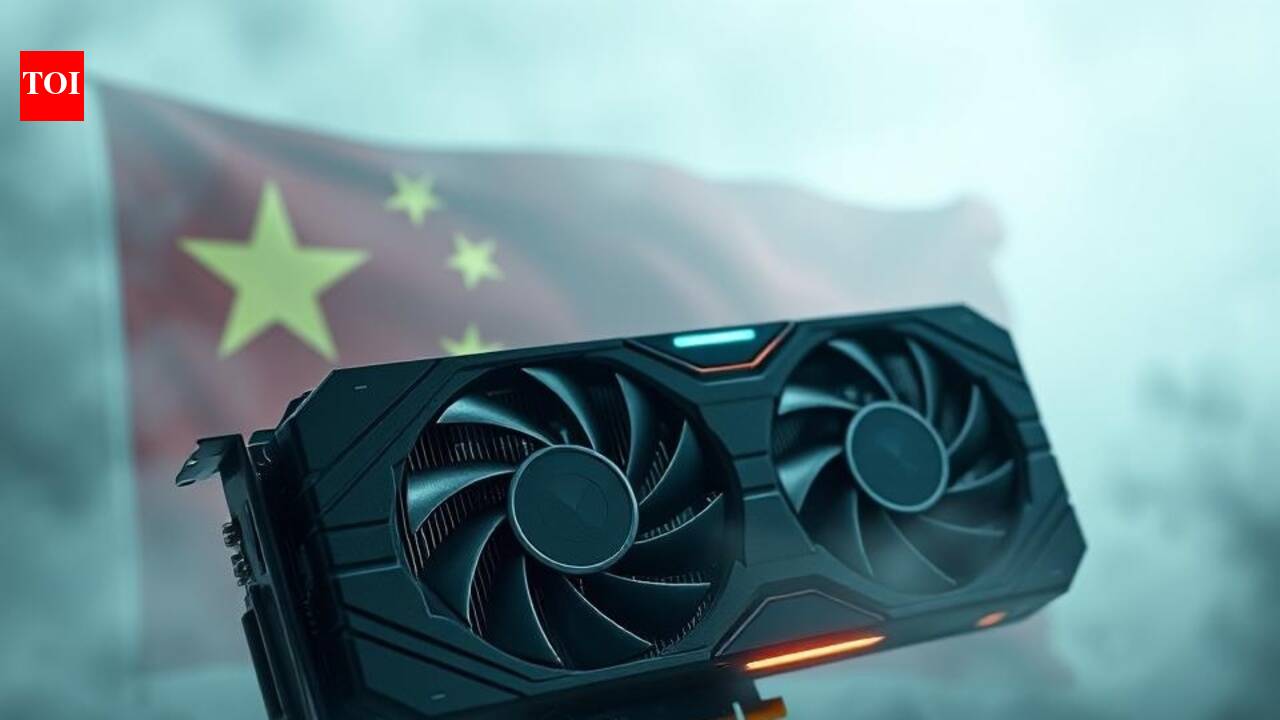
Yih-Shyan “Wally” Liaw, Rui-Tsang “Steven” Chang and Ting-Wei “Willie” Sun were indicted for an alleged conspiracy to subvert high-performance computer servers assembled in the United States and integrate sophisticated U.S. equipment into the United States. Artificial intelligence technology to China, violating US export control laws. Liaw, a US citizen, and Sun, a Taiwanese citizen, were arrested today and will be arraigned in the Northern District of California. Chang, a citizen of Taiwan, remains a fugitive.“The indictment unsealed today details alleged efforts to evade U.S. export laws through false documents, dummy servers to mislead inspectors, and complex transshipment schemes to obscure the true destination of restricted AI technology—China,” said Assistant Attorney General for National Security John A. Eisenberg. “These chips are the product of American ingenuity, and NSD will continue to enforce our export-control laws to protect that advantage.“The FBI’s investigation revealed that Liaw, Chang, and Sun allegedly conspired to sell billions of dollars worth of servers integrating sensitive, controlled graphic processing units to buyers in China in violation of U.S. export control laws,” said Roman Rozhavsky, assistant director of the FBI’s Counterintelligence and Espionage Division. “Controlling the export of sensitive US artificial intelligence technology is essential to our national security and homeland defense. That’s why combating export violations is one of the FBI’s highest priorities, and we will continue to work with our law enforcement, private sector, and international partners to bring to justice all those who take actions to undermine America. National security.”Jay Clayton, U.S. Attorney for the Southern District of New York, said, “As alleged in the indictment, the defendants participated in a systematic scheme to divert large quantities of servers containing American artificial intelligence technology to customers in China.” “They did this through a tangled web of lies, obfuscation and concealment – ​​all to increase sales and generate revenue in violation of the US.” Law. Diversion schemes like those disrupted today generate billions of dollars in ill-gotten gains and pose a direct threat to the U.S. National security. “Our office, along with our partners at the FBI and the Commerce Department’s Bureau of Industry and Security, will continue to vigorously investigate these illegal diversion schemes to bring to justice the bad actors who aim to profit from the illicit export of American artificial intelligence technology.”James C. Barnacle, Jr., FBI Assistant Director in Charge of the New York Field Office, said, “Yih-Shyan Liaw, Rui-Tsang Chang, and Ting-Wei Sun allegedly defrauded the United States by turning over hundreds of servers with advanced artificial intelligence capabilities to Chinese customers.” “These defendants allegedly fabricated documents, staged fraudulent instruments to pass off audit inventory, and used a pass-through company to conceal their misconduct and the listing of true customers. The FBI will hold accountable individuals who use American companies to provide export-controlled technology to our adversaries.The entire text of the indictment and the particulars of the indictment constitute only the charge, and each fact stated must be treated as an allegation. According to the charges contained in the indictment unsealed today in Manhattan federal court:To protect U.S. national security and foreign policy interests, the U.S. The Commerce Department has imposed licensing requirements for the export and re-export of artificial intelligence technologies to China and Hong Kong. Specifically, the U.S. Department of Commerce prohibits the export and re-export of items that could significantly contribute to the military capability or nuclear proliferation of other countries or that could be detrimental to the foreign policy or national security of the United States. For these reasons, among others, advanced artificial intelligence accelerator chips, and servers incorporating such chips, are subject to export license requirements for transfers to China and Hong Kong. Those rules reflect a formal determination that the computing capabilities in advanced artificial intelligence accelerator hardware are of substantial strategic importance and that their transfer to China poses an unacceptable risk to national security.Liaw is a co-founder, board member and senior vice president of business development of a publicly traded US-based manufacturer that designs and manufactures high-performance computer servers for artificial intelligence and cloud computing applications (US manufacturer), including servers integrating artificial intelligence graphics processing units (GPUs). Chang is the general manager in America Manufacturer’s Taiwan office. Sun is a third-party broker and “fixer” who worked with Liaw, Chang and others to divert US-export controlled technology to China. Together, the defendants and others conspired to systematically transfer a U.S. manufacturer’s servers with certain GPUs to China without a license to do so from the U.S. Department of Commerce.The scheme operated as follows. Liaw and Chang, who worked closely with third-party brokers with clients based in China, instructed certain executives of a company based in Southeast Asia (“Company-1”) to place purchase orders with the US. Manufacturer for servers with some GPUs, reportedly for Company-1. Those servers were often assembled in the United States and shipped to the American manufacturer’s facilities in Taiwan, then distributed to Company-1 elsewhere in Southeast Asia. Company-1, in consultation with the defendants, used a shipping and logistics company to repack the American manufacturer’s servers and place them in unmarked boxes to conceal their contents before shipping them to their final destinations in China. To ensure that these server allocations were approved internally by the U.S. manufacturer, the defendants and executives of Company-1 prepared false documents and records, and transmitted false communications, to make it appear that Company-1 was the end user of the servers.At the direction of the defendants, between 2024 and 2025, Company-1 purchased approximately $2.5 billion worth of servers from a U.S. manufacturer, many of which were assembled in the United States. The defendants’ scheme became more brazen over time and resulted in massive amounts of servers containing controlled American artificial intelligence technology being shipped to China. Between the end of April 2025 and mid-May 2025 alone, at least $510 million worth of U.S. goods will be sold. The manufacturer’s servers, assembled in the United States, were shipped to China in violation of U.S. export control laws as part of the defendants’ scheme.The defendants and their co-conspirators took extensive measures to conceal their scheme. As just one example, in order to deceive the US manufacturer’s compliance team, which is responsible for ensuring adherence to US export control laws, the defendants placed thousands of “dummy” servers – non-functioning, physical replicas of the US manufacturer’s servers – for inspection at the locations where Company-1 was allegedly storing servers purchased from the US. Producer. However, the actual servers purchased by Company 1 from a US manufacturer had already been illegally shipped to China. Some of the same dummy servers were later placed in a warehouse rented by Company-1 in an attempt to pass an inspection by the US Department of Commerce of Company-1’s purchases of servers from an American manufacturer. Prior to the inspection, SUN and one of the third-party brokers that worked closely with the defendants to divert servers to China (“Broker-1”) staged dummy servers in the warehouse by, among other things, unboxing the servers; Using a hair dryer to remove and stick labels and serial number stickers on server boxes and dummy servers; And then repackaged into dummy servers in the US Manufacturer’s boxes. Surveillance cameras recorded their work and captured them setting up the dummy server.Throughout the scheme, the defendants closely coordinated with each other, Company-1 executives, and third-party brokers with end customers in China using encrypted messaging applications. Those communications related, among other topics, to the amount of servers to be ordered for Company-1, the locations in China to which those servers were to be shipped, and efforts to conceal the nature of the plan from the United States. The manufacturer’s compliance team, US officials and others. At no point did the defendants or the US manufacturer have a license from the US Commerce Department to export or re-export US-made servers to China.Liaw, 71, of Fremont, California; Chang, 53, of Taiwan; and Sun, 44, of Taiwan, are each charged with one count of conspiring to violate the Export Control Reform Act, which carries a maximum penalty of 20 years’ imprisonment, one count of conspiring to smuggle goods out of the United States, which carries a maximum penalty of 5 years’ imprisonment, and one count of conspiring to defraud the United States, which carries a maximum penalty of 5 years’ imprisonment. The maximum possible sentences in this case are set by Congress and are provided here for informational purposes only, as any sentencing of the defendants will be determined by a judge. The FBI, the Commerce Department’s Bureau of Industry and Security, and the Justice Department’s National Security Division, Counterintelligence and Export Control Section investigated the case.

Source link

Is LaGuardia Airport open? Hundreds of flights disrupted after deadly runway collision in New York

Is LaGuardia Airport open? Hundreds of flights disrupted after deadly runway collision in New York

LaGuardia Airport in New York reopened Monday afternoon after a deadly collision on the runway closed the busy airport for several hours and disrupted hundreds of flights. The crash occurred late Sunday night, killing both pilots on board the plane and injuring dozens of passengers and crew members.The collision involved an Air Canada Express regional jet coming from Montreal and a Port Authority fire truck that was crossing the runway to respond to a separate incident. There were 72 passengers and four crew members on board the plane at that time.Officials say the crash happened around 11:40 p.m. on March 22 as the plane was landing on the runway at LaGuardia. The jet hit the emergency vehicle, killing both the pilot and co-pilot. More than 40 people, including two firefighters, were taken to hospital with injuries. Most of the injured have been released from care, although some remain in hospital for further treatment.In response to the accident, the airport was completely closed until approximately 2.00 am on March 23 to allow investigators and emergency crews to work the scene and assess the runway before reopening. The shutdown caused more than 600 flight cancellations and delays for travelers in New York and the surrounding area.

Have flight operations resumed?

Now with the runway opening, limited flight operations have resumed. Travelers are being warned to expect continued delays and disruption as airlines work to manage the backlog and hours of closures caused by the crash. Some flights have been diverted to other nearby airports, and passengers are advised to check with their carriers for the latest information regarding schedules and possible changes.Federal and national security officials are continuing a thorough investigation into the cause of the collision. The National Transportation Safety Board (NTSB) and the Federal Aviation Administration (FAA) are leading the investigation, which will examine factors such as communication between air traffic control and emergency vehicles, runway procedures, and aircraft operations at the time of the accident.Officials also said that even after one runway reopened, LaGuardia’s capacity would be reduced until a full investigation was completed. This could mean further adjustments to flight schedules and continued delays for passengers in the coming days.The accident has drawn attention to safety protocols for runway crossings and coordination between ground vehicles and incoming flights. Investigators will evaluate whether standard procedures were followed and whether any changes are needed to prevent future incidents.

Source link

114 Rafale, 60 MTA aircraft, AEW&C deals to be concluded in 2026-27: Defense Ministry Paarl panel | india news

114 Rafale, 60 MTA aircraft, AEW&C deals to be concluded in 2026-27: Defense Ministry tells parliamentary panel

New Delhi: To enhance the strength of the Indian Air Force, India is set to sign several major contracts in the financial year 2026-27, including the deal to procure 114 aircraft. rafale fighter planeThe Defense Ministry has told a parliamentary panel that 60 medium transport aircraft (MTAs) and additional airborne early warning and control (AEW&C) systems are involved.“The capital budget of the IAF has increased by 37.03% compared to the Budget Estimates for 2025-26. The allocated funds are planned to be used for some major new schemes such as multi-role combat aircraft (a reference to the proposed Rafale deal), combat enablers (AEW&C, Tejas MK1A), medium transport aircraft (MTA) and medium-altitude long-endurance RPA (remotely piloted aircraft). Ongoing Committed liabilities,” the ministry told the Parliamentary Standing Committee on Defence, which presented its latest report in the Lok Sabha last week.In February this year, the Defense Acquisition Council (DAC) approved the purchase of 114 Rafale jets under the Multi-Role Fighter Aircraft (MRFA) programme; The proposed deal for jets along with military hardware is expected to cost around Rs 3.25 lakh crore. Under the MRFA model, the new Rafales will be built in India by French company Dassault Aviation in collaboration with an Indian partner. “Keeping in mind the modernization of the armed forces, especially in the current geopolitical scenario, the Committee urges the Air Force to beneficially utilize the funds allocated for modernization and technological upgradation in armament and procurement of other critical platforms,” the report said.The Defense Acquisition Board has recently approved a plan to procure 60 Medium Transport Aircraft (MTAs) for the Indian Air Force, at an estimated cost of Rs 1 lakh crore. The program aims to replace the aging An-32 fleet, requiring 12 aircraft to be in flying condition and 48 to be manufactured locally. Top contenders include the Embraer C-390 Millennium, Lockheed Martin C-130J Super Hercules and European Airbus Defense and Space with its A-400M.The ministry informed the committee, “Critical combat enablers such as AEWACs, flight refuelers and specialized electronic intelligence and surveillance platforms are critical… These systems not only enhance our intelligence gathering and battlefield transmission but also provide commanders with information on the electronic sequence of modern warfare. All these combat intelligence systems are highly effective platforms to enhance the combat capability of the three services.”The Committee was also informed that the Indian Air Force is committed to self-reliance and is providing full support to the national objectives. “To promote innovation and indigenization, the IAF has created a new directorate, namely Aerospace Design Directorate (DAD). This directorate actively interacts with industries, R&D institutes and academia to explore specific technologies in the aerospace domain and convert them into tactical and strategic war fighting solutions using indigenous resources,” the report said.

Source link

चार साल बेमिसाल:सीएम धामी ने दून की जनता को दी 401 करोड़ की विकास परियोजनाओं की सौगात, पेश किया रिपोर्ट कार्ड – Char Saal Bemisal Cm Dhami Gifts Development Projects Worth 401 Crore To People Of Dehradun

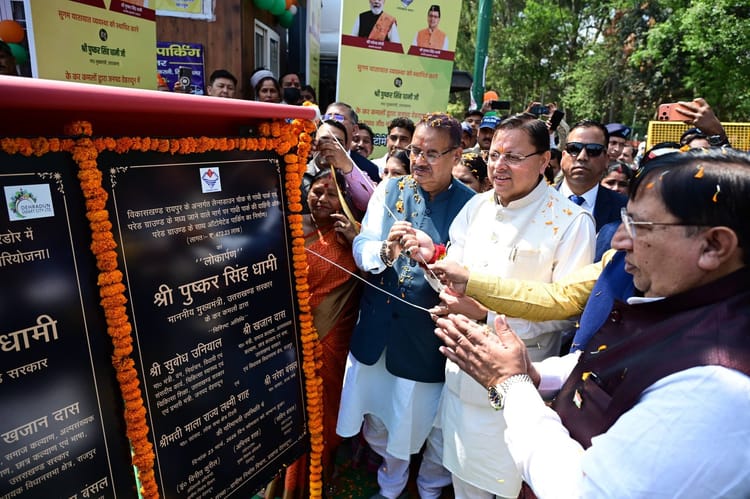
मुख्यमंत्री पुष्कर सिंह धामी ने परेड ग्राउंड में आयोजित जन-जन की सरकार चार साल बेमिसाल कार्यक्रम में जहां सरकार का पिछले चार साल का रिपोर्ट कार्ड पेश किया। वहीं, देहरादून की जनता को 401 करोड़ की 74 परियोजनाओं की सौगात दी।

इन परियोजनाओं में 99.44 करोड़ की 33 योजनाओं का शिलान्यास एवं 302.42 करोड़ की 41 विकास योजनाओं का लोकार्पण करते हुए उन्होंने कहा, पिछले चार साल में पूरे राज्य में समेकित विकास हुआ है।

उत्तराखंड: सीएम धामी साफ संदेश, मदरसों को जिहादी मानसिकता पनपाने वाले अलगाववादी केंद्र नहीं बनने देंगे

302.42 करोड़ की 41 इन विकास योजनाओं का किया लोकार्पण

– 7898.74 लाख की लागत से नमामि गंगे कार्यक्रम के अन्तर्गत सपेरा बस्ती में आईएण्डडी एवं 15 एमएलडी, एसटीपी निर्माण का कार्य।

– 2846 लाख की लागत से आराघर चौक से मोथरोवाला तक सीवर लाइन।

– 1903.59 लाख की लागत से देहरादून शहर के सहारनपुर चौक से पथरीबाग चौक तक सीवर लाइन योजना।

– 1860.04 लाख की लागत से देहरादून शहर के इंदिरानगर आवास विकास कॉलोनी क्षेत्र की जलोत्सारण पुनर्गठन योजना।

– 754.28 लाख की लागत से इंदिरा नगर देहरादून में निर्मित 5 एमएलडी के एसटीपी में एसपीएस निर्माण सीवर राइजिंग में बिछाने एवं तत्संबंधी कार्य

– 740.84 लाख की लागत से देहरादून शहर के ओम सिटी एवं कुसुम विहार क्षेत्र में सीवर लाइन योजना।

– 659.31 लाख की लागत से चमन विहार सीवरेज योजना।

– 432.13 लाख की लागत से शव विच्छेदन गृह, चन्दरनगर परिसर में सीएमएसडी स्टोर, शीत श्रृखला (प्रतिरक्षण) एवं सभागार के निर्माण कार्य।

– 496.89 लाख की लागत से आरआईडीएफ योजना के तहत पशुलोक ऋषिकेश में अतिरिक्त आवश्यक निर्माण कार्य

-167.49 लाख की लागत से राऔप्र० संस्थान, चकराता में बालिका छात्रावास (20 शैय्या) एवं टॉयलेट ब्लॉक का निर्माण कार्य।

– 661.69 लाख की लागत से जनपद देहरादून के विकासखंड डोईवाला के तहत ऋषिकेश क्षेत्र में पशुलोक बैराज डाउनस्ट्रीम की और गंगा के दायें तट पर शारदापीठ घाट एवं मीराबेन घाट का निर्माण कार्य।

– 236.24 लाख की लागत से जनपद देहरादून के विकासखंड चकराता में तीन पर्वतीय नहरों के जीर्णोद्वार की योजना (कफना, खरकोटा, चायला नहर)।

– 143.08 लाख की लागत से देहरादून के विकासखंड चकराता में चार पर्वतीय नहरों के जीर्णोद्वार की योजना (कुन्ना, कचटा, राठू, नाडा नहर),

– 452.74 लाख की लागत से विकासखंड कालसी में ग्राम पुरानी कालसी एवं जामुनस्रोत में अमलावा नदी से बाढ़ सुरक्षा योजना।

– 290.96 लाख की लागत से विकासखंड चकराता में तहसील त्यूनी के तहत ग्राम गुण्डा (ग्राम पंचायत बृनाड बास्तील) में स्टेडियम, पोस्टमार्टम हाउस, तहसील एवं बस्ती की टॉस नदी से बाढ़ सुरक्षा योजना (बांये तट पर)

– 464.66 लाख की लागत से विकासखंड चकराता में तहसील त्यूनी के तहत ग्राम गुण्डा (ग्राम पंचायत बृनाड बास्तील) में स्टेडियम पोस्टमार्टम हाउस, तहसील एवं बस्ती की टॉस नदी से बाढ़ सुरक्षा योजना।

– 52.85 लाख की लागत से मसूरी विधानसभा क्षेत्र के सालावाला (हाथीबड़कला) के खाले में सर्वे झील से सालावाला पुल तक बैड का निर्माण कार्य।

– 383.56 लाख की लागत से जनपद देहरादून के विधानसभा राजपुर के अन्तर्गत चन्दरनगर क्षेत्र के बरसाती नाले की जल निकासी की योजना का लोकार्पण किया गया।

– 70.74 लाख की लागत से राज्य योजना के अन्तर्गत जनपद देहरादून के विधानसभा क्षेत्र डोईवाला मे ग्राम सभा रामनगर डांडा के ग्राम मिढ़ावाला में कलम सिंह के घर से सुनील के घर तक मार्ग का निर्माण कार्य।

– 337.85 लाख की लागत से राज्य योजना के अन्तर्गत जनपद देहरादून के विधानसभा क्षेत्र ऋषिकेश के अन्तर्गत श्यामपुर के भल्लाफार्म नं० आठ में विभिन्न आंतरिक मार्गों का निर्माण कार्य।

– 119.96 लाख की लागत से विधानसभा क्षेत्र डोईवाला में पंचायत घर नकरौन्दा से रेलवे फाटक 31 की तरफ डामरीकरण का कार्य।

– 60.87 लाख की लागत से राज्य योजना के अन्तर्गत विधानसभा क्षत्र डोईवाला के वार्ड नं0 2, 3 एवं ग्राम पंचायत कालूवाला में आन्तरिक मार्गो का इण्टरलॉकिग टाईल्स द्वारा निर्माण कार्य।

– 38.45 लाख की लागत से राज्य योजना के अन्तर्गत विधान सभा क्षेत्र डोईवाला के तहत कोठारी मोहल्ला वार्ड नं० पांच के “खाली क्षेत्र” में धनीराम उनियाल की दुकान के बाद से होते हुए सदानन्द उनियाल के घर तक मार्ग का इण्टरलॉकिग टाईल्स द्वारा सुधारीकरण का कार्य

– 25.83 लाख की लागत से कृषि निवेश केन्द्र, मारखमग्रान्ट का लोकार्पण।

– 457.66 लाख की लागत से जगतपुर से दुधई मोटर मार्ग अपग्रेडशन का लोकार्पण।

– 414.13 लाख की लागत से पैधा से मझौन मोटर मार्ग अपग्रेडशन।

– 472.92 लाख की लागत से मुंशीघाटी से ध्वैरा देऊ मोटर मार्ग।

– 1884.02 लाख की लागत से कोटी डिमऊ मोटर मार्ग।

– 255.72 लाख की लागत से जमनीपुर से जामनखाता मोटर मार्ग।

– 983.17 लाख की लागत से बाड़वाला-जुड्डो मटोगी मोटर मार्ग।

– 389.70 लाख की लागत से ढकरानी हाईडिल कलोनी मोटर मार्ग।

– 117.88 लाख की लागत से राजकीय इण्टर कालेज, माजरीग्रांट, डोईवाला, देहरादून में भवन निर्माण।

– 122.20 लाख की लागत से राजकीय इण्टर कालेज, गुनियालगांव, सहसपुर, देहरादून में भवन निर्माण।

– 124.74 लाख की लागत से राजकीय इण्टर कालेज बाड़वाला, विकासनगर देहरादून में भवन निर्माण।

– 124.69 लाख की लागत से राजकीय इण्टर कालेज, ग्वासापुल, चकराता, देहरादून में भवन निर्माण।

– 106.78 लाख की लागत से राजकीय इण्टर कालेज, पॉजिटिलानी, कालसी, देहरादून में भवन निर्माण।

– 239.50 लाख की लागत से राजकीय इण्टर कालेज लखवाड, ब्लाक कालसी, देहरादून में भवन निर्माण।

– 295.07 लाख की लागत से राजकीय इण्टर कालेज कोटी कालोनी, ब्लाक कालसी, देहरादून में भवन निर्माण।

– 249.94 लाख की लागत से प्राथमिक स्वास्थ्य केन्द्र छिद्दरवाला का निर्माण।

– 2747.98 लाख की लागत से मानसिक स्वास्थ्य संस्थान सेलाकुई मे 100 शैय्यायुक्त चिकित्सालय का एवं आवासीय भवनों का निर्माण कार्य।

-157.60 लाख की लागत से श्री साधुराम इण्टर कालेज देहरादून में बाल भिक्षु/कूड़ा बीनने वाले बच्चों के पुनर्वास के लिए कंप्यूटर कक्ष, ऑडिया-विडियो कक्ष, मनोरंजन कक्ष एवं साहसिक क्रीड़ा के लिए भवन निर्माण कार्य।

Source link