Breaking News
रुद्रप्रयाग: चुपचाप अपनी मां के पीछे जंगल की ओर चला मासूम मयंक लापता, दूसरे दिन भी नहीं मिला सुराग

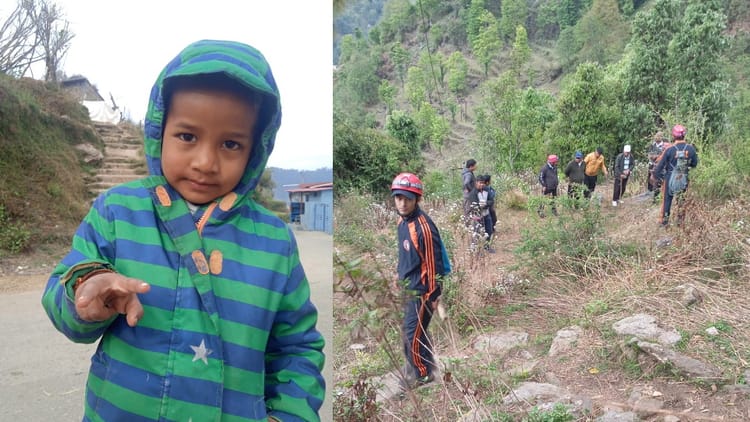
जिले के बरब मल्ला गांव में चार साल के मासूम मयंक के लापता होने से पूरे इलाके में गहरी चिंता और बेचैनी का माहौल है. घटना के दूसरे दिन रविवार को पुलिस, वन विभाग, एसडीआरएफ और डीडीआरएफ की संयुक्त टीमों ने व्यापक तलाशी अभियान चलाया, लेकिन देर शाम तक बच्चे का कोई पता नहीं चला.

कोतवाली अगस्त्यमुनि प्रभारी निरीक्षक गुमान सिंह नेगी ने बताया कि घटना के बाद से लगातार सर्च अभियान जारी है। ड्रोन की मदद से जंगलों, खाईयों और दुर्गम इलाकों में सघन तलाशी ली जा रही है लेकिन अभी तक कोई सफलता नहीं मिल पाई है.

इस बीच भारी बारिश के बावजूद बचाव दल लगातार ऑपरेशन में जुटे हुए हैं. उधर, मासूम बच्चे के परिजनों पर दुखों का पहाड़ टूट पड़ा है. मां मनीषा देवी और पिता विजय लाल का रो-रोकर बुरा हाल है. ग्राम प्रधान अंजना देवी के नेतृत्व में महिलाएं, बुजुर्ग व युवा सुबह से ही खोजबीन में जुटे हैं और हर संभावित स्थान पर तलाश जारी है. समय बीतने के साथ चिंता लगातार गहराती जा रही है.

जंगली जानवरों द्वारा आतंक मचाया जाता है

इन दिनों पहाड़ों में जंगली जानवरों का आतंक है। मवेशियों को तो ये निवाला बना ही रहे हैं, अब भालू बस्तियों में पहुंच कर आम लोगों पर हमला कर रहे हैं. मासूम मयंक की तलाश के लिए जंगलों में भी सर्च ऑपरेशन चलाया जा रहा है, जो शनिवार को चुपचाप अपनी मां के पीछे-पीछे जंगल की ओर चला गया था. चूंकि यह मासूम अभी तक नहीं मिला है, इसलिए यह आशंका बढ़ गयी है कि कहीं वह भी जंगली जानवरों का शिकार न हो गया हो.

Source link

Trump claims Kurds ‘kept US weapons sent to Iran protesters’; There are ‘good chances’ of a deal by Monday

BREAKING: Trump's big Iran war announcement, shocking ultimatum; 'Only a few hours left...'

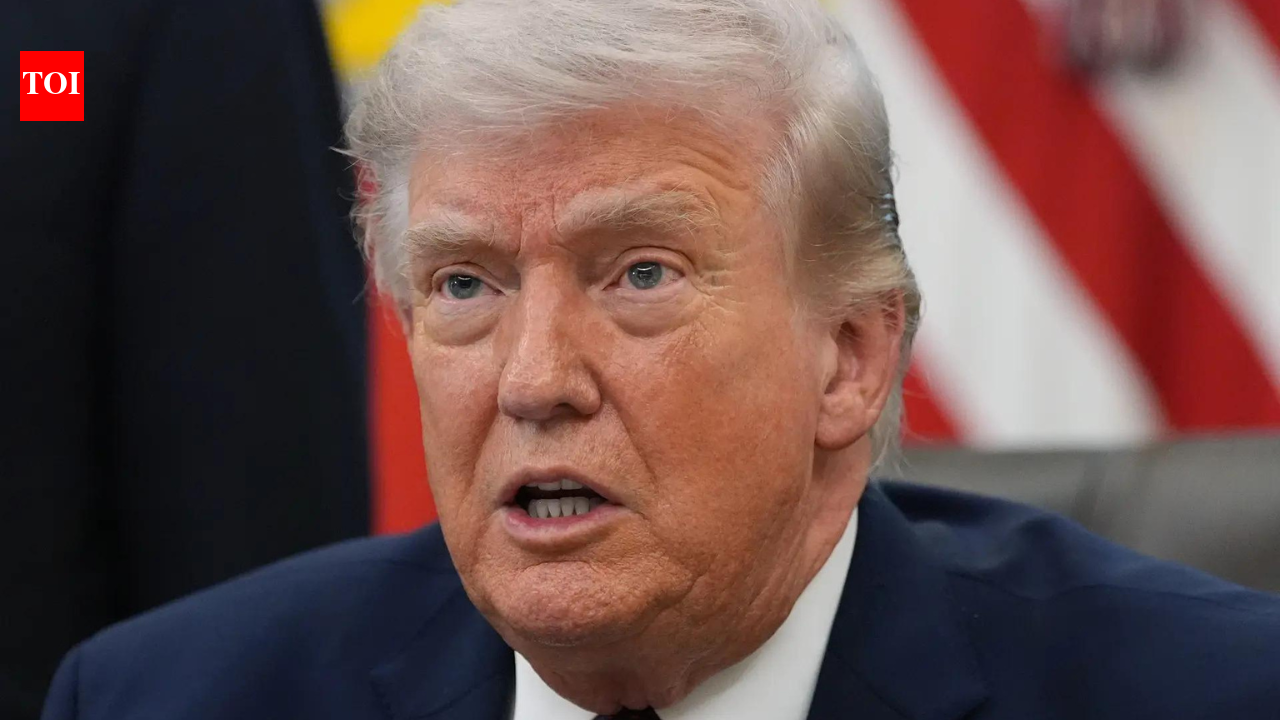
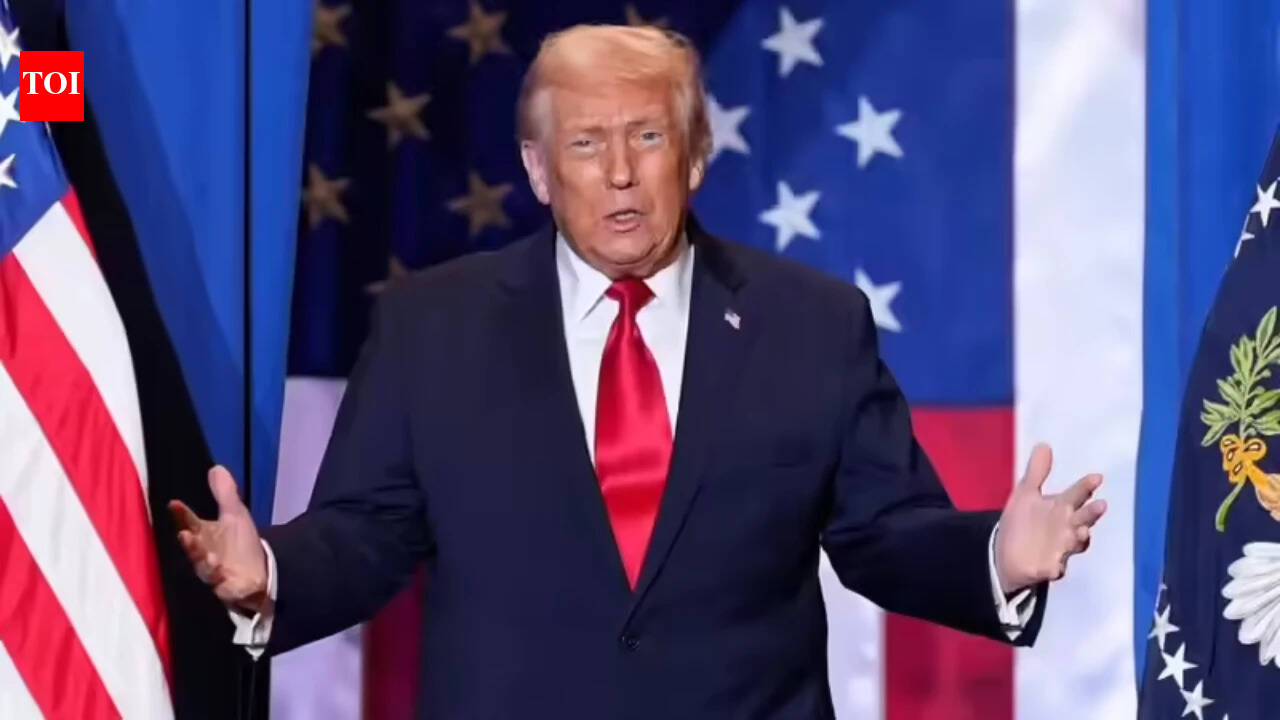
US President Donald Trump (file photo)

us President donald trump The United States has alleged that the United States secretly sent weapons to protesters in Iran via the Kurds earlier this year, but that the Iranian ethnic group may have kept them instead of giving them to them.In an interview with Fox News the US President said, “We sent guns to the protesters, there were a lot of them. We sent them to the Kurds.” He added, “And I think the Kurds took them.”

Watch

BREAKING: Trump’s big Iran war announcement, shocking ultimatum; ‘Only a few hours left…’

Trump also said in the interview that he believed there was a “good chance” of a deal with Iran by Monday. “I think there’s a good chance tomorrow, they’re in talks right now,” he said. However, he also warned that, “If they don’t make a deal quickly, I’m considering blowing everything up and taking over the oil.”Adding to his claims, Trump also said that current Iranian negotiators have been granted “limited amnesty” while talks continue. Iran has not given any official statement on this talks.This comes after Trump on Saturday gave Iran a 48-hour ultimatum to open the Strait of Hormuz, otherwise he would blow up their power plants and other infrastructure. In a defiant comment, Trump later posted on Truth Social on Sunday, saying, “Tuesday will be Power Plant Day and Bridge Day in Iran, all wrapped up in one. Nothing like it will happen!!! Open the f*****’ straight up, you crazy b******s, or you’ll be in Hell – just watch! Praise Allah.Trump has set similar deadlines before, but has extended them while claiming he or mediators are making progress toward ending the conflict.Both sides have also attacked and threatened civilian infrastructure, including oil fields and desalination plants vital for drinking water, raising concerns over the long-term consequences of the escalating conflict.

Source link

Strait of Hormuz oil shipping: Middle East crisis: Donald Trump threatens to ‘blow up everything and take away the oil’ if Iran doesn’t deal

'Hormuz is still closed': Iran challenges Trump to 'forever war', mocks 48-hour Hormuz deadline

US President Donald Trump on Sunday issued one of his harshest warnings yet to Iran, saying he was considering “blowing up everything and seizing the oil” if Tehran failed to reach a deal to reopen the Strait of Hormuz, a vital oil shipping lane.Speaking to a Fox News reporter, Trump said, “I think there’s a good chance tomorrow, they’re negotiating right now. If they don’t make a deal quickly, I’m considering blowing up the whole thing and taking over the oil.”

Watch

‘Hormuz is still closed’: Iran challenges Trump to ‘forever war’, mocks 48-hour Hormuz deadline

Growing threats amid the Strait of Hormuz standoff

The president’s warning came as tensions soar in the Middle East following the war, which flared up following US-Israeli attacks on Iran on February 28, disrupting regional stability and global oil markets. Iran has largely blocked the Strait of Hormuz and launched attacks on Israel and Gulf neighbors, prompting urgent diplomacy.Trump, who previously celebrated the “miraculous” rescue of a seriously injured US airman from inside Iranian territory, has also threatened to attack Iran’s power plants and bridges if it does not comply. “Tuesday will be Power Plant Day and Bridge Day in Iran, all rolled into one. There will be nothing like it!!!” He announced this on his Truth social platform.“Open the damn strait, you fools, otherwise you’ll be in hell – just watch! Praise Allah”, he added.Meanwhile, Iran has claimed to have foiled the rescue effort, distributing photographs of the destroyed planes, although it has not denied that US forces successfully evacuated the airmen. US media reported that some transport aircraft involved in the operation were destroyed to prevent them from falling into Iranian hands.

Regional consequences and global concerns

The conflict has escalated beyond Iran and the US, with attacks on critical infrastructure reported in the United Arab Emirates, Bahrain and Kuwait, while US diplomatic sites in Iraq have also been targeted. According to news agency AFP, Lebanon is increasingly turning towards itself, with Israel attacking southern Lebanon and southern Beirut, killing many civilians.An attack near Iran’s Bushehr nuclear plant last Saturday killed a guard and prompted Russia, which partly operates the facility, to evacuate 198 workers, condemning the attack as “an evil deed.” Iranian officials warned that further attacks could have radioactive fallout on Gulf capitals.Meanwhile, despite the threats and attacks, life in Tehran appeared largely normal, with residents seen picnicking and flying kites near iconic sites, highlighting the contrast between political tensions and daily life in the city.

Source link

Excise case: Kejriwal, others file petition in High Court; Former Delhi Chief Minister will debate in person. india news

Excise case: Kejriwal, others file petition in High Court; Former Delhi Chief Minister will debate in person

Former Chief Minister of Delhi Arvind Kejriwalalong with other former accused, filed a plea to recuse themselves before Justice Swarn Kanta Sharma on Sunday Delhi High Court In the alleged liquor scam.according to Aam Aadmi PartyKejriwal will appear on Monday and present his side.Just a few days before this, the High Court had given Kejriwal and others the last opportunity to present their side on a petition. Enforcement Directorate To remove “unfair” observations made against it by the trial court while acquitting him in the liquor policy case.

Watch

‘I am not corrupt’: Arvind Kejriwal breaks down in tears after court acquits him, Sisodia in excise policy case

On 11 March, Kejriwal led an appeal to Chief Justice Upadhyay to assign the case to another “impartial” judge. In the representation, Kejriwal claimed that he had a “serious, bona fide and reasonable apprehension” that the trial in the case would not be fair and impartial.He has also challenged Justice Sharma’s March 9 order, in which he had stayed the trial court’s direction to investigate the CBI officer investigating the excise policy case.

Source link

यूपी की ये अनोखी जगह बनेगी ग्लोबल टूरिस्ट हॉटस्पॉट… यहां पत्थरों में छिपा है 160 करोड़ साल पुराना रहस्य, 40 देशों के वैज्ञानिक भी हैं हैरान

सोनभद्र समाचार: पृथ्वी के गर्भ में छिपे रहस्यों को जानने के लिए वैज्ञानिक सदियों से शोध कर रहे हैं। इस बीच उत्तर प्रदेश के सोनभद्र जिले में स्थित सलखन फॉसिल पार्क एक ऐसी जगह बनकर उभरा है जो अपने अंदर जीवन की शुरुआत की कहानी समेटे हुए है। कैमूर की पहाड़ियों के बीच स्थित यह पार्क आज सिर्फ एक पर्यटन स्थल ही नहीं बल्कि धरती के 160 करोड़ साल पुराने इतिहास का जीता-जागता सबूत भी माना जाता है। दावा किया जाता है कि यह दुनिया का सबसे बड़ा और सबसे पुराना जीवाश्म पार्क है, जो अमेरिका के येलोस्टोन नेशनल पार्क से भी लाखों साल पुराना है। अब इसे यूनेस्को विश्व धरोहर में शामिल कराने की कोशिशें तेज हो गई हैं।

खोज और वैज्ञानिक महत्व से बढ़ी पहचान
यह पार्क सोनभद्र के रॉबर्ट्सगंज से 15 से 17 किलोमीटर दूर वाराणसी-शक्तिनगर मार्ग पर स्थित है और लगभग 24 से 25 हेक्टेयर में फैला हुआ है। इसकी खोज 1933 में भारतीय भूवैज्ञानिक सर्वेक्षण ने की थी, जिसने वैज्ञानिकों को आश्चर्यचकित कर दिया था। इसके बाद 2002 में दुनिया के 40 से ज्यादा देशों के वैज्ञानिक यहां पहुंचे और शोध किया। शोध से पता चला कि करीब 160 करोड़ साल पहले यहां समुद्र हुआ करता था और यहीं से शैवाल के रूप में जीवन की शुरुआत हुई थी।

पत्थरों में छुपे जीवन की पहली झलक
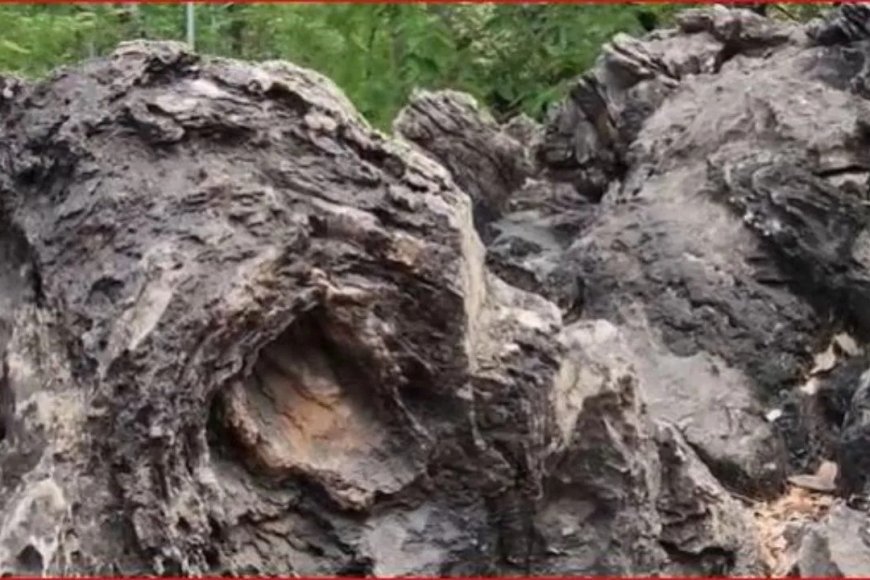
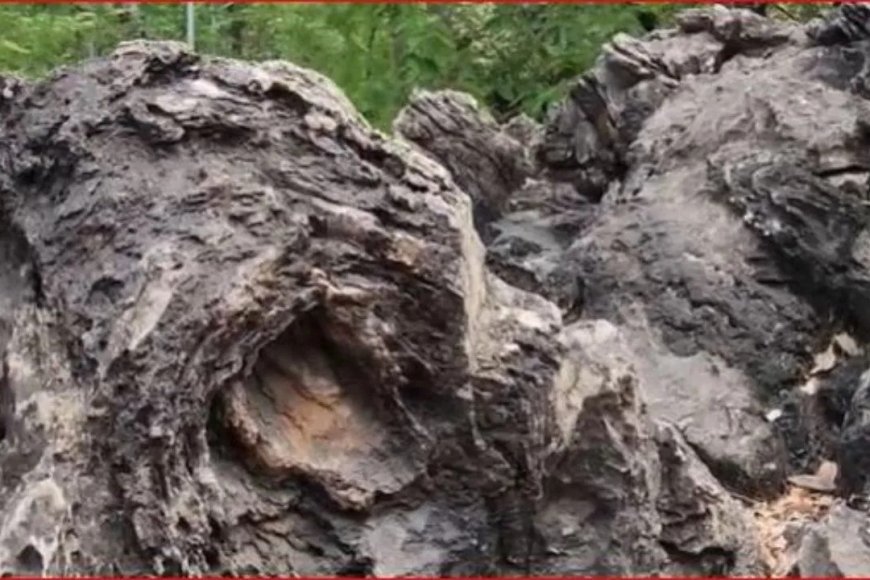
सलखन में पाए जाने वाले जीवाश्म सिर्फ पत्थर नहीं हैं, बल्कि वे सायनोबैक्टीरिया जैसे प्रारंभिक जीवन के प्रमाण हैं। यहां गोल वलय जैसी संरचनाएं पाई जाती हैं, जिन्हें स्थानीय लोग पत्थर के फूल या पेड़ कहते हैं। विशेषज्ञ इन्हें स्ट्रोमेटोलाइट्स कहते हैं, जो उस समय के हैं जब पृथ्वी पर ऑक्सीजन पूरी तरह से विकसित नहीं हुई थी। यही कारण है कि यह स्थान पूरे विश्व के लिए अमूल्य धरोहर माना जा रहा है।

विकास योजना एवं जमीनी हकीकत
इस जगह को विकसित करने के लिए पर्यटन विभाग करीब 2 करोड़ रुपये खर्च कर रहा है. यहां कैंटीन, शौचालय, पेयजल, साफ-सफाई और संग्रहालय जैसी सुविधाएं विकसित की जा रही हैं। जिलाधिकारी बीएन सिंह के मुताबिक, यह स्थल यूनेस्को की अस्थायी सूची में शामिल है और इसे विश्वस्तरीय पर्यटन केंद्र बनाने की योजना है. लेकिन जमीनी हकीकत कुछ और ही है. यहां आने वाले पर्यटकों का कहना है कि यहां अभी भी शुद्ध पेयजल, आवास सुविधा, भोजन व्यवस्था और सुरक्षा जैसी बुनियादी सुविधाओं का अभाव है.

Source link

No DUI, no illegal employment: Indian student deported from US for an honest answer

कोई डीयूआई नहीं, कोई अवैध रोजगार नहीं: एक ईमानदार जवाब के लिए भारतीय छात्र को अमेरिका से निर्वासित कर दिया गया

An Indian student was deported from America because of his answer to a question.

An Indian student was recently deported from the airport for an honest answer that he didn’t know would be considered illegal in the US. San Jose-based immigration attorney Malavika Nandivelugu made a social media post on the experience of the Indian student, who had a clean record, no DUIs, no evidence of any illegal employment. But when he was asked whether he had ever used marijuana, he said yes. “What many of you here don’t fully understand: legality at the state level means nothing in an immigration context. Under federal law, marijuana is still illegal. As an F-1 student, even casually, even once, admitting to using it can destroy your immigration status,” the lawyer said, explaining that while the incident had nothing to do with immigration actions, it was nothing new. It is not. Students are also told about it during the orientation session, but most of them do not pay attention to it because they do not pay attention to it. Nandivelugu said, “It’s not about morality. It’s about consequences. He didn’t lie. He had no intention of breaking the rules. He didn’t know the importance of what he was saying. And that lack of awareness cost him everything.”“I have seen parents of students back home living a nightmare as their children in America dabble in recreational drugs, waste time, waste money and ultimately lose their future,” the lawyer said. Even though many states have legalized marijuana, under US federal law (Controlled Substances Act), hemp is still illegal. Immigration is governed by federal law, not state law.Prince Harry also faced controversy regarding drugs as he openly admitted in his memoir Spare that he had taken marijuana, cocaine, and psychedelic drugs, although US visa applications specifically ask about past drug use. But even after a long legal battle, he was not deported from America.

Source link

चमोली: आकाशीय बिजली गिरने के बाद रेस्टोरेंट में लगी आग, सिलेंडर फटने से लगी आग, सारा सामान जलकर राख

संवाद न्यूज एजेंसी, चमोली

द्वारा प्रकाशित: अलका त्यागी

अद्यतन रविवार, 05 अप्रैल 2026 06:42 अपराह्न IST

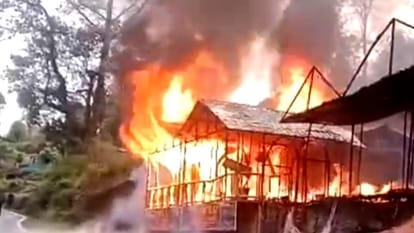
बारिश के दौरान बिजली गिरने से रेस्टोरेंट में अचानक आग लग गई.


चमोली समाचार बिजली गिरने के बाद रेस्तरां में आग लग गई, सिलेंडर विस्फोट के बाद आग तेज हो गई

रेस्टोरेंट में आग
– फोटो : संवाद न्यूज एजेंसी


विस्तार

चमेली-कुंड हाईवे पर मंडल के एक रेस्टोरेंट में बिजली गिरने से भीषण आग लग गई. रेस्टोरेंट पर ताला लगा हुआ था. यहां रखे भरे सिलेंडर के फटने से आग और विकराल हो गई। मौके पर पहुंची अग्निशमन विभाग की टीम ने आग पर काबू पाया. हालांकि रेस्टोरेंट में रखा ज्यादातर सामान जल गया है.


ट्रेंडिंग वीडियो

मंडल में हर्बल रिसर्च इंस्टीट्यूट के पास एक रेस्टोरेंट है. पुलिस चौकी प्रभारी विपिन त्यागी ने बताया कि रविवार दोपहर करीब तीन बजे बारिश के दौरान बिजली गिरने से रेस्टोरेंट में आग लग गई। स्थानीय लोगों ने इसकी सूचना चौकी पुलिस को दी। इसकी सूचना अग्निशमन विभाग को दी गई, जिस पर टीम दो गाड़ियों के साथ मौके पर पहुंची और आग पर काबू पाया गया.

उत्तराखंड: मैदानी इलाकों में छाए बादल, यमुनोत्री घाटी में बारिश और बर्फबारी, निजमुला घाटी के 13 गांवों में बिजली गुल.

उन्होंने बताया कि रेस्टोरेंट स्थानीय मनीष नौटियाल का है और इसे ऋषिकेश निवासी राजीव गुप्ता को किराए पर दिया गया है। गनीमत यह थी कि इन दिनों रेस्टोरेंट बंद था। बताया कि प्रथम दृष्टया बिजली गिरने के बाद रेस्टोरेंट में शॉर्ट सर्किट से आग लगी है।

Source link

‘I went crazy after what happened’: LA tenant tells how his landlady, Qassem Soleimani’s niece, was arrested

ICE action on Qasem Soleimani's family in Los Angeles after anti-US claims and luxury posts

Hamideh Soleimani Afshar (left), 47, and her daughter Sarinsadat Hosseini, 25, relatives of the Iranian leader, were living a luxurious life in the US.

Halassius Bradford, 50, a piano instructor who rented a one-story property owned by the niece of Iranian leader Gen. Qassem Soleimani, described the dramatic scenes that unfolded when ICE arrested the mother and daughter on Friday. Bradford said the ICE arrests were not random because agents were active on the streets. At around 5 pm on Friday, agents arrested Hamideh Suleimani Afshar, 47, and her daughter, Sarinasadat Hosseini, 25, and revoked their green cards due to their ties to the Iranian regime. According to the State Department, Afshar had celebrated attacks on American troops and military facilities, praised Iran’s supreme leader, called the US “the great Satan” and expressed support for the Islamic Revolutionary Guard Corps, a designated terrorist organization.

Watch

ICE action on Qasem Soleimani’s family in Los Angeles after anti-US claims and luxury posts

Bradford said he was driving back home during the raid and found that the road was blocked by ICE vehicles and three LAPD patrol cars. He did not see the women being taken away but said it was the first time he met Hosseini in person. He said both women were at the property for a scheduled City of Los Angeles inspection of ADUs, which explains why they were there when ICE arrived.According to the New York Post report, Hosseini’s boyfriend was also present during the raid. He told Bradford that he and Hosseini were driving past the house when ICE stopped them and demanded to know where Afshar was.Bradford said the home was listed for rent on Zillow, and he signed the lease with Hosseini online because his mother, Afshar, did not speak English well.

When did Afshar, Hosseini enter America?

Afshar entered the US on a tourist visa in 2015, received asylum in 2019, and became a green card holder in 2021. Her daughter arrived on a student visa in 2021 and earned her green card in 2023. Afshar purchased the property in 2021 for $505,000, the Post reported. She was living in a small ADU (accessory dwelling unit) behind the main property that Bradford was renting. Inside her house, there was a selfie ring light, a life-size mannequin. She also had a black Tesla that was found filled with luxury items, including a Dior bag, some Hermes cushions, a Sephora makeup bag, etc. Sarin Sadat Hosseini’s Instagram account documents her lavish lifestyle such as visiting a nightclub in Miami, trips to Alaska, and parties in Las Vegas. But it was since removed.

Source link

National Maritime Day: India’s oil lifeline churns through conflict waters | India News

National Maritime Day: India's oil lifeline churns through conflict waters

On National Maritime Day, when India pauses to mark the historic voyage of its first modern merchant ship and celebrate a legacy that stretches back to ancient seafarers, the focus is usually on pride. This year, however, it may also be a moment to look harder at the seas that sustain it. In many ways, the turbulence in global sea lanes resembles a modern samudra manthan, a churning of the oceans where both risk (poison) and opportunity (nectar) surface together, testing how nations respond.

Watch

Indian Navy Boosts Nuclear Deterrence With INS Aridhaman Submarine, Enforces Undersea Strike Power

The churn is no longer distant as the circumstances are edged with urgency. Far from ceremonial speeches and commemorative events, India’s maritime reality is unfolding in some of the world’s most volatile waters, where tankers and cargo ships navigate not just distance but danger! The challenge is not only to shield these lifelines, but to turn this churn into advantage, extracting strategic and economic gains from a crisis that cannot be wished away.On most days, India’s economic heartbeat is invisible. It does not pulse through stock exchanges or policy corridors but across vast, restless waters where ships move quietly between continents. Yet, when conflict erupts in narrow choke points like the Strait of Hormuz, that invisible system becomes the country’s most visible vulnerability.
Five Pillars & Subcategories of the Sagarmala Programme6

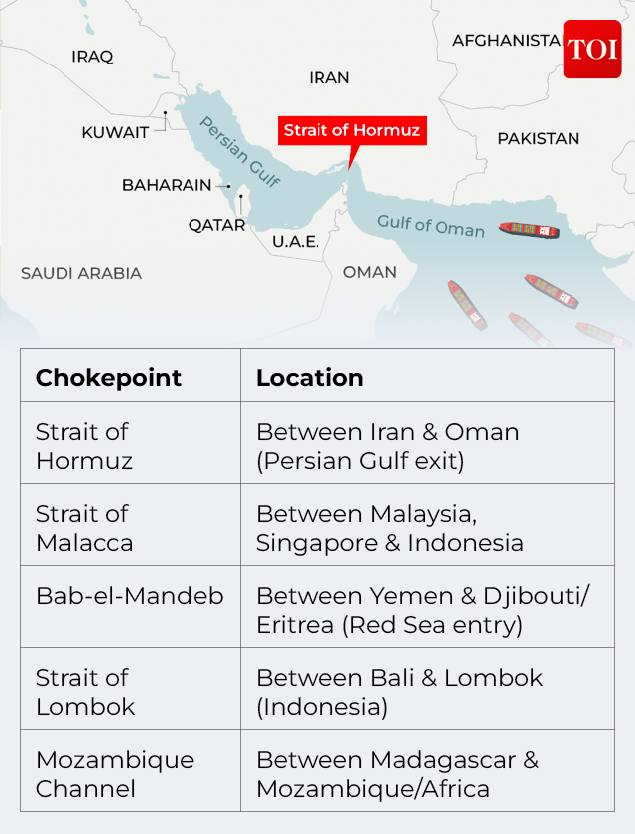
Major chokepoints

The ongoing tensions have done exactly that, forcing India to confront a reality it has long managed but rarely foregrounded.Its growth, its energy security and its strategic autonomy are all tied to sea lanes that run through some of the most volatile regions on the Earth.A narrow strait that powers a giant economyThe Strait of Hormuz is not just another maritime passage. It is the artery through which nearly a fifth of the world’s oil flows, and for India, its importance is even more acute. Around 80 per cent of India’s energy imports pass through this corridor, making it a single point of failure for a country that is among the world’s largest energy consumers. The recent escalation involving Iran, Israel and the United States has demonstrated how quickly this artery can constrict.
Five Pillars & Subcategories of the Sagarmala Programme5

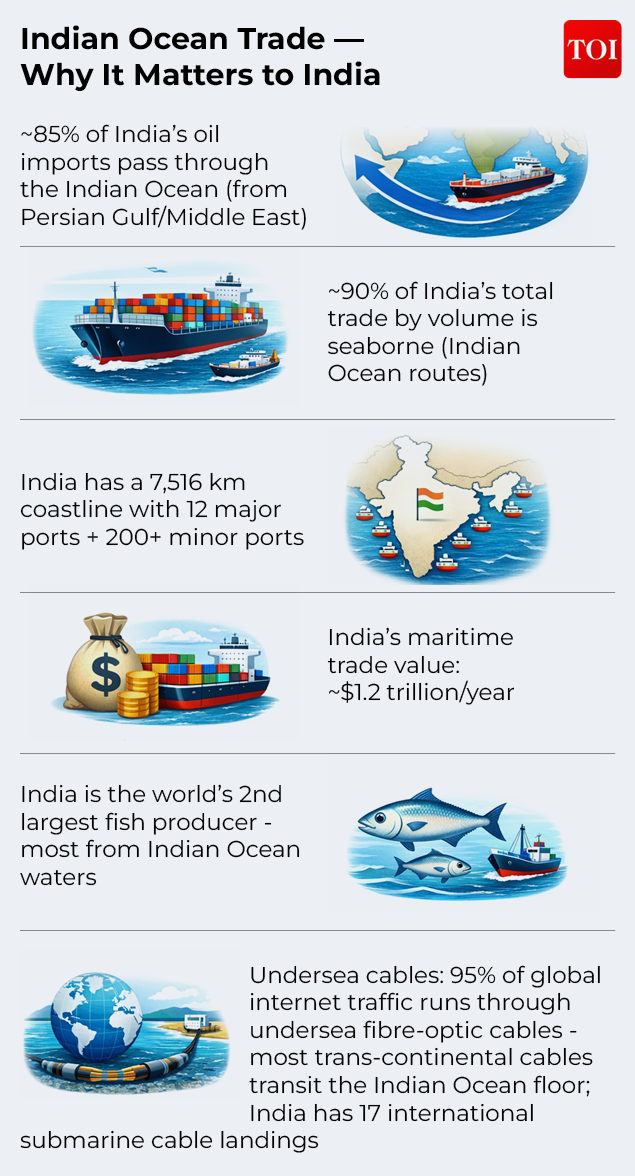
Importance of Indian ocean

Tanker traffic has slowed, vessels have been stranded and insurance costs have surged. For India, this has translated into immediate concerns over supply disruptions, rising crude prices and broader macroeconomic stress.The numbers strikingly reflect the scale of exposure. India imports more than 85 per cent of its crude oil and a significant share of its natural gas. Nearly half of that crude and over 60 per cent of LNG and LPG have historically moved through Hormuz. This is not just an energy issue but a systemic one. When oil flows are disrupted, inflation rises, the rupee weakens and industrial costs climb.Operation Sankalp and the navy’s silent watchAs tensions escalated, India responded not just through diplomacy but through deployment. Under Operation Sankalp, Indian naval warships have been maintaining a constant vigil in the Gulf region, escorting merchant vessels and ensuring safe passage through high-risk waters.At any given moment, dozens of Indian seafarers and vessels operate in and around the Persian Gulf. During the current crisis, several India-bound ships carrying crude oil and LPG were stranded or forced to alter routes. The navy’s role has been to provide a security umbrella, deterring threats ranging from missile strikes to drone attacks.The deployment of advanced warships such as INS Surat reflects a broader shift in India’s maritime posture. The navy is no longer confined to coastal defence. It is increasingly tasked with protecting sea lines of communication that stretch from the Gulf of Aden to the western Pacific.Trade rides the wavesEnergy is only one part of the story. Nearly 95 per cent of India’s trade by volume moves by sea. From crude oil and LNG to coal, fertilisers and electronics, the country’s economic lifeline is maritime.The Strait of Hormuz is central to this network, but it is not the only chokepoint. The Red Sea and the Suez Canal form another critical corridor linking India to Europe. Disruptions in these regions create a double vulnerability, forcing ships to take longer routes around the Cape of Good Hope, increasing costs and delays.
Five Pillars & Subcategories of the Sagarmala Programme8

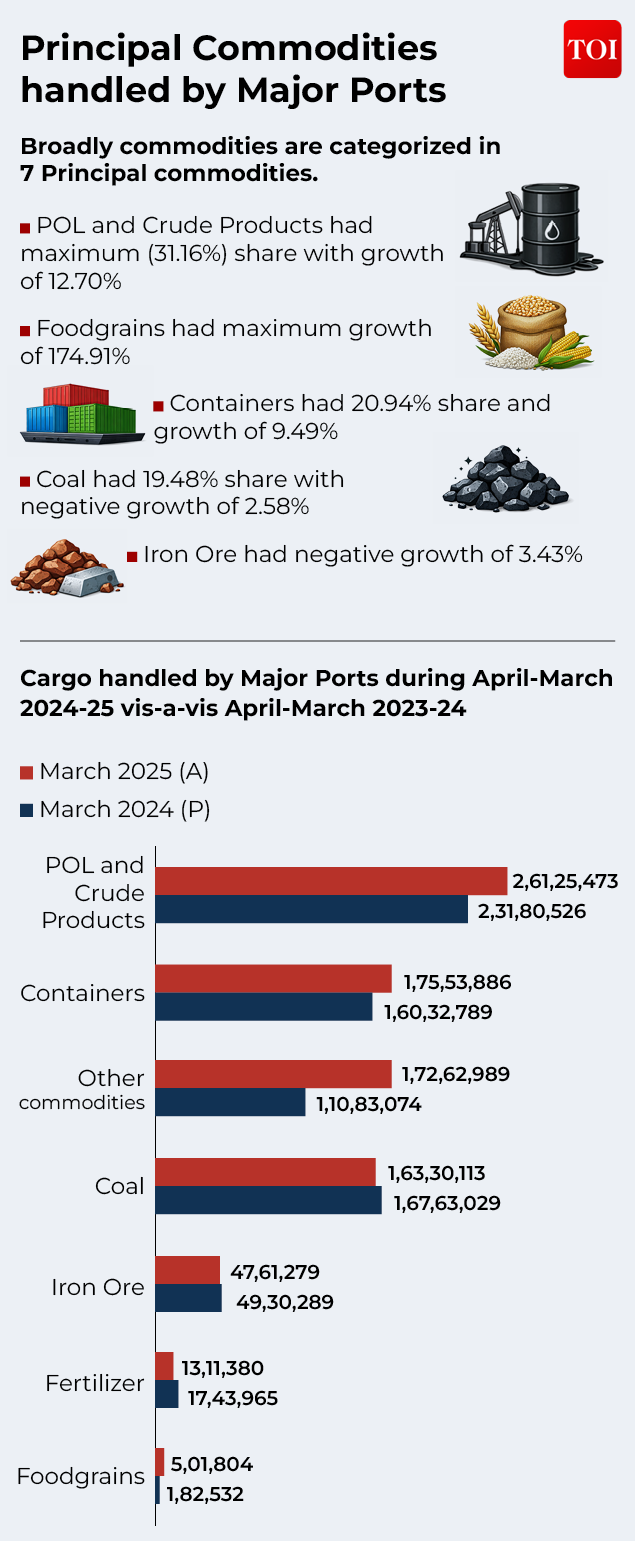
Principal commodities handled by major ports

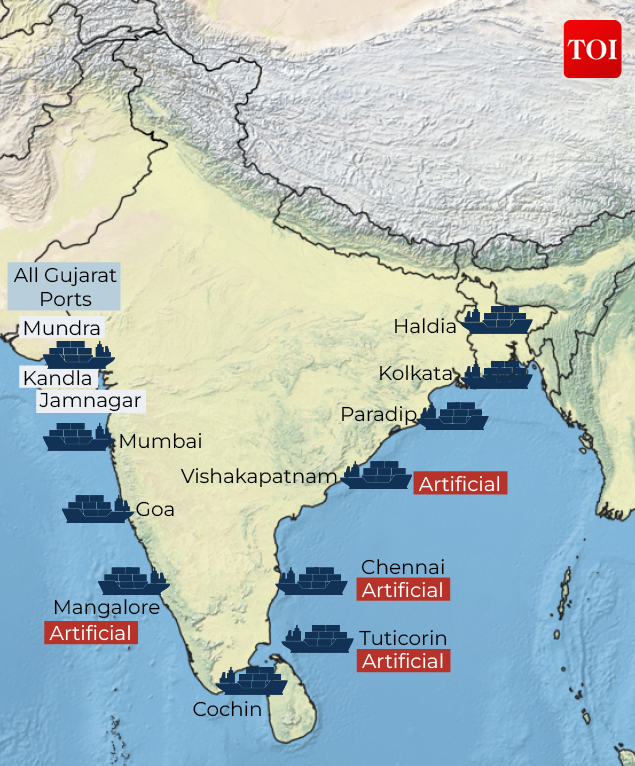
India’s trade exposure to Gulf economies is also significant. About 16 per cent of its total trade is linked to this region, making any disruption not just an energy crisis but a broader economic challenge.Ports as gateways to prosperityIndia’s coastline stretches over 7,500 kilometres and hosts a network of major and minor ports that serve as gateways to global trade. Ports such as Mumbai, Kandla, Visakhapatnam, Chennai and Kochi handle millions of tonnes of cargo every year.
Five Pillars & Subcategories of the Sagarmala Programme2

Ports in India

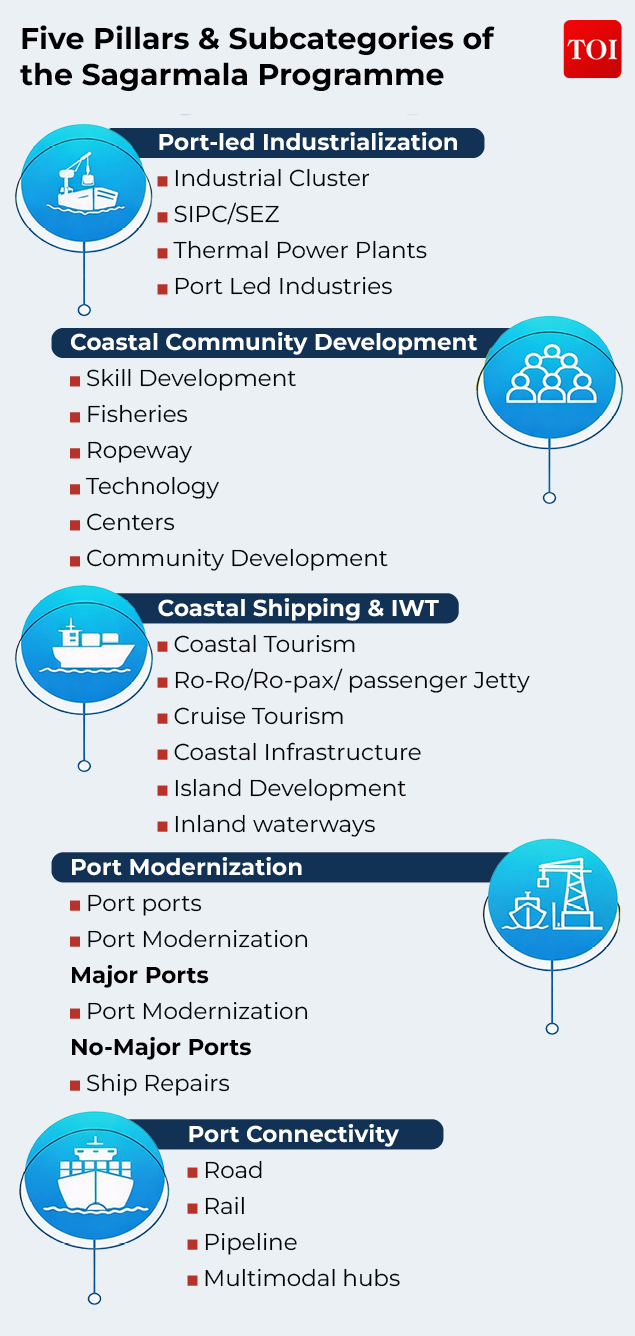
Each port has its own specialisation. Western ports like Kandla and Mumbai handle large volumes of crude oil and petroleum products due to their proximity to the Gulf. Eastern ports such as Paradip and Visakhapatnam are crucial for coal and mineral exports. Southern ports like Chennai and Tuticorin play a key role in container traffic and industrial goods.The principal commodities moving through these ports reflect the structure of India’s economy. Crude oil, LNG, coal, iron ore, fertilisers and containerised goods dominate the cargo mix. This heavy reliance on imported energy and raw materials further amplifies the importance of secure maritime routes.Government initiatives such as Sagarmala aim to modernise ports, improve connectivity and reduce logistics costs. While these efforts enhance efficiency, they do not eliminate the risks posed by external chokepoints like Hormuz.
Five Pillars & Subcategories of the Sagarmala Programme

Sagarmala Programme

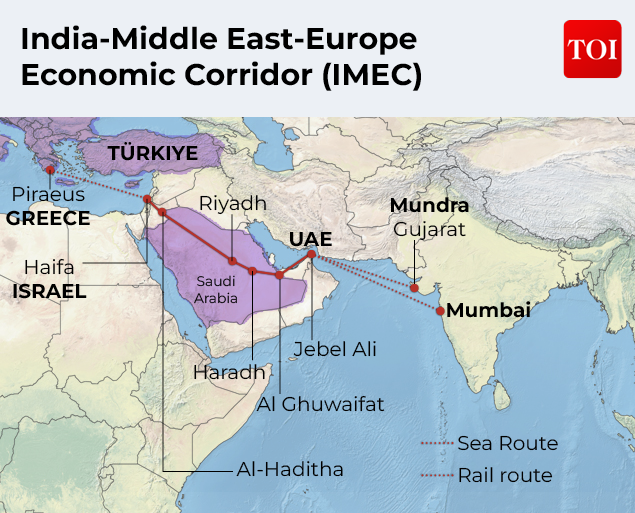
The IMEC factor and the search for alternativesThe India-Middle-East-Europe Corridor (IMEC) has emerged as a strategic response to some of these vulnerabilities. By combining maritime and overland routes, it aims to create an alternative pathway linking India to Europe through the Middle East.The corridor is significant not just for trade but for geopolitics. It reduces dependence on traditional routes and offers a framework for deeper economic integration with Gulf and European partners. However, it is not a complete substitute for existing sea lanes. Maritime routes will continue to dominate due to their scale and cost efficiency.
Five Pillars & Subcategories of the Sagarmala Programme3

IMEC

What IMEC does offer is redundancy. In a world where chokepoints can be disrupted by conflict, having multiple pathways becomes a strategic necessity rather than a luxury.A legacy written in the wavesIndia’s maritime story did not begin with modern trade or globalisation. It stretches back thousands of years to the Harappan civilisation, where ports like Lothal served as hubs of international commerce.Archaeological evidence shows that Harappan traders navigated the Arabian Sea, exporting goods such as carnelian beads to Mesopotamia. The construction of a sophisticated dockyard at Lothal demonstrates an advanced understanding of tides and maritime engineering.Ancient texts further reinforce this legacy. The Rigveda contains references to ocean voyages and ships with multiple oars. The Arthashastra describes administrative structures for managing maritime trade, including officials responsible for overseeing navigation and taxation.Prime Minister Narendra Modi on Sunday highlighted India’s maritime heritage and lauded the contribution of those associated with the sector on National Maritime Day.In a post on X, Modi said the dedication of people linked to the maritime sector plays a vital role in strengthening the country’s economy, trade and connectivity.“On National Maritime Day, we recall India’s maritime heritage and the invaluable contribution of all those associated with this sector. Their dedication strengthens our economy, trade and connectivity,” he said.Empires that ruled the seasIndia’s maritime prowess continued through successive empires. The Mauryas maintained a structured naval administration, while the Satavahanas facilitated trade with the Roman world. Roman coins found in India testify to the scale of this exchange.The Cholas represent the high point of India’s naval power. Their fleets dominated the Bay of Bengal and extended influence into Southeast Asia, conducting expeditions that were both military and commercial. Their maritime networks connected India to China and beyond, shaping trade and cultural exchange across the region.
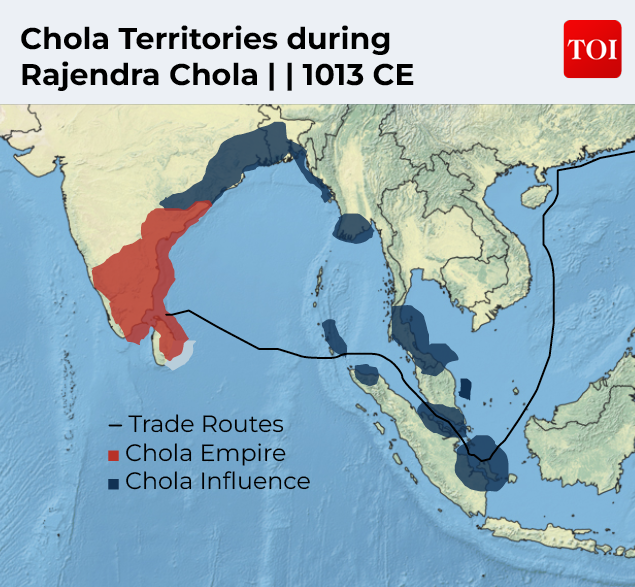
Five Pillars & Subcategories of the Sagarmala Programme4 (1)

Chola Territories during Rajendra Chola

This long history signifies a crucial point. Maritime activity has always been central to India’s economic and strategic identity. The oceans were not barriers but bridges.From decline to resurgenceIndia’s maritime power declined during the colonial period, as European powers established control over sea routes. Indigenous shipbuilding and naval capabilities were gradually eroded, and India became dependent on foreign-controlled maritime systems.The post-independence period marked a slow but steady resurgence. The Indian Navy evolved into a modern force capable of operating across the Indian Ocean. Anti-piracy missions in the Gulf of Aden and humanitarian operations have reinforced its role as a net security provider in the region.Today, initiatives such as SAGAR and MAHASAGAR reflect a broader strategic vision. They emphasise security, cooperation and sustainable development across the Indian Ocean region, positioning India as a key maritime actor.The new age of maritime riskThe Hormuz crisis has highlighted a fundamental shift in the nature of maritime threats. Unlike piracy, which involves non-state actors, the current risks stem from state-level conflicts involving advanced weaponry such as missiles and drones.This changes the calculus of maritime security. Protecting sea lanes now requires not just naval presence but also intelligence, coordination and international cooperation. It also demands integration with economic and diplomatic strategies.India’s response has already begun to reflect this shift. Enhanced monitoring systems, regulatory measures and multi-agency coordination have been put in place to manage the crisis.Building resilience in uncertain watersThe immediate response to the Hormuz disruption has been diversification. India has expanded its pool of energy suppliers, reducing reliance on a single region. This is a necessary but not sufficient step.Long-term resilience requires a broader strategy. Expanding strategic petroleum reserves can provide a buffer against short-term disruptions. Investing in alternative routes and infrastructure can reduce dependence on chokepoints. Strengthening naval capabilities can enhance the ability to secure sea lanes.Equally important is integrating maritime considerations into economic planning. Energy security, trade policy and foreign relations must all account for the risks associated with maritime routes.National Maritime Day is often seen as a celebration of India’s seafaring heritage. This year, it carries a more urgent message. The seas that have enabled India’s rise are also its most significant vulnerability.The Hormuz crisis is not an isolated event but a glimpse into a future where maritime disruptions may become more frequent. In such a world, the security of sea lanes is not just a naval concern but a national priority.India’s journey from the docks of Lothal to the modern ports of Mumbai and Visakhapatnam reflects a continuity of maritime engagement. The challenge now is to adapt that legacy to a new era of uncertainty.When the oceans are secure, India’s economy flows smoothly. When they are disrupted, the consequences ripple across every sector.In the end, the story of India’s maritime lifeline is not just about ships and routes. It is about resilience, strategy and the ability to navigate a world where the calmest waters can suddenly turn turbulent.

Source link

Bangladesh cricket in turmoil: Four directors resign in one day, BCB chief says he will ‘go last’ cricket news

Bangladesh cricket in turmoil: Four directors resign in one day, BCB chief says he will 'go last'
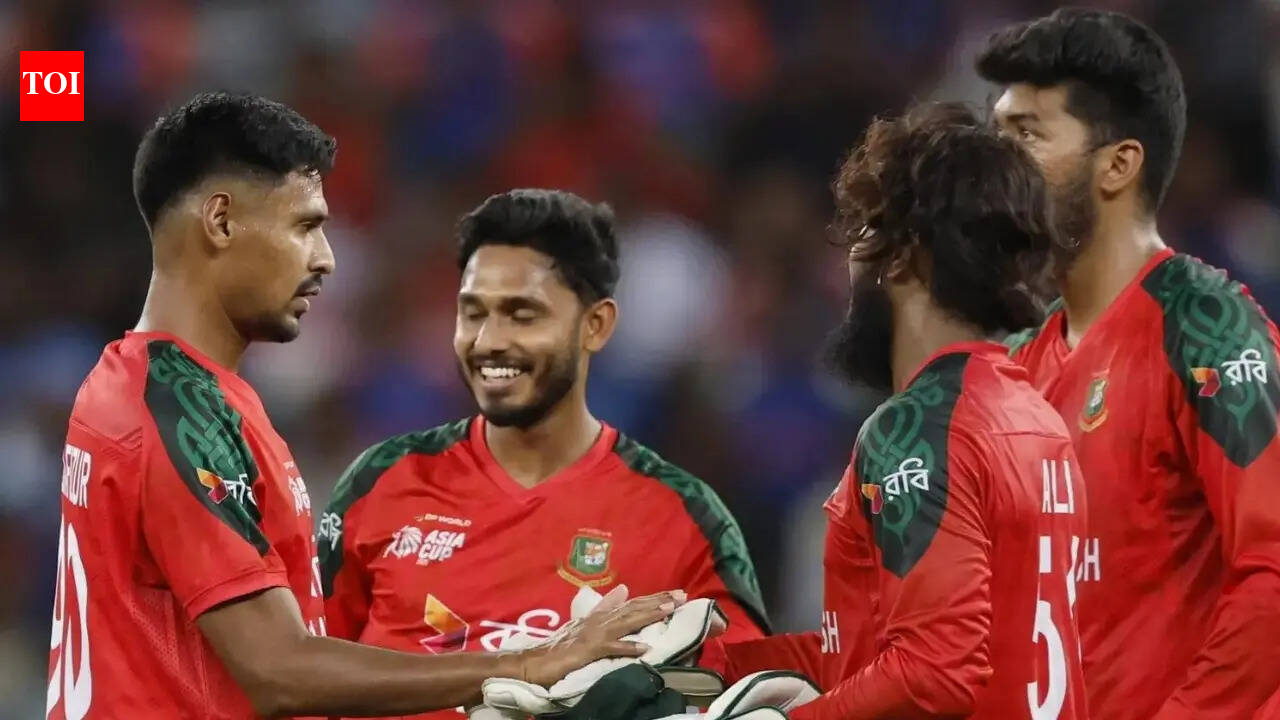
Bangladesh cricket team players

The crisis within the Bangladesh Cricket Board has deepened, with several people resigning from the board even before completing six months in office, raising questions over its stability.Seven of the 25 directors have already resigned, including four who resigned after Saturday’s board meeting. The exit has increased uncertainty over the future of the current administration.

Watch

Stephen Fleming on CSK’s improvement, bowling pressure and impact player rule

Despite the situation, BCB President aminul islam Said on Sunday that he would not step down. His comments came as the investigation into alleged malpractices and abuse of power in last year’s elections submitted its report to the Bangladesh government.The board is facing pressure from the Sports Ministry, which has raised questions over the validity of the election, Bangladesh’s absence from the T20 World Cup co-hosted by India and Sri Lanka and allegations of political interference and favoritism within the BCB.The four directors who resigned on April 4 are Saniyan Tanim, Mehrab Alam, Faiyazur Rahman and Manjurul Alam.“I will sit in my chair, what else can I do? I will be the last one to go,” Aminul told Jamuna TV on Saturday, as quoted by ESPN Cricinfo. “I have a very good, dedicated and honest team [in the BCB]. I want to serve Bangladesh cricket with this team.”“No one is indispensable. I was alone.” [Bangladeshi] To work in ICC. I am not saying that I am a big person, but I am sitting here because of my experience. I left everything to come here to support my country. If it is no longer mine then I will look for another way. But I want to support my country.”“Our team (board of directors) is good and they are dedicated and honest so I want to work with this team and serve Bangladesh cricket,” he said. “We could not work with freedom even for a day because an external force was always troubling us and is still troubling us. Our cricket is stagnant and I have said many times that an external force is troubling us and because of that the pace of our cricket has slowed down.”Aminul said he could not appear before the inquiry committee due to schedule conflicts and instead submitted a written reply.“I did not face the committee. I was busy with two different meetings, so the dates clashed with their schedule for me. I gave them my response in writing,” he said, adding, “I was not involved in anything [in the board elections]. I was involved in an area which is now under investigation. I will not go into details, but I can say that as per our constitution, an ad-hoc committee runs the district sports organization. It is clearly stated that the name [of councillors] “Must come from within the ad-hoc committee.”“When only three names came from within those ad-hoc committees, we were forced to rewrite them. We said please send names from within your ad-hoc committee. It’s the only thing I was involved in,” he said.Aminul was appointed BCB president in May 2025 after replacing Farooq Ahmed as a government-backed director on the board. He later contested elections in October and was elected President.Former Bangladesh captain Tamim Iqbal had alleged misconduct and abuse of power against Aminul and withdrew from the election race.

Source link