Breaking News
Industry veteran joins the board of ETAuto


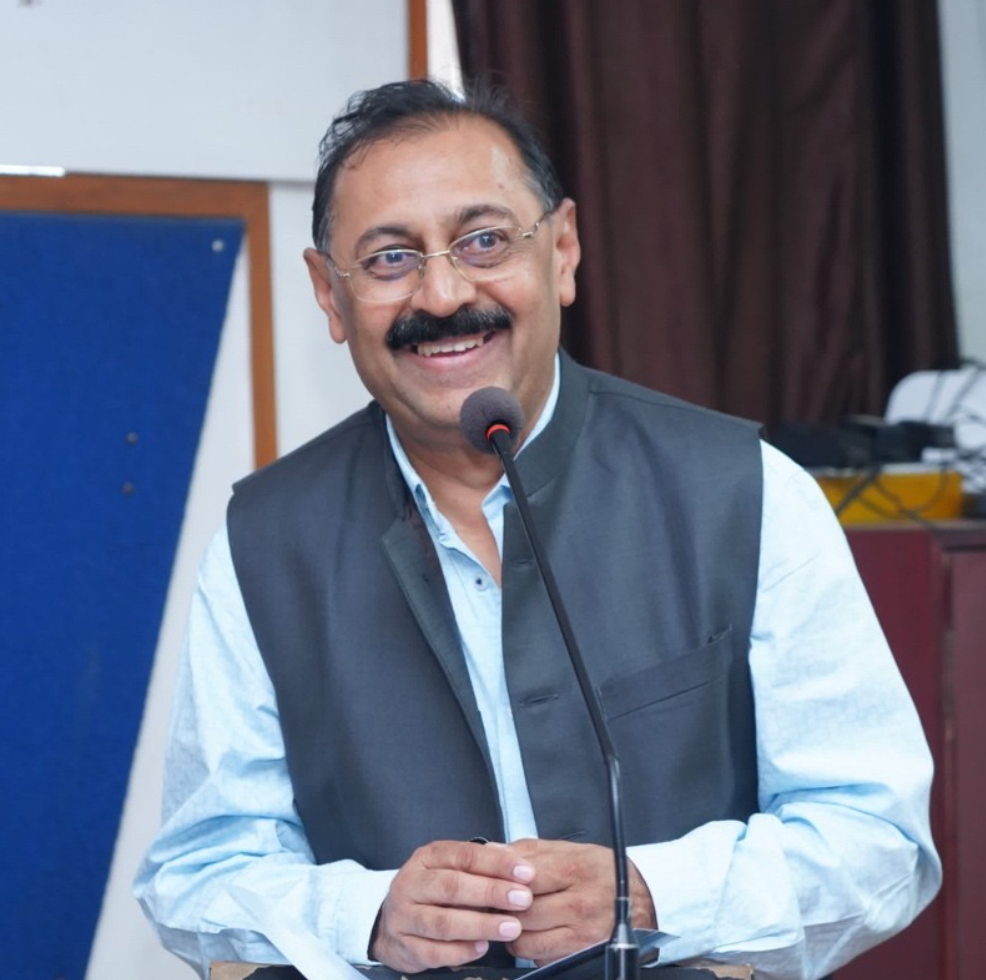
<p>KC Vora</p>
<p>“/><figcaption class=KC Vora

Atul Auto has appointed KC Vora as Designated Additional Director as Non-Executive independent director on its board, with effect from March 15, 2026.

The company’s board approved the appointment at its meeting held on March 14 following the recommendation of the nomination and remuneration committee, the company said in a regulatory filing. The term of appointment will be for three years subject to shareholder approval as per regulatory requirements.

Vora is currently working as Program Director – Automotive Center of Excellence at NAMTECH, IIT Gandhinagar Research Park. He has over 40 years of experience Automotive industry And the world of education.

During his career, he has worked with organizations including Walchandnagar Industries, Emitech, Mahindra & Mahindra and Automotive Research Association of India (ARAI). He retired from ARAI in 2021 as Senior Deputy Director and Head of ARAI Academy.

Additionally, Vora is an advisor to the Automotive Skills Development Council and chairs its expert group on electric vehicles. He has written more than 120 technical papers, authored four books and holds four patents related to Automotive Engineering and Technology.

Vora holds a bachelor’s degree, master’s degree in mechanical engineering from Birla Vishwakarma College. Automotive Engineering from Veermata Jijabai Institute of Technology, and a PhD from the Indian Institute of Technology Bombay.

  • Published on March 15, 2026 at 05:35 PM IST

Join a community of 2M+ industry professionals.

Subscribe to the newsletter to get the latest information and analysis delivered to your inbox.

Everything about the ETAuto industry straight to your smartphone!


Source link

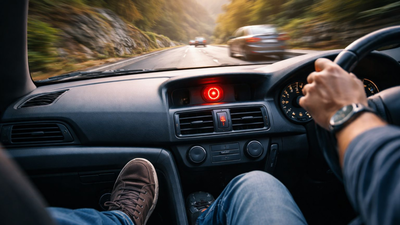
Car Brake Failure: Quick Action That Could Save Your Life

Car Brake Failure: Quick Action That Could Save Your Life

Brake failure is rare in modern cars, but can be caused by issues such as brake fluid leaks, overheating components or worn brake pads, which can reduce braking performance and, in extreme cases, lead to a complete loss of stopping power. Most vehicles are equipped with braking systems designed to provide consistent stopping capability in a variety of driving conditions. Technologies such as anti-lock braking systems and electronic brake distribution have improved overall safety. However, if braking components are not checked or replaced at the recommended intervals they can wear out over time.Factors such as poor maintenance, frequent heavy braking, or low brake fluid levels can affect system performance. In some cases, drivers may notice early warning signs before the problem progresses, including a soft brake pedal, long stopping distance, or unusual noises. Although the likelihood of complete brake failure remains low, the consequences can be serious if drivers are unprepared. Panic reactions can worsen the situation, especially at high speeds or in heavy traffic, where sudden movements can increase the risk of losing control. In such situations, remaining calm and taking controlled steps can help slow the vehicle and stop it safely.keep calm and maintain controlThe first thing drivers who experience brake failure should do is remain calm and maintain control of the steering. Jitters can cause sudden movements that may cause the vehicle to lose stability. Holding the steering wheel firmly and scanning the road ahead can help identify a safe route to take at a slower speed. Sudden turns or sudden lane changes should be avoided unless necessary.

Mercedes-Benz CLA Electric India plans: A conversation with Santosh Iyer | TOI Auto

pump the brake pedalIf the brakes stop responding, pressing the brake pedal repeatedly may help restore braking force. It can operate in situations where hydraulic pressure is temporarily lost. Pumping the pedal firmly several times may restore some braking response, especially if the problem is caused by air in the brake lines or a drop in brake fluid pressure.Downshift to reduce speed.Engine braking can help reduce speed if the braking system fails. Drivers of manual cars should gradually switch to a lower gear so the engine can help slow the vehicle. In automatic cars, selecting a lower gear such as “L”, “2” or “1” can serve the same purpose. Avoid shifting too quickly into a very low gear at high speed as this may cause the vehicle to jerk or lose traction.Use the handbrake slowly.The parking brake can help slow the vehicle if the main brake fails, but it must be applied carefully. Slowly pulling the handbrake while holding down the release button allows the driver to control the braking force and prevent the rear wheels from locking. Sudden use of the handbrake may cause the vehicle to skid, especially at high speeds.Use road resistance to slow down.Natural resistance can also help reduce speed. If available, driving slightly uphill may slow the vehicle. Allowing the car to go over surfaces with greater resistance such as gravel or grass can also help reduce speed, provided this can be done safely. And as soon as they realize that the brakes are not working properly, they also turn on the hazard lights. This alerts nearby vehicles and allows others to maintain distance. Use of the horn can also help warn nearby motorists or pedestrians, especially near intersections or busy roads.Do not stop the engine immediately.In case of brake failure, shutting down the engine should only be considered the last option. Doing so may disable the power steering, making the vehicle difficult to control. In vehicles with push-button start systems, turning off the engine while moving may also affect some functions. It is generally safe to keep the engine running while concentrating on slowing the vehicle.Regular maintenance can reduce the risk.Regular maintenance plays an important role in reducing the risk of brake failure. Drivers must follow service schedules and ensure that the braking system is inspected regularly. Checking brake fluid levels, replacing worn brake pads, and inspecting brake discs can help maintain proper braking performance. Leaks in the braking system should also be addressed immediately. Drivers should also pay attention to warning signs such as squealing noises, vibration when braking or a soft brake pedal, which may indicate developing problems.Prepared drivers can respond betterBrake failure is rare but can have serious consequences if drivers are unprepared. Responding calmly and using methods such as engine braking, gradually applying the handbrake, and controlled steering can help slow the vehicle safely. Awareness of these steps and proper vehicle maintenance can reduce the risk of accidents in such situations.

Source link

Can isobutanol solve the mystery of dirty diesel emissions?

The automotive industry’s quest to decarbonize heavy-duty trucking continually hits a wall: the stubborn efficiency of diesel engines. While light-duty vehicles are moving toward electrification, the weight and range requirements of 19-ton trucks and long-haul freight traffic make batteries a difficult sell. Amid this struggle, isobutanol, a higher-order alcohol, is being welcomed by industry insiders as a diesel-blend alternative that can bridge the gap, yet it is conspicuously absent from commercial markets.

Isobutanol is produced using the same organic feedstocks as ethanol, rather than being a derivative of ethanol. These include grains, especially maize or broken rice. Industry experts have proposed using sugarcane molasses-based feedstock for pilot isobutanol plants to utilize excess byproducts of the sugar industry.

This development seems important in view of the diesel blending programme. The initiative, governed by India’s National Policy on Biofuels (NPB), was originally established in 2018 and later revised to 2022. Its primary objective is to reduce the country’s heavy dependence on imported crude oil and reduce emissions in the heavy duty transportation sector. The program has set an indicative target of achieving 5% biodiesel blending in diesel by 2030. However, unlike the ethanol blending program for gasoline, which reached its 20% goal ahead of schedule, the biodiesel program has struggled. The current admixture level is estimated at only 1% to 2%. The target has often been missed due to infrastructure and feedstock challenges, which include unused cooking oils, non-edible oilseeds and fats, oils and greases.

The India Energy Week 2026 held recently in Goa witnessed an intense debate on issues related to isobutanol adoption.

emission engine

Unlike ethanol, which is primarily blended into gasoline, isobutanol offers a chemical profile much closer to petroleum diesel. Recent tests show that when mixed with an emulsifier, isobutanol can significantly reduce emissions in heavy engines as well as increase fuel efficiency. This makes it a prime candidate for a “drop-in” fuel, which does not require a massive overhaul of existing supply chains.

However, the path from test to tank is full of obstacles. Bharti Balaji, director of All India Distillers Association (AIDA), says that although the potential is high, the market is still in its infancy. “Apparently, if you mix isobutanol with the emulsifier… there is a huge reduction in emissions and increased engine efficiency,” Balaji said, although cautioned that “it is too early to tell” regarding commercial timelines.

Swedish paradox

The secret of isobutanol lies in its successful, yet isolated pilot model. Sweden has long served as the global laboratory for isobutanol blending, proving its technical feasibility in real-world conditions. Despite these successful northern models, there is not a single full-scale commercial isobutanol plant operating globally.

This lack of scale is often attributed to the “wait and see” approach of both governments and investors. While the technology has been proven in the laboratory and pilot stages, making the leap to a commercial-scale facility requires significant capital that has not yet been ushered in by firm orders.

Restoring the Myth

It is a common misconception that ethanol is converted to isobutanol; In fact, isobutanol cannot be made from ethanol. Instead, the production process is adjusted to produce isobutanol directly from the original raw material.

A central debate within the automotive fuel sector is whether existing ethanol distilleries, often called 1G plants (first generation refineries that process corn or sugarcane), can be converted to produce isobutanol. Skeptics have called this a myth, citing fundamental biochemical differences between ethanol and isobutanol fermentation.

However, the reality may be in a mixed approach. Some energy majors are exploring the possibility of retrofitting existing 1G facilities to produce both products simultaneously. Anshul Gupta, senior manager, BPCL, highlighted that his teams have found that “if the 1G plant can be retrofitted correctly… one tonne of feed can potentially produce some percentage of ethanol and some percentage [isobutanol]This dual-track production could solve the problem by using the same feedstock to target both gasoline and diesel markets.

BPCL has been working on isobutanol for the last two years. He recently conducted successful three-month trials using isobutanol in stationary engines (specifically referring to Cummins engines), which yielded clear results. To further prove the feasibility of the fuel, BPCL has partnered with IIT and IIP (Indian Institute of Petroleum) for data validation. They are committing significant funding to test the fuel in 33 different types of vehicles in India to monitor performance and blend stability. However, while technological advances are being made, oil marketing companies (OMCs) like BPCL cannot blend isobutanol more than certain limits without a government order.

Even if the production issues are resolved, the automotive industry faces a “chicken-and-egg” scenario. Manufacturers are hesitant to mass produce isobutanol-compatible engines without a guaranteed fuel supply, while fuel producers will not mass produce without confirmed demand. Without the mandate of oil marketing companies to ensure availability of fuel at the point of consumption, even market-ready technologies remain idle.

Support for research and piloting on the cards?

The Government of India has indicated to the industry that if they can demonstrate the technical and commercial feasibility of producing isobutanol through minor modifications and investment in existing ethanol plants, a formal policy framework, including possible subsidies, will be pursued. The International Energy Agency (IEA) has recommended that India provide financial support for continued research, testing and piloting of isobutanol to help meet diesel blending targets.

Although not yet specific to isobutanol, several existing plans for the ethanol industry are viewed as potential mediums for isobutanol production. The scheme for increasing ethanol distillation capacity provides interest subvention (6% per annum or 50% of the bank rate) for retrofitting of existing facilities. Since isobutanol can be produced by retrofitting first generation (1G) ethanol plants, industry leaders are exploring it as a way to produce both fuels simultaneously.

Similarly, the Pradhan Mantri G-One Yojana program provides financial assistance for demonstration-scale and commercial-scale projects for new ethanol production pathways. Industry discussions suggest that higher-order alcohols such as isobutanol could eventually fall under such innovation-focused funding if they leverage similar feedstock and supply chains.

way forward

The future of isobutanol as a diesel saver depends on the delicate trifecta of regulatory certainty, technological intelligence and infrastructure scaling. While successful pilots in Sweden and emerging retrofitting concepts in India suggest that the problems surrounding isobutanol production are gradually being eliminated, the lack of a commercial scale plant remains a glaring void in the green energy transition.

For the automotive industry, isobutanol offers a rare opportunity to clean the dirtiest areas of transportation without leaving the internal combustion engine. However, unless governments provide the stringent mandates needed to unlock project financing, isobutanol will likely remain a phantom in the fuel tank – a high-capacity solution that everyone talks about, but no one can buy.

Source link

Bike registrations in Mumbai still to reach pre-Covid levels, ETAuto


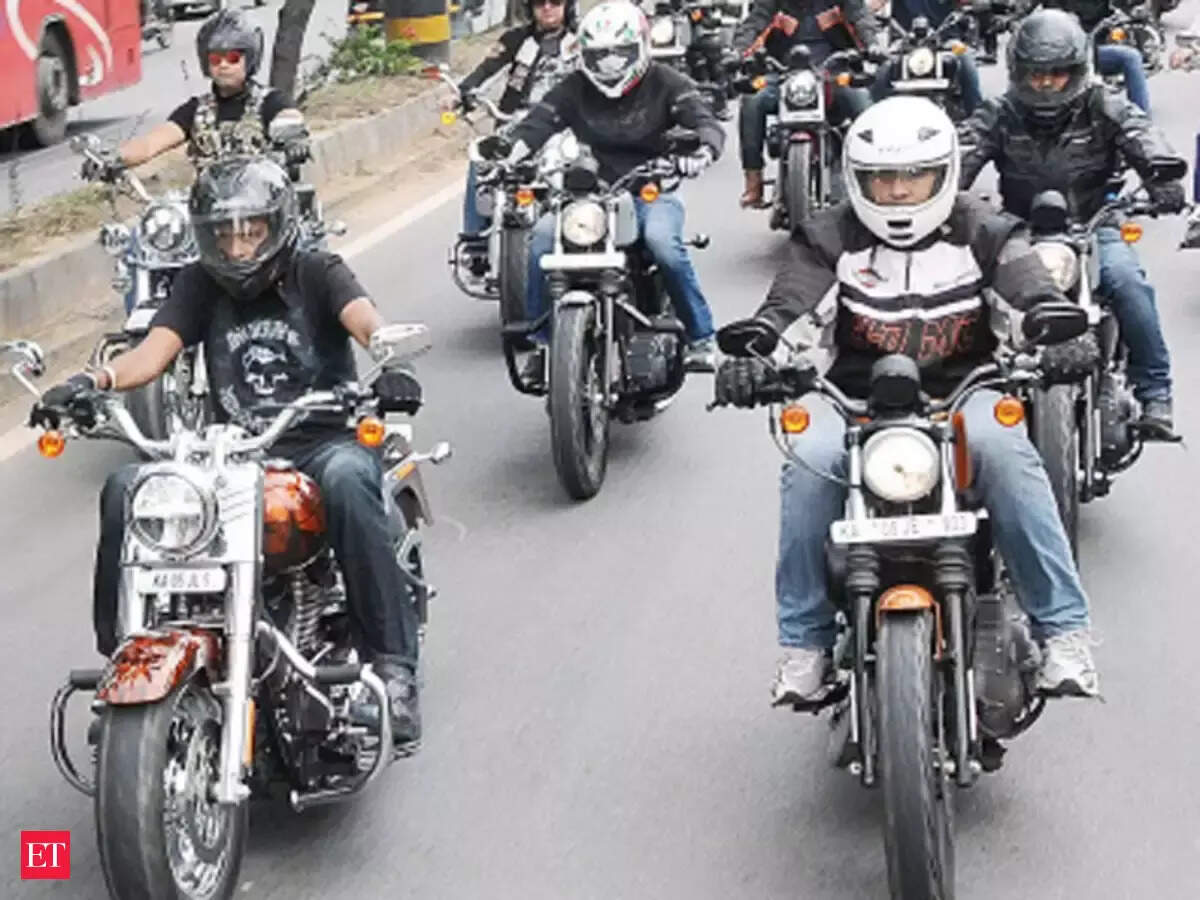
<p>Experts said that between 2017 and 2019, there was no proper public transport service, due to which many citizens bought two-wheelers for short distance travel or from home to the railway station and back.</p>
<p>“/><figcaption class=Experts said that between 2017 and 2019, there was no proper public transport service, due to which many citizens bought two-wheelers for short distance travel or from home to the railway station and back.

Mumbai: It’s been almost three years since the pandemic hit and then subsided, but annual bike registration numbers in the city remain behind pre-Covid levels and have not returned to “normalcy”, the latest shows. Transport Department statistics. In contrast, private car registration numbers in 2022 are 37 per cent higher than the pre-Covid year of 2019.

Bike registration numbers were higher between 2017 and 2019 when the city’s public transport was considered “inadequate and unaffordable”. However, the latest bike registration figures for 2022 show that they are 12 per cent lower than the pre-Covid year of 2019 and 22 per cent lower than annual registrations in 2018.

Experts said that between 2017 and 2019, there was no proper public transport service, due to which many citizens bought two-wheelers for short distance travel or from home to the railway station and back.

Experts said with BEST reducing the fare for 5 km to Rs 6 for AC buses since mid-2019 and the introduction of several AC feeders and shorter routes in the last few years, there has been no significant increase in bike registrations in the city. Besides, people have started moving out of their homes since last year and traveling by trains, taxis, autorickshaws and buses and do not need bikes, some experts said.

From AV Shenoy Mumbai Mobility Forum said, “There are two possible reasons why the two-wheeler population has touched pre-Covid levels. First, public transport, especially BEST bus services, has improved a lot across the city. The 2019 decision by then BMC Commissioner Praveen Pardeshi to cut bus fares and make it affordable for the common man has played a significant role in many people switching to BEST. The daily ridership has increased to 36 lakh compared to pre-Covid 32 lakh.”

Shenoy further said that the common man’s mode of transport is scooter or bike, which are seen in large numbers outside SRA flats, chawls and slums. “If they get affordable public transport, they would not like to buy more two-wheelers for themselves or for family transportation,” Shenoy said.

Shenoy said, the second major reason was that people were hit economically during Covid and it affected the purchasing power of the lower class and middle class, where a large section buys two-wheelers.

Retired senior transport officer KT Golani said many citizens prefer to switch to electric two-wheelers and there are some low-end categories where registration of vehicles is not required. “So possibly, there are two-wheelers that are sold but not registered and that has no impact on Transport Department statisticsGolani said.

rto However, sources said the bike with an electric motor whose power is less than 250W and a maximum speed of 25 kmph will not be a big seller. As for registered electric bikeMumbai has more than 15,000 so far and are included in the transport statistics every year.

A two-wheeler dealer from the eastern suburbs said sales of scooters and motorcycles are usually higher during Ganeshotsav, Dussehra, Diwali, Akshaya Tritiya, Gudi Padwa and other festivals. “Though there were not significant sales in some months in the last two years, sales during the festive season were always high,” he said.

One rto The official said the annual bike registration number was about 20,000 less in 2022 compared to the pre-Covid level of 2019.

Also read:

Nashik RTO records 19% increase in vehicle registrations in 2022

Senior RTO officials said the revenue earned by Nashik RTO from vehicle registration last year was more than Rs 299.9 crore. RTO had earned revenue of Rs 224.9 crore in 2021

Vehicle registrations up 45% this year, surpassing pre-Covid levels in Pune

According to the latest data from the Regional Transport Office, vehicle registrations in Pune increased by 45% in 2022 compared to the previous year. Registrations also surpassed 2019’s pre-pandemic level.

  • Published on February 12, 2023 at 01:51 PM IST

Join a community of 2M+ industry professionals.

Subscribe to the newsletter to get the latest information and analysis delivered to your inbox.

Everything about the ETAuto industry straight to your smartphone!


Source link

Two-wheelers lead 35% growth, says ETAuto


<p>During the month, PV sales reached 4,17,705 units, showing a growth of 10.6 per cent compared to February 2025, where it stood at 3,77,689 units.</p>
<p>“/><figcaption class=During the month, PV sales reached 4,17,705 units, showing a growth of 10.6 per cent compared to February 2025, where it stood at 3,77,689 units.

society of Indian automobile manufacturers (Siam) on Friday reported a historic performance for the month of February 2026, with the industry achieving its “highest ever” sales for the month led by two-wheelers (2W), passenger vehicles (PV) and three-wheelers (3W).

As per the latest data released, the domestic automotive market witnessed double digit growth across all major segments compared to last year. The 2W segment led the way with a massive growth of 35.2 per cent, with a total of 18,71,406 units sold as against 13,84,605 ​​units in the same period last year.

Within this category, scooters witnessed a notable growth of 42.3 per cent with 7,29,774 units, while motorcycles witnessed a growth of 30.8 per cent with 10,96,537 units.

During the month, PV sales reached 4,17,705 units, showing a growth of 10.6 per cent compared to February 2025, where it stood at 3,77,689 units. While on the 3W front, it saw a strong growth of 29.0 percent, with sales at 74,573 units compared to 57,788 units in the same period in 2025. Passenger carriers within this segment grew by more than 30 percent with 60,013 units.

PV data excludes some luxury brands (BMW, Mercedes, JLR, Volvo) for which data was not available. Siam.

industry outlook

SIAM Director General Rajesh Menon attributed the performance to “positive sentiments” within the industry. However, he cautioned that although festive drivers are expected to benefit in March, the horizon is not entirely clear. The industry is currently monitoring the conflict in West Asia, which poses a potential threat to global supply chains.

SIAM warned that these geopolitical developments could ultimately impact both manufacturing processes and export capabilities. Highlighting the delicate balance between strong domestic demand and external risks, Menon said the industry will keep a close eye on emerging geopolitical developments.

  • Published on March 13, 2026 at 12:10 pm IST

Join a community of 2M+ industry professionals.

Subscribe to the newsletter to get the latest information and analysis delivered to your inbox.

Everything about the ETAuto industry straight to your smartphone!


Source link

Cheap automatic variants of Kia Sonet available: price, details

Cheap automatic variants of Kia Sonet available: price, details

Kia India has expanded the automatic gearbox options on the Kia Sonet by introducing more affordable variants in its lineup. With the update, buyers can now opt for an automatic transmission from the lower trims, making the Sonet one of the most accessible automatic SUVs in its segment.On the diesel front, the Sonet now gets a new HTE(O) variant with a 6-speed torque converter automatic gearbox, priced at Rs 9.77 lakh, ex-showroom. The diesel engine is the familiar 1.5-litre unit that produces 116 hp of power and 250 Nm of torque. The diesel automatic version offers ARAI-rated fuel efficiency of 18.6 kmpl, while the manual diesel version claims 22.3 kmpl.For petrol buyers, Kia has introduced a new HTK(O) variant equipped with a 7-speed DCT, priced at Rs 9,89,900, ex-showroom. This variant is powered by a 1.0-litre turbo-petrol engine that produces 120 hp and 172 Nm of peak torque. The same gearbox is also available in the HTK+(O) trim. With this move, Sonet becomes the first model in its segment to offer a 7-speed DCT automatic transmission at a price under Rs 10 lakh.

New Kia Sonet facelift review: Buy Venue, Nexon rival or not | TOI Auto

Along with the change in variants, the company has also introduced a new ‘Magma Red’ color option for the compact SUV.The Sonet continues to be offered with three engine options. These include a 1.2-litre naturally aspirated petrol engine producing 83 hp and 115 Nm of torque, paired with a 5-speed manual gearbox. Meanwhile, the 1.0-litre turbo-petrol and 1.5-litre diesel engines are the only ones to offer automatic gearbox options.Currently, the Sonet is priced at Rs 7.30 lakh ex-showroom in India and it competes in the highly competitive sub-4 meter SUV segment with rivals like Mahindra XUV3XO, Hyundai Venue, Maruti Suzuki Brezza, Tata Nexon and Skoda Kailash.

Source link

Why do women-led factory floors make business sense?

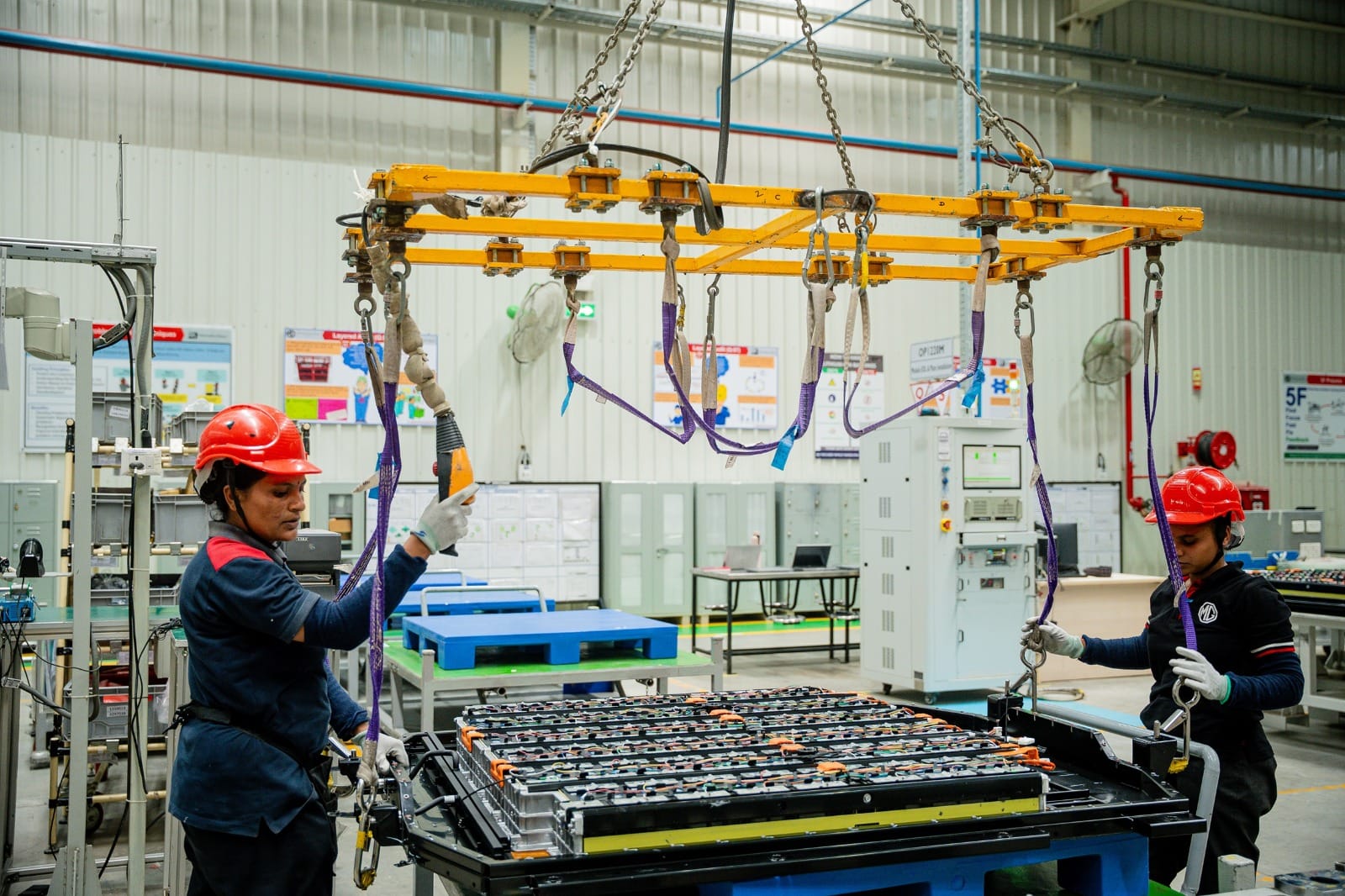
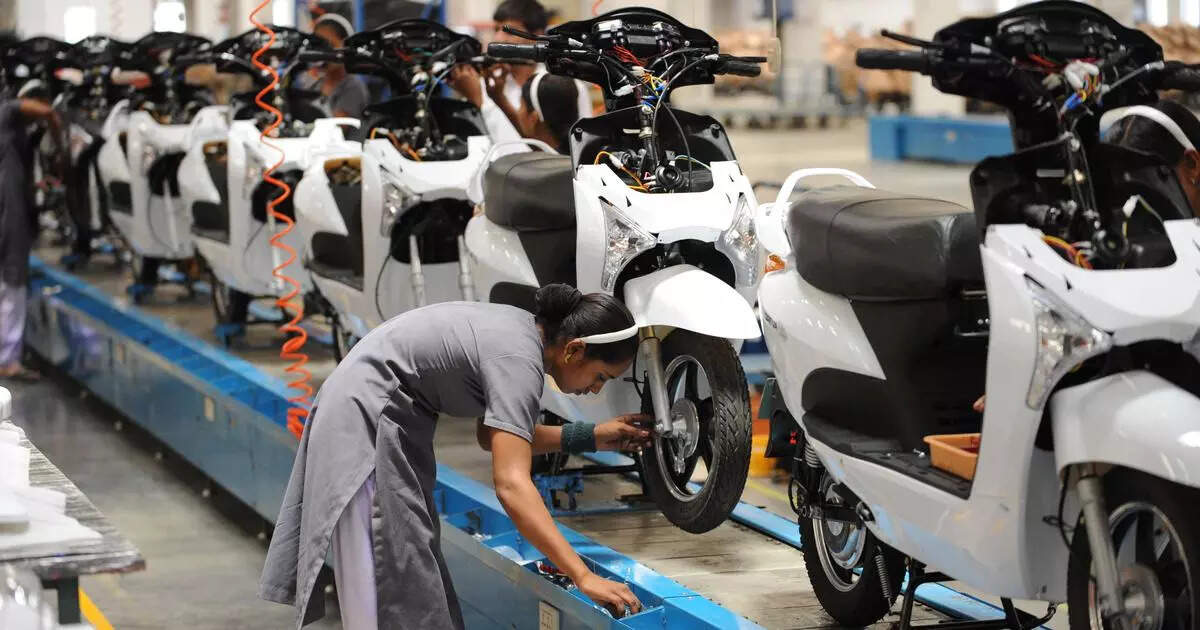
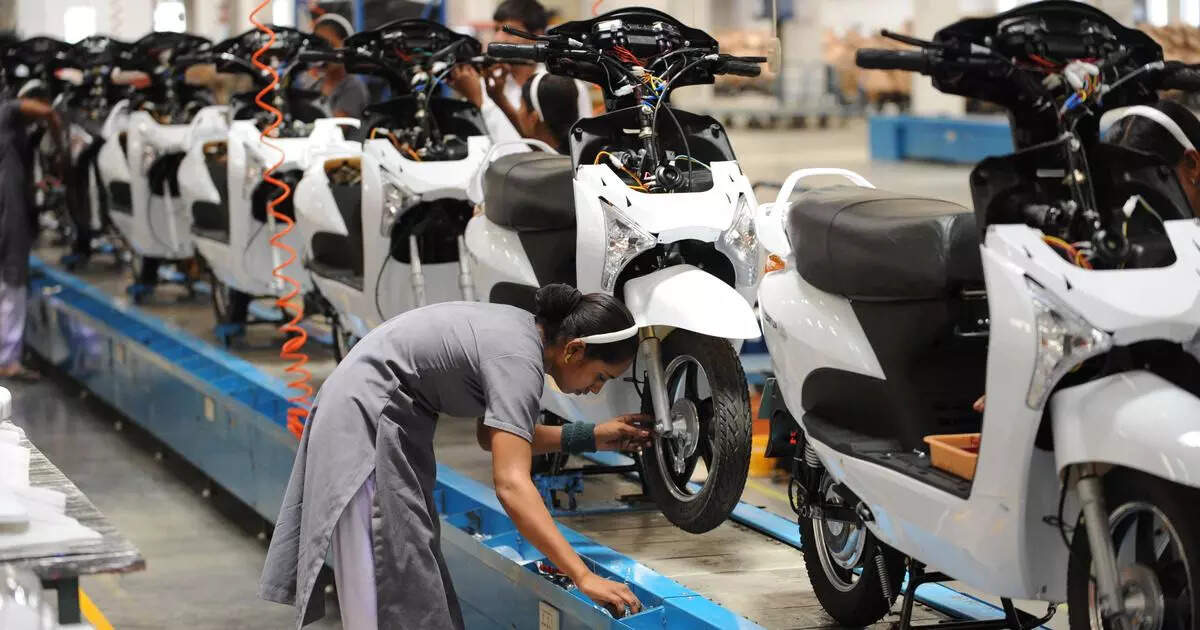
Walk into a battery assembly plant in India’s southern automotive belt today, and you’re likely to find something that would have been unusual on a car factory floor a decade ago: Most of the workers are women.

This is no coincidence, nor is it a CSR initiative. This is a result of the demand for electric vehicles.

Battery assembly, sensor calibration and electronics integration require fine motor control, constant concentration and precision. Where the internal combustion engine once valued physical strength, the EV prioritizes dexterity – and increasingly, working with robots to do what muscles once did. As automation takes over the lifting, pressing and torque-heavy tasks that previously defined the male-dominated factory floor, the work that remains is no longer gendered. Companies have followed this logic to its practical conclusion.

The results are tangible. According to estimates by TeamLease, one of India’s largest staffing firms, women constitute less than 20 percent of the workforce in heavy assembly. In component manufacturing—dashboards, instrument clusters and electronics—this share increases to between 30 and 40 percent. This gap aligns almost exactly where electrification and the automation that comes with it has advanced the most.

“Manufacturing is now moving towards precision-based quality robotics, which is really opening up a lot of opportunities for women to enter this field,” says Malvika Mathur, director of Deloitte India’s automotive practice. He argues that what the industry is experiencing is not a cultural shift but a structural one: first the nature of work changed, then the workforce.

business case

Balasubramaniam Ananth Narayanan, senior vice president of TeamLease, has spent years recruiting employees in the automotive aisles. He clearly describes the basic argument. Companies in these sectors found that women offered comparable skills, less attrition and longer tenure. He says the business case is simple.

Retention trends have a specific shape. Many women employed by firms are second-earners in their households. A small increase in a competitor’s salary is not worth risking their steady secondary income. Men, who are often the primary breadwinners, change jobs out of necessity for equal pay increases. Over time, this has resulted in female-dominated factory floors becoming more stable and cheaper to maintain.

Regulatory changes have further affected this calculation. Amendments to labor laws now allow women to work night shifts after 7 pm. “Even in your tier 3, tier 4 cities, where employers need to make adequate arrangements, that pressure is already applied,” says Mathur. Equal opportunity, combined with proper security and transportation infrastructure, provides access to labor supply that was previously unavailable in the second and third shifts.

The EV change changed this logic to an appointment template. Balasubramaniam cites battery manufacturing plants in the south as a clear example. He said factories set up to make EV batteries are predominantly or entirely run by women. This diversity is not the goal; This is a hiring decision based on productivity in a manufacturing sector that barely existed on a large scale five years ago.

a perception that the work has gone ahead

Malvika Mathur was associated with the automotive industry about fifteen years ago. “When I joined as a young intern, women were under-represented in the automotive sector,” she recalls. “Automotive is often considered a man’s field because of the physical nature of the work. Everyone thinks manufacturing involves heavy lifting.”

This perception is now fundamentally different from the current state of the industry.

Change matters because perception shapes the pipeline. For years, women avoided automotive manufacturing, not because they couldn’t do the work, but because the image of the work discouraged them. EV manufacturing is slowly changing that image from within. A factory floor focused on circuit boards and battery modules looks different from one focused on engine blocks and drivetrains – and it works differently.

Rajat Mahajan, partner and automotive sector leader, Deloitte India, identifies visibility as the key mechanism to bridge this gap. “Over time, because of women in senior roles, they move up in the hierarchy,” he explains. “They also come from the outside and challenge the status quo, inspiring other women to look to them as role models.”

The data behind the change

Comprehensive labor market data reflects the direction of this change. The government’s periodic labor force survey published in November 2025 put the overall female labor force participation rate at 35.1 percent, up from 32.0 percent in June of the same year. The rural female rate increased sharply from 35.2 percent to 39.7 percent. Female unemployment fell from 5.4 percent in October to 4.8 percent in November.

These numbers indicate an increase in the number of female job seekers; Industries are actively integrating women into the workforce. The rural female worker population ratio increased to 38.4 per cent in November 2025, showing that factory floors and industrial corridors are contributing more to women’s paid work than the office.

India’s automotive sector contributes 7.1 percent to GDP, accounts for about 49 percent of manufacturing output, directly employs about four million people, and supports an estimated 26 million jobs across its value chain. Even small changes in gender composition translate into large absolute numbers.

The GCC layer offers another perspective. According to Mahajan, India’s automotive global capability centers—engineering and technology centers set up by major manufacturers—are seeing strong female participation in engineering, product development and software. Mathur estimates that women comprise about 43 percent of STEM enrollment in India, while Mahajan says at least 30 percent of entry-level software engineers are women.

geography of change

The change is most visible where industrial density and infrastructure converge: Tamil Nadu’s Greater Chennai manufacturing belt, the Hosur corridor on the Karnataka border, and automotive clusters in Maharashtra and Gujarat. Balasubramaniam attributes this partly to the South’s historically high female literacy rates and comparatively low stigma against women in formal employment.

Retaining women in jobs requires investment that the industry has once ignored. “Many factories do not even have separate toilets for women, and even if they do, they are not kept clean,” explains Balasubramaniam. Companies are now offering discounted transportation, food and crèche facilities. Mixed-gender security teams are also being deployed so that female workers have someone they can contact if they feel unsafe.

what the programs reveal

Industry’s investment in developing this workforce is becoming measurable through CSR disclosure. Under the Companies Act 2013, eligible companies must allocate two percent of average net profit for CSR, including professional skill development.

CSR Activities of the Indian Automobile Industry 2026, published by the Society of Indian Automobile Manufacturers, reports on the disclosures of 17 member OEMs. What emerges is less a coordinated strategy and more a series of parallel efforts – all pointing in the same direction.

Hero MotoCorp’s Project Saksham has trained 4,113 women as two-wheeler technicians and sales professionals across 21 states. Of these, 3,555 have been certified and 1,660 have been placed in jobs. The nearly 40 percent placement rate highlights both the scale of the program and the gap between training and employment.

Mahindra & Mahindra’s Project Kaabil has reached over 1.1 million women from marginalized communities. Skoda Auto Volkswagen India has upgraded five all-women ITIs in Maharashtra, adding robotics, mechatronics and paint technologies to their curriculum.

JSW MG Motor India’s Wings to Fly initiative trained women to drive, linking mobility access to employment. Mercedes-Benz India’s Catalyst program supported 100 women engineering students with over 300 hours of training and industry internships.

middle interval

The challenge now is not of entry but of retention and progress.

Balasubramaniam says women are most accessible at a specific life stage – around 18 to 25 – after they enter the workforce, but after their circumstances change before marriage. Many people plan to work for four to six years, save money, and then leave the workforce.

This model largely fills entry-level roles but does not create a sustainable career pipeline. “There are a lot of fallbacks as we climb the ladder,” says Mathur. “One thing we need to focus on is how to get young women involved – and keep them there.”

There are some exceptions also. Balasubramaniam mentions a woman who started as a trainee at a major auto plant and within five years was supervising 250 people. But such cases remain rare.

The issue is structural. The industry has invested heavily in bringing women to the entry point, but the infrastructure for this – flexible return-to-work plans, mid-career re-entry after family breakdown, and clear pathways from the shop floor to supervisory roles – is not yet standard practice.

The EV transition has changed who the industry hires. Whether this will change how far women can advance remains to be seen.

which the statistics have not yet captured

India’s November 2025 PLFS data complicates a straightforwardly optimistic narrative. While rural female labor participation has increased, urban participation has remained stagnant at around 25.5 percent.

The expansion of global capability centers and white-collar automotive roles has not yet changed the urban headline numbers. Structural changes are often visible on the factory floor long before they appear in national statistics.

The factory floors of Hosur, Sanand and Aurangabad highlight something that is long overdue in a policy debate: employer demands that precede social mandates.

The companies themselves describe the change pragmatically.

“These things are not PR stunts,” says Balasubramaniam. “There is a real business case for this.”

The gap between goodwill and productivity has been quietly made possible by the EV transition. The industry did not plan to hire more women. It decided to make a different kind of car. The task force followed the task.

Source link

Government plans to punish erring e-scooter companies ETAuto


<p>MHI is in the process of releasing subsidies to companies that have got a clean chit in these investigations and said all valid claims will be cleared by the end of the month. </p>
<p>“/><figcaption class=MHI is in the process of releasing subsidies to companies that have got a clean chit in these investigations and said all valid claims will be cleared by the end of the month.

The Center is considering measures to punish half a dozen electric scooter makers who have been found guilty of wrongly claiming subsidies under Flagship. fame ii (Rapid Adoption and Manufacturing of Electric Vehicles) Scheme.

A senior government official said barring these companies from availing government subsidies in future as well as not allowing them to avail discounts on vehicles sold in the last 15 months were some of the steps under consideration.

Last month, the government had sent recovery notices worth about Rs 500 crore to seven companies – hero electricOkinawa Autotech, Ampere EV, Revolt Motors, Benling India, Lohia Auto and AMO Mobility – required for violation of local sourcing norms fame II To claim incentives.

Lohia is a manufacturer of 3-wheeler electrics. “This (disbarment) is one of the options being considered. We will take a final decision after recovering the dues,” a senior government official said on condition of anonymity.

Ministry of Heavy Industries (MHI) – the nodal ministry for the scheme – is discussing the option with other departments of the government as it impacts investment. If a company is disqualified, it will not get incentives on future sales of electric two-wheelers under the scheme and will also have to give up incentives earned on vehicles sold in the last 15 months.

Responding to a query from ET, a spokesperson for Greaves Electric Mobility, which sells the Ampere EV, said it is working with the government to better understand their concern and has filed a detailed representation in this regard. “GeM is committed to helping realize India’s ambitions to become a world leader in the development, engineering and manufacturing of electric vehicles,” he said.

AMO Mobility said most of its customers were beneficiaries of fame will put subsidy Scheme launched by the Government of India.

“We would like to bring to your attention that AMO Mobility has only received subsidy of Rs 0.85 crore and the subsidy amount given to customers so far is approximately Rs 11 crore. “We are in discussion with the agency and the ministry to resolve our issue, even if it is minor, and support us in shifting the paradigm from conventional to electric mobility in India,” a company spokesperson said. “We would like to clarify that Okinawa has not received any official communication regarding the exemption.” In the meantime, we have actively submitted all necessary documents to the relevant ministry, demonstrating our commitment to compliance,” the Okinawa spokesperson said.

Revolt Motors and Benling India did not respond to ET’s queries on the matter till press time on Monday.

The Center had suspended subsidy distribution of Rs 1,400 crore under this fame ii The vehicle testing agencies ARAI (Automotive Research Association of India) and iCAT (International Center for Automotive Technology) are pending completion of inquiries into 13 companies on whether they have violated local sourcing norms by using components imported from China in their vehicles.

MHI It is in the process of releasing subsidies to companies given clean chit in these investigations and said all valid claims will be cleared by the end of the month. “We have already paid around Rs 200 crore (of stalled subsidies). We will pay most of the claims by the end of the month,” the official said.

Overall, the government has received 1,050,000 claims for incentives from companies registered under FAME II. Of this, MHI has not approved claims on 400,000 electric two-wheelers. This includes claims for sale of two-wheelers made by errant companies, claims for sale of two-wheelers in states that are not registered on the vehicle portal of the Ministry of Road, Transport and Highways (MoRTH), and claims for sale of two-wheelers on which questions regarding the information given (such as duplicate battery numbers, mismatch in names, etc.) have been raised by the authority.

Untitled Carousel

E-scooter companies differ on impact of FAME II subsidy cut on sales

On Wednesday, the central government decided to reduce the FAME II subsidy for electric two-wheelers to Rs 10,000 per Kwh from Rs 15,000 per Kwh. The maximum subsidy limit of 40% of the ex-factory price of the vehicle has been reduced to 15%.

E-scooter companies are ready to gradually increase prices

But not everyone agrees with the price hike. Hero Electric, which sells Optima among other brands, has decided not to increase prices immediately. “Despite the recent cut in FAME-2 subsidy, the company remains dedicated to promoting the adoption of e-two-wheelers and removing misconceptions about their cost of ownership,” the company said in a statement on Wednesday. FAME stands for rapid adoption and manufacturing of hybrid and electric vehicles.

Hero Electric will not increase prices even after FAME II subsidy cut

The company said it is dedicated to promoting the adoption of E2Ws and dispelling misconceptions about their cost of ownership.

SMEV appeals to NITI Aayog to review FAME policy

“The actions of the Ministry of Heavy Industries in the last 18 months such as stopping subsidies, seeking retrospective withdrawal of subsidies given in 2019, removing companies from the NAB portal and now the latest step of cutting subsidies are likely to impact sales and delay the process of EV adoption and entry in the country,” SMEV said.

  • Published on June 20, 2023 at 08:48 am IST

Join a community of 2M+ industry professionals.

Subscribe to the newsletter to get the latest information and analysis delivered to your inbox.

Everything about the ETAuto industry straight to your smartphone!


Source link

Geopolitical tensions in West Asia threaten Indian auto industry’s production, ETAuto


<p>Additionally, supply chain disruptions from West Asia have led to delays in supplies of materials such as chemicals, synthetic rubber, aluminum scrap and petrochemical-based inputs such as polypropylene.</p>
<p>“/><figcaption class=Additionally, supply chain disruptions from West Asia have led to delays in supplies of materials such as chemicals, synthetic rubber, aluminum scrap and petrochemical-based inputs such as polypropylene.

New Delhi: Rising geopolitical tensions in West Asia have raised alarm bells in India’s automotive industry, with auto component makers warning that disruption in the supply of industrial gases and key imported raw materials could hit production if the conflict between Iran and the US-Israel drags on for a longer period.

“There are concerns related to the availability of gas, especially LPG and PNG, which are widely used in manufacturing processes,” said Vini Mehta, director general of the Automotive Component Manufacturers Association of India (ACMA). ETAAuto.

auto component manufacturer Those involved in coatings and surface treatments are heavily dependent on such gases and require large quantities of them for production processes, making disruption in the value chain a major concern.

According to the Ministry of Petroleum and Natural Gas, India depends heavily on West Asia for its LPG needs – about 60 per cent, of which about 90 per cent comes through the Strait of Hormuz.

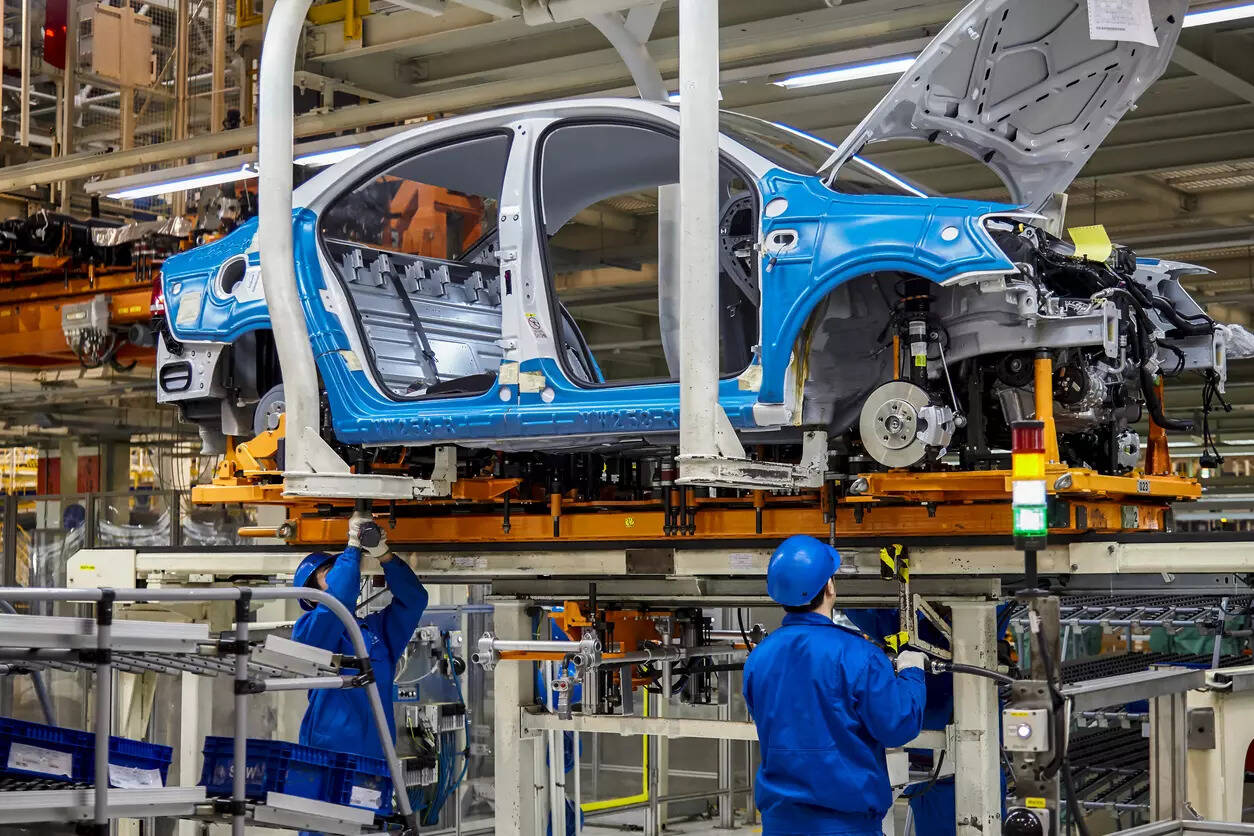
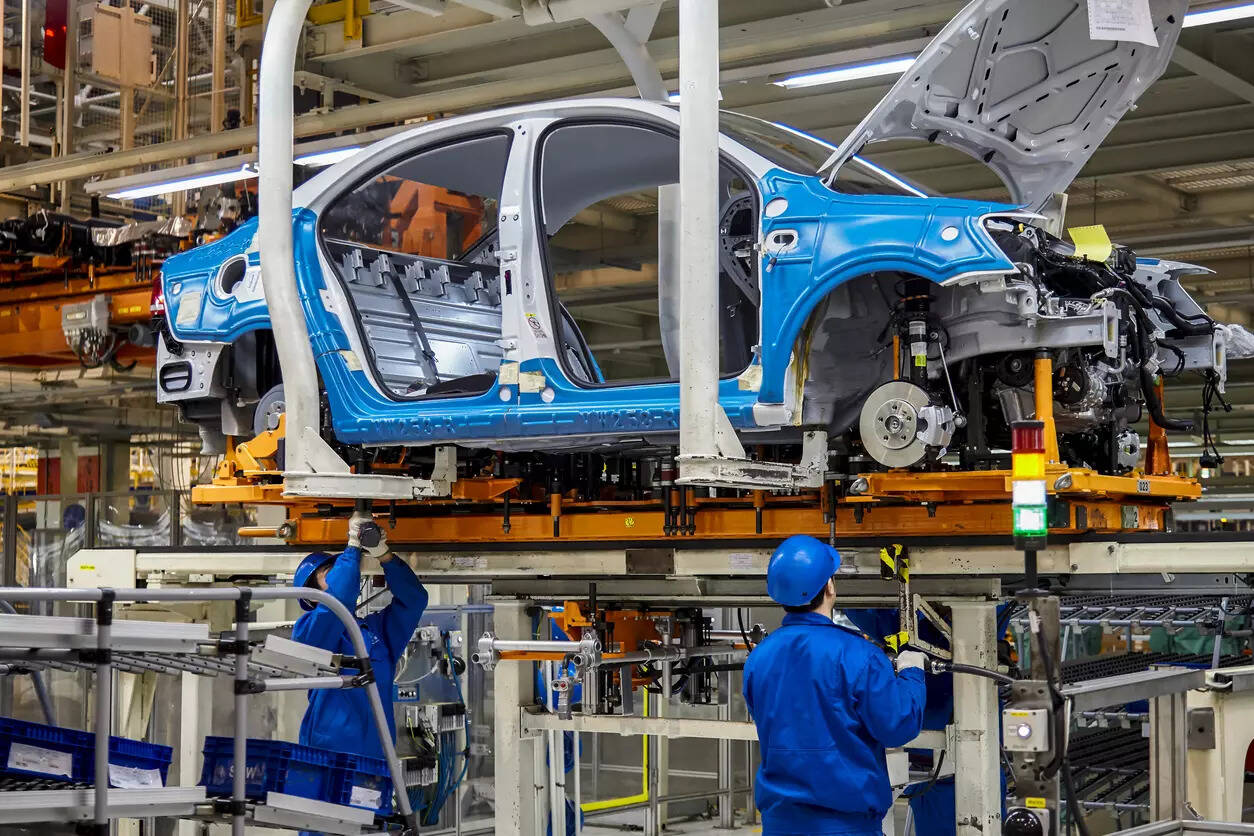
Additionally, supply chain disruptions from West Asia have led to delays in supplies of materials such as chemicals, synthetic rubber, aluminum scrap and petrochemical-based inputs such as polypropylene. This may slow down the production of both auto component manufacturer And original equipment manufacturers (OEMs), are impacting the industry on both the import and export fronts.

Sensing the worrying situation, auto industry bodies Society of Indian Automobile Manufacturers (SIAM) and Automotive Component Manufacturers Association (ACMA) on March 9 wrote to the Ministry of Petroleum and Natural Gas, demanding adequate supply of industrial gases.

“At least one OEM has spoken to us directly on this issue. Our concerns are largely similar as we are part of the same value chain,” Mehta said.

The government has formed a three-member committee after the industry demanded restoration of adequate supply of LPG, propane and PNG to manufacturing units, according to people familiar with the matter.

“It is requested that the Ministry may restore the allocation of LPG/PNG/Propane to the extent feasible and provide visibility on the availability of LPG/PNG/Propane supply to industrial consumers in the automobile sector,” SIAM said in a letter to the government. ETAAuto.

“Initially companies can manage using existing inventories of these gases, but once those inventories are exhausted, production lines may face challenges,” Mehta said.

India’s automotive industry, which contributes about 2.3 per cent to the country’s GDP and directly employs over 1.5 million people, could see a wide-ranging impact if the disruption continues.

“In many cases, workers depend on these facilities for their daily meals. If operations slow down or activity in factories reduces, it also impacts workers and their welfare, which becomes an additional concern for companies,” Mehta said.

supply routes strained

Industry stakeholders have also flagged rising freight and logistics costs, longer transit times and shipment delays, which could impact both production and exports.

On the financial front, the industry has raised concerns related to industrial energy support loans and liquidity support to overcome raw material supply constraints and maintain export competitiveness.

The Gulf region is an important market for India’s automotive sector, with the region accounting for about 25 per cent of India’s $8.8 billion vehicle exports in 2025, mainly to Saudi Arabia, UAE and other Gulf countries.

According to reports, many Indian OEMs have delayed shipments to the Middle East and North Africa (MENA) as the blockade of key sea routes, including the Strait of Hormuz, has increased freight costs.

  • Published on March 12, 2026 at 05:46 PM IST

Join a community of 2M+ industry professionals.

Subscribe to the newsletter to get the latest information and analysis delivered to your inbox.

Everything about the ETAuto industry straight to your smartphone!


Source link

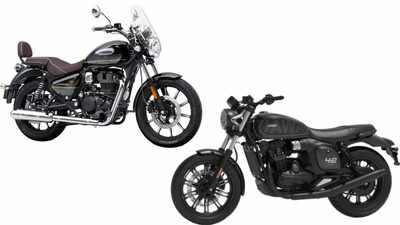
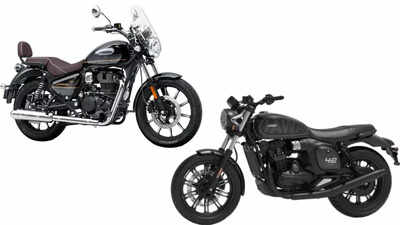
Royal Enfield Meteor 350 vs Jawa 42 FJ: Specs, price and comparison

Royal Enfield Meteor 350 vs Jawa 42 FJ: Specs, price and comparison

There is continued interest in the mid-size cruiser motorcycle segment in India. One of the most popular motorcycles in the segment is the Royal Enfield Meteor 350, which recently crossed a major global sales milestone by selling six lakh units in five years. However, the segment has become more competitive in recent years with models such as the Jawa 42 FJ. Among several rivals, the Jawa 42 FJ also competes in the same space and here’s how these two models compare on paper in terms of specifications, pricing and features.

Royal Enfield Meteor 350 vs Jawa 42 FJ: Engine

The Meteor 350 is powered by a 349cc, single-cylinder, air-oil cooled engine that produces 20.2 bhp of power and 27 Nm of torque, paired with a 5-speed gearbox. On the other hand, the Jawa 42 FJ uses a 334cc, single-cylinder liquid-cooled engine. This motor produces around 29 bhp and 29.6 Nm of torque and is also paired with a 6-speed gearbox.

Royal Enfield Goa Classic 350 review: New clothes, same soul?

Royal Enfield Meteor 350 vs Jawa 42 FJ: Design and dimensions

The Meteor 350 follows a classic cruiser design with a teardrop fuel tank, wide handlebar and forward-set footpegs. Its seat height is approximately 765 mm and weight is approximately 191 kg.The Jawa 42 FJ takes a slightly sporty approach while retaining the retro elements. It features a muscular tank design, blacked-out components and a short tail section. The bike rides on an 18-inch front and 17-inch rear wheel and has a seat height of around 790 mm.

Royal Enfield Meteor 350 vs Jawa 42 FJ: Features and Hardware

Talking about the features, Meteor 350 gets semi-digital instrument cluster, tripper navigation with smartphone connectivity, LED tail lamp, USB charging port and dual-channel ABS. Royal Enfield also offers multiple variants and color options.The Jawa 42 FJ also has a good list of features. It includes a digital instrument cluster, LED lighting, dual-channel ABS and premium styling details.The Meteor 350 uses 41 mm telescopic front forks and twin rear shock absorbers. Braking duties are handled by a 300 mm front disc and 270 mm rear disc with dual-channel ABS. The Jawa 42 FJ features telescopic front forks and twin rear shocks, along with disc brakes at both ends and dual-channel ABS for added safety.

Royal Enfield Meteor 350 vs Jawa 42 FJ: Price Comparison

Royal Enfield Meteor 350 is priced at around Rs 1.95 lakh ex-showroom, depending on the variant. On the other hand, the ex-showroom price of Jawa 42 FJ is around Rs 1.94 lakh.

Source link