Breaking News
Flights and transit visas: How Indian missions in the GCC are helping Indians get back home amid rising demand. india news
Flights and transit visas: How Indian missions in the GCC are helping Indians get back home amid rising demand
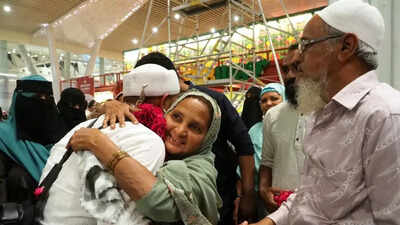
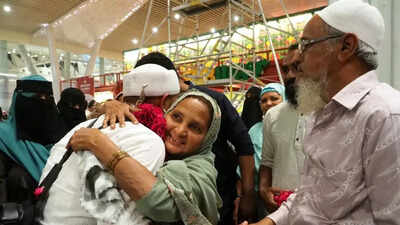
An Indian passenger was welcomed by family members upon taking off from Saudi Arabia at the Sardar Vallabhbhai Patel International Airport in Gujarat, amid the ongoing Iran-Israel conflict. (PTI photo)

New Delhi: With the Israel-Iran war escalating by the day, Indian missions in West Asia, including Qatar, Bahrain and the United Arab Emirates, are working hard to evacuate as many compatriots as possible. While Bahrain has had no air connectivity since February 28, Doha and the UAE have some flights. But since they are clearly not close to the travel demand, given the fact that more than one crore Indians live and work in the Gulf Cooperation Council countries – Saudi Arabia, UAE, Qatar, Kuwait, Oman and Bahrain, these missions are coordinating with the Indian embassies in Saudi Arabia and Oman (for those residing in the UAE) to obtain transit visas so that people can travel to Dammam, Jeddah, Riyadh and Muscat. Can go out of.But given the odds amid the war, Indians in the GCC are feeling the heat. A Doha-based Indian said, “I applied for a Saudi pass (transit) visa for myself, wife and my child on March 2. He has not yet arrived. I keep buying Qatar Airways tickets for Delhi flights but am unable to go out. Every time there is an explosion, our child gets very scared and we have difficulty consoling him.”

Indian expats in UAE open farmhouse for tourists stranded due to flight disruption amid West Asia war

According to the aviation ministry, more than 1.5 lakh people have flown from the GCC to India between February 28 and March 11. Indian carriers resumed Riyadh flights from Thursday, with the first day seeing four flights each from Air India, IndiGo and AI Express.Aviation analytics company Cirium says that between March 6 and 12, Dubai International (DXB) saw a maximum of 167 departures to India, with Mumbai accounting for the highest number of departures at 62, followed by Delhi at 56; Hyderabad at 25th and Bengaluru at 24th. India has been the largest market for DXB for years.The Indian Embassy in Qatar on Thursday said Qatar Airways is expected to operate 1-2 daily flights to India in the coming days. “Indian nationals wishing to travel out of Qatar have the option of either taking a limited number of flights operated by Qatar Airways or transiting to Saudi Arabia via the Salwa border if a valid Saudi visa is available. We continue to facilitate temporary transit visas valid for 96 hours to Saudi Arabia for Indian nationals who were on a visit visa to Qatar and wish to transit through Saudi Arabia.”The UAE does not have regular flights and is giving slots to airlines as per availability. India is trying to get as many slots as possible but the demand is very high.Those who managed to reach home narrated their ordeal and also spoke about the pressure under which Indian Mission staff in the GCC are working. An Indian who returned to Mumbai on Thursday said, “The situation at Saudi embassies is strange in other GCC countries. Indian embassies are coordinating in getting Saudi transit visas which is a big help. We are really grateful to the embassy officials in Bahrain for helping us with our Saudi visas.”The Embassy in Qatar has set up a war room from where requests to get confirmed seats on Qatar Airways flights or Saudi visas are being handled.

Source link

‘Some people are trying to create panic’: PM Modi did not give much importance to LPG crisis; Targeting the opposition. india news

'Some people are trying to create panic': PM Modi did not give much importance to LPG crisis; targeted the opposition

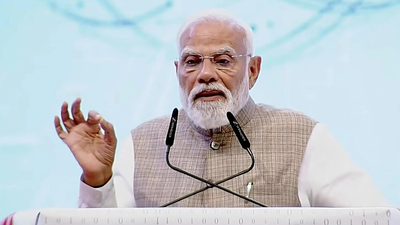
New Delhi: Prime Minister Narendra Modi on Thursday downplayed the energy crisis arising in the country due to the ongoing conflict between the joint forces of the United States and Israel with Iran. Addressing the NXT summit, the Prime Minister indirectly hit out at those who are “trying to create panic” and claimed that, by doing so, they are exposing themselves to the public.PM Modi said, “We have to make collective efforts while keeping the national interest paramount and fulfilling our duties. Nowadays there is a lot of discussion about LPG. There are some people who are trying to create panic. They want to push their agenda.” He said, “At this time I do not want to make political comments on them. But I must say that by doing this they are not only exposing themselves to the public but are also causing great harm to the country.”The Prime Minister said the government has given priority to self-reliance in the energy sector to ensure that the country does not have to depend solely on foreign sources for energy.PM Modi said, “To ensure that we do not have to depend solely on foreign sources for energy, emphasis was laid on self-reliance in the energy sector. Till 2014, there were only 14 crore LPG connections in the country. Today, there are more than double that i.e. 33 crore domestic LPG connections. In 2014, there were only 4 LNG terminals in the country.”He said, “Today their number has also doubled. No country is untouched by the impact of this global crisis. Everyone is a victim of this crisis to a greater or lesser extent. India is also leaving no stone unturned to deal with this crisis.”The Prime Minister also said that the government is making every effort to ensure that the burden of conditions arising from war does not fall on the citizens of India.He said, “The Government of India has always made every possible effort to ensure that the burden of conditions arising from war does not fall on the citizens of India.”He said, “This time too we will make every possible effort to ensure that the war has minimal impact on the lives of the country’s farmers and citizens of the country.”Fears of LPG shortage began to spread across the country as the global energy supply chain was disrupted due to the escalating conflict in the Middle East.The closure of the Strait of Hormuz following Iranian retaliation against the US-Israeli strikes has triggered panic buying, led to long queues at LPG agencies and petrol pumps and forced restaurants and small businesses to switch to alternative cooking methods.Sujata Sharma, joint secretary in the oil ministry, said some measures have helped in increasing domestic LPG production by 28 per cent and with some alternative sources being used abroad, the government has decided to allow some sales of commercial LPG to meet one-fifth of the demand.“State governments will have to identify the beneficiaries,” he said.As panic buying continues to rise, the government has extended the LPG refill ordering window for rural users to 45 days, up from 25 days set for all users last week, replacing the previous 21-day limit. He said the move is aimed at managing demand and ensuring equitable distribution amid the ongoing energy supply disruptions due to the West Asia crisis.The increase in the monthly quota of kerosene released to states is the first in more than a decade and temporarily reverses the government’s stated objective of phasing out the fuel, which was also used for adulteration of petrol, apart from being heavily subsidized.

Source link

Government has proposed to stop repeated virus testing on plasma-based medicines. india news

Government proposes to stop repeated virus tests on plasma-based drugs

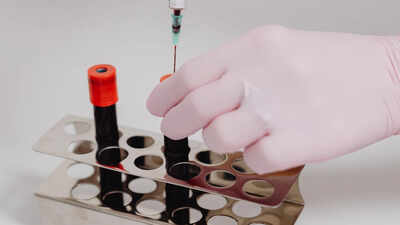
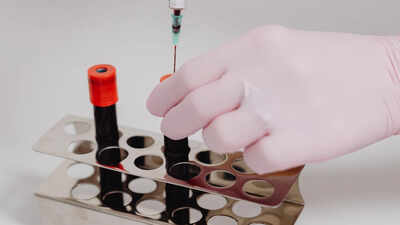
New Delhi: The Center has proposed amendments to drug rules to stop repeated virus testing on drugs made from human plasma, mandating that the raw plasma used to produce these products is tested for infections like HIV and hepatitis even before manufacturing begins.These medications include albumin, intravenous immunoglobulin (IVIG), and clotting factors such as Factor VIII and Factor IX, which are used to treat immune disorders, serious infections, and bleeding conditions such as hemophilia.Officials said the move is aimed at bringing India’s drug regulations in line with international pharmacopoeia standards. Global guidelines require plasma collected to be tested for hepatitis B surface antigen, hepatitis C virus RNA and HIV antibodies before being used for fractionation, and only plasma that tests negative is approved for the manufacture of plasma-derived drugs.Currently, plasma collected to manufacture these medicines is first collected and tested for viruses including HIV, hepatitis B and hepatitis C. However, once medicines are made from this screened plasma, the finished products are again tested for the same viral markers under existing regulations. The government now proposes to remove this second round of testing.The Health Ministry has issued a draft notification seeking public comments on amendments to the Drugs Rules, 1945, which govern testing of blood-derived products. Dr Asim Kumar Tiwari, senior director, department of transfusion medicine, Medanta, Gurugram, said the surplus plasma collected from blood donors can be used by plasma fractionators to manufacture many life-saving medicines.“Plasma-derived medicinal products (PDMPs) such as albumin, intravenous immunoglobulin (IVIG), and clotting factors such as Factor VIII and Factor IX are widely used to treat immune disorders, serious infections, and bleeding conditions such as hemophilia,” he said.He said blood centers often generate surplus plasma after meeting a patient’s needs, which can be supplied to specialized fractionation facilities where different proteins are separated to manufacture these drugs.Dr. Tiwari said that PDMPs undergo several security checks before reaching the patients. “Donated plasma is screened for infections such as HIV, Hepatitis B, Hepatitis C, malaria and syphilis and the manufacturing process includes viral inactivation steps to ensure safety,” he said.“Globally, these medicines, known as plasma-derived medicinal products, have not been linked to infection transmission due to stringent testing and viral inactivation during manufacturing,” he said.Officials say repeating the same viral tests at the finished product stage does not require duplication under global practices. The proposed amendment aims to rationalize testing requirements while maintaining strict safety checks at the plasma screening stage.The draft rules were issued after consultation with the Drugs Technical Advisory Board, and stakeholders have been given 30 days to submit comments before the amendments are finalised.

Source link

‘No time to spread rumours’: Oil Minister Hardeep Puri assures fuel supplies amid Middle East conflict india news

'अफवाह फैलाने का समय नहीं': तेल मंत्री हरदीप पुरी ने मध्य पूर्व संघर्ष के बीच ईंधन आपूर्ति का आश्वासन दिया

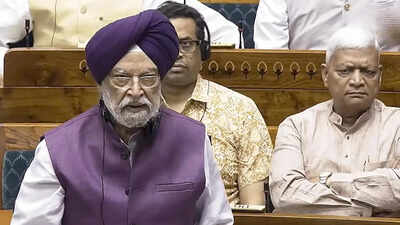
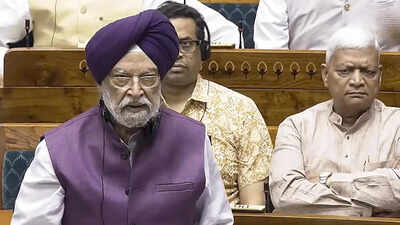
Hardeep Singh Puri speaks in the Lok Sabha during the budget session of Parliament

Union Minister of Petroleum and Natural Gas Hardeep Singh Puri Telling the Lok Sabha on Thursday that India is well prepared to manage the disruption in global energy supplies caused by the ongoing conflict in West Asia, he assured MPs that domestic fuel availability and power generation is completely secure, while also urging them to avoid rumours.Addressing the House amid protests by opposition members, Puri said the government has ensured adequate production and alternative supply arrangements to maintain energy needs even as the conflict continues. “India has adequate gas production and supply system to sustain this situation even in the event of a prolonged conflict. Power generation for every household and industry is completely safe,” Puri said.The Union minister said the hostilities have effectively shut down commercial shipping through the Strait of Hormuz, a key route that typically transports about 20 percent of the world’s crude oil, natural gas and LPG. Despite the disruption, as about 45 percent of India’s crude oil imports previously went through this route, the country has managed to stabilize supplies by increasing alternative sourcing. He noted that “Non-Hormuz sourcing has increased to approximately 70 percent of crude oil imports, up from 55 percent before the conflict began.”Puri attributed the resilience partly to long-term diversification of crude oil suppliers, noting that India now imports oil from 40 countries, whereas in 2006-07 it imported from 27 countries. He assured the House that “there is no shortage of petrol, diesel, kerosene, ATF or fuel oil. The availability of petrol, diesel, aviation turbine fuel, kerosene and fuel oil is completely assured,” adding that domestic refineries are operating at high capacity utilisation, in some cases “more than 100 per cent”.He urged public and political stakeholders to avoid spreading misinformation during the ongoing energy crisis caused by the Middle East conflict, and stressed that the government’s preparedness and response mechanisms are working effectively. “This is not the time for rumor mongering or fake narratives. India is facing the most severe global energy disruption in recorded history. Fuel supplies are flowing, gas has been prioritized for homes and farms, and LPG production has increased by 28%. Consumer prices are being held well below those otherwise set by market trends and regional competitors. Schools are open and petrol is available at fuel stations… India must unite behind energy workers, behind the institutions managing the crisis, and behind the national interest. The record of preparation and the record of response speaks for itself,” he said.On natural gas supply, the minister said the government has introduced a priority allocation system under the Natural Gas Control Order issued on March 9. While a major facility in Qatar has declared force majeure on 30 MMSCMD gas imports, domestic production is stable at 90 MMSCMD.“Domestic piped gas for homes and CNG for vehicles receive 100 per cent supply without any cut. Industrial and manufacturing consumers will receive up to 80 per cent of their last six month average. Fertilizer plants will receive up to 70 per cent, thereby protecting the agricultural input chain ahead of the sowing season. Refineries and petrochemical units absorb the managed reductions, with that gas redirected to higher-priority sectors. I am happy to tell the House that the shortfall has been compensated to a large extent through alternative procurement,” Puri said.The government has also taken steps to secure LPG availability for approximately 33 crore families. According to the minister, domestic LPG production has increased by 28 percent in the last five days following the refinery instructions. To curb hoarding and control demand, authorities have introduced a minimum gap of 25 days between LPG cylinder bookings in urban areas and expanded the delivery authentication code system to cover 90 per cent of consumers.Puri also clarified that the distribution cycle of domestic LPG will remain unaffected. “Domestic supply is completely secure, and the delivery cycle is unchanged. The standard time from booking to delivery for domestic LPG cylinders is 2.5 days, unchanged from pre-crisis norms,” ​​he said.To further reduce pressure on gas supplies, the government has activated alternative fuel options. Kerosene is being made available through Public Distribution System channels, while the Ministry of Environment, Forest and Climate Change has “advised State Pollution Control Boards to allow the use of biomass, RDF pellets and kerosene/coal as alternative fuels for the hospitality and restaurant segment for 1 month, for the duration of this crisis, which will enable a wide range of establishments to switch to LPG and free up space for priority consumers.”

Source link

‘Part of the way’: Sharp open letter war between Mani Shankar Aiyar, Shashi Tharoor. india news

'Part ways': Mani Shankar Aiyar, Shashi Tharoor clash in fierce open letter war

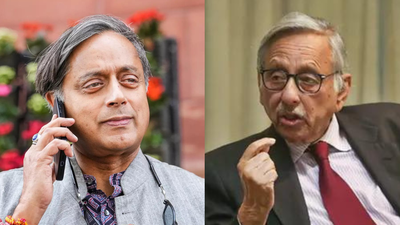
New Delhi: Mani Shankar Aiyar and Shashi Tharoor erupted into a public spat on Thursday, with the two exchanging sharply worded open letters on foreign policy, ideology and personal comments.The confrontation began when Aiyar wrote an open letter to Tharoor, published in Frontline magazine, criticizing his comments during a televised discussion on the ongoing conflict involving Iran, Israel and the United States.In the letter, Aiyar said he was “extremely shocked” by Tharoor’s comments and claimed that the issue had troubled him so much that he woke up in the morning to write the message.Recalling the Congress presidential election, Aiyar said he had supported Tharoor’s candidature even though he knew he would lose to Mallikarjun Kharge. Aiyar also said that he argued publicly that Kharge should give Tharoor a respectable position in the party hierarchy despite his defeat.However, Aiyar said he now regretted that support, accusing Tharoor of supporting a “might make right” approach to international affairs and being overly cautious about criticizing the United States because of the potential economic consequences for India.Aiyar also questioned Tharoor’s position as Chairman of the Parliament’s Standing Committee on Foreign Affairs, arguing that deferring foreign policy decisions to the government undermined the purpose of the role.The veteran Congress leader also criticized Tharoor’s previous stance on the issue of entry into the Sabarimala temple and said his position on temple restrictions on menstruating women had earlier raised doubts about his ideological affiliation with the party.Concluding his letter, Aiyar declared that their differences had reached breaking point, adding that this marked a “parting of ways”.Tharoor responded with an open letter of his own, published by NDTV on Thursday, rejecting Aiyar’s allegations and defending his views.He said dissent was natural in a healthy democracy, but criticized Aiyar for questioning his intentions and character.Tharoor said that his views on international affairs come from a “clearly nationalist perspective”, adding that geopolitical realities and economic consequences for India should be seen not as a moral compromise but as a basis for responsible policy making.“No generation has a monopoly on patriotism, nor on the interpretation of Gandhi or Nehru. The true tribute to his legacy lies in intelligently applying his values ​​to the realities of our times,” he wrote.He also rejected Aiyar’s comments regarding his foreign travel, calling them baseless. Tharoor said that except for participation in an all-party delegation associated with Operation Sindoor, his foreign trips were undertaken in a personal capacity and were not arranged or funded by the government.Responding to criticism on the Sabarimala issue, Tharoor said he supported the official stand of the Congress party and had earlier explained his position in detail.Acknowledging Aiyar’s support during the Congress president election, Tharoor said he too had defended Aiyar in the past when the veteran leader faced disciplinary action within the party.Tharoor wrote, “I also supported you very strongly with the ‘high command’ of the party, especially when you were suspended from its membership. I have no regrets that that injustice has been reversed.”The Thiruvananthapuram MP said Aiyar’s claim of “parting of ways” was disingenuous, arguing that the separation had already become clear through repeated personal comments made to him in recent months.

Source link

Shadow journey gone dark: How an India-bound ship crossed the Strait of Hormuz. india news

Amid US-Iran war, first crude tanker Shenlong reaches Mumbai port safely through Strait of Hormuz

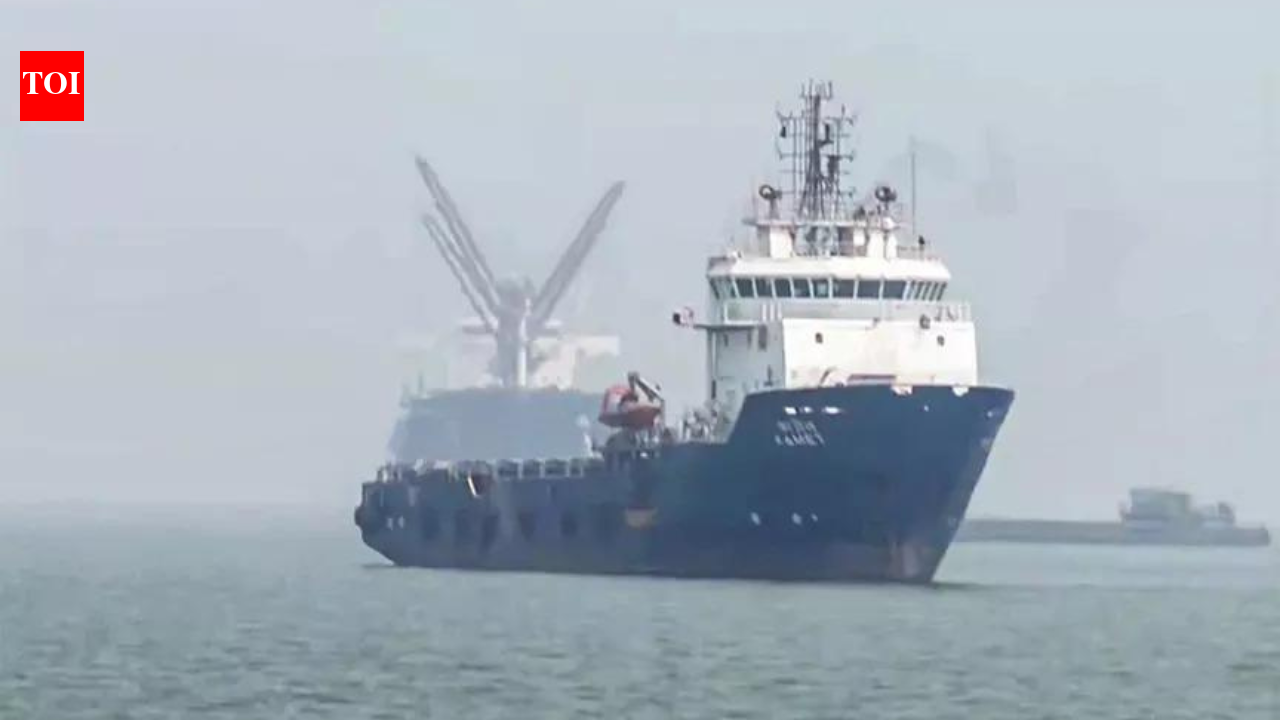
New Delhi: One of the first crude oil tankers to reach Mumbai port after passing through the Strait of Hormuz since the start of the Iran-US conflict.According to news agency ANI, the Liberian-flagged tanker Shenlong Suezmax reached Mumbai port at 1 pm on Wednesday and docked at Jawahar Island at 6:06 pm. The tanker had loaded crude oil from Saudi Arabia’s Ras Tanura port on March 1 and departed on March 3.

Amid US-Iran war, first crude tanker Shenlong reaches Mumbai port safely through Strait of Hormuz

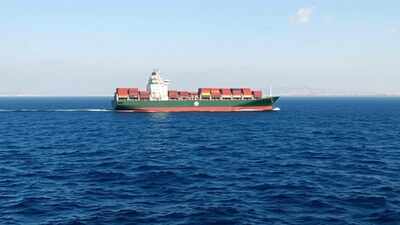
It contains 1,35,335 metric tonnes of crude oil, which will be supplied to the refineries at Mahul in East Mumbai. The crude discharge process is expected to take approximately 36 hours.The tanker is owned by Shenlong Shipping Ltd and managed by Dynacom Tanker Management Ltd of Athens. The ship has 29 crew members, including Indian, Pakistani and Filipino nationals, and its captain is an Indian.How did the ship cross the Strait of Hormuz?Marine tracking data showed the ship in the Strait of Hormuz on March 8, before the tracking system was temporarily shut down. According to ANI, the ship switched off its Automatic Identification System (AIS) transponder while navigating a high-risk part of the strait.After navigating the high-risk area, the ship reappeared on maritime tracking systems on 9 March. Shipping companies often use this strategy, also known as “going dark”, to avoid the risk of being targeted or tracked.A transponder is an essential marine VHF radio system that automatically broadcasts a ship’s identification, position, speed, and course to nearby ships and shore stations to prevent collisions and improve navigation.Earlier, Alireza Tangsiri, commander of the naval branch of the Islamic Revolutionary Guard Corps, had said that ships sailing through waterways would have to seek approval from Tehran. In a post on Twitter, he said two ships that ignored Iran’s warnings were targeted on Wednesday.“Were the ships assured of safe passage through the Strait of Hormuz? This should be asked of the crews of the ships Express Rome and Mayuri Nari, who today ignored warnings, relying on empty promises and intended to transit the strait but were caught. Any ship that intends to pass must obtain permission from Iran,” the Iranian general said.Iranian state media reported that Tehran has extended restrictions on shipping through the strait, while saying that ships that do not serve the interests of the United States or Israel will be allowed safe passage.The Strait of Hormuz is one of the world’s most important maritime chokepoints, with more than 20 million barrels of crude moving through the narrow channel between Iran and Oman every day – accounting for almost a fifth of global oil consumption and a quarter of seaborne oil trade.Meanwhile, the Ministry of Ports, Shipping and Waterways said that 28 Indian-flagged ships are currently operating in the Persian Gulf. Of these, 24 ships carrying 677 Indian sailors are located west of the Strait of Hormuz, while four ships carrying 101 Indian crew members are located east of the strait.The ministry said a 24-hour control room has been functioning in the ministry and the Directorate General of Shipping since February 28 to monitor the evolving situation and coordinate assistance if needed.Officials are also working with Indian embassies, ship managers and recruitment agencies to ensure the safety of Indian seafarers in the region.

Source link

‘Jaishankar spoke to Iran’s foreign minister 3 times’: India highlights ships safety, energy security concerns | india news

'Jaishankar spoke to Iran's foreign minister 3 times': India highlights concerns over ships safety, energy security

New Delhi: Amid rising tensions in Middle East Asia, External Affairs Minister S Jaishankar has held three rounds of talks with his Iranian counterpart in recent days, focusing on security of maritime navigation and India’s energy security.Addressing the weekly media briefing, Ministry of External Affairs (MEA) spokesperson Randhir Jaiswal said, “There have been three talks between External Affairs Minister Dr S Jaishankar and the Foreign Minister of Iran in recent days. In the last one, issues related to security of shipping and India’s energy security were discussed. Beyond that, it is too early for me to say anything.”However, the Ministry of External Affairs declined to elaborate on the details of the talks, indicating that the situation remains sensitive and volatile.The comments come at a time of heightened tensions in the Persian Gulf and concerns over the security of commercial shipping routes, especially around the Strait of Hormuz – a vital route for global oil trade and a major route for India’s energy imports.Meanwhile, according to a report in The Economic Times, Iran has allowed Indian-flagged ships to safely pass through the Strait of Hormuz, while maritime traffic through the strategic waterway has slowed down sharply following the US-Israeli attacks on Iran.India is closely monitoring the evolving situation in the region, especially following recent incidents involving commercial vessels and disruptions related to the ongoing conflict in the Middle East.

Source link

Liberian-flagged tanker ‘Shenlong’ carrying Saudi crude enters India via Strait of Hormuz India News

Liberian flagged tanker 'Shenlong' carrying Saudi crude enters India through the Strait of Hormuz

New Delhi: A crude oil tanker transiting the Strait of Hormuz has reached Mumbai port, becoming one of the first ships to reach India through the vital route amid rising tensions in the Middle East. According to the Mumbai Port Trust, the Liberian-flagged tanker Shenlong Suezmax, captained by an Indian national, arrived in Mumbai on Wednesday after loading crude from Ras Tanura in Saudi Arabia, ANI reported.

IRGC’s major Hormuz action against US and its allies: mining of global oil route despite Trump’s threat

Officials said Iran had approved the ship to transit the strategic waterway, where shipping activity has declined sharply following conflict between the United States, Israel and Iran. Sources said Iranian authorities have decided to allow Indian-flagged ships to pass safely through the strait even as maritime traffic in the area has slowed down significantly since the US and Israeli attacks on Iran. Shenlong Suezmax, which departed from Ras Tanura on March 1, completed its journey to Mumbai after getting permission to pass through the narrow shipping corridor.Iran has tightened controls on shipping in the strait in recent days. Alireza Tangsiri, commander of the naval branch of the Islamic Revolutionary Guard Corps, said ships sailing through the waterways must obtain Tehran’s approval. In a post on Twitter, he said two ships that ignored Iran’s warnings were targeted on Wednesday.“Were the ships assured of safe passage through the Strait of Hormuz? This should be asked of the crews of the ships Express Rome and Mayuri Nari, who today ignored warnings, relying on empty promises, and intended to transit the strait, but were caught. Any ship that intends to pass must obtain permission from Iran,” the Iranian general said.Iranian state media have reported that Tehran has extended restrictions on shipping through the strait, while adding that ships that do not serve the interests of the United States or Israel will be allowed safe passage. The Strait of Hormuz is one of the world’s most important maritime chokepoints, with more than 20 million barrels of crude moving through the narrow channel between Iran and Oman every day, accounting for about a fifth of global oil consumption and a quarter of seaborne oil trade.Meanwhile, the Ministry of Ports, Shipping and Waterways said that 28 Indian-flagged ships are currently operating in the Persian Gulf. Of these, 24 ships carrying 677 Indian sailors are located west of the Strait of Hormuz, while four ships carrying 101 Indian crew members are located east of the strait. The ministry said a 24-hour control room has been functioning in the ministry and the Directorate General of Shipping since February 28 to monitor the evolving situation and coordinate assistance if needed. Officials are also working with Indian embassies, ship managers and recruitment agencies to ensure the safety of Indian seafarers in the region.

Source link

Farooq Abdullah’s first reaction after the assassination attempt: ‘The killer always has the advantage’. india news

Farooq Abdullah's first reaction after the assassination attempt: 'The killer always has the advantage'
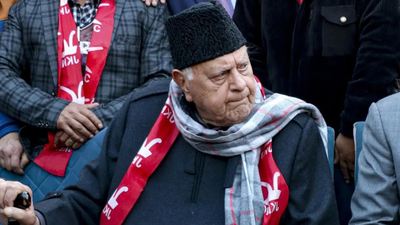
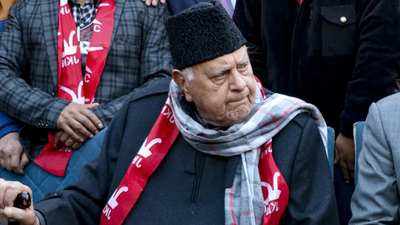
Farooq Abdullah (PTI file photo)

New Delhi: After an attempt on his life, the former Jammu and Kashmir Chief Minister and National Conference President Farooq Abdullah reflected on the incident on Thursday, saying, “God saved me.”Sharing brief details about the tense moments at a wedding ceremony in Jammu’s Greater Kailash area, the NC chief told reporters, “I was leaving the venue when I heard the sound of firecrackers. Immediately, I was put into a car. Later, I was told that it was a man with a pistol who fired two shots. Neither do I know this man (accused), nor do I have any information about him.Farooq further said, “I don’t know what his (accused Kamal’s) intention was. To say that it was a security lapse would be a big statement. Many big personalities were present at this wedding, but there was no police present. By the grace of Allah, my security was present with me and my life was saved. I got a call (from the Union Home Minister), who asked me about my well-being and assured me that they would investigate the matter.” There should be an investigation. Now when there is an atmosphere of hatred, such things keep happening… No religion teaches hatred, it only teaches love…”He also reflected on the changed power dynamics in Jammu and Kashmir after the abrogation of Article 370, which converted the state into a Union Territory and brought law and order under the direct control of the Centre. He said, “The Center and the Union Territory government should see whether the situation here has really improved. We may have differences, but we have to work together because we are a democracy and have to express our opinions…”Talking to journalists, Farooq once again demanded restoration of full statehood to Jammu and Kashmir. “An elected government has no powers – how can it continue like this? We were promised that statehood would be restored…”He said, “No matter how much you increase security, the killer always has an advantage. The problem is that we live in an era where terrorism is sky high and we cannot control it.”This was Abdullah’s first reaction when Kamal Singh Jamwal, a 63-year-old man, suddenly opened fire at the wedding venue, reportedly firing two rounds targeting the former chief minister and long-time National Conference leader.The tense situation was quickly brought under control by Abdullah’s security personnel, as seen in the CCTV footage from the venue.Officials said Farooq was returning from a wedding ceremony with Jammu and Kashmir Deputy Chief Minister Surinder Chaudhary when the incident occurred.The suspect was immediately subdued and taken into custody on the spot, leaving the leaders unharmed.Farooq Abdullah’s son and CM of Jammu and Kashmir Omar Abdullah It took to social media to report a “very close shave” during the ceremony and raised questions about a possible security lapse.Omar Abdullah said in a post on How could he get so close to the Chief Minister?

Source link

‘Unstable in law’: SC rules, OBC creamy layer status cannot be decided on the basis of income alone. india news

'Unstable in law': SC rules, OBC creamy layer status cannot be decided on the basis of income alone

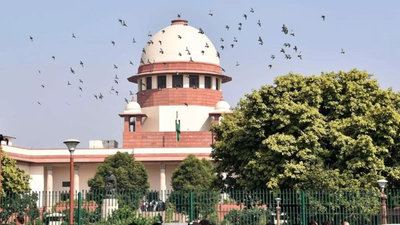
New Delhi: The Supreme Court on Thursday ruled that whether a candidate falls in the creamy layer or non-creamy layer of OBC cannot be decided on the basis of income alone.“Determining the status of creamy layer merely on the basis of income group, without reference to the categories of posts and position parameters, is clearly unsustainable in law,” the top court said.The term “creamy layer” refers to relatively wealthy and socially advanced members of the Other Backward Classes (OBCs) who are excluded from reservation benefits in government jobs and educational institutions. This concept was introduced after Indra Sawhney vs. Union of India, in which the Supreme Court upheld OBC reservation but ordered the exclusion of the better-off classes.The government later made rules in 1993 to identify such groups. Currently, OBC families earning more than Rs 8 lakh annually are generally classified as part of the creamy layer and become ineligible for reservation benefits. The aim of the rule is to ensure that the quota primarily helps poorer and more deprived OBC communities.This category may also include children of people holding high constitutional posts, senior government positions, high ranking armed forces roles or people with significant property and business income. The income limit was last revised in 2017 from Rs 6 lakh to Rs 8 lakh.

Source link