


Inside the shocking rise of abandoned “ghost houses” across the country

What is causing the increase of abandoned houses in Akiya, Japan?
Japan’s vacant houses, often called akia, are spread across the country. They are found not only in remote villages. Many exist in suburban areas and even near busy cities. The 2023 housing survey shows that about 13.8% of homes in Japan are vacant, a record high.A large portion of the 9 million vacant homes are not available for rent or sale. Some are second homes or temporary properties. But a significant portion falls into the category of completely unused and abandoned houses. These are homes where no one lives, no one rents, and no clear plans exist for their future use.This is not always due to neglect. In many cases, families inherit a house and move to another city. Over time, possessions are left behind. In other situations, ownership becomes unclear between generations. Gradually the number of unused houses is increasing year by year.
Japan’s tax system that keeps empty houses standing quietly
The biggest reason for these houses not being demolished is related to Japan’s property tax system. The land on which there is a residential building gets significant tax exemption. In some cases, taxes on residential land can be reduced to about one-sixth compared to cleared land.This creates an awkward situation for the owners. If they demolish the houses, land taxes could increase sharply. If they leave the building standing, even if it is unused or damaged, taxes remain lower. As a result, many owners choose not to demolish properties, even when they are no longer needed.The demolition itself is expensive. Removing a simple wooden house can cost around one to one and a half million yen. For many families, this is a huge financial burden, especially when the property has little or no resale value.This combination of tax rules and demolition costs creates a strong incentive to do nothing, experts say. And in many cases, doing nothing becomes the most practical option for owners.
Why are legacy issues leaving homes vacant across Japan?
Another major factor behind the problem of vacant houses in Japan is the complexity of inheritance. When property passes from one generation to the next, ownership is often divided among multiple heirs. Over time, this may involve dozens of people.In some cases, the heirs do not live in the same region or even the same country. Some people may not even know that they have inherited a portion of the property. Others may disagree on what should be done with it.As a result, decision making becomes extremely difficult. Selling a property requires consent from all owners. Demolition also requires permission. Even basic maintenance becomes complicated when ownership is unclear.Experts say a large number of properties in Japan are affected by incomplete heritage registration. This leads to a situation often described as “stagnant ownership”, where no action can be taken for years.
What happens to abandoned houses over time?
When homes are left vacant for long periods of time they begin to deteriorate. Without regular maintenance, roofs can leak, wooden structures can weaken, and mold can grow inside the property. Gardens often become overgrown, and pests may appear.Local officials sometimes become concerned when abandoned homes pose a safety risk. In some cases, structurally unsafe buildings may impact nearby properties or public areas. Communities may also face financial pressures when attempting to manage or demolish severely damaged homes. It is reportedly common for some akia to remain untouched for years or decades, gradually becoming more difficult and expensive to restore.

How Fremont, Scottsdale and Overland Park built happier communities

The idea of the happiest cities in America often comes up in surveys, lifestyle reports, and even casual travel discussions. But here happiness does not seem to follow any fixed rule. It’s not just about money or size; Sometimes it’s safety, sunshine, or a slower pace of life. Cities such as Fremont, California, Scottsdale, Arizona, and Irvine, California often appear repeatedly in the rankings, although the reasons vary greatly. Some spaces feel stable and structured while others feel a warm, cozy, almost seasonal mood. Experts suggest it could be a mix of income security, community ties and lifestyle balance. As reported by Forbes, this list explores the 10 happiest cities in America, each offering a different version of what a “happy life” might actually look like in America today.
List of America’s Happiest Cities: Fremont, South Burlington and Bismarck lead the way in happiness and well-being
America’s happiest cities
Fremont, California
Fremont appears frequently in happiness rankings, and it seems a bit unexpected at first glance. It’s close to Silicon Valley, yet not completely mired in its chaos. People reportedly value the strong job market and cultural mix here. It’s one of America’s most diverse cities, and it seems to shape daily life in subtle ways. Income levels are high but life does not always seem as hectic as in nearby tech hubs. Residential areas have a laid-back rhythm and families stay here for years.
Irvine, California
Irvine seems to be designed for comfort with wide streets, neat parks, and very well-planned neighborhoods. Some people like it, others find it too controlling, but happiness surveys often rank it high and crime rates are low. It’s also close to beaches, which adds a soft lifestyle layer. Residents reportedly enjoy predictable routines. Even traffic is somewhat managed compared to other cities in California. It may not have the wild nightlife energy, but it offers tranquility.
San Jose, California
San Jose sits right in the middle of the tech riches. Yet happiness here is not just about money. It is more complicated. People work long hours, yes. But opportunities are everywhere. Career development is a big reason for many people to stay. There is also access to good health care, education and cultural diversity. The lifestyle can feel intense at times. But stability in income gives a feeling of control. Experts say control is often linked to life satisfaction. Still, it is not a comfortable city.
Scottsdale, Arizona
Scottsdale often feels like a wellness-focused town. Spa, hiking trails, golf course. Lots of outdoor life. It is sunny almost throughout the year. That alone seems to have improved the mood of many residents. There is also a strong retirement community, which adds peace to the atmosphere. Some people say it looks spectacular but is still very grassroots. The city is clean, safe and well maintained. It may be a bit expensive, but people maintain a balance in lifestyle. Here happiness appears to be more linked to comfort and health than to rapidly growing ambitions.
Gilbert, Arizona
Gilbert is often described as a quiet success story. It grew rapidly but retained a suburban feel. Families dominate the landscape here. Parks, schools, community events. Its structure is simple and there is nothing too heavy in it. People reportedly enjoy a sense of security and predictability. This is not a party town, not even close. But it works for people who want routine and space. Experts suggest that such environments reduce daily stress.
Bismarck, North Dakota
Bismarck is neither loud nor flamboyant. Life here moves at a steady pace. Government jobs, healthcare and education; These form the spinal cord. Residents often mention lower stress levels. Winters are harsh, yes. But community bonds are strong. People know each other. Social relationships may also be one reason why happiness scores remain stable.
Fargo, North Dakota
Fargo has a slightly different energy than Bismarck. It’s a little bigger, a little busier but still down to earth. The economy is strong for its size, and the technology and education sectors are growing. People often describe it as flexible. Winters are tough again, but that shared experience builds a sense of community. Here happiness seems to be tied to belonging.
Overland Park, Kansas
Overland Park sounds like a classic suburban success story. Clean roads. Strong school. Family-oriented culture. It’s part of the Kansas City metro, but a little quieter. Residents reportedly value safety and affordability compared to larger urban centers. It doesn’t try to be exciting. It just tries to be easier to live with. And perhaps it is this simplicity that keeps it appearing in the list of happiness.
South Burlington, Vermont
South Burlington has a soft, natural feel. Close to Lake Champlain. Lots of greenery. People often spend time outside. It is not densely packed, which increases breathing space. Winters are long, but they also have a special charm. Here happiness seems to be linked to access to nature and a slow routine. It feels like this is a place where life doesn’t rush you.
Charleston, South Carolina
Charleston brings a different kind of happiness. Historic streets and coastal air. Tourism plays a big role, but the local people still maintain a strong identity. Life here feels warm both in weather and social atmosphere. It’s lively but not overwhelming. The food culture is strong and so is the music. Some people say it feels like you’re living in a storybook town.
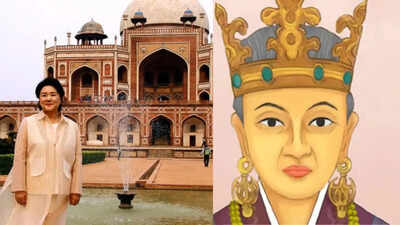
2,000 year old mystery still alive
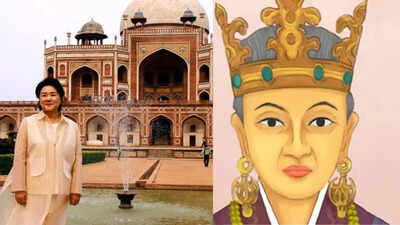
Indian princess Suriratna and her journey to ancient Korea as Queen Heo Hwang-ok
It all started long ago, around 48 AD, when a young princess from India, known as Suriratna, was rumored to have fled her country to South Korea. Based on traditional literature, she is said to have become Queen Heo Hwang-ok after marrying King Kim Suro, who founded the Gaya Kingdom, as reported by the BBC.Traveling long distances by sea to strange shores and then marrying a king who founded a new kingdom. All these events were written down in documents such as the Samguk Yusa, one of the oldest collections of stories and history of Korea. Their native land, called “Ayuta”, is claimed by many researchers to be Ayodhya in India, although this idea is uncertain.
Queen Heo Hwang-ok and her enduring legacy in Korean tradition
The character of Queen Heo Hwang-ok plays an important role in the legend. In Korea she is remembered as the queen who came from another country and was part of the royal establishment of the Gaya Dynasty. In Indian folklore, the name of the queen is mentioned as Suriratna and this story is related to the city of Ayodhya.It is said that she married King Kim Suro and bore him many children. Historians believe that both of them established the dynasty that continues today among some Korean families such as the Gimhae Kim and Heo clan. Family history claims that their lineage originates from the Queen, and they proudly pass it on from one generation to the next.According to some accounts, his lineage had many members who lived in different parts of Korea. But historians suggest that these claims have no factual support.
What do modern historians say about its historical evidence?
However, most modern researchers and historians consider the legend about the princess to be a myth rather than historical fact. There is no concrete archaeological evidence that can confirm the authenticity of the existence of a princess who came to Korea from India. It is possible to interpret the name “Ayuta” as mentioned in some old Korean documents, and the term may also refer to places other than India.According to scholars, including those researching Korean history, the legend about the princess may have emerged as the result of several centuries of development. In other words, imagination, symbolism and people’s desire to trace their origins to a distant and remarkable place can play a major role in the appearance of the story.

More than 300 military drones and Iran relations: Did Cuba plan an attack on a US naval base?

US President Donald Trump’s administration is viewing Cuba as a potential security threat after classified intelligence revealed Havana has acquired more than 300 military drones and discussed possible drone war scenarios involving US targets, according to a report by Axios.The report, citing classified intelligence and senior US officials, said Cuban officials had recently discussed plans that could include attacks on the Guantanamo Bay Naval Base, US military ships and even the US naval base at Key West in Florida in the event of an escalation of hostilities.A senior US official quoted by Axios said Washington was concerned about the United States “getting too close to those types of technologies”, particularly amid the reported presence of Iranian military advisers in Havana and Cuba’s growing defense ties with Russia and Iran.“When we think about the types of technologies that are so close, and there are so many bad actors out there, from terrorist groups to drug cartels to Iranians to Russians, it’s worrisome,” the official said.“This is a growing threat.”
CIA chief visits Cuba amid increasing pressure
CIA Director John Ratcliffe traveled to Cuba on Thursday and warned Cuban officials against getting involved in hostilities.He also urged Havana to abandon its “totalitarian government” in order to end US sanctions.A CIA official quoted by Axios said Ratcliffe had made clear that “Cuba can no longer serve as a platform for adversaries to pursue a hostile agenda in our hemisphere”.“The Western Hemisphere cannot be a playground for our adversaries,” the official said.The US Justice Department plans to drop the indictment against former Cuban leader Raul Castro in the 1996 downing of two planes operated by the Miami-based aid group Brothers to the Rescue.According to Reuters, US officials had previously hinted at plans to indict Castro, a move that would sharply escalate tensions between Washington and Havana.
Cuba rejected the allegations
Cuban Foreign Minister Bruno Rodríguez Parrilla accused the US of fabricating a “fraudulent case” to justify sanctions and possible military intervention.“Cuba neither threatens war nor desires war,” Rodriguez said in a social media post. He said the country prepared itself to face external aggression under “the right of legitimate self-defense recognized by the United Nations Charter.”The Cuban Embassy also issued a statement on X saying that the island has the right to defend itself against external aggression. However, he did not directly deny having attack drones.
Fears of drone war and Russia relations
Cuba has been acquiring attack drones from Russia and Iran since 2023 and storing them in strategic locations across the island. The report also alleged that Cuban officials were studying Iran’s strategies in resisting US pressure.The concerns come amid increased focus on drone warfare following Iran’s use of drones during recent tensions with the US and Israel in the Middle East.Axios further reported that US officials believe thousands of Cuban soldiers have fought alongside Russian forces in Ukraine, some of whom have brought back knowledge about the effectiveness of drone warfare.Despite concerns, US officials said they do not believe Cuba poses an imminent military threat equivalent to the 1962 Cuban Missile Crisis.“No one is worried about Cuban fighters,” said a senior official, but added that the island’s proximity to the United States remains a major concern.
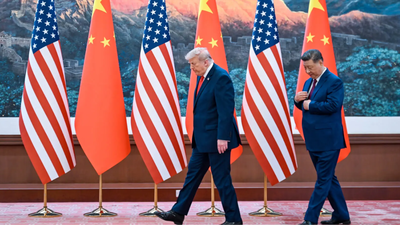
Taiwan absent from White House China trip summary amid Iran, trade focus
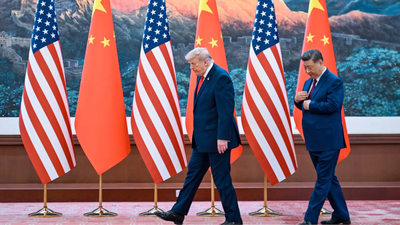
The White House on Sunday released a fact sheet on US President Donald Trump’s visit to China, outlining agreements on trade, investment and the Iran crisis, but made no mention of Taiwan despite the issue dominating the discussion during Trump’s meetings with Chinese President Xi Jinping.According to the fact sheet, the two countries agreed to establish new “US-China Board of Trade” and “US-China Board of Investment” mechanisms to manage bilateral economic and investment issues.The document said Trump and Xi agreed that Iran “cannot have nuclear weapons”, called for the reopening of the Strait of Hormuz and agreed that “no country or organization can be allowed to exact a toll”.The White House also said Trump will host Xi in Washington later this year and the two countries will support each other as hosts of the G20 and APEC summits.
Trade, rare earths and Boeing deals highlighted
The fact sheet said China would address US concerns over shortages of rare earth minerals and critical materials including yttrium, scandium, neodymium and indium.It also announced that China had approved an initial purchase of 200 Boeing aircraft for Chinese airlines, marking it as the first major commitment for US-made Boeing aircraft since 2017.Additionally, China has committed to purchasing at least $17 billion worth of US agricultural products annually in 2026, 2027 and 2028, in addition to previous soybean commitments made in 2025.The White House further said China restored market access to more than 400 US beef facilities and resumed poultry imports from US states exempt from bird flu restrictions.
Despite maintaining dominance in negotiations, Taiwan did not lag behind
While the fact sheet emphasized “strategic stability” and economic cooperation, it did not mention Taiwan, even though the self-ruled island reportedly emerged as one of the central issues during Trump’s visit to Beijing.Xi warned Trump during the conversation that mistreatment of Taiwan could push America and China towards conflict. However, Trump avoided discussing Taiwan publicly in Beijing.After leaving China, Trump acknowledged that he and Xi “talked a lot about Taiwan” and suggested he was reconsidering a previously approved US arms package for Taipei after Xi’s objections.Trump described the potential billion-dollar arms sale to Taiwan as a “negotiating chip” in media interviews after the summit, raising concerns in Taiwan.
‘Strategic Stability’ Framework
The White House fact sheet said the two sides agreed to build a “constructive relationship of strategic stability” based on “fairness and reciprocity.”Chinese officials described the framework as a new model for managing relations between the world’s two largest economies over the next three years, focusing on cooperation while managing differences.The Iran conflict and global energy security were also widely discussed during the visit. Trump claimed Xi agreed that the Strait of Hormuz should remain open and that Iran should not have nuclear weapons, although Chinese officials have publicly said that any resolution to the crisis should consider the concerns of all parties.

British police are searching for a man who shouted ‘Jews will be beheaded one by one’ on a London street

British police have launched an urgent search for a man after a disturbing video emerged online of him threatening to “behead Jews one by one” on an east London street.The incident took place near a mosque on Whitechapel Road in Tower Hamlets, where a group of men were seen shouting pro-Palestinian and anti-Israel slogans while speaking on camera.In the footage, the man can be heard shouting: “Jews, you will be beheaded one by one, you dirty Jews.”They also chanted slogans such as “Fuck Israel” and “From the river to the sea, Palestine will be free”.
Police immediately started investigation
The Metropolitan Police said officers attended the area after receiving information about the clip online on Friday and are now trying to identify the suspect.A police spokesperson said: “We understand that incidents like this cause great concern and we take all reports incredibly seriously. There is no place for hate crimes of any kind in our communities.”Officials said the investigation is ongoing and immediate questioning is underway.
Jewish community ‘extraordinarily concerned’
The Shomrim community safety group described the footage as “horrific” and said the Orthodox Jewish community was deeply concerned by the threats.The organization said it was working closely with police and that authorities were taking the matter “very seriously”.Another man seen in the video appeared to attempt to stop the speaker from proceeding, although it is unclear whether the two knew each other.
growing worries end antisemitism in britain
The incident comes amid growing concerns over anti-Semitism following a series of attacks and threats targeting Jewish communities in Britain.Earlier this month, London’s Metropolitan Police announced the formation of a new specialist “community safety team”, consisting of 100 additional officers, tasked with protecting Jewish neighborhoods and sites.Police Commissioner Sir Mark Rowley had earlier warned of a growing “epidemic” of anti-Semitism across Britain and said hundreds of extra officers were needed across London.

When Princess Diana Made a Quiet Sacrifice for William and Harry That Revealed What a Mother She Really Was

The poignant choice Princess Diana once made for her sons made people look at her differently
While Princess Diana will always be known for her compassion and empathy in helping those in need around the world, according to people close to her, one of her most important characteristics was her maternal instincts. Once again, in an interview, Princess Diana’s butler revealed how much she loved her two sons. The interview dealt with a difficult but generous choice Princess Diana reportedly made when raising her sons while part of the British royal family.The comments were made amid discussion about the highly rated Netflix show, The Crown. The Crown has received criticism over its portrayal of the private lives of the British royal family. Those opposed to the series have argued that the show portrays Princess Diana as someone who fostered discord between Prince Charles and his two children. However, people who worked closely with Princess Diana have refuted this claim.Princess Diana always put her boys above everything elseAccording to reports, Princess Diana always thought about the welfare and future of her boys more than her own feelings. Former members of the royal family said Prince William and Prince Harry were Diana’s world.According to publicly available sources, Diana knew that her sons would have important responsibilities within the institution of the monarchy in the years to come. Speaking in his comments, which were widely covered by the media in Britain during 2022, Diana’s former butler, Paul Burrell, said he knew she wanted her children to spend some time with the entire royal family, including Queen Elizabeth II and other cousins, so they could learn about their traditions and duties in the future.According to butler Burrell, Diana loved her boys, but she knew they were family, too. Many people find these comments meaningful because this approach represents a balance between maternal feelings and responsibility. It is known that Diana was a mother who ensured that her children lived a simple and royal life. She took her sons with her for picnics, amusement parks, fast food and other activities among regular people. These details can be found in the book, Battle of Brothers, written by Robert Lacey, a royal historian.Princess Diana revolutionized parenting style in the royal householdPrincess Diana’s parenting style was considered progressive compared to other members of the royal family who came before her. Historians say that the royal children were cared for by their nannies and other members of the palace staff rather than their parents. However, Diana was able to change this perception.She hugged her sons in public, participated in their school activities, and encouraged open expression of emotions. It is believed to have contributed significantly to creating a more sympathetic view of the British monarchy. Many child development studies have emphasized the need for emotional connection between parents and their offspring. American Psychological Association States that emotional support and communication from parents play a vital role in building a child’s resilience and psychological strength.It has been suggested by various royal experts that Princess Diana had an underlying understanding of this concept long before it was discussed publicly in parenting forums. As reported by various royal correspondents, Diana was determined to hold hands with her sons and shower them with affection.
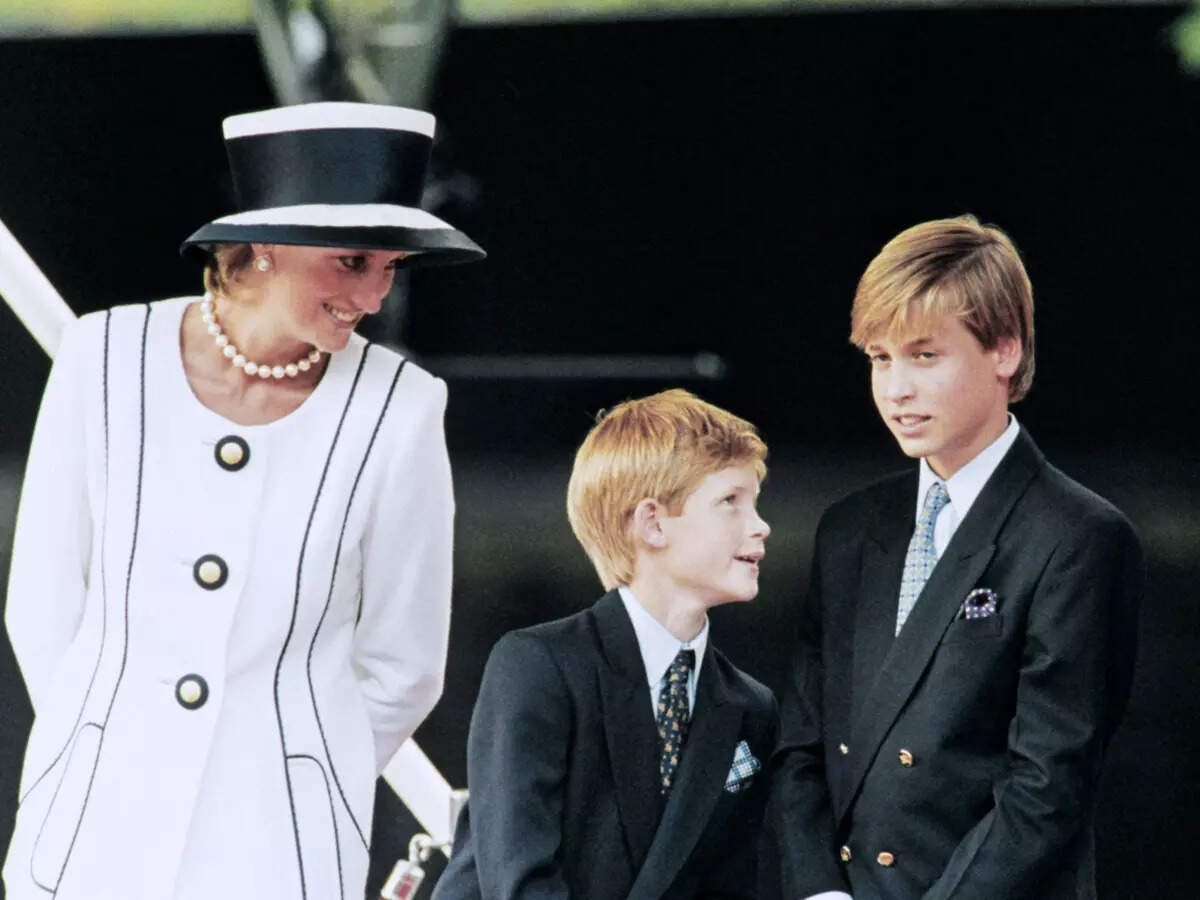
When Diana held back for William and Harry, it revealed her deeper instincts as a mother
The popular perception of Princess Diana is that of a loving mother.Even today, Diana remains one of the most beloved members of the royal family. Partly this is because many remember him for being kind and emotionally honest, as well as his relationship with William and Harry.Photos and videos of Diana with her boys have been widely shared online. These include photos of him joking around with her during holidays, consoling her at various events, or even supporting her during royal duties. Diana has always been considered one of the most beloved members of the royal family. This is largely due to his honesty and authenticity as a person.Although living the royal lifestyle meant being under constant scrutiny, Diana reportedly made sacrifices by allowing her sons to mature in a family environment. In the eyes of most royal fans, this story is not just one of sacrifice. It also includes elements of faith, devotion and maternal intuition to secure a better future for their offspring.

How Nike founder Phil Knight’s $2 billion gift is reshaping cancer care in America

Phil and Penny Knight’s $2 billion donation to OHSU’s Knight Cancer Institute is an example of legacy-changing philanthropy that moves beyond spontaneous “lightning strikes.”
Philanthropy, especially what we see on a large scale, is often seen as a lightning bolt in which a wealthy philanthropist suddenly throws an incredible amount of money at a problem somewhere far away. Of course, this is taken care of, the zodiac has an effect on us, and life goes back to normal. However, legacy-changing philanthropy doesn’t always work this way. What happens when a philanthropist focuses on a single area for ten years?In August 2025, OHSU surprised the world by setting a new benchmark in American philanthropy. Phil and Penny Knight donated $2 billion To the Knight Cancer Institute. It was the largest donation ever given to an American university or academic medical center. The statistics make the story impressive, but the crux of the story is the strategy behind it.This certainly wasn’t a spontaneous act of generosity from the Nike co-founder. Ultimately, this becomes another step in a long process thought out over the past several years. The Knights’ dedication to the organization chosen for this task made them more than mere “check-writers.” Instead, they become partners in the noble cause of revolutionizing the way we diagnose and health care provision. This is because this kind of long-term dedication inspires trust, which government funding can never provide.The power behind a decade of challengesTo understand the meaning behind such a large donation, one needs to delve deeper into what is known as the “challenge culture” established by the Knights of OHSU in 2013. His challenge was to donate $500 million, but only after he managed to raise the same amount of money in 24 months. Thus, a massive mobilization campaign began, in which a thousand people collected a total of $1 billion.It becomes clear from article title The lasting legacy of the Knight Cancer Challenge: Celebrating a decade of cancer research, care, prevention, This particular challenge became a milestone in terms of organizational capabilities. The institute has proven itself capable of implementing initiatives on a large scale without compromising on any of the promises made regarding early detection of cancer. In other words, the donation was received by an organization that had been successful for ten years and had all the necessary infrastructure in place. Rather than sowing seeds on virgin soil, donations were directed toward a mature institution ready to translate investments into patient outcomes.
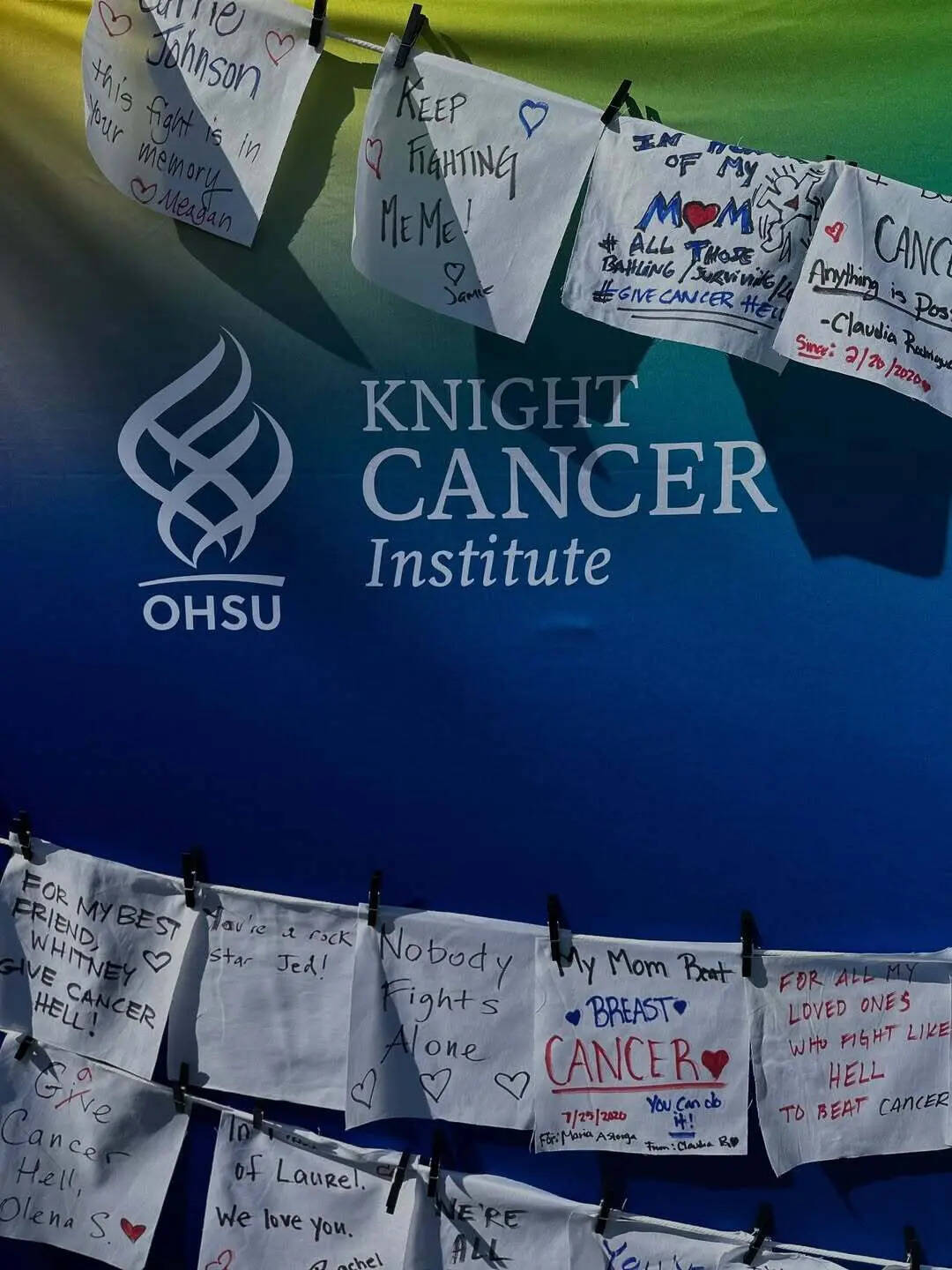
This significant gift, the largest for a U.S. academic medical center, is the culmination of a decade-long strategic commitment that demonstrates how sustained dedication and proven organizational capability can revolutionize health care delivery and patient outcomes. Image Credit: Instagram/@OHSU Knight Cancer Institute
A machine, no monumentThe historical background presented above is important to understand the essence of philanthropy. You do not donate anything, rather you earn. The Knights did not invest in marketing, but in decades of work, data and achievements. As a result, the institution can ensure high-quality services and efficient management, allowing it to expand the existing system rather than investing in a yet-to-be-proven idea.Rather than focusing on the concept of moonshots, this partnership puts its emphasis on the patient’s lived experience. Rather than being used to support a long-term endowment fund, as is often the case with traditional medical gifts, the money will seek to immediately make a difference through architecture. This gives the hospital the ability to think boldly about becoming more than just a place that treats disease.Ultimately, the Knight Foundation’s legacy at OHSU is a testament to the importance of having roots in one’s place. Having firmly established itself in its native state, Oregon, it has proven the importance of commitment more than sporadic philanthropy any day. A commitment that endures long enough to make a dream come true builds more than a better hospital; It creates a legacy of life itself.
Ranking the 5 Tallest Walls on Earth
Ancient stone walls, built for strength and protection, vary dramatically in scale. While most function as cities or military fortifications, the Great Wall of China dwarfs all others, spanning 21,000 km.
When we consider the monuments of the past that have become landmarks within our scenery, few images come to mind more vividly than those of massive stone walls looming across the horizon. Such constructions were designed to make an absolute statement in terms of strength, protection and eternity. When we imagine such ancient odds in competition with each other, we forget that we are dealing with two different leagues.When we talk about cities and even entire military fortifications in Europe, Asia and parts of the Middle East, all surrounded by massive stone walls, there is one particular engineering project from East Asia that stands out because of its scale – literally feeling like an achievement of planetary proportions. There is nothing else like it in the world because of its length.The scale divide: continental walls vs. city wallsThe numbers can help us appreciate the magnitude of these achievements only in terms of scale. Almost all long walls that survived throughout time served as city or military fortress circuits. These were designed to protect either a local area of people or an important hill position.According to an official survey documented by UNESCO World Heritage ConferenceThe true giants of history are classified not only by their height, but also by the total length of their surviving masonry. When we apply this standard, the gap between the top two places is so large that it is almost impossible to imagine. Here’s how the five most important living wall systems on the planet compare.1. the great wall of chinaThe Great Wall of China extends across the entire northern region of China and can be considered the most prominent ancient structure for defense. Most people think of just one section of the Great Wall – constructed during the Ming Dynasty – but in fact, there are moats, hills and walls built in different eras. The exact length of the wall, officially measured in China, is equal to 21,196 km.2. Kumbhalgarh Fort WallLocated in the Mewar Fort in Rajasthan, India, this wall is often affectionately called the Great Wall of India. It represents the pinnacle of Rajput military architecture. While it is clearly the runner-up on the world scale, its length is approximately 36 kilometers. This is a huge feat for a fortress, yet it is less than one percent of the length of the top slot.3. diyarbakir wallsThis basalt circuit in Türkiye is one of the most important surviving fortified lines in the Near East. Extending approximately 5.8 kilometres, the walls stood during the Roman, Byzantine and Ottoman eras, serving as a dark, impressive reminder of the city’s strategic value for thousands of years.4. the stone wallsOften referred to as the European Great Wall, this 5.5 kilometer long limestone barrier in Croatia was built to protect the salt pans of the Republic of Ragusa. It is an amazing example of how a relatively small community can muster enough resources to wall off an entire peninsula to protect its “white gold”.
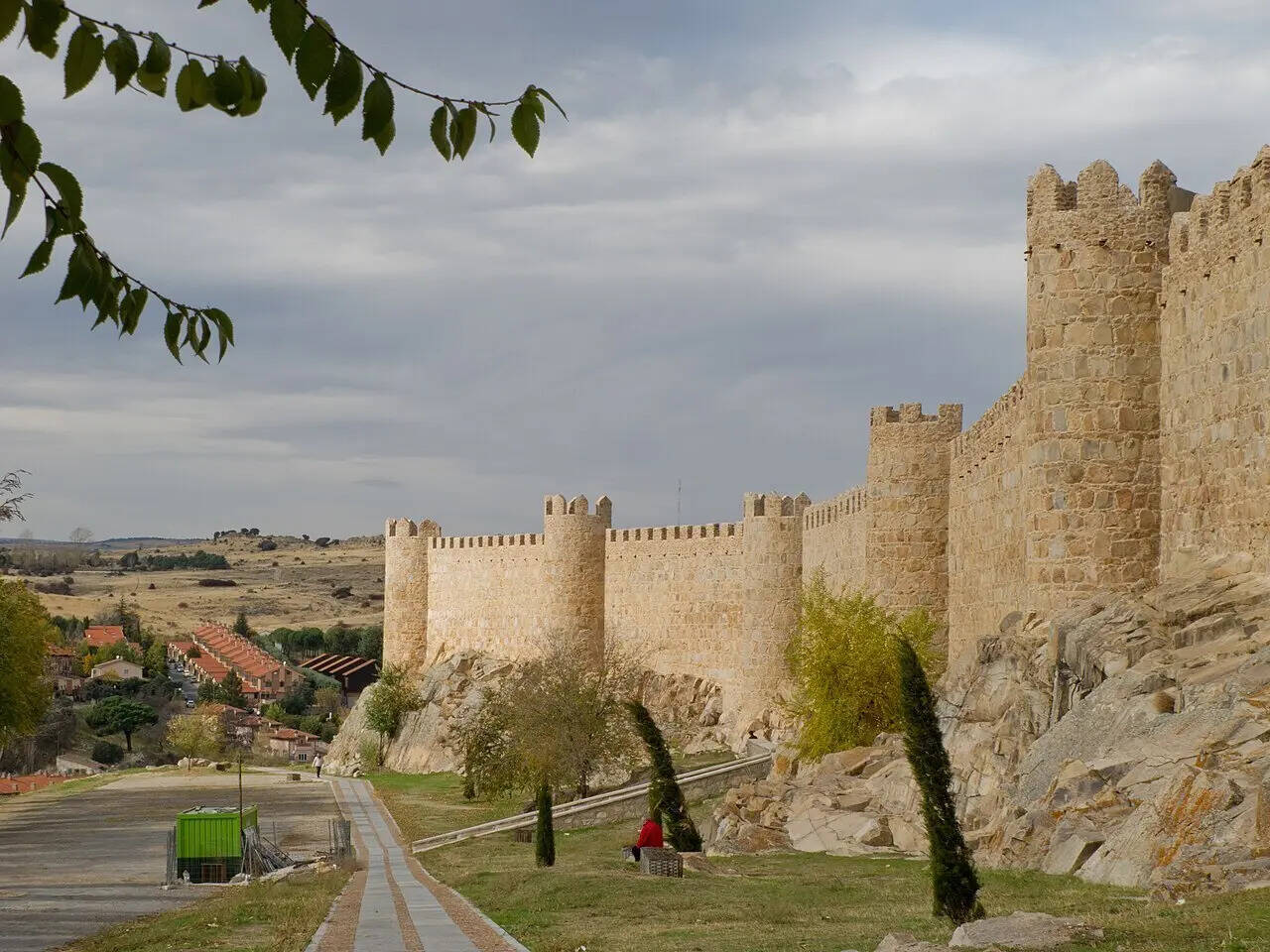
Modern measurement techniques, including satellite imagery, have revealed its true, immense length, highlighting its unique position among global defensive structures. Image Credit: Wikimedia Commons
5. the walls of avilaThe list includes the most complete medieval circuit of Spain. These walls, approximately 2.5 kilometers long, have 88 semi-circular towers and are so well preserved that they look like a movie set. They represent the standard for a fully fortified medieval European city.Why do modern measurement maps keep changing?If you think the Great Wall has “grown” in length since you were in school, you’re not entirely wrong. The way we measure these ancient giants has evolved significantly with technology. A comprehensive study conducted by the UNESCO World Heritage Convention regarding the Great Wall of China shows that for centuries, we counted only the standing stone sections.Today, researchers use aerial photography and satellite imagery to identify buried sections and natural barriers that were officially part of the defense line. This is why the officially recognized numbers have increased from thousands to hundreds of thousands.Furthermore, an article in National Geographic This explains why wall rankings can be defined differently. While some scholars choose to count only the continuous length of the walls, others consider the total length of the branches. By the same logic, a fort like Kumbhalgarh can be considered as the second longest continuous wall in the world, while it is much shorter than the Great Wall complex of China.In short, these walls represent much more than a pile of rocks. They stand as a testament to the resilience of the human spirit. Whether they were built to protect a Spanish city or to mark the perimeter of an entire empire, they symbolize the idea that when people chose to build permanent structures, they changed not only the scenery but also the maps.
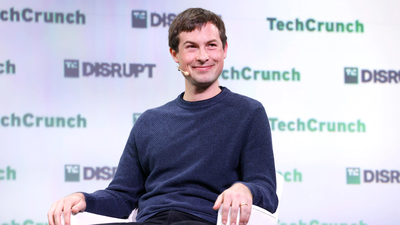
Steve Jobs’ son Reed Jobs plans to invest in cancer startup
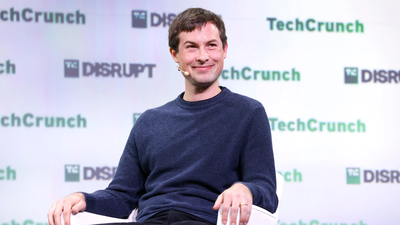 Apple co founder Steve Jobsis looking to expand investments in British healthcare startups through its oncology-focused venture firm as it pushes efforts to improve cancer treatment and early detection.Jobs, 34, runs Yosemite, a San Francisco-based venture firm that manages more than $1 billion in assets and backs companies developing cancer therapies, gene-editing technologies, radiopharmaceuticals and artificial intelligence tools for health care.Speaking during the Translational Research Summit organized by LifeArk in London, Jobs explained how his father’s battle with cancer focused his attention on oncology research and investment, reports The Guardian.“When I was a kid, I watched my father have cancer, and unfortunately that happens very often,” Jobs said at the summit.“And that really inspired me to try to change outcomes for other people.”Steve Jobs died in 2011 at the age of 56 after battling a rare form of pancreatic cancer.Jobs said that Yosemite is actively exploring opportunities in the UK and meeting with pharmaceutical companies, academics and researchers as part of its international investment plans.“As a firm, we invest in companies internationally, and we would love to see opportunities in the UK,” he said.Yosemite has invested in about 20 healthcare startups, including companies working on cancer vaccines, gene therapy and AI-powered drug development. The firm has also backed some UK-based companies that have not yet been publicly announced.The venture was launched in 2023 after it spun off from Emerson Collective, the investment and philanthropic organization founded by Jobs’ mother Laurene Powell Jobs.Yosemite is supported by several leading institutions and investors, including Amgen, the Massachusetts Institute of Technology, and Memorial Sloan Kettering Cancer Center.Jobs said he hoped that future advances in medicine would turn cancer into a disease that could be detected earlier and treated more effectively.“Many cancers these days are either diagnosed incidentally, because there are no good early biomarkers, or diagnosed only after they are metastatic and extremely advanced,” he said.“this is unacceptable.”He described immunotherapy as one of the most promising areas in cancer treatment in the coming decades.“I think this is one of the areas that will have the most potential for patients over the next few decades,” Jobs said.