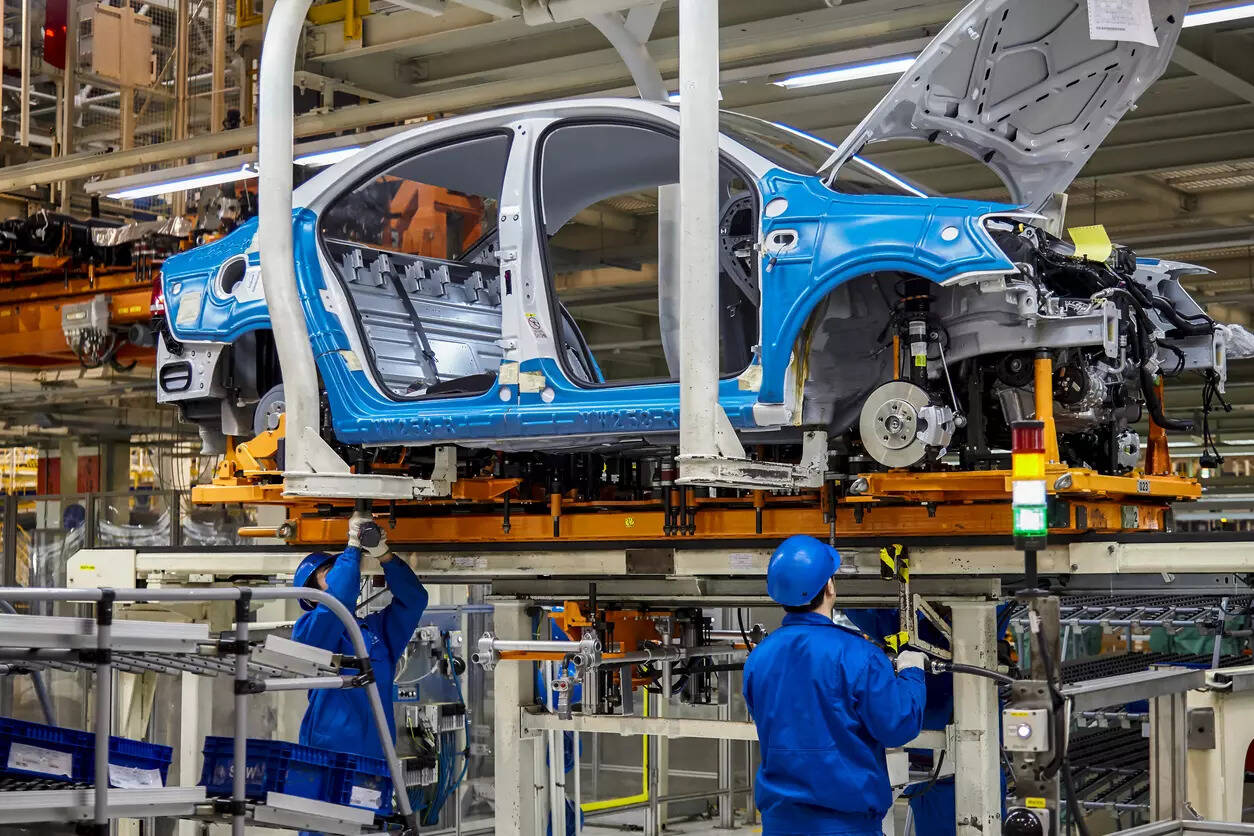

Geopolitical tensions in West Asia threaten Indian auto industry’s production, ETAuto
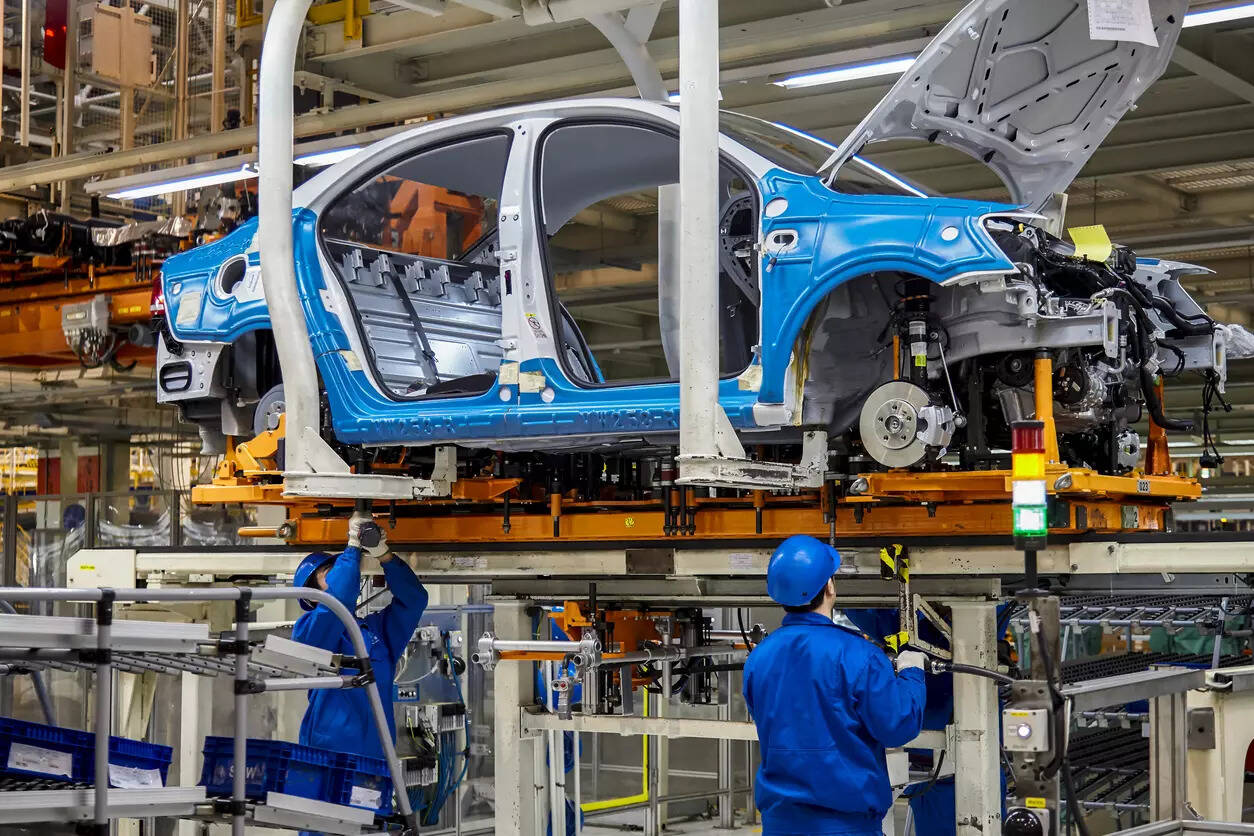 Additionally, supply chain disruptions from West Asia have led to delays in supplies of materials such as chemicals, synthetic rubber, aluminum scrap and petrochemical-based inputs such as polypropylene.
New Delhi: Rising geopolitical tensions in West Asia have raised alarm bells in India’s automotive industry, with auto component makers warning that disruption in the supply of industrial gases and key imported raw materials could hit production if the conflict between Iran and the US-Israel drags on for a longer period.
“There are concerns related to the availability of gas, especially LPG and PNG, which are widely used in manufacturing processes,” said Vini Mehta, director general of the Automotive Component Manufacturers Association of India (ACMA). ETAAuto.
auto component manufacturer Those involved in coatings and surface treatments are heavily dependent on such gases and require large quantities of them for production processes, making disruption in the value chain a major concern.
According to the Ministry of Petroleum and Natural Gas, India depends heavily on West Asia for its LPG needs – about 60 per cent, of which about 90 per cent comes through the Strait of Hormuz.
Additionally, supply chain disruptions from West Asia have led to delays in supplies of materials such as chemicals, synthetic rubber, aluminum scrap and petrochemical-based inputs such as polypropylene. This may slow down the production of both auto component manufacturer And original equipment manufacturers (OEMs), are impacting the industry on both the import and export fronts.
Sensing the worrying situation, auto industry bodies Society of Indian Automobile Manufacturers (SIAM) and Automotive Component Manufacturers Association (ACMA) on March 9 wrote to the Ministry of Petroleum and Natural Gas, demanding adequate supply of industrial gases.
“At least one OEM has spoken to us directly on this issue. Our concerns are largely similar as we are part of the same value chain,” Mehta said.
The government has formed a three-member committee after the industry demanded restoration of adequate supply of LPG, propane and PNG to manufacturing units, according to people familiar with the matter.
“It is requested that the Ministry may restore the allocation of LPG/PNG/Propane to the extent feasible and provide visibility on the availability of LPG/PNG/Propane supply to industrial consumers in the automobile sector,” SIAM said in a letter to the government. ETAAuto.
“Initially companies can manage using existing inventories of these gases, but once those inventories are exhausted, production lines may face challenges,” Mehta said.
India’s automotive industry, which contributes about 2.3 per cent to the country’s GDP and directly employs over 1.5 million people, could see a wide-ranging impact if the disruption continues.
“In many cases, workers depend on these facilities for their daily meals. If operations slow down or activity in factories reduces, it also impacts workers and their welfare, which becomes an additional concern for companies,” Mehta said.
supply routes strained
Industry stakeholders have also flagged rising freight and logistics costs, longer transit times and shipment delays, which could impact both production and exports.
On the financial front, the industry has raised concerns related to industrial energy support loans and liquidity support to overcome raw material supply constraints and maintain export competitiveness.
The Gulf region is an important market for India’s automotive sector, with the region accounting for about 25 per cent of India’s $8.8 billion vehicle exports in 2025, mainly to Saudi Arabia, UAE and other Gulf countries.
According to reports, many Indian OEMs have delayed shipments to the Middle East and North Africa (MENA) as the blockade of key sea routes, including the Strait of Hormuz, has increased freight costs.