
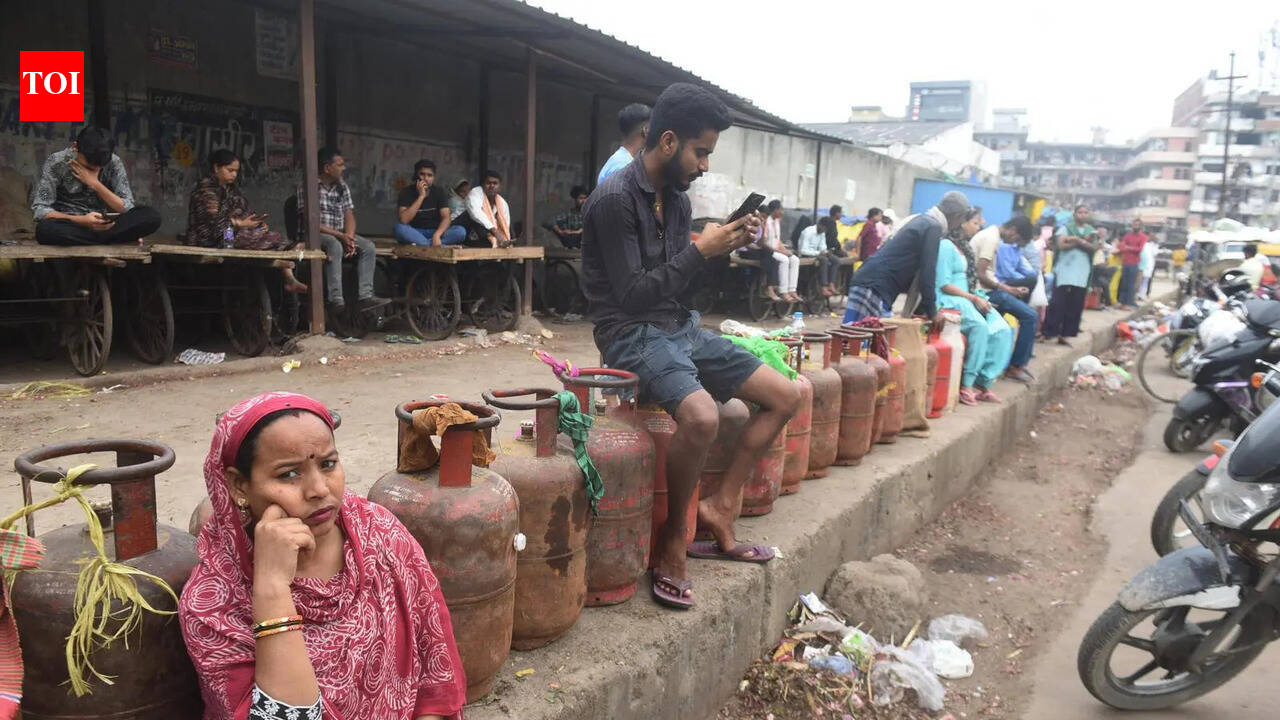

Wood-fired stoves, cylinders brought from villages 500 km away, life on just bread and fruits: How LPG pressure has affected the most vulnerable. noida news
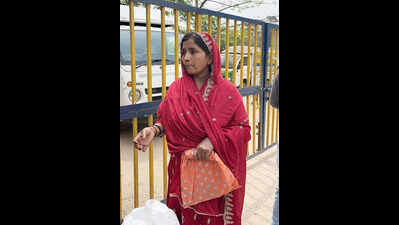
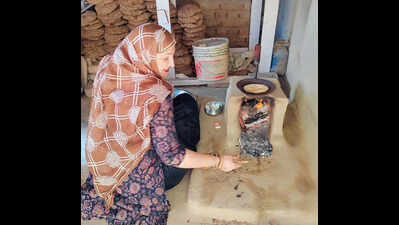
Noida: It is 5 in the morning, it is still dark in Chhaprauli village of Noida and Nisha Devi is already at work. She sits near the stove, stirring wet wood to catch fire so she can cook food for her family before leaving for work.Nisha, a domestic help who cleans and cooks in several apartments in Sector 93B, has not been able to get refills for her cylinder as LPG supplies have come under pressure due to the West Asia conflict and strict checks that have halted informal gas supplies.in Makanpur village GhaziabadSimilarly, scarcity has given rise to unusual solutions. Shivani, a domestic help, has until now made do with small cylinders purchased locally, which fill the gray market and keep kitchens running in thousands of low-income homes. When that ran dry, his family ordered a cylinder from their village in Mahoba, about 500 km away, where they have legal ties.
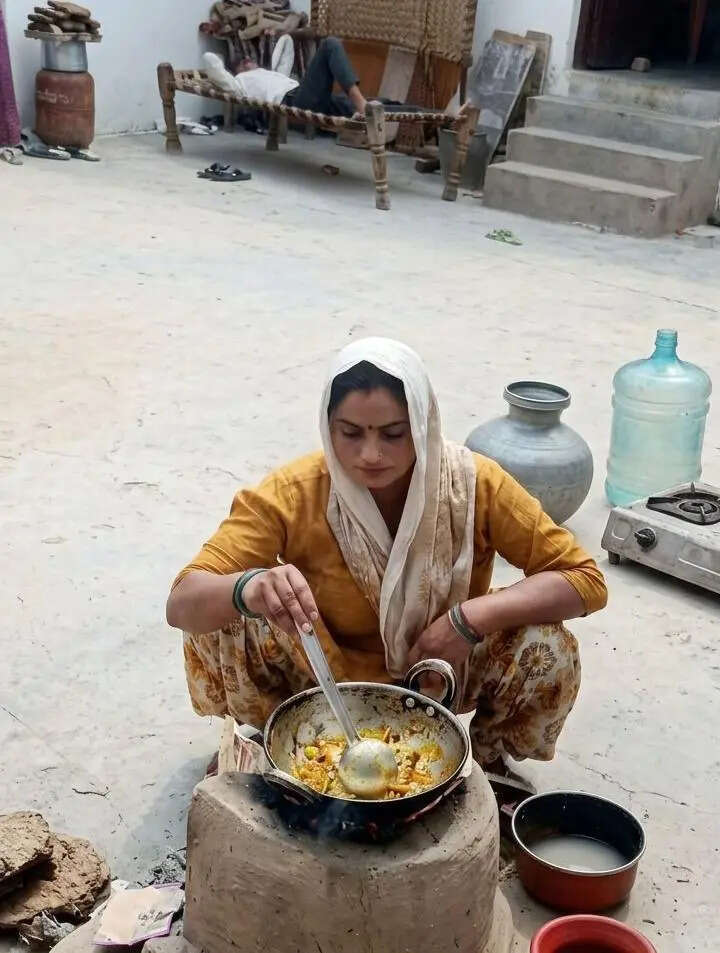
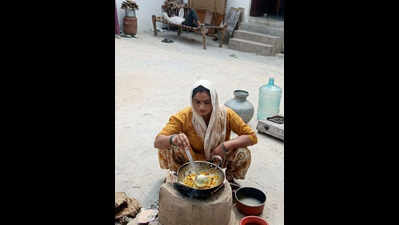
Nisha Devi of Chhaprauli village sits on a wooden stove to cook food.
Shilpi, who lives in Gejha and works in a high-rise society in Sector 93, says that she waited for almost a week to get the 5 kg cylinder. “For 8-10 days, I survived on food from my employer and bread and fruits bought from the market,” she says.The current LPG supply pressure has hit domestic workers and daily wage laborers the most, pushing the most vulnerable population into longer, more exhausting days just to get two meals a day.“Cooking on wood takes more time than on a stove. I get late for work, but thankfully my employer understands our plight,” says Nisha. But this change has extended his morning hours.The routine that once operated with a gas stove now involves gathering wood, lighting the stove, and waiting for the flame to light before the workday begins.A five-kg cylinder now costs them Rs 1,500 and it barely lasts them a week. “Till recently, we used to get a 14.2 kg cylinder for around Rs 1,100 through informal channels. But, we can no longer pay Rs 4,000 for one, so we had to switch,” she says. Her husband, a cab driver, has seen instability in his earnings, which has also put pressure on household income.Sonia, a domestic help, who travels daily from Harola village in Sector 5 to work in Sector 21, exhaustion sets in even before she reaches her employer’s doorstep. She said, “No one understands our fatigue. Working on the wood stove makes me tired even before the day starts, but I cannot leave my children hungry.”For already stressed workers, this is a stopgap, not a solution.Shilpi says that when her landlord did not allow her to make an earthen stove, she had no option but to take advance money from her employer to buy a small cylinder.But small cylinders provide little immediate relief. At Rs 1,500 advance and Rs 900 security deposit, their cost per unit is significantly higher than the standard 14.2 kg cylinder. Each refill, which is available only after 18 days, costs Rs 555.Unable to refill their cylinders in the black market due to rising prices, Shivani’s family also had to rely on subsidized LPG connections in their village in Mahoba. “My husband went there and brought back a cylinder from the bus,” she says.
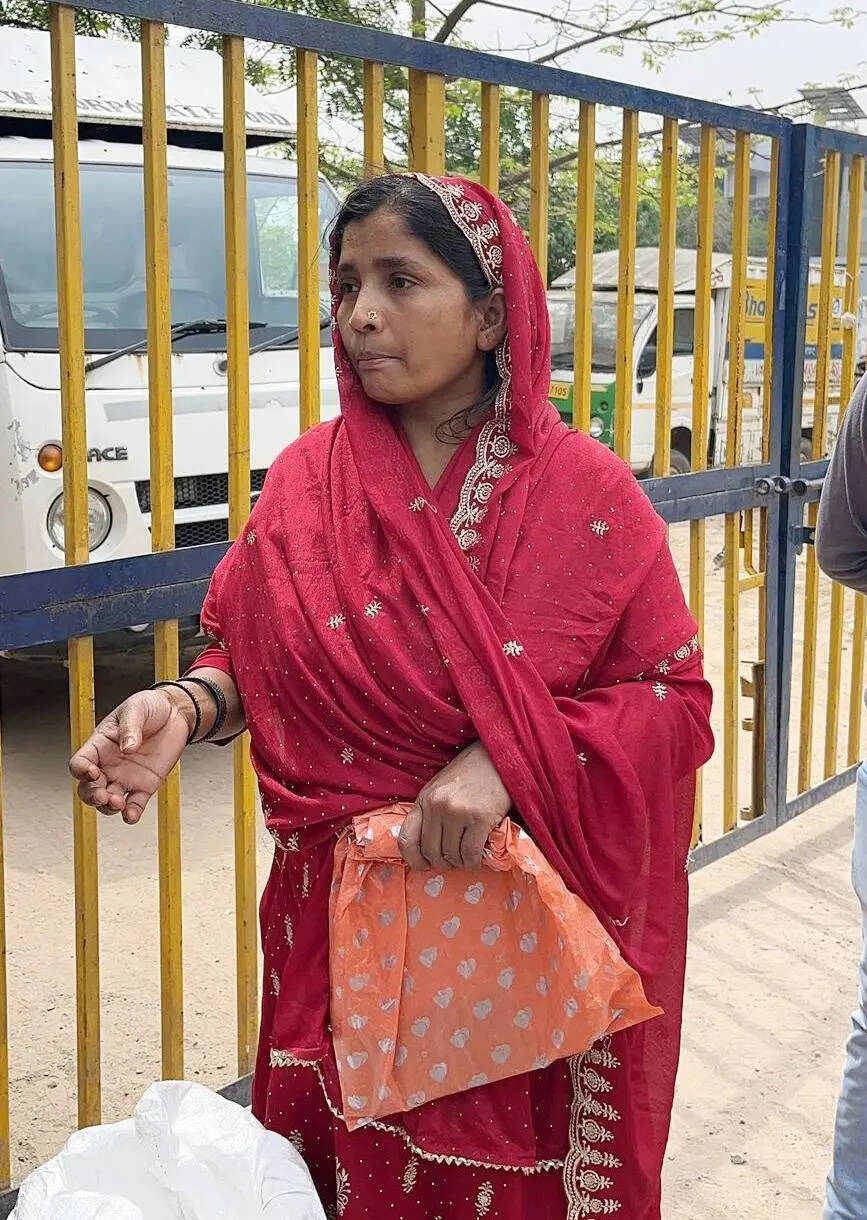
Parveen has repeatedly visited a gas agency located in Kanawani, but has not received the cylinder yet.
But access remains a difficult problem even for those with valid connections. Parveen, who lives in Islam Nagar, Ghaziabad and works in Siddharth Vihar, made repeated visits to a gas agency in Kanavani village, where her connection is registered. “My cylinder is almost finished. I had taken leave from work to come here, but for the last three days I have been turned back,” she says.Each unsuccessful visit costs him one day’s salary. Her husband, a mason, also earns the entire day, leaving no scope for such disruptions at home.
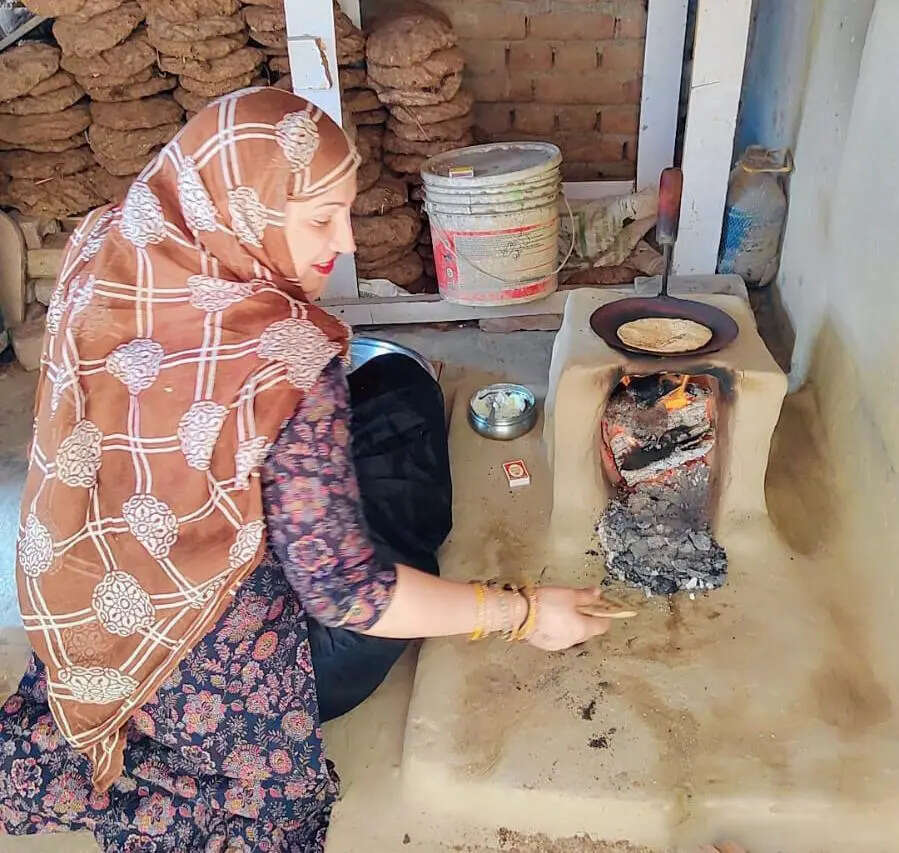
After running out of gas, Savita uses a wood stove to cook food at her home in Harola
Even traditional drawbacks are losing ground. In Kanavanni, Heena, another domestic help who works in several houses in Indirapuram, says the price of cow dung cakes has increased from Rs 1 to Rs 5 per piece, taking the price of 50 pieces from Rs 50 to Rs 250. “I go to seven houses for work. After that, where is the time to bring the wood, cut it and take it back?” He said. His cylinder ran out 10 days ago. “Cow dung is expensive, but I have been using it for a week as there is no other option.“
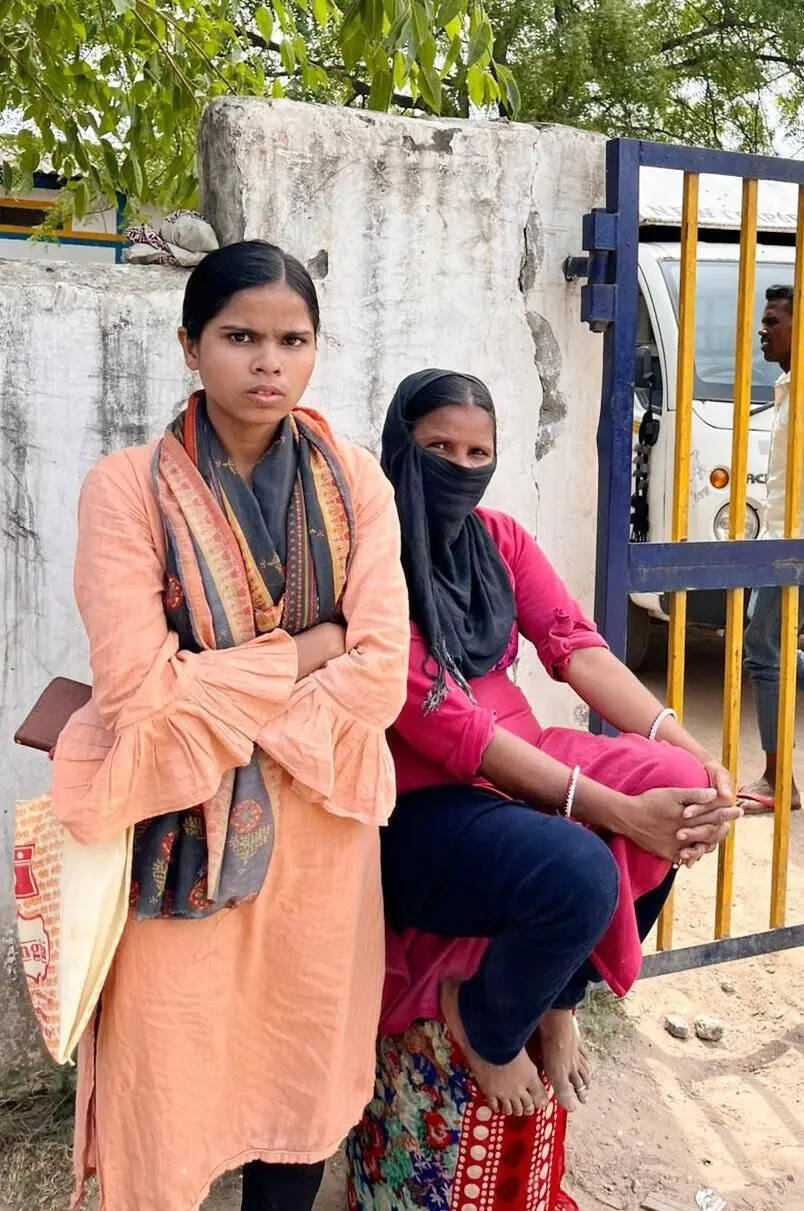
Hina and Seema outside a gas agency in Kanawani
Many families from Heena’s area have left for their hometown. “Those who could have got leave and could afford to go have gone. Most of them are those who live in one-room houses with no space for a stove,” he said. “Those of us who don’t have any savings have to keep working.”