

ZSI | Snapper spotted in Gopalpur-on-Sea for the first time in India, reports Bhubaneswar News
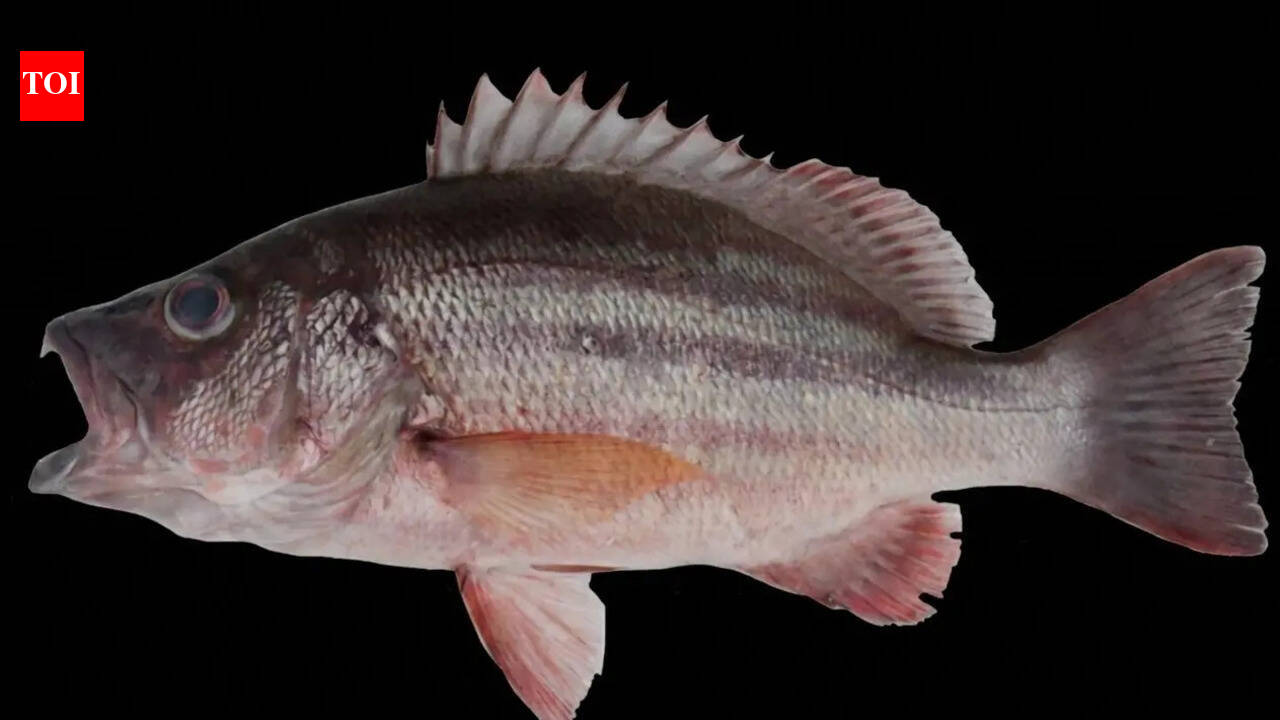
Berhampur: In an important contribution to Indian marine fish taxonomy, researchers from Zoological Survey of India (ZSI) and Fakir Mohan University, Balasore, have recorded a new snapper species ‘Lutjanus arakan’ in Indian waters for the first time off Gopalpur in Ganjam district.“This discovery was important because snappers have high commercial value as food fish and most species are reef-associated residents with vibrant body colouration,” said Anil Mahapatra, a senior scientist at ZSI who led the study. The description of the new species in the country was published in Zootaxa, an international journal, in its latest edition on May 5.During their field study, the researchers collected a sample of the species from the fish-landing station in Gopalpur-on-Sea on November 8, 2024. During the study, they found that it was discovered off the coast of Bangladesh, a first and new to the country.“To identify the exact species, the team conducted integrated taxonomy, morphologically the species is distinguished from other snappers by its unique body colour, which has a reddish-silver color with a series of four dark-reddish brown horizontal stripes extending from the head to the back,” said Mahapatra, who is also in-charge of ZSI’s Estuarine Biology Regional Center (EBRC), Gopalpur.“While the upper body of the snapper is mostly dark brown to black, its central fins are dark reddish brown, and its paired fins appear translucent pink. Molecular analysis has shown that the species is genetically distinct from closely related species and aligns with ‘Lutjanus arakan’,” he said.This discovery will contribute to the field of biodiversity in the Bay of Bengal and document the marine species found in the south-western India-specific area by EBRC, ZSI.Other members of the team include Rajesh Kumar Behera, Swaroop Ranjan Mohanty, Smritirekha Acharya, EBRC, TKS Thathachari and Bhaskar Behera, Fakir Mohan University, Balasore, and retired scientist Subhrendu Shekhar Mishra, ZSI, who have studied the species before it was new to the country.