Breaking News
यूकेपीएससी सिविल जज मेन्स परीक्षा: उत्तराखंड सिविल जज मेन्स परीक्षा के लिए एडमिट कार्ड इस दिन जारी किया जाएगा, नोटिस देखें – यूकेपीएससी सिविल जज मेन्स एडमिट कार्ड 2026 जल्द ही जारी किया जाएगा, आधिकारिक सूचना देखें

यूकेपीएससी सिविल जज मुख्य परीक्षा: उत्तराखंड लोक सेवा आयोग (यूकेपीएससी) ने सिविल जज मुख्य परीक्षा 2026 के लिए एडमिट कार्ड जारी कर दिया है। परीक्षा में शामिल होने के लिए उम्मीदवारों को 6 अप्रैल, 2026 से आयोग की आधिकारिक वेबसाइट psc.uk.gov.in से अपना एडमिट कार्ड डाउनलोड करना होगा। अलग से प्रवेश पत्र डाक के माध्यम से नहीं भेजे जायेंगे। जिन उम्मीदवारों ने इस परीक्षा के लिए आवेदन किया है, वे अब आधिकारिक वेबसाइट से अपने प्रवेश पत्र डाउनलोड कर सकते हैं।

उत्तराखंड सिविल जज मेन्स परीक्षा 2026 के लिए एडमिट कार्ड प्राप्त करने के लिए उम्मीदवारों को अपने पंजीकरण नंबर और पासवर्ड का उपयोग करना होगा। इस एडमिट कार्ड में उम्मीदवार का नाम, रोल नंबर, परीक्षा केंद्र का पूरा पता, परीक्षा की तारीख और समय जैसी महत्वपूर्ण जानकारी उपलब्ध है।

परीक्षा कब होगी?

मुख्य परीक्षा 2026 21 अप्रैल से 24 अप्रैल तक आयोजित की जाएगी। उम्मीदवारों को परीक्षा में भाग लेने के लिए एडमिट कार्ड के साथ वैध फोटो पहचान पत्र लाना आवश्यक है, क्योंकि इन दस्तावेजों के बिना परीक्षा हॉल में प्रवेश की अनुमति नहीं दी जाएगी। परीक्षा हरिद्वार में एक ही परीक्षा केंद्र ‘परीक्षा भवन, उत्तराखंड लोक सेवा आयोग, हरिद्वार’ में आयोजित की जाएगी। अलग से प्रवेश पत्र डाक के माध्यम से नहीं भेजे जायेंगे।

Source link

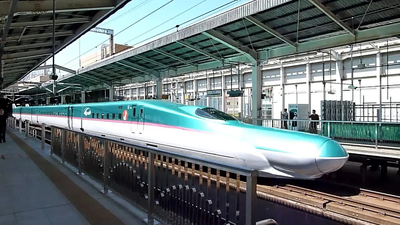
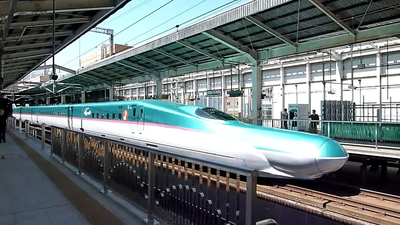
Japan turns bullet train into cargo carrier: Inside the Shinkansen, the world’s first freight train running at 275 kmph world News

Japan turns bullet train into cargo carrier: Inside the world's first freight train running at 275 kmph Shinkansen

In a move that signals a change at the intersection of speed and logistics, Japan has converted one of its iconic bullet trains into a high-speed cargo carrier. East Japan Railway Company’s initiative marks the launch of the world’s first dedicated freight-only Shinkansen, reviving a former passenger train to transport freight at speeds of up to 275 km per hour. At a time when supply chains are under pressure and demand for faster, more reliable deliveries is growing, the project highlights how even the most established transportation systems are being reimagined to meet new economic and technological realities.

How did Japan’s Bullet Train become a high-speed cargo carrier?

The transformation center is on the E3 series Shinkansen, a train originally designed to carry passengers on Japan’s high-speed rail network. In its new form, the interior seats have been removed and redesigned to maximize cargo space. The reinforced floor, open layout and safety systems now allow the train to carry up to 1,000 boxes or about 17.4 tonnes of freight in a single trip.Unlike traditional freight trains, which prioritize volume over speed, this redesigned bullet train focuses on fast delivery. Retaining its aerodynamic design and high-speed capability, it bridges the gap between air cargo and conventional rail freight transportation.The service operates between Morioka and Tokyo along the Tohoku Shinkansen Line, covering the distance in just over three hours. By integrating cargo operations into the existing high-speed rail infrastructure, East Japan Railway Company avoids the need for an entirely new logistics corridor.In some cases, freight cars are combined with passenger services, ensuring efficient use of track capacity while maintaining high speeds. This hybrid approach allows Japan to maximize the utility of its rail network without disrupting passenger operations.

What’s in it and why does speed matter

The inaugural race demonstrated the types of cargo best suited for this system. Items such as fresh scallops and precision equipment were transported from Iwate Prefecture, focusing on high-value, time-sensitive items. Over time, the category has expanded to a wider range of items including fresh seafood, premium agricultural products, dairy products and ready-to-eat meals that require fast delivery.Unlike bulk commodities, these products benefit from speed, stability and less handling. The Shinkansen’s smooth ride minimizes vibration, making it particularly suitable for delicate and high-precision items such as semiconductors, electronic components, medical supplies, pharmaceuticals, laboratory samples, optical instruments and specialized industrial machinery. High-value parcels, luxury goods and e-commerce shipments that depend on strict delivery timelines are also being viewed as ideal cargo for such high-speed rail systems.

From pandemic experiment to full-scale operation

The idea of ​​using bullet trains to transport freight is not entirely new. During the COVID-19 pandemic, due to reduced passenger numbers, experiments were conducted where goods were carried inside passenger coaches. These early tests demonstrated the potential of high-speed rail for logistics.Over time, increasing demand, combined with labor shortages in the trucking sector and increasing pressure to reduce carbon emissions, led operators to develop fully dedicated cargo configurations. The current freight Shinkansen is the result of that development.

Engineering a new kind of freight system

Converting a passenger bullet train into a cargo carrier requires careful engineering adjustments. Removing the seats created open space, but also required strengthening of the structure to handle the concentrated load. Cargo protection systems were introduced to ensure stability at high speeds, while maintaining the train’s balance and aerodynamics.Despite these changes, the train retains its ability to run at speeds close to that of passenger services. This is important, because the entire concept relies on delivering goods faster than traditional rail while being more energy-efficient than air transport.Japan’s freight-only Shinkansen represents more than a technological experiment. This signals broader changes in how countries may approach logistics in the future. By combining speed, efficiency and sustainability, high-speed rail could emerge as a viable option for certain categories of cargo.

Source link

Coordination, spirit of Team India: What was discussed in the important meeting of PM Modi-Chief Ministers amid Iran war. india news

Coordination, Team India spirit: What was discussed in the important meeting of PM Modi-Chief Ministers amid Iran war?

New Delhi: Prime Minister Narendra Modi on Friday chaired a virtual meeting with chief ministers to review the impact of the ongoing conflict in the Middle East, with discussions focusing on fuel supply, inflation and logistics amid rising global tensions.The meeting focused on ensuring coordinated action between the Center and states to manage potential disruptions arising from the crisis, especially in energy supply and supply chains. The Prime Minister is chairing a meeting with Chief Ministers as part of efforts to assess preparedness in essential sectors and maintain stability.The discussions also included a review of states’ preparedness to handle any fallout from the conflict, including contingency planning for fuel availability and price pressures. With the global energy market already under stress, the Center stressed the need for close coordination and timely response mechanisms.Officials indicated that the aim of the talks was to strengthen the “Team India” approach, ensuring that both the central government and states work in synergy to address emerging challenges.Due to the Model Code of Conduct, Chief Ministers of election-bound states did not participate in the meeting. A separate meeting will be held for Chief Secretaries of poll-bound states through the Cabinet Secretariat to ensure administrative coordination without violating election norms.

Source link

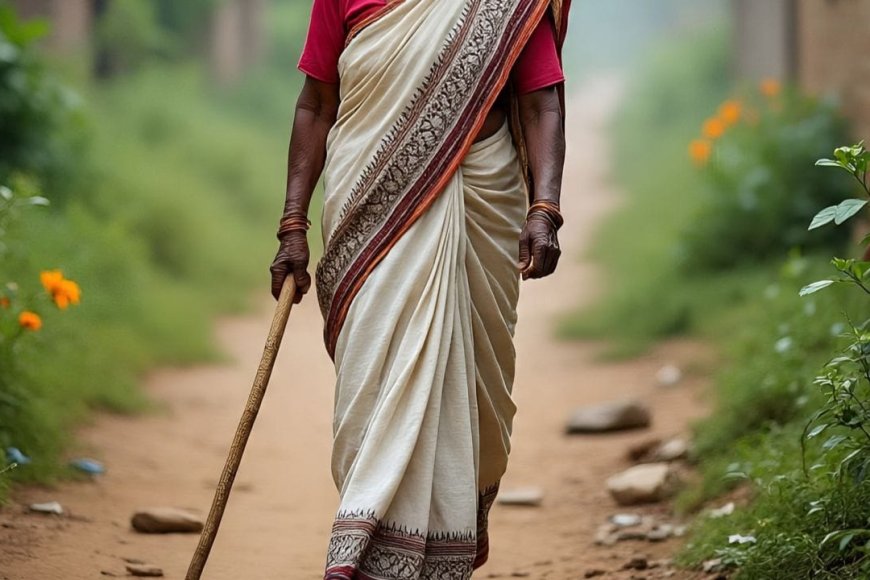
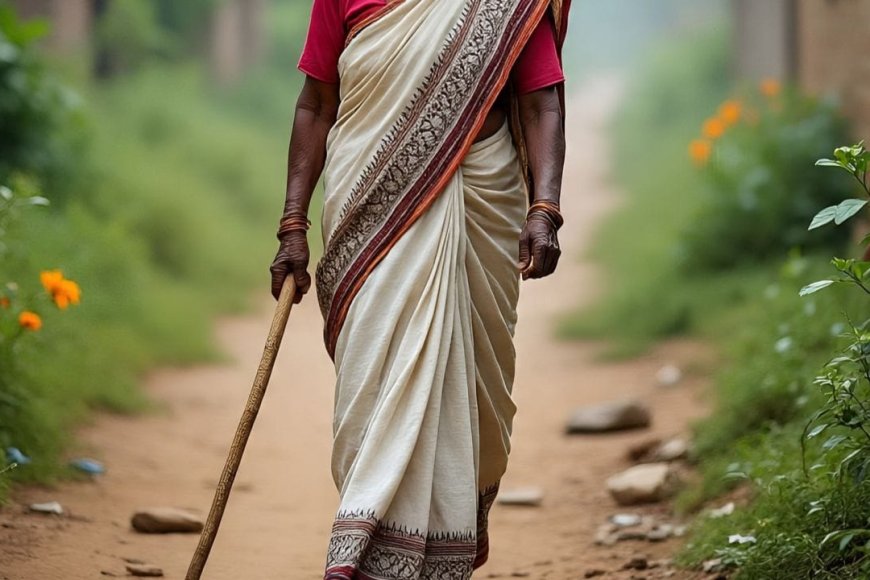
जिंदगी ने दिए एक के बाद एक जख्म! पति लापता, बेटे की मौत…पोतियों को पालने के लिए काम पर निकली वीरवती!

उत्तर प्रदेश समाचार: उत्तर प्रदेश के नोएडा के बिलासपुर कस्बे से एक ऐसी कहानी सामने आई है, जो हर किसी को भावुक कर देती है। 68 साल की वीरवती को अपने जीवन में एक के बाद एक कई दुखों का सामना करना पड़ा, लेकिन उन्होंने हिम्मत नहीं हारी। उसका पति डालचंद 27 साल पहले कमाने के लिए घर से निकला था, लेकिन आज तक वापस नहीं लौटा। इसके बाद घर की जिम्मेदारी बेटे सुधीर पर आ गई और उसने अपनी बहन की शादी भी कर दी। लेकिन किस्मत को कुछ और ही मंजूर था और परिवार पर एक और बड़ा संकट आ गया।

बेटे को कैंसर हो गया, बचाए हुए पैसे इलाज में ख़त्म हो गए
एक दिन अचानक सुधीर की तबीयत खराब हो गई, जिसके बाद जांच में पता चला कि उन्हें कैंसर है. इलाज शुरू हुआ, लेकिन महंगी दवाओं और इलाज के खर्च ने परिवार को आर्थिक रूप से कमजोर कर दिया। आसपास के लोगों ने भी मदद की, लेकिन आखिरकार सुधीर की मौत हो गई। इस घटना ने वीरवती को पूरी तरह तोड़ दिया, लेकिन उन्होंने हिम्मत नहीं हारी।

बहू की दूसरी शादी कराई, पोतियों की देखभाल खुद की
सुधीर की मौत के बाद वह अपने पीछे मां, पत्नी और दो बेटियां छोड़ गए। वीरावती ने बड़ा दिल दिखाया और अपनी बहू से दूसरी शादी कर ली, ताकि उसका जीवन आगे बढ़ सके। लेकिन बहू के नए ससुराल वालों ने दोनों बेटियों को अपनाने से इनकार कर दिया. ऐसे में वीरावती ने अपनी पोतियों की जिम्मेदारी खुद उठाने का फैसला किया।

वीरावती बुढ़ापे में एक फैक्ट्री में काम कर रही है
दोनों पोतियों के पालन-पोषण के लिए वीरावती ने उम्र की परवाह किए बिना काम करना शुरू कर दिया। उन्होंने ग्रेटर नोएडा की एक फैक्ट्री में नौकरी कर ली. जब उन्होंने काम शुरू किया तो पोतियां 5 और 2 साल की थीं। अब वे 14 और 11 साल के हैं, लेकिन वीरावती अब भी हर दिन उनके लिए काम करने जाती है।

सरकारी मदद नहीं मिलने से नाराज हैं
वीरावती फिलहाल बिलासपुर में जैन धर्मशाला के पीछे एक झोपड़ी में रह रही है। उन्हें सरकारी मदद नहीं मिल रही है और उनके पास राशन कार्ड भी नहीं है. उन्होंने कई बार सरकारी दफ्तरों के चक्कर काटे, लेकिन हर बार निराशा हाथ लगी।

मुश्किलों के बीच उम्मीद जिंदा है
इतनी मुश्किलों के बावजूद वीरावती ने हार नहीं मानी है. उन्हें उम्मीद है कि सरकार मदद करेगी और उनकी पोतियों का भविष्य बेहतर होगा. उनकी ये कहानी संघर्ष और साहस की मिसाल बन गई है.

Source link

Emily Atack mourns ex-boyfriend Charlie Edwards; The actress wrote an emotional tribute remembering his love and support. english movie news

Emily Atack mourns ex-boyfriend Charlie Edwards; The actress wrote an emotional tribute remembering his love and support
Los Angeles, March 27 (IANS) English actress Emily Atack is paying tribute to her ex-boyfriend Charlie Edwards. Charlie was a tattoo artist.

english actress emily attack Paying tribute to her ex-boyfriend Charlie Edwards. Charlie was a tattoo artist. He described her as someone who “was always there for me”. The 36-year-old actress shared the message on Instagram following the death of her 27-year-old ex-boyfriend, who had gained 229,000 followers on the platform by showcasing his tattoo work, reports ‘Female First UK’.Emily and Charlie were first linked in 2021 after being photographed together, being introduced by a mutual friend, and communicating via Instagram.According to ‘Female First UK’, their relationship lasted about three months, with a source telling The Sun that Emily’s work commitments at the time affected the relationship. Emily later got engaged to Alistair Garner in 2022, and the couple welcomed a son, Barney, who is now one. Charlie’s final social media post, shared two weeks before his death, promoted the availability of tattoo sessions.“It’s devastating to write this. Charlie you were my friend. You were always there for me. You dropped everything so many times to come and be with me,” Emily said on Instagram.She continued, “We talked for hours on the phone about everything. We helped each other. You were funny, very smart, very talented and caring. I can only hope and pray that you find some peace. My heart breaks for your family who will always be proud of you. Beautiful boy, beautiful soul. I’m so sorry. Rest in peace Charlie”.Messages from followers were also shared in response to the news.“Emily’s work schedule has been busy lately and she’s had to really focus on that work,” a source told The Sun.The insider said: “She was really into Charlie, who is obviously very handsome, and there was a nice spark there, but it’s definitely over”.Emily rose to fame playing Charlotte Hinchcliffe in The Inbetweeners. She later had a diverse career in television, film and stand-up comedy, appearing on reality and panel shows including ‘I’m a Celebrity…Get Me Out of Here’. Emily has also made documentaries and starred in ‘Revels’, expanding her work into more dramatic roles.

Source link

‘Want to go in peace’: Spanish gang rape victim dies by euthanasia after 18-month legal battle with father

'Want to go in peace': Spanish gang rape victim dies by euthanasia after 18-month legal battle with father

Noelia Castillo, a 25-year-old Spanish woman, died by euthanasia in Barcelona on Thursday after a long legal battle against her father for the right to end her life.Castillo, who was paralyzed from the waist down after a suicide attempt in 2022, chose assisted death to avoid years of physical pain and emotional trauma.

“I can’t walk anymore”

In his final days, Castillo spoke openly about his suffering and his decision. In an interview with Spanish broadcaster Antena 3, she said: “I can’t do it anymore… I want to go in peace now and stop suffering.”Speaking before the Spanish TV program Y Ahora Sonsols, he said:“I am very clear… no one in my family is in favor of euthanasia. But what about the pain I have endured all these years?”

a painful past

Castillo’s life was filled with hardships from a young age. She had been undergoing psychiatric treatment since her teenage years and was later diagnosed with conditions such as obsessive-compulsive disorder and borderline personality disorder.She was raped twice: first by an ex-boyfriend and later in 2022 by three men in a state-supervised facility for vulnerable youth. The attacks took a toll on his mental health.Soon after, he made several suicide attempts. In October 2022, she jumped from a fifth-floor window, causing severe injury to her spinal cord and permanent paralysis.Confined to a wheelchair and living in constant, debilitating pain, Castillo described her world as “very dark” and said it was difficult to even sleep.

Legal battle with father over right to die

Although Spain legalized euthanasia in 2021, Castillo’s path to assisted dying was not straightforward.His request was approved by the Catalan authorities in 2024, but his father, Geronimo Castillo, protested the decision, arguing that his mental health conditions influenced his decision. Supported by the advocacy group Christian Lawyers, they launched a series of legal challenges to block the process.The case went through several courts, ultimately reaching the Constitutional Court of Spain, which ruled that there was “no violation of fundamental rights” in allowing her euthanasia.A final appeal to the European Court of Human Rights was also rejected earlier this month, clearing the way for its decision to be enforced.

The family remained divided till the end

While his father fought to keep him alive, his mother expressed grief but acceptance.“I don’t agree, but I will always be with him,” her mother said. However, Castillo remained firm: “He has not respected my decision, and he never will.”Despite everything, Castillo had a clear vision for his final moments. She talked about her desire to wear dresses, wear makeup, and be surrounded by meaningful photos from her life.He invited his family to say goodbye but chose to remain alone at the time of his death.

Source link

चार धाम यात्रा: धाम में पूजा समेत हर जरूरी जानकारी बीकेटीसी की वेबसाइट पर उपलब्ध होगी, यात्रा से पहले शुरू होगी यात्रा

बदरीनाथ-केदारनाथ मंदिर समिति (बीकेटीसी) की वेबसाइट के जरिए अब देश-दुनिया के श्रद्धालुओं को चारधाम यात्रा और धामों में पूजा-अर्चना से जुड़ी सभी जरूरी जानकारी आसानी से मिल जाएगी। बीकेटीसी की वेबसाइट को अपग्रेड करने का काम चल रहा है। यात्रा शुरू होने से पहले ही सारी जानकारी वेबसाइट पर उपलब्ध होनी शुरू हो जाएगी.

बीकेटीसी के अंतर्गत बद्रीनाथ, केदारनाथ धाम के अलावा 47 मंदिर हैं। इन मंदिरों में बीकेटीसी के माध्यम से पूजा और दर्शन कराया जाता है। फिलहाल बीकेटीसी की वेबसाइट तो बन गई है लेकिन पिछले कई सालों से वेबसाइट अपडेट नहीं हुई है। जिसके कारण देश-दुनिया के श्रद्धालुओं को मंदिरों में पूजा-अर्चना और दर्शन से जुड़ी जानकारी नहीं मिल पा रही है.

ये भी पढ़ें…उत्तराखंड: दूसरे राज्यों में चुनाव में बूथ मैनेज कर रहे बीजेपी नेता, सीएम धामी भी जाएंगे स्टार प्रचारक

बीकेटीसी अध्यक्ष हेमंत द्विवेदी ने बताया कि वेबसाइट को अपग्रेड किया जा रहा है। वेबसाइट के माध्यम से श्रद्धालुओं को मंदिरों में पूजा व्यवस्था समेत सारी जानकारी मिलेगी। बीकेटीसी के विश्राम गृहों के साथ-साथ विशेष पूजा शुल्क और बुकिंग के बारे में भी जानकारी दी जाएगी।

Source link

No Retakes, No Filters: Why Our Souls Crave the Raw Power of Theatre. india news

No Retakes, No Filters: Why Our Souls Crave the Raw Power of Theater
Photo Credit: Instagram/@nsd_official_

On any given evening, the footpaths around Delhi’s cultural hub begin filling up long before the curtains go up. Outside the auditoriums at Mandi House, a crowd has gathered, students, families, regular theatre-goers, some holding tickets, others waiting to collect them. Nearby, theater actors stand in small groups, going over lines, jotting down last-minute ideas with cups of tea in hand. There is an artistic air about this place, a sense of something extraordinary coming together quietly. There is conversation amongst the crowd, past performances debated, excitement over the evening’s game, whispered recommendations passed from one enthusiast to another.Among them is an elderly woman who returns to see the same play again and again, taking something different with her each time. A young enthusiast stands nearby, watching intently, seeing not just a performance on stage but something he hopes to one day be a part of. And somewhere in the crowd, a man finds himself reconnecting with a kind of insecurity that everyday life often asks him to hide.There’s collective anticipation, but also an unspoken understanding. What they are about to see will be revealed only once, raw and unfiltered.. no retakes, no editing. Just a moment that is fleeting, delicate and alive, and demands all your senses. Just like life.

An ancient art form rooted in time

Theater is one of humanity’s oldest art forms, a place where stories come alive, emotions are shared, and society reflects itself. Long before cinemas or digital screens, people gathered to watch myths, histories, and human dilemmas unfold in real time. In ancient Greece, theater served not only as entertainment but also as a civic ritual, performed in vast amphitheaters to explore questions of morality, destiny, and the human condition. Plays such as Oedipus Rex by Sophocles and Medea by Euripides examined themes of destiny, power, and social order with surprising intensity, and their legacy was carried forward by modern classics such as the Prime Minister of the Theater of the Absurd. waiting for godot and the famous memory play the glass Menagerie.In India, theatrical traditions go back more than two millennia, with their most influential foundations found in the sage Bharat Muni’s Natyashastra, an ancient Sanskrit treatise on the performing arts that provides a rich and exceptionally detailed framework for performance, codifying every aspect of theater from stage design and music to gesture.currency) and expression (acting). At its core lies the deep concept of RasaThe aesthetic experience or emotional essence evoked in the audience makes Indian theater not just an act of storytelling, but a deeply immersed and philosophical art form.Based on these principles, classical Sanskrit drama flourished and reached remarkable artistic heights through playwrights such as Kalidasa and Shudraka. Kalidasa’s Abhigyanshakuntalam And Vikramorvasiyam Celebrated for his lyrical beauty and exploration of love, nature and destiny, while Shudraka’s mrichchakatikam(small clay cart) is known for its depictions of virtue, social justice, and political intrigue. Over time, Indian theater evolved into a rich tapestry of regional folk forms, such as Ramleela in Uttar Pradesh, Nautanki in North India, Bhavai in Gujarat, Swang in Haryana and western Uttar Pradesh, and Yakshagana in Karnataka, each deeply rooted in local culture and language, yet united by a shared devotion to storytelling through music, movement, and dialogue. These public demonstrations were not limited to formal forums. They flourished in the open fields, temple courtyards and village squares, bringing theater directly to the people and making it an integral part of everyday life.

modern drama

Modern Indian theater continues this legacy, dealing with social, political and personal themes. Some of the most famous plays include Girish Karnad’s Tughlaq, which uses the 14th century Sultan Muhammad bin Tughlaq to explore idealism, ambition and disillusionment, while Mohan Rakesh’s Aadhi Adhoora brilliantly portrays the quiet tension, unspoken expectations and emotional pulse of a middle-class family, exploring dysfunction, economic struggle and the emptiness that often underpins domestic life. Does. Ashadh Ka Ek Din is the story of poet Kalidas torn between love and ambition, while Dharamveer Bharati’s Andha Yug, based on the last day of the Mahabharata war, depicts total destruction, moral degradation and the deep cost of human struggle.
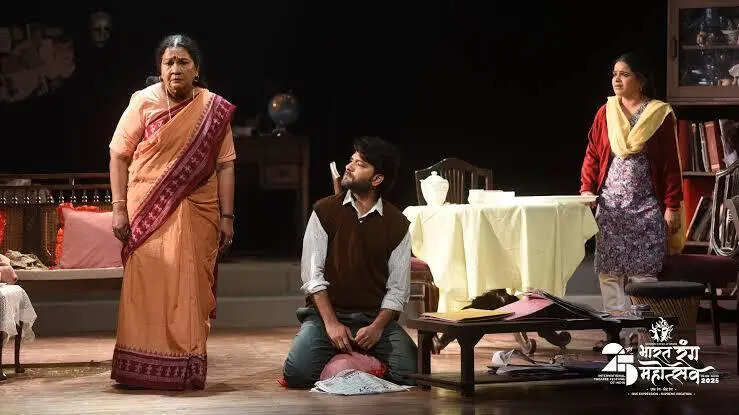
IMG_0004 (1)

The famous Hindi play ‘Aadhe-Adhure’ being presented on stage (Photo credit: @nsd_official_)

Saadat Hasan Manto’s Toba Tek Singh, set against the partition of India, captures the absurdity, horror and deep trauma that came with the upheaval, and Mahasweta Devi’s Bayen brings to life the harrowing story of Chandi Dasi, a woman ostracized as a “witch” while facing superstition, patriarchy and social exclusion. Each of these works demonstrates how theater not only entertains but also challenges, provokes and invites reflection on society and the human condition.

IMG_0003

‘Beyen’ by Mahasweta Devi (Photo Credit: @nsd_official)

More than just entertaining, these plays question, provoke and endure. Theatre, at its core, remains a mirror of society.

Places that keep theater alive and nurture the art

All over India, venues dedicated to theater are nurturing this art form. From the National School of Drama and Shriram Center for Performing Arts, with renowned groups like Asmita Theater Group and Act One, to Mumbai’s Prithvi Theatre, which is home to influential groups like Prithvi Theater Company and Ekata, and Bengaluru’s Rangashankar, which is closely associated with groups like Ranga Shankar Repertory and Indian Ensemble, these spaces are more than just performance spaces, they are cultural ecosystems where stories are rehearsed, refined, and The characters are brought to life.Yet, what unfolds on the stage is only the visible tip of a much larger process. Behind every performance lies a world of discipline, struggle and tireless preparation.

Behind the Scenes: Life Backstage

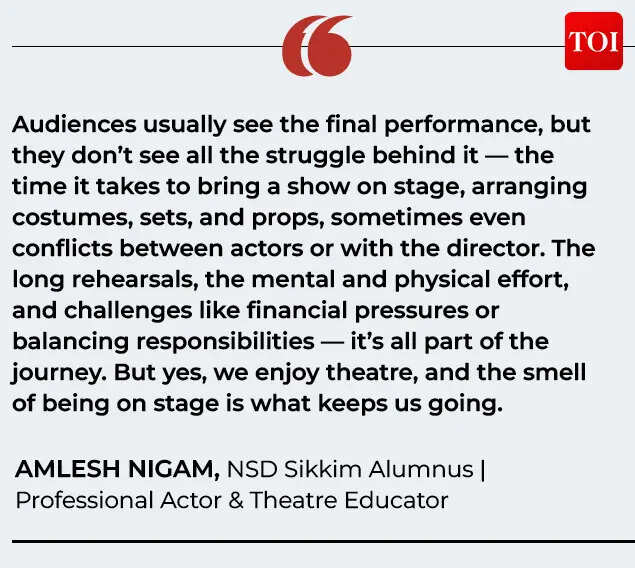
Viewers often only see the final act, unaware of the hours of work that make it possible. NSD Sikkim alumnus and theater teacher Amlesh Nigam explains that putting together a production involves more than memorizing lines. From arranging costumes and props to overcoming creative disagreements and enduring physically and mentally grueling rehearsals, the journey to the stage is layered and intense. The challenge of balancing financial instability and personal responsibilities adds stress, especially for emerging artists. Yet, despite these setbacks, the allure of theater remains irresistible, with the energy of the stage, the immediacy of the performance, and even the distinctive smell of the space bringing performers back.
Quote-3(1)

For many performers, the most exciting moment comes at the end, the curtain call. The applause, enthusiasm, approval of the audience confirms his choice. But the quiet moments beyond the headlines are just as meaningful. An artiste recalls how, as a school teacher associated with theatre, parents would talk about the changes they saw in their children, their growing confidence, their evolving personalities. Moments like these reinforce theater’s deep impact, which extends far beyond the stage.

What does theater demand from an artist?

Craft also gives a new shape to the artist. Theater demands observation of people, behavior and emotions. Over time, artists become more observant of the world around them, more empathetic, and more aware of themselves. As an actor reflects, observation becomes second nature; The person begins to see details in others and begins to uncover aspects of themselves that might otherwise remain hidden.At its core, theater is a collaboration of the senses. It is not just acting, but a synthesis of voice, movement, rhythm, music and silence, which becomes loud and all-consuming for some time. A pause can speak louder than dialogue; A look can tell more than words. Once the curtain opens, the boundary between actor and audience disappears. Taking one last look in the mirror before stepping out on stage isn’t just about adjusting a dress, it’s about stepping into another life. An actor’s character is formed over many weeks of rehearsals, shaped by choices, failures, and discoveries. And when the light comes, there is no looking back.For NSD Varanasi alumnus and theater teacher Sagar Vashishtha, the practice of theater lies in this ongoing process of becoming. A typical day, he explains, balances routines and moments of improvisation, voice work, movement practice, rehearsals and creative exploration. But there is a deeper demand beyond the routine: theater requires psychological, physical and even spiritual stamina. It is a discipline based on honesty, where the artist has to constantly learn, unlearn and re-learn. Mastery is never complete; Following becomes the craft.He also shows the impact theater leaves on its audiences. He suggests that entertainment is only superficial. The real work of theater happens internally, within the audience. A gesture, a pause, or a subtle change in lighting can trigger something deeply personal, an emotion or realization that persists long after the performance is over. When an audience member takes home an emotion that they can’t fully express but can’t forget, that’s when theater achieves its purpose.

Theater in the digital age

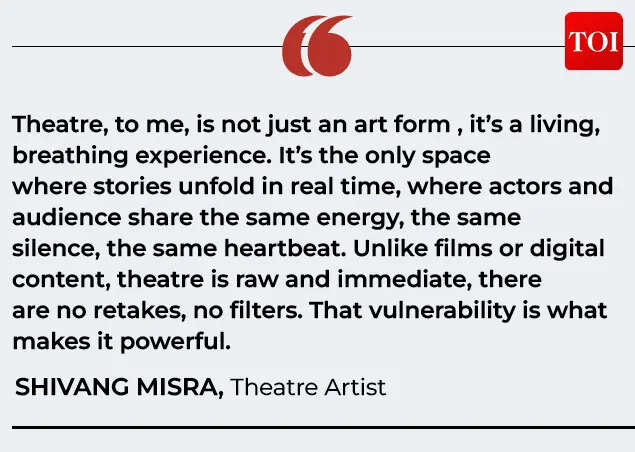
In today’s digital age, this immediacy makes theater uniquely powerful. While screens dominate entertainment, offering polished, edited and repeatable content, live theater exists only in the present moment. As Amlesh Nigam says, the experience of sharing space with an actor, his voice, presence and energy cannot be replicated on screen. Theater is raw and unfiltered. It demands attention and offers no second chances. There are no retakes.Theater is raw, unfiltered, and demands the complete presence of both performer and audience. As Shivang Mishra, a young theater artist, says, “Theatre, for me, is not just an art form, it is a living, breathing experience. It is the only place where stories unfold in real time, where actors and audience share the same energy, the same silence, the same heartbeat. Unlike films or digital content, theater is raw and immediate, there are no retakes, no filters. “That vulnerability is what makes it powerful.”
Quote-1

From stage to silver screen

For many of India’s most famous film actors, this rawness was their starting point. artists like irfan khanManoj Bajpayee, Shah Rukh Khan, Naseeruddin Shah, Om Puri, Shabana Azmi, Paresh Rawal, Neena Gupta, Ratna Pathak Shah, Nawazuddin Siddiqui, Amol Palekar and Piyush Mishra all honed their craft on stage before venturing into cinema. Theater gave him the discipline, presence and emotional authenticity that define his performances even today.

lasting legacy

World Theater Day, observed every year on March 27, celebrates this enduring art form and its ability to bring people together and provide a collective experience that is, at the same time, deeply personal. It is a reminder of theatre’s role in fostering dialogue, questioning norms and reflecting society. But it is also a call to preserve it, ensuring that it does not turn into a relic of the past.As Oscar Wilde once reflected, “I consider theater to be the greatest of all art forms, the most immediate way in which one human being can communicate with another what it means to be a human being.”And maybe that’s why, even today, the platform is breathing, why people are still standing in queues, waiting to step into a world that is simultaneously unfamiliar and deeply their own, and remains relevant, resonating with large audiences and reflecting the society we live in like a social X-ray.Just like life, the dynamic and fleeting nature of theater leaves no room for one-twos. As the lights dim and the curtain falls, only memories remain, which last long after the stage has gone dark, the applause has faded and silence has fallen.


Source link

The PlayStation 5 console is getting another price hike; Now the price of PS5, PS5 Pro will be this much!

The PlayStation 5 console is getting another price hike; Now the price of PS5, PS5 Pro will be this much!
Sony is raising PlayStation 5 prices again globally, with the standard model now costing $649.99. This follows previous increases and broader industry trends driven by economic pressures and supply chain issues. Although no new price hike has been seen in India yet, the launch of the PS5 Pro appears to be imminent following the regulatory changes.

Buying PlayStation 5 is going to cost you more from April 2. Sony announced global price increases for its PS5 lineup on Friday, with the Standard Disc Edition increasing from $549.99 to $649.99, the Digital Edition increasing from $499.99 to $599.99, and the PS5 Pro increasing from $749.99 to $899.99. The PlayStation Portal Remote Player increases by $50 to $249.99. Sony’s explanation was brief: “The global economic landscape continues to remain under pressure.”What makes this sting even more is the context. This is the second price increase in less than a year—Sony raised US prices by $50 just last August. Put the two together and the standard PS5 is now $100 more expensive than it was eight months ago, and $150 more than when it launched in November 2020 for $500. The PS5 Pro, which launched in late 2024 for $699.99, has now surpassed $900 in less than 18 months.

Gaming is getting more expensive everywhere, not just PlayStation

Sony is not doing this alone. Microsoft raised the prices of Xbox consoles and controllers last May. Nintendo raised the price of the original Switch from $299 to $339. The reasons behind these increases go deeper than any one company’s margins. US tariffs and the ongoing conflicts in Ukraine and Iran have disrupted global supply chains. RAM prices have risen rapidly, partly because AI data centers are consuming memory at a pace the industry was not built to absorb – and this pressure inevitably filters down to consumer hardware. Bloomberg recently reported that Sony may delay the next-generation PlayStation until 2028 or 2029, which is a sign of how serious the situation is.A $1,000 console, once a fantasy, doesn’t seem so far away anymore.

No new price changes seen in India yet – but the PS5 Pro may be arriving eventually

Sony has not announced any price revision for India after Friday’s global hike. That said, India is not untouched – Sony quietly increased the price of the PS5 Digital Edition from Rs 44,990 to Rs 49,990 around July last year, without any official statement. The disc version is priced at Rs 54,990. Given Sony’s track record of following up global hikes with India-specific modifications, it’s fair to expect price hikes here too in the coming months.However, the biggest story in India at the moment is the PS5 Pro. The console never officially launched here because its Wi-Fi 7 support requires the 6GHz spectrum band, which was not approved by India. This changed in January 2026, when India lifted the ban on the lower part of the band. Shortly after, the PS5 Pro appeared on the Bureau of Indian Standards certification database – usually a sign that the launch is close. Gray market units are already hovering between Rs 70,000 and Rs 80,000; An official launch will likely reach that range or higher once taxes and duties are included.

Source link

अब सफर होगा सुपरफास्ट… 61KM रेल लाइन और 300 करोड़ रुपए का बजट, चोला स्टेशन बनेगा बड़ा हब

उत्तर प्रदेश समाचार: ग्रेटर नोएडा के जेवर में बन रहे नोएडा इंटरनेशनल एयरपोर्ट के खुलने के बाद यात्रियों को तेज और बेहतर कनेक्टिविटी मिलने वाली है। एयरपोर्ट से निकलते ही लोगों को अपने गंतव्य तक पहुंचने के लिए आसान और आधुनिक सुविधाएं मिलेंगी. इसके लिए चोला रेलवे स्टेशन को विकसित कर एक बड़े मल्टीमॉडल ट्रांसपोर्ट हब के रूप में परिवर्तित किया जा रहा है, जिससे एक ही स्थान पर परिवहन के विभिन्न साधन उपलब्ध होंगे।

चोला स्टेशन बड़ा ट्रांसपोर्ट हब बनेगा
योजना के तहत, चोल रेलवे स्टेशन का पुनर्विकास किया जाएगा और इसे देश के प्रमुख रेलवे नेटवर्क, खासकर दिल्ली-मुंबई मार्ग से जोड़ा जाएगा। इससे यात्री सीधे तौर पर हाई स्पीड ट्रेनों और वंदे भारत जैसी ट्रेनों का लाभ उठा सकेंगे. अधिकारियों का मानना ​​है कि इससे पूरे इलाके की कनेक्टिविटी में बड़ा बदलाव आएगा और यात्रियों का समय भी बचेगा.

कई शहरों को सीधा लाभ मिलेगा
चोला रेलवे स्टेशन और जेवर एयरपोर्ट के बीच की दूरी करीब 19 किलोमीटर है, जिसे तय करने में फिलहाल करीब एक घंटा लगता है। इस प्रोजेक्ट के पूरा होने के बाद बुलंदशहर, खुर्जा, अलीगढ, टप्पल, मथुरा, वृन्दावन, आगरा, नोएडा, ग्रेटर नोएडा, गाजियाबाद और हापुड जैसे इलाकों को सीधा फायदा मिलेगा. इसके साथ ही दिल्ली एनसीआर के फरीदाबाद, गुरुग्राम, मेरठ जैसे शहरों की कनेक्टिविटी भी बेहतर हो जाएगी.

बस, मेट्रो और रेल सेवाएं एक ही स्थान पर उपलब्ध होंगी
यमुना अथॉरिटी की योजना के मुताबिक, एयरपोर्ट के पास एक बड़ा ग्राउंड ट्रांसपोर्टेशन सेंटर बनाया जाएगा. यहां बस, टैक्सी, मेट्रो और रेलवे सेवाएं एक ही जगह से संचालित होंगी. इससे यात्रियों को अलग-अलग साधनों के लिए भटकना नहीं पड़ेगा और वे आसानी से अपने गंतव्य तक पहुंच सकेंगे.

300 करोड़ रुपए का बजट, 61 किमी नई रेलवे लाइन
यमुना अथॉरिटी के सीईओ राकेश कुमार के मुताबिक, इस प्रोजेक्ट के लिए करीब 300 करोड़ रुपये का बजट प्रस्तावित किया गया है और इसे मंजूरी भी मिल गई है. इसके तहत चोला से रबूपुरा के बीच करीब 61 किलोमीटर नई रेलवे लाइन बिछाई जाएगी. इससे मालगाड़ियों के साथ-साथ यात्री ट्रेनों का परिवहन भी आसान हो जाएगा।

चरणबद्ध तरीके से होगा विकास, 3 साल का लक्ष्य
इस पूरे प्रोजेक्ट पर करीब 2400 करोड़ रुपये की लागत आने का अनुमान है और इसे चरणबद्ध तरीके से तीन साल में पूरा करने का लक्ष्य है। भविष्य में जेवर क्षेत्र में एक नया रेलवे स्टेशन भी बनाया जाएगा। इस योजना के पूरा होने के बाद नोएडा एयरपोर्ट देश के सबसे आधुनिक और बेहतर कनेक्टिविटी वाले हवाई अड्डों में शामिल हो जाएगा।

Source link