

California woman wins $300,000 after accusing cruise ship of overserving her 14 tequila shots world News
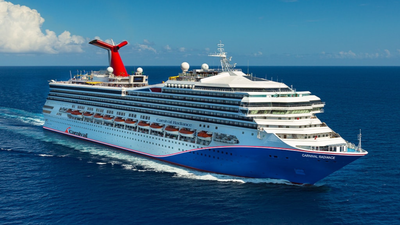
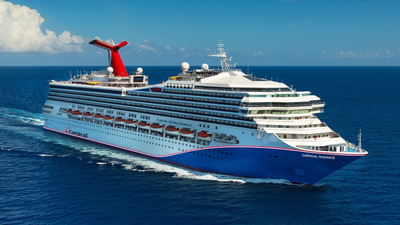
A 45-year-old California nurse has been awarded $300,000 after a US jury found a cruise operator partially liable in a case focusing on alcohol service and onboard safety. According to the woman’s legal claim, she was given at least 14 tequila shots over the course of about nine hours at Carnival Radiance in January 2024, after which she lost consciousness and suffered injuries. The cruise line disputed key aspects of the allegation, particularly regarding responsibility and awareness of her condition. After a four-day trial in Miami federal court, the jury concluded that both parties shared fault, drawing attention to how liability is divided when alcohol consumption and commercial service collide.
What did the California woman accuse the cruise ship of?
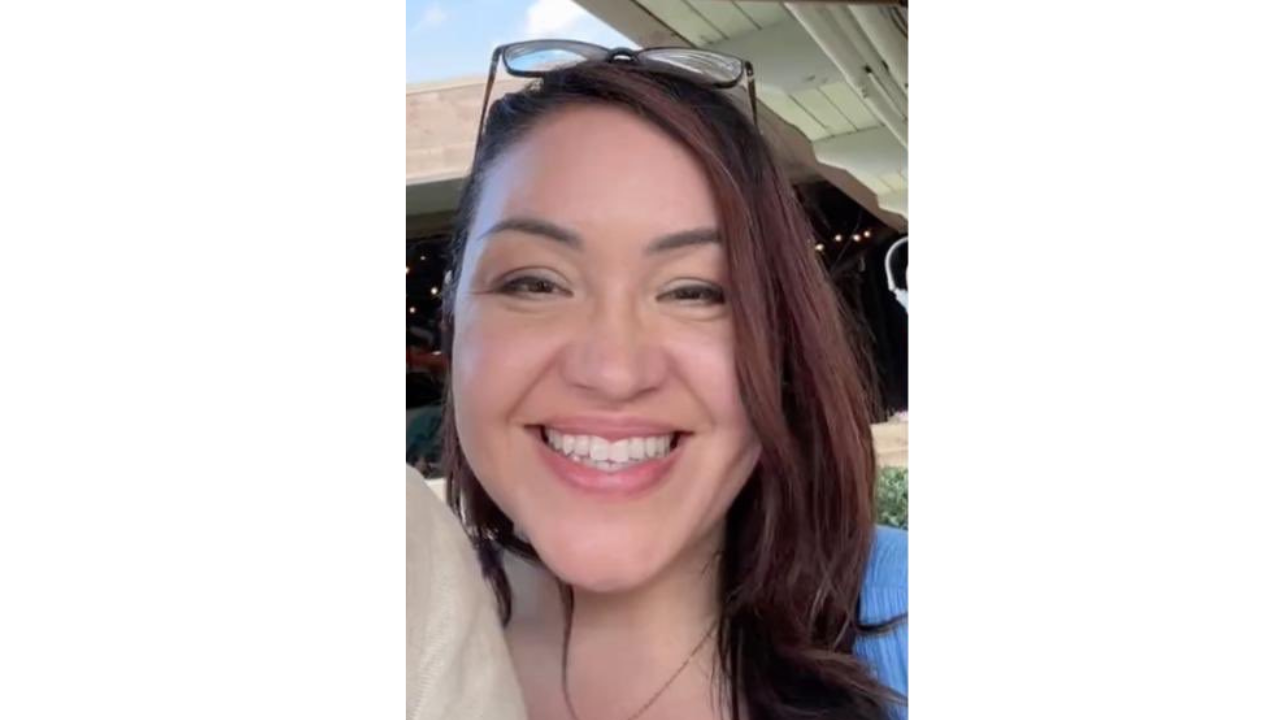
According to the lawsuit, Diana Sanders, a 45-year-old nurse from California, argued that she was repeatedly served alcohol over a long period of time despite being intoxicated. His legal team said that employees should have recognized the signs of impairment and stopped serving him further drinks.She claimed that alcohol consumption caused the blackouts, during which she lost awareness of her surroundings. During this period, she reportedly fell down a staircase and was later found in a restricted, staff-only area of the ship. The lawsuit says these incidents could have been prevented if proper intervention had been taken earlier.
What argument did the cruise line give?
The cruise operator challenged the claims, focusing on personal liability. Its defense argued that the woman consumed alcohol willingly and that adults are generally expected to manage their own intake.The company also questioned whether its employees had clear and sufficient indications that she had reached a level of intoxication that required intervention. In environments where alcohol consumption is common, determining the extent of service reduction can be subjective.Additionally, the defense raised concerns about causation, particularly whether the injuries were directly caused by excessive drinking or were the result of personal activities performed after drinking alcohol.
court findings
The trial began in Miami federal court on April 6, 2026, and lasted about four days. On April 10, the jury announced its verdict.Jurors found the cruise operator 60% responsible, concluding that it had a duty to monitor alcohol service and failed to act appropriately. Also, the woman was found to be 40% responsible for her actions, indicating the role of individual decision making in the incident.The jury awarded damages of $300,000, which was reportedly more than the $250,000 requested by his legal team. The judgment was formally entered into the court records on April 13, 2026.
Injuries and Medical Claims
According to the woman’s legal filing, the incident resulted in a concussion, possible traumatic brain injury and back injuries. His legal team argued that these injuries were directly related to the blackout and subsequent fall.Although the jury reached a divided verdict in this case, the broader debate remains unresolved. As similar cases arise, courts may continue to refine how responsibility is shared in situations involving alcohol, risk, and commercial service environments.