

Assembly Election Result 2026: Assembly Election Result 2026: A decisive test for BJP, Congress and regional satraps. india news
New Delhi: On paper, the 2026 assembly elections are straightforward: five constituencies, 824 seats and a familiar roster of parties vying for power. West Bengal (294 seats), Tamil Nadu (234), Kerala (140), Assam (126), and Puducherry (30) Taken together this constitutes an important, but not unprecedented, electoral practice.Still, this is no regular election cycle.Time gives importance to it. By May 3, 2026, BJP-led NDA rules 21 out of 31 states and union territories. The areas where voting has just taken place – especially in the south and east – are among the last major areas where the BJP has not completely won power. That alone turns it into a test of geographical expansion.The scale of voter participation intensifies that sense of importance. Nearly 91% voting took place in West Bengal, the highest ever. Tamil Nadu witnessed 85.1% voting, a remarkable jump. Assam has recorded around 86%, Kerala has remained steady around 80%, and Puducherry has touched almost 90%. These are not numbers that indicate voter fatigue. Instead they point to politically active voters invested in the outcome.However, high turnout remains an ambiguous signal. This may indicate an anti-incumbency wave, but it may also reflect strong mobilization by the ruling parties. This may point to enthusiasm for new entrants, or consolidation of traditional vote banks. In 2026, it all appears to be coming together – which is what makes it difficult to predict the outcome just hours before the counting begins.
Question of BJP’s expansion
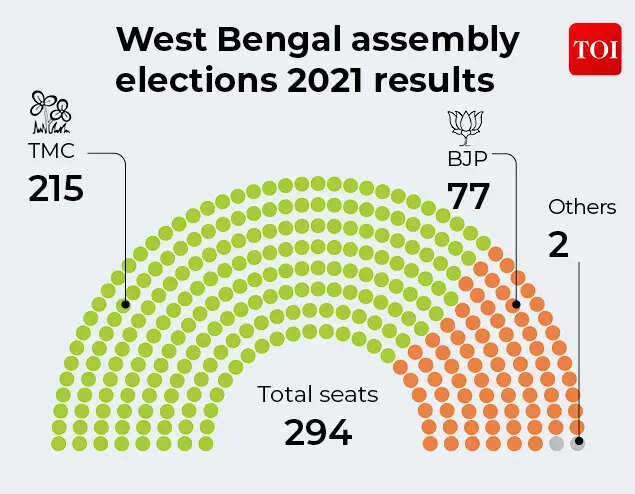
For the BJP, the 2026 elections are as much about the immediate results as it is about the long-term trajectory. The party has already achieved national dominance, but its map remains uneven. The Hindi heartland and parts of the West are firmly in its grip, while the South and East are continuing to offer resistance.This election is a test of whether that resistance is softening.BJP is no longer an outsider in West Bengal. Its rise from a marginal presence to a strong challenger in 2021 – when it secured 77 seats and more than 38% vote share – marked a structural shift. The question now is whether this growth can translate into power, or at least vote share that will decisively push it into the mid-40s.
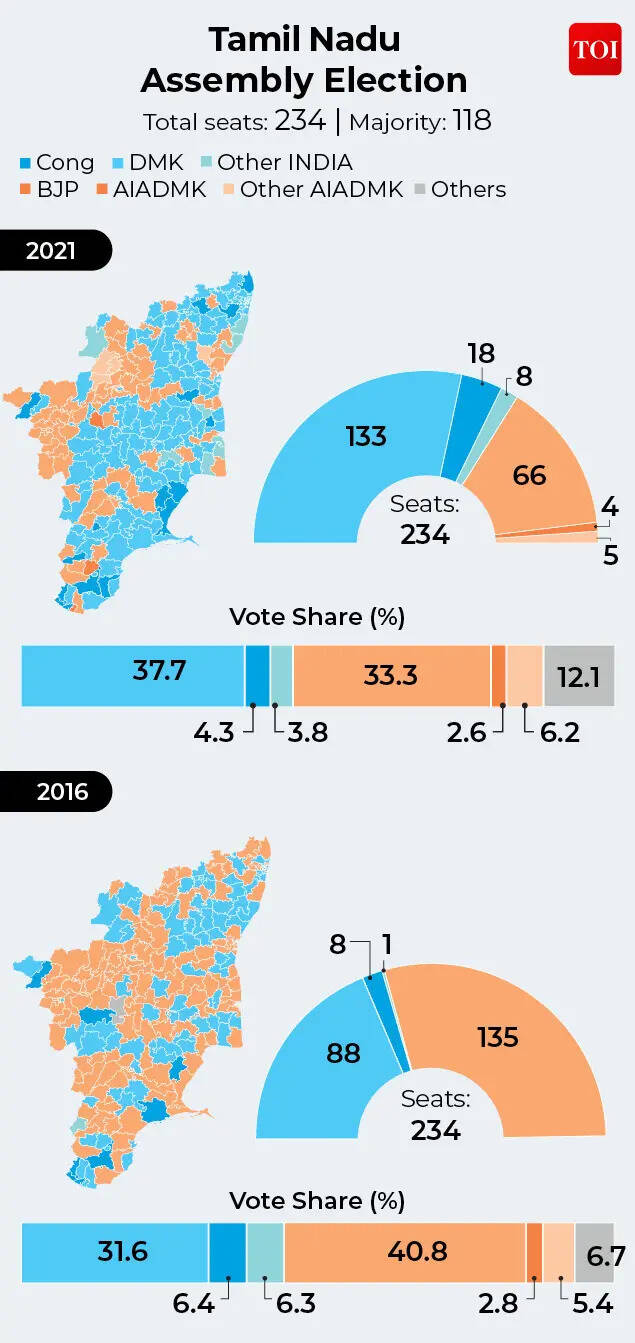
The challenge is different in Tamil Nadu. BJP remains a secondary player but is gradually trying to expand. Even incremental gains – a higher vote share or a stronger assembly presence – would carry political significance by breaking the perception that the state is impenetrable.Assam is a test of integration. There is BJP government here. If it improves its standalone performance, it would suggest a move beyond alliance dependence towards deep dominance.In these states, the BJP faces a key question: can it translate national strength into a similar regional presence, or is it closer to a natural ceiling in culturally distinct regions?
Congress and the fight for its relevance
If the BJP’s question is about expansion, the Congress faces a more fundamental question: relevance.The party remains a major player, but is no longer the default pole of the opposition. Instead, it operates in a fragmented landscape, often as part of a coalition rather than a central force.In Kerala, it remains a major contender. A win would confirm its ability to compete independently. Defeat would weaken its claim to be a national alternative, especially in the South.
In Assam, it is challenging the strong BJP but faces the complexities of a multi-cornered contest, where vote division could dilute its influence.In Tamil Nadu, it is a junior partner dependent on the DMK. In West Bengal, it has grown alone but remains a marginal force.The underlying question is clear: Can the Congress rebuild as a primary force in key states, or will it remain an essential but secondary player within the alliance?
Regional stronghold under pressure
While national parties dominate the narrative, these elections are equally about the resilience of regional forces.
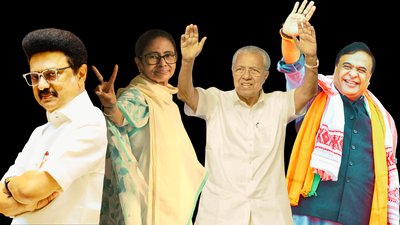
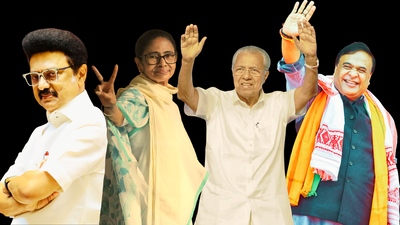
In West Bengal, Mamata Banerjee’s Trinamool Congress is defending not just a government but also a political model built on welfare, identity and leadership. The scale of its victory in 2021 ensured dominance, but the rise of the BJP means that dominance is now under pressure. Even a slim majority can have consequences beyond numbers.In Banerjee’s case, in the final phase of the campaign a leader is not just contesting an election but also contesting a narrative. In the last few days after polling ended, Banerjee shifted focus from big rallies to hyper-local mobilization, focusing on booth-level management and direct voter contact. The post-polling session became increasingly elaborate – the Chief Minister reviewed constituency-wise feedback, marked sensitive booths, and stressed the cadre to ensure turnout among key support groups. His visits to the strong room and repeated public warnings about election vigilance reinforced this view, indicating a strategy to win votes as well as protect them.
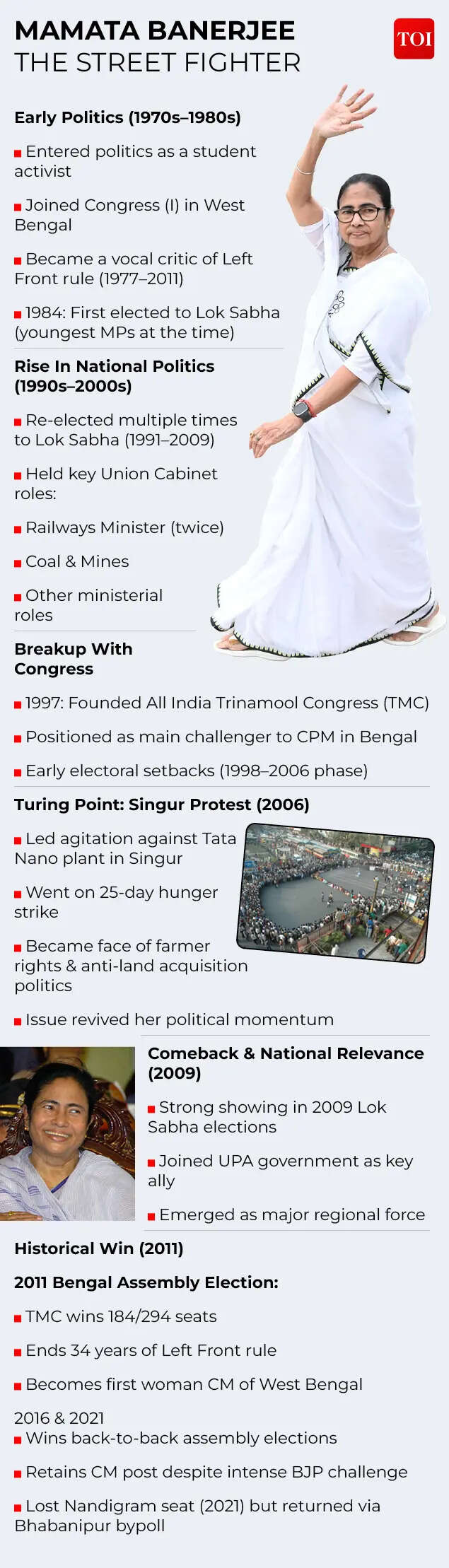
The campaign message was also intensified this time: from broad welfare claims to more explicit appeals about identity, rights and alleged voter list exclusion. By putting forward issues such as special intensive vetting and positioning herself as the protector of the “vote”, Banerjee tried to convert organizational strength into electoral security. For the Trinamool Congress, this last mile effort is important. In a contest where margins may be tight, the effectiveness of booth-level mobilization – ensuring that every identified supporter actually votes – may ultimately matter as much as the broader political narrative.Tamil Nadu is seeing a disruption in its traditional DMK-AIADMK binary. Rise of Tamilaga Vetri Kazhagam (TVK) led by actor VictoryHas shown unpredictability. Even without a sweeping victory, its vote share could change the outcome in all constituencies.In Kerala, the stakes are structural. The Left, under the leadership of Pinarayi Vijayan, is seeking a third consecutive term. For Congress, stopping this is central to its political relevance.Assam already represents a changed system, where the BJP is dominant and the question is whether opposition forces can regroup.Across states, a common thread has emerged: regional parties remain powerful, but they are laboring under increasing pressure from national expansion and changing voter behavior.
a moment before the verdict
By this time tomorrow the numbers will start to settle. Governments will take shape. Winners and losers will become clear.But there may be a deeper story hidden behind the results.If BJP expands, it strengthens its sphere of national dominance. If regional parties do this, it indicates the flexibility of India’s federal diversity. If Congress benefits then it is a sign of improvement. If new entrants like TVK make an impact, it signals an appetite for disruption.What makes this election moment special is that all these possibilities remain open on the eve of vote counting.This is why the choice feels existential – not because of any one outcome, but because of what the combination of outcomes would mean.As the countdown begins on May 4, one question will remain beyond the trends:Is India moving towards a more centralized political system, or will its regional diversity continue to define its democracy?The answer will emerge seat by seat.