

Center tightens fire safety norms for hospitals, makes audit and evacuation plans mandatory india news
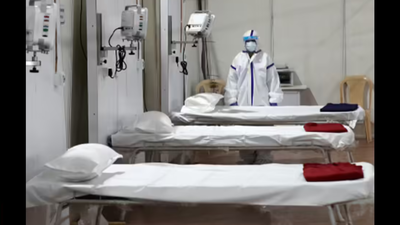
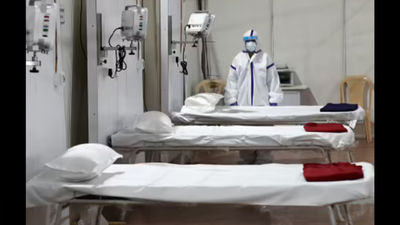
New Delhi: Aiming to prevent deadly fires in hospitals, the Union Health Ministry has issued revised national guidelines, mandating strict safety checks, regular audits and clear evacuation protocols in healthcare facilities.The National Guidelines on Fire and Life Safety in Healthcare Facilities (2026) set out a comprehensive framework for how hospitals should prevent, detect and respond to fire incidents, with a strong focus on patient safety – especially in the ICU and other critical care units such as NICU, PICU and operation theaters that cannot evacuate on their own.The revised guidelines go beyond the earlier building-level norms by introducing a hospital-specific safety framework with clear accountability, mandatory risk audits and detailed evacuation protocols for critical care areas – gaps that were not previously addressed similarly.Guidelines issued With nationwide emphasis on fire safety, the Center observed Fire Safety Week from May 4 to 10 and urged states and health facilities to reassess preparedness, conduct audits and strengthen response systems.The document states that hospitals are particularly vulnerable due to high oxygen usage, complex electrical systems and immobile patients, with electrical faults identified as the leading cause of fires in health care settings.Under the new framework, hospitals will have to conduct regular fire risk assessments, maintain a fire safety plan and conduct annual fire and electrical safety audits. Facilities are also required to classify ICU, NICU, PICU, operation theatres, oxygen storage areas and electrical rooms as high-risk areas, requiring strict monitoring.The guidelines state that each hospital should appoint a dedicated fire safety officer and form a fire safety committee responsible for preparedness, training and coordination with local fire services. Employees will undergo regular training and mock drills to ensure preparedness during emergencies.The main focus is early detection and quick response, with hospitals required to install and maintain fire alarms, sprinklers, hydrant systems and smoke control mechanisms, supported by round-the-clock monitoring.Given the risks involved in moving critically ill patients, detailed evacuation protocols prioritize horizontal evacuation – moving patients to safe areas on the same floor.As part of building a safety culture in healthcare facilities, officials have also emphasized strong compliance, including regular reporting of fire safety audits and extensive awareness efforts. Its purpose is to streamline preparedness, reduce the risk of major incidents, and ensure continuity of care during emergencies.