


Top 7 Countries with Highest Panda Population in the World: From China to Thailand

Despite their global recognition, pandas are closely associated with a small part of the world. Wild populations are concentrated almost entirely in China, mostly within mountain forests where bamboo still grows in thickets on moist slopes and in river valleys. Pandas live in some countries outside China through conservation agreements and zoo partnerships, although those animals are not considered part of the natural wild population. Numbers have changed gradually over the years due to habitat restoration projects, breeding programs and the expansion of protected reserves in some areas. Nevertheless, the panda’s distribution still looks surprisingly narrow when placed alongside other large mammals. Countries concerned with pandas fall into two groups: countries that have native habitats and those that host carefully managed captive populations under international arrangements.according to world population review, Check out the list of countries with the highest panda populations in the world.
Countries with huge panda population in the world
World’s largest panda population by country
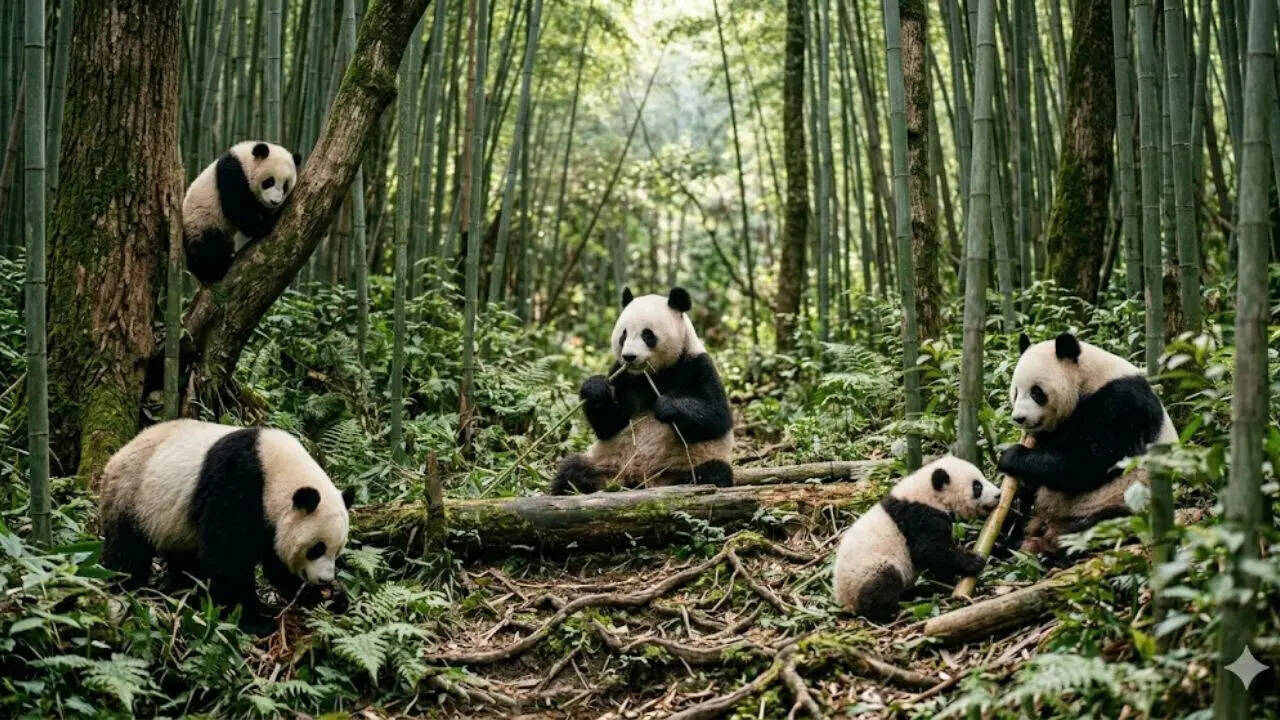
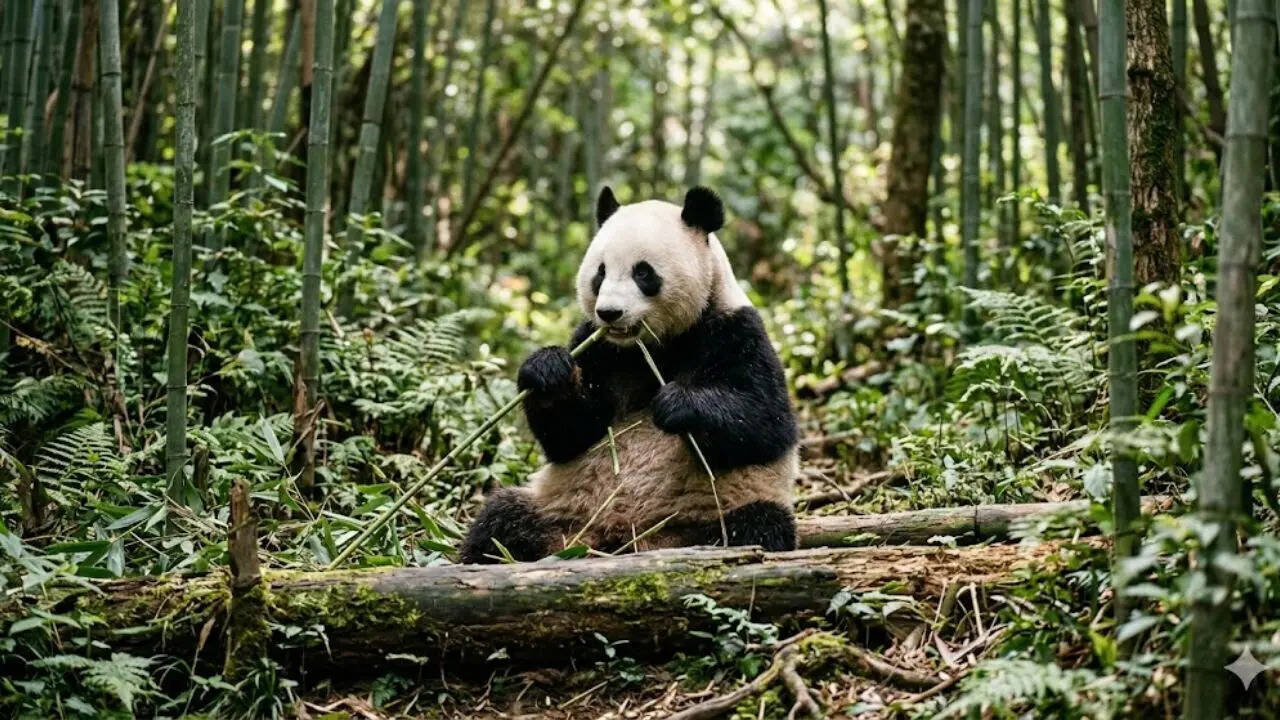
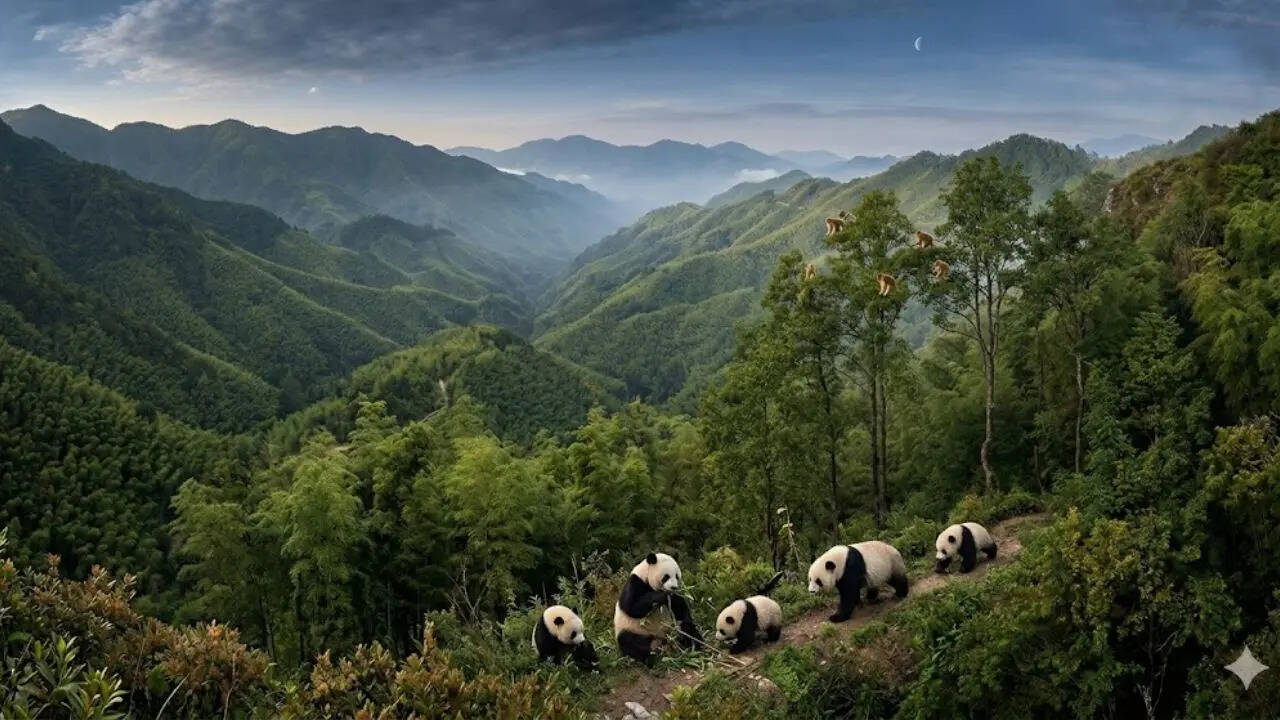
1. ChinaChina remains the center of the world’s panda population because giant pandas evolved in its mountainous bamboo forests and never spread widely outside them. Most wild pandas live in parts of Sichuan, Shaanxi and Gansu, where cool altitudes and thick vegetation still support the slow-growing bamboo on which they rely. Captive breeding centers also operate here, including several internationally recognized conservation facilities. Decades of habitat protection, forest corridors, and restrictions on development in panda areas have resulted in a gradual rather than dramatic population recovery.
2. United States of AmericaThe United States has housed some of the world’s most famous captive pandas through long-running agreements with Chinese conservation authorities. Pandas have appeared in select American zoos for decades, often becoming major public attractions and symbols of wildlife diplomacy. Their appearance varies over time as animals are usually loaned out rather than permanently relocated. Breeding programs and veterinary research in the country have contributed to extensive panda conservation work, even though there is no natural panda habitat anywhere in North America.3. JapanJapan has maintained a strong public fascination with pandas since the animals were first introduced through diplomatic exchanges in the twentieth century. Zoos such as Ueno and Adventure World are closely associated with panda breeding efforts and large numbers of visitors. The birth of several cubs in Japan over the past few years has attracted national attention, sometimes resulting in long queues and widespread media coverage. The pandas themselves are under Chinese ownership, although Japanese facilities have developed experience in caring for them and supporting collaborative research.
4. United KingdomIn the United Kingdom, pandas are primarily associated with Edinburgh Zoo, where a pair were kept under a conservation loan arrangement from China. Their arrival attracted huge attention because pandas are rarely kept in Britain and require a carefully controlled environment, including large quantities of imported bamboo. Discussions about breeding efforts, veterinary care, and eventual return to China often received as much attention as the animals themselves. Wild panda populations have never existed in a natural setting in the UK.5. FranceFrance became part of international panda conservation efforts through the arrival of the panda at the Zooparc de Beauval. The zoo subsequently attracted widespread attention following the birth of the panda cubs, with French media coverage treating the events almost like a national celebration. Panda care in France involves a highly regulated diet plan, temperature control, and constant collaboration with Chinese wildlife experts. Although numbers are small, the country plays a visible role in Europe’s captive panda network and public awareness campaigns related to the endangered species.
6. SingaporeGiant pandas live in the tropical climate of Singapore, which is completely different from the cold mountain areas where pandas naturally live. Special indoor environments were created to maintain low temperatures and stable humidity for the animals living in River Wonders. The pandas became a major attraction soon after arriving and later gave birth to a cub that attracted regional attention. Their presence also strengthened the conservation partnership between Singapore and China, which extended beyond tourism to educational and scientific exchange programs focused on wildlife conservation.7. ThailandFor many years, Thailand was closely associated with pandas through pairs kept in the Chiang Mai Zoo. The animals consistently attracted crowds and became deeply familiar figures in Thai popular culture. The artificial insemination programs and panda births were closely followed by local media, showing how emotionally invested visitors became in the zoo’s conservation efforts. Pandas are not native to Thailand, although its long involvement in panda care has helped strengthen broader wildlife cooperation with Chinese institutions.