

Why do Indian women wear nose rings, anklets and toe rings? The hidden meaning and truth behind these centuries old traditions
India is a country of traditions and even the smallest jewelery has a deep meaning attached to it. Indian women have been wearing nose rings, anklets and anklets for centuries, not only for beauty but also for cultural, emotional and symbolic reasons. These jewelery are not just fashion accessories; They are tied to identity, marriage, health beliefs and spirituality. Although many traditions have changed in modern times, this jewelery still holds a special place in Indian culture.
Meaning behind nose ring
21 May 2026 | 15:04
What’s the one thing that women get tired of being asked about?
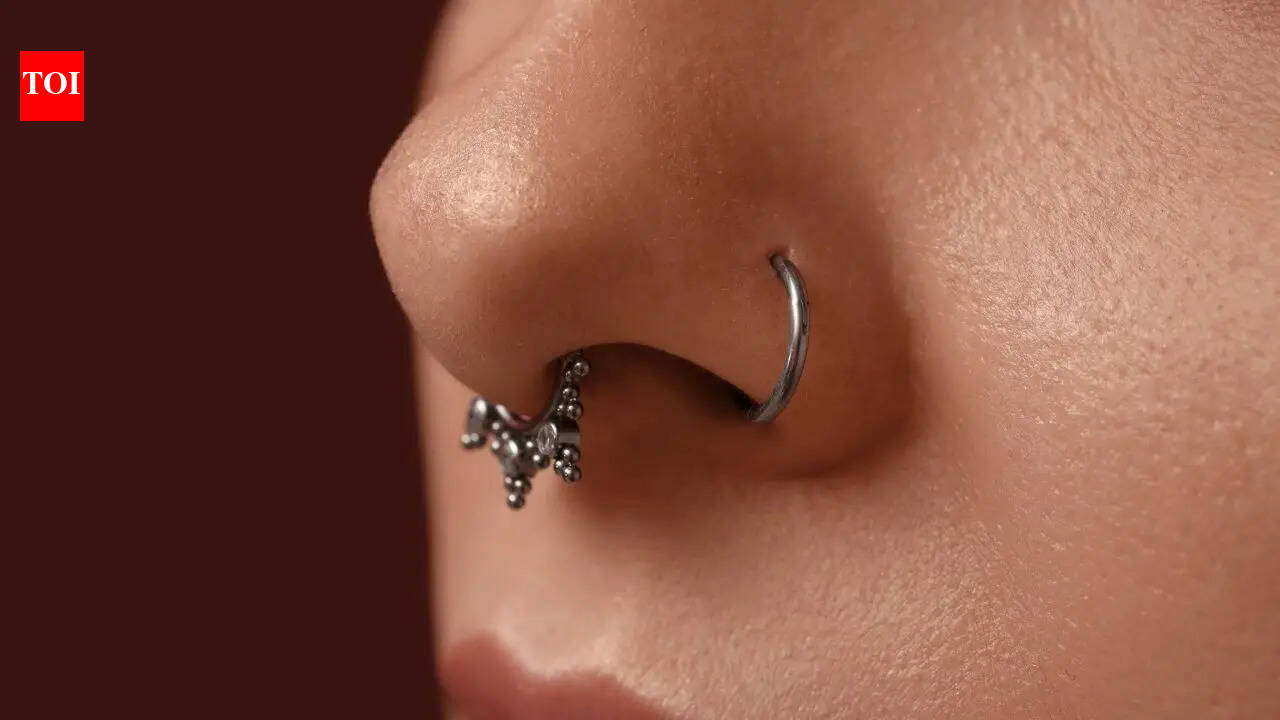
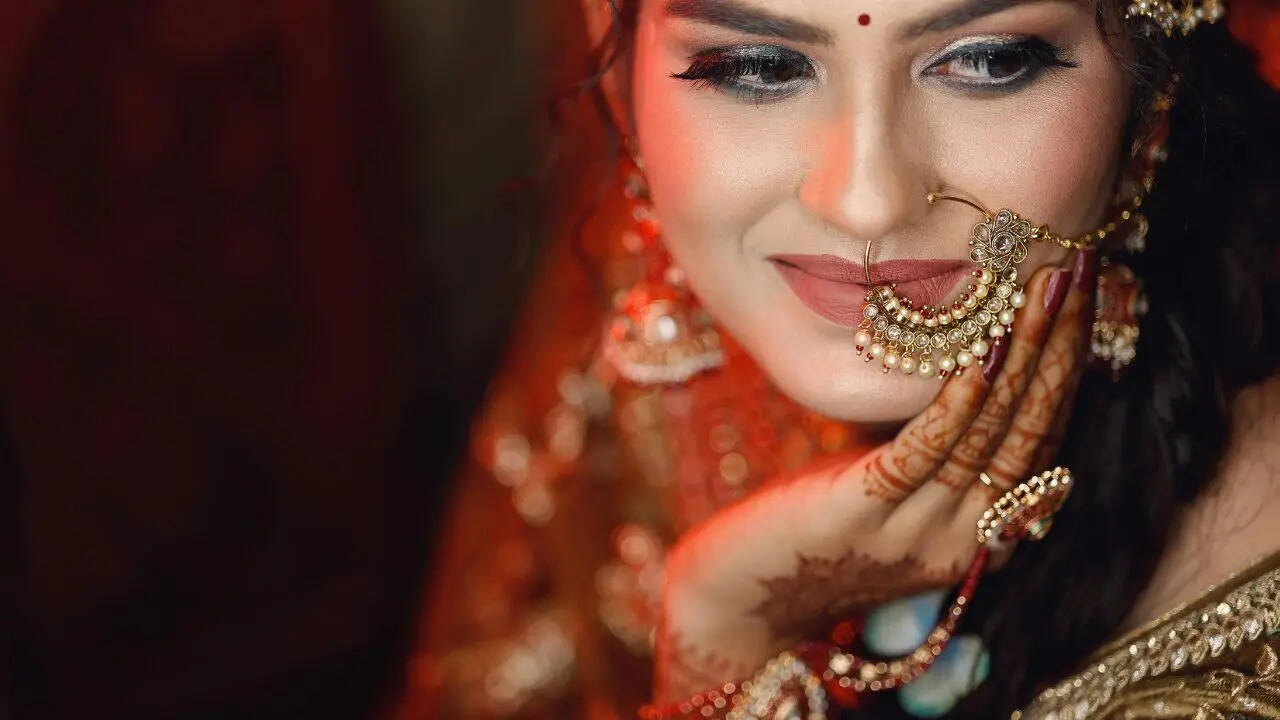
Nose ring, also known as ‘Nath’, is one of the most beautiful jewelery worn by Indian women. It is a symbol of grace, beauty and tradition in most parts of India. Brides wear decorated nose rings, especially at weddings; They are an important symbol of marriage and celebration. Many traditional beliefs also link nose earrings to women’s health. According to old cultural ideas and practices inspired by Ayurveda, left nostril piercing was believed to help women’s reproductive health and reduce discomfort during childbirth. Although modern medical science does not firmly confirm these claims, the belief remains tenable in many communities.Nose rings also have emotional significance. In some families, it represents family pride, tradition, and a woman’s connection to her roots. Today, many women wear nose rings as a fashion choice while also appreciating their cultural significance.
Anklet: Sound of Grace and Presence
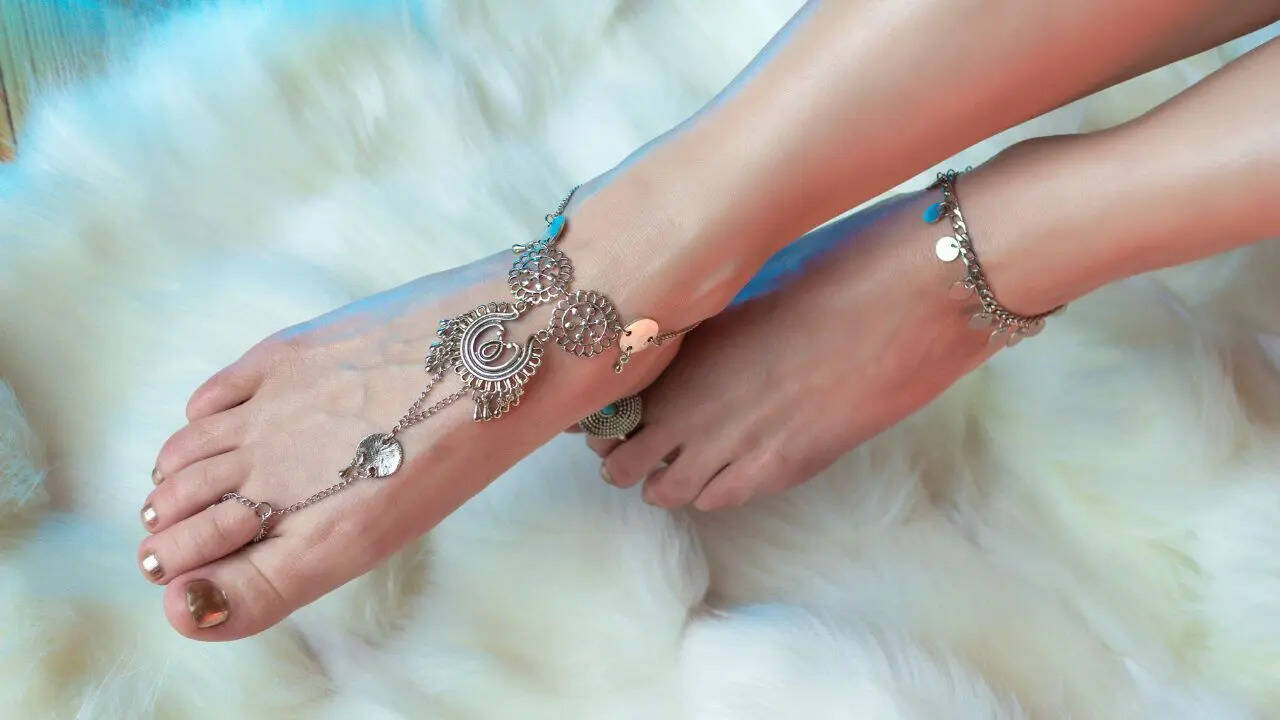
Anklets, known as ‘payal’, are another traditional jewelery worn by Indian women. Their light tinkling sound has long been associated with beauty and femininity. In olden times, the sound of the anklet would also announce the arrival of someone in a room, showing respect in homes where women would often enter quietly. Silver anklets are particularly popular as gold is traditionally considered sacred and is not usually worn below the waist. Payal’s melodious voice is often associated with happiness and positive energy in homes.People have made many assumptions about health and anklets. Anklets are worn around the ankles. Some people think that the way the anklet rotates and applies pressure to the skin may help with blood circulation or keep the body energetic. These ideas are based more on cultural consideration than on confirmed medical science. Anklets also mean looking good, feeling happy and being yourself. Many girls wear anklets because they want to remember the old ways and also want to look stylish with modern clothes.
Nettle in toe: symbol of marriage and commitment
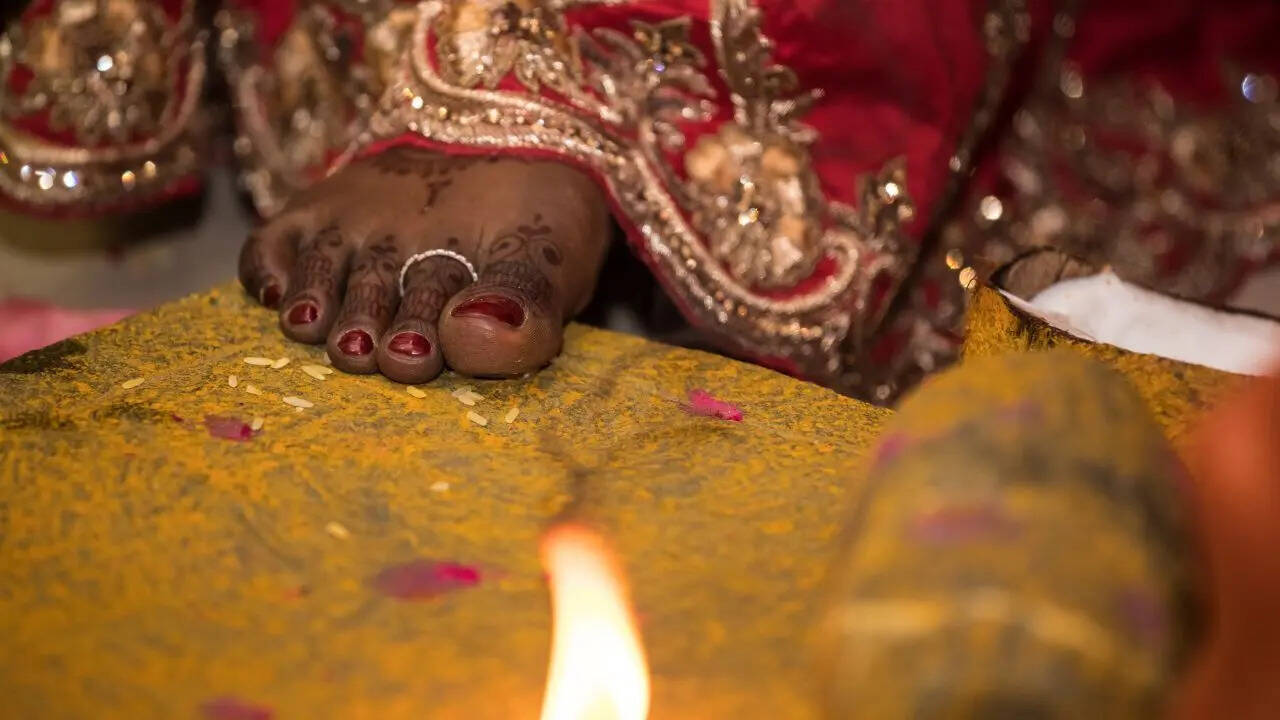
People in India have toe rings, which they call ‘Bichhiya’. These toes are really important when it comes to marriage. Married Indian women wear silver rings to show their commitment to their husbands, similar to wedding rings worn in Western countries. Usually, when someone gets married, people give these rings as gifts and women wear them on the toes of both the feet.Many people believe that wearing a toe ring benefits women’s reproductive health. According to traditional beliefs, toe rings exert gentle pressure on certain nerves associated with the uterus and menstrual cycle, which may support fertility and overall well-being. However, these beliefs are based on cultural traditions and are not strongly supported by modern medical science. Nevertheless, nettle has great importance in Indian culture. For many women, they are not just jewelery but symbols of tradition, marriage and cultural identity, meaning much more than their appearance.Above all, toe rings symbolize responsibility, love and a new phase of life. They remind women of their connection to family and marriage and reflect tradition and identity.
more than jewelry
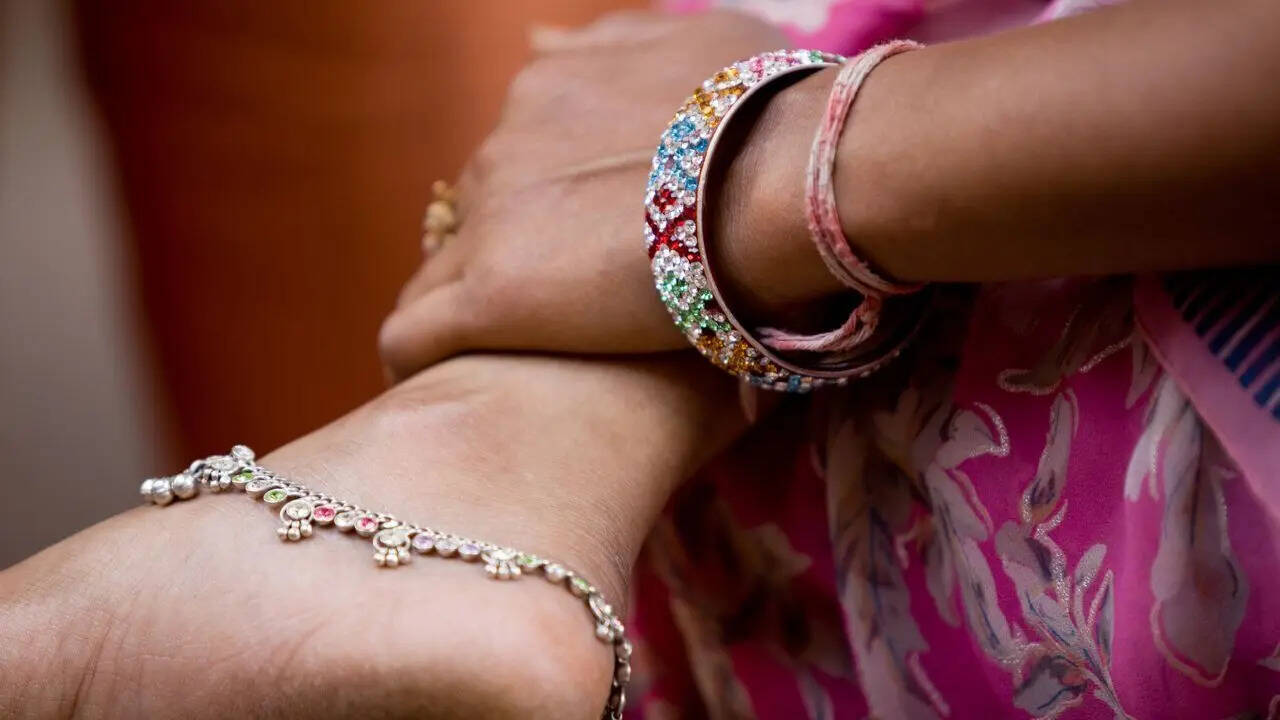
Nose earrings, anklet chains and toe rings are not just jewellery. They tell stories of culture, values and beliefs passed down from one generation to the next. These traditions have feelings, memories and meanings that go beyond appearances. Today many women wear them as a mix of tradition and fashion. Some people wear them to celebrate their culture, and others just like the way they look. Whatever the reason, these jewelery still have a certain timeless charm.They remind us that in Indian culture, jewelery too has a voice – a voice that speaks of identity, love, beauty and tradition, a voice that continues to shine across generations.