Display a vibrant picture of Santhali culture. events movie news
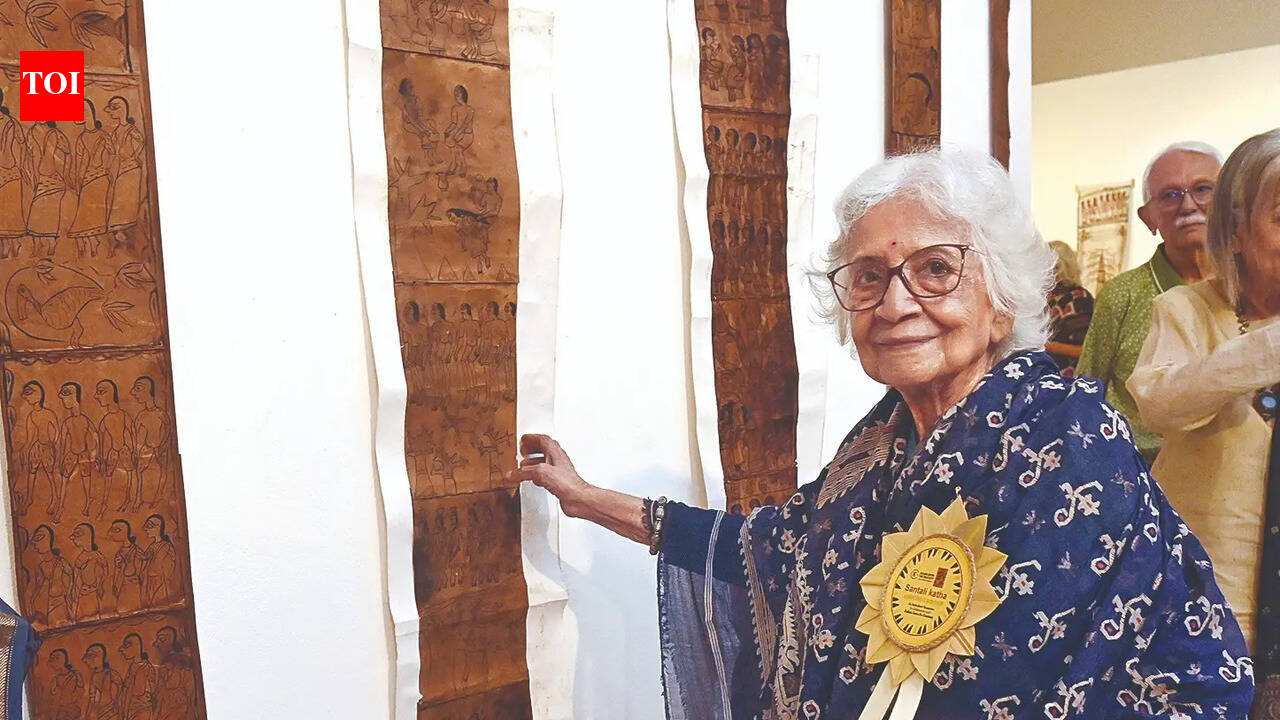
The exhibition presents a vibrant picture of Santali culture

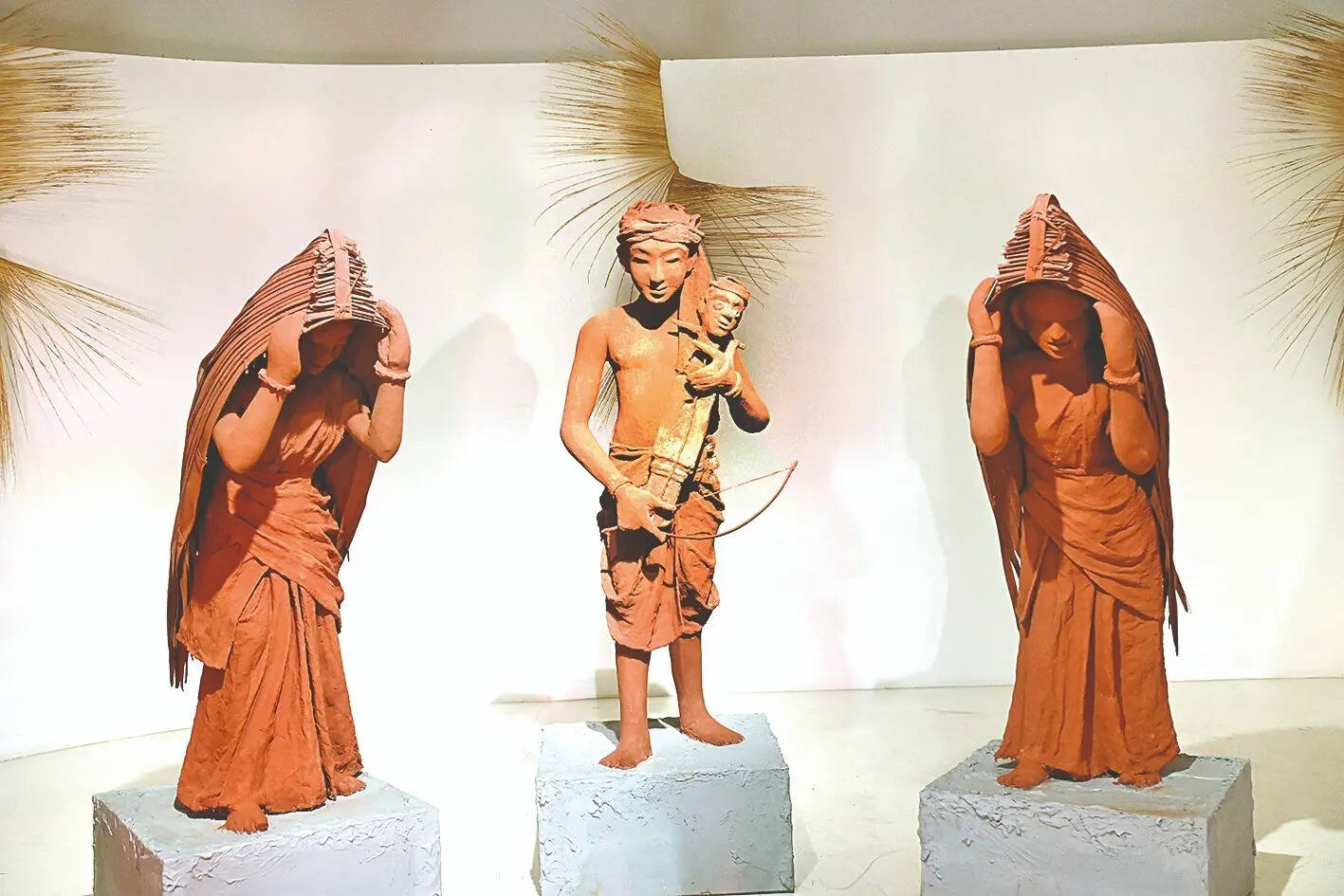
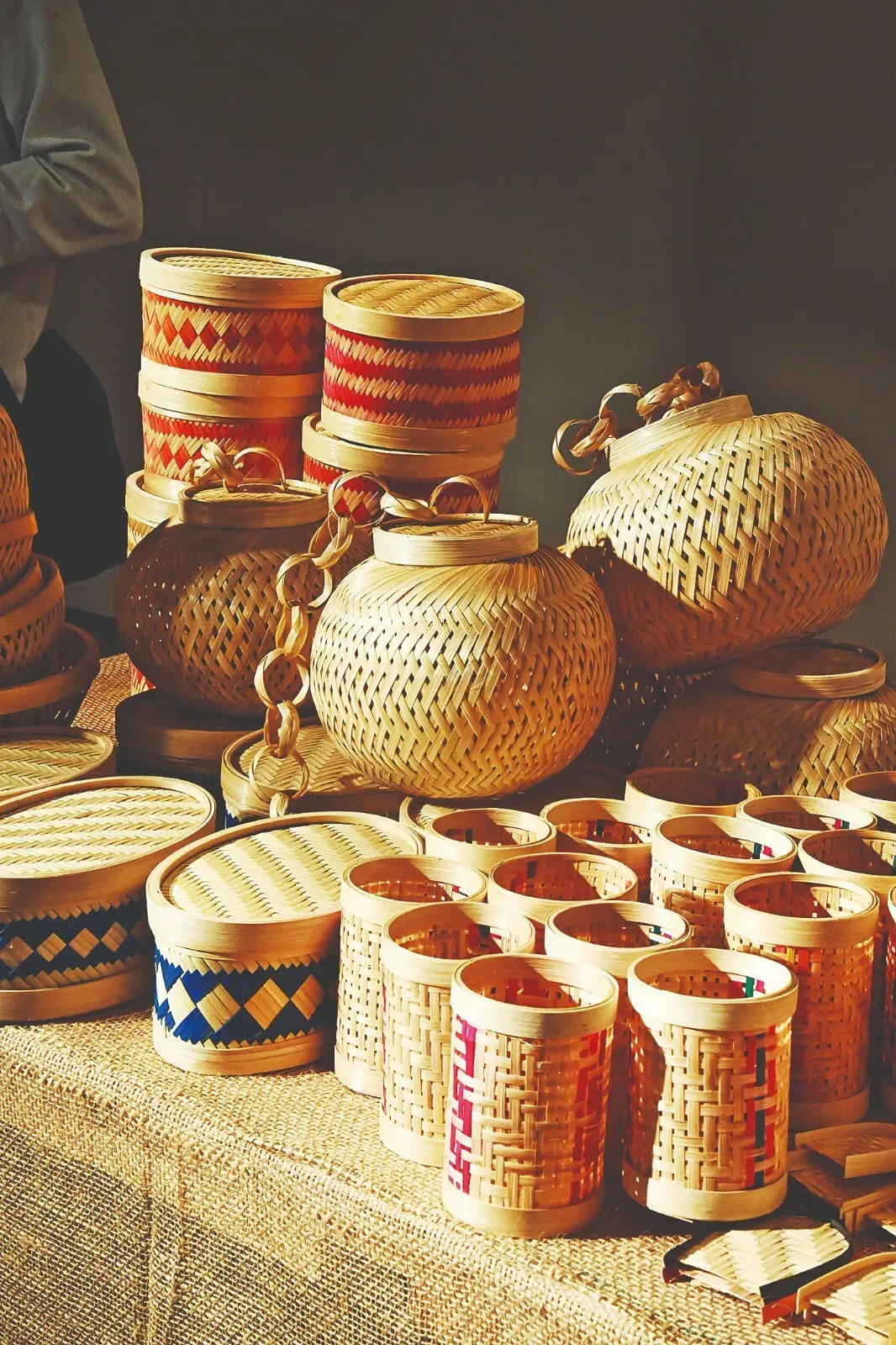
“People asked me not to do this exhibition at this time, but I deliberately chose this week. I believe that culture is more important than politics, and it should continue, no matter the circumstances,” says curator Ruby Palchaudhuri, as she transforms the Kolkata Center for Creativity into a living cultural narrative with Santali Katha, an exhibition on Santali art, culture and knowledge systems, which will be on view in the coming week. From tapestries and textiles to music and movement, the show challenges static views of tribal life – “We are used to seeing tribes in a static way… ethnographically,” she says, “but we forget that they are active contributors to our cultural diversity.”

This journey didn’t just start, it started almost 50 years ago, when I visited a Santal village for the first time and realized how little we actually understand these cultures. He stayed with me. This exhibition is a continuation of that inspiration. It took over a year with my team to bring it all together. It’s not easy, but it felt necessary

-Ruby Palchaudhuri

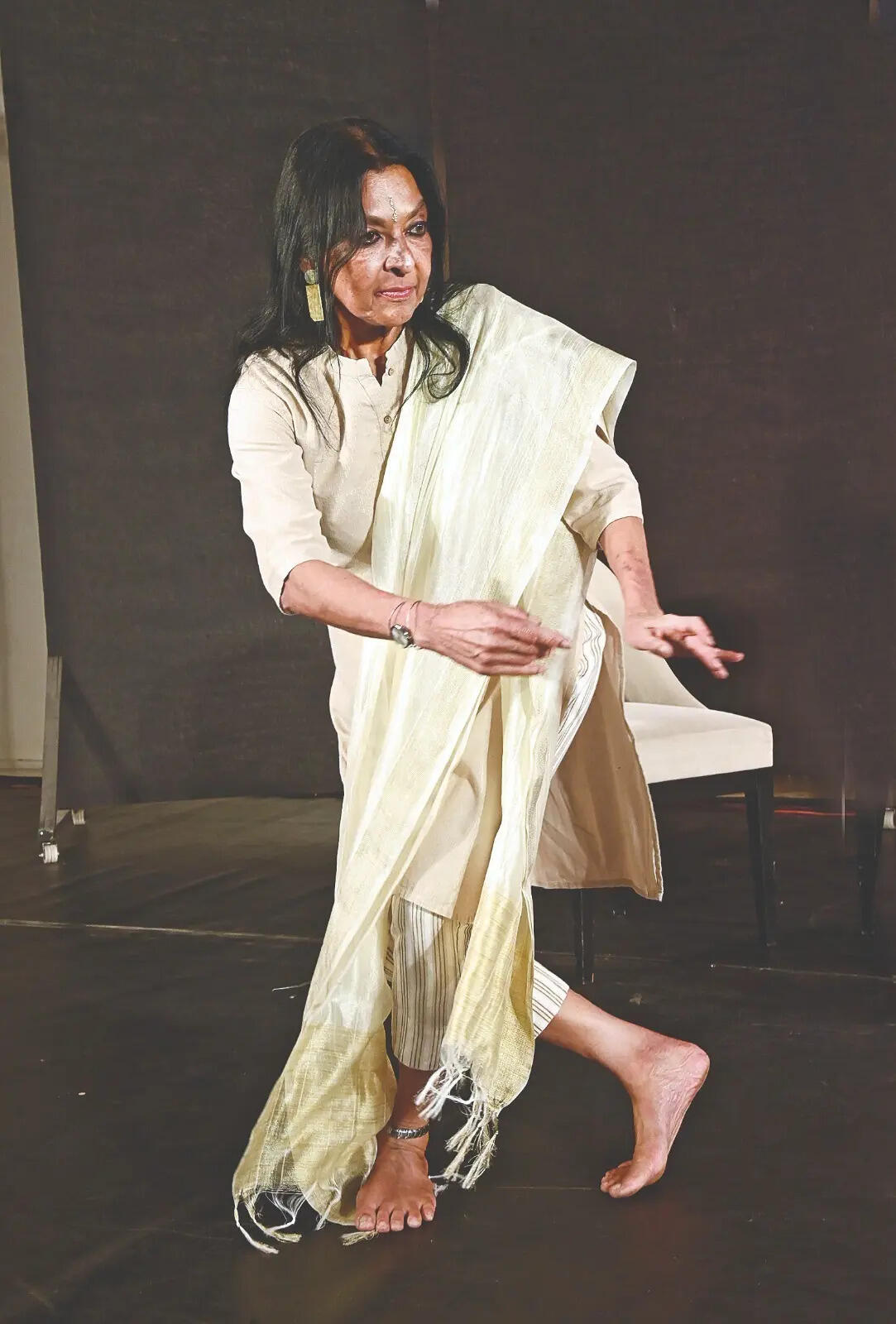
Mallika Sarabhai redefined improvisation on stageThe most fascinating moment of the evening came without rehearsal, without structure and based entirely on instinct. Mallika Sarabhai took to the stage without a script and instead chose to construct her performance in real time. She invited someone in the audience to share a Santali story, an everyday, contemporary anecdote, and as the volunteer spoke, they began to respond through movement. What happened next was not a performance in the traditional sense, but something more fluid. Words turned to gestures, pauses turned to rhythm, as he translated a spoken narrative into tangible form, creating a new, spontaneous form of storytelling that merged Santali oral traditions with the experience of modern life.
WhatsApp Image on 2026-05-06 13.22.04 (2).

I like Kolkata very much. This is my favorite audience in the world, and bringing together the voices of indigenous people is so important today, especially when politically we are trying to erase them.

-Mallika Sarabhai

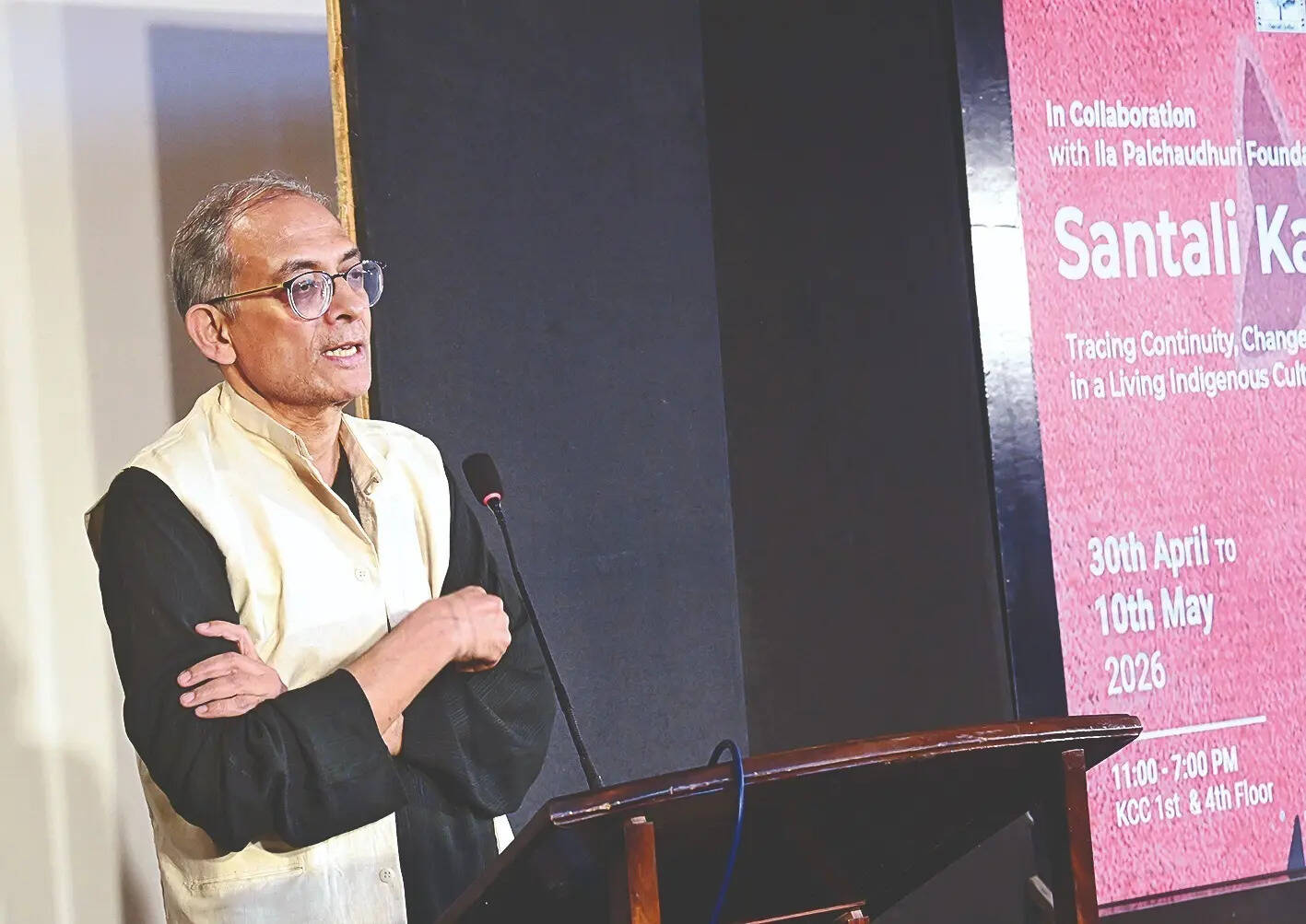
Crafts without attribution: Abhijit Banerjee calls itFor Nobel laureate Abhijit Vinayak Banerjee, the exhibition created a major inconvenience. “It’s really extraordinary… It has both a lot of creativity and a distinctive voice,” he said, before adding the main point: “We don’t acknowledge or acknowledge it enough.” Admitting, “I know nothing… I am not able to speak about Santali culture,” he instead turned to the system surrounding it – a system he argued undervalued its own creators. “Children of craftsmen don’t want to become craftsmen anymore,” he said, pointing to a change in aspiration. Social media has also changed the equation: “I need to wear a different outfit every day… so I can’t buy expensive jamdani.” Still, he left room for reversal. He linked this to sustainability, saying, “AI will eliminate many middle-skill jobs… and it could drive people back to crafts.” His most trenchant line was this: “Craftsmen are given the responsibility to be creative without credit for it… and it has to be offensive.”
WhatsApp Image on 2026-05-06 13.22.03 (2).

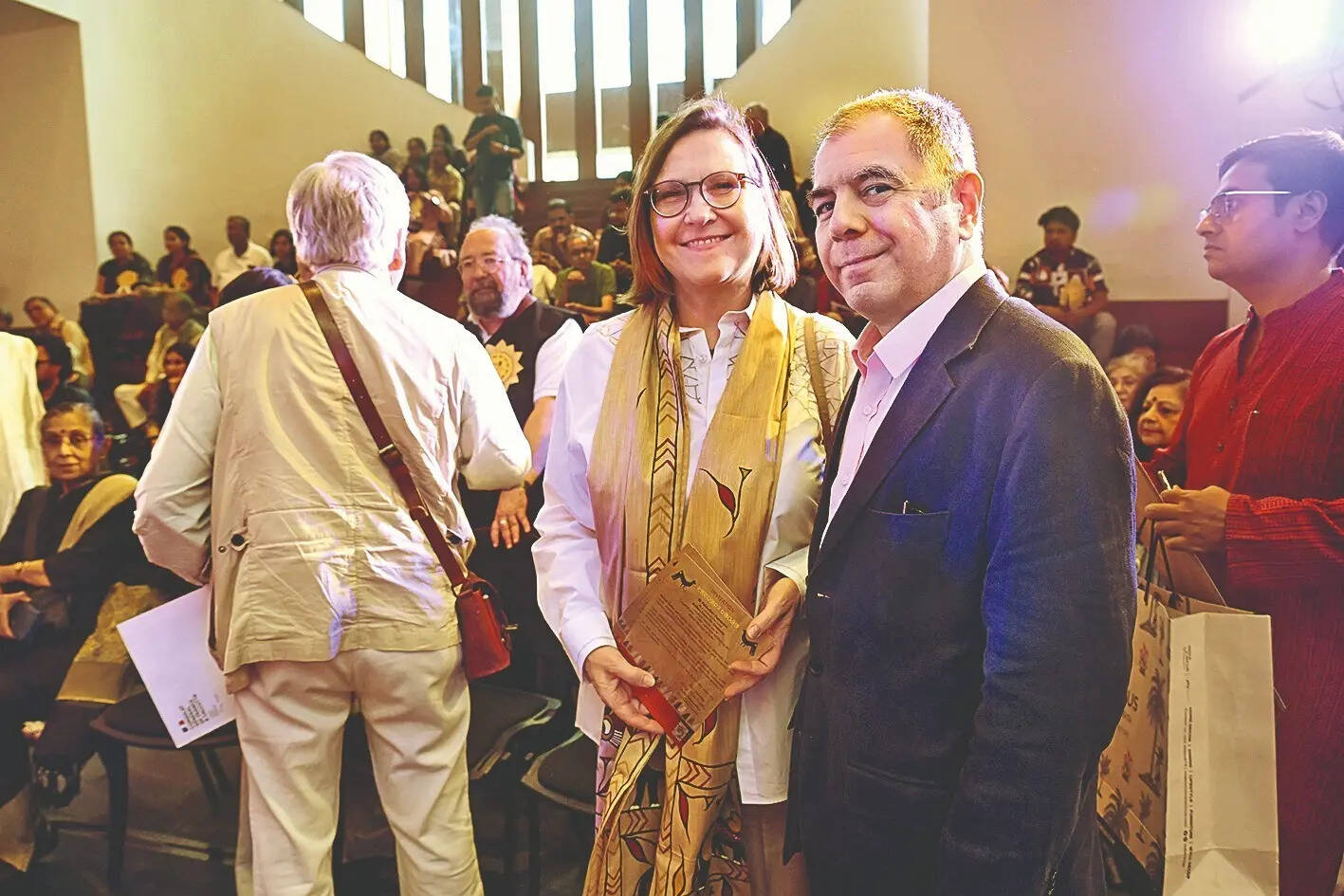
Where generations meet: an audience that completes the storyIf the exhibition set the tone, the audience deepened it. An amazing mix of ages and professions, photographers, artists, teachers came together, marking the continuation of the show. “I have only 87 years of experience in photography and I still continue to take photographs. I think if it is too young, then age is just a number,” said photographer Mala Mukherjee, bringing smiles from across the room. He said, “What brings us all here is the love for the celebration of Santali tradition… To bring something like this together, it is a difficult task.” Others pointed to its layered nature: “It lasts for a week with extensive discussions and many layers.” said Sauraveshwar Sen, a social sector climate action career coach. Dancer, Alokananda Roy, expressed this sentiment: “An amazing woman… a gorgeous young lady at 97. I can’t even imagine doing something like that at her age. I admire that sentiment.”
WhatsApp Image on 2026-05-06 13.22.03 (5).

Today we also learn how the application came to be beyond praise: “Urban life can actually be inspired by Santhal traditions, even education systems, even the sustainability-minded corporate sector.

-Sauraveshwar Sen
WhatsApp Image on 2026-05-06 13.22.03 (6).

Saree as Story: Tradition, Memory and ReinventionOne of the strongest visual highlights came on the runway, where the Santal saree told its own story. Designer Lipsa Hembrum’s showcase, Galang Gaban, traces the journey of the traditional Santali curtain from function to form. Garments such as panhand-kanchi, once worn simply during daily labor, reflect designs rooted in movement, climate, and community life in today’s modern apparel. With earthy colours, bold borders and minimal embellishments, these garments were never about the occasion, they were about living life. Draping styles also varied by age, region and purpose, revealing a layered cultural language. But the show also pointed towards change. “Panhand-kanchi cloth is rarely seen these days,” it says, indicating a reshaping of tradition for modern lifestyle. Yet the reinterpretation on display suggests something else: not loss, but growth. Traditional weaves meet contemporary silhouettes, bringing Santali textiles to new spaces while retaining their identity.


WhatsApp Image on 2026-05-06 13.22.03 (7).

WhatsApp Image on 2026-05-06 13.22.03 (3).

WhatsApp Image on 2026-05-06 13.22.03 (1).

WhatsApp Image on 2026-05-06 13.22.03 (4).

Source link

North Korea amends constitution, removes reference to reunification with South Korea

North Korea amends constitution, removes reference to reunification with South Korea

North Korea has revised its constitution to formally define its territory and remove all references to reunification with South Korea, Reuters reported, citing a document. This move shows the leader kim jong unAttempt to consider both Koreas as separate states.According to the agency, a new Article 2 states that North Korea’s territory includes “the lands bordering the People’s Republic of China and the Russian Federation in the north and the Republic of Korea in the south” as well as its territorial waters and airspace.The text says North Korea “absolutely does not allow any violations into its territory.” However, it does not specify the exact border with South Korea or mention disputed maritime areas such as the Northern Limit Line.The amended constitution designates Kim as the country’s head of state, as chairman of the State Affairs Commission, replacing earlier language that described the role as supreme leader representing the state.It explicitly places command of North Korea’s nuclear forces under the chairman of the State Affairs Commission, formally cementing control of the nuclear arsenal in Kim’s hands.A separate defense section also described North Korea as a “responsible nuclear weapons state” and said it would continue to advance its nuclear capabilities to safeguard its existence, prevent war, and protect regional and global stability.The amendment, believed to have been adopted during the March session of the Supreme People’s Assembly, marks the first time that Pyongyang has added a territorial clause to its constitution.Experts told Reuters the changes are in line with Kim’s earlier calls to define South Korea as the North’s “primary enemy and irreconcilable major enemy” and to formally separate the two states.Earlier in February, Kim said that North Korea “has no trade dealings with South Korea… and will permanently exclude South Korea from the ranks of compatriots”.He further said, “Until South Korea can avoid the geopolitical circumstances of having a border with us, the only way to be safe is to give up everything related to us and leave us alone.”While South Korean President Lee Jae Myung has offered talks without preconditions, Pyongyang has not responded and continues to describe Seoul as its “most hostile” rival.The development comes amid rising tensions over North Korea increasing missile tests and deepening military ties with Russia.

Source link

मासूम बच्ची के अपहरण, दुष्कर्म और हत्या का आरोपी मुठभेड़ में मारा गया, 50 हजार रुपये का इनामी अपराधी था.

उत्तर प्रदेश के हरदोई जिले में दिल दहला देने वाली घटना के बाद पुलिस ने बड़ी कार्रवाई करते हुए 50 हजार रुपये के इनामी बदमाश को मुठभेड़ में मार गिराया. आरोपियों ने लखनऊ के मल्लावां इलाके से एक मासूम बच्ची का अपहरण किया था, उसके साथ बलात्कार किया और बेरहमी से हत्या कर दी और परिवार से फिरौती भी मांगी। इस घटना से पूरे इलाके में सनसनी फैल गई थी. पुलिस कई दिनों से आरोपी की तलाश कर रही थी. बुधवार सुबह हुई मुठभेड़ में आरोपी मारा गया, जबकि एक पुलिस सब-इंस्पेक्टर भी घायल हो गया.

घटना की पूरी कहानी
पुलिस के मुताबिक 2 मई 2026 को मल्लावां क्षेत्र से एक मासूम बच्ची का अपहरण कर लिया गया था. आरोपी ने 3-4 मई की रात बच्ची के साथ दुष्कर्म कर उसकी हत्या कर दी. इसके बाद उसने चोरी हुए सिम का इस्तेमाल कर परिवार से 50,000 रुपये की फिरौती मांगी और बच्चे को सुरक्षित लौटाने का वादा किया.

शव मिलने से सनसनी फैल गई
5 मई को मल्लावां इलाके के एक खेत में बच्चे का शव मिला, जिससे पूरे इलाके में हड़कंप मच गया. घटना की जानकारी मिलते ही पुलिस महकमा सक्रिय हो गया और आरोपियों की तलाश तेज कर दी गई.

इनामी अपराधी की तलाश एवं मुठभेड़
जांच के दौरान आरोपी की पहचान कन्नौज निवासी मैनूर उर्फ ​​शानूर के रूप में हुई, जिस पर 50 हजार रुपये का इनाम घोषित किया गया था। पुलिस अधीक्षक अशोक कुमार मीना के निर्देशन में पुलिस व एसओजी टीम उसकी तलाश कर रही थी। बुधवार को मुखबिर से सूचना मिली कि आरोपी मल्लावां क्षेत्र में मौजूद है। पुलिस ने घेराबंदी की, लेकिन खुद को घिरा देख आरोपी ने फायरिंग शुरू कर दी.

जवाबी कार्रवाई में ढेर, पुलिसकर्मी घायल
पुलिस की जवाबी कार्रवाई में आरोपी मैनूर मारा गया. इस मुठभेड़ में एसओजी टीम के प्रभारी उपनिरीक्षक राजेश कुमार को गोली लग गई और वे घायल हो गए. उन्हें इलाज के लिए अस्पताल भेजा गया है.

अभियुक्त का अपराधिक इतिहास एवं बरामदगी
पुलिस के मुताबिक मैनूर उर्फ ​​शानूर पर एक दर्जन से ज्यादा आपराधिक मामले दर्ज थे. वह पहले भी कई गंभीर अपराधों में शामिल रहा है. पुलिस ने मौके से चोरी की एक मोटरसाइकिल, एक मृत बच्चे की ताबीज, एक अवैध पिस्तौल और कारतूस के खोखे बरामद किए हैं।

(रिपोर्ट: संदीप शुक्ला, लखनऊ)

Source link

Pakistan Navy responds to distress call, assists Indian ship stranded in Arabian Sea. india news

Pakistan Navy responds to distress call, assists Indian ship stranded in Arabian Sea

New Delhi: PakistanPakistan’s military told Reuters on Tuesday that the navy responded to a distress call from an Indian ship stranded in the Arabian Sea after a serious technical fault.According to a military statement, the ship, identified as MV Gautam, had seven crew members on board, six Indians and one Indonesian, and was en route from Oman to India when it developed a serious technical problem, causing it to drift out to sea.In response, the Pakistani Navy deployed a ship, which provided food, medical aid and technical assistance to stabilize the ship and ensure the safety of those on board.

Source link

Ranbir Kapoor: Alia Bhatt is in date-night fashion with Ranbir Kapoor

Alia Bhatt seen in date-night fashion with Ranbir Kapoor
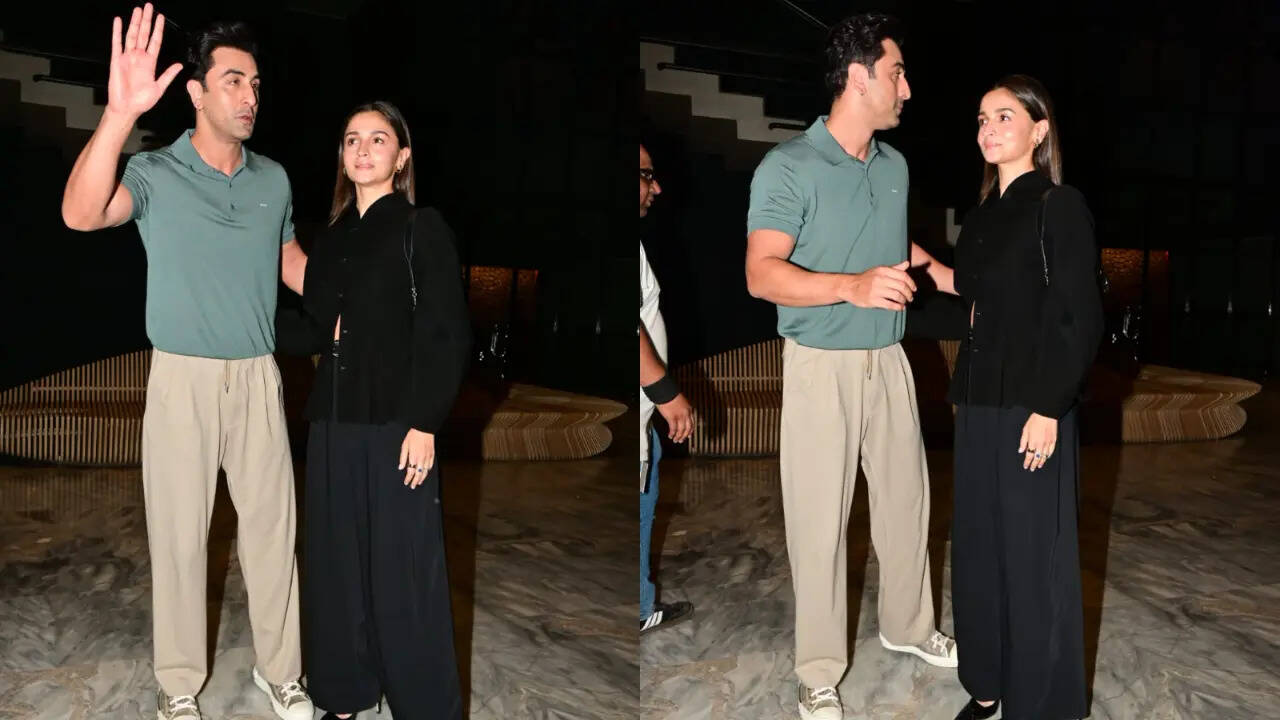
Alia Bhatt and Ranbir Kapoor’s effortless style was seen at the Mumbai movie screening. Alia chose a chic, structured black ensemble with subtle power-dressing elements, complemented with minimal accessories. Ranbir maintained his signature relaxed vibe in a simple polo shirt and beige trousers. Their coordinated yet distinct look proved that understated elegance can make a significant statement.

Ranbir Kapoor And Alia Bhatt Headed out to Mumbai for a film screening on May 5 and honestly, he made it look more stylish than necessary. Nothing loud or exaggerated – just easy, put-together outfits that really work well together. Alia looked all black and sharp, while Ranbir kept it effortless and effortless.Alia’s look is such that the more you pay attention to the details, the more it will look on you. She wore a structured black blouse from Corus (it’s called the Odette Jacket and costs around ₹34,400), and it wasn’t your basic top. The collar had a slight split, and she left a few buttons open, which added a bit of edge without trying too hard. The peplum-style bottom with soft pleats gave it some movement, and those slightly padded shoulders hinted at that power-dressing vibe—but still very wearable.She paired it with black trousers which were high on the waist and slightly flared at the bottom. Neat, attractive and super easy to draw. At first glance, it seems like a simple outfit, but then you start noticing all the little things that make it different.

again (3)

Accessories were kept minimal but smart. Gold hoops, some cocktail rings, and Jimmy Choo’s classic black pumps. She added a Gucci horsebit chain shoulder bag – sleek, simple and just the right amount of luxury. The hair was left center-parted, and her makeup was soft and fresh: glowing skin, pink lips, a bit of blush, and neatly shaped eyebrows. Nothing heavy, just her usual effortless glam.Ranbir, on the other hand, did what he does best – kept it low-key. He wore a grey-blue polo t-shirt with beige trousers, which had a relaxed fit. Add sneakers and a nice watch, and that’s it. Clean, hair slicked back, no mess.Together, they got it right. Alia brought structure and polish, Ranbir kept things simple and nice. It didn’t feel like it was going to be hammered to death, which is probably why it worked so well.

Source link

Pakistan News: ‘Security concerns’: US to close Peshawar Consulate in Pakistan, shift operations to Islamabad

'Security concerns': US to close Peshawar consulate in Pakistan, shift operations to Islamabad

The United States announced on Wednesday that it would phase out the closure of its Consulate General in Peshawar, citing concerns over the safety of diplomatic staff as well as the need for better allocation of resources.“The US State Department is announcing the phased closure of the US Consulate General in Peshawar. Responsibility for diplomatic engagement with Khyber Pakhtunkhwa will be transferred to the US Embassy in Islamabad. This decision reflects our commitment to the safety of our diplomatic personnel and efficient resource management,” the department said in a statement.Despite its physical footprint being reduced in Peshawar, Washington said it would continue active engagement with stakeholders Pakistan.“While our physical presence in Peshawar is changing, the administration’s policy priorities in Pakistan remain constant. We will continue to meaningfully engage with the people and authorities of Khyber Pakhtunkhwa to foster economic ties, advance regional security, and advance the interests of the American people.”The State Department said its embassy in Islamabad and consulates in Lahore and Karachi would continue to function as usual.The decision comes after a wave of unrest in Pakistan triggered by the Israeli-American attacks on March 1 that killed Iran’s supreme leader Ayatollah Ali Khamenei. At least nine people were killed in clashes between protesters and Pakistani security forces near the US Consulate in Karachi, Dawn News reported.Shortly thereafter, on March 3, the State Department directed non-essential US government personnel and their family members to leave its consulates in Lahore and Karachi due to growing security concerns.Amid rising tensions between the United States and Iran since February 28, the department had warned about possible disruptions to commercial air travel as well as potential drone and missile threats from Iran.The advisory highlights the threat of terrorist attacks in Pakistan, noting that extremist groups have particularly carried out violence Balochistan and Khyber Pakhtunkhwa, which includes the former FATA region, while major cities such as Karachi and Islamabad have also seen incidents.“Terrorists can strike without warning. They target transportation hubs, hotels, markets, malls, military and security forces sites, airports, trains, schools, hospitals, places of worship, tourist destinations and government buildings,” the US State Department’s earlier statement said.

Source link

Indus Water Treaty: Obstruction, exploitation and a long overdue reckoning. india news

Indus Waters Treaty: Obstruction, exploitation and a long-awaited reckoning

1.1) Since the signing of the treaty, Pakistan has consistently used its dispute resolution provisions as a strategic tool to delay and effectively hinder development rather than as a genuine dispute resolution.Almost every significant hydropower project proposed by India on western rivers – even projects explicitly permitted under the terms of the treaty – has faced formal Pakistani objection, technical challenge or reference to arbitration.All the projects including Baglihar, Kishanganga, Pakal Dul and Tulbul have been facing Pakistani challenges for a long time.In many cases, Pakistan has acknowledged the potential benefits of Indian projects for regulated water flows – including flood control – while also opposing them.This pattern suggests that Pakistani objections are not really about treaty compliance; They are about preventing Indian development in Jammu and Kashmir, regardless of the legal merits.1.2) The ‘water war’ narrative and its deployment: Pakistan has exploited India’s consistent compliance with the treaty to construct and spread an international narrative portraying India as a potential ‘water aggressor’.Pakistani officials, academics and diplomatic channels, citing the same treaty which India has scrupulously respected, have repeatedly raised apprehensions of ‘weaponizing water’ by India against Pakistan.This narrative – presenting the upper littoral zone as a threat – has proven remarkably effective among international audiences unfamiliar with the treaty’s history.Pakistan has used it to generate diplomatic pressure, attract multilateral sympathy, and impede India’s ability to assert its legitimate treaty rights.The singular irony of this strategy is that India has not committed a single violation of the treaty – not during the 1965 war, not during the 1971 war, not during the Kargil conflict of 1999 and not at any other point in the sixty-five years of operation of the treaty.India has maintained compliance, while Pakistan has used its territory to conduct state-sponsored terrorism against India.2. Results for India2.1) Unrealized Development Potential: Treaty constraints have had measurable lasting consequences for India’s development in the Indus Basin.Vast areas of Rajasthan and parts of Punjab that could have been irrigated remain dry or depend on alternative, more expensive water sources.The loss of agricultural productivity over six decades represents an incalculable economic loss.2.2) Hidden Hydropower Potential of Jammu and Kashmir: The impact on Jammu and Kashmir has been particularly acute. The union territory lies along the western rivers and has vast, largely untapped hydropower potential.The development of that capability is hindered at every turn by the treaty’s design restrictions, Pakistan’s systematic objections, and the continued risk of multi-tiered, long-drawn-out dispute resolution mechanisms.Local populations have increasingly come to view the treaty not as a framework for shared benefits but as a means of furthering their own economic marginalization – an external imposition that prevents them from developing the natural resources flowing from their territory.2.3) Energy Security Implications: India’s inability to optimally develop the hydropower potential of western rivers has direct implications for national energy security.The treaty’s restrictions mean that the potential – as a clean, renewable and economically efficient energy source – has been completely sacrificed due to Pakistan’s strategic constraint on even the limited rights India has in this asymmetric agreement.3. Case of India: The purpose of the treaty was to achieve “the most complete and satisfactory use of the waters of the Indus River System” in “the spirit of goodwill and friendship” – a reference that no longer exists.Treaties derive their validity not only from the force of law but from the good faith implementation of their terms by all signatories.Pakistan’s documented and persistent use of state-sponsored terrorism as a tool of foreign policy against India – culminating in atrocities including the 2001 Parliament attack, the 2008 Mumbai attacks and most recently the April 2025 Pahalgam attack – fundamentally challenges the very foundation on which India’s continued compliance with the IWT depends.Bilateral agreements cannot be respected selectively. A state cannot simultaneously violate fundamental norms of inter-state conduct while demanding that its negotiating partner fulfill treaty obligations that disproportionately benefit the norm-breaker.This treaty cannot be an island of Indian compliance in an ocean of Pakistani ill-will. India’s move represents a long-awaited assertion – that international agreements are a two-way street.4. Conclusion: The Indus Waters Treaty has long been celebrated as a triumph of international diplomacy.This paper argues that such a characterization fundamentally misrepresents what actually happened: a negotiation process in which Pakistani assertiveness was rewarded with concessions, and Indian goodwill was systematically exploited to produce an agreement that was inequitable from its inception.Yet, India surrendered 80 percent of the waters, paid £62 million (about $2.5 billion in current values) to facilitate that surrender, accepted unilateral operational restrictions on its territory, and has maintained faithful compliance for sixty-five years – including waging multiple wars by Pakistan and sponsoring cross-border terrorism.In return, India has got a well-intentioned treaty that Pakistan uses as a tool of developmental obstruction, a ‘water war’ narrative that it enforces internationally without any factual basis, and permanent underdevelopment of vast tracts of Indian territory.India’s move is to protect its legitimate interests in the Indus Basin. This is not aggression; This is a long-awaited reform of an asymmetric system based on goodwill that has never been reciprocated.For those who ask why the treaty has now been put on hold, it would be useful to remember that there is never a wrong time for the right decision.

Source link

सीएम योगी आज प्रयागराज दौरे पर, नॉर्थ टेक सिम्पोजियम-2026 में लेंगे हिस्सा

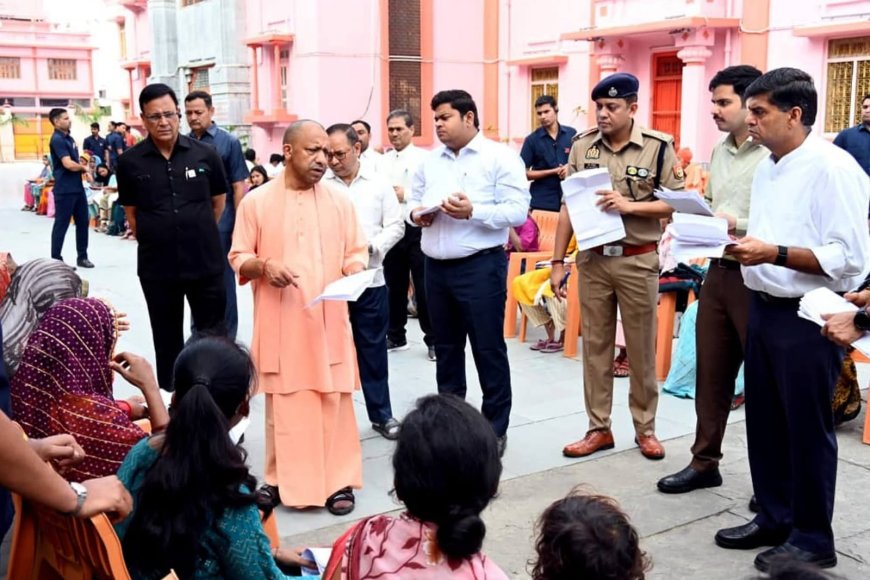
उत्तर प्रदेश के मुख्यमंत्री योगी आदित्यनाथ आज प्रयागराज जिले के दौरे पर रहेंगे, जहां वह नॉर्थ टेक सिम्पोजियम-2026 के समापन समारोह में शामिल होंगे. इस कार्यक्रम को देश की रक्षा क्षमता और तकनीकी आत्मनिर्भरता को मजबूत करने की दिशा में महत्वपूर्ण माना जा रहा है। मुख्यमंत्री के आगमन को लेकर जिला प्रशासन ने सभी तैयारियां पूरी कर ली हैं और सुरक्षा के कड़े इंतजाम किये गये हैं. सीएम योगी सुबह करीब 11:25 बजे प्रयागराज पहुंचेंगे. उनके दौरे को लेकर प्रशासन और आयोजकों में काफी उत्साह है.

नॉर्थ टेक सिम्पोजियम में भाग लेंगे
सीएम योगी इस दौरे के दौरान नॉर्थ टेक सिम्पोजियम-2026 के समापन कार्यक्रम में शामिल होंगे. देश की रक्षा तकनीक को आगे बढ़ाने और आत्मनिर्भर भारत के लक्ष्य को लेकर यह कार्यक्रम आयोजित किया जा रहा है. इस संगोष्ठी में कई विशेषज्ञ, वैज्ञानिक और तकनीकी क्षेत्र से जुड़े लोग भाग ले रहे हैं.

सीएम का बयान और उद्देश्य
इस दौरे की जानकारी मुख्यमंत्री योगी आदित्यनाथ ने अपने सोशल मीडिया प्लेटफॉर्म एक्स पर साझा की है. उन्होंने लिखा कि वह भारत की रक्षा क्षमता और तकनीकी आत्मनिर्भरता को और मजबूत करने के उद्देश्य से इस कार्यक्रम में भाग लेने जा रहे हैं. उनका कहना है कि ऐसे आयोजन देश के विकास में अहम भूमिका निभाते हैं.

प्रशासन ने पूरी तैयारी कर ली है
सीएम योगी के दौरे को लेकर प्रयागराज जिला प्रशासन पूरी तरह से अलर्ट है. कार्यक्रम स्थल पर सभी आवश्यक व्यवस्थाएं पूरी कर ली गई हैं। सुरक्षा के लिए पुलिस और अन्य एजेंसियों को तैनात किया गया है, ताकि किसी भी तरह की कोई अराजकता न हो.

सुरक्षा के कड़े इंतजाम
मुख्यमंत्री के आगमन को देखते हुए पूरे इलाके में सुरक्षा के कड़े इंतजाम किये गये हैं. पुलिस बल की तैनाती के साथ-साथ कार्यक्रम स्थल और आसपास के इलाकों की निगरानी भी बढ़ा दी गई है. प्रशासन का कहना है कि कार्यक्रम शांतिपूर्ण तरीके से संपन्न कराया जाएगा.

(रिपोर्ट: संदीप शुक्ला, लखनऊ)

Source link

DC vs CSK, IPL 2026 | Why does Karthik Sharma fit into CSK’s long-term plans? Ex-IND cricketer explains

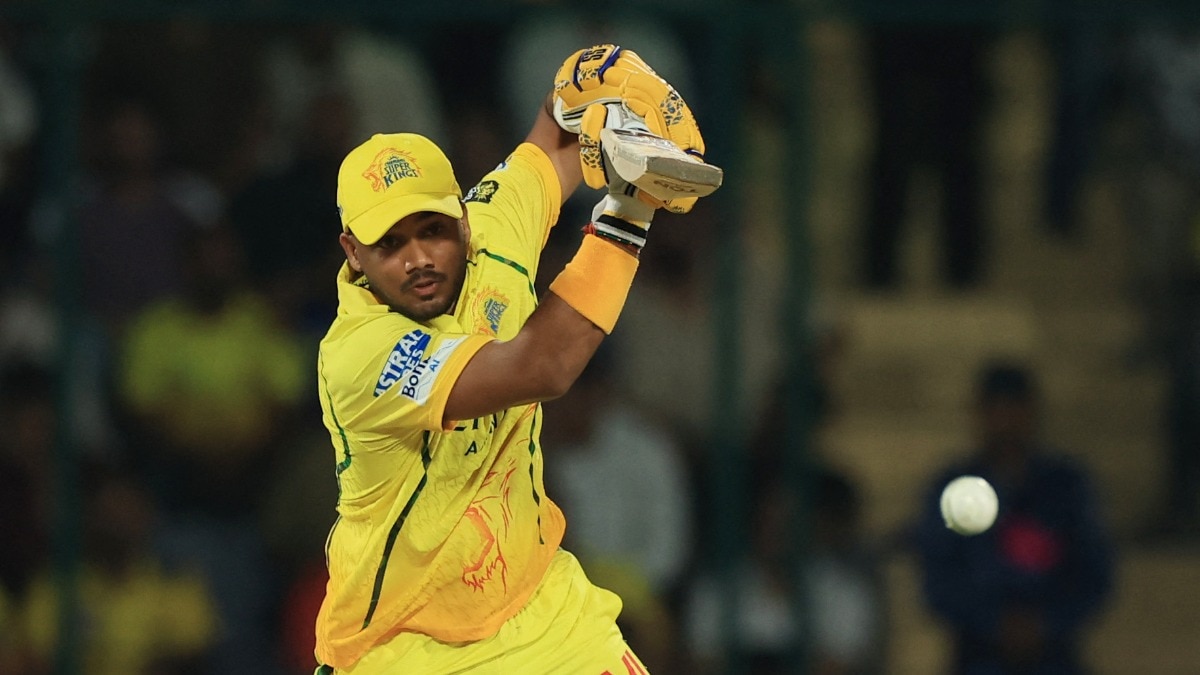
Karthik Sharma became the joint-most expensive uncapped Indian player in IPL history when Chennai Super Kings spent Rs 14.2 crore for the youngster in the auction. With that price tag also came enormous expectations, scrutiny and pressure. But after a slow start to IPL 2026, Karthik is finally beginning to justify the faith shown in him by CSK, and former India cricketer Sanjay Bangar believes there cannot be a better franchise for the youngster to develop his game.

Karthik could only score 58 runs in his first five matches and looked like another young player struggling to adapt to the intensity and demands. IPL. Yet, unlike many franchises who quickly move on from underperforming youngsters, CSK remained patient.

The franchise not only stuck with him but also trusted him with one of the most important roles in the batting order, number 4.

That trust has started bearing fruit.

In the last two matches of Chennai Super Kings Karthik looks much more confident and calmGuided the successful target chase with unbeaten innings of 54 against Mumbai Indians and 41 against Delhi Capitals away from home.

More than the runs, it was the maturity and calmness that came through in those innings. According to Bangar, this growth is directly linked to the environment provided by CSK.

“I think he’s in the right franchise as well because it’s a franchise that will give him a lot of opportunities and he doesn’t really have to worry about his spot,” Bangar said on JioStar.

“There is a sense of security when you are part of the CSK setup, and he has developed with every game he has played.”

Bangar also talked about one technical aspect of Karthik’s batting that has impressed him.

“It’s a good thing to see that he wants to hit a lot of balls straight down the ground with the bat and he backs up his power. So for me that’s a standout trait,” he explained.

The former India batting coach believes that Karthik is still scratching the surface of his potential and fits in with the traditionally long-form CSK players.

“He is a work in progress. He is going to get even better and that is the kind of player CSK ideally wants. This has been their blueprint for many years,” Bangar said.

“Someone like him at No. 4 fits perfectly into their plans.”

For now, CSK’s patience with Karthik Sharma is starting to look like a long-term investment that may pay off on a large scale in the coming years.

ipl 2026 | ipl schedule | ipl points table | ipl player stats | purple cap | orange cap | ipl video | cricket news | live score

– ends

published by:

Amar Panikkar

Published on:

May 6, 2026 11:04 IST

Source link