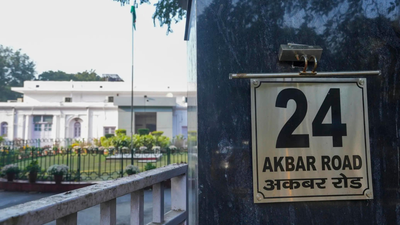
‘Trying to divert attention from Iran war’: Congress criticizes BJP after 24 Akbar eviction notices india news
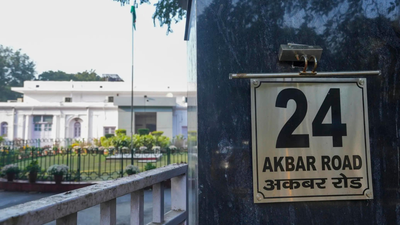
'Trying to divert attention from Iran war': Congress criticizes BJP after 24 Akbar eviction notice
Congress 24 Akbar Road Headquarters (Image/PTI)

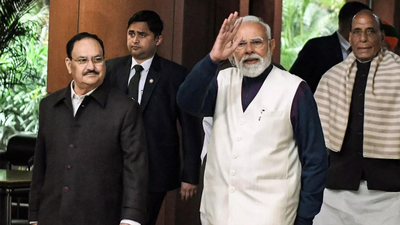
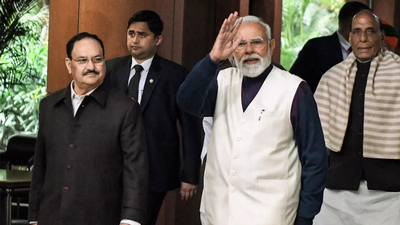
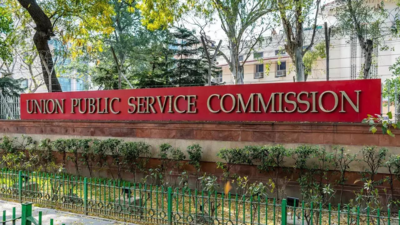
New Delhi: The Congress party on Wednesday received a vacation notice from its long-standing national headquarters at 24, Akbar Road, directing it to vacate the premises by March 28. Reacting to the notice, Congress alleged that the ruling BJP government was trying to divert public attention from the ongoing war in Iran.Party leader Imran Masood said, “The government thinks it can silence the Congress by putting pressure on us. They should not try to intimidate us. Have they got the BJP office at 11, Ashok Road or Pant Marg? Since they have not been able to do anything regarding the Iran war, they are trying to divert attention from the issue.”Pramod Tiwari also criticized this step and called it undemocratic. He said, “The BJP government is not a democratic government. It is unfortunate. Let the notice reach us. We will take action on it after discussion.”Responding to the notice, Karti P Chidambaram said, “If they want to apply this principle to the Congress party, it should be applied to all other political parties. It cannot be one-sided.”The Congress has occupied the Akbar Road bungalow since 1978, making it an iconic address in the heart of Lutyens’ Delhi.Party officials said the expulsion notice was given a few days ago. The second notice has been issued for the Indian Youth Congress Headquarters located at 5, Raisina Road. With both deadlines set for March 28, Congress has indicated plans to approach the court to stop the forced eviction. Congress MP and senior lawyer Abhishek Singhvi described the eviction notice as “illegal and politically motivated”. While the party has shifted to its new headquarters, Indira Bhawan near ITO, it has retained its office on Akbar Road.
Source link

1 in 4 Indians overweight, but obesity still seen as ‘lifestyle’: Experts warn of growing crisis india news

1 in 4 Indians overweight, but obesity still seen as 'lifestyle': Experts warn of growing crisis

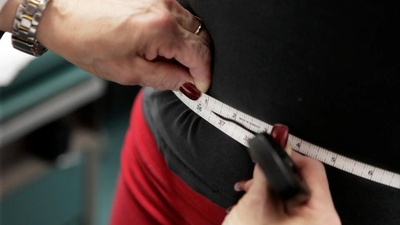
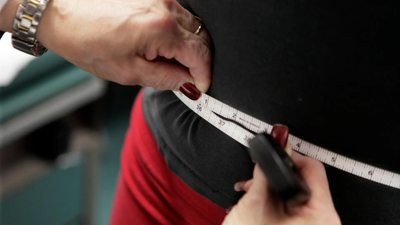
New Delhi: India is facing a rising burden of obesity, with one in four Indians being overweight, yet the condition is being treated as a lifestyle issue rather than a disease, experts said at a recent panel discussion led by ICMR and AIIMS after World Obesity Day.Experts said that despite growing awareness, most people do not seek treatment, and even those who attempt weight loss struggle to maintain it. “We lack effective long-term interventions, and behavior change remains difficult,” said Dr. Rajeev Bahl, Secretary, Department of Health Research and Director General, ICMR, pointing to broader social and environmental barriers.Unhealthy foods are often cheaper and more accessible, while healthy alternatives remain difficult to access, she said.The panel brought together Dr. Bahl; Dr. Anup Mishra, Director, National Diabetes, Obesity and Cholesterol Foundation; Dr. Naval Vikram, Professor, Department of Medicine, AIIMS; and Dr. Vandana Jain, Professor, Pediatric Endocrinology, AIIMS.Dr. Kamini Walia, Scientist and Head, Descriptive Research Division, ICMR, said obesity should be understood as a multifactorial disease driven by genetic, metabolic, environmental and social factors and not limited to individual defects.Doctors said the problem lies in everyday life. Dr Naval Vikram said obesity is a chronic disease that requires long-term management, influenced by diet, physical activity, psychological and environmental factors.The panel underlined that obesity often starts early. Dr. Vandana Jain stressed the need for a healthy home environment and said that childhood habits, family food choices and activity patterns play an important role.Dr. Anup Mishra said that metabolic complications develop at low body weight levels in Indians, making early detection important. He said new anti-obesity drugs are not a population-level solution and should be used selectively along with lifestyle changes.Experts also highlighted shortcomings in policy and implementation and said improving access to healthy food and creating space for physical activity remain key challenges.They also highlighted emerging research areas, including the gut microbiome, early life nutrition and maternal health, that may shape obesity risk from the earliest stages of life.A major concern remains stigma, which discourages people from seeking care. Experts said recognizing obesity as a disease can focus on long-term management and prevention.

Source link

TB remains India’s biggest infectious killer, but mass screening is paying off. india news

TB remains India's biggest infectious killer, but mass screening is yielding results

New Delhi: India may be making progress against tuberculosis, but the scale of the challenge remains grave – it accounts for almost a quarter of the world’s TB cases, while millions of infections go undetected.According to the Tuberculosis Fact Sheet 2026 released by the Centre, tuberculosis remains India’s biggest infectious disease challenge. India contributes about 25% of the global TB burden, with five countries accounting for more than half of the total cases worldwide.At the national launch event of World TB Day 2026 in Greater Noida, Union Health Minister JP Nadda said India is on the path to eliminate TB ahead of the global targets, driven by the “Jan Bhagidari” approach under the leadership of PM Narendra Modi. They cited a 21% decline in TB incidence and 25% reduction in deaths between 2015 and 2024, with treatment coverage now at 92%.Recent data supports this trend. Treatment success rates have improved to nearly 90%, while more than 26 lakh cases were notified in 2024, the highest ever, reflecting strong detection efforts.A major boost has come from the TB Free India campaign, which has focused on identifying hidden and high-risk cases. More than 20 crore people have been tested, resulting in detection of more than 32 lakh TB patients, including a large number of asymptomatic cases. Nadda said that due to intensive case finding, the unknown cases have reduced from 10 lakh to less than one lakh.He also announced the launch of an AI-enabled TB Mukt Bharat app to improve access to care and treatment tracking, as well as a 100-day intensive campaign covering 1.58 lakh villages and urban wards.The factsheet highlights that TB is closely linked to poverty, malnutrition and living conditions, with economically vulnerable populations at greater risk. People with diabetes, HIV, smokers, alcohol abusers and those who live in crowded areas are particularly susceptible. At the same time, drug-resistant TB remains a concern, with more than 55,000 cases expected in 2024, requiring longer and more complex treatments.Despite progress, shortcomings remain. About 64% of people with TB symptoms do not seek care due to stigma, lack of awareness or affordability issues, leading to delayed diagnosis and continued transmission.

voting

What do you think is most important to end TB in India?

To address this, the government has combined community outreach with technology. Initiatives like the Ni-Kshaya Mitra program have mobilized volunteers to provide nutrition and social support, while digital tools like the TB Free India app are helping streamline care.Emphasizing on increased funding and indigenous innovations like TrueNet, Nadda said TB is both preventable and curable, stressing the need to reduce stigma and ensure early diagnosis and treatment.Health officials underline that symptoms of TB go beyond a persistent cough and can include fever, weight loss, fatigue, chest pain and night sweats, making prompt testing important.

Source link

5 Indian flagged LPG tankers stuck in Hormuz. india news

5 Indian flagged LPG tankers stuck in Hormuz

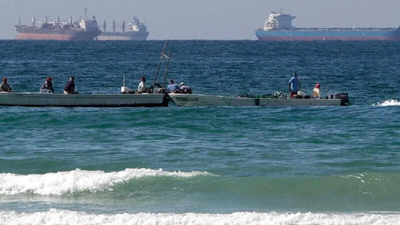
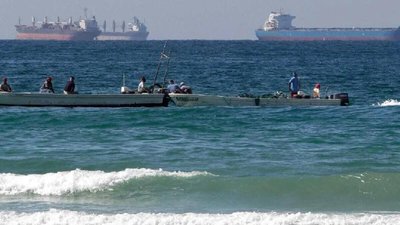
New Delhi: The government on Tuesday said five LPG tankers with about 2.3 lakh tonnes of cooking gas are west of the Strait of Hormuz and another tanker will be loaded in the next few days. It said two ships, Pine Gas and Jag Vasanth, will arrive at New Mangalore and Kandla ports this week, while clarifying that the ships require “no permission” to transit the Strait of Hormuz.Responding to a question on whether ships needed clearance from Iranian authorities to transit the strait, Rajesh Kumar Sinha, special secretary in the shipping ministry, said, “It is an international strait. Every country has the right to freedom of navigation through that strait. No permission is required (to transit through it). Earlier also, no permission was required. Even now, it is not required.”He said international rules do not allow any kind of duty on ships passing through the strait. However, given the current situation, movements should be evaluated for safety and appropriate timing, Sinha said.According to the Shipping Ministry, 20 Indian-flagged ships remain west of Hormuz.

Watch

Two more Indian LPG ships Pine Gas and Jag Vasant transit Strait of Hormuz amid Iran-Israel war

Source link

Middle East crisis: PM Modi forms 7 empowered groups to assess the impact of war. india news

Middle East crisis: PM Modi forms 7 empowered groups to assess impact of war

New Delhi: PM Narendra Modi on Tuesday announced the formation of seven empowered groups to assess the impact of the ongoing military conflict on energy supplies, essential commodities and supply chains in West Asia and formulate strategies to mitigate its impact on the Indian economy.In a statement in the Rajya Sabha, Modi said the conflict has shaken economies around the world and cautioned that it will take time to recover from the damage done in West Asia. Citing the government’s strategy during the COVID-19 pandemic, he said the new groups will act as rapid response teams focusing on key sectors such as petrol and diesel, fertiliser, gas, supply chain and inflation.

Watch

India joins Iran, Israel and America to solve energy crisis, PM Modi urges peace and reducing tension

“I am confident that through these shared and coordinated efforts, we will be able to deal with these situations more effectively,” the PM said, noting that an inter-ministerial group is already meeting regularly to monitor developments and address emerging challenges arising from the situation.Seven panels comprising senior officials from various ministries and departments have been tasked with identifying risks and formulating short, medium and long-term strategies in a time-bound manner.Their mandate includes assessing vulnerabilities in energy supply and pricing, ensuring the adequacy of strategic reserves, and taking steps to manage price volatility and prevent supply disruptions. They will also examine potential disruptions to shipping routes and ports to aviation corridors and critical imports and recommend pre-emptive measures.The groups are expected to explore alternative sources of imports to reduce dependence on any one sector while keeping a close eye on domestic availability and price stability of essential commodities including food, fertilizers and fuel.During the pandemic, the government had set up 11 such empowered groups comprising officials and experts to take quick decisions and ensure coordination between the Center and states. Anticipating prolonged disruption, Modi said the adverse impact of the conflict could last for a long time. “But I assure people that the government remains alert and proactive, and is taking every necessary decision seriously.”

Source link

Kashmiri separatist Andrabi gets life imprisonment, two associates sentenced to 30 years. india news

Kashmiri separatist Andrabi gets life imprisonment, two associates sentenced to 30 years

New Delhi: A Delhi court on Tuesday sentenced Kashmiri separatist and Dukhtaran-e-Millat chief Asiya Andrabi to life imprisonment for conspiring to commit crimes against the state.Additional Sessions Judge Chander Jeet Singh also sentenced Andrabi’s two associates Sophie Fehmida and Nahida Nasreen to 30 years in prison in the case. The court sentenced Andrabi to life imprisonment under section 18 of the UAPA (punishment for conspiracy) and sections 120B (criminal conspiracy) and 121A of the erstwhile IPC. Section 18 of UAPA says, The court said that the sentences will run concurrently. The trio were sentenced on January 14, after which the NIA had sought life imprisonment for Andrabi, saying he had waged war against India, and needed to send a strong message that conspiring against the state would be punished with the harshest punishment. In its 286-page order, the court said that Andrabi and his associates conspired to separate Kashmir from India. Rejecting the defense arguments, the court said, “Treating the culprits leniently would be like injecting a new life and vigor into the spirit of the culprits, whose aim is to alienate an integral part of India.”

Source link

HC rejects Lalu’s plea to cancel FIR regarding land in exchange for job. india news

HC rejects Lalu's plea to cancel FIR regarding land in exchange for job

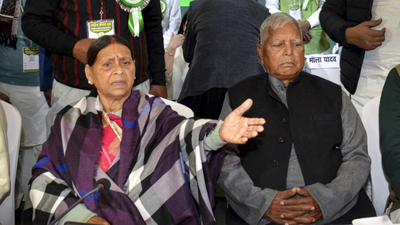
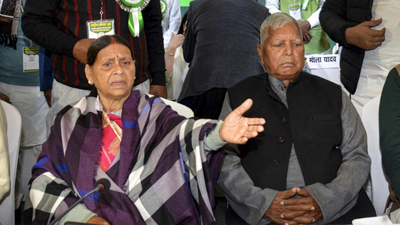
New Delhi: A blow to RJD Chief and former Railway Minister Lalu According to Prasad, the Delhi High Court on Tuesday refused to quash the CBI case in the alleged railways-for-jobs land scam involving him and his family.Justice Ravinder Dudeja rejected Lalu’s argument that the FIR under Section 17A of the Prevention of Corruption Act was not sustainable as the law was introduced in 2018 while the allegations date back to 2004-2009.The case pertains to the alleged transfer of land parcels at cheap rates to Lalu and his family in exchange for appointments in the Railways when he was the Railway Minister. news network

Source link

The government called an all-party meeting today to address concerns over the West Asia crisis. india news

Government has called an all-party meeting today to address concerns over the West Asia crisis.

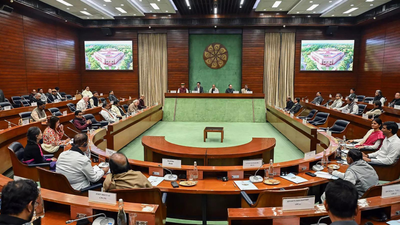
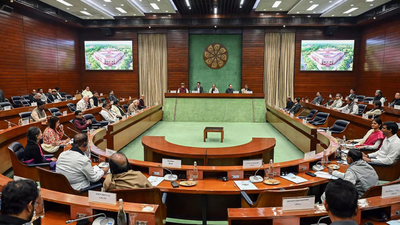
New Delhi: After Prime Minister Narendra Modi made statements in both houses of Parliament on the West Asia conflict, the government on Wednesday called for an all-party meeting on the issue as it seeks to address the points raised by various parties and present a united face on the growing crisis.Senior government officials, including Defense Minister Rajnath Singh, Home Minister Amit Shah and External Affairs Minister S Jaishankar, are likely to be present in the first such meeting on an issue on which the opposition has criticized the government’s response.In his statements in the Lok Sabha and the Rajya Sabha, Modi has emphasized the challenge posed to India by the conflict as energy supplies in the country have been affected due to the blockade of the Strait of Hormuz by Iran and the presence of the huge Indian diaspora in the Gulf countries.He has said, “For these reasons, India’s concerns are naturally greater. Therefore, it is imperative that a unanimous and united voice from Parliament reaches the world.”

Source link

Civils ’25: OBC beats EWS despite delay in interview. india news

Civils '25: OBC beats EWS despite delay in interview

New Delhi: Maintaining the previous pattern in the Civil Services Examination (CSE), Other Backward Class (OBC) candidates, despite lagging behind in the interview round, overtook Economically Weaker Section (EWS) candidates in the final merit list of 2025.The final 2025 cut-off (Mains + Interview) for EWS is 926 while for OBC is 931. The cut-off in the main exam alone was 706 for EWS and 717 for OBC. The cut-off marks are the minimum qualifying scores for a social group availing the quota, and they vary across SC, ST, OBC and EWS categories. The final scores reversed the trend where EWS had been ahead of OBC quota beneficiaries due to higher scores in the interview round. Not only should OBCs outperform EWS this year, but doing so despite consistently underperforming at the interview stage signals an interesting development.‘Higher written marks of OBC result in better cut-off than EWS’“Despite some reduction in the marks of OBCs in the interview, their marks in the written examination were so high that it resulted in a better final cut-off compared to the Economically Weaker Section,” said lawyer Shashank Ratnu, an expert in issues related to OBCs and reservation.The EWS quota was created in 2019 to provide 10% reservation to economically weaker persons among ‘general’ communities, while the mandal quota for backward classes has been in place since 1995.The economically weaker sections lagged behind the backward classes in the main examinations in 2023 and 2024. But the competitive dynamics between the two reserved categories proved complex, with the forwards winning the final examination due to higher marks in the interview.In CSE-2024, the cut-off for EWS in the main examination was 696 marks, while that for OBC was 702. But in the final result after the interview, the cut-off merit of EWS was 917 marks, while that of OBC was 910.A year before that, in the main exam, OBC had achieved a cut-off of 712 compared to 706 for EWS. But in the final, OBC with a cut-off of 919 lagged behind EWS, whose minimum marks were 923.Shashank Ratnu said, “The high interview marks for EWS in such a short time since the implementation of reservation raises question marks on the necessity, percentage and stringency of the criteria for this category.”Interestingly, a difference has been seen in the merit list for OBC and EWS in CSE. In view of the new EWS quota introduced in 2019, OBCs dominated the Mains and Finals in both 2019 and 2020.While it was surprising that EWS, a group with less social disability, lagged behind OBCs, it was seen as one of the teething troubles of the new quota regime, with the wider eligible group unaware of its processes and norms. Later, EWS bridged the gap with OBCs and scored higher marks in the examinations.

Source link

Gir Somnath Spaceport: Gujarat government planning India’s third spaceport near Gir Somnath India News

Gujarat government planning India's third spaceport near Gir Somnath

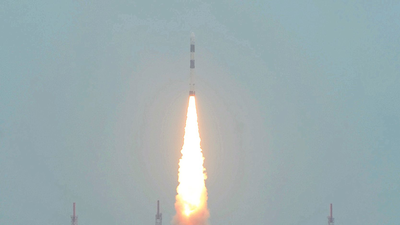
New Delhi: After Sriharikota The spaceport and the upcoming launch port at Kulasekarapattinam in Thoothukudi district of Tamil Nadu, India’s third satellite launch center are likely to come up in Gujarat.Gujarat Science and Technology Minister Arjun Modhwadia recently announced in the state assembly that a proposed launch site has been identified near Gir Somnath district along the Arabian Sea coast.Speaking on budgetary demands for his department, Modhwadia said the site was identified after consultation with space regulator and promoter Indian National Space Promotion and Authorization Center (IN-SPACE). “As per our request, IN-SPACe has found a suitable location which can be developed as a launchpad to put satellites into orbit just like Sriharikota. That location is between the Union Territory of Diu and Kodinar. We are now moving in that direction,” the minister said.Speaking to TOI, a senior space official said, “A state government or even a private entity can build a satellite launch center in India. The process has become streamlined, especially after reforms in the space sector. But conducting satellite launch operations from that site will require prior authorization from IN-SPACe, which acts as a single-window nodal agency under the Department of Space.”According to the Norms, Guidelines and Procedures (NGP) for implementation of the Indian Space Policy-2023, “Any space activity, which will, inter alia, include the launch, operation, guidance and/or re-entry of any space object, as mentioned in Section 5 of the Indian Space Policy-2023, will require authorization from IN-SPACe”.Since the Directorate General of Civil Aviation (DGCA) handles airspace regulation, it issues Notice to Air Missions (NOTAM) to warn aircraft before any satellite or rocket launch. Therefore, before any rocket launch, the role of DGCA is also important.As part of its initiative to promote the space sector, the Gujarat government is also setting up a 100-acre Gujarat Space Park near Sanand to attract companies working in space technology and satellite manufacturing. Minister Modhwadia said that the facility is expected to house space technology based industrial units, which will help in creating a comprehensive ecosystem for the region.“I am happy to say that Aegista Aerospace has started the manufacturing of small satellites at a cost of Rs 500 crore and the process of allotting land for them has started,” the minister said in the Assembly. According to him, this facility will become India’s first private sector satellite manufacturing plant capable of handling end-to-end operations. These initiatives aim to establish Gujarat as a major hub in India’s rapidly growing space sector.India’s primary spaceport at Sriharikota, officially known as the Satish Dhawan Space Center (SDSC) SHAR, became operational with the launch of an RH-125 sounding rocket on October 9, 1971. The spaceport has so far launched 434 foreign satellites, 134 spacecraft missions and 18 satellites launched by private players or students.India’s second spaceport is under construction at Kulasekarapattinam in TN, Rs 985.9 crore has been allocated for the project, and it is targeted to be commissioned this financial year.

Source link