Misuse of UAPA not ideal for developed India: Supreme Court judge india news
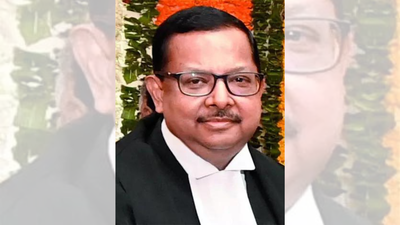
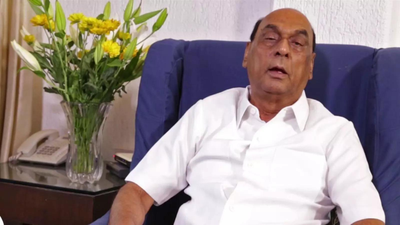
New Delhi: Supreme Court Justice Ujjwal Bhuyan on Sunday said the political executive’s goal of a developed India by 2047 needs more space for debate and dissent without criminalizing it, and erasing “deep social fault lines” reflected in caste-based discrimination and atrocities on Dalits. Addressing the first national conference of the SC Bar Association in Bengaluru, Justice Bhuyan said indiscriminate arrests with nominal punishment under the anti-terrorism law Unlawful Activities (Prevention) Act cannot be a model of developed India. He said, “My model of developed India is equitable distribution of wealth and elimination of extreme inequality… which is also the goal set out in the Directive Principles of State Policy in the Constitution.” He said in developed India, “the judiciary must remain the judiciary…it cannot be an eternal critic or cheerleader.”‘Low sentences under UAPA reflect overuse, if not misuse, of the law’Presenting the data of people arrested under UAPA from 2019 to 2023, he said that thousands of people have been arrested, but the average conviction rate remained around 5%. He said, “This reflects persistent under-convictions. What does this indicate – (overuse if not misuse of the law) and its impact on the criminal justice system. How much burden does it put on the courts? This shows that the vast majority were arrested but could not be convicted. This indicates that many arrests were made prematurely and in the absence of sufficient evidence.”“With a general conviction rate of 5% or less and acquittal in over 95% of UAPA cases, why should an accused be kept in jail without a charge sheet being filed against him? This cannot be the model of developed India,” Justice Bhuyan said, adding that the plethora of such cases leads to backlog, pendency and delay in justice delivery, along with impacting the general principle of ‘bail is the norm and jail is the exception’.He said that in developed India there should be more space for debate and disagreement. He said, “Debate should not be criminalized. There should be more tolerance towards diverse views. Different views should be respected. There should be more tolerance towards diverse views and criticism.”Justice Bhuyan said that the political executive has set a goal for a developed India. “With the good performance of all key players in the economic and social sector, this is certainly an achievable goal. After all, why will India not remain a developed country for so long? But, he said it is ultimately a political statement, reminding that the political executive had coined catchy slogans like ‘Garibi Hatao’ in the 1970s.“I doubt whether the judiciary, though an organ of the state, but separate and distinct from other organs, should join this bandwagon. Without any disrespect, the appropriate target year for the judiciary should be 2050.”“By then, both our Constitution and the SC will have completed 100 years, which is an important milestone to look back and take stock of how we have traveled here and what is the roadmap ahead,” he said.Referring to the August 1986 SC judgment in the Bijo Emmanuel case, in which the court had ruled in favor of children of the Jehovah’s Witness sect who refused to sing the national anthem in school, Justice Bhuyan said only a courageous judge like O Chinnappa Reddy could have given such a judgment. He said tolerance, which is taught by our tradition and Constitution, should be practiced.On the social imbalance caused by caste-based discrimination as well as atrocities on Dalits, Justice Bhuyan said, “There are deep social fault lines. Developed India cannot tolerate such fault lines.”“Parents cannot insist that their children will not eat food prepared by a Dalit woman. This cannot be a developed India model. We cannot have a developed India when Dalit people are made to stand in corridors and people urinate on them. This cannot be a model of development. The dignity of the individual must be protected.”