


Nisha Mehta: AIIMS Delhi-trained nurse Nisha Mehta was appointed Health Minister of Nepal. india news
 Those who knew her as a student remember a personality that didn’t attract attention, but still stood out.Dr. Latha Venkatesan, principal of his alma mater, said Mehta was an active and accomplished student who balanced academics with co-curricular activities while handling responsibilities with ease. She was organized, reliable, and had strong interpersonal skills.
Teachers remember Mehta’s early leadership qualities

Nisha Mehta had a natural ability to coordinate and represent, which reflected leadership qualities even then,” said Dr. Latha Venkatesan, principal of her alma mater, though noting that Mehta was not politically active during her student years.Dr. Manju Vats, former principal of the institute, remembers the student differently – quiet, calm, but remarkable.He said, “Nisha Mehta was a very serious and highly intelligent student, who was efficient in her work and studies.” “His discipline and focus stood out,” he said.There were no clear indications then that Nepal’s Health Minister had any future in politics. She was not one of the vocal students.Still, teachers say their journey reflects something deeper — the power of persistence, discipline and a professional foundation.Her rise from a nursing graduate to a national policy maker signals a broader change in how healthcare leadership is developing in Nepal.Nurses, who are often on the front lines of patient care, have an understanding of health systems and the ability to shape policy.This is a proud moment for AIIMS. For the nursing community, it is one of recognition. And for young students, it’s a reminder that leadership doesn’t always start loudly — sometimes, it starts quietly in classrooms and hospital wards, long before the world notices.
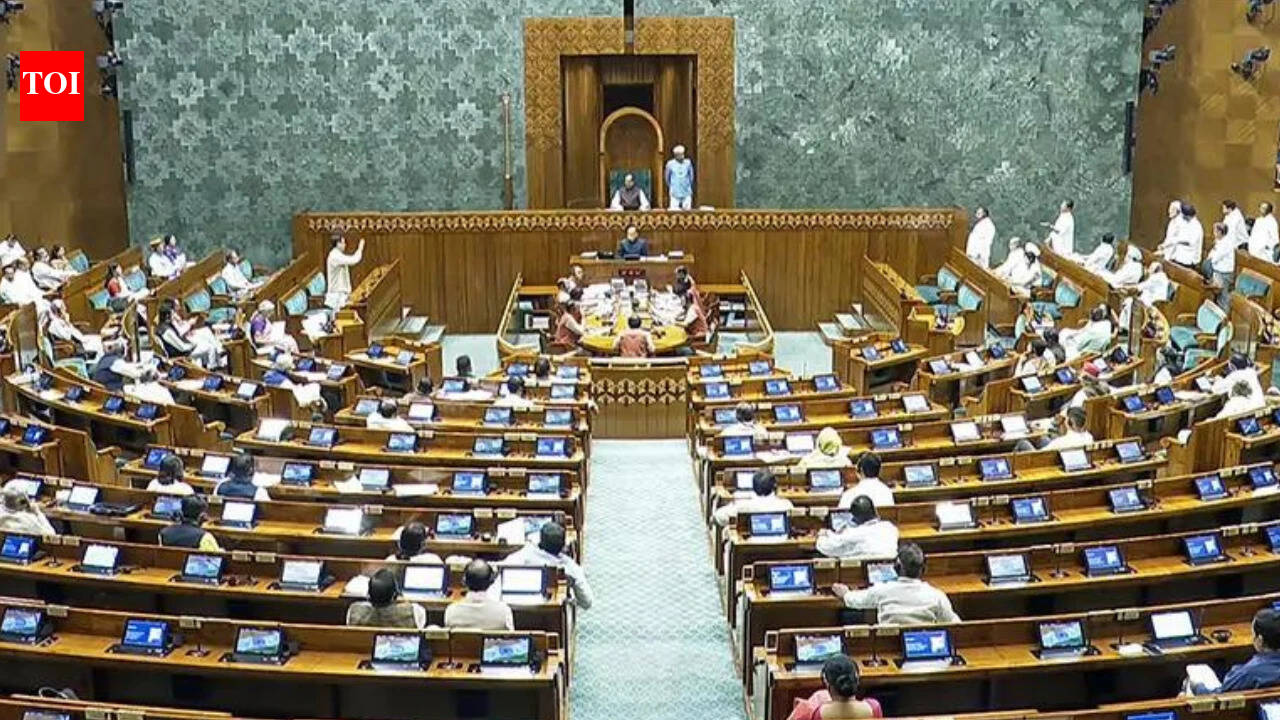
Opposition questions debate on Left Wing Extremism in Lok Sabha; Flags Jobs crisis, ‘Hindutva extremism’ and tribal concerns. india news
New Delhi: Criticizing the ruling BJP for discussing Left Wing Extremism (LWE) in the Lok Sabha, the Opposition on Monday asked why the Modi government is not discussing issues like the West Asia war, “extremism in the name of Hindutva”, rising unemployment and increasing atrocities against Dalits and weaker sections in Parliament. Several speakers warned that supporting corporates to exploit mineral resources in tribal areas could lead to resentment among local people, which along with exploitation is the root of the Naxalite problem.Congress MP Saptagiri Ulaka said the BJP did not lose any member to Maoist violence, just as it did not lose anyone in the freedom struggle. He said Congress governments have fought Naxalites and lost their members in the Jheeram Valley massacre, like leaders of the entire Chhattisgarh party. He alleged that the March 31 deadline appeared to be linked to the interests of some corporates, a point mentioned by several other opposition MPs.

Is Cooper Flag playing tonight against the Minnesota Timberwolves? Latest Update on Dallas Mavericks Star’s Injury Report (March 30, 2026) | nba news

dallas mavericks Back home to play the Minnesota Timberwolves 30 March 2026. This game doesn’t have playoff stakes for Dallas, but it still matters how the team finishes the season. With several injuries on the roster, the focus is now on the young players and how they perform in bigger roles.is one of those players cooper flag. He has become an important part of the team in a short time. Fans have been watching his status closely before every game. As for tonight, there is no clear news on whether he will play or not.
Cooper Flagg Injury Status vs. Minnesota Timberwolves (March 30, 2026)
Cooper Flagg plays tonight. He is not listed under any category on the Mavericks’ injury report. This means he is completely available unless something changes just before the game.Earlier in March, Flagg was dealing with a mid-foot sprain. He has since recovered and is no longer on the injury list. He is playing regularly and looks comfortable on the court again.This is important for Dallas as the team is lacking key players. Derek Lively II is out with a foot injury, and Kyrie Irving is out for the season with a knee injury.
Cooper Flagg’s role in the Dallas Mavericks rotation
Cooper Flagg has played a big role in his rookie season. He averages 20.4 points per game, along with about 6.6 rebounds and over four assists. He is the main scoring option for the team at the moment.He usually plays on the wing but also often handles the ball. With Irving out, he has been asked to make more plays. He shares the court with Najee Marshall, who has been scoring 15.1 points per game recently, and Brandon Williams in the backcourt. He is supported in the frontcourt by PJ Washington and Daniel Gafford.Dallas has also used the flag more in pick-and-roll situations. At times, he is the primary ball-handler. This bigger role has helped him progress rapidly and has shown how important he is to the future of the team.
Key Matchup Factors vs. Minnesota Timberwolves
Minnesota comes into this game with a 45-29 record. They are still fighting for a better position in the Western Conference. His team is strong at both ends of the field.Rudy Gobert and Julius Randle lead the frontcourt. Anthony Edwards and Donte DiVincenzo handle the perimeter. This will be a tough test for the flag. He will need to attack the defense, create space and take smart shots, especially when facing Gobert near the paint.Dallas has a 24-50 record and is already out of playoff contention. Because of this, the team is focusing on development. Flagg is likely to get more touches and more freedom to play his game.
How to track last minute availability updates
Flags are expected to be in play, but final updates usually come closer to tip-off. Teams sometimes make small changes before the start of the game.The best way to confirm is to check official team updates or watch pre-game broadcasts. The starting lineup is usually announced about 10 to 15 minutes before the game. This gives final confirmation of who will play.

H-1B Lottery Results: 6 Reasons Why Selected Candidates May Still Be Denied. How many H-1B opportunities does one get?

H-1B Lottery FY 2027 results are out. Selected employers will begin filing petitions from April 1.
H-1B Lottery 2027 results are in, though there is no official data on how many registrations USCIS received this year, and how the first wage-based lottery this year held up to random lottery practices. Selecting the registration filed by the company or the law firm that the company has hired is the first step in a longer process and does not mean that the path to the US is open and clear. Selected employers now have 90 days from April 1 to June 30 to petition for the candidates they want to hire. Once these petitions are approved, the earliest date of employment will be October 1. But there is a possibility that the petition may be rejected, although H-1Bs have a higher approval rate because they are for specialized workers. In fiscal year 2025, 8,926 petitions were rejected.
Why can a selected petition still be dismissed?
1. Special business issuesA specialized occupation is one that requires specialized knowledge in a specific expertise such as STEM. But if the petition does not convince USCIS, USCIS may decide that the job does not qualify as a “specialized occupation.”2. Employer-Employee Relationship ProblemsIf USCIS finds a problem with the employer-employee relationship, which is common in consulting/third-party placement cases. It is a standard practice in which companies recruit H-1B for their clients but USCIS may reject it if something unusual is found.3. Documentation gapMissing or weak evidence (degrees, experience, contracts, etc.)4. Labor Condition Application (LCA) IssuesA Labor Condition Application (LCA) is an application filed by potential employers on behalf of workers applying for work authorization for non-immigrant status. If there are any errors or mismatches the petition may be rejected. 5. Fraud/Misrepresentation ConcernsIf USCIS suspects any fraud, it may initiate further investigation and deny6. Request for Evidence (RFE) not satisfiedIf USCIS sends an RFE and the response is weak or late.
How many H-1B opportunities does one get?
As far as H-1B is concerned, there is no limit or number of opportunities for an individual. As long as the employer agrees to file the registration, the individual can enter the lottery. But practically, it does not extend beyond six to seven years. STEM OPT students typically receive three years of work authorization after course completion. Three years means three chances to enter the H-1B lottery if the employer wants to register. If one goes to another course after this and switches to student visa again, he gets three more years in the same process.

Goa Rights Commission probes Dabolim water contamination crisis. goa news

Panaji: The Goa Human Rights Commission (GHRC) on Monday issued notices to the Chief Executive Engineer of the Drinking Water Department, Assistant Engineer of the Water Resources Department and builder Prabhu Realtors, Dabolim, over a complaint by residents of Prabhu’s Violetta Complex about contamination of drinking water.The commission has asked both the authorities and the builder to file their replies by April 10 and remain present in person or through their representative for the hearing on the same day.Residents of Prabhu Violetta Residential Complex, Dabolim have filed a complaint with the Goa Human Rights Commission seeking immediate intervention into the issue of contamination of drinking water supply affecting around 200 residents including newborn children, pregnant women and elderly people in the complex.He said they suffered from chronic diarrhoea, several cases were medically diagnosed and confirmed to be typhoid.He said the builder is currently supplying water only for a few hours during the day and is denying supply at night, which is a serious lack of service and a direct denial of the basic human rights of the residents.Residents are seeking instructions from the authorities to immediately disinfect, repair, retest and restart the sewage treatment plant and water supply system so that it conforms to all statutory and technical standards before any further use.They are also demanding periodic and independent water quality testing of the water supply at the complex, the results of which be made public and shared with residents.They are also demanding the formation of an inquiry commission headed by a retired judge to probe the role and responsibility of the builder/promoter, Goa State Pollution Control Board, Water Resources Department, PHED, local panchayat and other agencies.
2 arms suppliers arrested from the outskirts of the city, minor detained. Ranchi News
Ranchi: Two illegal arms suppliers and armed criminals have been arrested following a raid conducted under Itki and Lapung police station (PS) limits on Sunday, police said on Monday.Superintendent of Police (Rural) Praveen Pushkar said arms dealers Shravan Singh and Suka Oran and a buyer Charo Minj were arrested under Itki PS limits, while Ashish was caught with weapons under Lapung PS. He said that a minor accompanying Ashish has also been detained.He said that Ashish and Shravan have criminal history as Ashish is an accused in six cases registered in Ranchi district and the other is an accused in one case registered in Itki police station. “One six-round revolver, two country-made pistols, three cartridges and one bullet and a bike have been seized from them,” he said.The SP said, “Police had received a secret information that two people were going from Bedo to Lapung with weapons to commit some crime. A team formed under the leadership of Bedo Deputy SP Ashok Ram conducted a raid to arrest Ashish along with the minor. The duo had planned to rob people at an isolated place.”Rural SP said, “During interrogation, the accused told that the weapons were purchased from Shravan and Suka, residents of Dola village of Itki.” Chanu, who bought the pistol from both of them, was arrested with the weapon.Police said that the arms suppliers used to bring weapons for sale from Lohardaga district.

John Cena: “I’m headed to WrestleMania!”: WWE legend John Cena announces his return as host of WrestleMania 42 in Las Vegas | wwe news

WWE legend john cena have officially confirmed their return WWE And announced on Monday that he will serve as the official host of WrestleMania 42 in Las Vegas. This sudden announcement marks Cena’s return to WWE programming after retiring from in-ring competition in 2025. WrestleMania 42 is scheduled to take place on April 18 and 19, 2026, at Allegiant Stadium in Las Vegas, and will be a two-night event featuring stars from WWE’s Raw and SmackDown brands. Cena revealed in his official statement that although he will not be competing in any matches, he will serve as the official host of the event and will be a part of the show in a special role. As WrestleMania is just a few weeks away, the legend took to his social media handle to announce his return to the Show of Shows, where he wrestled and won numerous titles as a wrestler, creating countless memories over the years.
Retired WWE legend John Cena set to host WrestleMania 42 in Las Vegas
WWE legend John Cena is stepping back to The Grandest Stage of Them All as host of WrestleMania 42, WWE reported on Monday. The greatest of all time took to social media to announce he was moving to Las Vegas. The 17-time World Champion, who retired from in-ring competition last December following a loss to Gunther on Saturday Night’s Main Event, returns to WWE for the first time since retirement. The Cenation leader made the official announcement on his Twitter/X account, saying, Since retirement, my “road” has looked a little different… but now I can officially say I’m headed to WrestleMania!!!! See you in Las Vegas!Previously, Cena was a part of WrestleMania 41, where he fought against Cody Rhodes and defeated the American Nightmare with the help of US rapper Travis Scott. Additionally, as a part of his retirement tour, Cena won several titles and important WWE events before bidding farewell to the ring.During his retirement tour, Cena performed against WWE legends such as Cody Rhodes, Randy Orton, CM Punk, Brock Lesnar, and Gunther, against whom he competed in his final WWE match, ending his illustrious career on December 13, 2025 in the main event of Saturday Night Live.Additionally, Cena won the Elimination Chamber last year against Cody Rhodes. This match became the talk of the town, as Cena became a ‘heel’ for the first time. His collaboration with Dwayne ‘The Rock’ Johnson helped him win Elimination Chamber.However, Cena later returned as a ‘baby face’ at the end of his retirement tour. The World Champion retired from in-ring competition last December following a loss to Gunther in Saturday Night’s Main Event and will make his first WWE appearance since retirement this year, in 2026, at WrestleMania 42.With Cena now officially a part of WrestleMania 42, fans can expect a major appearance from the WWE legend at The Grandest Stage of Them All in Las Vegas.

Cryonics Technology: Hope of being alive again after death? Preparing to return to life in the future by refrigerating the body at 196°
cryonics technology Today it has become one of the most amazing and mysterious artifacts of medical science. While death is traditionally considered the final observation of life, some scientists and people in the world are beginning to see it not as a permanent end but as a temporary rest. Under this thinking, people are getting their body or only their brain preserved at a temperature of -196 degree Celsius, with the hope that in future science will be so advanced that they will be alive again. ❄️
Not only the fantasy or science fiction part of this technology has emerged, but actual experiments and terminology services have emerged.
What is cryonics technology and how does it work?
cryonics technology A process in which the human body or brain is preserved at extremely low temperatures immediately after death. Its purpose is to preserve the nuclei of the body for a long time so that they can be reactivated through technologies that may be developed in the future.
This process begins immediately after the death of the person is declared. The first body is cooled rapidly so that the second body can be heated again. After this, special cryo-protectant chemicals are applied in place of the blood, which turns into ice in the sea.
Ultimately the body is slowly cooled to -196°C and preserved in fluids. This state in scientific language vitra study It is said that in which inches are reached in a stable state like glass.
The first historic attempt at cryonics technology began in 1967.
cryonics technology Its history is almost six decades old. In 1967, James Bedford became the first person in the world to be protected by this technology. The technology available at that time was limited and the potential for damage to the ocean was high.
Despite this, even today his body is present in a preserved state, which is considered an important example of the scientific use of this technology.
Whole body or just the brain—two options
Today cryonics technology Under this, people have two types of options –
First, Whole Body Protect Institute
Second, the only brain (neuro-preservation) preserved
There are many beliefs that the brain is the center of human identity, memory and personality. Therefore, preserving only the brain is being considered as a more practical option in the future towards resuscitation.
Resurrection may be possible through technology in the future
cryonics technology The belief claims that technology and bioengineering may have advanced enough in the past few decades to activate the preserved cells.
Researcher Ralph Markel Jackson believes that in the future, micro-robotic technology could repair body devices and connect the brain to new bodies or digital networks.
Although this is the only scientific possibility at the present time, in practice it is not yet available.
The biggest challenge is shipwreck during refrigerating.
cryonics technology The biggest scientific challenge faced is that conditions and tissues can deteriorate during extreme cold. Especially, it is considered extremely difficult to protect a complex organ like the brain.
Although modern cryo-protectant techniques have significantly reduced this problem compared to the past, complete preservation remains a challenge.
More than 500 people worldwide are under cryonics protection
At present many countries including America are included cryonics technology Under this, bodies of more than 500 people have been preserved. Apart from this, thousands of people have already enrolled for the future.
This indicates that people’s interest in technology is continuously increasing.
Where is cryonics technology available and how much does it cost?
Some major institutions in the world cryonics technology The shops are providing, which mainly include-
Alcor Life Extension Foundation (Arizona)
Cryonics Institute (Michigan)
The price of preserving the entire body in these remains ranges from around Rs 1.5 to 2 crores, while the price of the remains preserved only by cancer ranges from around Rs 60 to 70 lakhs.
Many people resort to special life insurance licenses to meet this expense.
What is resuscitation after possible future death?
cryonics technology Till now it exists only at the level of scientific experimentation and stamina. Current medical science has no practical technique available to revive the preserved body.
Yet many experts believe that just as medical science has made many impressive-looking anomalies possible over the past hundred years, cryonics may become a real medical option in the future.
Cryonics technology has given a new direction to the traditional understanding of life and death. The human body preserved in fluid has become a unique example of the science of the future. Although resuscitation is still a long way off, this technology is increasingly gaining attention as an important application in modern medical research and the extension of human life.
Nagastra-1 to Project KAL: Can India scale its drone warfare capability?
The ongoing confrontation between the United States and Iran has once again demonstrated a stark truth about modern warfare: the decisive edge no longer lies in tanks, fighter jets, or even missiles alone, but increasingly in swarms of cheap, expendable, and intelligent unmanned systems. From the deployment of Iran’s Shahed-series loitering munitions to America’s reverse-engineered low-cost strike platforms, the conflict has underlined a structural shift in how wars are fought and sustained.Unmanned aerial systems are no longer auxiliary assets. They are shaping strategy, dictating tempo, and redefining cost equations. A drone costing tens of thousands of dollars can now neutralise assets worth millions, if not more. In such a scenario, endurance, scalability, and production capacity matter as much as technological sophistication.
It is within this rapidly evolving global battlefield that India is attempting to define its own drone doctrine. The country’s experience during Operation Sindoor in May 2025 marked a transition point. For the first time, drones were not merely surveillance tools but central to operational planning, execution, and battlefield outcomes. Yet, even as India demonstrated capability, a deeper question emerged: can it scale?
The age of cheap precision: Why drones are redefining warfare
The defining lesson from recent conflicts, particularly the Russia-Ukraine war and the US-Iran confrontation is simple. Warfare has entered an era where affordability and mass production are as critical as precision.Loitering munitions, often described as kamikaze drones, exemplify this shift. These systems combine the persistence of surveillance platforms with the lethality of guided munitions. They can loiter over a target area, identify opportunities, and strike with minimal warning. Unlike traditional missiles, they are relatively inexpensive and can be deployed in large numbers.
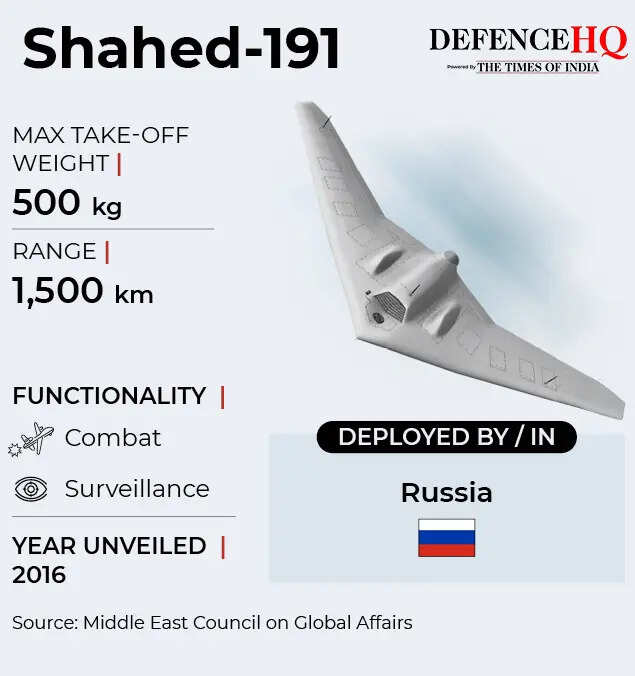
Iran’s Shahed-136 has become the archetype of this model. With a range of around 2,000 kilometres and a modest warhead, it is not technologically advanced. Yet its strength lies in its simplicity and scalability. Produced in large numbers, it has altered the economics of air defence by forcing adversaries to expend costly interceptors on low-cost threats.
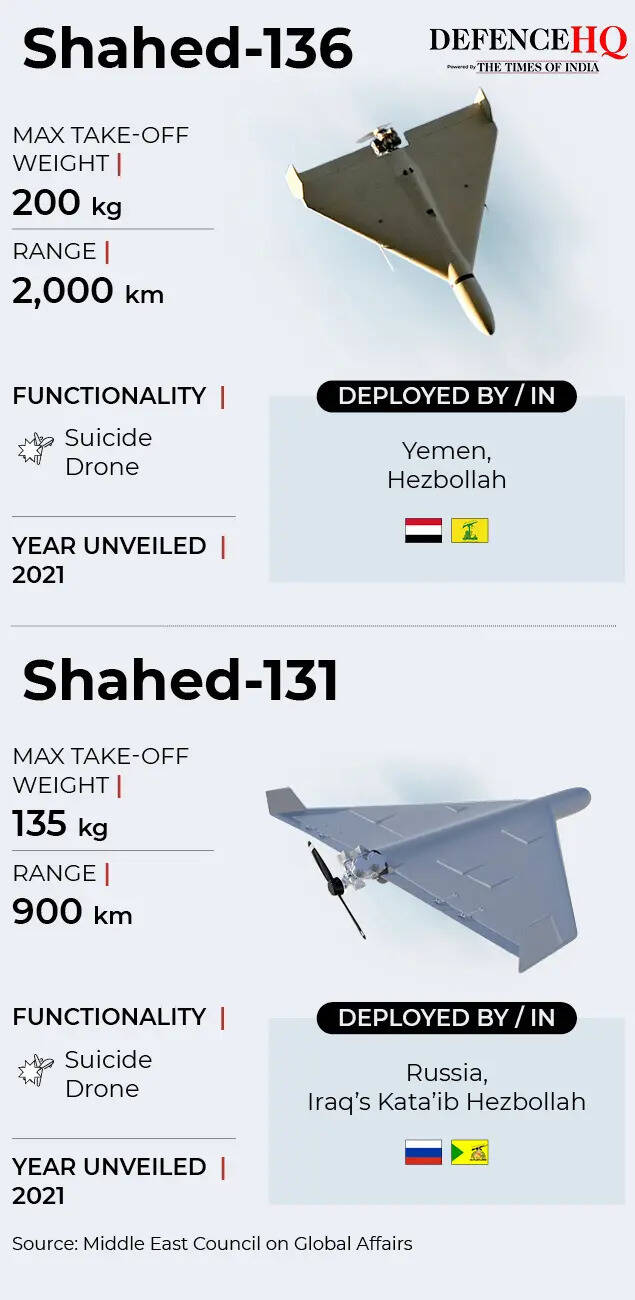
The United States has acknowledged this shift. Its Low-cost Unmanned Combat Attack System, developed by reverse-engineering captured Shahed drones, reflects a pragmatic recognition that the future of warfare lies not in exquisite platforms alone but in mass-producible systems.This is the benchmark against which all emerging drone powers, including India, are now measured.
Where India stands in the global drone race
India today occupies a transitional space in the global drone hierarchy, positioned somewhere between technological competence and industrial under-preparedness. It is neither a laggard nor a leader. Instead, it is a capable but constrained player attempting to bridge the gap between innovation and scale in an ecosystem that is rapidly being defined by mass production and cost efficiency.At a capability level, India has made undeniable progress. Over the past decade, it has developed or inducted systems across the entire drone spectrum, from high-altitude long-endurance platforms to tactical surveillance UAVs, loitering munitions, and counter-drone technologies. Indigenous programmes such as Nagastra, ALS-50, and Switch UAVs demonstrate that Indian industry can design and deploy mission-ready systems tailored to diverse terrains, from deserts to high-altitude borders. Operation Sindoor reinforced this reality by showing that Indian forces can integrate drones into real-time combat scenarios with measurable impact.However, global leadership in drone warfare is no longer determined by the ability to build a few advanced systems. It is defined by the capacity to produce thousands of affordable, expendable platforms and sustain their deployment over extended periods. This is where India’s position becomes more complex.The United States continues to dominate the high-end segment, with platforms such as the MQ-9 Reaper and now newer low-cost experimental systems that blend precision with affordability. At the same time, it is rapidly adapting to the economics of mass drone warfare, as seen in its reverse-engineering of Iranian-style loitering munitions. Russia and Ukraine, through the ongoing conflict, have demonstrated what industrial-scale drone warfare looks like, deploying hundreds of thousands of units annually, particularly first-person view and kamikaze drones.Turkey has carved out a niche by combining affordability with export-driven scale. Its Bayraktar series has become a global benchmark for cost-effective combat drones. Iran, perhaps the most instructive example, has mastered the art of producing simple but effective long-range kamikaze drones in large numbers, fundamentally altering battlefield economics. Even Pakistan has moved aggressively, leveraging Chinese collaboration to build and induct armed drones and loitering munitions at relatively low costs.Against this backdrop, India’s challenge is not one of design but of depth. Its production runs remain limited, often in the hundreds, which constrains both operational flexibility and deterrence value. Without large-scale orders, manufacturers struggle to justify investments in assembly-line production, leading to a cycle where low demand limits supply capacity, and limited capacity restricts demand.Another dimension of this gap lies in supply chains. While India has increased indigenous content in many systems, critical components such as sensors, semiconductors, and communication modules often rely on external sources. In a prolonged conflict scenario, such dependencies could create vulnerabilities, particularly if global supply chains are disrupted.That said, India is not static. Policy interventions, including production-linked incentives, easing of drone regulations, and increased defence procurement from domestic players, are gradually reshaping the landscape. The entry of private players and startups has injected agility into the ecosystem, accelerating innovation cycles. Programmes like iDEX and emergency procurement during Operation Sindoor have also demonstrated that when required, the system can respond quickly and at scale, at least in the short term.The emerging projects such as long-range kamikaze drones and swarm systems indicate that India is acutely aware of where the future lies. The focus is shifting from standalone platforms to networked systems, from individual drone performance to collective operational effect. This conceptual shift aligns with global trends, where the emphasis is on swarming, autonomy, and resilience in contested electronic environments.In essence, India stands at a crossroads in the global drone race. It has crossed the threshold of technological viability but has yet to achieve industrial maturity. The next phase will determine whether it can convert its growing innovation base into a scalable manufacturing ecosystem capable of competing with established drone powers.The distance between India and the leaders is no longer measured in technology alone. It is measured in numbers, production speed, and the ability to sustain a drone-intensive conflict. Bridging that gap will define India’s position in the future battlespace.
Operation Sindoor: India’s drone moment
Operation Sindoor marked a doctrinal shift in India’s military thinking. Rather than treating drones as supplementary assets, the Indian armed forces integrated them across multiple layers of combat operations.From frontline reconnaissance to deep-strike missions, drones played a central role. The operation demonstrated the effectiveness of a networked drone ecosystem, where different categories of unmanned systems worked in tandem to achieve tactical and strategic objectives.
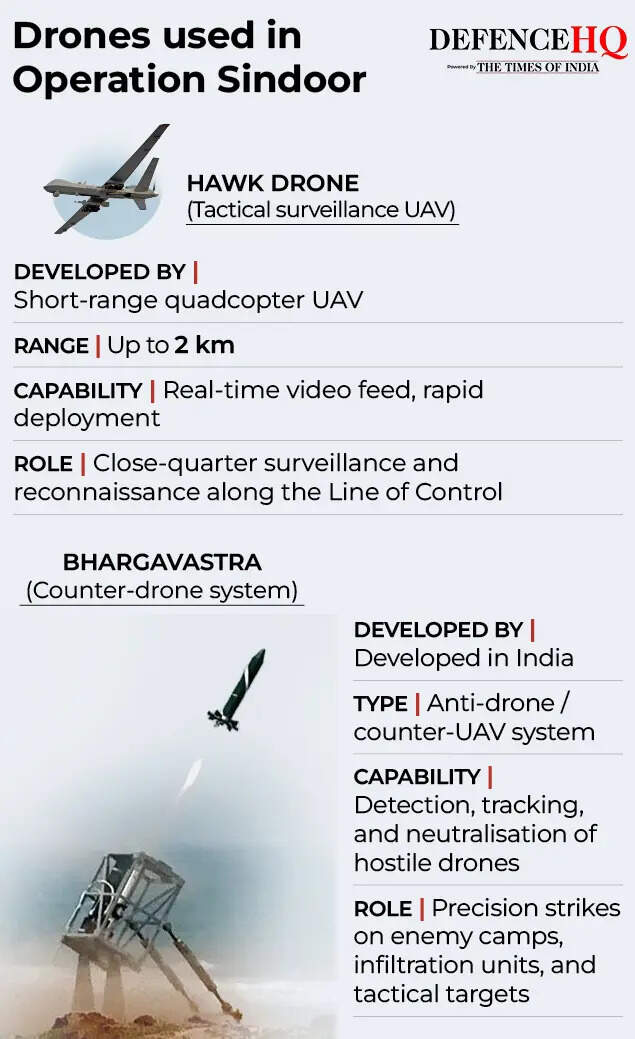
First-person view drones provided real-time situational awareness to troops on the ground. Loitering munitions conducted precision strikes against high-value targets. Surveillance UAVs extended operational visibility beyond line-of-sight constraints. Counter-drone systems ensured protection against hostile unmanned threats.This layered approach reduced risk to personnel, improved response times, and enhanced battlefield efficiency. However, the scale of deployment remained limited. India reportedly used around 100 drones during the operation, a fraction of the numbers seen in contemporary conflicts elsewhere.The lesson was clear: capability exists, but scale does not.
Nagastra-1: India’s indigenous loitering munition
At the heart of India’s indigenous drone capability lies the Nagastra-1, a loitering munition developed through collaboration between private industry and defence startups. Designed as a portable, precision-strike system, it represents India’s attempt to build a homegrown equivalent to global kamikaze drones.The Nagastra-1 is a lightweight, man-portable system that can be carried in two backpacks. It combines a fixed-wing UAV with a pneumatic launcher, a ground control station, and communication systems. With a flight endurance of up to 60 minutes and a range of 15 kilometres in manual mode, extendable to 30–40 kilometres autonomously, it offers flexibility across operational scenarios.
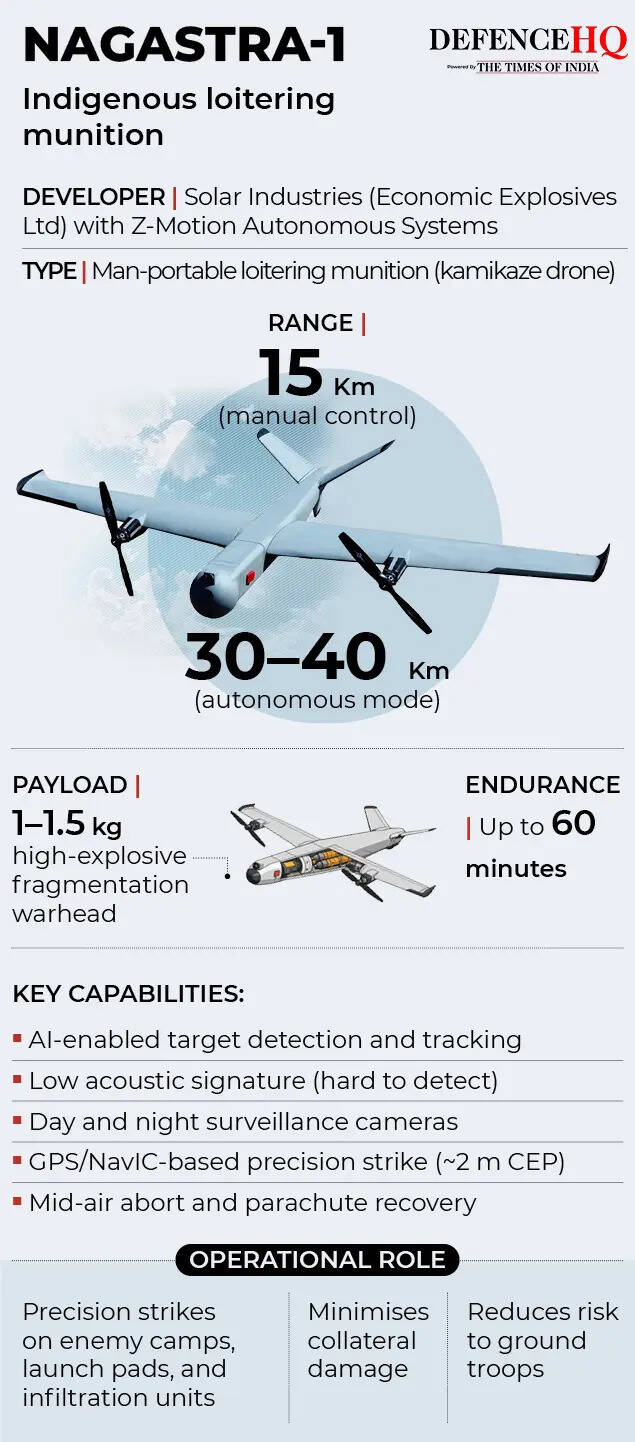
What distinguishes the system is its emphasis on precision and adaptability. Equipped with day and night surveillance cameras, it can identify and track targets before executing a strike. Its warhead, weighing between 1 and 1.5 kilograms, is designed for targeted engagements, minimising collateral damage.The drone operates with a man-in-loop system, allowing operators to make real-time decisions. It can abort missions mid-flight and be recovered using a parachute mechanism, a feature that enhances cost efficiency. Its electric propulsion system ensures low acoustic signatures, making it difficult to detect at higher altitudes.During Operation Sindoor, the Nagastra-1 was deployed for precision strikes against selected targets, including launch pads and infiltration units. Its performance validated the concept of indigenous loitering munitions in operational conditions.However, the scale of deployment remains limited. Orders for a few hundred units, while significant, fall short of the thousands required for sustained high-intensity conflict.
Beyond Nagastra: The broader drone ecosystem in Sindoor
Operation Sindoor was not built around a single breakthrough platform. Its significance lay in creating a layered, multi-platform drone ecosystem where different unmanned systems performed specialised roles within an integrated operational framework. This marked a shift from earlier doctrines, where drones were largely limited to surveillance. In Sindoor, they became central to decision-making, strike execution, and defensive operations.At the higher end, India deployed loitering munitions such as the Israeli-origin Harop for suppression of enemy air defences. With long endurance and advanced targeting, these systems were used to neutralise radar sites and command nodes, enabling safer follow-on operations. However, their high cost and import dependence limit their use at scale in prolonged conflicts.
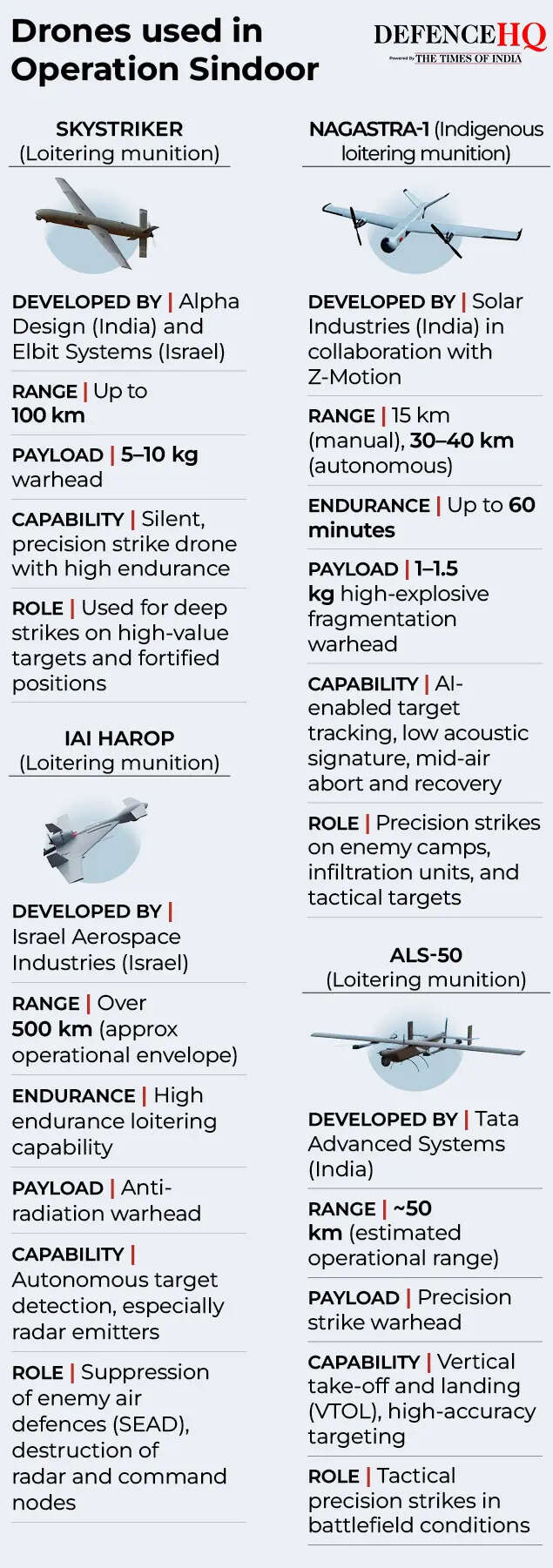
Mid-tier systems like SkyStriker provided a balance between range, payload, and affordability, enabling precision strikes at distances of up to 100 kilometres. Indigenous platforms such as ALS-50 added depth to this layer, reflecting growing domestic capability in precision strike systems, even if production remains limited.At the tactical level, short-range surveillance drones, including quadcopter-based systems, delivered real-time intelligence to troops in complex terrains. First-person view drones further enhanced battlefield agility, enabling precise engagement of small and moving targets at low cost.Equally critical was the defensive layer. Counter-drone systems like Bhargavastra, supported by electronic warfare tools and jammers, ensured protection against hostile UAVs, highlighting the dual nature of modern drone warfare.What made this ecosystem effective was its integration. Surveillance, strike, and defence systems operated in coordination, reducing response times and improving accuracy. Yet, a key constraint persists. High-end capabilities still rely on imports, and overall deployment remains limited by production capacity.Operation Sindoor demonstrated that India has the foundations of a modern drone warfare architecture. The challenge now is to deepen this ecosystem, reduce dependencies, and scale it for sustained, high-intensity conflict.
The cost dilemma: MQ-9B vs mass drones
India’s acquisition of 31 MQ-9B Predator drones represents a significant enhancement in surveillance and strike capability. These high-altitude, long-endurance UAVs can operate for over 40 hours and carry substantial payloads, making them valuable assets for strategic missions.However, their cost raises important questions. At an estimated $3.5 billion for 31 units, the investment reflects a focus on high-end capability rather than mass deployment.
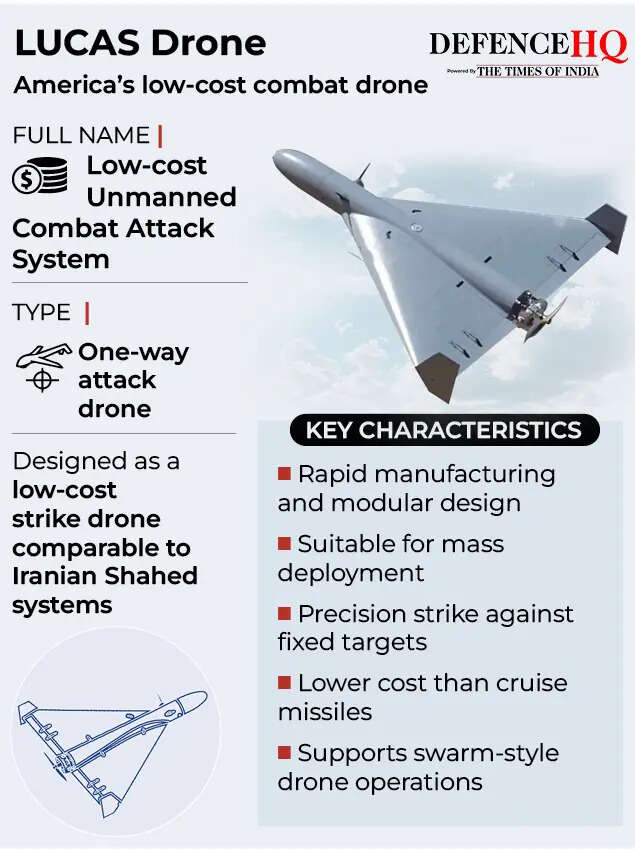
In contrast, the economics of drone warfare increasingly favour low-cost, expendable systems. For the same cost, tens of thousands of kamikaze drones could potentially be produced, offering greater flexibility in prolonged conflicts.This is not to suggest that high-end platforms lack value. Rather, it highlights the need for balance. A modern drone force requires both sophisticated systems for strategic missions and large numbers of affordable platforms for tactical operations.
Project KAL and Sheshnaag-150: India’s answer to Shahed
Recognising the need for long-range, low-cost strike capabilities, Indian defence startups have begun developing systems that mirror the operational philosophy of the Shahed-136.Project KAL, developed by a Noida-based company, is designed as a long-range kamikaze drone with an endurance of three to five hours. Its ability to loiter over target areas, gather intelligence, and execute precision strikes aligns with the emerging requirements of deep-penetration warfare.
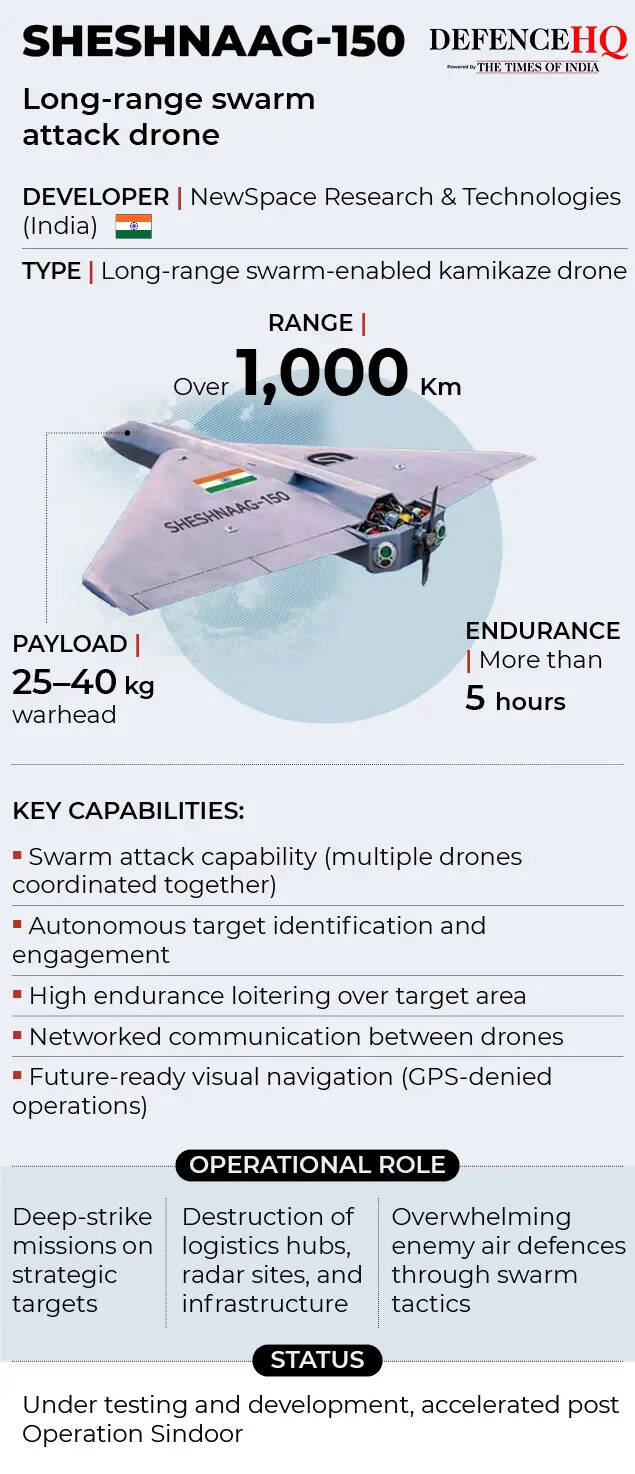
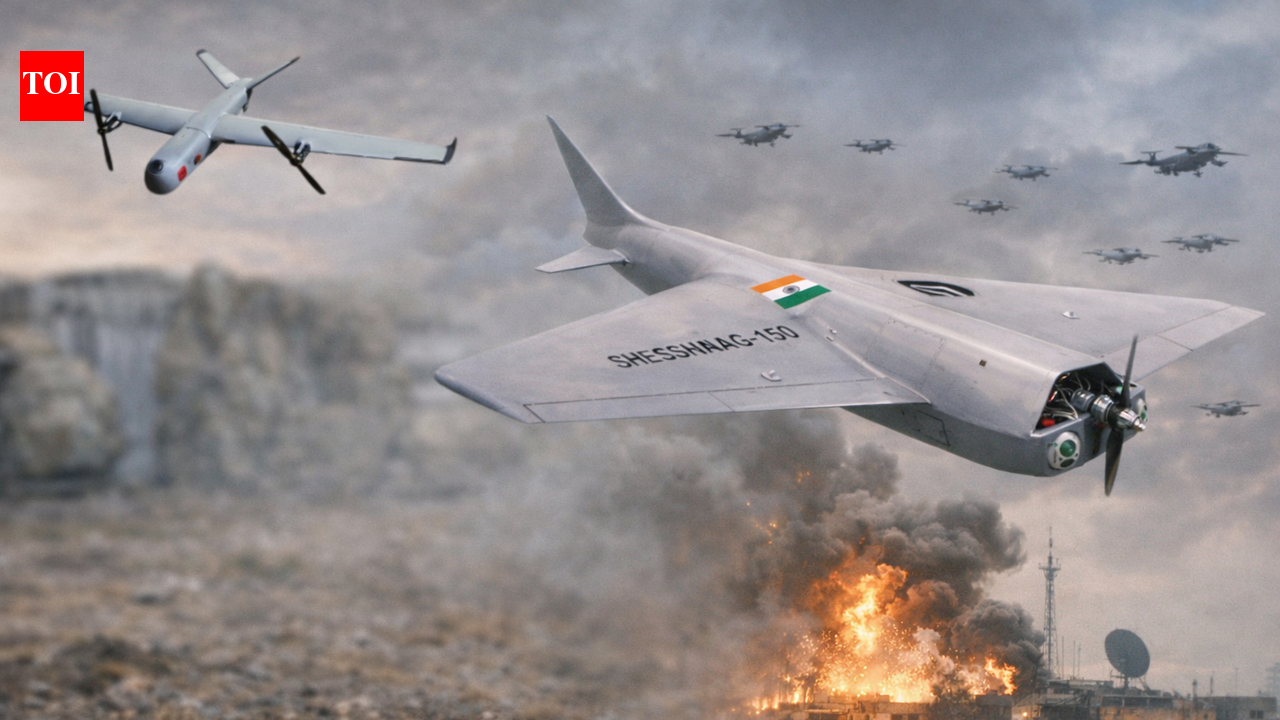
The Sheshnaag-150 represents a more ambitious evolution. Designed as a swarm-capable attack drone, it combines long range, high payload capacity, and autonomous coordination. With an operational range exceeding 1,000 kilometres and an endurance of over five hours, it is intended to strike strategic targets such as logistics hubs and radar installations.What sets the Sheshnaag-150 apart is its swarm capability. Multiple drones can operate in coordination, overwhelming enemy air defences through sheer numbers and synchronised behaviour. This approach reflects the next stage of drone warfare, where individual platforms are less important than the collective intelligence of the swarm.The system also incorporates advanced software architecture, enabling drones to communicate, adapt, and execute missions with minimal human intervention. Future iterations are expected to include visual navigation systems, allowing operation in GPS-denied environments.Both Project KAL and Sheshnaag-150 remain in development. Their success will depend not only on technological performance but also on the ability to scale production.
Vayu Baan and the evolution of air-launched drones
Another significant development in India’s drone ecosystem is the Vayu Baan programme, which focuses on air-launched unmanned systems and signals a shift towards deeper integration of drones within combat operations. Designed to be deployed from helicopters, these compact unmanned platforms can function both as surveillance assets and precision-guided munitions, expanding the tactical reach of existing air assets without increasing risk to personnel.India’s Vayu Baan programme marks a decisive move towards integrating unmanned systems with traditional manned platforms, reflecting the transition from standalone drone usage to networked, multi-domain warfare. Developed by the Indian Air Force’s Directorate of Aerospace Design, the project centres on air-launched effects, where drones are released mid-flight and then transition into independent surveillance or strike roles.Once deployed, these drones unfold their wings, activate propulsion, and begin autonomous operations. With an expected range of over 50 kilometres and an endurance of around 30 minutes, they are suited for missions such as real-time reconnaissance, target acquisition, and precision engagement. Equipped with electro-optical and infrared sensors, they are designed to operate in contested environments, including GPS-denied scenarios.The concept aligns with a broader global trend of manned-unmanned teaming, enhancing battlefield flexibility while improving survivability. For India, Vayu Baan represents not just a platform, but a doctrinal shift towards faster, more adaptive, and network-centric warfare.
The scale problem: Hundreds vs thousands
Perhaps the most critical challenge facing India’s drone programme is scale. Modern conflicts have demonstrated that effectiveness is not determined solely by technological superiority but by the ability to sustain operations over time.Ukraine and Russia have deployed hundreds of thousands of drones in a single year. These numbers are not anomalies but indicators of the future trajectory of warfare.India’s deployment during Operation Sindoor, while operationally significant, remains modest by comparison. Orders for systems like Nagastra-1 in the hundreds do not justify the establishment of large-scale production lines. Without such infrastructure, scaling up during a conflict becomes difficult.The issue is not merely industrial but strategic. A country that cannot produce drones at scale risks being outpaced in prolonged engagements.
Where is India’s Shahed?
India’s push for indigenous defence manufacturing has begun to deliver visible results, particularly in the drone segment. Platforms such as Nagastra-1, ALS-50, and emerging systems like Sheshnaag-150 reflect a growing domestic capability to design and deploy mission-ready unmanned systems. Much of this progress has been driven by the increasing role of the private sector, with startups and established firms contributing to rapid innovation, supported by government initiatives, procurement reforms, and programmes aimed at boosting self-reliance.Yet, despite these gains, the central question remains: where is India’s equivalent of the Shahed-136?The answer lies in the gap between capability and scale. While India has demonstrated that it can build effective loitering munitions and long-range strike drones, it has not yet translated this into mass production. Supply chain dependencies continue to pose a challenge, particularly for critical components such as sensors, semiconductors, and communication systems. Regulatory complexities and fragmented demand further constrain the ability to establish large, sustained production lines.The Shahed is not just a drone. It is a model of warfare built on simplicity, affordability, and industrial-scale manufacturing. This is where India still lags. Projects such as KAL and Sheshnaag-150 show that the technological foundation exists, and the industrial ecosystem is evolving to support it.However, without the urgency and scale that define leading drone powers, India’s progress remains incomplete. Its drone programme is still transitioning from developing capable systems to deploying them in large numbers. Until that shift happens, India will continue to trail in a domain where numbers, not just technology, define battlefield advantage.
The road ahead: From capability to capacity
Operation Sindoor marked the beginning of India’s drone-centric warfare doctrine. It demonstrated that the country can design, deploy, and integrate unmanned systems effectively.The next phase will be defined by scale, integration, and innovation. Building assembly-line production capabilities, investing in swarm technologies, and developing resilient communication systems will be critical.Equally important will be the integration of drones into everyday military operations. Plans to establish dedicated drone units within infantry formations indicate a shift towards institutionalising unmanned systems.The future battlefield will not be dominated by a single platform but by networks of interconnected systems operating across domains. In this environment, adaptability and scalability will be as important as technological sophistication.India has taken the first steps. The challenge now is to accelerate.

Living Together Tips: Do’s and Don’ts for Couples Living Together

Sharing a home is an exciting stage in a romantic relationship. You have the keys, but now what? While this is exciting, it is also an important step that should not be taken lightly. Sharing a roof means mixing habits, lifestyles and everything in between. Before you pack your boxes, here are some thighs you should get from day one.
Talk about finances quickly
Before you say ‘Oh, we’re not that couple. ‘Money is not a problem’, let’s stop you there. Money becomes the number one source of conflict when you live together. Even before you rent a place, or move into his or her house, start talking about money. How will you divide the expenses? Whether you go half-and-half, or split proportionately, open a joint account for expenses – it should all be clear.
discuss work
Nobody likes chores, but they happen. And it is important to take care of it. Cleaning, dishes, laundry, cooking – these all need to be discussed, unless you want to be the one cleaning the bathroom every day. Create a schedule based on availability, strengths and weaknesses.
respect each other’s personal space
Yes, you are living together because you want to spend ‘more’ time together, not ‘all’ the time. So set a boundary on personal space. Talk about this. Maybe it’s spending Friday evenings in the reading room, or dancing with your friends on Saturday nights. It is important to protect your individuality at all costs. Discuss this with your partner.
set house rules
Believe it or not, you need household rules. These will save your time and peace. Talk about having guests, whether overnight visitors are allowed. You don’t want to find his friends lying on the couch and trashing your house after three weekly match days. It’s important to discuss these things, because these little things add up quickly. Think of it less as a rule book and more as healthy limits for the well-being of both of you.
keep communication open
When you’re hanging out together, it’s important to keep communication open. Make a habit of checking regularly, not just when something goes wrong. Talk about concerns before they become big issues. Be open and honest with each other.
Don’t jump into it just because it’s convenient
Why are you going in? Now that’s a question you have to answer for yourself. Are you moving forward because you really want to make your relationship work or because it solves a logical problem? It might help to split the fare, cut down on commuting costs, but it shouldn’t be your reason.
don’t avoid talking about money
Most couples avoid talking about money, and this gets them into deep trouble. Your financial arrangements are what provide you peace while having sex. Therefore, it is also important to revise your financial agreements as you move forward.
Don’t skip setting limits
Most people think that boundaries are walls, but they are not. This is the foundation of a healthy relationship. Always set proper boundaries. For example, alone time or self-care on Sundays, time with family, or privacy with your phone. These small boundaries are what will bring you together.
Don’t ignore initial irritations
Now when you live together, both of you will have different lifestyles. It is important to address minor differences as quickly as possible. For example, if you keep avoiding your partner’s habit of bringing bathroom slippers into the living room, one day it will turn into a much more serious situation. Just tell them it bothers you.
Don’t expect perfection in a week
You won’t feel ‘at home’ for the first week or two. It will take time to adjust to the new place. You are getting to know your partner’s habits, and seeing if they suit yours. So don’t jump to conclusions in the first week. Give it some time, as it takes time to settle.