Gujarat Titans’ surge in the second half of IPL 2026 explained: Jason Holder’s gamble, consistency in the opening and brutality of the bowling. cricket news

Gujarat Titans' surge in the second half of IPL 2026 explained: Jason Holder's gamble, consistency in opening and brutality of bowling
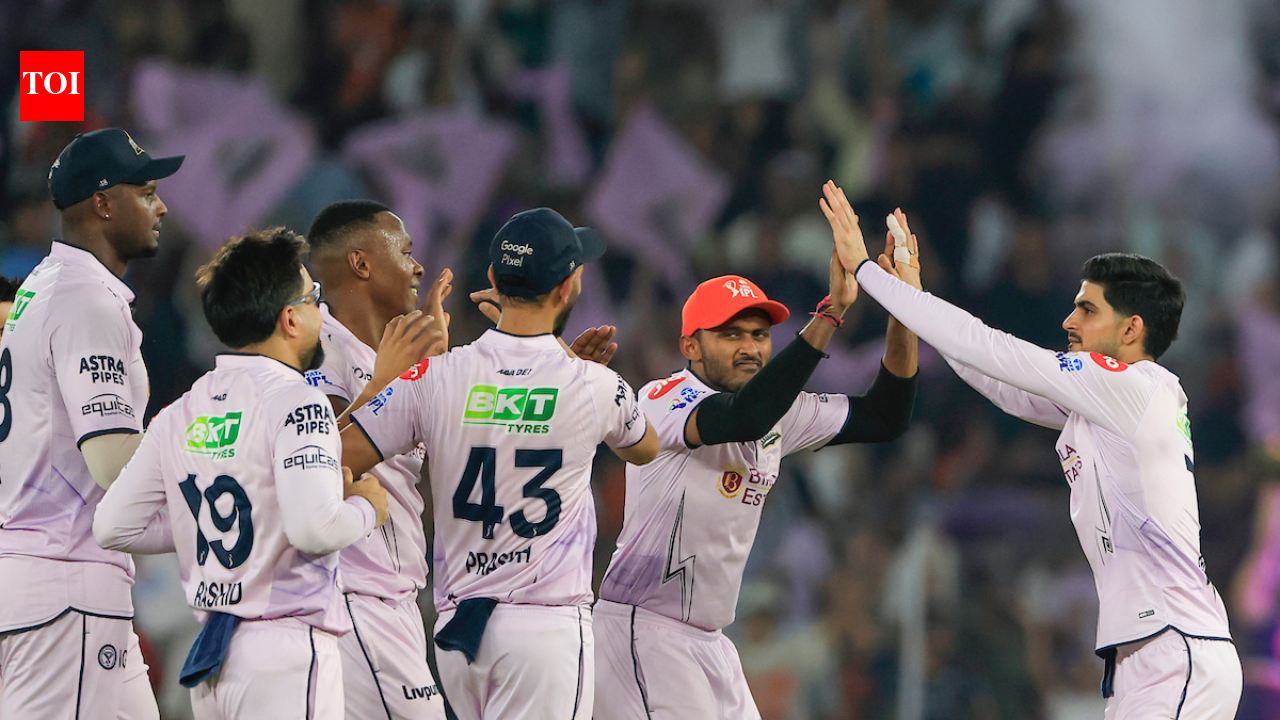
How Gujarat Titans’ second-half comeback propelled them towards the IPL 2026 playoffs (Image: X)

Gujarat Titans, who have struggled at the start of IPL 2026, are on the verge of qualifying for the playoffs. GT has won 8 from 12 matches, earned 16 points and improved to a Net Run Rate (NRR) of +0.551.In the first phase of IPL 2026, they won only three of their first seven matches while losing four, and even started their campaign with a defeat against Punjab Kings. But then the real change came. After the defeat against Royal Challengers Bangalore at the M. Chinnaswamy Stadium, Gujarat Titans never looked back and have now won four consecutive matches.The team success for Gujarat Titans in the second half was driven by three key factors:

Opening pair: Shubman Gill and Sai Sudarshan

The opening pair of Shubman Gill and Sai Sudarshan have once again been the standout performers for GT. Captain Shubman Gill has led the batting unit, scoring 467 runs including four half-centuries. Serving as a reliable explosive partner, Sudarshan sits right next to Gill in the race for the Orange Cap with 501 runs. The opening pair may have gone unnoticed amid the fast-paced explosive partnerships of other teams, but the foundation of the team is built on long partnerships, which other teams lack. Sai Sudarshan and Shubman Gill have together scored 535 runs in 11 innings so far, and are at second position. travis head And Abhishek Sharma, who has 627 runs in 12 innings. He has shown consistency in his batting, often scoring innings for the team rather than getting out during the powerplay. Last season, GT reached the playoffs, where they lost to Mumbai Indians in the eliminator. During that season, the duo scored 912 runs in 15 innings, which was the highest partnership in the 2025 season, where Sai Sudarshan finished his campaign as the Orange Cap holder.Again, the pair has been the backbone of the team, often topping the run charts in almost every outing.

Watch

Matthew Hayden explains GT’s success formula, Rashid’s return and bowling firepower

Jason Holder’s inclusion

Jason Holder has emerged as a transformational masterstroke for Gujarat Titans (GT) in IPL 2026, taking them to the top of the points table. After being bought for Rs 7 crore in the IPL 2026 mega auction, he was dropped during the first phase of the season. But when GT brought him in as replacement for Glenn Phillips, he turned the season around, helping the franchise win 5 out of 6 games after his joining. Although his batting contributions have been limited, he has continued to dominate with the ball in hand. In 6 matches so far, he has taken 13 wickets with an economy rate of 6.35, which is the best this season among bowlers who have bowled 20 overs or more at an average of just 10.92. Holder demolished SRH’s lower middle order by taking 3 wickets for 20 runs in 4 overs. His execution of cutters and slower balls saw SRH bowl out for just 86 runs. In the last match against PBKS, Holder broke the back of the batting lineup, recording his best figures of the season with 4/24 in 4 overs. Holder displayed his extraordinary all-round ability, taking two wickets for 29 runs and taking three quick catches and scoring 12* to seal the win by four wickets.The 6’7” tall Holder has used his height effectively to gain extra bounce, pairing up with Kagiso Rabada and Mohammed Siraj to dominate the death overs.

Gujarat Titans’ deadly bowling powerhouse

In a season where bowlers have often been beaten for runs and struggled with line and length on batting-friendly pitches, GT’s bowlers have dominated unlike any other side after a poor start to the campaign. GT’s bowlers have made a strong comeback, especially in the powerplay, dismantling the opposition batting lineup early. GT’s five-man frontline bowling corps has contributed 95 combined wickets in 12 league matches, bowling out opponents and restricting teams below 200 in 8 of their first 11 encounters. GT leads the IPL 2026 powerplay chart with 25 wickets, followed by RCB with 22 wickets and SRH with 21 wickets. They have been consistently using an aggressive 3-over-each blueprint with key fast bowlers Mohammed Siraj and Kagiso Rabada.Rabada is currently leading the race for Purple Cap with 21 wickets. He has destroyed the top order by taking 16 wickets in the first six overs. Serving as Rabada’s partner-in-crime, Siraj has taken 13 wickets with crucial early successes. He has bowled the most number of four wicket maidens in the first over in the tournament this season. Rashid Khan had a bad start to the season, where he gave away runs despite taking 1 or 2 wickets, but he has regained his form and is leading Gujarat’s spin department with 16 wickets so far. He has consistently demolished the batting lineup in the middle overs. Holder, meanwhile, has become the tactical lynchpin of the XI. Since entering the lineup, the experienced West Indian has taken wickets in both the middle and death overs while maintaining a defensive economy rate of 6.35.Prasidh Krishna has taken 14 wickets in just eight matches and has maintained pressure on the batsmen with his disciplined line and length and provided crucial breakthroughs when needed.

Still a lean patch for GT?

While Gujarat Titans are on top of the IPL 2026 points table, their middle order (positions 4 to 7) have faced a tough phase. The core group manning the middle overs has struggled to generate momentum. washington beautifulRahul Tewatia, Glenn Phillips and Shahrukh Khan formed GT’s middle-order in the first half, but GT later brought on Holder in place of Phillips, while Nishant Sindhu has played the last two matches in place of Shahrukh Khan, who has scored just 35 runs this season. Washington Sundar was also a matter of concern initially, but after low scores he has regained his rhythm. He had played a brilliant inning of 50 runs against SRH in the last match, helping GT reach 168 by forming a crucial partnership with Sai Sudarshan after the early dismissals of Shubman Gill and Jos Buttler.Overall, the team has shown composure and collective performance throughout the season. While the top-order and bowling unit have become the cornerstone of the team, the addition of Jason Holder has added even more firepower to the Gujarat Titans lineup.

Source link

Virat Kohli Anushka Sharma: One of Virat Kohli and Anushka Sharma’s most favorite pictures has 5 artistic details hidden in it that you probably never noticed

One of Virat Kohli and Anushka Sharma's most loved pictures has 5 artistic details hidden in it that you probably never noticed
Power couple Virat Kohli and Anushka Sharma, known for their privacy, find rejuvenation in art and nature. The aesthetic of their home includes vibrant flowers like magenta dahlias, lush indoor plants and interiors featuring earthy stone walls. Thoughtful lighting and light curtains enhance the tranquil, artsy ambiance, making for a perfect escape.

Virat Kohli and Anushka Sharma, often called the power couple, have been very careful about keeping their personal lives, including their children, private.There is often a perception that couples are looking for spaces that will re-energize and refresh the soul, aesthetics and the arts are the perfect way to uplift the mood and reset for the upcoming work week.One of the most loved pictures from ‘Viruska’ quietly presents a true glimpse of art that speaks volumes

One of Virat Kohli and Anushka Sharma's most loved pictures has 5 artistic details hidden in it that you probably never noticed

Photo via Virat Kohli/Instagram

Here are some of them:

Magenta Dahlias Add the Perfect Mix of Colors

Bright, fresh flowers, like sunny marigolds, dahlias, roses and daisies, burst quietly into any space with pure artistic magic. Their vivid colors pop on neutral and earthy walls, adding joy and creativity while the light scent lifts the mood.

Watch

Virat Kohli and Anushka Sharma did not come into limelight after returning to UK, took blessings in Vrindavan

Indoor ornamental plants add depth and inherent luxury

Decorative indoor plants completely change the decor and aesthetics of the home by bringing the feel of nature indoors. Their lush greenery and varied textures add instant depth, softening hard edges and creating cozy nooks and corners that feel lived-in. They add color to plain walls, enhance creativity, and connect us with the outdoors for a calm, refreshing mood, as seen in the photo.

stone walled interior keep it like clay

Stone wall interiors bring raw, timeless texture to home decor, instantly warming up sleek modern spaces with earthy arrangements. Their rough surfaces play with light and shadow, adding depth without being ‘too much’, and are often perfect as accent walls behind sofas or fireplaces. Combine them with plants or metals for a cozy contrast, just like this one.

Perfect splash of lightning on rough walls

To accentuate the rugged texture of stone walls, placing soft gray lighting just above or below them helps spotlights or LED strips work their magic, casting on-point shadows that highlight every crack and curve. This interior photo shows the correct placement of the heated base lamp, which enhances the overall aesthetic experience.

Light curtains add balance

Light, light-colored curtains, such as soft white or beige, allow air and brightness to come in, keeping rooms airy and bright without glare. They dance softly with the breeze, softening the harsh sunlight into a relaxing mist that adds calming vibes and privacy. When paired with any decor, especially decor like earth, stone, they help add effortless beauty to your space

Not only this, the couple’s luxurious home is also a major art inspiration.

Here are 5 art inspirations you can take from Virat and Anushka’s Alibaug retreat.

nature murals add to the charm

Virat’s Alibaug home glows with vibrant murals of banana trees, birds and flowers on a soft pink-coral background painted on the walls. These prints blend seamlessly with the surrounding real potted plants, creating a lush, vibrant feel that reflects biophilic bliss. Choose this for your living room, a large-scale naturalistic mural instantly adds energy and connects the indoor environment with the garden outside.

Earthen wood enhances peace

Old Cherai teak wood and wild pine are found in almost every nook and corner, and feature heavily in Virat’s house too. They add cozy, rough charm to a sleek modern look, like textured walls behind a sofa or dining table. It’s simple luxury that feels real and stable. You can also try this at your home by installing teak cabinets or frames. They look great with plain colors, giving you that cool Kohli feel without going overboard.

bold abstract strokes

Attractive and bright paintings with orange-beige hues and red pops adorn the white walls, oozing chic. These essences balance the minimal setup, painting the eyes just right.

vintage furniture mix

A curated mix of modern sofas and vintage items, like sculptures and ornate cabinets with frames, fill the rooms. This mix sounds vibrant and fantastic. You can also find inexpensive accessories or replicas for your home, adding layers of plants for that eternal, family-friendly warmth.

Textured Tile Details

Local Athangudi tiles and cane mats bring true Konkan ambiance to Virat’s home, with soft patterns right under your feet. They are hard, natural and make boring floors look amazing.

Source link

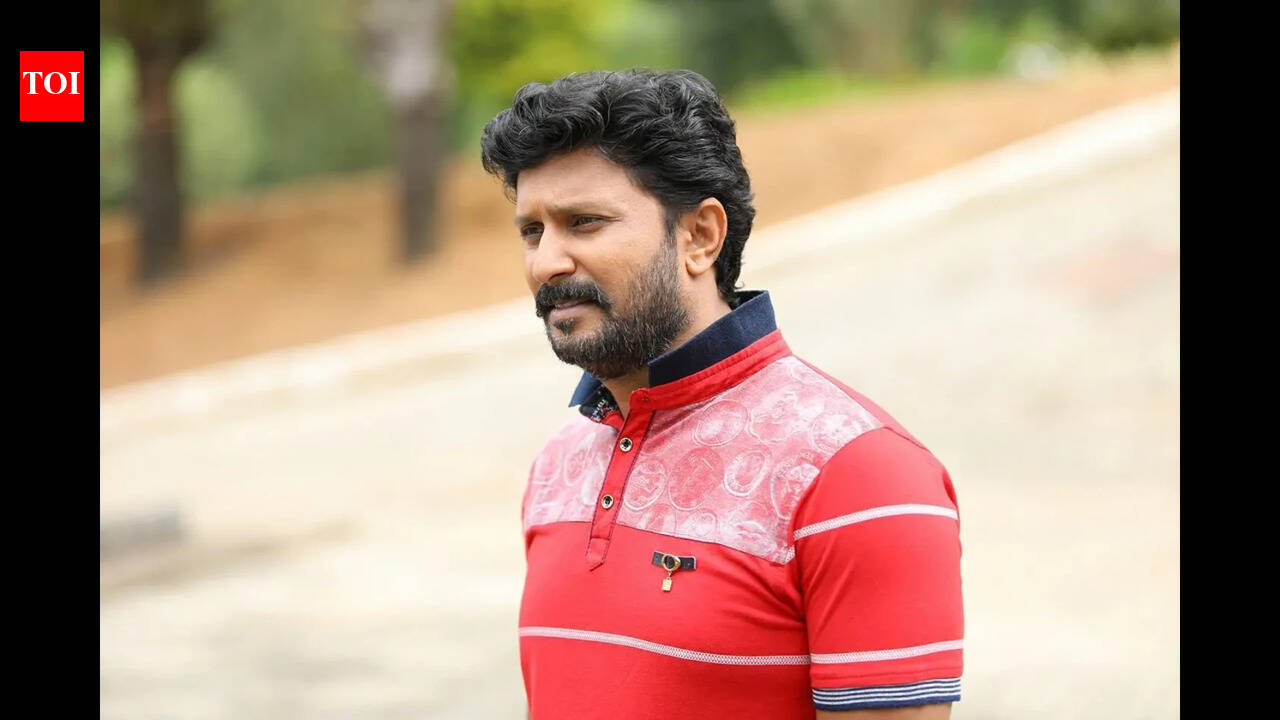
Who was Dilip Raj? Kannada actor dies of heart attack at the age of 47; Check out her last Instagram post. kannada movie news

Who was Dilip Raj? Kannada actor dies of heart attack at the age of 47; Check out her last Instagram post

Kannada entertainment industry woke up to heartbreaking news on Wednesday as actor Dilip Raj He reportedly died of a heart attack at the age of 47. According to reports, the actor suffered severe chest pain at his residence in the early hours of the morning and was rushed to Apollo Hospital in Kumaraswamy Layout. However, despite medical care, he could not be revived.Known for his memorable work in Kannada television, theater and cinema, Dilip Raj has carved a special place in the hearts of audiences over the years. Soon after the news of his demise broke, social media was flooded with heartfelt tributes from fans, colleagues and members of the film fraternity.

Dilip Raj’s last Instagram post goes viral

After his sudden demise, fans started revisiting the actor’s last Instagram upload, which has now gone viral online. His last social media post was related to the release of his film ‘Nimma Vasthugaalige Neeve Javabadararu’, which was released in theaters in January 2025.Sharing the poster of the film on Instagram, Dilip Raj had urged the audience to support the film by booking tickets and watching it on the big screen. Following his death, the comments section of the post was filled with heartfelt condolence messages. Many fans remembered his impressive performance, while many thanked him for entertaining Kannada audiences for decades.Although ‘Nimma Vasthugaalige Neeve Javabadararu’ reportedly received enthusiastic reviews from the audience, the film struggled commercially during its theatrical run. It later received a digital release and is currently streaming on Sun NXT.

Dilip Raj’s journey from theater artist to popular Kannada star

Born on 2 September 1978, Dilip Raj started his artistic journey through theater long before entering television and films. He worked with prestigious theater groups like Natrang and Drishti, where he honed his acting skills and developed a strong base as an artiste.During his theater days, he reportedly met actress Nandita, who played a role in helping him move into television.His television career started with the telefilm ‘Kambada Mane’, which introduced him to Kannada households. Over the years, he became a familiar face through many hit serials including ‘Janani’, ‘Ardh Satya’, ‘Rangoli’, ‘Kumkuma Bhagya’, ‘Mangalya’, ‘Malebillu’ and ‘Rathsaptami’.

How Dilip Raj’s films and television made him a household name

Dilip Raj debuted as a lead actor with the Kannada film ‘Boy Friend’. However, she gained wider recognition after starring opposite late superstar Puneeth Rajkumar in ‘Milana’. His performance in the film received praise from both audiences and critics.In recent years, the actor became extremely popular among the family audience through the Zee Kannada serial ‘Hitler Kalyana’, which further strengthened his position in the television industry.Apart from acting, Dilip Raj also worked as a producer, director, dubbing artist and theater artist, showcasing his versatility across various formats of entertainment.See more: Dilip Raj dies at the age of 47 due to heart attack; Known for Puneeth Rajkumar’s ‘Milana’

A big loss for Kannada entertainment

The untimely demise of Dilip Raj has come as a deep shock to the Kannada entertainment industry. Fans continue to share clips of his films and television shows online, remembering him as an actor whose performances brought warmth and relevancy to the screen. His contribution to Kannada cinema, television and theater will be remembered for years to come.

Source link

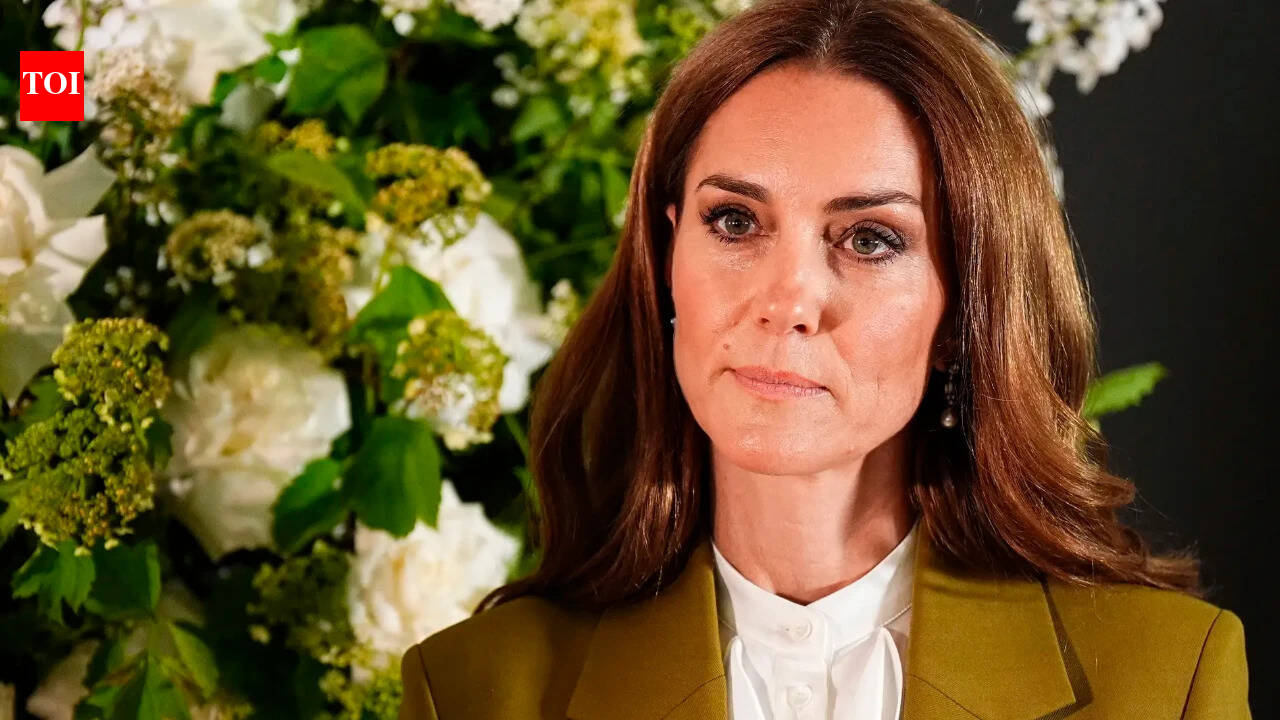
Princess Catherine goes on her first solo trip abroad after cancer recovery

कैंसर ठीक होने के बाद राजकुमारी कैथरीन विदेश में अपनी पहली एकल यात्रा पर निकलींThe princess, commonly known as Kate, will travel to Reggio Emilia in northern Italy to learn about a child-centred approach to early education, which has become a focal point for teachers around the world. The visit is part of an international ‘fact-finding mission’ called for by her office to explore different approaches to supporting young children and their carers.The choice of destination for Kate’s first trip abroad since her cancer diagnosis in 2024 is no coincidence as early years of development are a signature factor of the mother of three who will one day become Queen.“She wants to make it clear that she will continue to make it her issue,” said Joe Little, managing editor of Majesty magazine.The Reggio Emilia approach is based on the idea that young children have many different ways of thinking, understanding and expressing themselves, and teachers need to work with their students to help them learn.The visit will highlight the idea that the environment and human relationships around children are vital to laying the foundation for a resilient and healthy future, Kensington Palace said in a statement.“The Reggio Emilia approach clearly fits the narrative of launching international operations,” Little said.The visit is part of her work with the Royal Foundation Center for Early Childhood, which she founded in 2021 to raise public understanding of the importance of supporting children in their first five years of life.One of Britain’s most popular royals, the Princess of Wales has proven adept at focusing on the matters she cares about.When Kate announced in a soft-focus, Insta-ready video that she had completed chemotherapy treatments, she stepped into territory previously uncharted by the royal family, whose members have traditionally been shy about talking about their health.However, she did it in a new way, using social media to share the fact that despite all her wealth and privilege, like many others, her life had been affected by cancer. Then, later, when she announced she was in remission, she spent the entire day supporting other cancer patients at the hospital where she was treated.In a statement on social media, she thanked everyone who helped her and her husband Prince William navigate the ups and downs of treatment and recovery. He hugged patients at the Royal Marsden Hospital in London and described their treatment as “extraordinary”.“It’s a relief to now be in remission and I’m focused on my recovery,” the princess, now 44, wrote in a note signed with her initials C. “As anyone who has experienced a cancer diagnosis will know, it takes time to adjust to a new normal.”Their new normal includes advocating for early years education, which refers to the learning and development of children from birth to the age of five.There is much to do in Britain, where advocates say there is not enough space to go around and many teachers do not have the training they need.Edoardo Masset, associate research director at the National Institute of Economic and Social Research, said Kate’s focus on early childhood development is important because it draws attention to an issue that really matters to children.“This connection between early years education and success later in life is supported not only by strong theoretical arguments, but also by a large body of evidence on the effectiveness of programs for preschool children,” Masset said in a blog post.

Source link

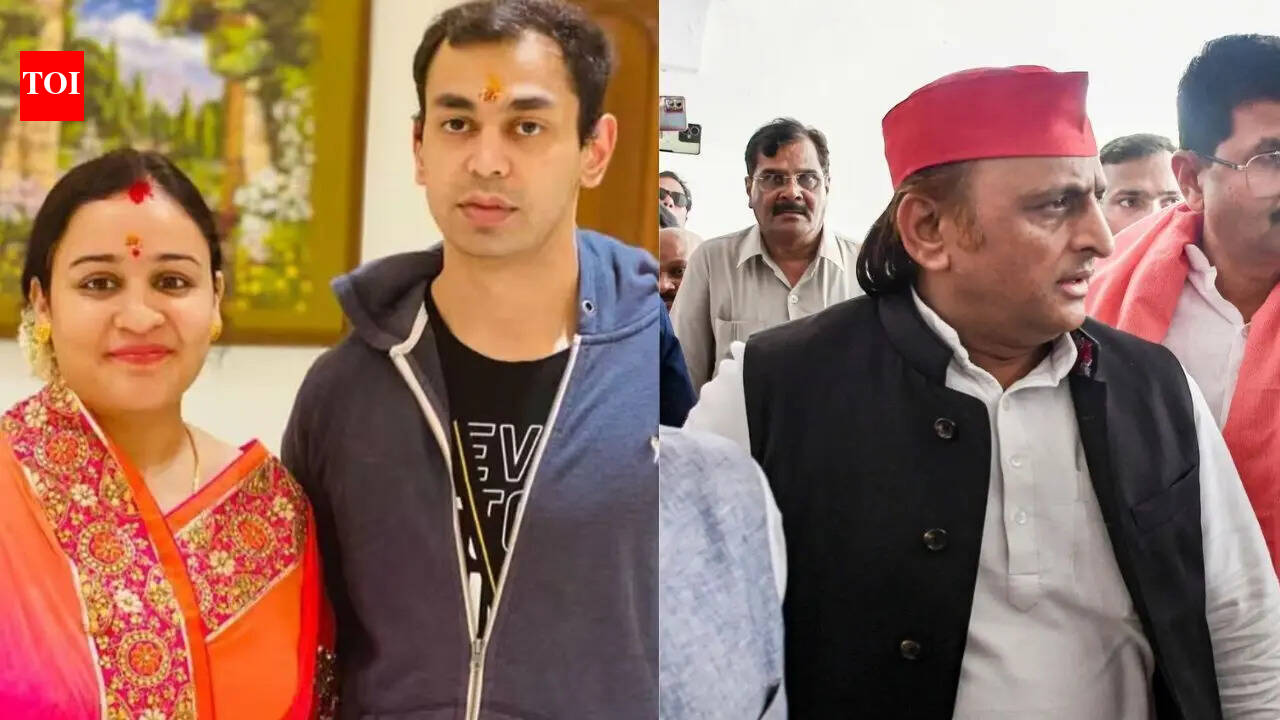
Death of Prateek Yadav: Akhilesh Yadav’s step brother, BJP leader Aparna Yadav’s husband Prateek Yadav dies at the age of 38. Lucknow news

Prateek Yadav, step brother of Akhilesh Yadav and husband of BJP leader Aparna Yadav, dies at the age of 38

Lucknow: Prateek Yadav’s step brother Akhilesh Yadav And husband of BJP leader Aparna Yadav died in Lucknow on Wednesday morning. He was 38 years old.Sources said that Prateek Yadav was brought to the Civil Hospital at around 6 in the morning, where doctors declared him dead. The exact cause of death has not been revealed yet. Postmortem investigation is being conducted and more details are awaited.Prateek was the son of Samajwadi Party chief’s second wife Sadhna Gupta. Mulayam Singh Yadav. Despite belonging to one of the most prominent political families of Uttar Pradesh, he largely stayed away from active politics.In a post on Twitter, Samajwadi Party said, “Prateik Yadav’s demise is very sad. May God grant peace to the departed soul.”Uttar Pradesh Chief Minister Yogi Adityanath expressed grief over Prateek’s death, calling it “extremely heartbreaking” and expressed condolences to the family.In a post on X, he wrote, “The sudden demise of Prateek Yadav, son of former Uttar Pradesh Chief Minister Mulayam Singh Yadav and husband of Uttar Pradesh State Women Commission Vice President Aparna Yadav, is extremely heartbreaking. My condolences to the bereaved family.”Also read: ‘Such an evil soul, going to divorce her’: Mystery shrouds Prateek Yadav’s death; old posts surfaceHe studied at the prestigious Leeds University and later started a business and fitness venture in Lucknow. He ran “The Fitness Planet”, a famous gym in the city and was known for his interest in health and fitness.His wife Aparna Yadav has been politically active for years. She contested the 2017 Uttar Pradesh Assembly elections from Lucknow Cantt on Samajwadi Party ticket but lost to Rita Bahuguna Joshi.She later joined the BJP in 2022 and was appointed vice-chairperson of the Uttar Pradesh State Commission for Women in 2024.Prateek and Aparna tied the knot in 2011 in a high-profile ceremony held in the family’s native village Saifai in Etawah district.Earlier this year, Prateik Yadav had publicly spoken about his marital issues with Aparna Yadav. In a post on her verified Instagram account, she had accused him of straining her relationship with family members and said that she planned to seek a divorce. He had alleged that his focus was only on fame and influence and claimed that he was undergoing severe mental stress.(with agency input)

Source link

PSEB Class 12 Result 2026 today at pseb.ac.in: Punjab Board pass percentage likely to be above 90%

PSEB Class 12 Result 2026 today at pseb.ac.in: Punjab Board pass percentage likely to be above 90%
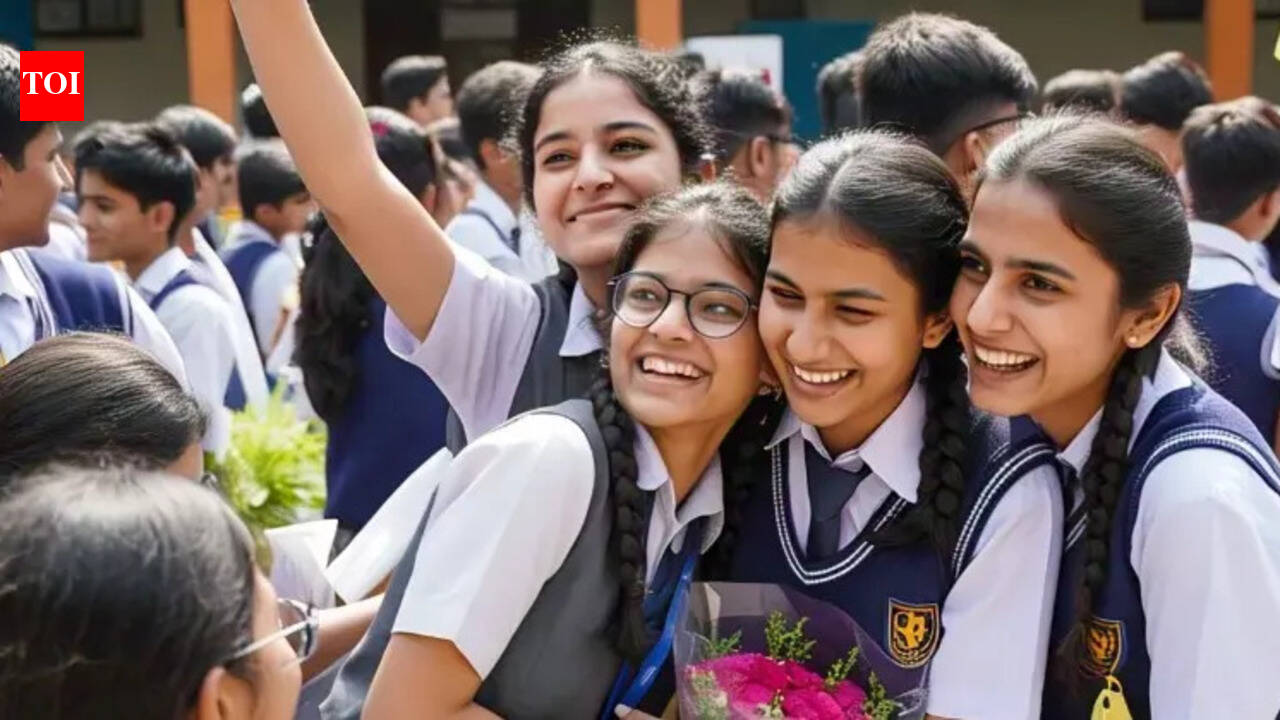
symbolic file photo

PSEB Class 12 Result 2026 today: Punjab Board pass percentage likely to be above 90%, trends showPunjab School Education Board (PSEB) is all set to declare the PSEB Class 12 Result 2026 today, May 13, 2026. PSEB Chairman Dr. Amarpal Singh confirmed the announcement. Once the PSEB 12th Result 2026 link is activated, students will be able to check their Punjab Board Class 12 scores on the official website using their roll number.As students wait for the Punjab Board Class 12 Result 2026, previous years’ data suggests that the PSEB Class 12 pass percentage may remain above 90 percent once again this year. Punjab Board has consistently maintained a high pass percentage in the Class 12 board examinations over the years.In 2021, the PSEB Class 12 pass percentage during the pandemic period stood at 96.48 percent. In 2022, this number increased slightly to 96.96 percent. However, after the resumption of regular offline examinations, a slight decline was seen in the overall passing percentage. In 2023, the Punjab Board Class 12 passing percentage was recorded at 92.47 percent, while in 2024 it stood at 93.04 percent.Punjab Board continued its strong performance in 2025 also. Last year the overall pass percentage of PSEB Class 12 was 93 percent. Girls have also continued to outperform boys in the Punjab Board Class 12 examinations, a trend that has been seen consistently in recent years.Looking at the pass percentage pattern of the last five years, the PSEB Class 12 Result 2026 is also expected to record an overall pass percentage above 90 percent.

PSEB Class 12 Result 2026: How to check Punjab Board 12th Scorecard

Students will be able to check PSEB Class 12 Result 2026 on the official websites – PSEB Official Website and DigiLocker.To download Punjab Board Class 12 scorecard, students can follow these steps:

  • Visit official website
  • Click on “Result” section
  • PSEB Class 12 Result 2026 Open Link
  • Enter Roll Number and Submit Details
  • Download and save scorecards for future use

This year, Punjab Board conducted the PSEB Class 12 examinations from February 17 to April 4 across the state. Students who appeared in the Punjab Board 12th Exam 2026 will need their roll number to access their digital marksheet online.

Source link

A village waiting to be saved or abandoned

A village waiting to be saved or abandoned

There is an empty settlement at a short distance from Panipat, Haryana, which looks as if people have given up all hope of living here. Two kilometers away is the almost empty village of Khukrana, where now lives a small group of residents who say they have lost all hope of ever moving out.Both settlements are two sides of the same coin, linked by a common internal story of neglect and indifference. If the township appears dead, Khukrana wears a deadly veneer – of blowing ash and dust from a power plant and a cement factory standing on its margins.For nearly four decades, Khukrana – about 90 km from Delhi – has been living in the shadow of a thermal power plant, spewing fly ash into the air and sparing no one. And, since 2008, a cement factory has opened up on the border, kicking up dust that finds its way into every crack and crevice. This is a double whammy for Khukrana, stuck in the middle.

‘Look, the condition of my village’

The new township – destroyed before it could be settled – will be a rehabilitation colony for Khukrana residents. Most of it has been built. In 2018, the government constructed three anganwadis, four chaupals, parks, a large community centre, sewer lines, water pipelines, even a graveyard. But the people it is meant to serve remain mired in illness and uncertainty, their days spent with medical bills and deteriorating financial conditions.“Look, look at the condition of my village,” says Toshi, a 70-year-old resident. Nearly 60% of residents – all who could afford to escape the deadly emissions – have left. Row after row of houses are lying deserted. Once a thriving, fully functioning community of 2,000 people, it is now almost a ghost village.The curse of Khukhrana began in the early 1970s, when the Haryana government acquired land in and around Asan Khurd, Asan Kalan, Jatal, Sutana, Untala and Khukhrana villages to set up the Panipat Thermal Power Station (PTPS).Spread over 2,436 acres, PTPS once had eight units with a total capacity of 1,367 MW. Today, only four units are operational. The plant was introduced as a ticket to development and prosperity. What unfolded over the decades is a story of death and destruction, especially in Khukrana, located just 500 meters from the power plant. Before progress could be made, fly ash began to float, hang in the air, mix with water and soil, and cling to walls and clothing. In 2013, a report found that more than half of the people of Khukrana were suffering from chronic diseases.Most of the houses in Khukrana were built decades ago and show obvious signs of decay. But years of government assurances about relocation have left residents unwilling to invest in repairs. “Fixing our houses will cost us money. “New construction will cost even more,” says Suraj Ban, 35. We can’t do both.”Therefore, the village is living in slow decline. In Sitaram’s two-room, two-storey house, 11 people live under one roof, punctuated by broken wooden panels that are in danger of collapsing at any moment. In another house, soot has replaced the paint on the walls. The village chaupal, which was painted light green six months ago, has become completely black.Gram panchayat member Sunil Kumar says the local government school which was built with 10 classrooms – classes 1 to 8 – now has only four usable structures. Six classrooms had to be demolished due to waterlogging, cracks in the foundation and unstable ground. He says that those who can afford send their children to private schools.Abandoned houses lie unused or are rented out to cement factory workers for a period of time. “They leave in a week,” says Suraj Ban. “No one can stay here for very long. But we have been doing this for 30 years.”

‘Everyone here is sick’

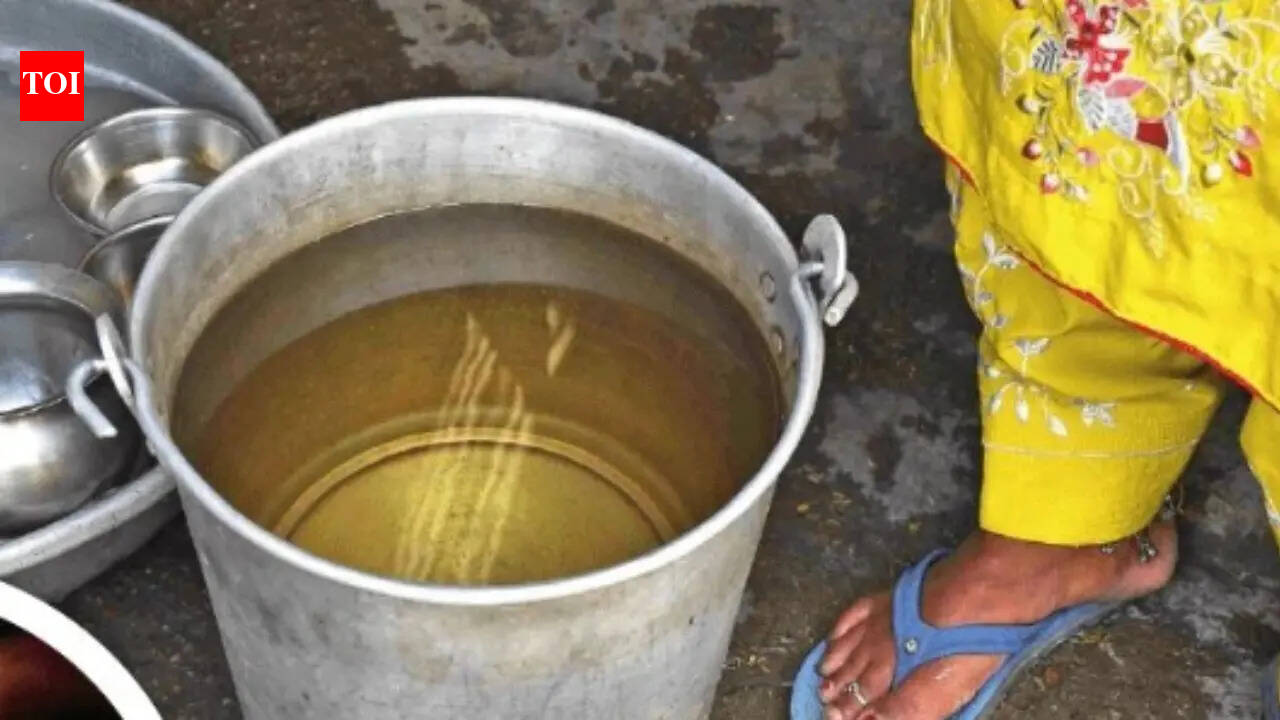
Ask anyone in Khukhrana about their health, the answer is the same: “Everyone here is sick.” Allergies, eye infections, stomach disorders, respiratory diseases, liver complications are common. Cancer too. Sukhbir Singh, 65, returned to Khukrana after spending 35 years in the army. Within three years of his return he had to undergo bypass surgery. Six months later, he suffered a stroke. “As long as there is breathing, you will have to take medicine,” he says.Water makes the crisis clear. Its yellow color and foul smell comes out from the taps. People living closest to the factory talk about their neighbor, 35-year-old Krishna, who “can’t walk more than a few meters without struggling to breathe.”There is a gathering of villagers outside Maha Singh’s house, who are talking in low voices. His nephew, 44-year-old Satyavan, died of brain tumor a month ago. Maha Singh himself is undergoing treatment for throat cancer in a hospital in Panipat.The streets around Khukrana are lined with advertisements for cancer treatment and insurance. There is only one government clinic in the village – an Ayushman Arogya Mandir – which is open for a few hours every day. For most of the medical needs people have to go to Saudapur or Panipat. “Earlier, the government used to organize medical camps every month. Even now they have closed it,” says former sarpanch Tejbir Singh.

How did this get here

While acquiring land for PTPS in 1972–73, the government paid Rs 5,000 per acre for fertile fields and Rs 500 for dry plots. The villagers were promised jobs and compensation. But by the time the plant became operational in 1983, their expectations were met with reality.There was constant noise, ashes floating in houses, regular waterlogging and water sources being seriously polluted. In the early 1990s, villagers organized under the Gram Sudharak Samiti (GSS) and approached Panipat district authorities. But he did not get any relief.The situation became worse after the cement factory opened in 2008. “They open the vents and all the dust comes our way,” says Tanu, 30, who lives next to a cement factory. “We can’t breathe. Our clothes, utensils – everything is covered in ash.”In 1995, the GSS moved the Punjab and Haryana High Court. The case lasted for more than a decade. It was only in 2008, when the court ordered an independent assessment, that Khukrana’s plight became more widely known. Medical teams were deployed and studies were conducted. The conclusions were clear: Khukrana was unlivable. The court asked the government to relocate the residents by 2014.The plans were followed. Land was identified and funds allocated. The authorities had promised a full-fledged settlement with infrastructure, but the relocation did not take place.In early March 2026, Haryana Minister Krishna Lal Panwar distributed 445 allotment letters. Yet, again there were delays, as the plots were neither registered nor demarcated.

not going anywhere

The resettlement site is so close to Khukrana that one might doubt whether people would actually be better off there. Still, the air feels light, the roads are clean and free of coal residue, the trees appear lush and green. And breathing becomes easier.But the absence of residents has left the site in deep neglect. The community center looks vandalized – windows are broken, shards of glass are scattered on the floor, along with empty liquor bottles, cigarette butts and syringes. Electrical wires have been removed from the ceiling, and the main gate – which was once about 15 feet tall – has been cut into pieces and stolen.“Electric poles have just been installed,” says Kumar. “They will also be finished in a few days.” Villagers say they have repeatedly asked the authorities to appoint guards, but nothing has been done. He adds, “We don’t have the money to hire anyone ourselves.” And, even if transfer orders were issued tomorrow, transfers would not be possible. The main obstacle is money.The affected families have to build their houses in the rehabilitation colony. But where is the money for that, they ask. “The government evaluated our houses in 2012. After that, no revaluation has been done to adjust for inflation,” says sarpanch Naresh Kumar.Kumar lives in a 150sqft house. In 2012, the government had estimated its value at Rs 6-6.5 lakh. “I can’t build a house today for Rs 6 lakh,” he says. “The cost of raw material has gone up, as has the cost of labour. We can’t work with the compensation awards of 14 years ago.” Villagers say that in any case no payment has reached their bank accounts.Panipat Deputy Commissioner Virendra Kumar Dahiya says that the transfer will be completed in three months. He says the infrastructure at the new site will also be repaired before residents can be moved. But on the ground in Khukrana, the damage, for now, appears irreversible.


Source link

There is adventurism from across the border, we are ready to suppress it: Navy chief nominated after Munir’s warning. india news

There is adventurism from across the border, we are ready to suppress it: Navy Chief nominated after Munir's warning

New Delhi: In response to Pakistan’s Field Marshal Asim Munir warning India against any “future misadventure”, Indian Navy Chief Vice Admiral Krishna Swaminathan-designate has said that “adventure does not come from anywhere or ever from India” and asserted that the country is prepared to counter and crush any “adventure” from across the border.Vice Admiral Swaminathan, who took over from Admiral Dinesh K. on 31 May.At a defense event organized by the Brahma Research Foundation in Mumbai on Monday, the Vice Admiral highlighted that the country has been a victim of terrorism for years, and that Operation Sindoor Terror camps and terrorists involved in the Pahalgam terror attack were specifically targeted. The country cannot accept terrorist activities, especially when they emanate from foreign soil, he said, adding that Operation Sindoor is ongoing.The Vice Admiral said that the current global situation is causing profound changes in the global security environment. Underlining that about 95% of India’s trade by volume and about 70% by value continues to transit via sea, he said India’s competitiveness depends on safe routes. “The Indian Ocean is and always has been India’s domain. Today, the Indo-Pacific has emerged as a decisive theater of 21st century geopolitics. The Indian Ocean is becoming more contested, more monitored and more consequential. The Indian Navy is the custodian of this domain,” he said.On defense opportunities for MSMEs, he said, “I think it takes some time for MSMEs to get up to speed. Producing defence-grade equipment in any country is not something you do rapidly; you have to do it slowly, systematically… (Our) specifications are very stringent. You don’t get anything off the shelf. Everything needs to be made from an idea. And, hence, most industries in the world take some time for the technologies to mature Is.

Source link

‘Oil companies incur loss of Rs 1,000 crore per day’: Price hike imminent, Petroleum Minister Hardeep Singh Puri hints. india news

'Oil companies incur loss of Rs 1,000 crore per day': Petroleum Minister Hardeep Singh Puri hints, price hike imminent

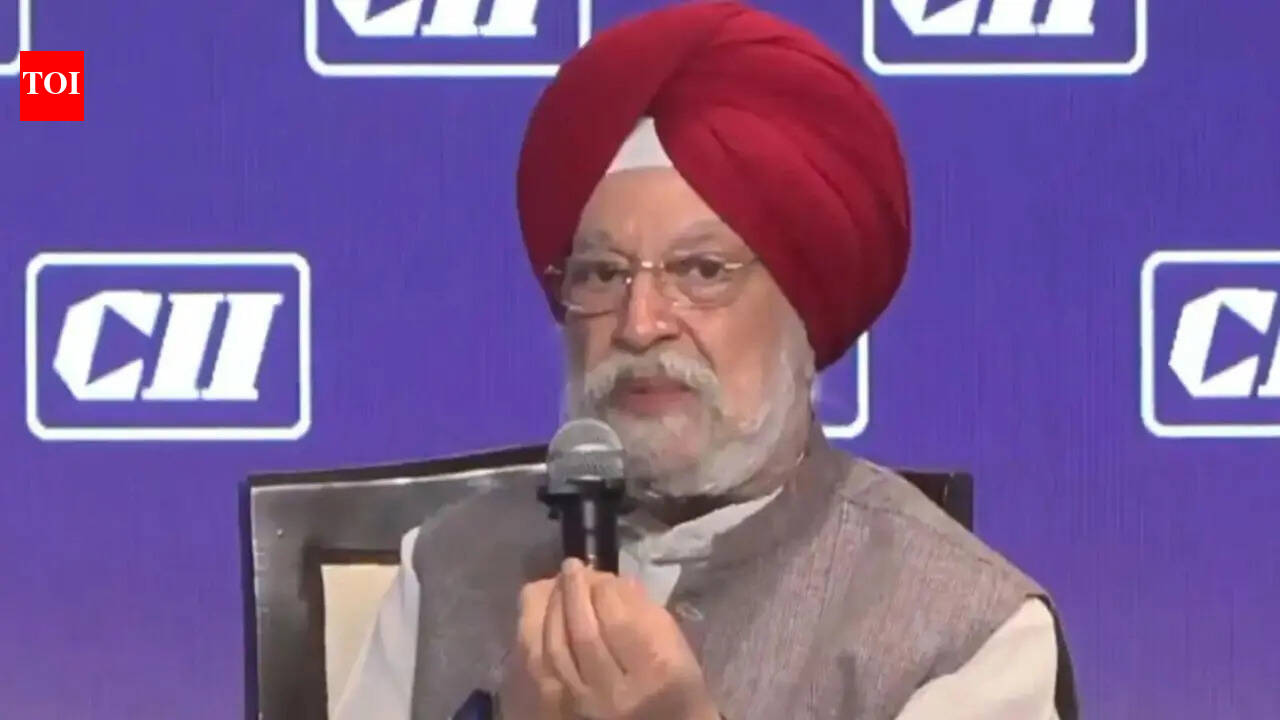
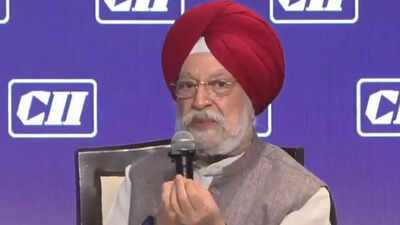
New Delhi: Petroleum minister Hardeep Singh Puri on Tuesday said public sector oil marketing companies may not be able to bear the daily losses of Rs 1,000 crore incurred from selling petrol and diesel below the market price, a strong indication that pump prices are going to rise in the coming days.“To protect the consumer, they are incurring losses. (But) at some level the government will have to take a decision,” Puri said without explicitly commenting on the much-awaited price hike at CII’s annual business summit.“How long will the oil companies be able to withstand this (losses)? Frankly, this is something that worries me,” he said. The minister said oil retailers are under financial pressure and facing under-recoveries of Rs 2 lakh crore and losses of Rs 1 lakh crore in the April-June quarter, which could wipe out last year’s annual profit. The only way for the government to avoid taking “drastic measures” is if the Strait of Hormuz reopens and the price of the crude oil basket falls to $70 a barrel.

Indian Fuel is incurring a loss of Rs 14 per liter on petrol.

Crude oil prices have risen nearly 50% since the war broke out on February 28, surpassing $100 a barrel. Puri rejected suggestions that the price hike was deliberately postponed due to assembly elections in Tamil Nadu, Kerala and West Bengal, saying there have been several elections since 2022, when fuel rates were last increased. “It’s not my case that prices…shouldn’t go up. I’m saying the two are unrelated,” he said. He said India was the only country to keep fuel prices stable for four years.The price of petrol and diesel in the capital is currently Rs 94.77 and Rs 87.67 per liter respectively. According to estimates, OMC – Indian Oil CorporationBharat Petroleum and Hindustan Petroleum – are incurring a loss of Rs 14 per liter on petrol, Rs 42 per liter on diesel and Rs 674 on domestic LPG cylinder. Their collective under-recovery is estimated to be Rs 1,600-1,700 crore per day. Seeking to allay fears of shortage, Puri said despite the disruption in energy flows, there is no supply-side problem and the country has 60 days of crude oil and LNG stock and 45 days of LPG stock. He acknowledged the need to increase reserves and said a company was acquiring 400-500 acres of land for additional storage. On domestic oil and gas exploration, Puri said the government has amended exploration rules and expanded the acreage offered under the licensing round. The Center has also reduced effective royalty rates on crude oil and natural gas production to boost domestic exploration and production. As per the notification, the effective royalty on onshore crude oil production has been reduced to 10%, while offshore crude royalty has been reduced to 8%. Royalty on natural gas has also been reduced to 8%.

Source link